September 15, Colombo (LNW): Sri Lanka’s tourism sector is showing troubling signs, with revenue figures falling sharply in August despite a marked increase in tourist arrivals.
According to recently released figures, the country earned US$ 258.9 million in August 2025—a decline of 8.2 per cent compared to the same month last year.
This drop in earnings comes even as visitor numbers grew significantly. A total of 198,235 tourists arrived in August, up more than 20 per cent from August 2024, when 164,609 visitors were recorded. India continued to lead as the top source market. Yet the rise in footfall has not translated into higher income, revealing a notable decline in average per-tourist spending.
August’s earnings also showed a month-on-month decrease of 18.7 per cent from July’s US$ 318.5 million, raising further questions about the quality and yield of current tourism traffic. This downturn, some analysts warn, could reflect issues ranging from inadequate marketing to poor visitor engagement, sub-par pricing strategies, or an over-reliance on budget-conscious tourists.
Between January and August, Sri Lanka welcomed a total of 1,566,523 visitors, representing a 15 per cent increase from the same period in 2024. Cumulative earnings for the eight-month period reached US$ 2.29 billion—up by 5.7 per cent year-on-year.
Whilst this points to continued recovery following the pandemic and subsequent economic challenges, the slowing revenue growth suggests deeper structural concerns within the sector.
Comparisons to the tourism high point of 2018—when Sri Lanka drew 2.33 million visitors and earned US$ 4.38 billion—reveal just how far the industry remains from full recovery. With only four months left in the year, the government’s ambitious US$ 5 billion earnings target is beginning to appear increasingly unrealistic. Meeting that goal would now require an average of nearly US$ 677.5 million per month—a figure the current trend does not support.
Industry experts have voiced growing frustration over the delay in launching Sri Lanka’s long-promised destination marketing campaign. The proposed rebranding effort, meant to reposition the country on the global tourism map, has faced repeated bureaucratic holdups and now looks unlikely to materialise before the end of next year.
Stakeholders argue that without a strategic push to attract high-value travellers, promote diversified experiences, and reposition the island as a premium destination, the country risks falling into a volume-over-value trap. While footfall may continue to grow, earnings may not follow—putting the sustainability of the industry in jeopardy.
Tourism Earnings Dip Despite Visitor Surge, Raising Concerns Over Sector Strategy

President’s Fund Refocused to Serve the Public: Prime Minister
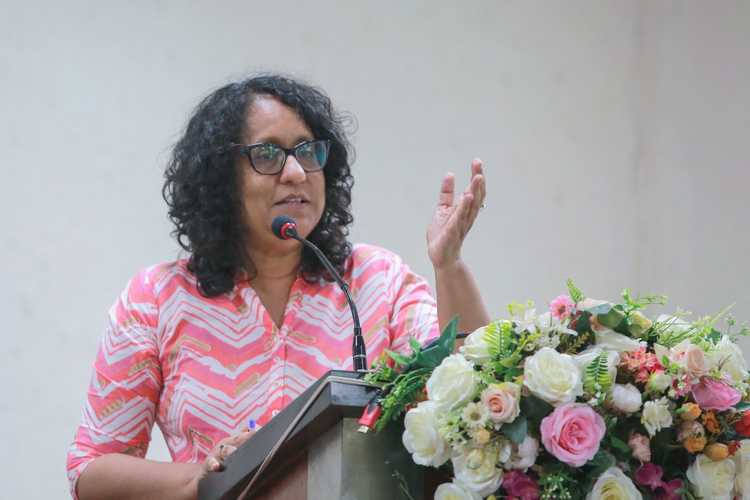
September 15, Colombo (LNW): Prime Minister Dr Harini Amarasuriya has affirmed that the President’s Fund, once perceived as a vehicle for political favouritism, is now being directed entirely towards initiatives that benefit the wider public under the current administration.
Speaking at a special recognition ceremony held at the Kandy District Secretariat, Dr Amarasuriya addressed a gathering assembled to honour students from the Central Province who achieved outstanding results in the 2023 (2024) and 2024 G.C.E. Advanced Level Examinations. The Prime Minister personally awarded certificates to the top-performing students across all subject streams and districts.
In her speech, Dr Amarasuriya extended heartfelt congratulations to the students and their families, remarking that their achievements are not only commendable but also vital to the country’s long-term development. She underscored the role of the President’s Fund in supporting educational advancement and social mobility, adding that it is now being deployed more transparently and equitably than ever before.
“There was a time when the President’s Fund was viewed with scepticism—seen as a resource monopolised by a privileged few for personal or political gain,” she said. “That era has ended. Today, this fund is being channelled directly into projects and programmes that uplift communities, empower young people, and serve the nation as a whole.”
The Prime Minister also stressed the importance of nurturing compassionate, forward-thinking citizens who are equipped to navigate the demands of a rapidly evolving global landscape. She emphasised that the government’s commitment to education extends well beyond financial investment, encompassing values-based learning and critical thinking skills that prepare students for meaningful civic engagement.
Also speaking at the event, Speaker of Parliament Dr Jagath Wickramaratne reiterated that the President’s Fund is a public asset and must be managed in a way that ensures tangible returns to the people. He linked the Fund’s renewed focus to broader efforts at democratic reform, noting that with a significant youth population, Sri Lanka must prioritise human capital development.
Deputy Minister of Transport and Highways Dr Prasanna Gunasena echoed this sentiment, highlighting the need to cultivate a generation of socially conscious young people who are capable of challenging outdated norms and contributing to national progress.
The ceremony was attended by a number of senior dignitaries, including Central Province Governor Prof. S. B. S. Abayakoon, Deputy Ministers Dr Madhura Seneviratne, Gamagedara Dissanayake, Dr Hansaka Wijemuni, and Dr Prasanna Gunasena, as well as Members of Parliament, senior civil servants, officials from the President’s Fund, students, and parents.
Govt Moves to Modernise Urban Transport with New Fleet of Low-Floor Buses

September 15, Colombo (LNW): The Ministry responsible for Transport, Highways, Ports, and Civil Aviation has launched a procurement drive to acquire 100 state-of-the-art low-floor buses, intended to improve urban mobility and enhance commuter experience across major cities.
The planned fleet will feature modern, passenger-friendly designs focused on comfort, efficiency, and accessibility. According to Ministry sources, the initiative is aimed at alleviating the mounting pressures of urban traffic while encouraging a shift away from private vehicle use.
By offering a more reliable and inclusive public transport option, officials hope to reduce road congestion and support environmentally sustainable commuting practices.
Particular emphasis is being placed on ensuring these buses are suitable for all members of the public, including senior citizens and individuals with limited mobility. Low-floor access, priority seating, and advanced boarding features are expected to form part of the design requirements, enabling a more equitable transit experience.
To move the project forward, the Ministry has issued an open call for bids from qualified suppliers and manufacturers. Interested parties have been invited to submit detailed proposals through the Ministry’s Procurement Division, situated at Sethsiripaya Stage II in Battaramulla.
The bidding process is expected to adhere strictly to national procurement regulations, ensuring transparency and value for public funds.
Officials believe that the introduction of these modern buses will mark a turning point in Sri Lanka’s approach to public transport planning—moving towards a system that is not only more efficient but also inclusive and forward-thinking.
Further information regarding technical specifications and submission guidelines can be found on the Ministry’s official website or by contacting the department directly through the provided communication channels.
http://www.transport.gov.lk

Nationwide Local Government Initiative Launched to Inspire Urban Renewal

September 15, Colombo (LNW): A comprehensive national campaign to revitalise towns and cities across Sri Lanka was officially launched today, as the country embarks on a week-long programme aimed at fostering sustainable urban development under the theme of creating a “City of Renaissance.”
Spearheaded by the Ministry of Public Administration, Provincial Councils, and Local Government, the initiative will run from September 15 to 21, engaging local authorities islandwide in a coordinated effort to reimagine urban spaces, improve civic infrastructure, and strengthen community services.
Deputy Minister of Provincial Councils and Local Government P. Ruwan Senarath noted that the project seeks to go beyond short-term beautification efforts. He emphasised that the campaign is designed to cultivate long-lasting improvements that respond to the practical needs of residents while safeguarding the natural and built environment.
The programme encourages local councils to tailor their activities to the specific needs of their communities. Planned efforts include town clean-up drives, infrastructure repairs, community outreach programmes, tree-planting campaigns, and educational workshops on civic responsibility and environmental stewardship.
Dispute Over Rice Pricing Sparks Supply Disruption in Pettah Markets
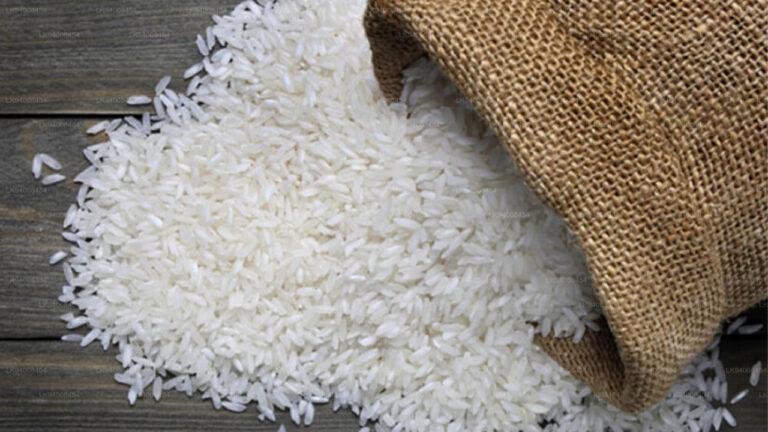
September 15, Colombo (LNW): A rift within Sri Lanka’s rice industry has led to a notable shortage of Keeri Samba rice in Pettah, one of the country’s busiest wholesale trading hubs, as traders refuse to sell the premium variety due to price disputes.
According to several wholesalers operating in Pettah, they have temporarily halted sales of Keeri Samba rice after receiving stock from suppliers at prices exceeding the government’s mandated maximum retail price of Rs. 260 per kilogramme.
With the wholesale acquisition cost already higher than the price ceiling, sellers argue that continuing to trade would result in significant financial losses.
This impasse has trickled down to the retail level, with many shopkeepers also withdrawing Keeri Samba from their shelves, citing unsustainable costs and shrinking profit margins.
In response to the growing tension, the United Rice Producers’ Association has urged the government to reconsider the imposed price controls on Samba and Keeri Samba varieties, claiming that the current cap is no longer viable given rising production and transportation costs. They argue that maintaining an artificial price limit is distorting the market and discouraging fair trade practices.
However, not all stakeholders share this view. The Sri Lanka Small and Medium Scale Paddy Mill Owners’ Association has issued a warning against lifting the price cap, alleging that powerful millers are manipulating the market to engineer an artificial scarcity.
According to the association, such tactics are designed to drive prices higher and maximise profit at the expense of both consumers and small-scale producers.
Amidst the ongoing debate, the National Farmers’ Union has called on the government to step in urgently and mediate a resolution. They warn that continued inaction could lead to widespread supply chain disruptions, placing additional strain on both farmers and consumers, especially as demand increases during the festive season and upcoming religious observances.
Power Sector Unions Escalate Industrial Action Over Controversial Restructuring Plans
September 15, Colombo (LNW): Trade unions representing workers across the Ceylon Electricity Board (CEB) have declared that their industrial action will be significantly intensified starting today, in protest against the government’s proposed plan to restructure the utility into four separate entities.
The protest, which has been gaining momentum since its launch earlier this month, was originally rolled out in stages. The initial phase took the form of a “work-to-rule” campaign, during which employees limited their duties strictly to those outlined in their official job descriptions, avoiding any voluntary or additional responsibilities.
The strike action, now entering its twelfth day, has been spearheaded by the Ceylon Electricity Board Engineers’ Union (CEBEU) in collaboration with a broad coalition of affiliated unions. Despite nearly two weeks of sustained action, union leaders claim that the authorities have yet to open any meaningful dialogue to address their grievances.
Dep Minister Watagala Dismisses Claims of Lavish Property Purchase Amid Smear Campaign: CID Complaint to Follow
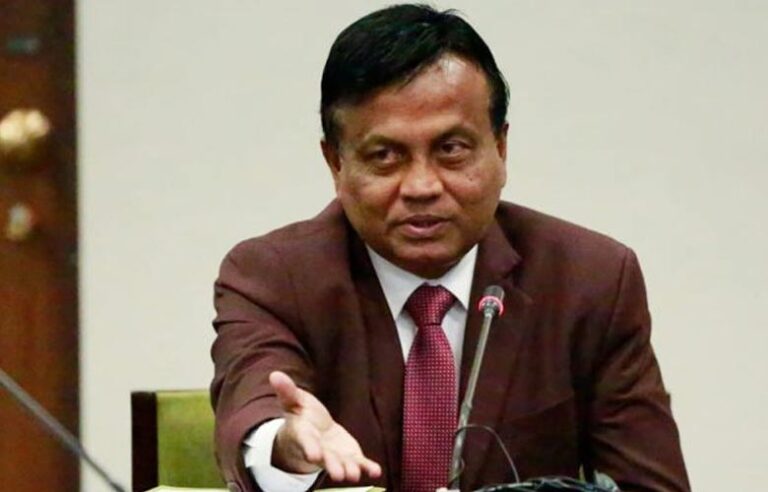
September 15, Colombo (LNW): Deputy Minister of Public Security, Attorney-at-Law Sunil Watagala has strongly denied rumours circulating on certain social media channels alleging that he has recently acquired a high-end residence in Colombo, describing the claims as entirely baseless and part of a calculated effort to discredit him.
In a public statement, Watagala clarified that all his possessions have been truthfully disclosed in his official declaration of assets and liabilities, and that he has not made any recent property acquisitions beyond what is legally recorded. He attributed the emergence of these rumours to the growing backlash he has faced after raising serious allegations against drug networks and their affiliates.
“These falsehoods are a deliberate attempt to tarnish my name,” Watagala said. “The individuals and interests behind these fabrications are clearly unnerved by the exposure I have brought upon narcotics operations and those connected to them. In response, they have launched an organised campaign to undermine my integrity.”
Watagala revealed that he plans to take formal legal action, both by lodging a complaint with the Criminal Investigation Department (CID) and initiating defamation proceedings against those responsible for spreading the misinformation.
Showery trend continues for several districts across island: Fairly heavy falls about 50 mm to follow

September 15, Colombo (LNW): Several spells of showers will occur in Western and Sabaragamuwa provinces and in Galle, Matara, Kandy and Nuwara-Eliya districts, the Department of Meteorology said in its daily weather forecast today (15).
Showers or thundershowers will occur at several places in Uva and Eastern provinces and in Hambantota district after 1.00 p.m. Fairly heavy falls about 50 mm are likely at some places.
Cloudy skies can be expected over Eastern, Uva, Central and Southern provinces.
The general public is kindly requested to take adequate precautions to minimise damages caused by temporary localised strong winds and lightning during thundershowers.
Marine Weather:
Condition of Rain:
Showers will occur at several places in the sea areas off the coast extending from Chilaw to Matara via Colombo and Galle.
Winds:
Winds will be south-westerly and wind speed will be (30-40) kmph.
Wind speed can increase up to (50-55) kmph at times in the sea areas off the coast extending from Matara to Pottuvil via Hambantota.
Wind speed can increase up to (40-50) kmph at times in the sea areas off the coast extending from Kankasanthurai to Matara via Puttalam, Colombo and Galle.
State of Sea:
The sea areas off the coast extending from Matara to Pottuvil via Hambantota may be rough at times.
The sea areas off the coast extending from Kankasanthurai to Matara via Puttalam, Colombo and Galle may be fairly rough at times.
Education Ministry Confirms Examination Timetable for 2026 Academic Year

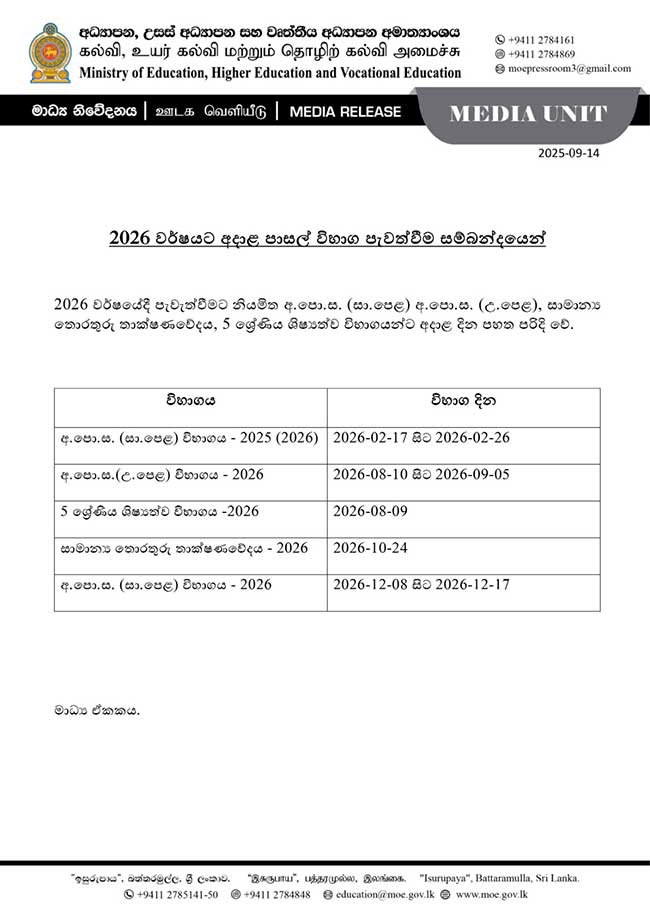
September 14, Colombo (LNW): The Ministry of Education has officially released the national examination schedule for the 2026 academic year, confirming the dates for several key public exams, including the G.C.E. Ordinary Level, Advanced Level, and Grade 5 Scholarship examinations.
According to the announcement, the 2025 (2026) G.C.E. Ordinary Level examination—originally scheduled for the end of 2025 but postponed due to academic calendar adjustments—will now be held from February 17 to 26, 2026.
The G.C.E. Advanced Level examination is set to take place from August 10 to September 05, 2026, allowing candidates nearly a full month to complete assessments across various subject streams.
In the case of younger pupils, the Grade 5 Scholarship examination as been scheduled for August 09, 2026.
Looking ahead, the Ministry also confirmed that the regular 2026 G.C.E. Ordinary Level examination will return to its standard December slot and will be conducted from December 08 to 17, 2026.
Southern Expressway Rest Stop Lease Triggers Public Outrage
By: Staff Writer
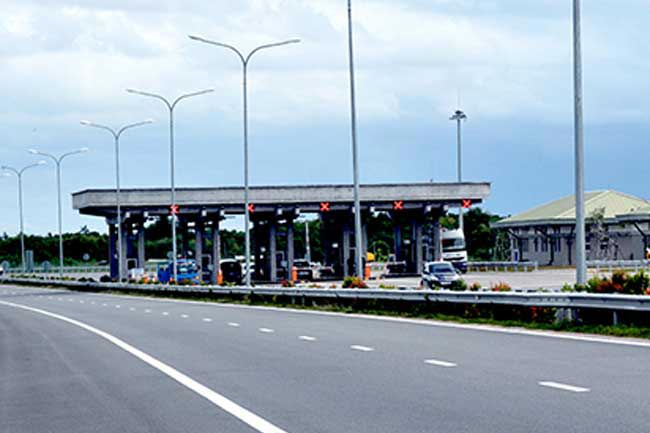
September 14, Colombo (LNW): A fresh controversy has erupted in Parliament over the lease of the Southern Expressway’s sole rest stop, the “Canowin Arcade” at Welipenna, following shocking revelations about its terms. Transport and Highways Minister Bimal Ratnayake told lawmakers this week that the facility had been handed over on a 99-year lease for a token fee of just Rs. 10,000 a sum critics say makes a mockery of public asset management.
The lease, granted in March 2012 during the Rajapaksa administration, was approved by Cabinet on a proposal submitted by then President Mahinda Rajapaksa in his capacity as Ports and Highways Minister. It was awarded to Canowin Hotels & Spas (Pvt) Ltd., a subsidiary of the state-owned Sri Lanka Insurance Corporation (SLIC). The company was tasked with developing and managing service areas along the Southern Expressway, which includes food courts, restrooms, fuel stations, and retail shops.
While later clarifications stressed that the property was not transferred to a private investor but instead to an SLIC-owned company, the nominal lease fee and extraordinary 99-year duration have drawn heavy criticism. “The public deserves to know how a vital national asset was locked away for the cost of a single meal,” Minister Ratnayake told Parliament. “This is not about privatization; it is about accountability.”
Analysts argue that even though Canowin Hotels is state-owned, the financial arrangement undermines basic governance principles. They question whether the state secured adequate value for a high-traffic commercial facility that serves thousands of commuters daily. For many, the symbolic lease terms reflect a broader pattern of opaque decision-making in the management of public property during past administrations.
The Canowin Arcade was promoted as a flagship rest complex during the rollout of the Southern Expressway, Sri Lanka’s first and longest highway. However, the revelation of its virtually free lease has reignited doubts about how key infrastructure projects were structured and whether long-term public interest was compromised.
Lawmakers from across the aisle are now demanding a comprehensive audit of the lease terms, Canowin Hotels’ operational performance, and the justification for awarding a century-long concession. Governance experts caution that without greater transparency, even state-to-state transactions risk fostering inefficiency, political favoritism, and public mistrust.
As Sri Lanka grapples with severe fiscal constraints, the controversy underscores the urgent need for reforms in managing state assets. Critics argue that every rupee of potential revenue counts, and sweetheart deals even within state entities deprive the treasury of much-needed income. For the public, the Canowin Arcade episode is more than a question of one highway rest stop; it is a test case for accountability in the stewardship of national resources.