September 04, Colombo (LNW): Electricity sector employees across Sri Lanka are set to commence a coordinated work-to-rule campaign from midnight tonight, in opposition to what they describe as an imposed and unjust restructuring of the Ceylon Electricity Board (CEB).
The industrial action, backed by several unions representing technical and engineering staff within the CEB, is aimed at pressuring authorities to reconsider the ongoing reforms, which workers claim are being implemented without adequate consultation or transparency.
Kosala Abeysinghe, President of the CEB Technical Engineers’ Union, confirmed that the protest will unfold in a phased manner, beginning with employees strictly adhering to official job descriptions and refraining from performing any additional or discretionary tasks.
According to union representatives, the restructuring process has proceeded without proper stakeholder engagement, leaving staff uncertain about job security, future roles, and the broader impact on national energy management.
Union leaders have made it clear that unless the government initiates meaningful dialogue and addresses their concerns, the protest will escalate.
Electricity Workers Begin Island-Wide Work-to-Rule Protest Over Restructuring Dispute

Young Sri Lankan Karate Team Left Stranded After Administrative Blunder Derails Trip to Asia Championships
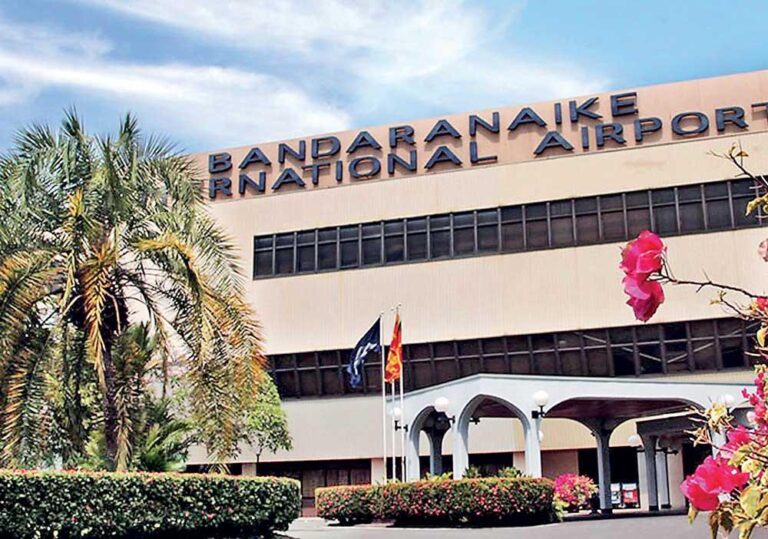
September 04, Colombo (LNW): A group of 31 young karate athletes from Sri Lanka, many of them school-aged students, faced crushing disappointment on September 02 when their long-awaited journey to the 23rd Asian Cadet, Junior, and Under-21 Karate Championships in Shaoguan, China, was abruptly cancelled due to a failure to secure the necessary travel visas.
The international tournament, set to take place from September 05 to 07, was meant to be a landmark event for the team, who had spent over six weeks in intensive training. Each competitor had reportedly contributed approximately Rs. 580,000 to cover flight tickets, accommodation, and other travel-related expenses.
Many families, desperate to support their children’s sporting ambitions, had gone to extreme lengths — including taking out loans and mortgaging property — to fund the trip.
Despite arriving well ahead of their scheduled SriLankan Airlines departure at Bandaranaike International Airport, the athletes and their families were met with confusion and silence. Crucially, no representatives from the Sri Lanka Karate Federation were present at the airport to coordinate logistics or explain the unfolding situation.
It soon became apparent that the necessary visas had not been secured — a critical oversight that rendered travel to China impossible.
Left waiting outside the departure terminal for hours, the disheartened athletes eventually dispersed and returned to their hometowns, their hopes dashed and futures uncertain.
The Ministry of Youth Affairs and Sports has since launched a formal inquiry into the matter. In a strongly worded statement, the Ministry laid full responsibility at the feet of the governing federation, emphasising that the obligation to secure visas and flight arrangements lies squarely with the sports authority overseeing the athletes.
Condemning what it described as “careless and negligent conduct,” the Ministry also signalled that disciplinary measures may be pursued against those found accountable for the debacle.
Court Halts Arrest of Lawyer Appeared for Ex-Lottery Board Chief Thusitha Halloluwa

September 04, Colombo (LNW): The Court of Appeal has temporarily barred law enforcement authorities from arresting a lawyer allegedly linked to an ongoing investigation into a high-profile shooting incident involving a former senior official of the National Lotteries Board.
The interim order was handed down by a two-judge bench, led by Justice Rohantha Abeysooriya and Justice Priyantha Fernando, after reviewing a petition submitted on behalf of the legal professional. The ruling effectively restrains the Colombo Crimes Division from taking the attorney into custody for a period of 14 days, pending further judicial proceedings.
The petitioner was represented in court by President’s Counsel Saliya Pieris, who argued that the proposed arrest lacked a credible legal basis. He told the bench that his client had merely offered legal representation to Thusitha Halloluwa, the former Director of the National Lotteries Board, and had no personal involvement in any alleged wrongdoing related to the shooting incident.
The defence maintained that the attorney had been fulfilling his professional obligations as a legal practitioner and that there was no substantive evidence linking him to the crime under investigation.
The court, upon examining the circumstances and the arguments presented, found sufficient grounds to prevent immediate legal action against the lawyer in question. The restraining order will remain effective for two weeks, during which time the court is expected to further deliberate on the matter.
Timely Intervention Could Save Hundreds of Young Lives Lost to Cancer Each Year in Sri Lanka

September 04, Colombo (LNW): Each year, approximately 200 children in Sri Lanka lose their lives to cancer — a tragic toll that health experts believe could be significantly reduced with earlier diagnosis and timely medical care.
This sobering figure was highlighted by Dr Suraj Perera, a Consultant Community Physician affiliated with the National Cancer Control Programme (NCCP), during a recent media briefing hosted by the Health Promotion Bureau.
Speaking to reporters, Dr Perera noted that while childhood cancer remains a serious concern, the overall number of cases has not shown a dramatic increase over the past decade and a half. “Back in 2022, 904 new cases of cancer were diagnosed in children. For the past 15 years, the annual figures have hovered between 600 and 800. We are now seeing closer to 900 cases each year,” he explained.
Despite this relative stability in case numbers, the annual death toll remains distressingly high. Data from the Department of the Registrar General indicated that roughly 200 children succumbed to cancer in 2019 — a pattern that appears to persist in subsequent years. While data collection for 2020 and beyond is ongoing, officials estimate that this figure has remained largely unchanged.
Dr Perera stressed that not all of these deaths were inevitable. “A number of children who passed away might have had a chance at recovery, had their illnesses been detected and treated earlier,” he said. Delayed diagnosis and limited access to specialised care are among the key challenges identified by health professionals.
He also underscored the importance of public awareness, noting that many families only seek medical help once symptoms have become severe or persistent. “With early detection and proper treatment, not only can survival rates improve, but the severity of complications can also be reduced,” Dr Perera added.
Major Drug Operation Discovered in Nuwara Eliya Linked to Infamous Underworld Figure

September 04, Colombo (LNW): Authorities have uncovered a significant methamphetamine manufacturing operation in the highland city of Nuwara Eliya, believed to have been orchestrated by a well-known figure in Sri Lanka’s criminal underworld.
The suspect, identified as Mandinu Padmasiri — more commonly referred to by his alias Kehelbaddara Padme — is currently being held by the Criminal Investigation Department (CID), who made the discovery during ongoing interrogations.
Padmasiri, who has long been associated with organised crime activities, is believed to have personally funded the illicit enterprise, reportedly investing over Rs. 4 million into establishing the facility. He is said to have discreetly rented a residential property in the Nuwara Eliya area to serve as a front for the production site, exploiting the region’s relative seclusion to avoid drawing attention from local authorities or residents.
Further investigative breakthroughs were made following sustained questioning, during which Padmasiri allegedly admitted to importing close to 2,000 kilograms of chemical precursors essential for manufacturing crystal meth — commonly referred to as “ice”.
These chemicals, brought into the country through undisclosed channels, were likely smuggled in over a period of time to avoid detection.
Law enforcement officials believe the operation was not a small-scale endeavour, but part of a larger, well-coordinated drug distribution network with links possibly extending beyond national borders.
Forensic teams and narcotics experts are now combing through the site to gather more evidence and assess the full scale of the operation.
A few showers expected in select districts: Mainly fair weather to prevail elsewhere (Sep 04)

September 04, Colombo (LNW): A few showers may occur in Western and Sabaragamuwa provinces and in Galle, Matara, Kandy, and Nuwara-Eliya districts, the Department of Meteorology said in its daily weather forecast today (04).
Showers or thundershowers may occur at a few places in Ampara, Batticaloa and Monaragala districts after 2.00 p.m.
Mainly fair weather will prevail elsewhere of the island.
Fairly strong winds of about (30-40) kmph can be expected at times over Western slopes of the central hills and in North-central and North-western provinces and in Hambantota district.
The sun is going to be directly over the latitudes of Sri Lanka during 28th of August to 07th of September due to its apparent southward relative motion. The nearest places of Sri Lanka over which the sun is
overhead today (04) are Ragama, Kirindiwela, Ruwanwella, Nawalapitiya and Lunugala about 12.09 noon.
Marine Weather:
Condition of Rain:
Few showers may occur in the sea areas off the coast extending from Colombo to Matara via Galle.
Winds:
Winds will be westerly to south-westerly and wind speed will be (30-40) kmph.
Wind speed can increase up to (50-60) kmph at times in the sea areas off the coast extending from Chilaw to Mannar via Puttalam and from Matara to Pottuvil via Hambantota.
Wind speed can increase up to (45-50) kmph at times in the sea areas off the coast extending from Chilaw to Matara via Colombo and Galle and from Mannar to Vakarai via Kankasanthurai and Trincomalee.
State of Sea:
The sea areas off the coast extending from Chilaw to Mannar via Puttalam and from Matara to Pottuvil via Hambantota will be rough at times.
The sea areas off the coast extending from Chilaw to Matara via Colombo and Galle and from Mannar to Vakarai via Kankasanthurai and Trincomalee will be fairly rough at times.
Sri Lanka’s Public Property Act: A Tough Law Driving a New Era of Accountability

By: Ovindi Vishmika
September 03, Colombo (LNW): Sri Lanka’s fight against corruption is being reshaped by a law passed more than forty years ago. The Offences Against Public Property Act No. 12 of 1982, long considered one of the most stringent pieces of legislation in the country, has become the foundation of a sweeping campaign to prosecute officials accused of misusing state assets. Its revival underscores both the seriousness of today’s anti-corruption drive and the unique power of a law designed to put public property beyond private reach.
A Law Ahead of Its Time
When Parliament certified the Act in March 1982, it responded to growing fears that state property was being exploited for personal or political gain. Unlike many other statutes of the time, it cast a wide net, covering assets belonging not just to ministries but also to state banks, corporations, cooperative societies, and unions. The drafters recognized that corruption could take many forms, and so they deliberately gave the law sweeping definitions to capture any misuse of resources tied to the state.
Covering More Than Theft
The Public Property Act was not limited to obvious crimes such as robbery or mischief. It also criminalized dishonest misappropriation, cheating, criminal breach of trust, and financial fraud. By explicitly including forgery and falsification of accounts, the law ensured that paper-based corruption would be punished as seriously as physical theft. In effect, the Act recognized that corruption could be hidden in documents as easily as in stolen goods, and it gave prosecutors the tools to pursue both.
Punishments Designed to Deter
Penalties under the Act remain among the harshest in Sri Lankan law. Anyone convicted faces a minimum of one year and up to twenty years in prison. In addition, fines must be either at least Rs. 1,000 or three times the value of the loss, whichever is higher. The statute also empowers courts to seize property belonging to offenders to recover unpaid fines. Where forfeiture is impractical, community service can be ordered instead, ensuring that every conviction carries a tangible consequence. These provisions reflect the Act’s clear purpose: to make corruption too costly to risk.
Little Room for Bail
Perhaps the most distinctive feature of the Act is its approach to bail. If the alleged loss exceeds Rs. 5,000—a modest figure by today’s standards—the accused is usually held in remand until the trial concludes. Courts may release an individual only in exceptional circumstances, and judges must record specific reasons when doing so. This rule has proven crucial in cases involving politically powerful figures, reducing the risk of interference with investigations and signaling that accused officials will be treated no differently than ordinary citizens.
A Former President in the Dock
The reach of the law was dramatically illustrated in August 2025, when former President Ranil Wickremesinghe was arrested under its provisions. He was accused of misusing about Rs. 16.6 million in state funds during an overseas trip in 2023, which allegedly included a private detour to London. In line with the Act’s strict bail rules, he was initially remanded before being released on health grounds. His arrest marked the first time a former head of state faced prosecution under the Public Property Act, a development widely seen as a turning point in the country’s anti-corruption campaign.
A Growing List of Defendants
Wickremesinghe is far from alone. In recent months, the Act has been used to prosecute a wide range of political figures. Former State Minister Shasheendra Rajapaksa was charged with misusing nearly Rs. 900,000 in compensation funds. Ex-Health Minister Keheliya Rambukwella faced allegations linked to counterfeit drug imports. Former ministers Nalin Fernando and Mahindananda Aluthgamage were convicted over procurement scandals costing millions. Land fraud and forgery cases have also implicated figures like Prasanna Ranaweera and Mervyn Silva. Collectively, these prosecutions show that the law is being applied to both financial crimes and abuses of administrative power.
Public Support and Political Debate
The Act’s revival has been welcomed by citizens long frustrated with corruption and political impunity. For many, the message is clear: misuse of public assets will no longer be tolerated, regardless of who commits the offense. Yet critics argue that enforcement is sometimes politically selective, targeting rivals more aggressively than allies. International observers have also emphasized that the credibility of Sri Lanka’s anti-corruption effort depends on impartial and transparent application of the law.
From Law to Lasting Change
The Public Property Act remains the backbone of Sri Lanka’s legal response to corruption. Its broad definitions, uncompromising bail rules, and severe punishments make it uniquely powerful. The arrest of a former president under its authority shows that even the highest offices are no longer beyond reach. Whether the current momentum produces lasting change, however, depends on how consistently and fairly the Act is enforced. If applied without bias, it could help build a culture of accountability that Sri Lankans have demanded for decades.
Reforming the Presidential System in Sri Lanka
By Adolf
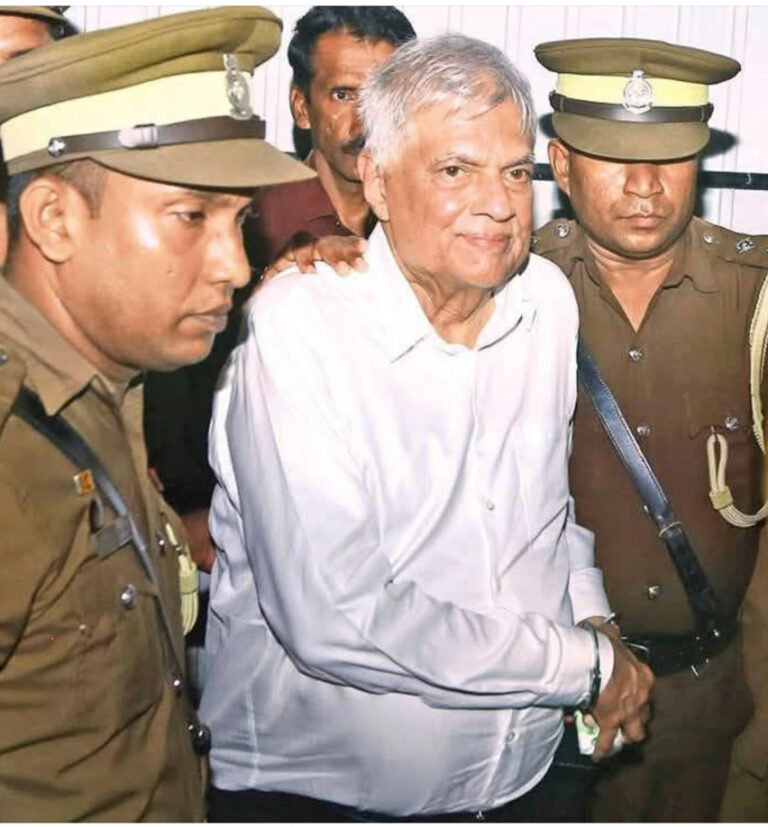
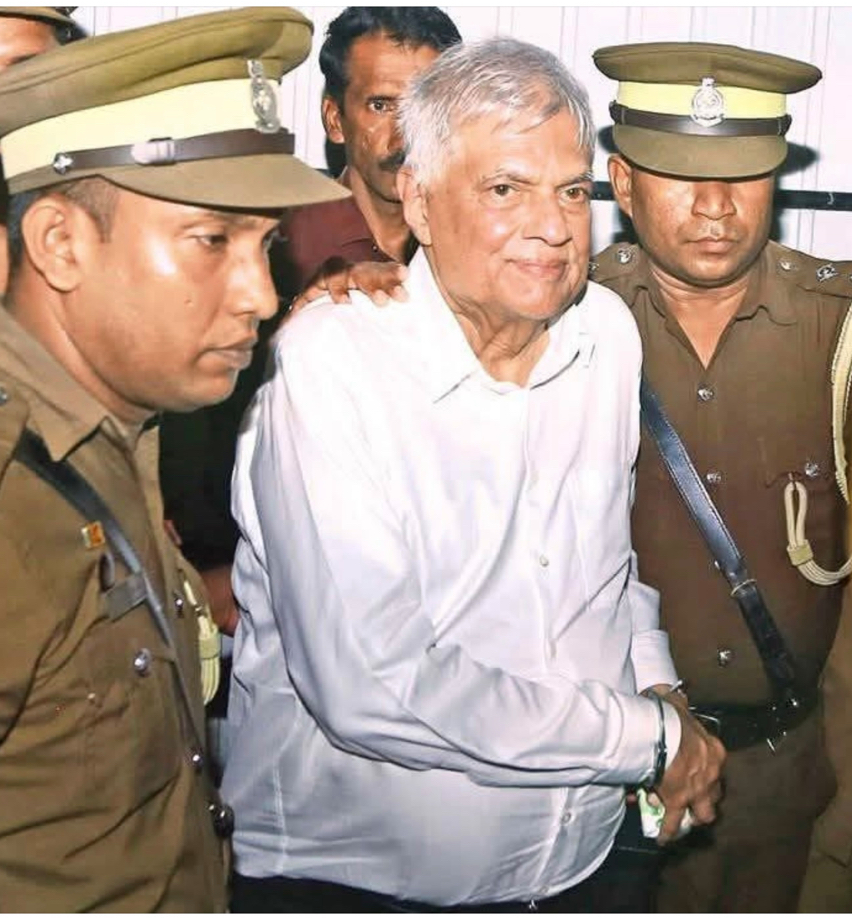
The recent arrest of a former President has once again highlighted the weaknesses and ambiguities in Sri Lanka’s Presidential system. It has sparked fresh debate on the interpretation of the law by law enforcement and the balance between accountability and the dignity of the office.
Since its introduction in 1978, the Executive Presidency has been the subject of continuous discussion. While it provides stability through a directly elected President, it has also created tensions over legitimacy, accountability, and the misuse of power. To strengthen democracy and reinforce respect for the highest office in the land, reforms must focus on electoral rules, succession, dignity of office, and accountability mechanisms.
Proposed Reforms
1. Electoral Process
• Run-off Requirement: If no candidate secures more than 50% of valid votes in the first round, a second-round run-off should be held between the top two candidates within three weeks.
• A President without a 50% mandate lacks full legitimacy to govern.
• This reform would ensure that the elected President represents the majority, preventing a candidate from assuming office with only a small plurality.
2. Succession and Continuity
• Death or Resignation of a Sitting President:
◦ If more than two years remain in the term, a fresh national election must be held within 90 days.
◦ If less than two years remain, the Prime Minister or Speaker (as designated by law) should serve as Acting President until the end of the term.
•
• This arrangement guarantees continuity of governance while safeguarding the people’s right to elect their Head of State.
3. Dignity of the Office
• The President symbolizes the unity of the nation and must be shielded from trivial or vindictive attacks.
• Protocols should reinforce the dignity of the presidency by ensuring:
◦ A clear separation between official duties and political activities.
◦ Strict codes of conduct for Parliament, media, and political parties when addressing the office of the President.
◦ Official functions and security provisions are not misused for political advantage.
•
4. Accountability and Legal Immunity
• During Office: The President should enjoy functional immunity for actions taken in the discharge of official duties, to allow independence and decisiveness.
• After Office:
◦ A former President may be tried before a Special Tribunal or Constitutional Court for misconduct, corruption, or abuse of office.
◦ Safeguards must be in place to prevent political witch-hunts:
▪ Cases should be screened by an independent panel of judges before proceeding.
▪ Only serious, well-documented charges should be entertained.
▪ A time limit (e.g., within five years of leaving office) should apply, to prevent harassment decades later.
◦
•
5. Broader Democratic Rebalancing
Reforms should also address structural imbalances by:
• Strengthening Parliamentary oversight over major executive decisions, including key appointments, treaties, and fiscal commitments.
• Establishing recall or impeachment procedures that are clear, transparent, and based on high thresholds to prevent abuse.
• Safeguarding the independence of commissions—Elections, Police, Public Service, and Judiciary—from presidential interference.
Conclusion
These reforms would preserve the strengths of a directly elected presidency while addressing its weaknesses. A run-off system would ensure legitimacy, clear succession rules would prevent uncertainty, dignity protocols would protect the office, and balanced accountability would prevent both impunity and political persecution.
For Sri Lanka to restore public trust in its highest office, Parliament should urgently study comparative models such as France, South Korea, and Brazil, where strong presidencies coexist with democratic checks and balances.
S L’s External Sector Shows Resilience, but Sustainability Hinges on Policy and Stability
Sri Lanka’s external sector continued to demonstrate resilience in the first seven months of 2025, with the current account maintaining consistent monthly surpluses despite a widening merchandise trade deficit, the Central Bank of Sri Lanka (CBSL) reported.
The current account surplus reached USD 1.7 billion during January–July 2025, a 36.5% increase from USD 1.2 billion in the same period last year, driven by robust export growth, higher workers’ remittances, and improved earnings from services and tourism.
Despite the overall surplus, the merchandise trade deficit widened to USD 3.8 billion, up 22.5% from USD 3.1 billion a year earlier, reflecting a surge in imports. Imports grew 11.8% year-on-year to USD 11.64 billion, while merchandise exports rose 7.1% to USD 7.8 billion over the same period.
June 2025 alone highlighted this trend, with imports totaling USD 1.68 billion, a 16.3% increase, compared to exports of USD 1.14 billion, widening the monthly trade gap to USD 540 million.
Vehicle imports also contributed to import pressures, totaling USD 668 million during the first seven months, including USD 193 million in July alone.
The CBSL noted a deterioration in terms of trade in July 2025, as import prices rose faster than export prices, while the Sri Lankan rupee depreciated 3.3% year-to-date against the US dollar.
On the positive side, the services sector continued to support external inflows, with net earnings rising 3.3% to USD 2.4 billion for January–July.
Tourism has been a significant contributor, with 200,244 tourist arrivals in July, a 6.6% increase compared to July 2024, generating USD 318 million in earnings for the month and USD 2 billion for the seven-month period.
Workers’ remittances reached USD 697 million in July, marking the highest monthly inflow since December 2020.
However, foreign investment activity remained mixed. Net inflows persisted in government securities, but the Colombo Stock Exchange (CSE) experienced a net outflow, reflecting investor caution amid ongoing political and economic uncertainties.
Gross official reserves, including the swap facility with the People’s Bank of China, held steady at USD 6.1 billion at the end of July, despite ongoing debt servicing obligations.
IMF benchmarks emphasize that sustaining these inflows requires sound macroeconomic management, fiscal consolidation, and political stability.
While current surpluses indicate short-term resilience, maintaining external sector stability will depend on continued export growth, stronger tourism recovery, and disciplined import management, alongside policies to attract foreign direct investment.
Analysts warn that widening import bills and currency pressures could undermine these gains if structural and political reforms are not effectively implemented.
The CBSL’s latest data suggests that while Sri Lanka’s external position is on a relatively firm footing, ongoing vigilance and policy coordination are critical to ensure that the current account surpluses translate into durable economic stability and compliance with IMF sustainability benchmarks.
SL Private Sector Agri Innovation Thrives as NPP Policies Stifle Growth

Sri Lanka’s agriculture sector is at a critical juncture, with modernization and export potential increasingly dependent on private sector initiatives. Yet, government policies under the National People’s Power (NPP) administration risk slowing progress. While state-led agriculture programs remain largely non-operational, private companies are demonstrating how innovation can transform the industry and benefit thousands of farmers.
HJS Condiments Ltd., Sri Lanka’s largest exporter of processed fruits and vegetables and part of the Hayleys Group, recently launched the OMNIX Digital System. This digital platform streamlines farmer engagement, strengthens traceability, and improves operational efficiency across the agricultural value chain.
Approximately 12,500 gherkin farmers, supplying to HJS across 350 crop collection centres and more than 20 agricultural projects nationwide, now benefit from faster payments, real-time support, and data-driven decision-making.
Before OMNIX, critical functions such as farmer registration, crop collection, input issuance, and payments relied on semi-automated processes, limiting speed, transparency, and accuracy. The new system introduces centralized registration, real-time crop and input tracking, predictive forecasting, mobile-based farmer management, automated payments, and analytics dashboards integrated with SAP systems. Exporters gain greater oversight, reduced waste, and reliable traceability for global markets.
While OMNIX sets a benchmark for modern agriculture, analysts caution that the NPP government’s focus on state-run initiatives could undermine the sector’s growth. Policies emphasizing government-managed agriculture, without clear incentives for private investment, risk discouraging innovation and slowing the modernization of supply chains. Experts argue that supportive measures such as tax incentives, easier access to credit, and streamlined regulations—are essential for scaling private sector solutions and boosting exports.
The platform aligns with Sri Lanka’s 2030 Digital Economy strategy, showcasing how technology can elevate productivity and competitiveness. By replicating such private sector innovations across the wider industry, the country can expand value-added exports, strengthen smallholder livelihoods, and improve global market positioning.
However, without timely government support and policy clarity, these opportunities may be lost. Analysts warn that continued emphasis on largely symbolic government programs, instead of facilitating private enterprise, threatens to slow sectoral growth, limit export potential, and reduce the economic benefits to farming communities.
In conclusion, modernization is happening in Sri Lanka—but it is being led by the private sector. For agriculture to reach its full potential, the government must shift from control to facilitation, providing incentives and removing obstacles. The success of initiatives like OMNIX demonstrates that when private innovation is empowered, Sri Lanka’s agriculture sector can achieve both growth and global competitiveness.