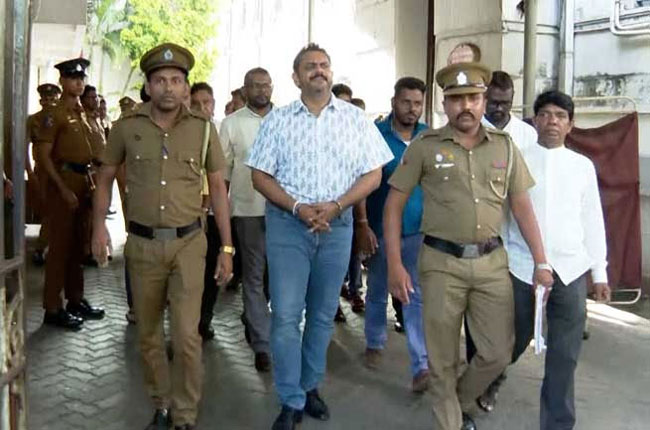
August 26, Colombo (LNW): Former State Minister Shasheendra Rajapaksa has been ordered to remain in remand custody until August 29, as the legal proceedings against him continue in connection with a corruption investigation led by the Commission to Investigate Allegations of Bribery or Corruption (CIABOC).
The ruling was delivered by the Colombo Magistrate’s Court, according to court sources.
Rajapaksa was taken into custody on August 06 at his residence in Nugegoda by officers from the Bribery Commission. His arrest is linked to an incident involving compensation claims for a property damaged during the island-wide protests that erupted in May 2022.
The property in question—a structure said to have been constructed without formal approval—was located on land owned by the Sri Lanka Mahaweli Authority in the Sevanagala–Kiriibban Wewa area. The building sustained fire damage during the public unrest on May 09, 2022, when widespread protests swept across the country in response to the economic and political crisis.
While the Bribery Commission stated that the land in question was state-owned and therefore ineligible for compensation, it is alleged that Rajapaksa sought to secure financial reimbursement through unofficial means.
Investigators claim he used his former position to pressure officials responsible for damage assessment into processing a compensation request, despite the property being legally tied to a government institution.
The accusations levelled against Rajapaksa include unlawfully attempting to influence public officials, conspiring to commit corruption, and improperly exploiting government-owned land for personal benefit.
Shasheendra Rajapaksa Further Remanded Amid Corruption Inquiry Over Land Compensation Claims
Government Halts Operations of Three National Sports Bodies Amid Governance Concerns
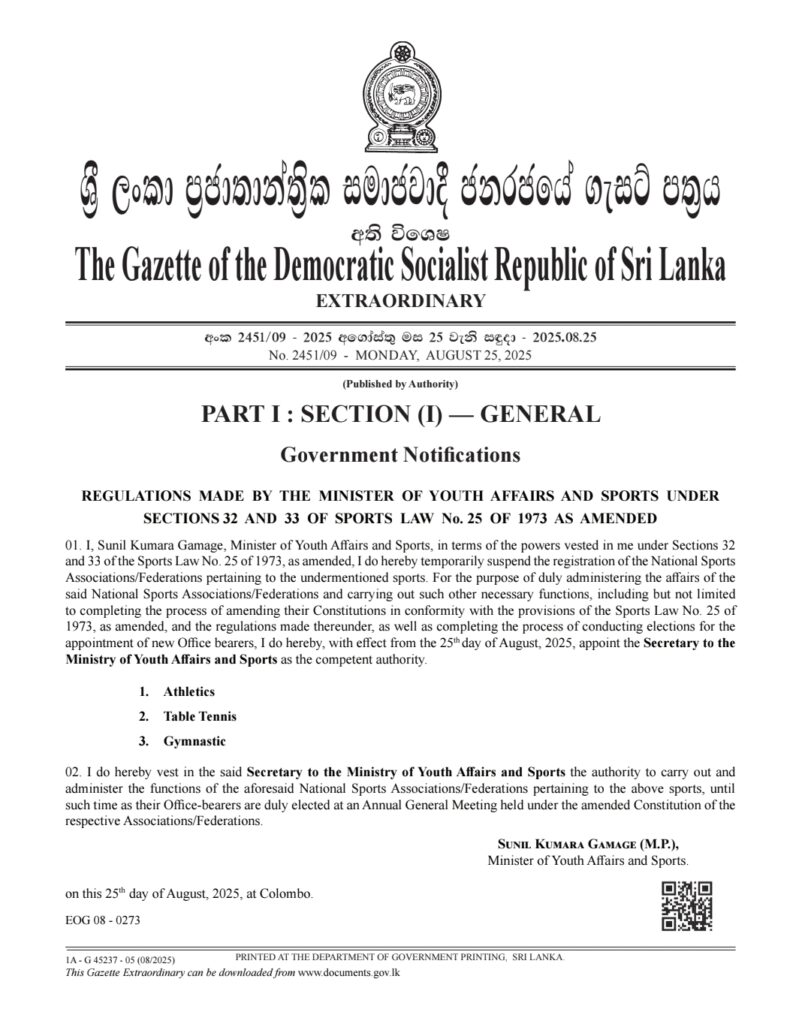
August 26, Colombo (LNW): The Ministry of Youth Affairs and Sports has formally suspended the operations of three national-level sports federations in Sri Lanka, citing the need for urgent administrative reforms and regulatory compliance.
The suspension, which came into effect on August 25, 2025, affects the governing bodies for Athletics, Table Tennis, and Gymnastics.
The decision was formalised through an Extraordinary Gazette, issued under the authority of Sections 32 and 33 of the Sports Law No. 25 of 1973, along with its subsequent amendments.
This legislation empowers the Ministry to intervene when national sports associations are found to be in breach of governance standards or when structural reforms are deemed necessary.
As part of the directive, the Secretary to the Ministry of Youth Affairs and Sports has been designated as the interim competent authority. This official will now assume responsibility for the day-to-day affairs and overall administration of the three affected bodies until new leadership is democratically elected in accordance with revised and approved constitutions.
Govt Affirms Commitment to Hill Country Tamils Through Legal Recognition and Social Reform
By: Isuru Parakrama
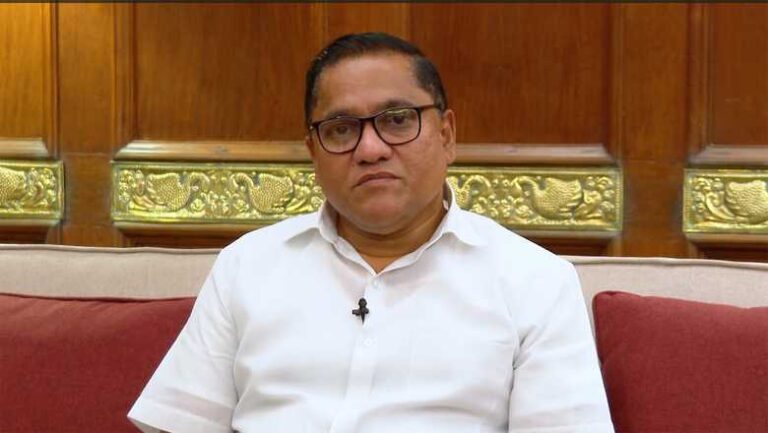
August 26, Colombo (LNW): Foreign Minister Vijitha Herath has reaffirmed the government’s pledge to formally recognise and uplift the hill country Tamil community—now politically identified as the Malayaga People—emphasising that this recognition is not merely symbolic but a long-overdue act of justice and inclusion.
In a message shared via social media, the Minister described the move as a significant step in affirming the dignity, heritage, and rightful place of the Malayaga community within Sri Lankan society.
He noted that legal measures are already underway to ensure that this recognition is codified and accompanied by meaningful improvements to the lives of those it affects.
Minister Herath highlighted that government documentation, including civil records such as birth certificates, now reflect the designation “Malayaga Tamil people”, representing an important shift towards identity recognition.
He stressed that the community’s status as full citizens must be matched with tangible rights, including permanent housing, access to land, education, healthcare, and transportation—services that many in the community have historically been denied or marginalised from.
Citing the Hatton Declaration as a roadmap for these reforms, Herath underscored the need for a structured and deliberate approach to implementation. He acknowledged delays in the planned allocation of housing for over 4,000 families in the Bandarawela area earlier this month, attributing the setback to technical issues.
However, he gave assurances that the project remains on track and that the administration is committed to ensuring there will be no further postponements.
“These families have endured generations of hardship and systemic neglect,” the Minister stated. “What we are addressing today are promises made long ago—promises that must now be honoured without hesitation.”
Herath also noted a historic political shift in the central highlands, where, for the first time, communities from districts such as Badulla, Nuwara Eliya, Matale, and Ratnapura have openly aligned themselves with the National People’s Power (NPP) movement.
This, he suggested, is a testament to the growing trust placed in a political platform that aims to uphold justice, equity, and the rights of all Sri Lankans, regardless of background.
CID Launches Probe into False News Report on Prime Minister Visiting Ex-President RW
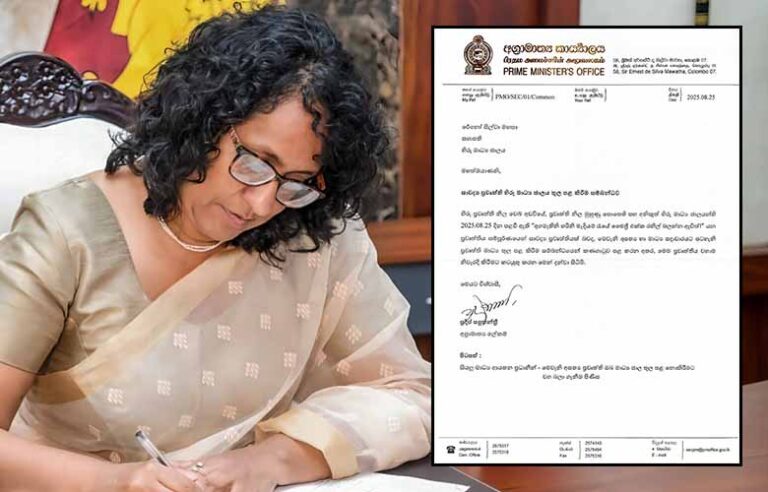
August 26, Colombo (LNW): Law enforcement authorities have reportedly initiated a criminal investigation into a misleading news broadcast aired by ‘Hiru News’, following a formal complaint lodged by the Prime Minister’s Office.
According to emerging reports, the Inspector General of Police (IGP) has instructed the Criminal Investigation Department (CID) to examine the matter in detail. The investigation centres around a news item which claimed that Prime Minister Dr. Harini Amarasuriya together with former first lady Prof. Maithri Wickremesinghe had paid a visit to former President Ranil Wickremesinghe—an allegation the Prime Minister’s Office has firmly rejected.
The disputed report, which has since drawn public attention, was promptly condemned by the Prime Minister’s media unit, which labelled the claim as entirely baseless. In a strongly worded statement, the office urged media outlets to adhere to ethical standards and verify information before dissemination, warning that the spread of false narratives could undermine public trust and democratic institutions.
Over 600 Detained in Nationwide Police Sweep Targeting Crime, Drugs, and Traffic Offences

August 26, Colombo (LNW): A large-scale police operation carried out across the island on the 25th of August has resulted in the arrest of over 600 individuals, according to a statement released by the authorities.
The coordinated effort, aimed at tackling a wide range of criminal activity, saw law enforcement officers conduct extensive inspections across multiple regions within a single day.
In total, more than 26,000 individuals were subjected to identity checks and questioning during the sweeping operation. Amongst those detained were individuals suspected of involvement in organised crime, illegal drug distribution, and the production or sale of illicit alcohol.
Police confirmed that 27 people were taken into custody for their direct involvement in criminal acts, whilst a further 396 individuals with active arrest warrants were located and apprehended.
The operation also extended to road safety enforcement. Officers stopped a number of motorists and issued penalties for a range of traffic-related violations. Amongst those arrested were 73 drivers found to be under the influence of alcohol, along with 23 others deemed to be driving recklessly.
In addition, authorities recorded over 3,800 separate traffic offences during the course of the day.
Police representatives have stated that these operations form part of an intensified strategy to curb the spread of narcotics, dismantle criminal networks, and remove illegal firearms from circulation.
Targeting offenders at all levels—from local dealers to more organised criminal figures—the authorities have signalled a firm stance on public safety and law enforcement.
Seevali Arukgoda Assumes Leadership of Sri Lanka Customs as 45th Director General

August 26, Colombo (LNW): Veteran customs officer Seevali Arukgoda has officially taken over as the Director General of Sri Lanka Customs, with the appointment taking effect today (26).
Being appointed, he becomes the 45th individual to lead the institution.
Having first entered the service in 1989 as an Assistant Superintendent, Arukgoda brings with him over three decades of hands-on experience and institutional knowledge. His journey through the ranks is considered unprecedented in the department’s history — he is the first officer to have progressed through every grade, culminating in his appointment to the topmost post.
Over his 36-year career, Arukgoda has not only made a mark domestically but has also built a solid international profile, particularly through his work with the World Customs Organization (WCO).
He served two terms with the WCO, contributing to global customs reform efforts, border management policy, and capacity-building programmes. His standing as an accredited WCO expert has earned him a respected place among international peers, and his insights are frequently sought in areas related to trade facilitation and customs modernisation.
Arukgoda’s academic background further complements his professional journey. He holds a Bachelor of Laws degree from Buckinghamshire New University in the United Kingdom, along with a Master’s in Customs Administration from the Postgraduate Institute of Management at the University of Sri Jayewardenepura.
President Calls for Accountability and Community Focus in National Development Projects

August 26, Colombo (LNW): President Anura Kumara Dissanayake has directed fresh attention towards the obstacles hindering the continuation and completion of national development projects that were stalled during the recent economic downturn, the President’s Media Division (PMD) reported.
With the country now seeking to stabilise and reorient its growth path, the President has called for greater accountability and urgency in both reviving past initiatives and delivering on newly launched programmes.
During a high-level meeting held at the Presidential Secretariat, President Dissanayake chaired discussions concerning projects funded under the 2025 budget allocations for the Ministry of Urban Development, Construction, and Housing.
The gathering also served as a precursor to the 2026 budget, offering a platform to evaluate progress and realign priorities.
The President stressed the importance of ensuring that all development efforts launched within the current year reach their intended milestones before year’s end. He warned that despite the government’s commitment to allocating adequate financial resources to the relevant ministries, poor utilisation of those funds within designated timeframes poses a major risk to the credibility and effectiveness of public investment.
A wide array of sectors came under review, including urban regeneration schemes, rural and affordable housing, city planning, environmental management, solid waste disposal, and improvements to water and sanitation infrastructure.
Officials provided updates on the status of projects being carried out across various provinces, with special attention paid to areas where delays or underperformance had been recorded.
President Dissanayake also emphasised that future development efforts must be grounded in the needs and voices of the communities they are meant to serve. He criticised the legacy of past governments, citing numerous state buildings constructed without proper planning or consultation—many of which now stand idle or unutilised.
In contrast, he underscored that public engagement should be a foundational element of housing and urban planning efforts moving forward.
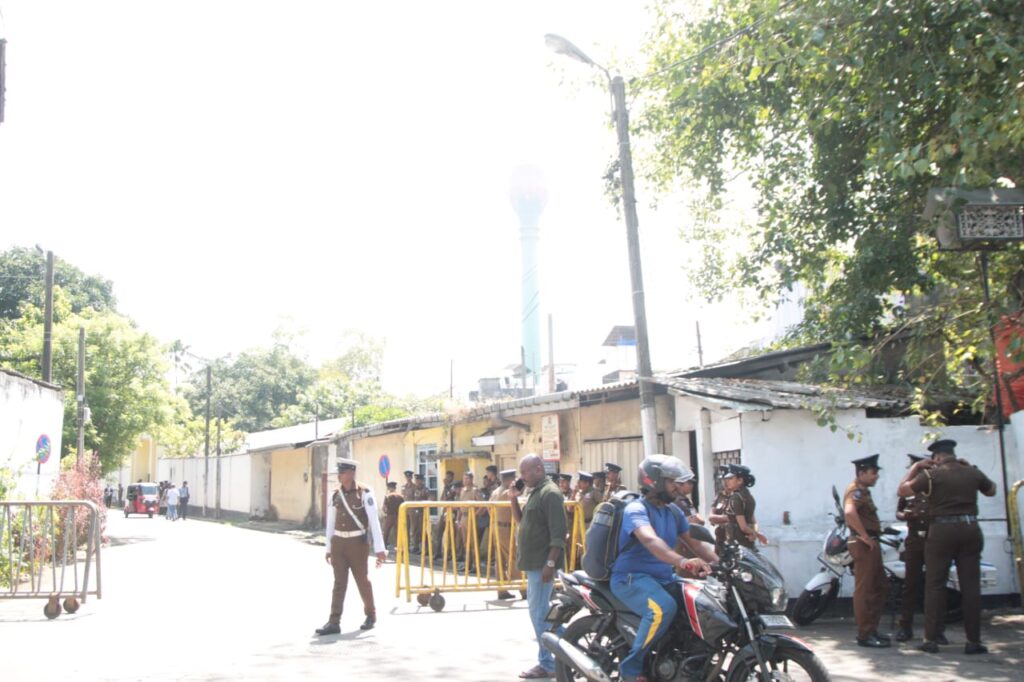
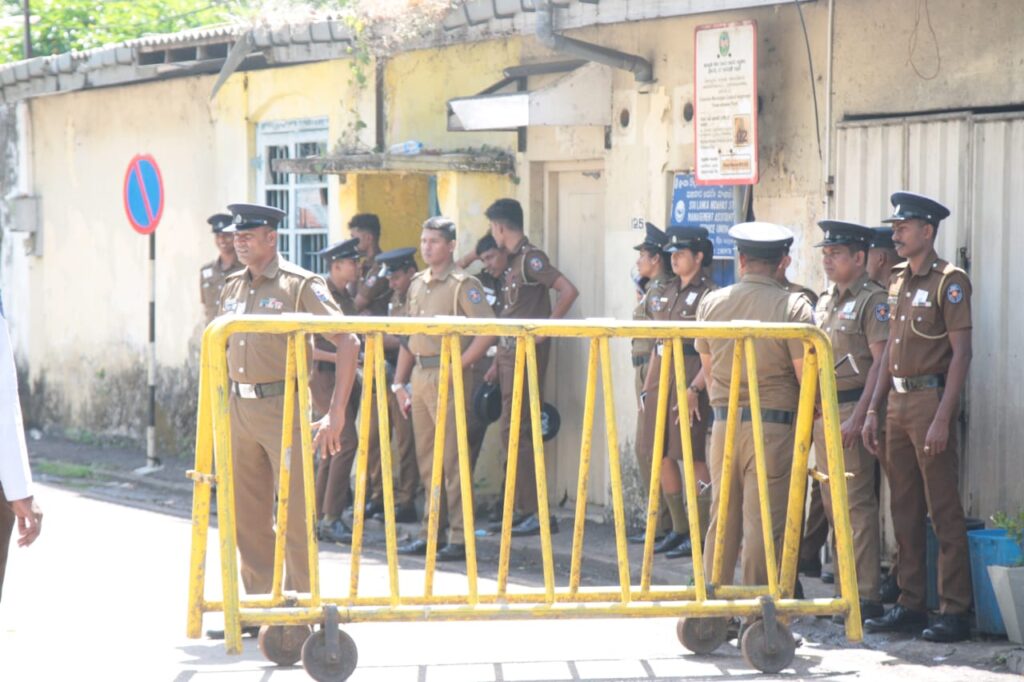
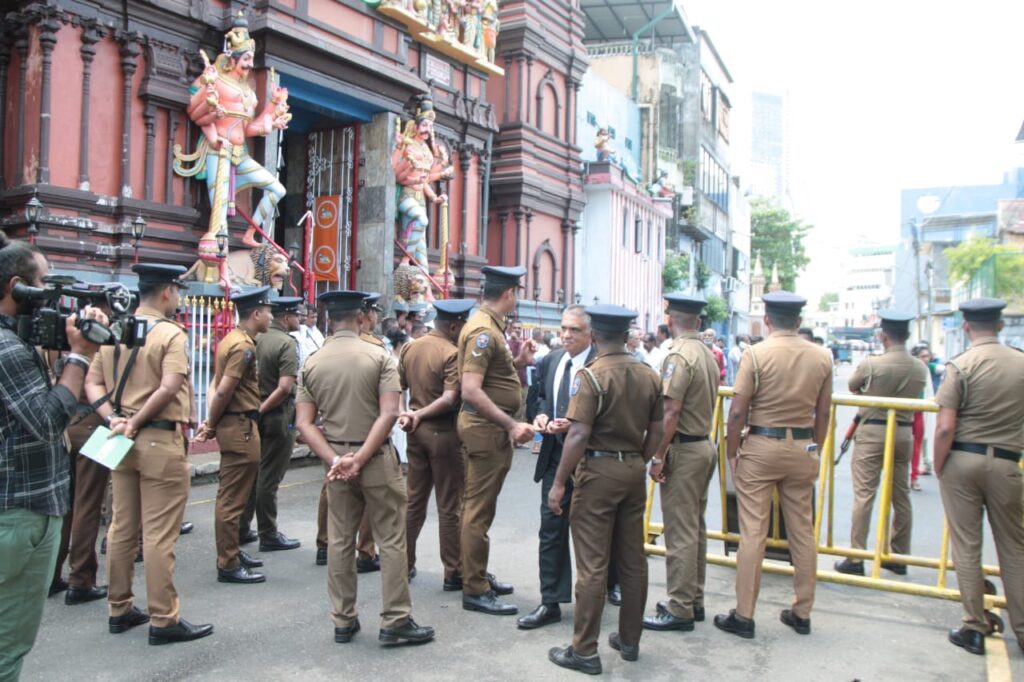
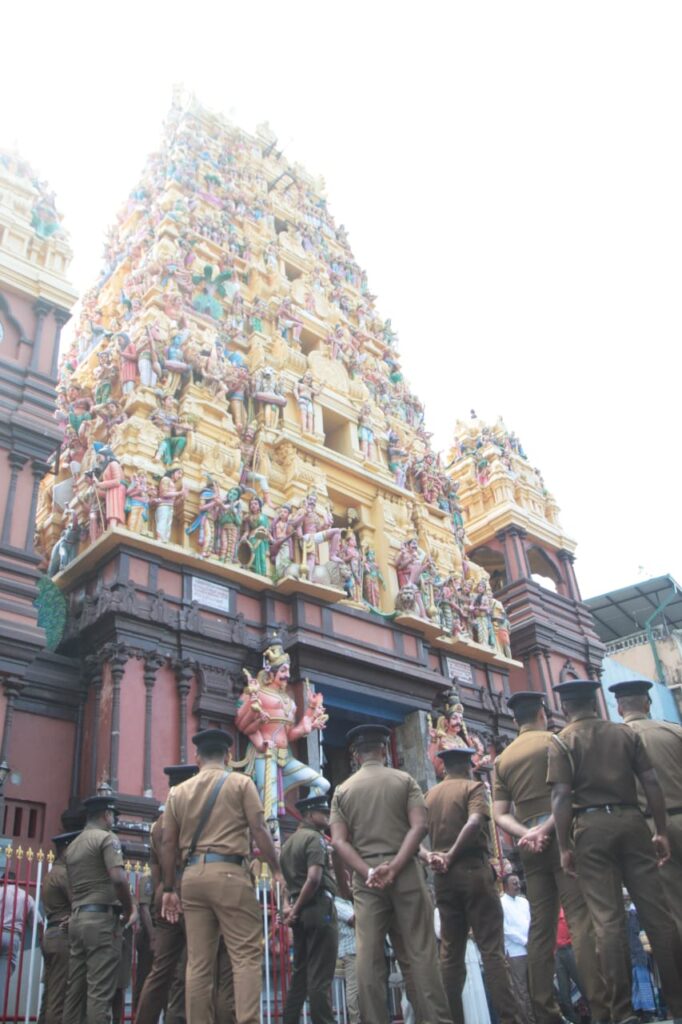
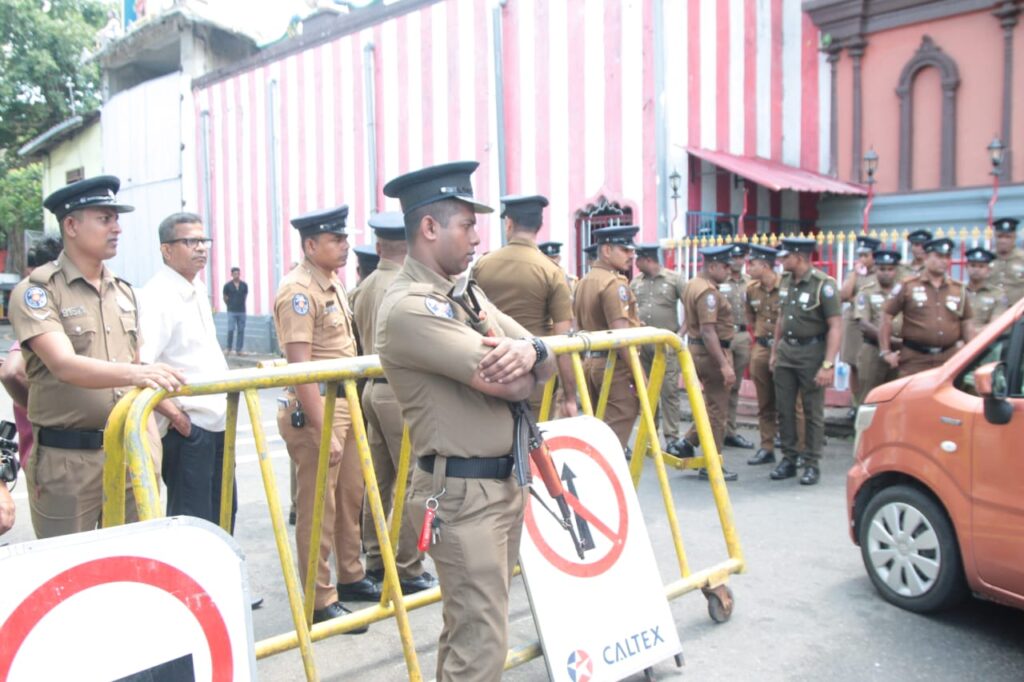
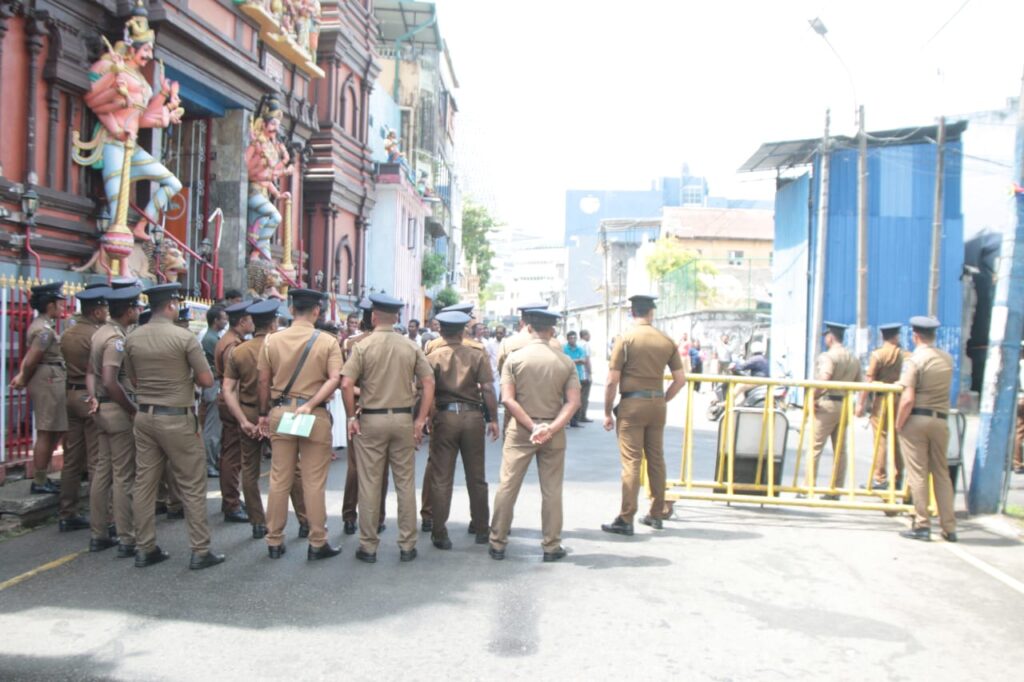
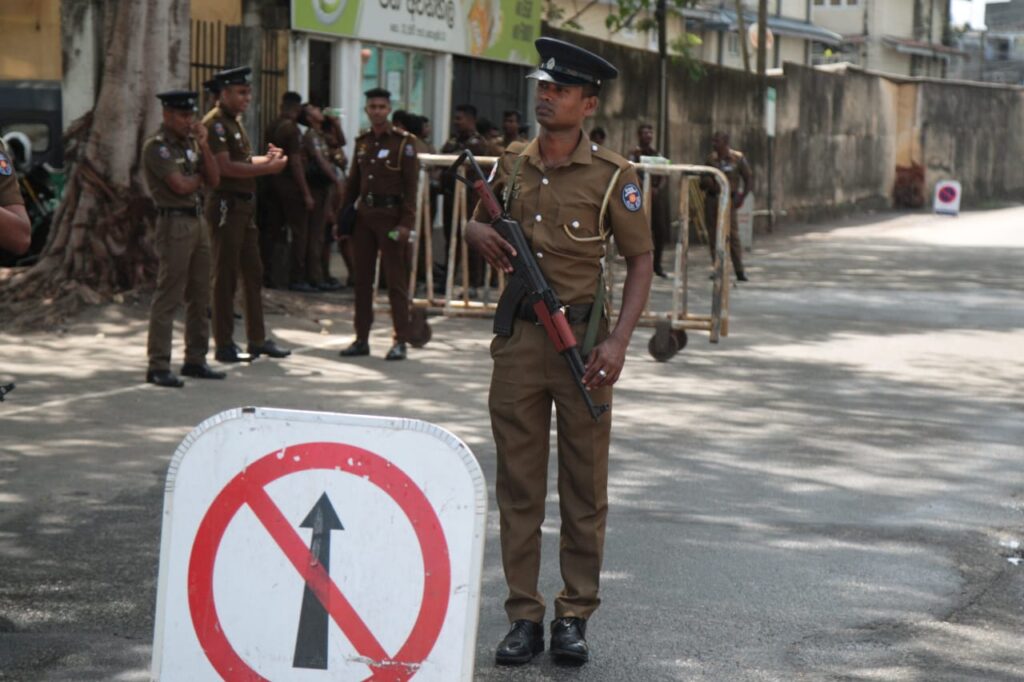
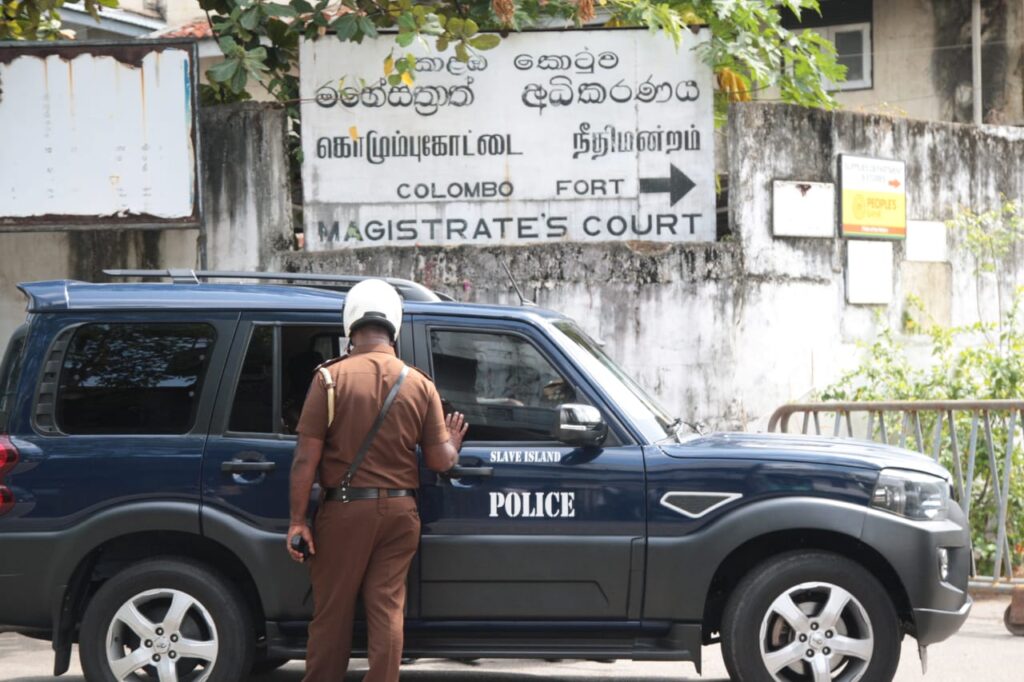
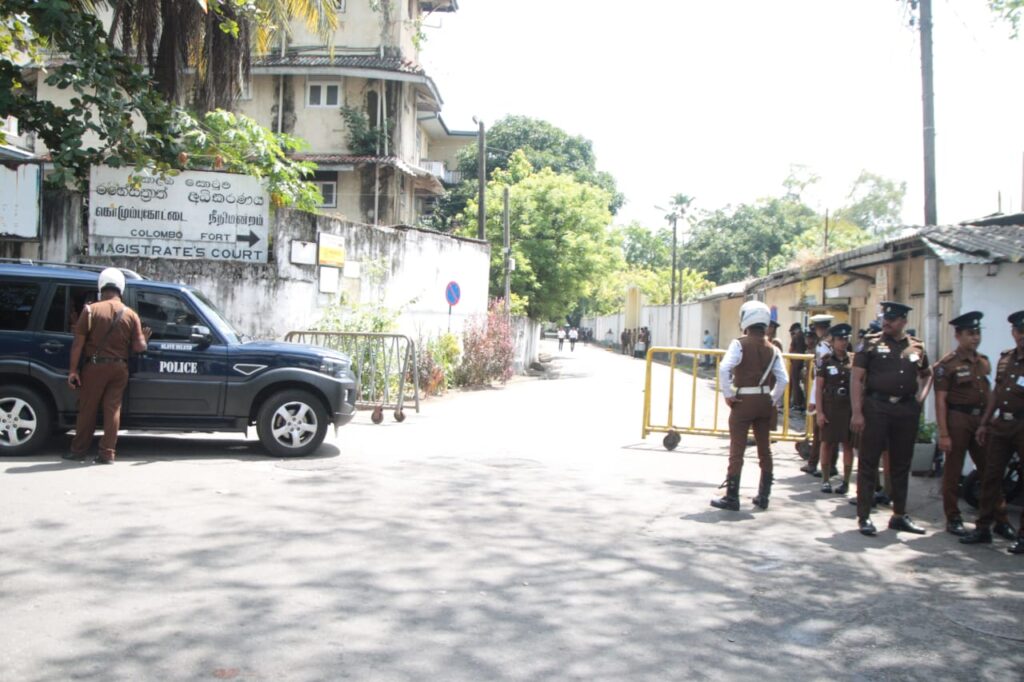
Heightened Security Near Colombo Court as Ex-President’s Case Draws Public Attention (PHOTOS)
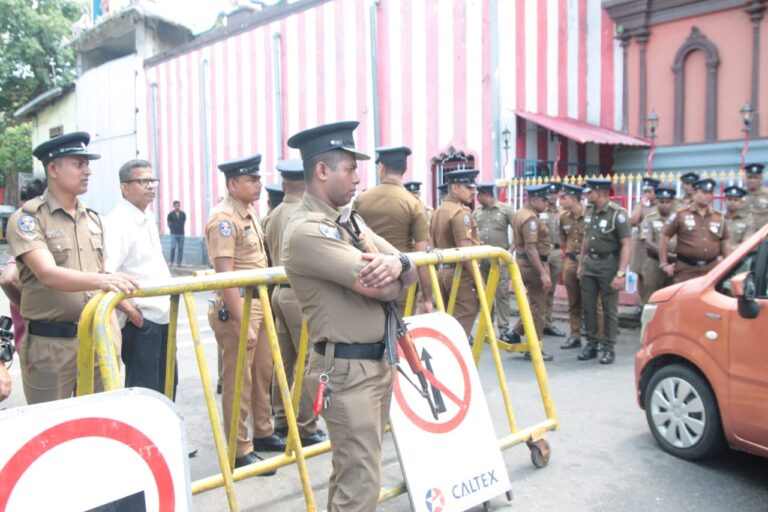
August 26, Colombo (LNW): Tight security measures have been put in place around the Colombo Fort Magistrate’s Court today (26), as authorities prepare for a potentially high-profile hearing involving Sri Lanka’s former president, Ranil Wickremesinghe.
Personnel from both the Police and the Special Task Force have been stationed in the vicinity, anticipating a significant public turnout. The increased presence of law enforcement follows the ongoing legal proceedings tied to allegations of financial misconduct during Wickremesinghe’s time in office.
The former president, who was detained by the Criminal Investigation Department on Friday (22), faces accusations related to the alleged misappropriation of public funds.
The charges stem from a 2023 visit to the United Kingdom, undertaken while he was still in office, which reportedly involved state expenditure for what investigators suggest was a private engagement.
After being placed on remand by the court, Wickremesinghe was taken to Welikada Prison. However, due to reported health issues, he was promptly transferred to the Prison Hospital. His condition later required further medical attention, prompting his relocation to the National Hospital in Colombo, where he remains under observation in the Intensive Care Unit.
Medical professionals have expressed concern over his current condition, and as of this morning, it remains uncertain whether he is physically fit to attend court. A final decision regarding his appearance will likely hinge on ongoing assessments by hospital staff.
Photo Courtesy: Ajith Senevirathne
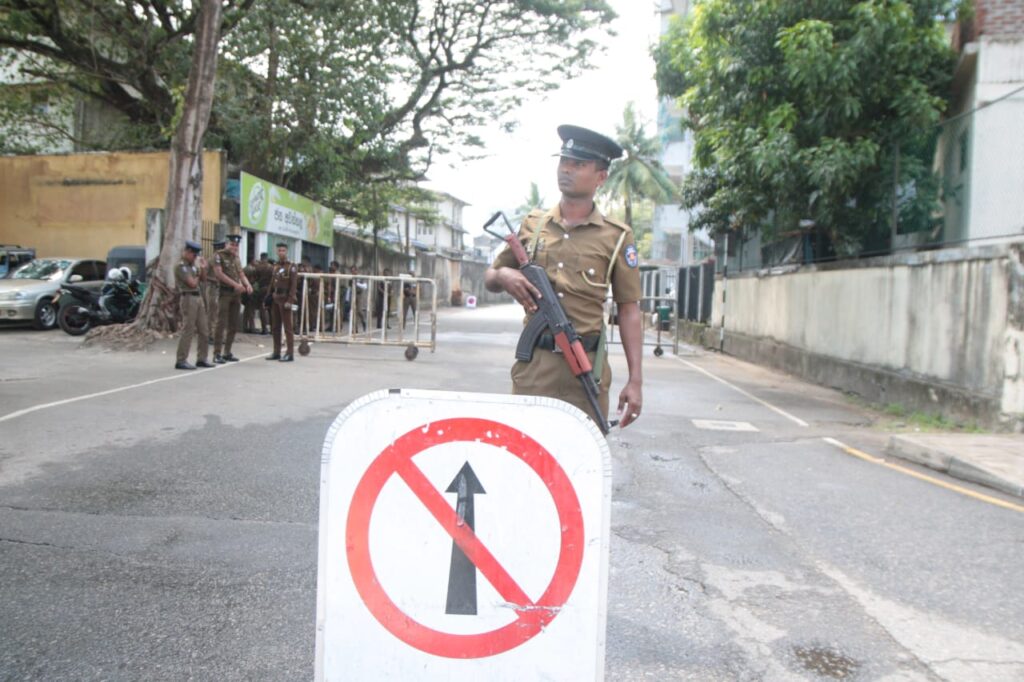
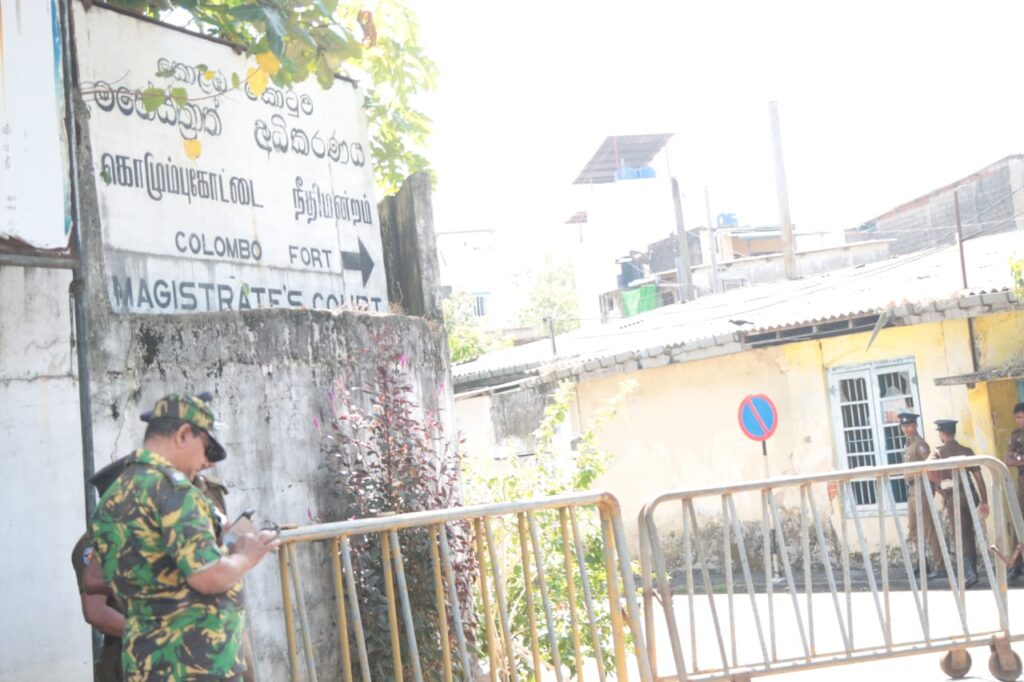
Former President Wickremesinghe to be produced before Colombo Fort Magistrate today
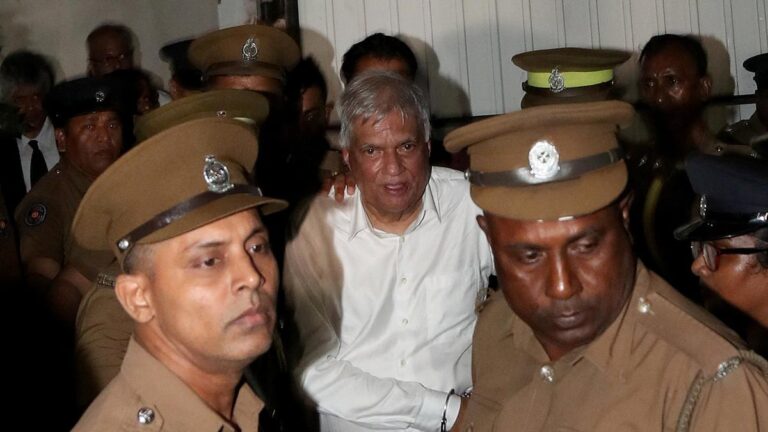
August 26, Colombo (LNW): Ranil Wickremesinghe, the former President of Sri Lanka, is scheduled to be brought before the Colombo Fort Magistrate’s Court today (26), in connection with an ongoing case concerning the alleged misuse of state funds during his tenure.
Wickremesinghe has been in remand custody since August 22, following his arrest by the Criminal Investigation Department (CID). He is currently detained under a court order valid until August 26, pending further legal proceedings. Today’s hearing is expected to play a significant role in determining whether his remand will be extended or altered.
Since his detention, the former head of state was initially admitted to the Prison Hospital. However, medical personnel later recommended that he be transferred to the National Hospital in Colombo due to symptoms of dehydration. Hospital sources confirm that Wickremesinghe has been under observation in the Intensive Care Unit (ICU) as a precautionary measure.
The investigation centres on a visit made by Wickremesinghe to the United Kingdom in September 2023. The trip occurred as he returned from Havana, where he had attended the G77 summit. During the stopover in London, he accompanied his wife, Professor Maithree Wickremesinghe, to a ceremonial event hosted by the University of Wolverhampton.
While the former president has maintained that the stop in the UK was a personal matter and that his wife covered her own expenses, authorities allege that public funds were used to facilitate the visit, including the cost of his travel and security. The CID has filed the case under the Public Property Act, citing potential misuse of government resources.
Wickremesinghe’s legal team is expected to challenge the basis for the remand during today’s court appearance, while prosecutors are likely to push for an extension as investigations continue.
Meanwhile, in a latest development the Prison Spokesman said the former President, who is receiving treatment at the Intensive Care Unit (ICU) of the National Hospital in Colombo, is unlikely to appear before court today.
Afternoon showers expected in several areas: Mainly fair weather to prevail elsewhere (Aug 26)

August 26, Colombo (LNW): Showers or thundershowers may occur at a few places in Uva province and in Ampara and Batticaloa district after 2.00 p.m., the Department of Meteorology said in its daily weather forecast today (26).
A few showers may occur in Western and Sabaragamuwa provinces during the morning.
Mainly fair weather will prevail elsewhere of the island.
The general public is kindly requested to take adequate precautions to minimise damages caused by temporary localised strong winds and lightning during thundershowers.
Marine Weather:
Condition of Rain:
Mainly fair weather will prevail in the sea areas around the island.
Winds:
Winds will be westerly to south-westerly and wind speed will be (25-35) kmph.
Wind speed can increase up to (50-55) kmph at times in the sea areas off the coast extending from Puttalam to Kankasanthurai via Mannar and from Matara to Pottuvil via Hambantota.
State of Sea:
The sea areas off the coast extending from Puttalam to Kankasanthurai via Mannar and from Matara to Pottuvil via Hambantota may be rough at times.