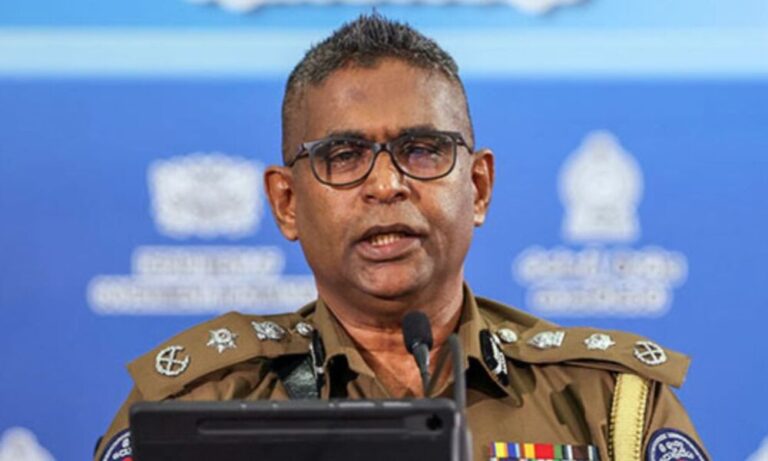
September 04, Colombo (LNW): Inspector General of Police (IGP) Priyantha Weerasuriya has announced a series of major successes in the country’s ongoing campaign against organised crime, describing 2025 as a watershed year for national security and justice.
Speaking to media this week, Weerasuriya outlined the sheer scale of narcotics and weapons seized by security forces so far this year, calling the results “unprecedented in the country’s recent history.”
According to official figures released by the Police Chief:
– 1,416 kilogrammes of crystal methamphetamine (Ice)
– 946 kilogrammes of heroin
– 12,802 kilogrammes of cannabis
– 1,869 kilogrammes of other illegal narcotics
– Over 3 million illicit pharmaceutical tablets
A significant haul was made just this Wednesday (03), when a joint operation with the Sri Lanka Navy resulted in the seizure of 720 kilogrammes of cannabis in the Northern Province—a region long seen as a transit point for cross-border smuggling.
The police’s offensive has not been limited to drugs. A total of 1,612 illegal firearms have also been confiscated this year, including military-grade T-56 assault rifles and handguns. Authorities believe these weapons were intended for use by criminal syndicates and underworld gangs, and their removal has dealt a heavy blow to violent crime networks.
In a further sign of tightening enforcement, Weerasuriya revealed that 17 high-profile suspects with international links have been extradited to Sri Lanka in recent months. Notably, five individuals were apprehended simultaneously last week through coordinated efforts with Interpol, marking what he described as a “landmark victory” in dismantling transnational criminal operations.
“These arrests are not just symbolic—they send a powerful message,” said Weerasuriya. “Sri Lanka is no longer a refuge for organised crime. We will reach across borders, across jurisdictions, and across time to hold offenders accountable.”
He stressed that the current momentum in law enforcement has been achieved with full operational independence, free from political pressure. “Every officer, from the most senior officials to the newest recruits, is now empowered to act decisively. Our mission is clear: to ensure that every citizen can live without fear of crime or violence.”
Sri Lanka Marks Record Year in Crime Crackdown as Police Chief Announces Major Drug, Weapons, and Extradition Successes
Sri Lanka Strengthens Global Anti-Corruption Ties Through High-Level Talks with World Bank in Vienna
September 04, Colombo (LNW): Justice Neil Iddawala, Chairman of the Commission to Investigate Allegations of Bribery or Corruption (CIABOC), has met with senior officials from the World Bank to discuss advancing Sri Lanka’s efforts to combat illicit financial activity and strengthen asset recovery mechanisms.
The meeting took place on the sidelines of the Second Resumed Sixteenth Session of the UNCAC Implementation Review Group, held at the United Nations headquarters in Vienna.
Justice Iddawala is currently heading the Sri Lankan delegation at the session, reaffirming the country’s ongoing commitment to international anti-corruption standards.
A key focus of the discussion was Sri Lanka’s newly enacted Proceeds of Crime Act No. 5 of 2025 (POCA), which grants legal authority to identify, restrain, confiscate, and manage property and assets obtained through unlawful means, including corruption and economic crimes.
The law is seen as a crucial step in closing legal loopholes and bringing Sri Lanka in line with global best practices for financial transparency and accountability.
World Bank officials—Laura Pop, Neha Maryam Zaigham, and Emile van der Does de Willebois—voiced strong interest in supporting the rollout of POCA and offered technical guidance to ensure its effective enforcement. The conversation explored long-term cooperation to enhance institutional capacities and integrate modern technologies into asset management systems.
This meeting builds on Sri Lanka’s previous collaboration with the World Bank through the Stolen Asset Recovery (StAR) Initiative, which has already contributed to the formulation of asset declaration laws, the development of digital tracking tools, and the establishment of regulatory frameworks for asset recovery.
Future areas of partnership discussed during the session included:
* Capacity-building programmes for investigators and legal practitioners
* Introduction of advanced asset tracing tools and analytics
* Implementation of digital platforms to enhance institutional transparency
* Development of sustainable, long-term asset recovery and management frameworks
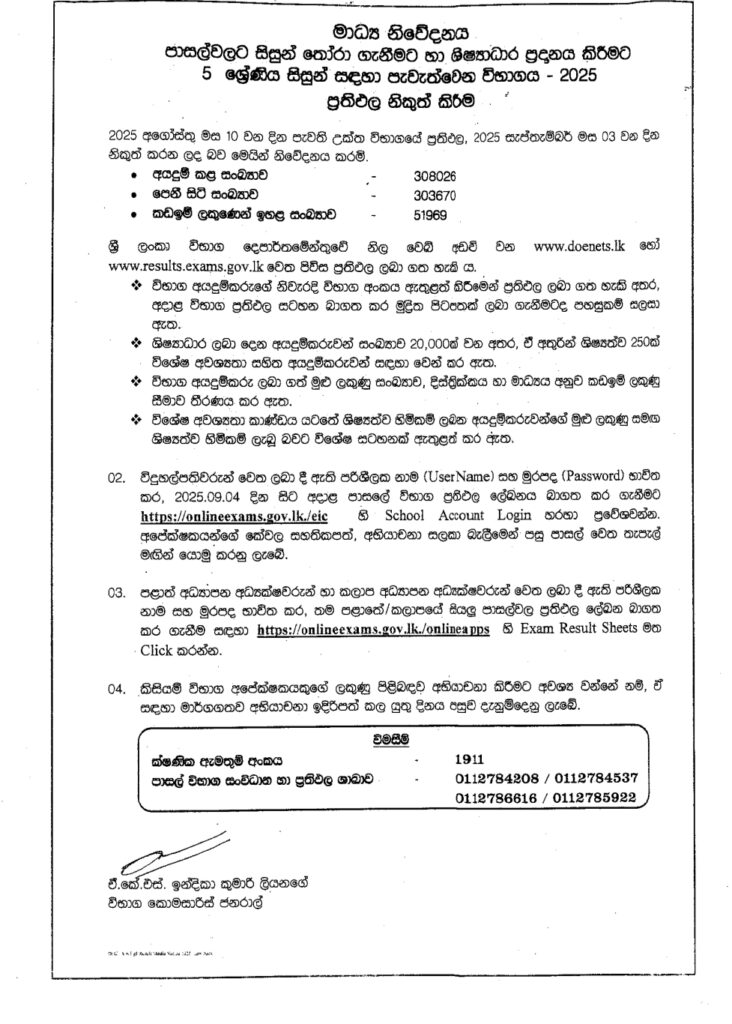
Grade 5 Scholarship Exam Results 2025 Released: Cut-Off Marks Also Published
September 04, Colombo (LNW): The Department of Examinations has officially announced the release of the results for the 2025 Grade 5 Scholarship Examination.
Held last month, the highly competitive national assessment drew participation from thousands of students representing schools islandwide.
The exam plays a pivotal role in determining eligibility for admission into leading schools and access to scholarships based on academic merit.
Parents and students can now view individual results by visiting the Department of Examinations’ official websites:
www.doenets.lk
www.results.exams.gov.lk
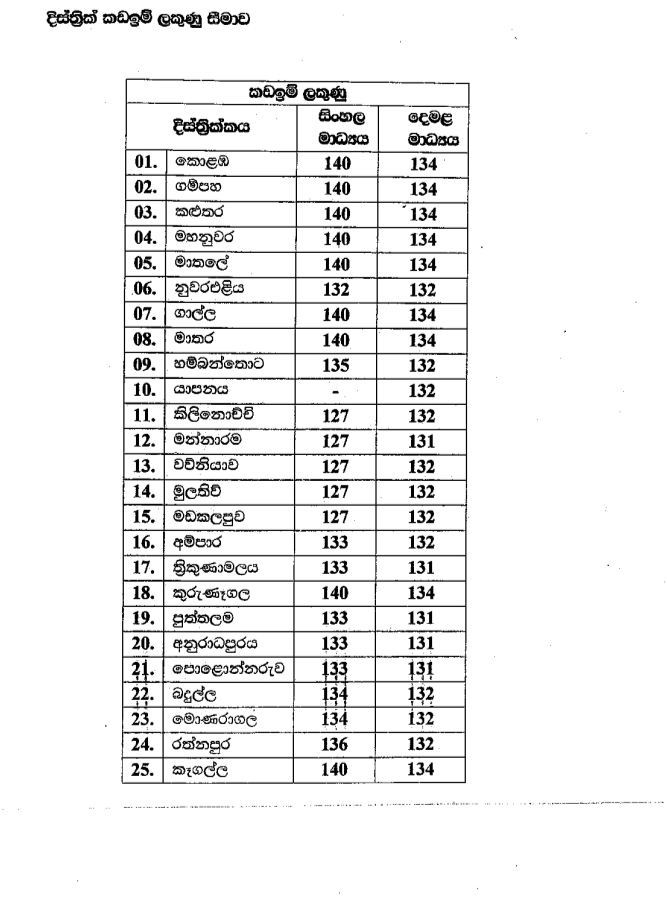
In addition to the results, the Department has also published the district-wise cut-off marks for the 2025 exam. These benchmarks determine the qualifying scores for scholarship eligibility and school placements and vary by administrative district.
Over 1,000 Bribery Complaints Still Under Probe as High-Profile Figures Face Legal Heat
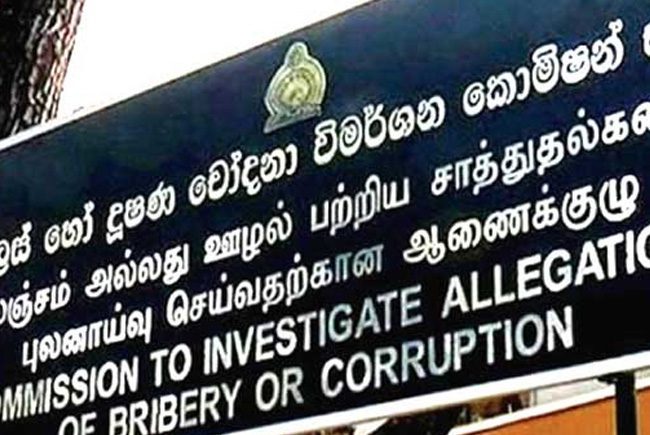
September 04, Colombo (LNW): Sri Lanka’s anti-corruption watchdog has revealed that more than 1,000 complaints related to bribery and corruption remain under investigation, with several prominent political and public figures amongst those accused.
Between January 01 and July 31, 2025, the Commission to Investigate Allegations of Bribery or Corruption (CIABOC) received 3,937 complaints from the public and government bodies. After filtering out 341 duplicate submissions, 2,682 complaints were passed to the Complaints Committee for review, and 288 cases were advanced to full investigations.
Whilst a significant portion of the complaints—1,011—were closed due to lack of evidence or being outside the jurisdiction of the Bribery Act, another 489 were referred to various government institutions for follow-up. Additionally, 275 were escalated to the Commission’s Investigation Branch for statement collection. At present, 1,154 cases remain pending investigation.
Beyond administrative processing, CIABOC has seen a sharp increase in legal proceedings this year. A total of 272 court cases relating to corruption, bribery, undeclared assets, and unexplained wealth are now before the judiciary. These include 22 in Magistrates’ Courts, 249 in High Courts, and one before a Trial-at-Bar panel.
CIABOC reports that nearly 40 arrests have been made so far in 2025 as part of operations carried out by its specialised investigative divisions. These arrests include several former cabinet ministers, top-level bureaucrats, and high-ranking officials from key public institutions.
Amongst those arrested are former Minister of Health and Mass Media Keheliya Rambukwella and members of his family, ex-Minister S.M. Chandrasena, and the former Secretary of the Ministry of Health. Other high-profile names include the former Chief Secretary of the Uva Province, the former Additional Secretary of the Ministry of Agriculture, and former chairpersons of major state enterprises such as the Sri Lanka Ports Authority, Airports and Aviation Services, Ceylon Fisheries Harbours Corporation, and the Land Reclamation and Development Corporation.
The list also features a senior neurosurgeon from Sri Jayawardenepura Hospital and the Commissioner General of the Department of Motor Traffic, highlighting the wide-ranging nature of the investigations.
In the first seven months of the year alone, the Commission carried out 72 sting operations, leading to the arrest of 17 police officers, 43 public sector employees, and six civilians.
CIABOC has also taken decisive legal action, filing 54 new High Court cases against 64 individuals. These include 31 bribery-related cases, 15 involving corruption, and eight concerning unexplained wealth accumulation. Amongst the accused are former ministers Keheliya Rambukwella, Piyankara Jayaratne, and Chandrani Bandara, along with police officers, local government officials, civil servants, and a school principal.
From January to the end of July, government revenue generated through successful prosecutions totalled Rs. 2,120,500. This includes Rs. 1,347,500 in fines, Rs. 585,000 in court-imposed penalties, Rs. 18,000 in victim compensation, and Rs. 150,000 worth of seized assets. An additional Rs. 20,000 in fines was imposed through Magistrates’ Court rulings.
Electricity Workers Begin Island-Wide Work-to-Rule Protest Over Restructuring Dispute

September 04, Colombo (LNW): Electricity sector employees across Sri Lanka are set to commence a coordinated work-to-rule campaign from midnight tonight, in opposition to what they describe as an imposed and unjust restructuring of the Ceylon Electricity Board (CEB).
The industrial action, backed by several unions representing technical and engineering staff within the CEB, is aimed at pressuring authorities to reconsider the ongoing reforms, which workers claim are being implemented without adequate consultation or transparency.
Kosala Abeysinghe, President of the CEB Technical Engineers’ Union, confirmed that the protest will unfold in a phased manner, beginning with employees strictly adhering to official job descriptions and refraining from performing any additional or discretionary tasks.
According to union representatives, the restructuring process has proceeded without proper stakeholder engagement, leaving staff uncertain about job security, future roles, and the broader impact on national energy management.
Union leaders have made it clear that unless the government initiates meaningful dialogue and addresses their concerns, the protest will escalate.
Young Sri Lankan Karate Team Left Stranded After Administrative Blunder Derails Trip to Asia Championships
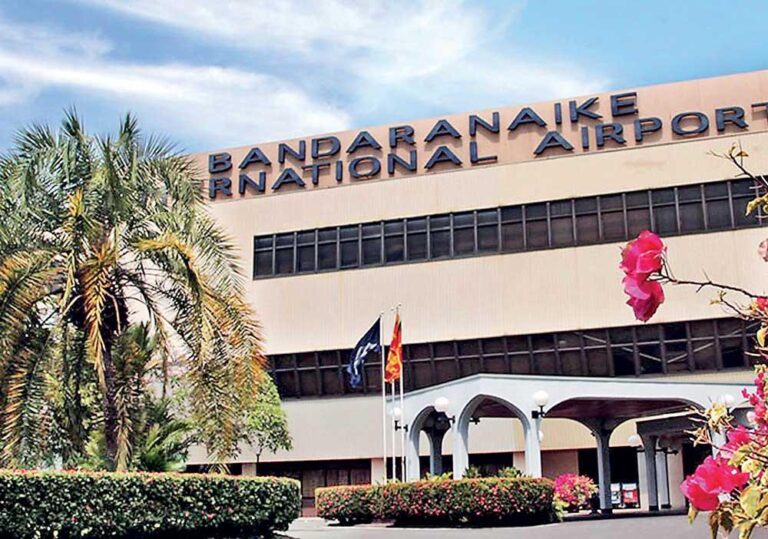
September 04, Colombo (LNW): A group of 31 young karate athletes from Sri Lanka, many of them school-aged students, faced crushing disappointment on September 02 when their long-awaited journey to the 23rd Asian Cadet, Junior, and Under-21 Karate Championships in Shaoguan, China, was abruptly cancelled due to a failure to secure the necessary travel visas.
The international tournament, set to take place from September 05 to 07, was meant to be a landmark event for the team, who had spent over six weeks in intensive training. Each competitor had reportedly contributed approximately Rs. 580,000 to cover flight tickets, accommodation, and other travel-related expenses.
Many families, desperate to support their children’s sporting ambitions, had gone to extreme lengths — including taking out loans and mortgaging property — to fund the trip.
Despite arriving well ahead of their scheduled SriLankan Airlines departure at Bandaranaike International Airport, the athletes and their families were met with confusion and silence. Crucially, no representatives from the Sri Lanka Karate Federation were present at the airport to coordinate logistics or explain the unfolding situation.
It soon became apparent that the necessary visas had not been secured — a critical oversight that rendered travel to China impossible.
Left waiting outside the departure terminal for hours, the disheartened athletes eventually dispersed and returned to their hometowns, their hopes dashed and futures uncertain.
The Ministry of Youth Affairs and Sports has since launched a formal inquiry into the matter. In a strongly worded statement, the Ministry laid full responsibility at the feet of the governing federation, emphasising that the obligation to secure visas and flight arrangements lies squarely with the sports authority overseeing the athletes.
Condemning what it described as “careless and negligent conduct,” the Ministry also signalled that disciplinary measures may be pursued against those found accountable for the debacle.
Court Halts Arrest of Lawyer Appeared for Ex-Lottery Board Chief Thusitha Halloluwa

September 04, Colombo (LNW): The Court of Appeal has temporarily barred law enforcement authorities from arresting a lawyer allegedly linked to an ongoing investigation into a high-profile shooting incident involving a former senior official of the National Lotteries Board.
The interim order was handed down by a two-judge bench, led by Justice Rohantha Abeysooriya and Justice Priyantha Fernando, after reviewing a petition submitted on behalf of the legal professional. The ruling effectively restrains the Colombo Crimes Division from taking the attorney into custody for a period of 14 days, pending further judicial proceedings.
The petitioner was represented in court by President’s Counsel Saliya Pieris, who argued that the proposed arrest lacked a credible legal basis. He told the bench that his client had merely offered legal representation to Thusitha Halloluwa, the former Director of the National Lotteries Board, and had no personal involvement in any alleged wrongdoing related to the shooting incident.
The defence maintained that the attorney had been fulfilling his professional obligations as a legal practitioner and that there was no substantive evidence linking him to the crime under investigation.
The court, upon examining the circumstances and the arguments presented, found sufficient grounds to prevent immediate legal action against the lawyer in question. The restraining order will remain effective for two weeks, during which time the court is expected to further deliberate on the matter.
Timely Intervention Could Save Hundreds of Young Lives Lost to Cancer Each Year in Sri Lanka

September 04, Colombo (LNW): Each year, approximately 200 children in Sri Lanka lose their lives to cancer — a tragic toll that health experts believe could be significantly reduced with earlier diagnosis and timely medical care.
This sobering figure was highlighted by Dr Suraj Perera, a Consultant Community Physician affiliated with the National Cancer Control Programme (NCCP), during a recent media briefing hosted by the Health Promotion Bureau.
Speaking to reporters, Dr Perera noted that while childhood cancer remains a serious concern, the overall number of cases has not shown a dramatic increase over the past decade and a half. “Back in 2022, 904 new cases of cancer were diagnosed in children. For the past 15 years, the annual figures have hovered between 600 and 800. We are now seeing closer to 900 cases each year,” he explained.
Despite this relative stability in case numbers, the annual death toll remains distressingly high. Data from the Department of the Registrar General indicated that roughly 200 children succumbed to cancer in 2019 — a pattern that appears to persist in subsequent years. While data collection for 2020 and beyond is ongoing, officials estimate that this figure has remained largely unchanged.
Dr Perera stressed that not all of these deaths were inevitable. “A number of children who passed away might have had a chance at recovery, had their illnesses been detected and treated earlier,” he said. Delayed diagnosis and limited access to specialised care are among the key challenges identified by health professionals.
He also underscored the importance of public awareness, noting that many families only seek medical help once symptoms have become severe or persistent. “With early detection and proper treatment, not only can survival rates improve, but the severity of complications can also be reduced,” Dr Perera added.
Major Drug Operation Discovered in Nuwara Eliya Linked to Infamous Underworld Figure

September 04, Colombo (LNW): Authorities have uncovered a significant methamphetamine manufacturing operation in the highland city of Nuwara Eliya, believed to have been orchestrated by a well-known figure in Sri Lanka’s criminal underworld.
The suspect, identified as Mandinu Padmasiri — more commonly referred to by his alias Kehelbaddara Padme — is currently being held by the Criminal Investigation Department (CID), who made the discovery during ongoing interrogations.
Padmasiri, who has long been associated with organised crime activities, is believed to have personally funded the illicit enterprise, reportedly investing over Rs. 4 million into establishing the facility. He is said to have discreetly rented a residential property in the Nuwara Eliya area to serve as a front for the production site, exploiting the region’s relative seclusion to avoid drawing attention from local authorities or residents.
Further investigative breakthroughs were made following sustained questioning, during which Padmasiri allegedly admitted to importing close to 2,000 kilograms of chemical precursors essential for manufacturing crystal meth — commonly referred to as “ice”.
These chemicals, brought into the country through undisclosed channels, were likely smuggled in over a period of time to avoid detection.
Law enforcement officials believe the operation was not a small-scale endeavour, but part of a larger, well-coordinated drug distribution network with links possibly extending beyond national borders.
Forensic teams and narcotics experts are now combing through the site to gather more evidence and assess the full scale of the operation.
A few showers expected in select districts: Mainly fair weather to prevail elsewhere (Sep 04)

September 04, Colombo (LNW): A few showers may occur in Western and Sabaragamuwa provinces and in Galle, Matara, Kandy, and Nuwara-Eliya districts, the Department of Meteorology said in its daily weather forecast today (04).
Showers or thundershowers may occur at a few places in Ampara, Batticaloa and Monaragala districts after 2.00 p.m.
Mainly fair weather will prevail elsewhere of the island.
Fairly strong winds of about (30-40) kmph can be expected at times over Western slopes of the central hills and in North-central and North-western provinces and in Hambantota district.
The sun is going to be directly over the latitudes of Sri Lanka during 28th of August to 07th of September due to its apparent southward relative motion. The nearest places of Sri Lanka over which the sun is
overhead today (04) are Ragama, Kirindiwela, Ruwanwella, Nawalapitiya and Lunugala about 12.09 noon.
Marine Weather:
Condition of Rain:
Few showers may occur in the sea areas off the coast extending from Colombo to Matara via Galle.
Winds:
Winds will be westerly to south-westerly and wind speed will be (30-40) kmph.
Wind speed can increase up to (50-60) kmph at times in the sea areas off the coast extending from Chilaw to Mannar via Puttalam and from Matara to Pottuvil via Hambantota.
Wind speed can increase up to (45-50) kmph at times in the sea areas off the coast extending from Chilaw to Matara via Colombo and Galle and from Mannar to Vakarai via Kankasanthurai and Trincomalee.
State of Sea:
The sea areas off the coast extending from Chilaw to Mannar via Puttalam and from Matara to Pottuvil via Hambantota will be rough at times.
The sea areas off the coast extending from Chilaw to Matara via Colombo and Galle and from Mannar to Vakarai via Kankasanthurai and Trincomalee will be fairly rough at times.