Home Blog Page 447

Sri Lanka Imposes 18% VAT on Foreign Digital Services Starting October

0

By: Staff Writer

July 25, Colombo (LNW): In a decisive move to align with global tax trends and expand its fiscal net, Sri Lanka will begin imposing an 18% Value Added Tax (VAT) on non-resident digital service providers from October 1, 2025. The Inland Revenue Department (IRD), under the Value Added Tax (Amendment) Act No. 04 of 2025, has mandated that foreign entities supplying digital services to Sri Lankan consumers must register, collect, and remit VAT to local authorities.

This landmark decision represents a strategic effort to modernize Sri Lanka’s tax base by targeting the fast-growing digital economy. The regulation applies specifically to business-to-consumer (B2C) transactions and covers a broad spectrum of digital services including cloud computing, software-as-a-service (SaaS), e-commerce platforms, streaming services, online marketing, gaming, social media, fintech, blockchain, and NFTs.

Non-resident providers must register for VAT if their turnover from Sri Lankan consumers exceeds Rs. 60 million annually or Rs. 15 million in any three-month period. The relatively low threshold is likely to bring a considerable number of foreign digital operators into the Sri Lankan tax net, including mid-sized players and niche service providers.

The financial burden of the new VAT regime is expected to be passed on to consumers, effectively raising the cost of digital services for Sri Lankans. This could dampen digital consumption or encourage unofficial workarounds among cost-sensitive users. Service providers, meanwhile, will have to overhaul their billing and accounting systems to comply with Sri Lanka’s VAT requirements, including quarterly electronic tax filings and five-year record retention.

While the system grants the IRD power to impose penalties and potentially restrict or blacklist non-compliant providers, enforcing compliance against entities without a physical presence in Sri Lanka may prove difficult. The success of the regime largely hinges on voluntary compliance by overseas platforms, which must obtain a local Taxpayer Identification Number (TIN) and register via an online portal.

Moreover, collecting taxes from tech giants and smaller digital firms alike introduces complexities, especially where foreign currency exchange and cross-border transactions are involved. The enforcement challenge is compounded by the lack of clear dispute resolution mechanisms for disagreements involving non-resident providers.

Despite these hurdles, Sri Lanka’s move is in line with global efforts by countries such as India, Australia, and members of the EU, which have implemented similar digital service tax regimes to capture revenue from tech-driven global commerce.

As digital services become increasingly integrated into everyday life, this VAT expansion marks a significant step in ensuring that international service providers contribute their fair share to the domestic tax system. However, effective administration and stakeholder cooperation will be key to its long-term success.

EVs and Chinese Cars Outpace Japanese Reconditioned Vehicles Imports in Sri Lanka

0

By: Staff Writer

July 25, Colombo (LNW):Sri Lanka’s vehicle market has witnessed a dramatic transformation just months after the government lifted the long-standing vehicle import ban in February 2025, with electric vehicles (EVs) and brand-new Chinese cars now dominating new imports.

Data from Sri Lanka Customs reveals that over 14,000 vehicles have entered the country since the ban was eased, generating approximately Rs. 165 billion in tax revenue. However, contrary to widespread expectations, the influx is not led by used Japanese vehicles, but rather by electric vehicles—particularly those from Chinese automakers such as BYD and MG—and new, affordable Chinese gasoline vehicles.

While Japanese reconditioned vehicles like the Toyota Prius and Vitz were once the top choice for Sri Lankan buyers, many car dealers say consumer preferences are rapidly shifting. “Earlier, people would ask for five-year-old Japanese models. Now they ask about battery life and EV charging times,” a Colombo-based car dealer noted.

The Central Bank of Sri Lanka (CBSL) recently revised its loan-to-value (LTV) ratios for vehicle financing, which indirectly impacts the EV market. Although not directly targeted, EV buyers may face stricter borrowing limits, reducing the affordability and accessibility of electric vehicles for some segments of the population.

Adding to this shift, brand-new Chinese vehicles are attracting buyers with their sleek designs, modern technology, and competitive pricing. These new entrants are capturing significant market share and challenging the dominance once held by Japanese used car imports.

However, the Vehicle Importers Association Lanka (VIAL) has issued a warning for buyers rushing to purchase electric vehicles. VIAL President Indika Sampath Merenchige cautioned that many Chinese EV models being imported have depreciated significantly in value—by as much as Rs. 2 to 3 million—shortly after purchase. He advised consumers to do their research and stick to well-established EV brands when possible.

Meanwhile, the traditional market for used Japanese cars is faltering. A recent shipment of 196 used Japanese vehicles, including popular models like the Toyota Land Cruiser and Hilux, cleared in March, but many remain unsold. Dealers suggest that the local market’s growing preference for EVs and newer models is leaving them with unsold inventory.

According to the VIAL, around 75 percent of the first 7,000 vehicles imported after the ban were sold, though it is unclear what portion were used Japanese cars.

With evolving consumer preferences, a surge in EV imports, and increased competition from Chinese manufacturers, Sri Lanka’s vehicle market is undergoing a significant realignment, signaling a new era in automotive buying behavior.

Jaya Container Terminal Expansion Back on Track after Delays

0

By: Staff Writer

July 25, Colombo (LNW): The long-delayed expansion of the Jaya Container Terminal (JCT) at the Port of Colombo is now gaining momentum, with the government reinvigorating state mechanisms and streamlining bureaucratic processes to fast-track the project. The upgrade aims to boost the terminal’s capacity and strengthen its competitiveness in regional maritime trade.

The Sri Lanka Ports Authority (SLPA), which is spearheading the project, has initiated the extension of the existing 1,260-meter berth by an additional 120 meters. Once completed, the total berth length will reach 1,380 meters, enabling the terminal to simultaneously accommodate two vessels each up to 360 meters in length—an upgrade that is expected to significantly improve operational efficiency.

In addition to berth extension, a 40,000-square-meter (approximately 4 hectares) yard is being developed to handle increased container traffic. Plans also include expanding the container yard by 13 acres and installing three new gantry cranes, which will complement the terminal’s current 14 gantry cranes.

These developments are projected to increase the JCT’s annual handling capacity from the current 2 million Twenty-Foot Equivalent Units (TEUs) to 3 million TEUs, according to SLPA estimates.

The latest construction work on the JCT-V Yard has been awarded to Maga Engineering Ltd under a Rs. 650.9 million contract. Cabinet approval was recently granted to develop the yard area to meet growing logistical needs. Nine bids were received for the tender, with Maga Engineering emerging as the top bidder based on recommendations by both the Tender Evaluation and High-Level Procurement Committees.

Initially approved in July 2017, the terminal expansion also involved deepening the basin to 15 meters. An agreement between SLPA and the original contractor was signed on November 29, 2018, at an estimated cost of Rs. 5.04 billion (excluding VAT). However, procedural delays stalled the project, with no official commencement notice issued within the agreed seven-day window.

The project was later revised in September 2020, pushing the start date to November 23, 2020. Despite this rescheduling, only 82.6% of the work had been completed by the end of 2023, well past the original July 2020 deadline, as revealed by a recent National Audit Office report. The overall cost has since ballooned to Rs. 10 billion.

A senior official from the Ministry of Ports and Aviation confirmed that while the official inauguration was scheduled for June 2024 under the previous administration, construction is now nearing completion. The prolonged delays were largely attributed to political instability and administrative changes during election periods.

Fourth Phase of Excavation Uncovers 85 Human Skeletons Near Chemmani Cemetery in Jaffna

0

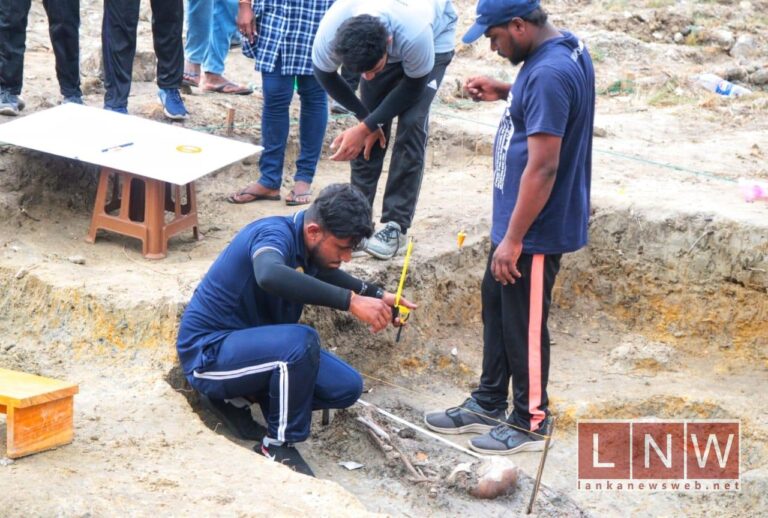
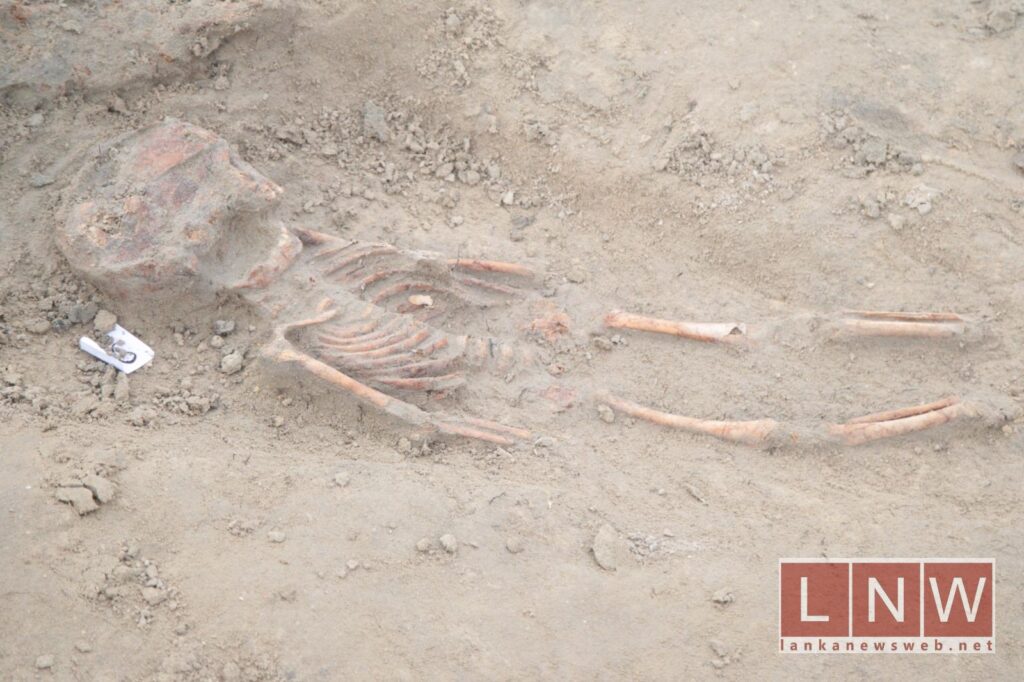
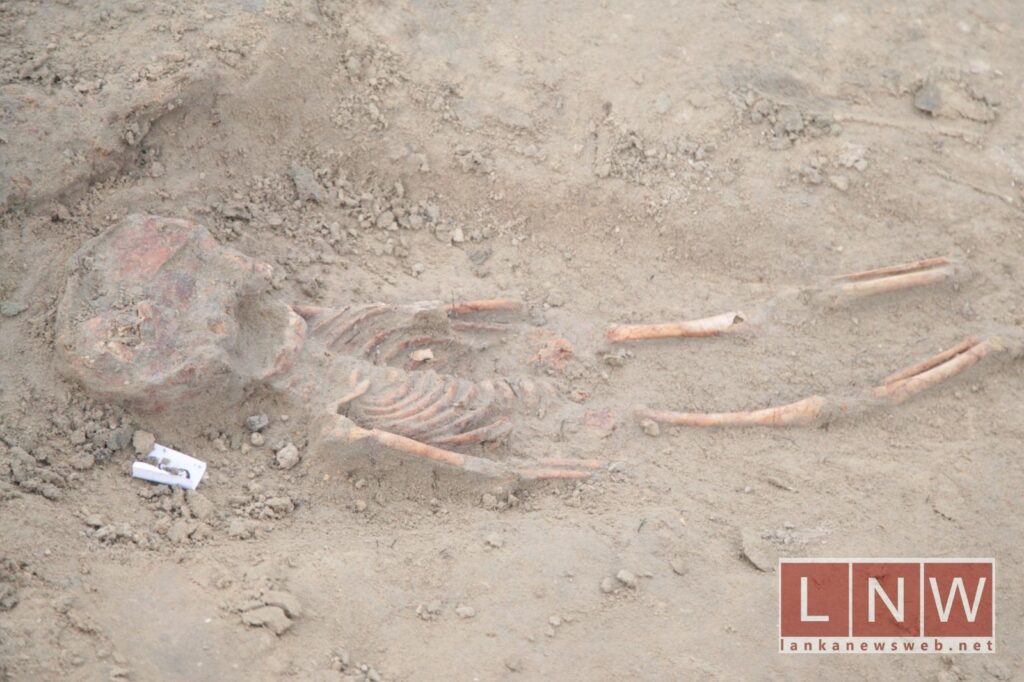
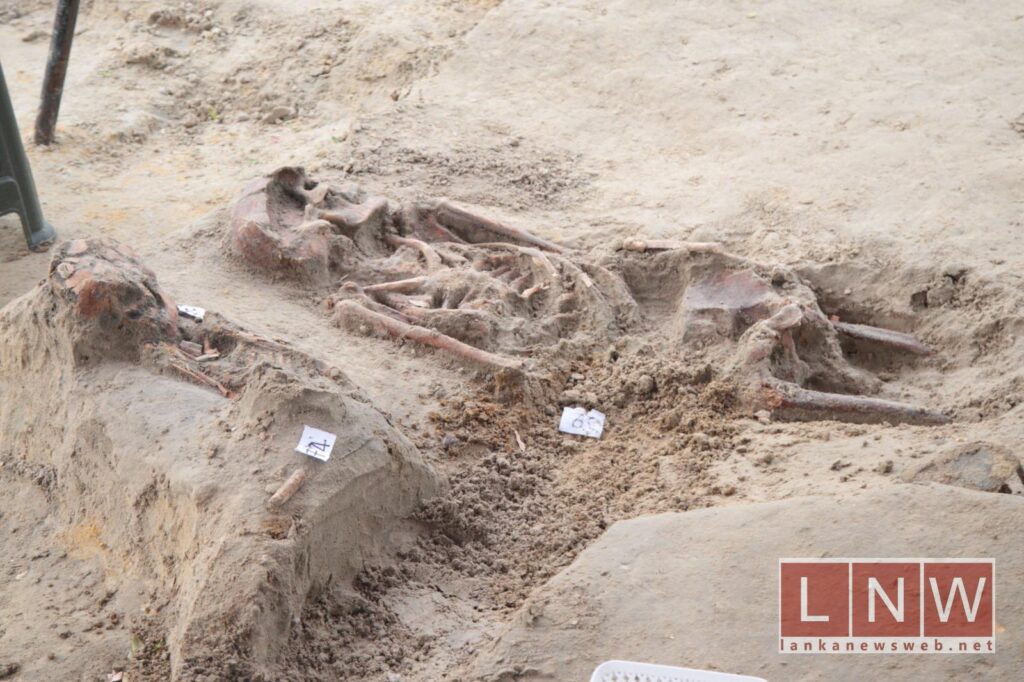
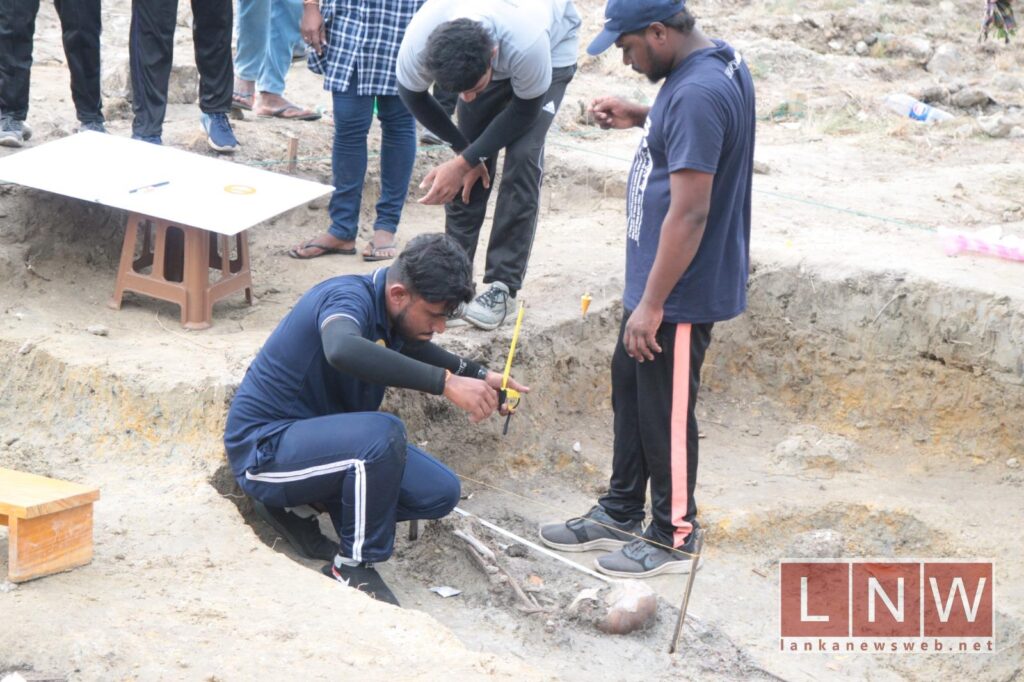
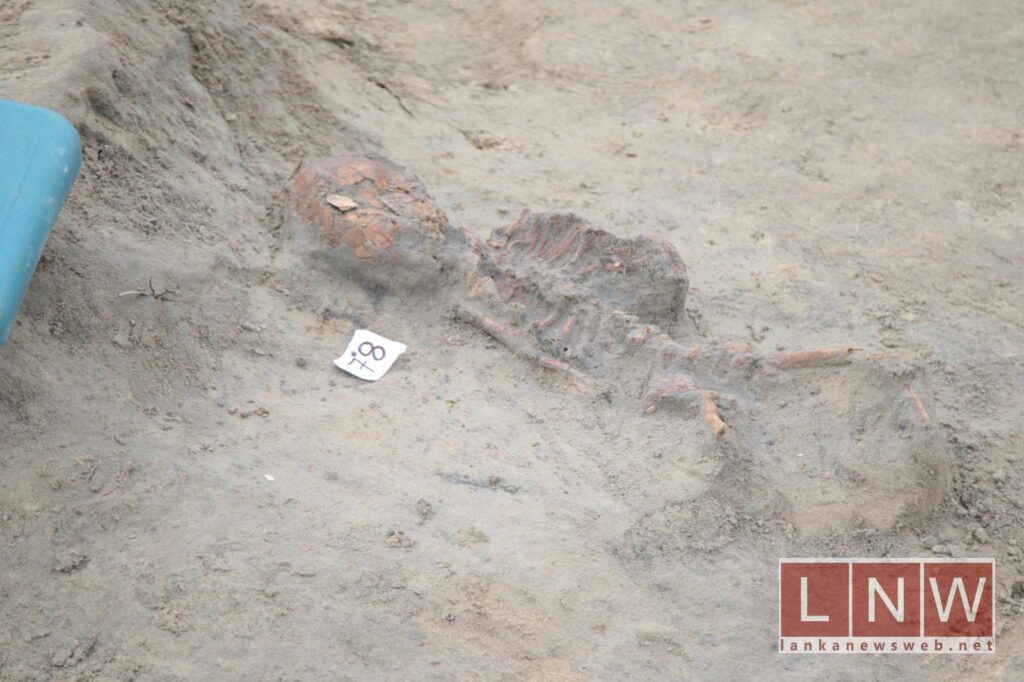
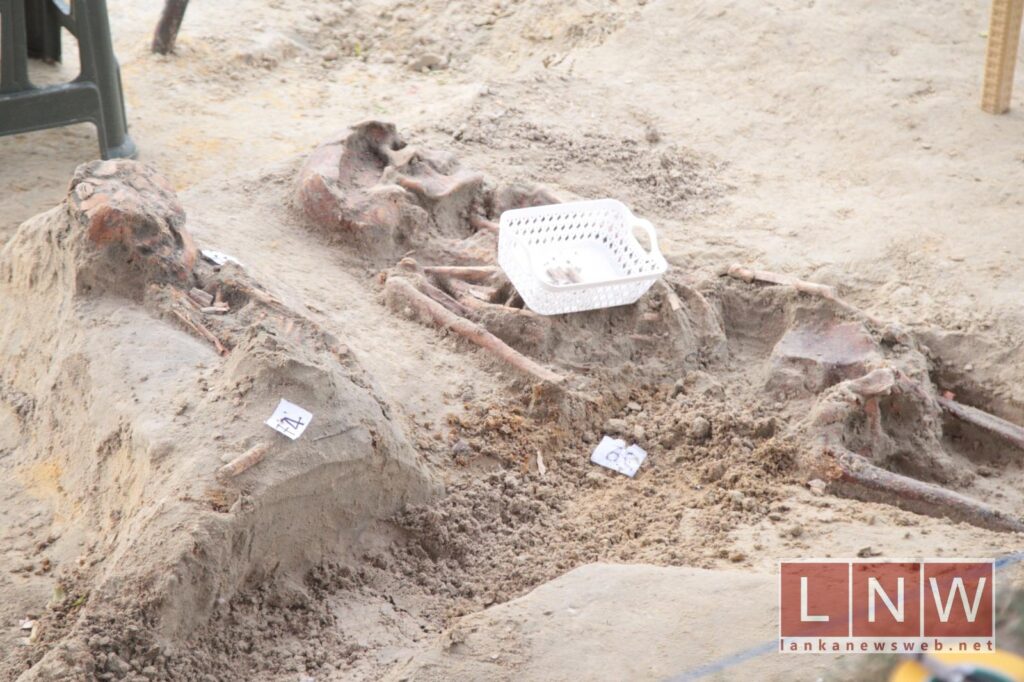
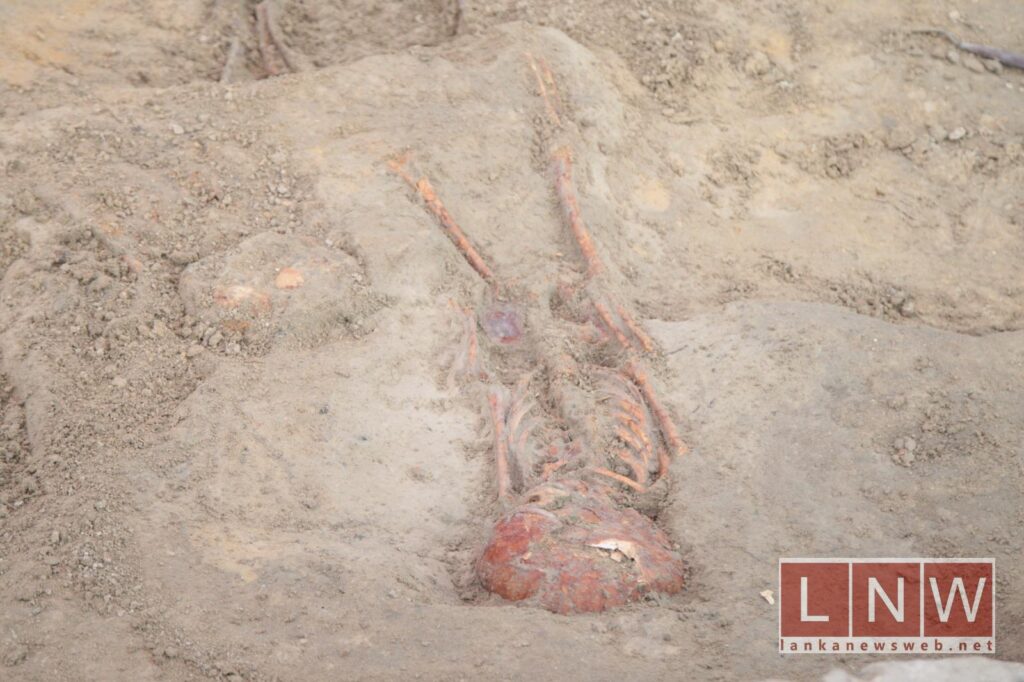
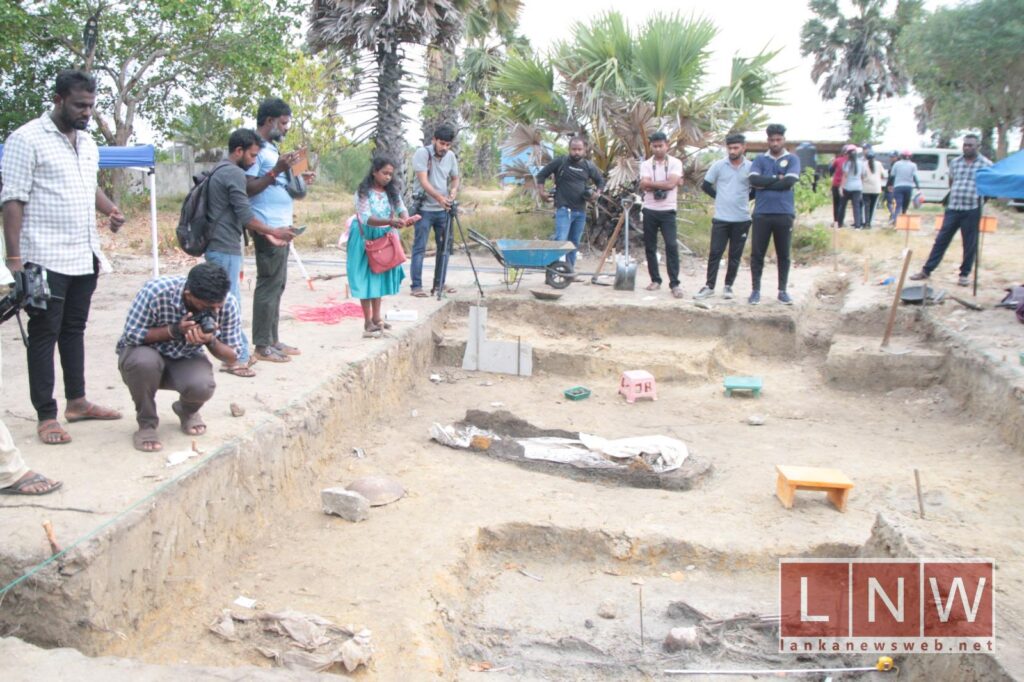
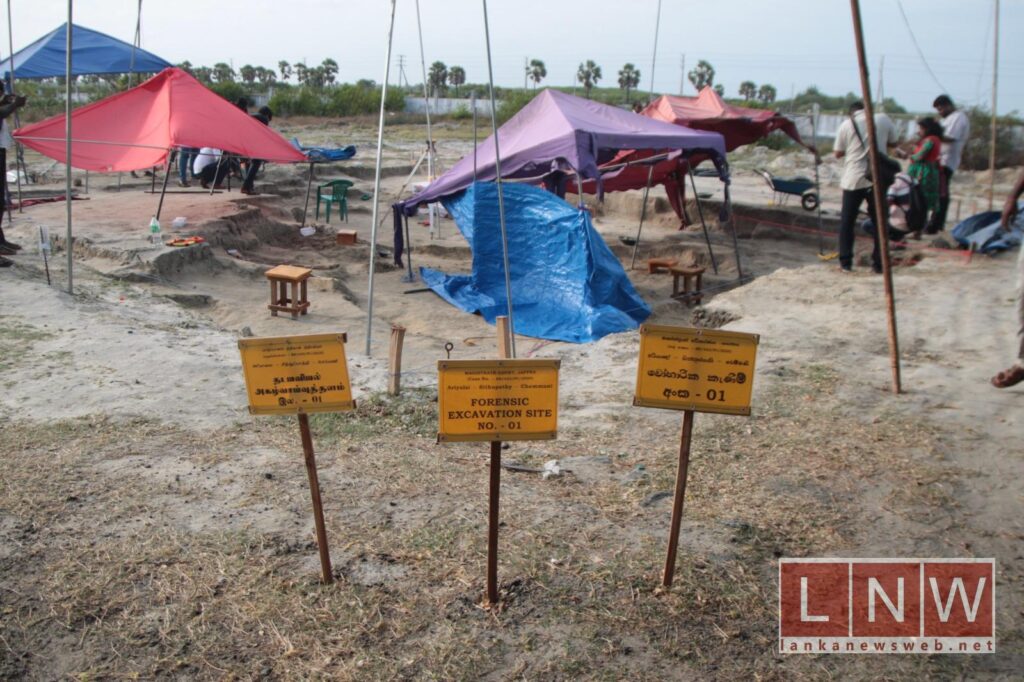
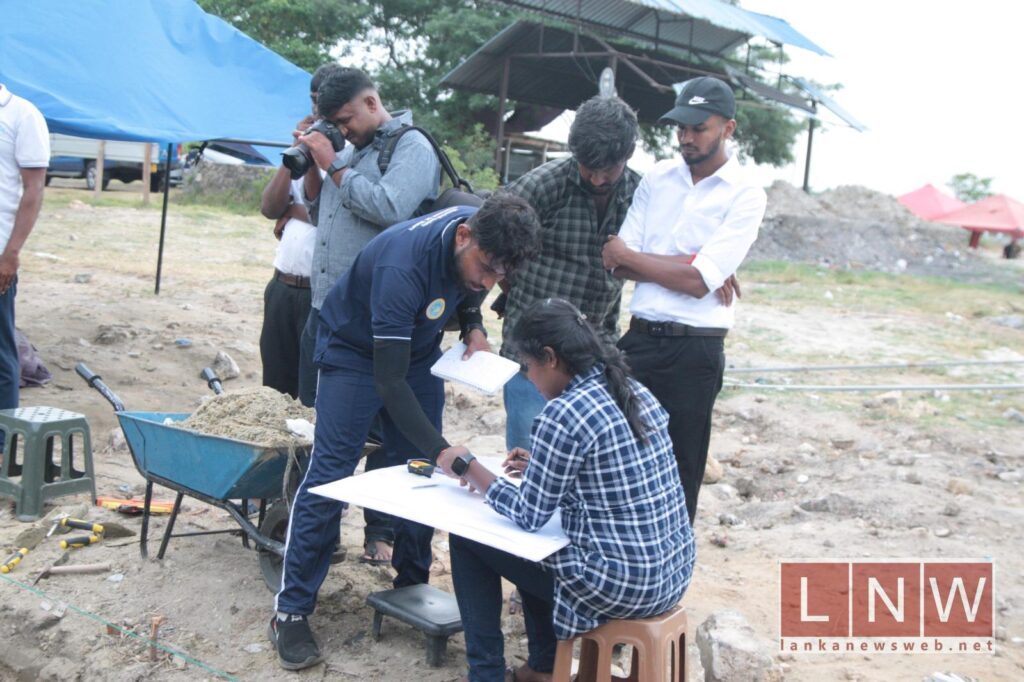
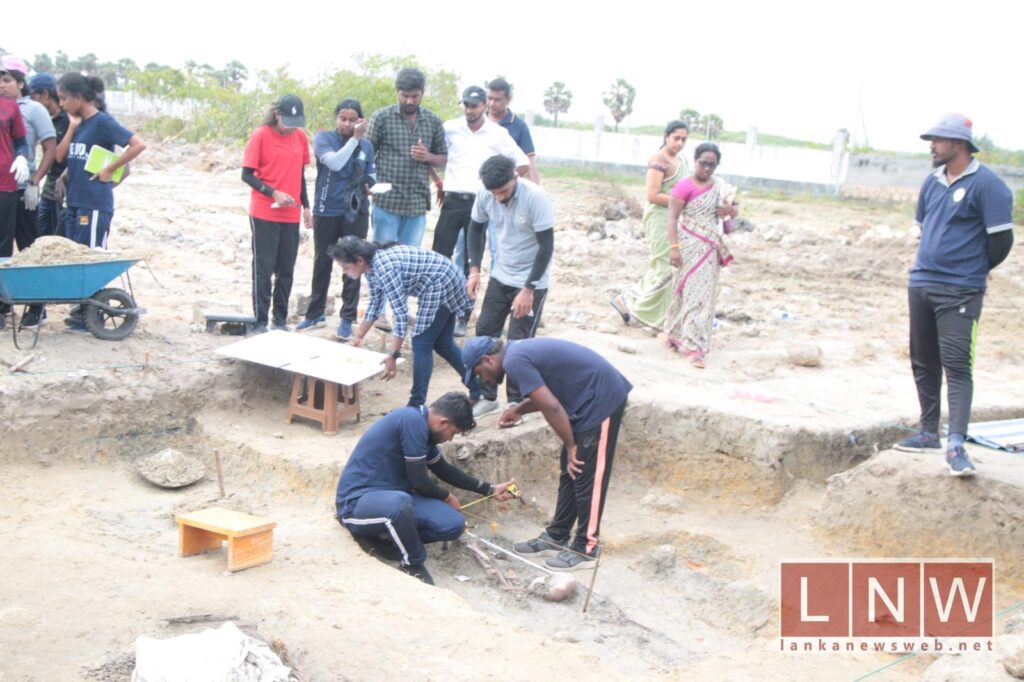
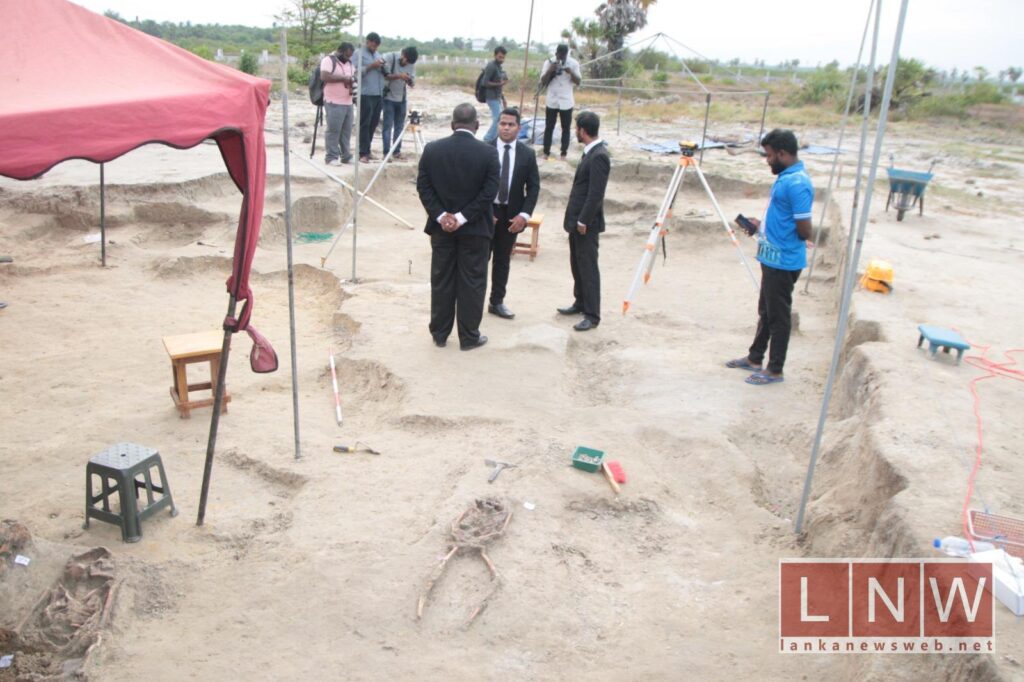
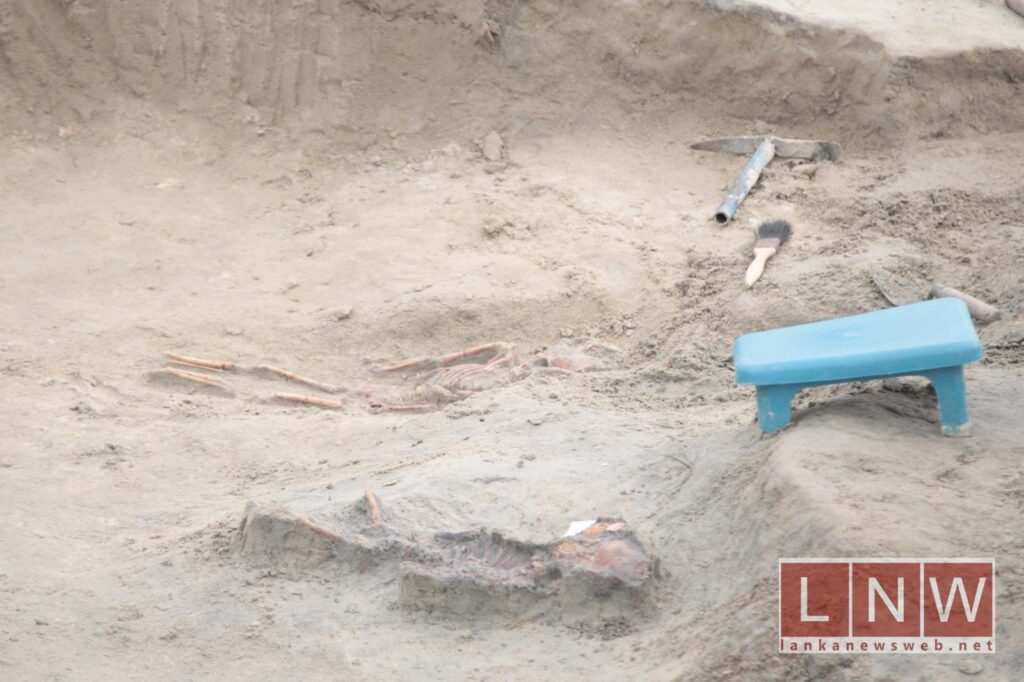
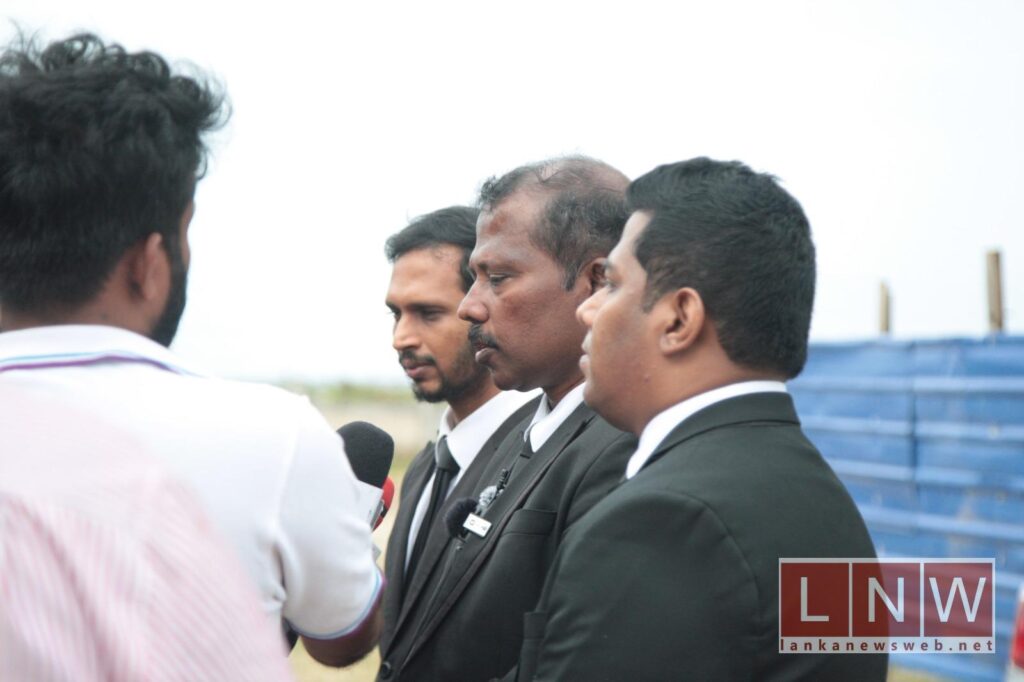
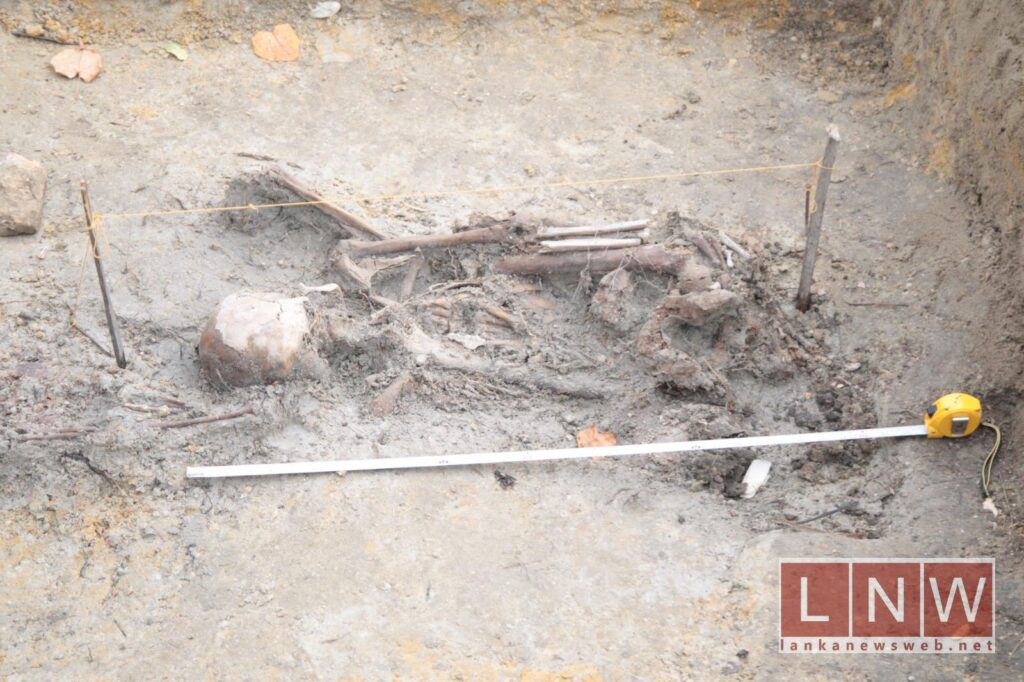
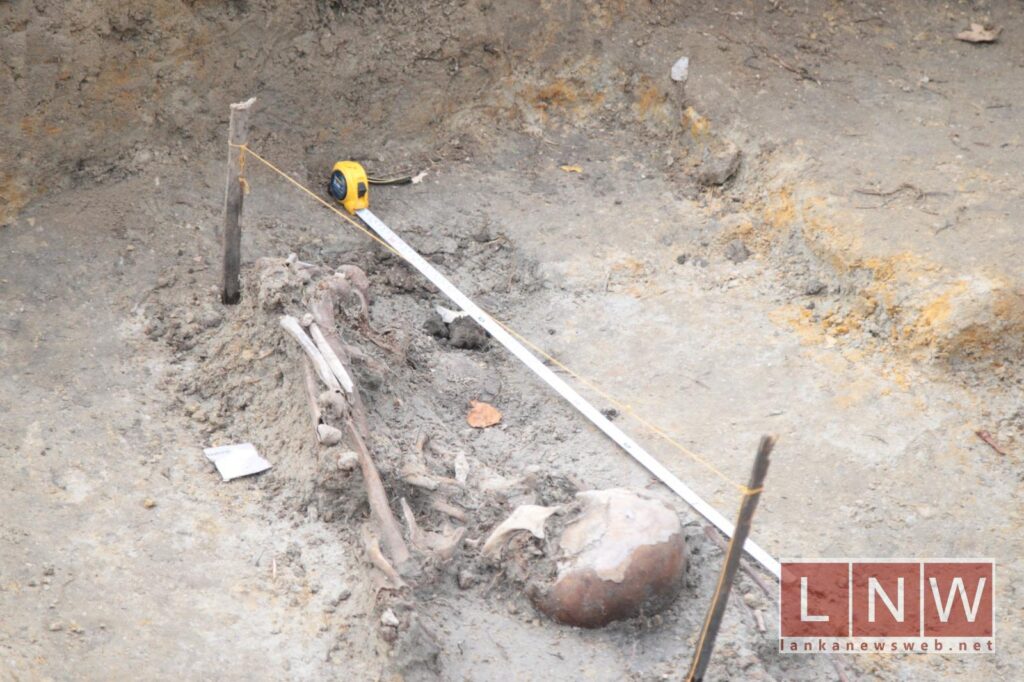
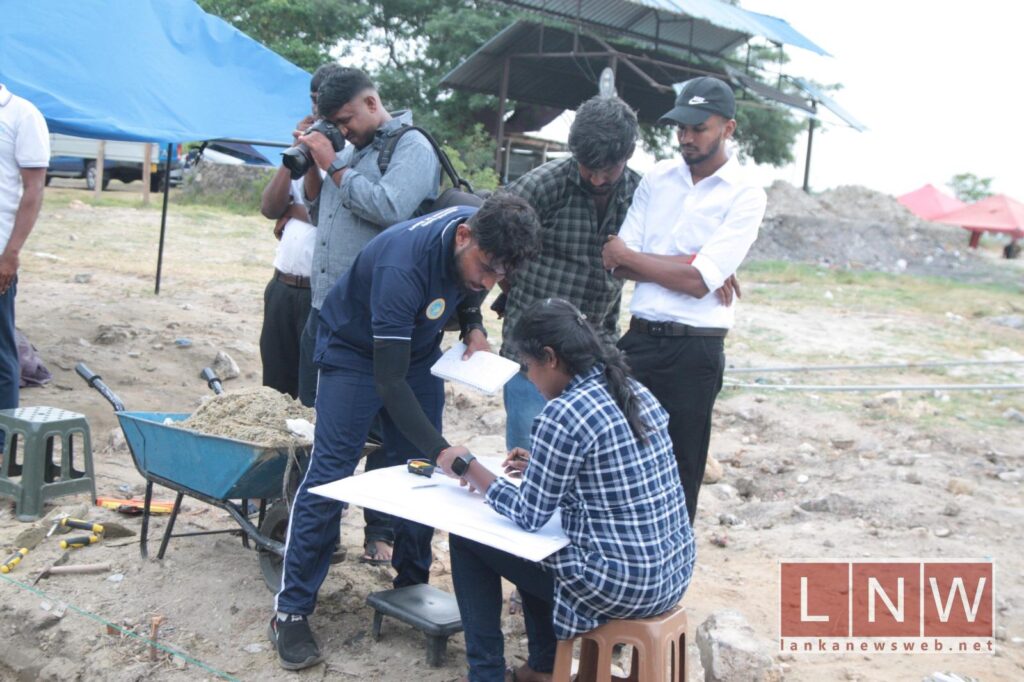
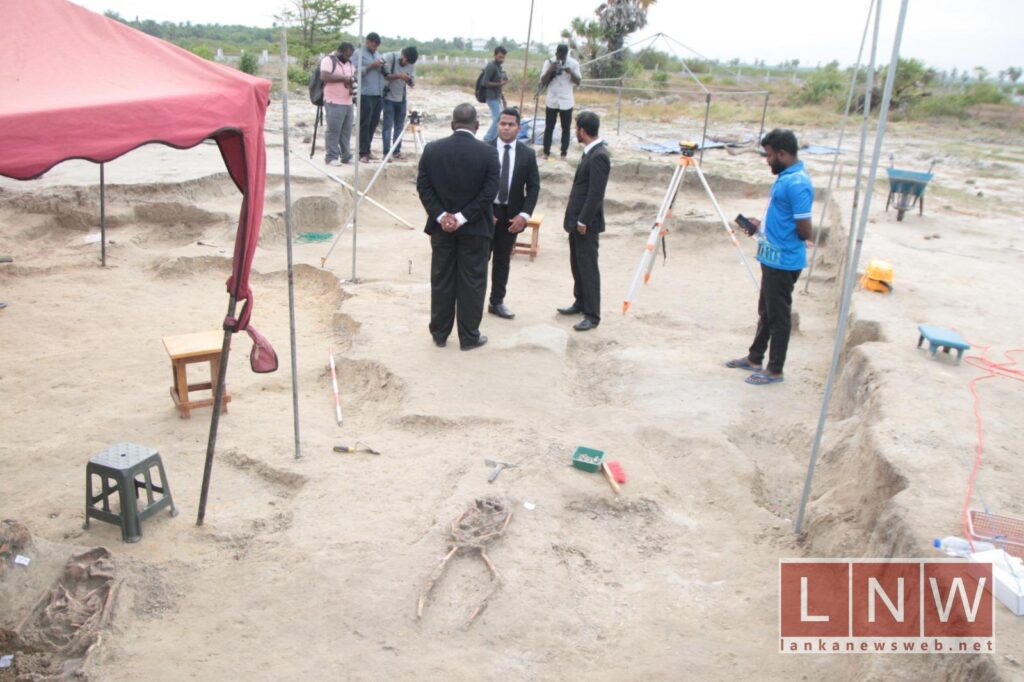
Colombo (LNW): The fourth phase of excavations at a site near the Chemmani cemetery in Jaffna has so far uncovered human skeletal remains belonging to 85 individuals, according to official reports. The excavation, which began on July 21, is being carried out under a directive from the Jaffna Magistrate’s Court.

Of the 85 sets of remains, 67 have been exhumed under the supervision of judicial medical authorities. The excavation is scheduled to continue for 15 days, concluding on August 4.

The site is being excavated under the leadership of Senior Professor Raj Somadeva of the University of Kelaniya. The recovered remains and associated items are being catalogued and classified under the supervision of Dr. Sellaiya Pirapavan, a specialist judicial medical officer from Jaffna Hospital. These findings are securely stored at the Department of Forensic Medicine and Anthropology at the University of Jaffna.

At this stage, no forensic dating or chronological analysis of the skeletal remains has been conducted. Authorities have confirmed that such examinations will be carried out in due course.

Human rights advocates and the families of the disappeared have called for justice, emphasizing that the remains appear to have been buried in a manner inconsistent with Hindu funeral traditions, raising serious concerns over possible extrajudicial actions.

Photos By: Ajith Senevirathna

Kandy Esala Perahera 2025 Begins Today with Kap Situweema Ritual

0

The annual Kandy Esala Perahera Festival, one of Sri Lanka’s most revered cultural and religious celebrations, will commence today (July 18) with the traditional Kap Situweema ceremony at the four main devalayas—Natha, Vishnu, Kataragama, and Pattini—at 6:05 a.m.

Following five days of Devale Peraheras (in-house processions), the first Kumbal Perahera will take to the streets on July 30.

The Kumbal Perahera will be held nightly from July 30 to August 3, followed by the more elaborate Randoli Perahera, which will begin on August 4.

The final grand Randoli Perahera is scheduled for August 8. At its conclusion, the processions from the four devalayas will proceed to Getambe for the traditional Diya Kapeema (water-cutting ceremony).

The festival will officially conclude on August 9 with the Day Perahera, which follows the water-cutting ritual, according to Diyawadana Nilame Nilanga Dela.

The Esala Perahera is held annually in honour of the Sacred Tooth Relic of the Buddha and showcases Sri Lanka’s rich cultural heritage through majestic processions featuring elephants, traditional dancers, drummers, and torchbearers.

Minister Jayatissa Signs Angkor Initiative 2.0 at Asia Media Summit

0

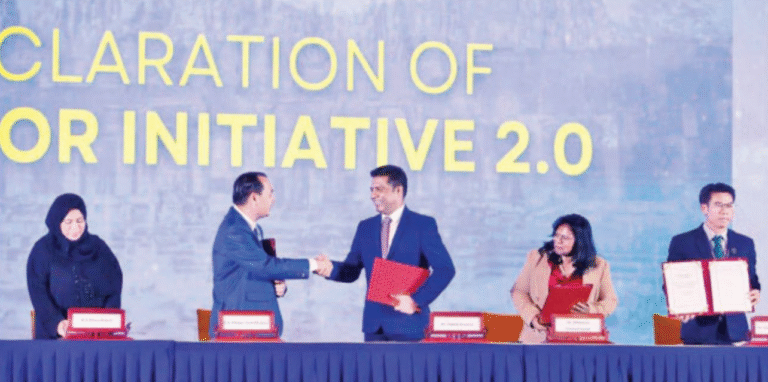
Health and Mass Media Minister Dr. Nalinda Jayatissa signed the Declaration of Angkor Initiative 2.0 during the closing ceremony of the 20th Asia Media Summit held in Siem Reap, Cambodia, on Wednesday (23).

The declaration, endorsed by media ministers and leaders across the Asia-Pacific region, aims to bolster regional efforts against disinformation and promote information integrity in the digital age.

Organized by the Asia-Pacific Institute for Broadcasting Development (AIBD) and hosted by Cambodia’s Ministry of Information, the summit drew over 200 delegates—including ministers, media executives, and professionals—from across the region. The summit opened on July 22 with keynote addresses from Cambodia’s Information Minister Neth Pheaktra and AIBD CEO Philomena Gnanapragasam.

Minister Dr. Jayatissa arrived in Siem Reap on Wednesday to take part in the summit and held several bilateral meetings on its sidelines. These included discussions with Cambodia’s Information Minister, the State Minister and Chief Spokesperson at the President’s Office of the Maldives, Heena Waleed, and representatives from the International Telecommunications Union and AIBD.

As part of the summit proceedings, Dr. Jayatissa presented a special award to Minister Neth Pheaktra, naming him Special Envoy of Information Integrity in recognition of his efforts to uphold media and information standards.

The Angkor Initiative 2.0 outlines a collective framework among AIBD member states to elevate regional media practices and build resilience against disinformation. The summit also included pre-summit workshops focused on enhancing the professional capacity of media practitioners throughout Asia and the Pacific.

The event concluded with the announcement that the 21st Asia Media Summit will be hosted by the Maldives in 2026.

President Dissanayake Calls for Urgent Action to Protect Wild Elephants and Rural Communities

0

President Anura Kumara Dissanayake convened a high-level discussion this afternoon (24) at the Presidential Secretariat with key Ministers and officials to address the protection of wild elephants and the safety of rural communities affected by human-elephant conflict.

During the meeting, the President inquired into the increasing incidents of harassment involving wild elephants and their disruptive impact on the daily lives of people in rural areas.

Officials provided a detailed briefing on the current situation and the longstanding challenges faced by relevant institutions in effectively managing the issue, according to the President’s Media Division (PMD).

President Dissanayake underscored that wild elephants must not be harmed or harassed under any circumstances and stressed the need to develop short-, medium-, and long-term solutions. He instructed officials to carry out comprehensive assessments at the village level and emphasized that effective solutions must involve both political leadership and public cooperation.

To address the urgent shortage of human resources, the President directed the immediate deployment of 5,000 Civil Security Force personnel as field assistants. He also ordered an increase in the number of vehicles available to Wildlife Department officers, highlighting that the current lack of mobility hampers conservation efforts. Immediate procurement of cabs and motorcycles was also instructed.

Furthermore, the President called for the rapid preparation and submission of detailed plans for constructing 800 kilometres of electric fencing and restoring 16 designated elephant corridors to prevent wild elephants from entering villages.

President Dissanayake also stressed the need to resolve internal communication gaps within the Department of Wildlife Conservation and called for the establishment of an efficient system to ensure public access to timely information and assistance.

Attending the meeting were Minister of Public Security Ananda Wijepala, Minister of Environment Dhammika Patabendi, Deputy Minister Anton Jayakody, Environment Ministry Secretary K.R. Uduwawala, Acting Inspector General of Police Priyantha Weerasuriya, Director General of the Civil Security Department Major General Palitha Fernando, Director General of Wildlife M.S.L.R.P. Marasinghe, Deputy Director (Elephant Conservation) V.L. Thaufeen, DIG of the Environmental Division Bimshani Jasin Arachchi, Conservator General of Forests S.C. Palamakumbura, along with representatives from the security forces and the Department of Forest Conservation.

‘Dream Destination’ Project to Transform 100 Railway Stations

0

The ‘Dream Destination’ project, a collaborative initiative between the Government and the private sector, aims to rebrand Sri Lanka’s railway stations with a modern identity in line with global standards.

The primary goal of the programme is to establish a clean, safe, and accessible railway network that ensures comfort for all passengers, including individuals with special needs.

Speaking during a recent discussion, Dr. Kumanayake highlighted the importance of collective national development and noted that the current government has created an open platform for anyone willing to contribute to that cause. He also expressed his gratitude to the business community for voluntarily supporting the modernization of railway stations under the Dream Destination initiative.

The project is being implemented by the Ministry of Transport, Highways, Ports and Civil Aviation in collaboration with the Clean Sri Lanka programme. With strong private sector involvement, the initiative aims to upgrade 100 railway stations across the country.

Government will provide optimal school education for every child – President

0

President Anura Kumara Dissanayake stated that the proposed education reform is not merely limited to curriculum revision but will simultaneously elevate both the social and economic spheres of the country. The President requested support for this initiative, emphasising that it is a social objective, not a political one. He further stressed that no child should leave school without completing 13 years of compulsory education.

“I intend to present a few points during the debate on education reforms.

No one can be satisfied with the current education system, the young generation it has produced, or the economy it has fostered. Therefore, we urgently need comprehensive education reform.

When discussions about education reform arise, issues such as curriculum content tend to dominate. However, what is being proposed here is far broader—this is a transformative shift for our entire society, economy and future.

Economically, we are a densely populated country with limited natural resources. Our greatest asset is human capital. Therefore, our national development strategy must prioritise enhancing our human resources through education. Yet, only 3% of Sri Lankans working abroad are professionals. We must secure a place in the advanced global labour market. To do so, we need a world-class education system.

On the social front, education is critical for lifting people out of poverty and reducing crime. Statistics show that most incarcerated individuals and drug users have low educational attainment. If we want to build a safer, more prosperous society, education must be the foundation.

Every year, tens of thousands of students drop out before completing their schooling. In 2024, over 20,000 children left school early. We must ensure no child is denied the right to 13 years of compulsory education. Our reforms include a monitoring system to follow up on students who are absent for more than three days, so interventions can be made early.

One of the biggest challenges lies within the school network itself. In 2023, 98 schools had no new admissions. Thousands of schools have fewer than 100 students—some even fewer than 10. These schools often lack extracurricular activities and proper peer interaction. The reform plan includes consolidating some of these schools, establishing new ones, and providing transportation where needed. The goal is to give every child access to a fully equipped, socially enriching learning environment.

We are also facing inefficiencies in how we use our teaching workforce. While the national teacher-student ratio averages 1:18, schools with fewer students can have ratios as low as 1:5, leading to underutilised resources. In some cases, schools have more teachers than students. We must reallocate these human resources wisely.

Education has become too mechanical. Children’s days begin at dawn with tuition and end late with more classes, leaving no room for creativity or play. They are growing up as machines, not as socially engaged citizens. We must lighten their academic load and restore balance.

Furthermore, our current education system funnels children toward only a few respected professions like medicine or engineering, ignoring a wide array of career paths. This creates unnecessary pressure and a narrow view of success. Every profession has dignity, and children must be encouraged to find their individual calling.

Education reform will roll out gradually, beginning with Grade 6 in 2026, and progressing annually. By 2029, we will begin helping students chart their future paths based on interests and abilities—not arbitrary social hierarchies.

Higher education must also evolve. Advanced vocational training centres are outdated and fail to retain students. We plan to build 40 new, modern vocational institutions by 2033, integrating technology and ensuring parity with the university system. Vocational education must be seen as equal, not inferior.

Teachers, too, need regular training. Many have not had significant professional development in decades. A new system of ongoing teacher training every five years will be implemented. We’ll maintain a surplus of teachers to support flexibility and capacity building.

Politicians must not decide curriculum content. That responsibility belongs to educators and experts. Our role is to set timelines and ensure implementation. We have tasked professionals with shaping the content of reform.

This initiative demands collective effort. Let’s engage all sectors of society in building an education system that supports our children’s dreams and our nation’s progress. The reforms are not about politics. They are about the future of Sri Lanka.”

SC Slams State Failures in X-Press Pearl Case, Orders $1Bn Damages

0

In a powerful and unprecedented verdict, the Supreme Court of Sri Lanka has ordered a landmark compensation of USD 1 billion from those responsible for the MV X-Press Pearl maritime disaster, calling it a preventable environmental tragedy that exposed deep institutional failures and violated citizens’ fundamental rights.

Delivering its judgment on a set of consolidated fundamental rights petitions—including those filed by the Centre for Environmental Justice (CEJ) and Colombo Archbishop Malcolm Cardinal Ranjith—the Court found both foreign parties and local officials grossly negligent in Sri Lanka’s worst maritime environmental catastrophe.

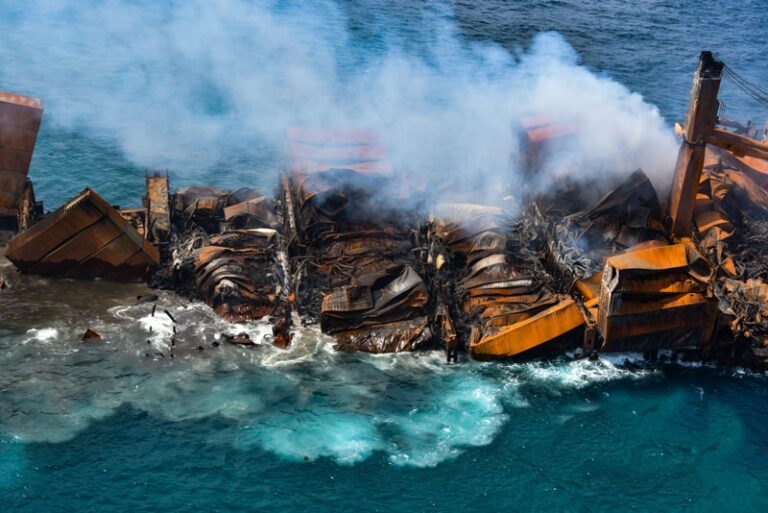
The MV X-Press Pearl, a Singapore-flagged container vessel, caught fire off the coast of Colombo in May 2021 while carrying hazardous cargo including nitric acid. The delayed response to a reported chemical leak and the suppression of critical safety information contributed to the vessel sinking on June 2, 2021, releasing toxic materials and plastic pellets that devastated marine life and the coastal ecosystem.

The Court declared the ship’s owners, operators, and local agents jointly and severally liable, citing gross negligence, concealment of crucial information, and breaches of international maritime regulations such as MARPOL and SOLAS. Applying the “Polluter Pays Principle,” the Court ordered them to pay USD 1 billion in damages to the Sri Lankan Treasury, with an initial payment of USD 250 million due by September 23, 2025. Further payments are expected as a full damage assessment is completed.

However, the judgment also severely criticized key state actors. The Marine Environment Protection Authority (MEPA) and its former Chairperson Dharshani Lahandapura were faulted for failing to fulfill statutory responsibilities, issuing vague directives, and not summoning the MEPA board.

The Court censured former State Minister of Urban Development and Environment Nalaka Godahewa for not forming the legally required Marine Environment Council. The Attorney General’s office faced harsh rebuke for choosing to file the compensation case in Singapore instead of Sri Lanka, and for failing to bring criminal indictments, actions the Court described as irrational and damaging to national interest.

These institutional lapses, the Court ruled, violated the fundamental rights of the petitioners and the public under Article 12(1) of the Constitution.

 As part of a broad set of directives, the Court ordered the creation of a dedicated Compensation Commission, a Marine and Coastal Environment Restoration Committee, and a Treasury-managed restoration fund. The Attorney General was instructed to conclude criminal investigations within three months and report quarterly.

In addition, the Commission to Investigate Allegations of Bribery or Corruption (CIABOC) has been mandated to launch a fresh inquiry into alleged corruption linked to the disaster, with interim reports due every three months.

The case remains under judicial monitoring, with the next hearing set for September 25, 2025.