Six rehabilitated elephants from the Eth Athuru Sevana (Elephant Transit Home) in Udawalawa were released into the Maw Ara Forest Reserve on Thursday, marking another significant step in Sri Lanka’s elephant conservation efforts.
The release was carried out in the presence of Environment Minister Dr. Dhammika Patabendi, Deputy Minister Anton Jayakody, and Wildlife Director General Ranjan Marasinghe.
All six elephants were fitted with GPS tracking collars to monitor their movement and adaptation to the wild. Officials noted that this is a standard part of the reintegration process, helping researchers and wildlife authorities ensure the safety of the animals and evaluate the success of the rehabilitation programme.
The Elephant Transit Home is renowned for rehabilitating orphaned elephant calves until they are old enough to survive independently in the wild. This latest release reflects the continued commitment of the Department of Wildlife Conservation to balance wildlife protection with broader ecosystem management.
The Sri Lanka Transport Board (SLTB) has announced plans to recruit drivers and conductors on a contract basis, with the aim of bolstering its public transport services across the country.
According to the announcement, there are currently 425 vacancies for male drivers and 25 positions for female drivers. In addition, 275 male conductors and 25 female conductors will be compulsorily recruited.
This recruitment drive is part of SLTB’s effort to enhance operations across its network of 107 depots, which currently employs over 25,000 personnel.
A public advertisement regarding the vacancies was published yesterday, with the application deadline set for July 31.
Applicants are required to present their original School Leaving Certificate (Student’s Progress Report) and other educational qualifications at the time of the interview. The SLTB has made it clear that incomplete or non-compliant applications will be rejected without consideration.
The Central Bank of Sri Lanka (CBSL) has issued a directive to all Licensed Financial Institutions (LFIs), imposing revised maximum loan-to-value (LTV) ratio caps on vehicle-related credit facilities, with effect from July 18.
The new directive applies to Licensed Commercial Banks, Licensed Specialised Banks, Licensed Finance Companies (LFCs), and Registered Finance Leasing Establishments (RFLEs), aiming to standardize and tighten vehicle financing regulations across the financial sector.
Under the revised guidelines, the maximum LTV ratios allowed are as follows:
80% for electric commercial vehicles
60% for motor cars, SUVs, and vans
50% for three-wheelers
70% for all other vehicles
This marks a reduction from the 90% LTV cap previously allowed for electric vehicles under the 2018 guidelines.
In its official statement, the Central Bank stated that the measure is intended to harmonise LTV caps across institutionsand strengthen prudent lending practices, especially concerning vehicle financing. The move is seen as a part of broader efforts to ensure financial system stability and prevent excessive credit risk within the sector.
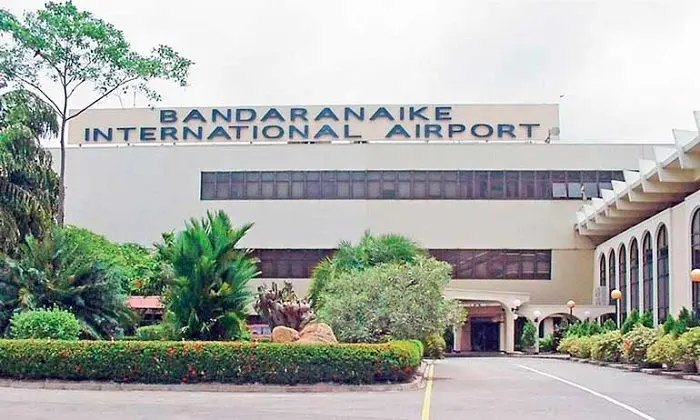
Ports and Civil Aviation Deputy Minister Janith Ruwan Kodithuwakku announced that arrangements are underway to establish a dedicated counter at the Bandaranaike International Airport (BIA) to issue temporary driving licences to foreign visitors upon arrival.
The initiative aims to simplify the current process, which requires foreigners to travel to the Department of Motor Traffic (DMT) office in Werahera—a step the Minister described as an unnecessary burden in terms of both time and cost.
“Necessary approvals for this project have already been secured, and we expect to open the counter within the first two weeks of next month,” Deputy Minister Kodithuwakku said.
When questioned about payment methods, he stated that a final decision on whether licence fees must be paid in foreign currency is yet to be made. However, he added that if the service is offered at the airport, payment in foreign currency will likely be mandatory.
A senior official from the Ministry of Foreign Affairs, Foreign Employment and Tourism confirmed that the Transport Ministry has formally requested a designated space within the airport for this new service.
The proposed counter is expected to improve convenience for international tourists and business travellers, aligning with broader government efforts to enhance tourism infrastructure and streamline services for visitors.
Showers will occur at times in the Western, Sabaragamuwa and Central provinces and in Galle and Matara districts. Fairly heavy falls above 75 mm are likely at some places in the Sabaragamuwa province and in Nuwara-Eliya, Kandy, Galle and Matara districts.
Several spells of showers may occur in the Northern and North-western provinces.Strong winds of about (50-60) kmph can be expected at times over Western slopes of the central hills and in Western, Sabaragamuwa, Southern, North-western and North-central provinces.
Fairly strong winds about (30-40) kmph can be expected at times elsewhere of the island.The general public is kindly requested to take adequate precautions to minimize damages caused by strong winds.
July 18, Colombo (LNW):The Sri Lankan government is finalizing a comprehensive National Tariff Policy aimed at streamlining trade procedures, improving export competitiveness, and enhancing investment appeal, Trade Ministry Secretary K.A. Vimalenthirarajah announced recently .
Speaking to the media, Vimalenthirarajah said the new policy seeks to move away from fragmented trade decisions and create a unified, consistent, and standards-aligned trade environment. “This isn’t just about adjusting tariff rates,” he explained. “It’s about improving efficiency, reducing clearance times, and eliminating institutional trade barriers.”
The broader aim is to eliminate sectoral biases and encourage innovation and competitiveness in niche markets. The policy supports trade facilitation, low financing costs for businesses, and simpler procedures to help Sri Lanka position itself more effectively in global markets.
The idea of phasing out para-tariffs—additional levies like CESS and PAL—has been part of Sri Lanka’s economic reform agenda for decades. However, consistent implementation has been a challenge. While significant progress was made between 2016 and 2018, including the removal of duties on over 1,200 tariff lines, further reforms stalled due to political and economic instability.
In June 2024, the Cabinet approved the National Tariff Policy, to be implemented in three phases starting January 2025. It proposed a simplified four-band tariff structure: 0%, 10%, 20%, and 30%. This reform was also a prerequisite under the World Bank’s RESET Development Policy Operation, aimed at stabilizing the economy and enhancing resilience.
Although the initial deadline was missed due to political changes, the current administration has renewed its commitment. A National Tariff Policy Committee, headed by a Deputy Secretary to the Treasury, was recently established to oversee implementation, underscoring the Finance Ministry’s crucial role—especially given the fiscal implications of tariff reforms.
Experts note that while industrial policies originally drove para-tariffs, their continuation has been largely tied to government revenue needs. Thus, any liberalization must balance trade openness with fiscal sustainability.
The policy also comes in the context of global trade uncertainties. Increased protectionism, geopolitical fragmentation, and foreign policy shifts could disrupt trade and foreign direct investment, elevate inflation, and strain Sri Lanka’s balance of payments.
Officials emphasize the importance of agility in monetary policy and stress the need for parallel strategies—such as export promotion, FDI diversification, and workforce development—to ensure resilience and inclusive economic growth amid global challenges.
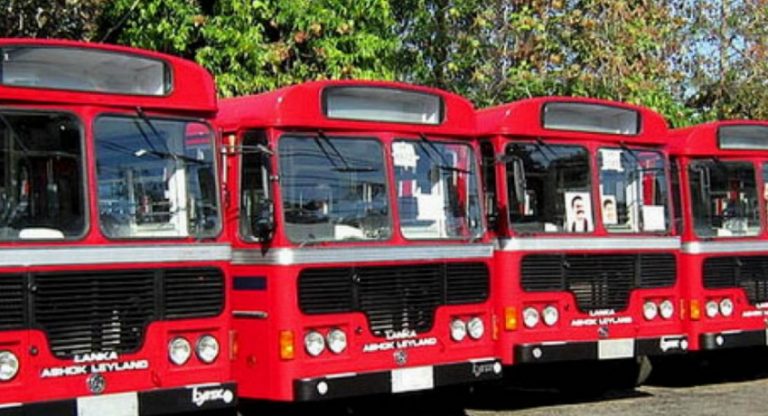
July 18, Colombo (LNW): Lanka Ashok Leyland PLC, a leading player in Sri Lanka’s commercial vehicle sector and a joint venture with India’s Ashok Leyland, has announced plans to introduce a full range of electric buses under the ‘SWITCH’ brand, aligning with the government’s broader drive toward electrifying the public transport sector.
The initiative marks a significant step in reshaping the country’s ailing public transportation system, which has long struggled with inefficiency, congestion, and environmental concerns.
The company has already introduced an electric version of its DOST light truck model, signaling its commitment to sustainable mobility solutions. “Plans are also underway to launch an entire range of electric buses under the ‘SWITCH’ brand, subject to regulatory and market readiness,” said CEO Umesh Gautam. He added that the government’s increasing focus on electrifying the public sector will likely create favorable conditions for the initiative.
This move comes at a critical time for Sri Lanka’s public transport infrastructure. According to the National Transport Commission, over 54% of daily commuters rely on public buses, with the Sri Lanka Transport Board (SLTB) and private operators managing a combined fleet of approximately 20,000 buses. However, many of these vehicles are over 15 years old, contributing to poor service quality, frequent breakdowns, and high emissions.
Electric buses offer a sustainable and long-term solution to these issues. They have lower operational and maintenance costs compared to diesel-powered buses and drastically reduce greenhouse gas emissions. With rising global fuel prices and the country’s own foreign exchange challenges, switching to electricity-powered fleets could ease fiscal pressure on the transport sector while addressing climate concerns.
Nonetheless, challenges remain. The existing charging infrastructure is minimal, and upfront costs for electric buses are high. Experts suggest that successful implementation will require government subsidies, low-interest financing, and public-private partnerships to build necessary infrastructure and incentivize fleet upgrades.
In addition to infrastructure, commuter service improvements can be accelerated by adopting smart scheduling systems, real-time tracking, and digital ticketing to modernize operations and enhance passenger experience. Integrated urban mobility plans that combine electric buses with other low-emission transport modes like electric three-wheelers and trains will further improve last-mile connectivity and reduce urban congestion.
Sales of Lanka Ashok Leyland’s conventional trucks have already shown signs of recovery, indicating a market rebound that may support the transition to electric mobility.If executed strategically, Lanka Ashok Leyland’s electric bus initiative could be a catalyst for transforming Sri Lanka’s outdated transport system into a cleaner, more efficient, and commuter-friendly network—one that meets the nation’s environmental goals and urban mobility demands for the future.
To curb corruption and deliver more efficient, transparent public services, the National People’s Power-led government of Sri Lanka unveiled an ambitious digitalization plan earlier this year. Spearheaded by President Anura Kumara Dissanayake, the program introduced three key digital services GovPay for government payments, extending the Presidential Fund to divisional secretariats, and issuing birth, marriage, and death certificates through diplomatic offices as part of its roadmap toward a digitally empowered society.
The Company Registrar’s Department was celebrated as a pioneer of this initiative, having launched its digital platform back in April 2018 in partnership with KPMG’s IT division. The system allowed companies to be registered entirely online, streamlined issuing of certificates, and facilitated import clearances through Customs — even helping Sri Lanka climb in ease-of-doing-business rankings. During the COVID-19 era, the digital platform enabled over a thousand companies to register seamlessly.
However, the system came to a grinding halt on Saturday (12th), leaving critical operations paralyzed. The department reportedly has been unable to restore functionality since, and the lack of a disaster recovery mechanism has exacerbated the situation.
According to reports, the digital infrastructure has been operating without maintenance since the end of May this year, after the government failed to renew its agreement with KPMG. The system, despite being crucial for the economy, was left in the hands of officials who lacked adequate technical knowledge or a clear strategy for sustainability.
Sources allege that senior officials may have intentionally let the system collapse to revert to manual, paper-based processes, which would enable corrupt practices. Others suggest a motive to award the maintenance contract to a different company.
The Company Registrar’s Department, which falls under the Ministry of Trade, Commerce, Food Security, and Cooperative Development, handles company incorporations, issuing of vital records, director changes, and tender registrations functions vital to business and government operations. Its daily losses from the outage are estimated at LKR 7–8 million.
What began as a model of transparency and efficiency is now facing accusations of gross mismanagement and sabotage. Observers point out that while technical failures and human errors are inevitable, the failure to maintain such a mission-critical system and the lack of preparedness to recover raises serious questions about accountability.
At a time when the government is promoting its vision of a digitally transformed Sri Lanka, the collapse of one of its flagship digital services threatens not just the credibility of the Company Registrar’s Department but also casts doubt on the broader digitalization agenda.
As of now, the department remains inoperative, and stakeholders are left wondering: where is the digital transformation headed, and who will take responsibility for ensuring its success, or its failure?
In a significant move to strengthen its capabilities in combating money laundering and terrorist financing, Sri Lanka’s Financial Intelligence Unit (FIU-Sri Lanka) signed a Memorandum of Understanding (MoU) with the National Center for Financial Information in the Sultanate of Oman (NCFI-Oman). The agreement was formalized on July 9, 2025, during the 31st Plenary of the Egmont Group held in Luxembourg, marking another milestone in Sri Lanka’s growing network of international intelligence cooperation.
The MoU facilitates the exchange of financial intelligence on money laundering (ML), associated predicate offences, and terrorist financing (TF) between the two countries, under the legal framework of Sri Lanka’s Financial Transactions Reporting Act No. 6 of 2006. This move reflects Sri Lanka’s ongoing commitment to aligning with global standards in Anti-Money Laundering and Countering the Financing of Terrorism (AML/CFT).
The agreement was signed by Dr. Subhani Keerthiratne, Director of FIU-Sri Lanka, and Colonel Abdul Rahman Amur Al-Kiyumi, Executive President of NCFI-Oman. The NCFI is Oman’s central body for gathering, analyzing, and exchanging data related to criminal proceeds, money laundering, and terrorist financing activities.
With the addition of Oman, FIU-Sri Lanka now maintains MoUs with 46 foreign counterpart agencies, enabling it to share critical intelligence and strengthen cross-border surveillance. These agreements are particularly vital in disrupting complex international financial crime networks, which often exploit gaps in inter-jurisdictional cooperation.
FIU-Sri Lanka plays a central role in the country’s AML/CFT framework. It functions under the Central Bank of Sri Lanka and is tasked with receiving, analyzing, and disseminating information on suspicious financial activities. Its mission includes ensuring financial system integrity by working closely with regulatory bodies, law enforcement, and international partners.
The Central Bank, through the FIU, has also been intensifying its cooperation with global organizations such as the Financial Action Task Force (FATF), the Asia/Pacific Group on Money Laundering (APG), and the Egmont Group—an international network of over 170 FIUs. These partnerships help Sri Lanka meet global compliance requirements and bolster efforts to exit grey-list monitoring, if applicable.
Recent initiatives include enhanced digital surveillance tools, risk-based supervision of reporting institutions, training programs, and legislative reforms. The Central Bank is also working to close regulatory loopholes and improve enforcement in areas such as virtual asset transactions and non-financial business sectors.
As financial crime evolves in complexity and scale, the Central Bank and its intelligence arm continue to invest in cross-border cooperation, technology, and legal infrastructure, demonstrating Sri Lanka’s firm resolve to safeguard its financial ecosystem.
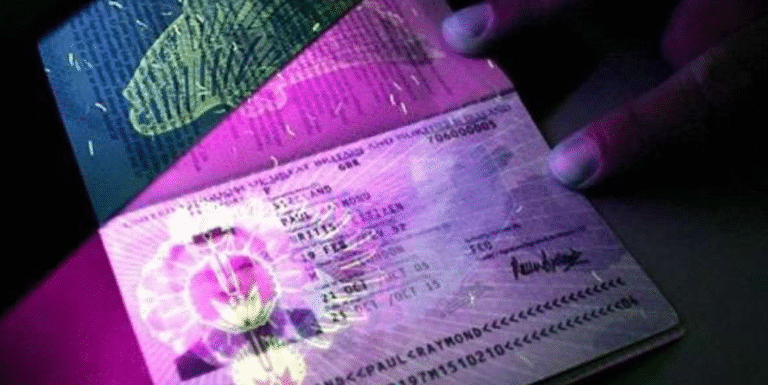
In a major digital upgrade to its consular services, the Sri Lankan government has approved a project to facilitate faster, secure passport issuance for Sri Lankans living abroad through the use of biometric technology.
The initiative will be implemented across 20 diplomatic missions worldwide, significantly easing the passport application process for the diaspora.
The Cabinet of Ministers approved the proposal jointly submitted by the Minister of Foreign Affairs, Foreign Employment and Tourism, and the Minister of Public Security and Parliamentary Affairs.
Cabinet Spokesman Dr. Nalinda Jayatissa announced that the system will allow Sri Lankans residing overseas to apply for passports digitally via Sri Lankan missions, eliminating the need to travel back home for renewals or new documents.
The International Organization for Migration (IOM) has agreed to provide financial assistance, technical expertise, and equipment to support the project.
This includes setting up biometric data capture stations, supplying necessary hardware, and establishing secure digital connectivity between overseas missions and Sri Lanka’s Department of Immigration and Emigration.
“This project will improve service delivery for our expatriates and reduce administrative delays by enabling digital passport processing at foreign missions,” Dr. Jayatissa told reporters at the post-Cabinet media briefing on July 15.
He highlighted the significance of the diaspora’s contribution to the economy through remittances and noted that enhancing such services could further incentivize visits to Sri Lanka, boosting foreign exchange inflows.
Under Cabinet Paper 22/2025, biometric stations at selected missions will enable Sri Lankan citizens to submit applications and provide biometric data such as fingerprints and photographs on-site.
The system will be integrated with the Department’s online passport application platform, forming part of a broader digital transformation of government services.
While the specific locations of the 20 diplomatic missions have not been publicly revealed, government sources indicated that missions in countries with large Sri Lankan expatriate communities will be prioritized.
This move is aligned with global trends where countries are adopting biometric systems to improve the efficiency and security of citizen services and border control. Nations like Switzerland have already implemented similar systems.
The biometric passport initiative is the latest in a series of digital modernization efforts by Sri Lanka. Earlier in 2025, the government began issuing 700,000 biometric national identity cards and participated in the Digital Public Infrastructure Summit, demonstrating its commitment to building a secure, technology-driven public service infrastructure.
The Cabinet communiqué described the project as a step toward delivering faster, safer, and more reliable consular services to overseas Sri Lankans. It also ensures that the biometric data collection adheres to international privacy and security standards, as guided by IOM.
The Department of Immigration and Emigration will manage the technical infrastructure and operational processes, overseeing data capture, verification, and secure document issuance.
This move is expected to streamline bureaucratic processes, bolster digital identity management, and reinforce Sri Lanka’s global shift toward smarter, tech-enabled governance.