Home Blog Page 457

UDA Resumes Stalled Housing Projects amid Anti-Corruption Drive

0

The Urban Development Authority (UDA) has announced the resumption of eight previously stalled housing projects, with a renewed focus on transparency and accountability following widespread allegations of corruption in past developments.

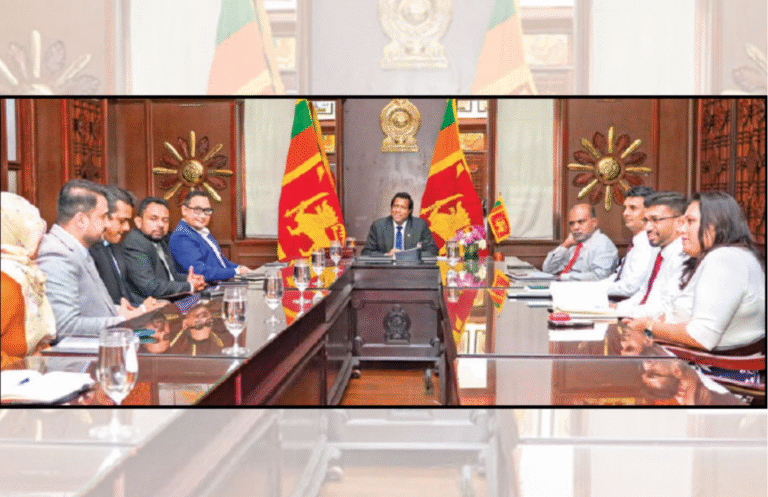
According to UDA Director M.H.V.R. Kumara, construction will recommence immediately on two key apartment complexes in Narahenpita and Torrington, designed to provide 750 housing units for low-income families. These developments were halted midway due to funding and administrative issues but are now being revived under new oversight.

Additionally, the UDA has secured fresh investors to restart four middle-income housing projects—two in Peliyagoda, two in Orugodawatta—and another in Stadiumgama. A housing project in Anuradhapura, initially intended for middle-income earners and long neglected, is also set to resume construction.

While these projects are being brought back to life, the government is simultaneously conducting investigations into irregularities and suspected corruption within the urban development and housing sectors. Deputy Minister of Urban Development, Construction, and Housing, T.B. Sarath, emphasized that legal action will be taken against all those found guilty, including public officials.

“If the President, the Cabinet, and Members of Parliament are expected to serve the people with integrity, then so should every public servant. Everyone must work in the best interest of the citizens,” he said.

He confirmed that multiple investigations are ongoing into fraudulent practices and misappropriation of public funds, and anyone implicated will face legal consequences regardless of their status.

Cabinet Spokesman Dr. Nalinda Jayatissa, speaking at the weekly Cabinet media briefing held on July 15, criticized the former United National Front-led Yahapalana Government for mismanaging funds during its 2015–2019 term. He claimed that although billions of rupees were allocated for housing development, only a fraction of the promised homes under the ‘Semata Sewana’ project had materialized.

“Out of 2,562 planned houses, only 367 were completed and handed over. Meanwhile, Rs. 523.6 million was spent solely on promotional campaigns,” Dr. Jayatissa said. He also disclosed that 25,543 people were granted housing loans, and 26,833 individuals received assistance to purchase homes under the scheme.

Ongoing audits and investigations are being carried out by the National Housing Development Authority and the National Audit Office to further probe these discrepancies.

The current administration, elected on a platform of good governance, has made tackling corruption a central priority. In recent months, several former ministers and government officials have been arrested or placed under investigation for financial misconduct and abuse of power, particularly in the housing and construction sectors.

With the recommencement of stalled housing projects and a parallel commitment to rooting out corruption, the government aims to restore public trust and ensure more equitable access to housing for Sri Lankans across income levels.

E-Commerce in Crisis: Sri Lanka Moves to Ease Online Import Woes amid Tax, Clearance Hurdles

0

Amid rising discontent from consumers and small-scale importers, Sri Lanka’s e-commerce sector has come under increasing strain due to a mix of stringent tax policies, customs delays, and the absence of a supportive regulatory framework.

The boom in cross-border online purchases has been met with government-imposed restrictions and burdensome clearance procedures, creating bottlenecks in the supply chain.

These issues have stifled growth in a sector that once held promise as a post-pandemic economic driver, especially for entrepreneurs and SMEs relying on global platforms like Amazon, AliExpress, and eBay.

In response to the growing crisis, the Cabinet of Ministers this week approved the formation of a Special Committee tasked with offering temporary operational relief and designing a comprehensive regulatory framework for cross-border e-commerce in Sri Lanka.

The decision was announced at the post-Cabinet media briefing on Tuesday by Cabinet Spokesman and Minister Dr. Nalinda Jayatissa.

He said the new committee would be made up of officials from key government institutions and would focus on two core responsibilities: short-term facilitation of e-commerce import clearance and long-term regulatory planning to ensure smoother operations and better revenue collection.

“There is an urgent need to regulate and support the rising volume of goods entering the country through cross-border online platforms,” Dr. Jayatissa stated. “We must ensure the Government’s ability to collect taxes without stifling this growing digital economy.”

The surge in cross-border e-commerce has overwhelmed the existing customs infrastructure. Recent amendments to clearance procedures by Sri Lanka Customs, intended to reduce loopholes and inefficiencies, have inadvertently worsened the situation.

These new processes have resulted in long delays, higher transaction costs, and less transparency, disproportionately affecting individual buyers and small-scale importers.

The issue is further compounded by mounting complaints about erratic taxation and inconsistent handling of packages, eroding public trust in the system. Entrepreneurs who built businesses around imported goods now face declining revenues and operational uncertainty, while everyday consumers are discouraged by hidden charges and unpredictable customs experiences.

The committee’s formation was initiated by President Anura Kumara Dissanayake in his capacity as Finance, Planning, and Economic Development Minister. It aims to strike a critical balance—supporting innovation and online commerce while securing state revenue and regulatory oversight.

With digital trade poised to become a significant component of Sri Lanka’s economic future, experts stress that policy coherence, technological upgrading of customs systems, and private sector consultations will be vital to resolving the current impasse and unlocking the sector’s full potential.

TikTok Delegation Meets Prime Minister’s Secretary to Explore Digital Education and Economic Collaboration

0

A representative team from TikTok Sri Lanka met with Prime Minister’s Secretary Pradeep Saputhanthri on Wednesday (16) at the Prime Minister’s Office to discuss potential collaborations aimed at expanding the use of digital platforms beyond entertainment, with a focus on economic empowerment and digital education.

The discussions centered on how TikTok can contribute to creating opportunities in digital learning, economic platforms, and responsible digital usage. The representatives emphasized the importance of integrating digital literacy, legislative awareness, research, and digital hygiene into national education curricula to equip youth with relevant 21st-century skills.

Highlighting the importance of digital inclusion, the TikTok team proposed collaborative efforts to promote safe and informed engagement with social media, especially among young users. They also underscored the platform’s capacity to serve as a tool for economic development and creative entrepreneurship.

Prime Minister’s Secretary Pradeep Saputhanthri expressed support for the initiative and stressed the urgency of aligning such efforts with ongoing educational reforms to ensure swift and meaningful implementation.

Also in attendance were TikTok’s Head of Government Relations and Public Affairs for South Asia, Ferdous Al Mottakin, Prime Minister’s Additional Secretary, and other senior officials. The meeting marks a step forward in fostering partnerships between global digital platforms and Sri Lanka’s evolving educational and economic strategies.

Environmentalists Urge Implementation of 2020 Presidential Report as Human-Elephant Conflict Worsens

0

Environmentalists are calling on the Government to take urgent and sustainable measures to mitigate the escalating human–elephant conflict (HEC), warning that the situation is reaching crisis levels in several districts.

They are pressing for the immediate activation of recommendations outlined in the 2020 Presidential Committee Report on HEC mitigation. The 11-member committee, chaired by renowned environmental scientist Dr. Prithiviraj Fernando, Head of the Centre for Conservation and Research (CCR), submitted a comprehensive 60-page report in December 2020. Despite its potential, the report has largely remained unimplemented.

Wildlife conservation experts have voiced frustration over the report being sidelined, particularly since a second Presidential Committee was appointed in October 2022 to oversee its implementation — yet with limited visible progress.

Dr. Fernando criticized the long-standing reliance on linear electric fences, describing the method as ineffective given that 70% of the elephant range now overlaps with human settlements. “The core problem is trying to confine elephants to protected areas, a strategy that has failed for over 70 years,” he said.

He emphasized the efficacy of community-managed seasonal electric fences to protect vulnerable crops, as recommended in the 2020 National Action Plan. According to him, about 200 seasonal electric fences were set up around paddy fields in 2024, with another 200 planned for 2025 in Anuradhapura, Polonnaruwa, Trincomalee, Hambantota, and Kurunegala districts.

These efforts are being supported by donor agencies like the World Bank and Asian Development Bank, along with programmes such as the Climate Smart Irrigated Agriculture Project (CSIAP) and Mahaweli Water Security Investment Programme. International NGOs including the Abraham FoundationShared Earth FoundationWhitley Fund for NatureMarjo Hoedemaker Elephant FoundationTUI Care Foundation, and the Zoological Society of London are also funding the fencing initiatives.

The Department of Wildlife Conservation reports that from 2010 to July 2025, 4,815 elephants and 1,614 people have died due to HEC. Currently, Sri Lanka maintains 5,400 kilometres of linear electric fencing, with plans underway to expand this by an additional 2,000 kilometres.

Meanwhile, under the direction of North Central Province Governor Wasantha Jinadasa, a multi-pronged HEC mitigation programme is being launched. As part of this effort, five elephant corridors are set to be declared in Digampothana, Fifth Mile Post, Nachchaduwa-Mahakanadarawa, Nachchaduwa-Wilpattu, and Puliyankulama by 2026. Alarmingly, 27 out of 29 DS divisions in the province are currently affected by rising conflict levels.

Environmentalists stress that without immediate and strategic implementation of the 2020 committee’s proposals, both human and elephant casualties will continue to rise—further threatening biodiversity, agriculture, and rural livelihoods across Sri Lanka.

Young Sri Lankan Political Delegation Meets Indian Foreign Secretary to Strengthen Bilateral Ties

0

A 24-member delegation of young political leaders representing 14 political parties from Sri Lanka met with Indian Foreign Secretary Vikram Misri as they commenced a two-week-long programme in India.

During the meeting, Foreign Secretary Misri highlighted the crucial role that emerging political leaders play in shaping the future of Indo-Lanka relations. He stressed the importance of their engagement in deepening the longstanding partnership between the two nations and contributing meaningfully to its future roadmap.

The visit reflects ongoing efforts to foster people-to-people connections and political understanding between Sri Lanka and India, particularly through youth engagement and leadership development.

Sri Lanka Joins Global Call to Defend UN Palestine Rapporteur from Unilateral Sanctions

0

Sri Lanka has joined a cross-regional group of countries in signing a letter addressed to United Nations High Commissioner for Human Rights Volker Türk, expressing deep concern over the imposition of unilateral sanctions on Francesca Albanese, the UN Special Rapporteur on Human Rights in the Occupied Palestinian Territories.

The letter was jointly signed by Bolivia, Brazil, Chile, China, Colombia, Cuba, Honduras, Iceland, Namibia, Slovenia, South Africa, Spain, Sri Lanka, Venezuela, and member states of the Organisation of Islamic Cooperation (OIC).

In the joint statement, the signatories reaffirmed their strong support for Albanese’s mandate and emphasized the importance of protecting the independence and integrity of the UN Special Procedures mechanism. They urged the United Nations to uphold the autonomy of its human rights experts in the face of growing pressure and intimidation.

Echoing sentiments previously expressed by the President of the UN Human Rights Council, the letter conveyed regret over the decision to impose sanctions on Albanese and condemned such actions as politically motivated attempts to discredit the work of UN-mandated officials.

“These unwarranted and unjust attacks are clearly aimed at undermining the legitimacy and credibility of UN Special Procedures mandate holders, particularly those who expose grave violations of international law,” the letter stated.

The move reflects growing international concern about threats to the impartiality and effectiveness of UN human rights mechanisms, particularly when they address sensitive geopolitical issues such as the situation in the occupied Palestinian territories.

Sri Lanka, U.S. in Talks to Grant Duty-Free Access on Key Exports and Imports

0

Labour Minister and Deputy Minister of Economic Development, Dr. Anil Jayantha Fernando, announced that Sri Lanka and the United States are currently in active discussions aimed at securing duty-free access for a broad range of goods traded between the two countries.

Addressing the media, Dr. Fernando revealed that the negotiations are focused on reducing or removing tariffs on Sri Lankan exports to the U.S.—notably in the apparel and agriculture sectors—while also considering tariff reductions for certain U.S. goods imported into Sri Lanka.

“Although we are still in the middle of the process and no final agreement has been reached, the U.S. side has expressed willingness to consider granting zero-duty access to many Sri Lankan export categories,” he said.

Citing diplomatic protocol, Dr. Fernando noted that full details cannot be disclosed until the agreement is finalized. “Until we finalise the agreement, we are not disclosing the details under what we call non-disclosure exclusivity. That’s the proper diplomatic practice. Once we conclude, we will inform the public,” he added.

As part of the ongoing discussions, Sri Lanka has submitted a list of 1,161 export items, including 42 agricultural products. The list also features a wide array of garments and textiles, which represent a major portion of the country’s exports to the U.S.

Dr. Fernando stated that the U.S. has already agreed to grant duty-free access to approximately 70–80% of the items listed—a development he described as “highly encouraging.”

The talks are reciprocal, he stressed, with Sri Lanka also exploring reductions in tariffs on U.S. imports, which currently total around US$ 300 million annually. Present tariff rates on these goods range from 0% to 20%, and the government is evaluating whether modest reductions could be made without negatively impacting state revenue.

“This is part of a broader strategy to enhance bilateral trade and create mutually beneficial economic ties,” Dr. Fernando concluded.

WEATHER FORECAST FOR 18 JULY 2025

0

Showers will occur at times in the Sabaragamuwa province and in Kandy, Nuwara-Eliya, Galle and Matara districts. Fairly heavy falls about 50 mm are likely at some places.

Several spells of showers may occur in the Western and North-western provinces.

Showers or thundershowers may occur at several places in the Uva, Northern and Eastern provinces during the afternoon or night.

Strong winds of about (40-50) kmph can be expected at times over Western slopes of the central hills and in Western, Sabaragamuwa, Southern, North-western and North-central provinces.
The general public is kindly requested to take adequate precautions to minimize damages caused by temporary localized strong winds and lightning during thundershowers.

Sri Lanka Reaffirms Solar Commitment at ISA Summit, Targets 70% Renewable Energy by 2030

0

By: Staff Writer

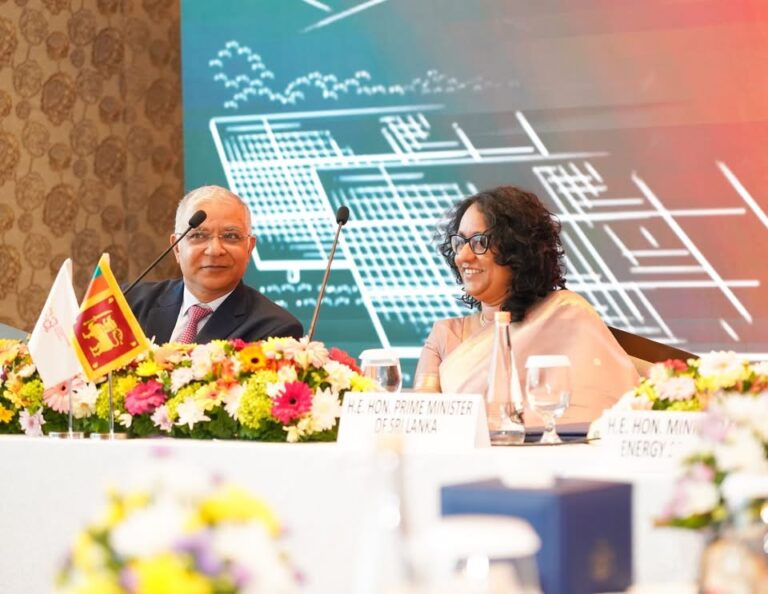
July 17, Colombo (LNW): Sri Lanka has reaffirmed its strong commitment to regional solar energy collaboration and sustainable energy transformation at the 7th meeting of the International Solar Alliance (ISA) Regional Committee for Asia and the Pacific, held this week in Colombo. The high-level gathering brought together representatives from 124 member countries to discuss strategies to advance solar adoption and strengthen energy security across the region.

Prime Minister Dr. Harini Amarasuriya, delivering the keynote address, emphasized Sri Lanka’s resolve to play a leading role in regional efforts to harness solar power for sustainable development. “We are committed to strengthening cooperation across the region and ensuring energy security through clean and renewable sources,” she said, highlighting the nation’s vision for a low-carbon future.

The meeting, held under the theme ‘Advancing Solar Cooperation Across a Region of Diversity and Opportunity’, marked a significant milestone with the official signing of the Country Partnership Roadmap between Sri Lanka and the ISA. The roadmap outlines a collaborative framework aimed at accelerating solar energy adoption through joint projects, knowledge-sharing, and investment support.

Energy Minister Eng. Kumara Jayakody received the document on behalf of Sri Lanka and unveiled the government’s flagship initiative titled “Battle for Solar Energy”, focused on scaling up rooftop solar installations across households, industries, and public institutions. The minister reaffirmed Sri Lanka’s commitment to achieving 70% of its energy mix from renewable sources by 2030, a goal seen as both ambitious and critical to meeting climate resilience targets.

Indian High Commissioner Santosh Jha and ISA Director General Ashish Khanna attended the event, underscoring India’s pivotal role in supporting the ISA’s vision for a solar-powered global future. The alliance, spearheaded by India and France, aims to mobilize over $1 trillion in solar investments by 2030 and facilitate affordable solar access to all member nations.

The event also served as a platform for regional collaboration, with the University of Moratuwa being recognized as a future center for solar research and technological innovation in Sri Lanka. Plans are underway to develop the university into a regional knowledge hub, fostering innovation and capacity building in solar energy technologies.

A special solar innovation exhibition was opened by Prime Minister Amarasuriya, showcasing cutting-edge solar solutions from across Asia and the Pacific. The exhibition displayed scalable solar models designed to meet the needs of diverse economic contexts—from urban households to remote rural communities.

As Sri Lanka intensifies its push toward a renewable energy future, its leadership in regional forums like the ISA reaffirms its dedication to climate action, energy equity, and sustainable growth.

SL Government Approves New Cybersecurity Strategy for 2025-2029

0

By: Staff Writer

July 17, Colombo (LNW): In a bid to strengthen its digital defenses and improve cybersecurity readiness, Sri Lanka’s Cabinet of Ministers has approved a second five-year National Cyber Protection Strategy spanning from 2025 to 2029. The strategy is a continuation and upgrade of the country’s first national cybersecurity initiative that concluded in 2023, signaling a renewed focus on safeguarding the nation’s critical digital infrastructure in an era of growing cyber threats.

The new strategy, developed by the Sri Lanka Computer Emergency Readiness Team (CERT), was formulated with technical and policy support from the World Bank. It aims to reinforce the legal and regulatory frameworks while enhancing preparedness and resilience across Sri Lanka’s civilian digital systems. The strategy focuses on six core thematic areas: legal and regulatory reforms, knowledge enhancement, cyber readiness, incident response capabilities, and international and domestic cooperation.

The original 2018-2023 Cyber Protection Strategy, introduced during the previous administration, laid the foundation for a coordinated national approach to cybersecurity. It marked the first formal attempt by the government to address rising cybercrime, data breaches, and digital threats across public and private sectors. That initiative focused on creating awareness, establishing early technical standards, and initiating capacity-building programs, especially for public sector institutions.

Under the former regime, Sri Lanka CERT played a pivotal role in establishing guidelines for cyber hygiene, handling threat reports, and developing national policies aligned with global practices. However, experts noted that while significant groundwork was done, the fast-paced evolution of digital threats necessitated a broader and more adaptive framework.

The newly approved 2025–2029 strategy builds on that foundation, taking into account recent developments in digital finance, cloud technologies, AI, and geopolitical cyber risks. One of the major shifts in the current strategy is the enhanced emphasis on legal modernization, reflecting the urgent need to update outdated laws and introduce new regulations to deal with evolving cybercrime trends, including data theft, ransomware, and digital espionage.

Further, the strategy focuses on improving coordination among state institutions and enhancing public-private partnerships to foster collective resilience. It also stresses on developing a skilled cybersecurity workforce and improving knowledge dissemination through education and awareness campaigns.

Notably, the new plan continues to prioritize the protection of civilian cyberspace, deliberately excluding military or intelligence-focused domains. Officials say this civilian-focused approach will ensure transparency, inclusivity, and wider public trust in cybersecurity initiatives.

As Sri Lanka accelerates its digital transformation, this comprehensive strategy is expected to play a crucial role in protecting national data assets, ensuring secure online services, and promoting digital trust among citizens and global stakeholders.