Home Blog Page 458

Tea Exports Rise, But Leaf Shortage Shuts down Factories

0

By: Staff Writer

May 27, Colombo (LNW): At a time when Sri Lanka’s tea exports are enjoying a significant boost in earnings, a crisis is unfolding in the low-grown tea sector. A severe shortage of tea leaves—largely stemming from a mismanaged shift to organic fertilizers during previous administrations—is causing widespread closures of tea factories, threatening the sustainability of this crucial industry.

In April 2025, export revenue from tea rose by 12.45% year-on-year to $107.34 million, making up 12% of the country’s total merchandise exports. This growth was mainly driven by a 27.6% rise in the export of tea packets.

Additionally, tea export volumes climbed 11.17% compared to April 2024. Significant gains were recorded in key markets, with tea exports to Iraq up by 46.7%, Libya by 292.3%, and Iran by 115.96%.

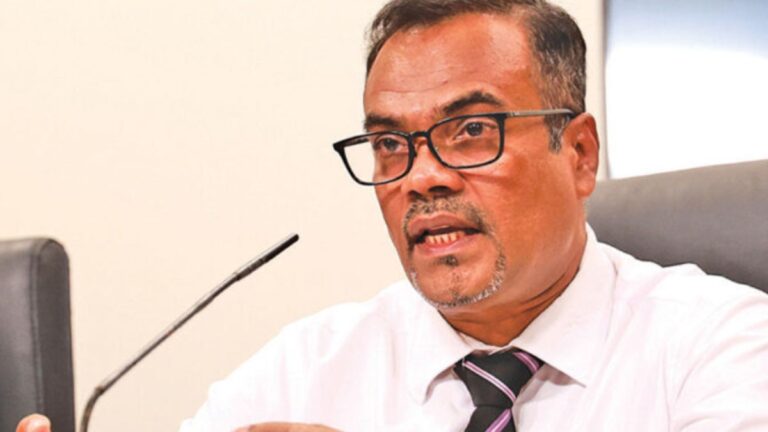
Despite this encouraging export performance, the domestic production side tells a starkly different story. Nimal Udugampola, Chairman of the Tea Small Holdings Development Authority, revealed that 225 tea factories have shut down across the island so far.

According to him, the closures are primarily due to the sharp decline in tea leaf supply, both in quantity and quality. He pointed to the ongoing leaf shortage as a major impediment to the industry’s operations and long-term sustainability.

Udugampola also highlighted the unrealistic production target of 174 million kilograms of made tea by 2030. He noted that Sri Lanka has never reached such volumes in its 157-year tea industry history. The highest recorded annual production was only 134 million kilograms in 2013.

However, the numbers presented by Udugampola were met with some skepticism. Tea Commissioner of the Sri Lanka Tea Board, Mahesh Jayawardena, responded to the claims by noting that it is typical for 20 to 25 tea factories to close annually, with an equal number of new ones being established. He stated that he was unaware of such a large-scale shutdown and promised to investigate the matter further.

Efforts to obtain comments from the Chairman of the Sri Lanka Tea Factory Owners’ Association, Lionel Herath, were unsuccessful. Nonetheless, several tea factory owners confirmed that many factories have indeed closed recently. They attributed the situation to both the leaf shortage and poor management practices in some factories.

While Sri Lanka’s tea exports continue to shine in international markets, the foundations of the industry appear increasingly unstable. Without urgent intervention to resolve the leaf supply issue and support struggling factories, the country’s tea legacy could be at serious risk—despite its growing global demand.

Sri Lanka Loses Economic Gains amid Rise in Foreigners Bypassing Visa Laws

0

By: Staff Writer

May 27, Colombo (LNW): A growing number of foreign nationals—primarily from Israel, India, Russia, and Ukraine—are reportedly engaging in business and employment activities in Sri Lanka in violation of visa regulations, raising serious concerns over lost economic benefits and regulatory breaches, the Daily Mirror has learned.

An official from the Ministry of Tourism, speaking on condition of anonymity, revealed that despite strict guidelines issued by the Sri Lanka Tourism Development Authority (SLTDA) regarding the issuance of visas for tourism, employment, and investment, many foreigners are bypassing these requirements.

The SLTDA’s framework only permits foreign workers in the hospitality industry in roles such as chefs, managers, and therapists—and only within registered and graded establishments.

“Only hotels and restaurants that meet specific standards are allowed to hire foreign nationals. However, we’ve observed a growing number of foreigners working even in small, unregistered eateries,” the official said. “In many cases, established foreign entrepreneurs who arrived earlier are now facilitating visas for new arrivals through immigration channels that overlook SLTDA guidelines.”

The SLTDA mandates that foreign investors must pay the Tourism Development Levy, maintain a required deposit in an International Resident Account (IRA), and follow a detailed application process. However, there are reports of foreign nationals securing one-year resident visas by evading these regulations—allegedly with the help of complicit immigration officers.

“This problem has persisted for years. We are currently drafting reforms to plug the loopholes and eliminate corruption in the visa processing system,” the official added.

According to the Ministry, these foreign workers often cater exclusively to tourists from their own countries, receiving payments through international digital platforms, effectively sidelining Sri Lanka’s financial system and depriving the nation of valuable foreign exchange.

Public Security Minister Ananda Wijepala confirmed that foreigners found violating visa laws are subject to deportation. “We are intensifying efforts to strengthen visa enforcement,” he said.

Sri Lanka, currently seeking to revive its post-crisis economy, depends heavily on tourism, which contributed over USD 2 billion to the economy in 2023. However, unregulated foreign business activity poses a significant threat to local employment, tax revenue, and regulatory compliance.

While Sri Lanka encourages legitimate foreign investment, particularly through programs such as the Board of Investment (BOI) and the Colombo Port City initiative, concerns remain about the ease with which certain individuals exploit loopholes.

According to BOI data, over 1,500 foreign companies operate legally across sectors in Sri Lanka, including tourism, manufacturing, and IT. Ensuring that such operations comply with national guidelines is essential to maintain a level playing field and ensure equitable economic benefits for the country.

UK Strengthens Trade Ties with Sri Lanka as Envoy Lord Hannett Visits Colombo

0

By: Staff Writer

May 27, Colombo (LNW): In a significant move to deepen bilateral economic ties, the United Kingdom is enhancing its relationship with Sri Lanka through the visit of Lord Hannett of Everton, the UK Prime Minister’s Trade Envoy for Sri Lanka.

His visit to Colombo from May 25 to 28 marks his first official tour since assuming the role in January 2025, signaling renewed UK interest in supporting Sri Lanka’s trade and economic growth.

During his visit, Lord Hannett is scheduled to hold high-level discussions with key government figures, including Minister of Trade, Commerce, Food Security and Cooperative Development Wasantha Samarasinghe and Deputy Minister for Industry and Entrepreneurship Chathuranga Abeysinghe.

Talks will centre on strengthening trade and investment ties, addressing barriers faced by UK businesses, and promoting policy reforms to improve the ease of doing business in Sri Lanka.

Engaging extensively with the local business community, Lord Hannett will meet senior figures from both UK and Sri Lankan companies, transnational education providers, women entrepreneurs, and members of the Council for Business with Britain.

He is also set to visit several UK-affiliated enterprises operating in Sri Lanka, such as the London Stock Exchange Group, De La Rue, HSBC, Haleon, and the MAS Silueta factory.

A key highlight of the visit will be the launch of the SheTrades webpage on the Export Development Board’s (EDB) website. This initiative, developed in collaboration with the International Trade Centre and EDB, follows the establishment of the SheTrades Sri Lanka Hub in March and aims to support women-led businesses seeking access to global markets.

Expressing his enthusiasm, Lord Hannett said he is eager to engage with Sri Lankan policymakers and the business community to explore new avenues for collaboration. He praised the strength of the UK-Sri Lanka education partnership, noting Sri Lanka’s position as the second-largest market for UK transnational education. He hopes to further expand UK involvement in developing Sri Lanka’s skilled workforce.

Lord Hannett also reaffirmed the UK government’s commitment to backing UK enterprises looking to enter or expand in Sri Lanka, emphasizing the mutual benefits of a robust trade relationship. He highlighted the importance of reducing market access barriers and enhancing transparency to attract more British investment.

Currently, bilateral trade between the two nations stands at approximately £1.6 billion, with Sri Lanka maintaining a trade surplus. The UK remains Sri Lanka’s second-largest export market, underscoring the strategic value of this economic partnership.

Sri Lanka’s Export Sector Grows 6.9% in First Four Months of 2025

0

By: Staff Writer

May 27, Colombo (LNW): Sri Lanka’s export sector posted strong growth in the first four months of 2025, with total earnings reaching $5.58 billion, a 6.9% increase compared to the same period last year, according to the Sri Lanka Export Development Board (EDB). This growth reflects the sector’s resilience, strategic diversification, and adaptability in a dynamic global trade environment.

In April 2025, total exports—comprising both merchandise and services—stood at $1.29 billion, up 8.74% year-on-year (YoY). Merchandise exports alone surged 12.05% YoY to $983.3 million, driven by higher earnings from key product categories, while services exports were estimated at $309.3 million, reflecting a 7.06% rise over April 2024.

EDB Chairman and CEO Mangala Wijesinghe credited the growth to continued efforts to improve market access and strengthen competitiveness, noting Sri Lankan exporters’ ability to adapt to shifting global market conditions.

Sectoral Highlights:

Apparel and Textiles: Export earnings jumped 13.52% YoY in April to $364.5 million. Cumulative earnings reached $1.49 billion from January to April, with exports to the US and UK up 10.25% and 6.41%, respectively.

Tea: Earnings increased 12.45% to $107.3 million in April, mainly driven by a 27.6% rise in Tea Packet exports. Notable growth in exports to Iraq (46.7%), Libya (292.3%), and Iran (115.96%) was recorded.

Coconut-Based Products: Earnings soared 21.54% YoY in April, with significant increases across sub-categories such as Coconut Kernel Products (36.23%) and Fibre Products (49.66%). Cumulative earnings rose 25.3% to $331.3 million in the four-month period.

Spices and Essential Oils: April earnings rose 32.83% to $23.95 million, with strong performances from Pepper (185.77%) and Cloves (106.98%). Year-to-date growth stood at 63.44%.Food and Beverages: Up 34.53% in April to $43.5 million, boosted by Processed Food exports, which rose 77.5%.

Boat Building: Noteworthy growth in April earnings to $15.05 million, driven by a large shipment to Norway.ICT/BPM and Logistics: ICT/BPM services brought in an estimated $492.7 million (up 4.91%), while Logistics and Transport services grew 20.69% to $648.7 million in the first four months.

However, not all sectors performed equally well. Rubber and Rubber Finished Products fell 6.74% YoY to $312.4 million, and Seafood exports declined 17.34% to $74.96 million. Electrical and Electronic Components also saw a 6.29% drop in earnings.

Despite these setbacks, Sri Lanka’s export sector shows strong signs of momentum in 2025, led by diversified industries and sustained global demand across key markets.

China-Sri Lanka ties in a changing world

0

Chinese Ambassador to Sri Lanka Qi Zhenhong affirms that the so-called “Chinese debt trap” narrative is politically driven and unsupported by facts. Emphasising the strong foundation of bilateral ties, he notes that the scope for cooperation between China and Sri Lanka is broad, with a promising outlook for the future. Further he noted the upcoming visit by Chinese Commerce Minister Wang Wentao with an economic and trade delegation is expected to unlock fresh opportunities for deeper bilateral cooperation. Prior to his assignment in Colombo, Ambassador Qi served as China’s Ambassador to the Kingdom of Bahrain.

By Dinesh Weerakkody


Chinese Ambassador to Sri Lanka Qi Zhenhong

Q: Your recent article in the FT refers to China as a “more trustworthy partner” for Sri Lanka. What specific factors have shaped this perception, and how is that trust reflected in the current state of bilateral relations?

 The bond between China and Sri Lanka is rooted in mutual respect and generational friendship. We have consistently supported one another on matters of core interest. During the COVID-19 pandemic, despite global vaccine shortages and domestic demand, China supplied Sri Lanka with a substantial volume of vaccines and PPE—more than 70% of Sri Lankans received Chinese vaccines. This played a pivotal role in protecting public health and restoring normalcy. China was also the first country to agree to a debt restructuring framework with Sri Lanka and remains its largest bilateral creditor. The state visit of President Disanayake to China this January marked another milestone, resulting in new cooperation agreements across trade, agriculture, social welfare, and media under the Belt and Road Initiative (BRI). We are committed to ensuring these projects deliver tangible benefits.

Q: Given the potential adverse impact of rising US tariffs on Sri Lanka’s economy and the need to diversify into new markets —particularly for the garment sector—what role can China play in enhancing the country’s industrial resilience and competitiveness?

The US’s protectionist measures contradict global trends and harm all parties involved. Imposing tariffs of up to 44% on Sri Lankan exports, especially apparel, has created substantial challenges. In response, China will continue to support Sri Lanka’s industrialisation and market diversification. Key initiatives include the development of Colombo Port City, Hambantota Port, and the proposed Sinopec oil refinery. Policy consistency and investor-friendly reforms are crucial to sustaining foreign investment. In that context, the upcoming visit by Chinese Commerce Minister Wang Wentao with an economic and trade delegation is expected to unlock fresh opportunities for deeper bilateral cooperation.

Q: With exports to traditional markets under pressure and an urgent need to diversify, how can Sri Lanka better leverage its partnership with China to expand both its export destinations and product offerings?

Sri Lanka and China should expedite efforts to finalise a comprehensive Free Trade Agreement (FTA). Negotiations have been stalled since the sixth round in 2017, despite China’s readiness. An FTA would allow Sri Lanka to benefit from access to the world’s second-largest economy, just as many other developing nations have. Fears that such an agreement would disadvantage Sri Lanka are unfounded. In 2024, China’s foreign trade volume exceeded $ 6.1 trillion, while trade with Sri Lanka accounted for just 0.087% of that. The Rice-Rubber Pact of the 1950s is a testament to China’s fairness—even then, with a fragile economy, China offered generous concessions. Today, as a more advanced economy, China has even less reason to exploit Sri Lanka. Concluding an FTA would help Sri Lanka integrate more deeply into global value chains and boost economic recovery.

Q: China has supported major infrastructure projects in Sri Lanka, including the Colombo Port City and Hambantota Port. How do these align with the country’s long-term economic vision, and what safeguards are in place to ensure their strategic and financial sustainability?

China has helped upgrade Sri Lanka’s infrastructure significantly, enabling the country to overcome structural bottlenecks. Projects like the Colombo Port City and Hambantota Port are now key engines of economic growth, both recently recognised by the Sri Lankan government as major FDI contributors in 2024. As the Chinese saying goes, “If you want to get rich, build roads.” We believe the Sri Lankan people will make full use of this infrastructure in the economic recovery process. China remains committed to working closely with Sri Lanka to accelerate the development of these strategic assets, ensuring that they contribute meaningfully and sustainably to the country’s future.

Q: In light of ongoing concerns about debt sustainability linked to Chinese loans, how should Sri Lanka balance its need for infrastructure development with responsible fiscal management?

Sri Lanka’s debt issues stem from a range of factors—not from Chinese financing. Some narratives, particularly the so-called “Chinese debt trap,” are politically motivated and lack factual basis. China’s infrastructure financing in Sri Lanka has focused on productive sectors such as power, logistics, and transportation, with the goal of enhancing economic self-sufficiency and resilience. The Colombo Port City project, notably, did not cost Sri Lanka a single rupee. A report by Johns Hopkins University details the facts behind the Hambantota Port project, showing China stepped in only after other potential partners—including the US, Japan, and India—declined to assist. Far from being a source of debt distress, China’s role has been that of a facilitator and partner in Sri Lanka’s long-term development.

Q: Beyond economics, what steps are being taken to deepen cultural and educational exchanges between Sri Lanka and China—especially considering the deep historical ties between the two nations?

 China and Sri Lanka share a deep-rooted cultural heritage. From the voyages of Faxian and Zheng He to the recent inclusion of the “Stele for Buddhist Temples of the Kingdom of Kotte” in UNESCO’s Memory of the World Register, our cultural bonds continue to grow stronger. China has promoted a variety of cultural exchanges in Sri Lanka—from Chinese New Year celebrations and tea festivals to Tai Chi exhibitions and the Dragon Boat Festival. Since 1975, China has offered thousands of scholarships and training opportunities to Sri Lankan students and professionals. The “Chinese Ambassador Scholarship,” launched in 2016, has benefited over 1,000 individuals. Four Confucius Institutes and numerous “Chinese Culture Classrooms” now operate across Sri Lanka, with plans for more. Next month, we will co-host a “China–Sri Lanka–Maldives Tourism Forum” and a Dragon Boat race with Sri Lanka’s Ministry of Sports and Youth. We’ve also donated five dragon boats for the event. These efforts reinforce our people-to-people ties and mutual understanding.

Q: Looking ahead, what should be the priority areas in Sri Lanka’s partnership with China, and how do you see this relationship evolving over the next decade in a shifting global landscape?

 Earlier this year, during President Disanayake’s state visit, both nations committed to building a China–Sri Lanka community with a shared future. China believes in long-term partnerships and shared prosperity. The scope for cooperation is extensive, and the future is promising. We are expanding collaboration in areas such as trade, agriculture, climate change, education, marine research, youth development, think tanks, sports, media, health, and security. Buddhist exchanges remain a central pillar. No matter how the global order evolves, the historical logic of our friendship and the internal momentum driving it will remain strong.

Q: You have been a good friend to Sri Lanka. What more can we do to strengthen economic and cultural ties?

 China and Sri Lanka are more than partners—we are brothers. Our cooperation has become a model of South-South collaboration. As the only country with a full range of industrial categories and leadership in infrastructure and emerging technologies like AI, 5G, and clean energy, China remains committed to supporting global development—especially in countries like Sri Lanka. Moving forward, we must deepen collaboration in both traditional sectors and new frontiers. Let us jointly uphold multilateralism, pursue common development, and ensure a more stable and equitable global environment. The future of China–Sri Lanka relations is bright, and we are committed to walking this path together.

DAILY FT

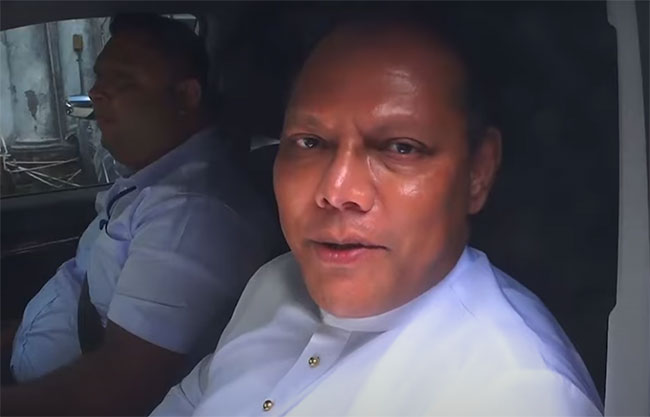
Ex-Minister Mervyn Silva faces indictment over alleged illicit wealth accumulation

0

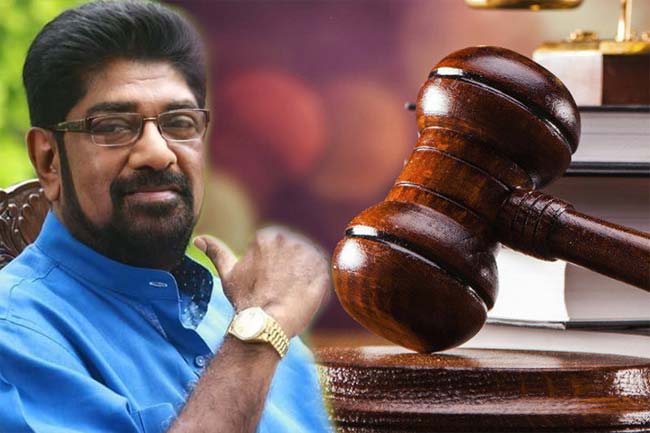
May 27, Colombo (LNW): A formal indictment has been filed against former Cabinet minister Mervyn Silva, following an investigation into his financial activities during his time in office. The charges, brought by Sri Lanka’s Commission to Investigate Allegations of Bribery or Corruption (CIABOC), concern the alleged accumulation of wealth disproportionate to his declared earnings.

According to the commission, the alleged offences occurred between March 2010 and March 2012, a period during which Silva reportedly acquired a substantial portfolio of assets, including luxury vehicles, high-value properties, and significant bank holdings. CIABOC has raised concerns that these acquisitions were inconsistent with his officially declared income.

The indictment outlines specific financial transactions under scrutiny. Among these are the purchase of a plot of land in the Kadawatha area for approximately Rs. 13.9 million and another in the prestigious Colombo 07 neighbourhood—specifically on Sir Ernest de Silva Mawatha—costing Rs. 71.3 million. In addition to these real estate investments, Silva is also accused of spending Rs. 32.375 million on a Mercedes-Benz vehicle for his son, Malaka Silva, along with Rs. 5.5 million for a Hyundai and Rs. 8.85 million on a Defender SUV.

The charges are framed under provisions of the Bribery Act, which criminalise the holding or acquisition of assets that significantly exceed known income sources of a public servant or elected official. CIABOC maintains that Silva’s lifestyle and asset acquisitions during the two-year window far surpassed what could be reasonably justified by his official salary and income declarations.

This case adds to the long-standing controversies surrounding the former minister, who was a highly visible and often provocative political figure during his time in government. Known for his brash style and frequent run-ins with the media, Silva had once enjoyed close ties with the ruling establishment but later receded from the political limelight.

Legal experts suggest the indictment marks a renewed attempt by oversight bodies to hold former public officials accountable for unexplained wealth accumulation. While the legal process is expected to be protracted, the case is likely to reignite debate about transparency and corruption within Sri Lanka’s political sphere.

The commission has filed two separate charges against Silva under the Bribery Act. If convicted, he could face penalties ranging from heavy fines to possible imprisonment, along with the confiscation of unlawfully acquired assets. Proceedings are expected to proceed before the relevant High Court in the coming months.

Sri Lanka heightens vigilance as new Covid variant spreads in region

0

May 27, Colombo (LNW): The Sri Lankan government has announced increased surveillance and preventative measures in response to the emergence of a new COVID-19 variant that is beginning to spread in parts of the world, including neighbouring India.

Speaking at the weekly Cabinet media briefing, Cabinet Spokesperson and Minister Dr Nalinda Jayatissa stated that whilst the current domestic situation remains under control, authorities are taking no chances.

He confirmed that precautionary protocols are already being implemented, particularly at international entry points.

“Though we are not facing a critical threat at this moment, the relevant health and airport authorities have been instructed to remain on alert. Enhanced screening is in place at the country’s airports to help prevent any potential spread of this new variant,” he said.

Dr Jayatissa added that recent reports from India and Singapore have highlighted the growing concern around this latest mutation of the virus. In India, over a thousand cases linked to the new variant have been identified, with at least four associated fatalities reported.

These developments have raised alarms across South Asia, leading governments to intensify their monitoring efforts.

The minister emphasised that whilst there is no indication of a crisis on the scale of previous pandemic waves, early intervention and strict monitoring are vital to containing any future risk.

He also reassured the public that the Ministry of Health is in constant communication with international health bodies to remain updated on developments.

The re-emergence of the virus comes at a time when many countries have relaxed most of their pandemic-era restrictions. However, the rise of new subvariants has reminded regional authorities of the unpredictable nature of COVID-19 and the need for robust preparedness.

Sri Lanka, which was severely impacted by earlier waves of the pandemic, particularly in 2021, has since worked to improve its pandemic response infrastructure. The government has upgraded facilities at Bandaranaike International Airport to accommodate enhanced health checks, and hospitals across the island have been placed on standby should there be a sudden surge in cases.

Dr Jayatissa urged citizens to remain vigilant but not alarmed. “We are not returning to lockdowns or severe restrictions,” he clarified. “But we do encourage the public to remain cautious, particularly when travelling abroad, and to adhere to basic health practices such as hand hygiene and voluntary mask use in crowded areas.”

Govt clarifies nature of state support for Malini Fonseka’s funeral amid public questions

0

May 27, Colombo (LNW): The Sri Lankan government has addressed public and media inquiries regarding the official nature of state involvement in the funeral arrangements for celebrated film icon Malini Fonseka, following recent confusion about the type of honours afforded to her.

Speaking at the weekly Cabinet press briefing, Cabinet Spokesman and Minister Dr Nalinda Jayatissa explained that while the ceremony at Independence Square was held with full state patronage, it did not constitute a “full state funeral” in the formal sense as defined by government protocols.

His remarks were made in response to questions from journalists over the apparent shift from an earlier announcement which suggested that Fonseka would be honoured with full state honours.

Dr Jayatissa clarified that the process of granting state recognition at funerals follows specific guidelines, and such decisions are based on criteria that determine the appropriate level of state involvement.

He noted that state patronage is itself a high form of recognition and, in Fonseka’s case, included the provision of all essential facilities, ceremonial arrangements, and appropriate official support in keeping with her status.

Importantly, the Minister emphasised that the wishes of the late actress’s family played a pivotal role in shaping the final arrangements. “Our approach went beyond strict formalities,” he said, adding that the government engaged directly with Fonseka’s relatives to ensure the proceedings reflected their expectations and desires.

“We believe that what was offered, with their consent, was the highest form of honour possible under the circumstances,” he stated.

Malini Fonseka, affectionately known as the ‘Queen of Sinhala Cinema’, passed away earlier this month, prompting a nationwide outpouring of grief. With a career spanning over five decades, she was an icon in Sri Lanka’s cinematic and theatrical traditions, earning international acclaim and numerous awards.

Amidst the discussions over her final rites, Minister Jayatissa also responded to separate questions raised in Parliament about financial support received from the President’s Fund.

He stated that a disclosure was made regarding disbursements amounting to Rs. 1.22 billion, a portion of which had been allocated to several Members of Parliament. Among the names cited were Keheliya Rambukwella, Rajitha Senaratne, Dinesh Gunawardena, and Dayasiri Jayasekara.

He clarified that his parliamentary statement focused on broader patterns of fund allocation from the President’s Fund, not on any individual grant made to Fonseka herself.

The context of these disclosures, he suggested, was intended to increase transparency around the use of public funds, particularly during periods when national priorities must be carefully managed.

Severe weather alert issued as monsoon rains lash South-Western Sri Lanka

0

May 27, Colombo (LNW): Authorities have issued a heightened weather alert as intense rainfall continues to batter several regions of Sri Lanka, driven by a surge in southwest monsoon activity.

The Department of Meteorology has released an amber-level advisory warning of persistent downpours across the Western and Sabaragamuwa provinces, as well as in the districts of Galle, Matara, Nuwara-Eliya and Kandy. The alert will remain in effect for the next 24 hours.

Forecasters have cautioned that some areas could experience rainfall exceeding 100 millimetres within this period. The ongoing monsoonal conditions have already led to widespread disruption, with waterlogged roads, increased risk of landslides in elevated regions, and delays to public transport services reported in several locations.

The meteorological department attributes the adverse weather to intensified southwest monsoon currents, which are expected to maintain their influence over the island’s southwestern quadrant.

Authorities are advising the public to remain vigilant, particularly in low-lying and landslide-prone areas, and to limit non-essential travel during periods of heavy rain.

Communities living near hillsides and riverbanks are being urged to take precautionary measures and heed any evacuation notices if issued.

Sri Lanka prepares for nationwide rollout of biometric ID cards with final delivery set for June

0

By: Staff Writer

May 27, Colombo (LNW): Sri Lanka is moving closer to launching its long-awaited biometric national identity system, with the final batch of high-security polycarbonate cards expected to arrive by the end of June.

The Department for Registration of Persons has confirmed that the remaining 400,000 cards, supplied by French technology firm Thales, will soon be in hand, paving the way for the full-scale deployment of the Electronic National Identity Card (e-NIC) initiative.

The e-NIC project represents a major technological leap in the country’s approach to identity verification, promising to replace traditional paper-based documents with tamper-proof cards embedded with biometric data. Each card will store the holder’s fingerprint, iris scan, and facial features—data that will be used to uniquely identify individuals across public and private sector systems.

M.S.P. Suriyapperuma, Director General of the Department for Registration of Persons, noted that the legal foundation for this transformation already exists under the current National Identity Card Act. However, the biometric features can only be officially activated once the President, who also holds the Digital Ministry portfolio, issues the relevant gazette notification. Suriyapperuma confirmed that this activation is now imminent, with the necessary provisions soon to be formalised.

The new identity system goes beyond mere security enhancements. It is designed to integrate with the broader Sri Lanka Unique Digital ID framework, consolidating disparate forms of identification under a single system. In addition to basic personal data, the card will link to other official records such as birth certificates, tax identifiers, and even electoral information, creating a centralised database intended to support streamlined service delivery and improved governance.

According to officials, the digitisation of identity is seen as a foundational step towards enabling more efficient and accountable policymaking. By enabling data-driven governance, authorities hope to better allocate resources, monitor compliance, and facilitate inclusive access to state services. The cards will also play a key role in the verification of citizens in a variety of contexts, from healthcare and education to financial transactions and welfare disbursements.

To ensure the success of the rollout, extensive awareness campaigns are currently being undertaken. These are targeted not only at state institutions but also at private enterprises that may be called upon to verify identity in areas such as banking, insurance, and telecommunications.

Officials from the Information and Communication Technology Agency (ICTA) stressed the importance of building institutional readiness and public understanding to support the transition.

Thales, the French multinational contracted to deliver the physical cards, is among the global leaders in secure digital identification systems. The company claims to be responsible for one in three civil IDs produced globally each year and has worked with numerous governments to develop secure identity infrastructures. The firm’s Civil Identity Suite has been deployed worldwide to facilitate both digital and physical ID issuance.

With Sri Lanka edging closer to adopting a fully digital identity framework, the initiative is being closely watched both domestically and abroad. It represents not just a technical upgrade, but a significant shift in how identity is conceptualised, authenticated and managed in the modern state.

Once implemented, the e-NIC is expected to serve as the cornerstone of a digital society—one in which access to rights, benefits and opportunities is underpinned by secure, verifiable identity.