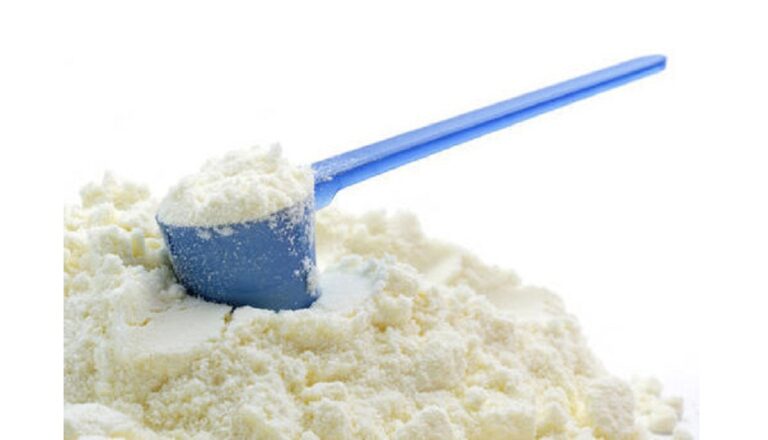
July 10, Colombo (LNW): The price of imported milk powder has increased, confirmed the Milk Powder Importer’s Association.
Accordingly, the price of a 400 gram packet of imported milk powder has increased by Rs. 100, and the price of a 1 kilogramme packet, by Rs. 250, announced the Union.
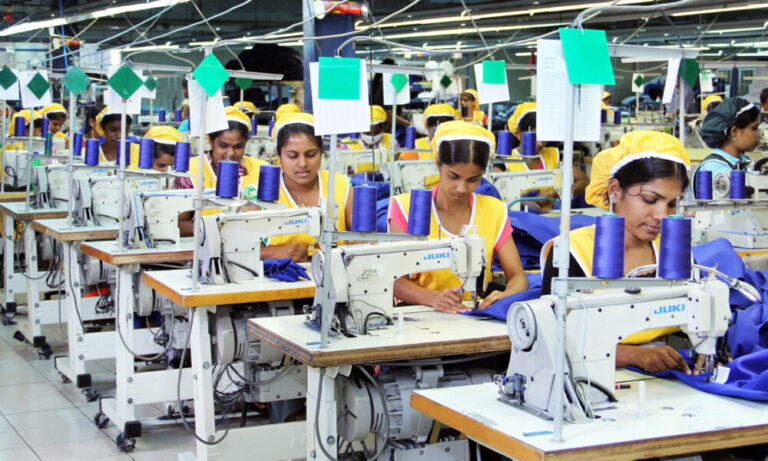
July 10, Colombo (LNW): Sri Lanka’s domestic garment manufacturers are urging the government to introduce a significant increase in import taxes on clothing, warning that the survival of the local fashion industry is under serious threat.
The call was made during a media briefing this week at the Ceylon Chamber of Commerce, where former Sri Lanka Brands Association President, P. Yasotharan, proposed a three- to four-fold hike in the Commodity Export Subsidy Scheme (CESS) levy on imported apparel.
Yasotharan argued that the domestic sector is fighting a losing battle against a deluge of low-cost imported clothing—often of questionable quality—that dominates the market by exploiting tax gaps and bypassing regulatory scrutiny.
He described the current environment as deeply unbalanced, with foreign products swamping local shelves whilst Sri Lankan manufacturers struggle to stay afloat under stricter tax, labour, and quality controls.
The local apparel market, valued at approximately Rs.700 billion, sees less than 35 per cent of its demand being met by homegrown producers, according to Yasotharan. “It’s not that our people can’t compete—it’s that they’re not being allowed to,” he said. “Our seamstresses and tailors have world-class skills. What they lack is a fair market.”
Currently, the CESS levy adds a nominal Rs.50 to Rs.100 on an imported garment—a cost that is easily absorbed by mass importers and online retailers. Domestic producers say this minimal charge is inadequate to deter the flow of cheap clothing that undermines their pricing structure.
Yasotharan insists that increasing the CESS by 300 per cent to 400 per cent would bring the retail price of imported garments closer to that of locally made products, creating a level playing field. “If foreign brands can still compete at that price, then we welcome the competition,” he added. “But right now, we’re losing not because we’re inferior, but because the rules are skewed.”
The CESS, a para-tariff applied at the border in addition to other import duties, has long been a point of contention. Whilst the previous administration—under pressure from the International Monetary Fund—announced intentions to phase out such levies in favour of a more unified tax system, the 2025 National Imports Tariff Guide confirms that CESS charges on apparel remain intact, at least for now.
However, the proposal has sparked concern amongst consumers already grappling with high living costs. The rising popularity of international e-commerce platforms and budget-friendly fashion retailers has expanded choice and affordability for shoppers. An abrupt price surge, critics warn, could reduce access to affordable clothing for many households.
Nonetheless, Sri Lankan manufacturers maintain that without urgent intervention, the domestic sector risks further marginalisation. As Yasotharan put it, “If we allow this to continue, we may end up a nation of consumers with no producers.”
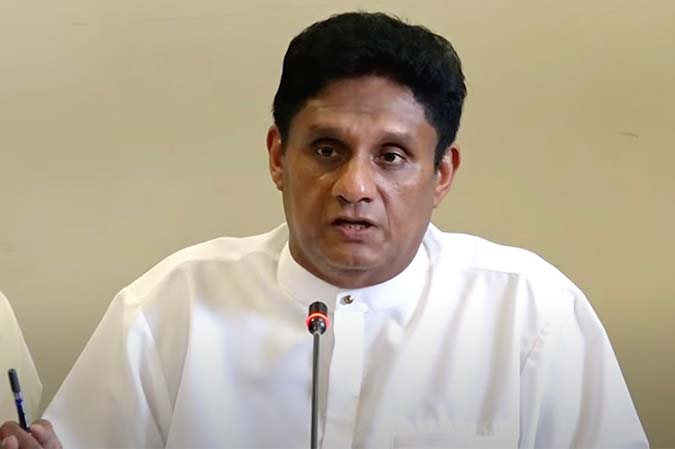
July 10, Colombo (LNW): Opposition Leader Sajith Premadasa has sharply criticised Sri Lanka’s handling of trade talks with the United States, attributing the recently announced 30 per cent tariff on Sri Lankan exports to what he called ego-driven, poor negotiation strategy.
Premadasa expressed concern that the country’s failure to secure more favourable trade terms was costing Sri Lanka dearly, stating that nearly US$3 billion in export value now faces risk due to what he described as missed opportunities for collaboration and expert guidance.
“A 30 per cent U.S. tariff on Sri Lankan exports is the price we pay for poor negotiation. Our ego kept us from seeking every ally, every expert hand, and now nearly US$3 billion in exports hangs in the balance. This is a good case study on how textbook experts are not meant for real world negotiations,” Premadasa wrote.
He warned that overreliance on theoretical knowledge rather than practical negotiation expertise had undermined the country’s ability to defend its trade interests effectively. His remarks have added to a growing wave of anxiety within the export sector, where businesses are bracing for the impact of the new tariff regime.
The 30 per cent levy, though reduced from an earlier proposed 44 per cent in April, continues to be viewed as a major obstacle to maintaining Sri Lanka’s competitiveness in the U.S. market.
July 10, Colombo (LNW): Sri Lankan authorities have apprehended four individuals suspected of being part of a coordinated vehicle theft ring operating across several areas in the Western Province, uncovering links to narcotics possession and organised crime.
The arrests were carried out in two separate operations, with the first taking place in Meegoda on July 07. Police detained two suspects in possession of 8.6 grammes of heroin and a vehicle that had been reported stolen just days earlier from the Kadawatha area.
Building on the initial raid, officers later took two more suspects into custody in Hanwella, where they recovered a further 10.45 grammes of heroin, a three-wheeler, and a knife believed to have been used during the commission of several thefts.
Preliminary investigations have revealed that the group had targeted motorcycles and three-wheelers across multiple police divisions, including Avissawella, Wellampitiya, Nawagamuwa, and Kirulapone. So far, two motorcycles and one three-wheeler have been retrieved, the latter having been previously intercepted by Padukka Police.
Authorities believe the suspects were working under instructions from a criminal figure currently residing overseas, allegedly handing over stolen vehicles in return for payment.
The four individuals, aged between 28 and 39, were presented before the Homagama Magistrate’s Court on 8 July. Police say inquiries are ongoing to uncover the full extent of the network’s operations.
July 10, Colombo (LNW): Sri Lanka has emerged as one of the top three global summer travel destinations for July and August, according to Emirates, the world’s largest international airline. The island nation has seen a remarkable 32% increase in flight searches, driven by its rich cultural heritage, scenic beaches, lush tea plantations, and affordable luxury experiences.
This ranking comes from Emirates’ latest analysis of global booking trends, revealing where international travelers are heading during the peak summer months. The data shows a strong global appetite for culturally immersive experiences and off-the-beaten-path destinations in 2025.
Vietnam has topped Emirates’ summer travel chart with a 61% surge in travel interest, followed by the idyllic island of Mauritius, which has seen a 41% increase. Sri Lanka, served by four daily Emirates flights, ranks just behind with its significant growth in search volumes.
Japan also continues to attract international explorers with a 28% boost in searches, thanks to its harmonious blend of ancient tradition and modern innovation. France completes the top five, enjoying a 25% rise in demand. Emirates supports this demand with frequent flights to Paris, Nice, and Lyon.
Emirates’ network-wide data reveals a 7% year-on-year rise in summer flight searches, with countries like Ireland, Canada, Saudi Arabia, Germany, and the UAE showing robust outbound travel interest. Within the UAE, searches for destinations like Sri Lanka, Jordan, France, India, and Lebanon have notably increased by 13%.
The airline’s booking trends also show diverse preferences across regions. U.S. travelers are increasingly eyeing African destinations such as Egypt, Kenya, and South Africa, while UK travelers are searching more for long-haul escapes, including New Zealand, Australia, Japan, Sri Lanka, and Mauritius.
Indian travelers are showing growing interest in Australia, New Zealand, and Ireland. German tourists, meanwhile, are leaning eastward, with high search volumes for Japan, Vietnam, South Korea, and the Seychelles.
Summer vacations, particularly among travelers from India, Australia, the UK, and Germany, tend to be extended, with nearly one-third staying for more than a month. Americans prefer slightly shorter trips of two to three weeks.
Inbound travel to Dubai, Emirates’ home base, is also expected to remain strong this summer, highlighting its year-round appeal. The data shows diverse traveler demographics with distinct patterns. Nearly half of visitors from the US, India, and Australia are solo travelers, blending business and leisure. Family travel is also significant, with one-third of visitors from the US and India traveling as families. UK family travelers tend to extend their stay beyond two weeks.
Couples, especially younger travelers from Australia and Germany, are opting for longer stays ranging from two weeks to a month, maximizing their exploration of Dubai.
As global wanderlust rises, Sri Lanka’s growing popularity reflects a renewed appreciation for destinations that offer cultural depth, scenic beauty, and value for money — all accessible with Emirates’ extensive global network.
July 10, Colombo (LNW): A Sri Lankan court has ordered the destruction of a large cache of unauthorised cosmetic products, following the discovery of an unregulated stockpile stored at a private residence in Wellampitiya.
Valued at over Rs. 1 million, the collection—which included thousands of units of perfumes and skincare items from 35 international brands—was found to have been brought into the country and held without any legal documentation or proof of origin. The Maligakanda Magistrate’s Court issued the order after the individual responsible admitted guilt and was fined Rs. 20,000.
The seizure was carried out by officials from the Consumer Affairs Authority (CAA) during a targeted operation on 28 June 2025, prompted by information suggesting illegal storage and possible distribution of unauthorised cosmetics. Upon inspection, the importer failed to provide any evidence of lawful acquisition, prompting immediate legal proceedings.
Authorities stated that the decision to destroy the goods was based on the absence of essential documentation, such as importer credentials or supplier receipts, raising concerns about product safety and market authenticity.
The CAA reaffirmed its commitment to clamping down on the circulation of unverified goods and warned both retailers and the public against trading in or purchasing items that cannot be traced to legitimate sources.
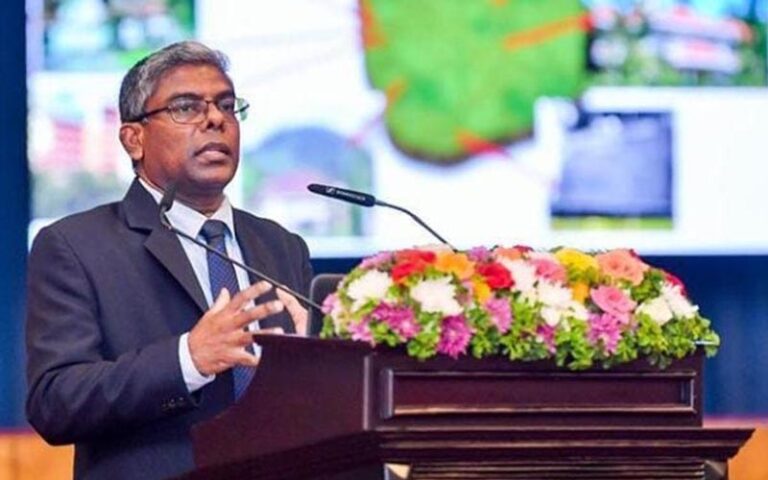
July 10, Colombo (LNW): Sri Lanka has taken a landmark step in reshaping its research and development (R&D) landscape with the formation of a dedicated national committee to identify and prioritise the country’s most pressing research needs.
In what marks the first initiative of its kind, the newly formed body is tasked with evaluating and categorising research efforts across the nation in alignment with long-term development goals and national interests. The move is intended to bring coherence and strategic direction to a sector long criticised for its disjointed and piecemeal approach.
The committee is jointly led by Professor Gomika Udugamasooriya, Senior Advisor to the President on Science and Technology, and Professor Rohan Fernando, Chairman of the National Science and Technology Commission. A team of 20 experts from a range of disciplines will support this effort, ensuring broad representation across scientific, academic, industrial, and policy-making spheres.
According to the President’s Media Division (PMD), a key focus will be aligning the R&D strategies of universities, public institutions, industries, and government bodies with the country’s development agenda. Another crucial aim is to guide the allocation of public funds for R&D in a way that maximises impact, relevance, and accountability.
Historically, Sri Lanka’s research sector has functioned in silos, often disconnected from real-world application and national progress. This fragmented structure has limited its contribution to both economic growth and social development.
The establishment of the committee signals a shift towards evidence-based policymaking. Data collection will extend from local institutions to national surveys, allowing decisions to be informed by a comprehensive understanding of ground realities.
Ultimately, the government hopes this structured, priority-led approach will help transform the sector into a more effective, responsive, and impactful force for national advancement.
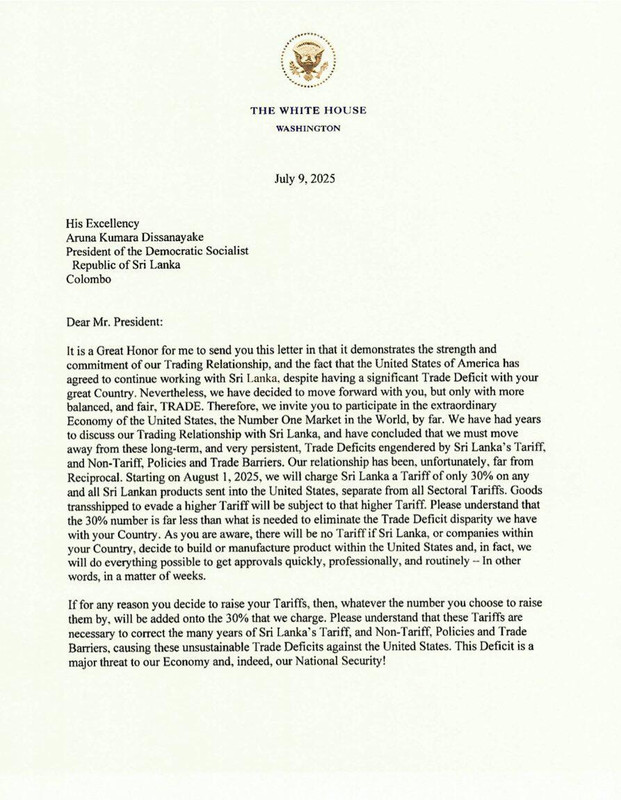
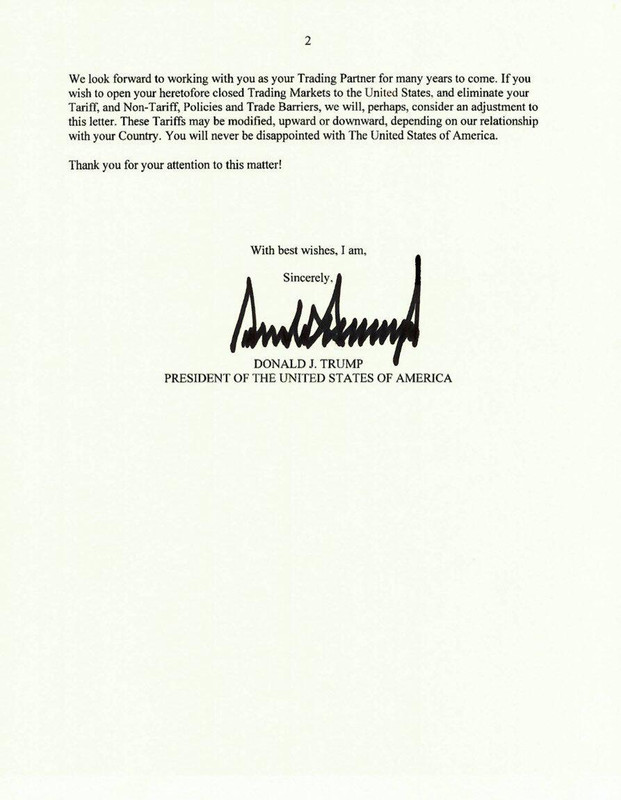
July 10, Colombo (LNW): In a move set to shake international trade relations, Sri Lanka has been named amongst a group of countries targeted by the United States for newly imposed tariffs.
The announcement, made by US President Donald Trump on his social media platform, outlined a fresh series of trade penalties that will come into force on August 01.
The new tariffs, part of a broader economic push by the White House, will see Sri Lankan exports to the US subjected to a 30 per cent duty—the highest tier applied in this round. Iraq, Algeria, and Libya also face the same rate, while the Philippines, Brunei, and Moldova are slated for slightly lower levies at 25 per cent.
Trump personally issued formal notices to the respective heads of state, confirming the measures, and signalled further action may be imminent. He indicated that more countries would soon be added to the growing list, stating online that additional announcements were expected the same day.
This escalation follows on the heels of an earlier round of tariffs introduced just days prior, affecting imports from 14 other nations, including major Asian economies such as Bangladesh, South Korea, and Japan. Rates in that batch reached as high as 40 per cent.
Sri Lanka’s inclusion underscores the widening scope of the US president’s increasingly protectionist trade policy, which had paused temporarily following a turbulent market response. That 90-day hiatus, which began in April following the declaration of what Trump called “Liberation Day,” officially ends this week.
During the pause, the US administration managed to conclude trade arrangements with a limited number of partners, including the UK and Vietnam, while negotiating a short-term agreement with China to ease some of the more severe restrictions.
Despite earlier uncertainty, Trump has now confirmed that the new tariffs will take effect on schedule, with no further delays or exemptions planned. As the August implementation date nears, affected countries—including Sri Lanka—face mounting pressure to respond amid increasing volatility in global trade.
July 10, Colombo (LNW): Several spells of showers will occur in the Western and Sabaragamuwa provinces and in Kandy, Nuwara-Eliya, Galle and Matara districts. A few showers may occur in the North-western province.
Showers or thundershowers may occur at a few places in Uva and Eastern provinces and in Mullaittivu district during the afternoon or night.
Fairly strong winds of about (30-40) kmph can be expected at times over Western slopes of the central hills and in Southern province.
The general public is kindly requested to take adequate precautions to minimise damages caused by temporary localised strong winds and lightning during thundershowers.
Marine Weather:
Condition of Rain:
Showers will occur at several places in the sea areas off the coast extending from Chilaw to Matara via Colombo and Galle.
Winds:
Winds will be Westerly to South-westerly and wind speed will be (30-40) kmph.
Wind speed can increase up to (50-55) kmph at times in the sea areas off the coast extending from Puttalam to Pottuvil via Colombo, Galle, and Hambantota.
Wind speed can increase up to 45 kmph at times in the sea areas off the coast extending from Puttalam to Trincomalee via Mannar and Kankasanthurai.
State of Sea:
The sea areas off the coast extending from Puttalam to Pottuvil via Colombo, Galle, and Hambantota will be rough at times. The sea areas off the coast extending from Puttalam to Trincomalee via Mannar and Kankasanthurai will be fairly rough at times.
The wave height (about 2.5 – 3.0 m) may increase in the sea areas off the coast extending from Puttalam to Pottuvil via Colombo, Galle and Hambantota (this is not for land area).
Naval and fishing communities are requested to be vigilant in this regard.
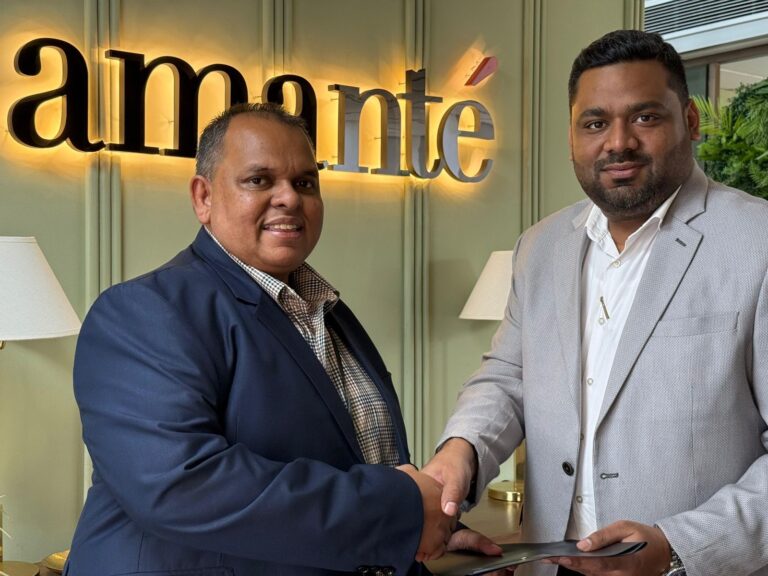
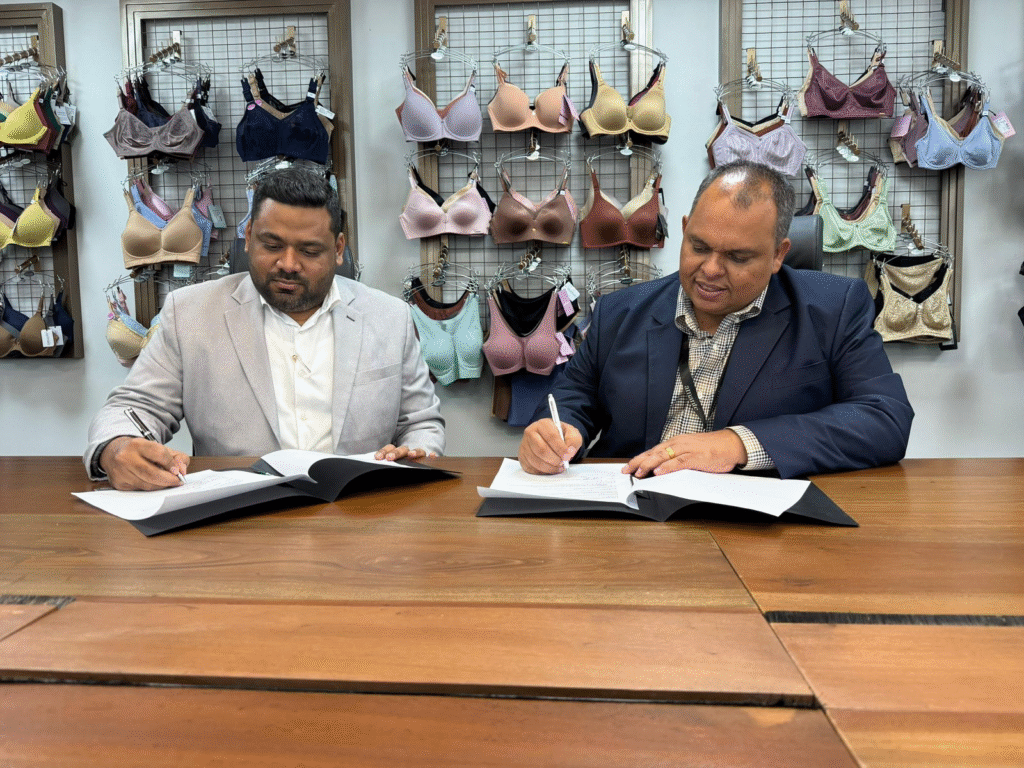
Sri Lanka’s leading intimate wear brand, amanté, is entering the Gulf Cooperation Council (GCC) market through a partnership with 4R Holdings International (Pvt) Ltd.
4R Holdings, headed by Chairman Mr. M. Rilwan Razick, will serve as the official distributor for amanté in the GCC starting July 2025, overseeing sales and marketing of the brand in the region. This venture marks the company’s first step into the retail sector, expanding its already diverse portfolio, which includes real estate, healthcare, hospitality, and more.
Founded in India in 2007 and later establishing itself in Sri Lanka in 2012, amanté has become one of the most recognized premium lingerie brands in the region, known for blending comfort, fashion, and thoughtful design for the confident woman. Since its acquisition by Reliance Retail Ventures Ltd. in 2021, amanté has expanded its offerings to include not only lingerie but also athleisure, sleepwear, shapewear, and swimwear collections.
Commenting on the partnership, Mr. Razick expressed optimism about the brand’s prospects in the GCC, stating:
“While this may be our first venture into retail, I believe there is a potential for high-quality affordable women’s innerwear in the Gulf region. Sri Lankans and Indians working and residing in the region would already be familiar with the brand, which will be a benefit to us.”
Ms. Padmal Silva, Executive Director of amanté Lanka, echoed the sentiment, saying:
“In addition to providing the highest quality and on-trend products with our lingerie expertise, as a premium international intimate apparel brand, our desire has always been to make the brand more accessible to our customers. We believe this partnership will be a step in the right direction, and GCC is the ideal location.”
With this collaboration, amanté and 4R Holdings aim to bring premium, affordable intimate wear to women in the Gulf region, tapping into an already familiar customer base and meeting the growing demand for quality products.