Home Blog Page 498

Tea Industry records Modest Growth Prospects for 2025 Amid Challenges

0

By: Staff Writer

January 12, Colombo (LNW): Sri Lanka’s tea industry is expected to see modest growth in 2025, despite facing a range of challenges.

According to a report from Forbes and Walker Tea Brokers, the country’s tea production is set to stabilize after several years of decline. However, the industry will still confront significant uncertainties, particularly related to global supply dynamics and the Sri Lankan rupee’s exchange rate.

After experiencing a drop in production in previous years, Sri Lanka’s tea industry is poised to face a shortage in Orthodox Large Leaf teas, largely due to a production shortfall in India in 2024.

The first quarter of 2025 is expected to bring some stability, with tea prices likely to remain buoyant as the country enters its Western quality season.

This period traditionally offers better crop yields, which should help maintain a positive outlook for the first quarter and possibly into the first half of the second quarter of 2025.

However, much of the year’s performance will depend on global supply conditions, as well as factors such as the exchange rate of the Sri Lankan rupee against the US dollar.

The government’s plans to ease import restrictions, including those on vehicles, could have a notable impact on the rupee, potentially influencing tea prices.

Despite these uncertainties, Forbes and Walker Tea Brokers have cautiously forecasted that Sri Lanka’s tea production in 2025 will reach approximately 280 million kilograms.

This projection considers challenges like climate change, rising costs for inputs and wages, as well as the effects of government policies and mechanization. These variables are expected to influence production levels, though the overall forecast remains optimistic, albeit cautious.

On the global stage, Sri Lanka’s key tea markets in India and China present potential for growth. However, factors such as economic instability and unpredictable weather conditions in these regions could disrupt the supply-demand balance and impact growth opportunities.

Reflecting on 2024, Forbes and Walker Tea Brokers highlighted a positive recovery in Sri Lanka’s tea industry, dubbing it “The Year of Reclaiming Change.” Strong demand for high-quality teas, particularly from the Western and Uva regions, contributed to this recovery.

Additionally, the appreciation of the Sri Lankan rupee provided some relief, while increased momentum in tea value, which started to build in late 2023, was evident across all elevations. Both high-quality and Low Grown teas saw steady demand, contributing to the overall positive outlook for the country’s tea exports.

In conclusion, while 2025 holds promise for Sri Lanka’s tea industry, it will be influenced by multiple factors, including global market conditions, climate change, and domestic economic policies. The industry’s cautious optimism reflects both the challenges and the opportunities ahead.

Govt Outlines Medium-Term Fiscal Strategy for Revenue Growth

0

By: Staff Writer

January 12, Colombo (LNW): The Sri Lankan government has developed a fiscal strategy aimed at controlling public spending and increasing revenue collection to ensure economic stability.

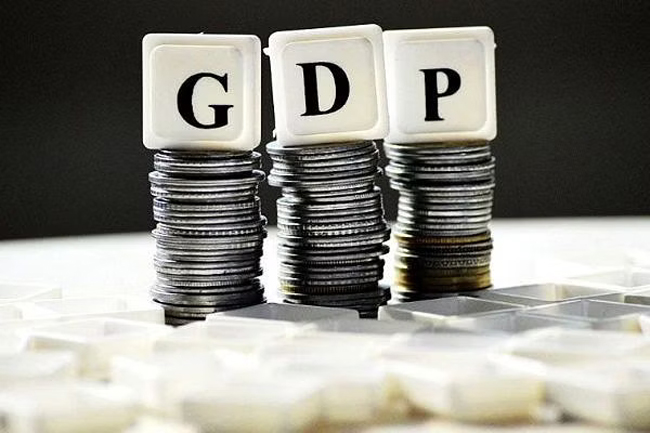
The plan focuses on reducing recurrent expenditure from 14.2% of GDP in 2021 to 12.3% by 2025. Key measures to achieve this include freezing non-essential spending on assets such as vehicles and buildings.

Additionally, the government is working to digitalize its key systems, including the introduction of e-procurement and the e-National Identity Card, which are expected to improve efficiency and reduce wasteful spending.

To boost revenue, which was approximately 9.5% of GDP in 2021, the government aims to raise it to 14.2% of GDP by 2025.

This will be driven by economic growth and an expanded tax base. The strategy involves comprehensive reforms to tax policy and administration. Some of the key changes include consolidating taxes by increasing the PAL rate, removing the NBT rate, and simplifying the tax system by reducing the number of taxes such as PAYE and WHT.

To enhance the efficiency of tax collection, the government has established the Large Taxpayers Unit (LTU) at the Inland Revenue Department (IRD) and introduced risk-based audits. Further improvements are being made to the Revenue Administration Management Information System (RAMIS) to better manage tax data and collection.

In 2024, Sri Lanka saw significant progress in its revenue collection efforts, with a 32.2% increase year-on-year, reaching Rs. 3,650 billion by November. Taxes on goods and services were the largest contributor, totaling Rs. 1,974.5 billion.

Government expenditure, on the other hand, increased only slightly by 1.9%, amounting to Rs. 4,881.9 billion by November, which is 70.9% of the annual target.

 A reduction in interest payments, due to lower yields on government securities, contributed to the limited increase in spending.

The government’s primary balance showed a surplus of Rs. 927.8 billion, a 180% improvement from the previous year, though the overall budget deficit remained at Rs. 1,217.3 billion. Net borrowing for the year totaled Rs. 1,713.4 billion, below the estimated Rs. 2,333.4 billion.

In line with these fiscal efforts, the government has also presented the 2025 appropriation bill to parliament. The bill outlines a borrowing cap of Rs. 4,400 billion, with a focus on current spending of Rs. 4,218 billion and capital expenditure of Rs. 4,616 billion.

Notable allocations include Rs. 220 billion for the Sri Lanka Army, up from Rs. 214 billion, and Rs. 169 billion for the Ministry of Health’s operational activities, with an additional Rs. 213 billion for its developmental projects.

The fiscal strategy is aimed at stabilizing the Sri Lankan economy and enhancing fiscal sustainability over the medium term. By rationalizing recurrent expenditure and implementing revenue reforms, the government hopes to create a more efficient and sustainable economic framework.

The Sri Lankan government has developed a fiscal strategy aimed at controlling public spending and increasing revenue collection to ensure economic stability.

The plan focuses on reducing recurrent expenditure from 14.2% of GDP in 2021 to 12.3% by 2025. Key measures to achieve this include freezing non-essential spending on assets such as vehicles and buildings.

Additionally, the government is working to digitalize its key systems, including the introduction of e-procurement and the e-National Identity Card, which are expected to improve efficiency and reduce wasteful spending.

To boost revenue, which was approximately 9.5% of GDP in 2021, the government aims to raise it to 14.2% of GDP by 2025.

This will be driven by economic growth and an expanded tax base. The strategy involves comprehensive reforms to tax policy and administration. Some of the key changes include consolidating taxes by increasing the PAL rate, removing the NBT rate, and simplifying the tax system by reducing the number of taxes such as PAYE and WHT.

To enhance the efficiency of tax collection, the government has established the Large Taxpayers Unit (LTU) at the Inland Revenue Department (IRD) and introduced risk-based audits. Further improvements are being made to the Revenue Administration Management Information System (RAMIS) to better manage tax data and collection.

In 2024, Sri Lanka saw significant progress in its revenue collection efforts, with a 32.2% increase year-on-year, reaching Rs. 3,650 billion by November. Taxes on goods and services were the largest contributor, totaling Rs. 1,974.5 billion.

Government expenditure, on the other hand, increased only slightly by 1.9%, amounting to Rs. 4,881.9 billion by November, which is 70.9% of the annual target.

 A reduction in interest payments, due to lower yields on government securities, contributed to the limited increase in spending.

The government’s primary balance showed a surplus of Rs. 927.8 billion, a 180% improvement from the previous year, though the overall budget deficit remained at Rs. 1,217.3 billion. Net borrowing for the year totaled Rs. 1,713.4 billion, below the estimated Rs. 2,333.4 billion.

In line with these fiscal efforts, the government has also presented the 2025 appropriation bill to parliament. The bill outlines a borrowing cap of Rs. 4,400 billion, with a focus on current spending of Rs. 4,218 billion and capital expenditure of Rs. 4,616 billion.

Notable allocations include Rs. 220 billion for the Sri Lanka Army, up from Rs. 214 billion, and Rs. 169 billion for the Ministry of Health’s operational activities, with an additional Rs. 213 billion for its developmental projects.

The fiscal strategy is aimed at stabilizing the Sri Lankan economy and enhancing fiscal sustainability over the medium term. By rationalizing recurrent expenditure and implementing revenue reforms, the government hopes to create a more efficient and sustainable economic framework.

IndiGo Expands Operations from Colombo, Strengthening Sri Lanka-India Ties

0

By: Staff Writer

January 12, Colombo (LNW): India’s IndiGo airline has officially become the largest foreign carrier operating out of Sri Lanka, with 54 weekly flights connecting Sri Lanka to India.

These flights, serving Colombo and Jaffna from four major Indian cities—Bangalore, Chennai, Hyderabad, and Mumbai—are a key component of IndiGo’s strategy to expand its global presence and contribute to bilateral relations between the two nations.

IndiGo’s operations reflect a broader commitment to enhancing connectivity between India and Sri Lanka. According to the airline’s Head of Global Sales, Vinay Malhotra, this expansion marks a significant milestone in strengthening the India-Sri Lanka relationship.

 By offering direct flights to more cities in Sri Lanka, IndiGo aims to stimulate tourism, foster economic growth, and provide greater travel options for passengers.

The Sri Lanka Tourism Promotion Bureau has also highlighted the importance of IndiGo’s growth, particularly the increased frequency of flights, including to Jaffna.

This expansion is seen as a major step in promoting the development of Sri Lanka’s Northern Province, facilitating cultural exchange, and boosting tourism.

Additionally, the role of Acorn Aviation, IndiGo’s General Sales Agent in Sri Lanka, is acknowledged for its long-standing efforts in promoting Sri Lanka’s tourism and aviation sectors.

IndiGo’s strengthened air connectivity will have economic benefits for both countries. For India, it offers easier access to Sri Lanka, a growing destination for Indian tourists, and could further boost tourism numbers.

For Sri Lanka, the increased Indian visitor influx—already showing significant growth in early 2024—is set to bolster the nation’s economy.

With this expanded network, IndiGo is positioning itself as a leader in international air travel between India and Sri Lanka, continuing its commitment to reliable, cost-effective service while helping both nations strengthen their cultural and economic ties.

The enhancement of connectivity between India and Sri Lanka is set to yield significant benefits for both nations. For India, this increased connectivity facilitates easier access to Sri Lanka, a popular destination for Indian tourists.

This could potentially boost tourism, fostering cultural exchange and mutual understanding. On the other hand, Sri Lanka will gain economically, with Indian tourists contributing significantly to its tourism revenue.

Sri Lanka saw a surge in tourism with 200,000 Indian visitors in early 2024, providing a substantial boost to the local economy.

Colombo, the vibrant capital of Sri Lanka, serves as a bustling hub for both business and tourism. The city is well-connected to the international airport and offers easy access to the island nation. Colombo itself is a city of contrasts, where modern skyscrapers stand alongside colonial-era architecture.

Travellers can explore a wealth of cultural and historical landmarks, including the Gangaramaya Templeand the National Museum. For culinary adventure lovers, Colombo’s diverse food scene offers a tempting array of flavours, from spicy curries to fresh seafood.

Jaffna, a city located in the northern province of Sri Lanka, is a destination that boasts a rich history and cultural significance. Its vibrant Tamil heritage is reflected in its traditions, festivals, and historical landmarks, showcasing the resilience and diversity of its people.

Visitors can explore iconic sites such as the Jaffna Fort, which serves as an architectural testament to the region’s colonial past, and the Nallur Kandaswamy Kovil, a revered Hindu temple that holds both religious and cultural importance.


BOI Paves the Way for Digital Transformation in Industrial Sector

0

By: Staff Writer

January 12, Colombo (LNW): In a major step toward modernisation, the Board of Investment (BOI) of Sri Lanka launched a significant initiative to digitise its operations, marking a pivotal moment in the country’s industrial development.

The move, which focuses on the automation of key functions at the Central Verification Division in Orugodawatte, will transform processes previously reliant on manual systems, enhancing efficiency, transparency, and reducing operational costs.

Digitisation and Enhanced Security with BOI’s Central Verification Division

The Central Verification Division of the BOI has taken the lead in the transition to a digital ecosystem by automating essential services such as the issuance of gate passes.

This digitisation aims to reduce human intervention and paper usage, resulting in smoother, faster operations. By incorporating QR codes into digital gate passes, the BOI enhances security while streamlining approval processes.

The system also integrates electronic payment solutions, offering 24/7 service availability and allowing for a significant reduction in reliance on human resources.

 As part of the broader plan to revamp service delivery, the new digital platform replaces traditional paperwork with seamless digital processes, from the collection of import and export fees to the verification of documentation.

This transformation is a vital step in modernising Sri Lanka’s industrial export infrastructure.The shift from manual processes that once defined the collection of verification charges and the management of export verification procedures is a welcome change.

The integration of digital identification tools and the automation of approvals, licenses, and verifications are expected to significantly boost the efficiency of operations.

The newly implemented system is a response to the challenges posed by outdated processes that previously hindered the division’s operations.

The Central Verification Division, established in 1993, has long been a cornerstone of import and export clearances, particularly for industries operating outside designated investment zones.

However, the reliance on manual methods had become an obstacle, prompting the adoption of this new digital solution.

At the launch, BOI Chairman Arjuna Herath emphasised the importance of this initiative for Sri Lanka’s economic growth, stating that industries under the BOI’s oversight contribute to 80% of the country’s industrial export revenue.

He reiterated the BOI’s commitment to improving infrastructure to support these industries. Renuka Weerakoon, Director General of the BOI, also expressed optimism about the digital transition’s potential to enhance the ease of doing business in Sri Lanka.

With the commencement of digital gate permits, the BOI has made its first major step in what is expected to be a comprehensive transformation of the country’s industrial services, ultimately benefiting both businesses and the economy.

Government to revive 12 stalled housing projects

0

January 12, Colombo (LNW): The Ministry of Urban Development and Housing has confirmed its decision to resume 12 major government housing projects that had been put on hold due to the ongoing economic crisis.

The announcement was made following a meeting chaired by the ministry’s secretary, Ranjith Ariyaratne, and attended by key officials from various institutions, including the Urban Development Authority (UDA) and the National Housing Development Authority (NHDA).

The suspension of these projects, which had been halted midway, was primarily attributed to the severe economic downturn and the involvement of unsuitable contractors.

These delays have significantly hindered the progress of planned housing development in several regions.

However, the ministry is now taking steps to revitalise these initiatives in order to meet the growing demand for affordable housing.

The 12 projects in question consist of six managed by the Urban Development Authority and an additional six overseen by the National Housing Development Authority.

Together, these projects aim to construct approximately 4,000 new homes, which are seen as crucial to addressing the housing shortage in the country.

In response to the setbacks, the Ministry has made the decision to replace the current contractors with more qualified and reliable firms.

This move is expected to speed up the construction process and ensure that the projects are completed to the required standards.

Three Parliament staff suspended amid sexual harassment allegations

0

January 12, Colombo (LNW): Parliament has suspended the services of three staff members, including the assistant housekeeper of the Department of Catering and Housekeeping, following serious allegations of sexual harassment.

The suspension comes after an internal investigation conducted by a committee led by former High Court judge Kusala Sarojani Weerawardena, which thoroughly examined the claims.

The allegations, which came to light in August 2023, have raised concerns about the conduct of individuals employed within one of the country’s most prestigious institutions.

The committee’s inquiry focused on the nature of the complaints and the evidence surrounding the incident, with the final recommendations leading to the suspension of the accused staff members.

Parliament’s administration has confirmed that the decision was made in line with the committee’s findings, with the aim of maintaining the integrity of the institution and ensuring a safe working environment for all staff members.

Govt imposes steep import taxes on vehicles starting Feb 2025

0

January 12, Colombo (LNW): In a move aimed at regulating the import of vehicles, the Sri Lankan government has issued a special gazette notification outlining the new excise duties on vehicles imported from February onwards.

The gazette, issued by the Minister of Finance, who also holds the office of the President, introduces significant tax hikes, with excise duties set between 200 per cent and 300 per cent.

The new tax structure, which will vary depending on factors such as engine cylinder capacity and motor power measured in kilowatts, is expected to substantially increase the cost of vehicles.

According to the notification, the taxes will be applied progressively, impacting a wide range of vehicle categories.

Indika Sampath Merenchige, President of the Vehicle Importers Association of Lanka, has predicted that vehicle prices could rise by approximately 20 per cent as a result of these new taxes.

However, he cautioned that the final price could be even higher once additional taxes, including VAT, are taken into account.

This move by the government has sparked concern within the automotive industry, as it could have a significant effect on both importers and consumers.

The increased costs have been interpreted to be placing added financial pressure on individuals looking to purchase new vehicles, and leading to a shift in demand towards lower-cost alternatives or second-hand options.

Read Full Gazette: https://lankanewsweb.net/wp-content/uploads/2025/01/G.N-2418-43-10.01.2025-EX.SPL_.PRO-1.pdf

Four new Supreme Court Justices sworn in

0

By: Isuru Parakrama

January 12, Colombo (LNW): Four new Supreme Court Justices were officially sworn in before President Anura Kumara Dissanayake at a ceremony held at the Presidential Secretariat this morning (12).

The newly appointed justices, all of whom previously served on the Court of Appeal, are Hon. R.M.S. Rajakaruna, Hon. Menaka Wijesundara, Hon. Sampath B. Abeykoon, and Hon. M.S.K.B. Wijeratne, a statement by the President’s Media Division (PMD) confirmed.

They took their oaths in the presence of President Dissanayake.

Secretary to the President Dr. Nandika Sanath Kumanayake also attended the event.

Related Stories:

Indradasa Hettiarachchi, one of the longest-living politicians, passes away

0

January 12, Colombo (LNW): Sri Lanka has lost one of its longest-serving political figures with the passing of former Minister and Kalutara District MP, Indradasa Hettiarachchi, at the age of 98.

Hettiarachchi, who had been a political figure for several decades, was one of the oldest living politicians in the country at the time of his death.

He served the United National Party (UNP) and represented the House from 1977 to 1993. During his prime, Hettiarachchi served as the District Minister for Kalutara and the Minister of Coconut Industries and Diversification.

He is considered to be one amongst the most contributory to the development of Horana Electorate.

Poor quality of airport bus service threatens Sri Lanka’s image amongst tourists

0

By: A Special Correspondent

January 12, Colombo (LNW): Air travellers arriving at Bandaranaike International Airport (BIA) in Katunayake have voiced strong concerns over the condition of the buses transporting them from the aircraft to the Immigration and Emigration Section, labelling the service as subpar and uncomfortable.

For many international visitors, this bus ride represents their first experience upon entering Sri Lanka, and according to some passengers, it sets a negative tone for the rest of their stay.

One passenger arriving from London on January 11 criticised the state of the buses, likening the interior to outdated, poorly maintained vehicles from the Sri Lanka Transport Board (SLTB).

The crowded conditions, described as reminiscent of the notorious “138 Maharagama-Pettah” bus service in Colombo, added to the discomfort of passengers who had just completed long-haul flights.

This initial unsatisfactory experience undermines the country’s appeal, particularly amongst foreign tourists who might judge Sri Lanka based on these first impressions, one passenger told LNW.

The situation was particularly problematic for a group of cyclists who had arrived in the country, with their equipment having to be squeezed onto a bus already packed with passengers, another disclosed.

Travellers have voiced concerns over the lack of thought given to the specific needs of different groups, suggesting that better planning could alleviate such issues.

Whilst the service itself left much to be desired, passengers were quick to praise the efficiency of the immigration and emigration departments. Despite the crowded conditions on the buses, the officers were commended for processing the large number of passengers from a full London flight swiftly, with all travellers cleared within 20-30 minutes.

This positive experience at the immigration counter highlighted the potential for improvement in other areas of airport services.

An investigation revealed that there are 11 buses in total serving the airport’s transportation needs, with only four belonging to the government and the remaining seven leased from private operators.

This mixed fleet raises questions about the consistency and quality of the service, with many passengers calling for urgent upgrades to ensure a more comfortable and professional experience for incoming visitors.

Improving the cleanliness, comfort, and efficiency of the airport transport service, passengers argue, could significantly enhance Sri Lanka’s image, offering a far more welcoming first impression to international tourists.

It should be noted that addressing these basic yet crucial details could make an atmosphere of difference in attracting and retaining tourists given tourism continues to play a vital role in the island nation’s economy.