Home Blog Page 497

Govt plans to establish new medicine testing laboratories amidst ongoing probes

0

January 13, Colombo (LNW): The Sri Lankan government is taking steps to address concerns about the quality of medicines by focusing on the establishment of multiple laboratories dedicated to drug testing, according to Dr. Anil Jasinghe, Secretary to the Ministry of Health.

Speaking to the media in Kandy, Dr. Jasinghe outlined the government’s initiative to enhance the country’s drug testing capabilities, which is expected to improve oversight and ensure higher standards of healthcare.

Dr. Jasinghe explained that while medicines are currently tested only when complaints arise, this reactive approach is inadequate.

He stressed the importance of conducting regular quality checks at various stages throughout the procurement and distribution processes.

To address this gap, the government is now prioritising the development of one or two dedicated laboratories for drug testing within Sri Lanka.

These laboratories will be crucial in establishing a more proactive approach to quality assurance,” Dr. Jasinghe said. “Testing should not just occur when there is a problem, but should be integrated into the entire process, from the moment of procurement to the point of distribution.

Sri Lanka, although a relatively small nation, faces challenges in managing its expansive healthcare system. Dr. Jasinghe pointed out that the country’s procurement process for medicines is larger and more complex than that of many developed nations, mainly because Sri Lanka’s healthcare system is centrally controlled by the government.

This centralisation has resulted in the state overseeing a significant portion of the country’s pharmaceutical supply.

In addition to discussing the future of drug testing, Jasinghe addressed recent concerns over the involvement of a blacklisted company in the importation of medicines.

The Ministry of Health is planning an investigation into these allegations, which have raised questions about the integrity of the procurement process. Dr. Jasinghe assured the public that the government is taking these matters seriously and is committed to ensuring that only safe and effective medicines are supplied to the population.

SLAF earns over Rs. 56 mn for election-related air transport services

0

January 13, Colombo (LNW): The Sri Lanka Air Force (SLAF) has revealed that it earned more than Rs. 56 million by offering air transport services to presidential candidates during the 2024 election campaign.

The services, which were provided over a span of 34 days from August 15, when nomination submissions began, until the conclusion of the election campaigns on September 18, have sparked significant attention.

According to the SLAF, former President Ranil Wickremesinghe accounted for the largest share of earnings, with Rs. 29.09 million generated from 23 flights.

Opposition leader Sajith Premadasa followed closely, contributing Rs. 20.75 million for 11 flights.

Additionally, SLPP candidate Namal Rajapaksa used the service twice, bringing in Rs. 1.44 million.

Former President Mahinda Rajapaksa also chartered two flights, paying Rs. 2.68 million, while former Prime Minister Dinesh Gunawardena and former National Security Adviser Sagala Ratnayake respectively paid Rs. 1.24 million and Rs. 1.6 million for one flight each.

In a notable development, it was reported that NPP candidate and current President Anura Kumara Dissanayake did not make use of SLAF flights during the campaign, marking a contrast to the other candidates.

The financial breakdown was provided in response to a Right to Information (RTI) request, shedding light on the scale of the air transport services utilised by the political figures during the election period.

In total, the SLAF reported expenses of Rs. 9 million for fuel, having used approximately 42,000 litres to support the airlift operations throughout the election.

The use of state resources, including aircraft, by political candidates had been a topic of public debate throughout the campaign.

Critics questioned whether state funds were being misused for political purposes, but the SLAF has maintained that the services were offered strictly on a payment basis, adhering to established procedures.

Port City Colombo Marina set to boost Sri Lanka’s tourism and investment potential

0

January 13, Colombo (LNW): The development of a state-of-the-art marina within the Port City Colombo project is expected to position Sri Lanka as a prominent destination for both tourism and foreign investment, according to the country’s Foreign Minister, Vijitha Herath.

Speaking at the ceremonial launch of the construction on Friday, Herath highlighted the critical role that the Port City will play in elevating Sri Lanka’s global stature.

Herath noted that the marina’s construction will address the existing gap in luxury maritime services in South Asia, making Sri Lanka an appealing hub for affluent travellers and international investors.

The project, part of the larger Port City development, aims to enhance the country’s appeal as a competitive tourism and investment hotspot in the region.

This initiative is a key part of our strategy to attract foreign capital, expand our tourism sector, and bolster Sri Lanka’s international reputation,” Herath explained.

He also emphasised that the port city is set to deepen Sri Lanka’s ties with China, fostering stronger cultural and economic cooperation.

This collaboration, he added, will be pivotal in helping the nation achieve its ambitious tourism revenue targets.

Harsha Amarasekera, Chairman of the Colombo Port City Economic Commission, echoed Herath’s sentiments, describing the project as a significant catalyst for Sri Lanka’s economic growth.

Amarasekera further stated that the marina will create numerous job opportunities, as well as attract high-end international brands, which will in turn invigorate Sri Lanka’s economic recovery.

The marina’s commercial development will span approximately 20,400 square metres, with the construction area covering nearly 49,000 square metres.

Experts predict that the new facility will become a magnet for luxury yachts, cruises, and upscale maritime services, contributing to an increase in high-value tourism.

Showery trend further continues across island: Strong winds expected (Jan 13)

0

January 13, Colombo (LNW): Showers or thundershowers will occur at times in Eastern and Uva provinces and in Polonnaruwa, Matale, Nuwara-Eliya and Hambantota districts, with fairly heavy showers above 50mm being expected to occur at some places in Uva province and in Matale, Nuwara-Eliya, Ampara and Hambantota districts, the Department of Meteorology said in its daily weather forecast today (13).

Several spells of showers will occur in Northern province and in Anuradhapura district.

Showers or thundershowers will occur at several places elsewhere during the afternoon or Night.

Fairly strong winds of (30-40) kmph can be expected at times over Northern, Eastern, North-central and North-western provinces and in Matara, Monaragala and Hambantota districts.

Misty conditions can be expected at some places in Western, Sabaragamuwa and Central provinces and in Galle and Matara districts during the morning.

The general public is kindly requested to take adequate precautions to minimise damages caused by temporary localised strong winds and lightning during thundershowers.

Marine Weather:

Condition of Rain:
Showers or thundershowers will occur at times in the sea areas extending Batticaloa to Hambantota via Pottuvil. Showers or thundershowers will occur at several places in the other sea areas around the island during the afternoon or Night.
Winds:
Winds will be north-easterly and speed will be (30-40) kmph. Wind speed can increase up to (50-55) kmph at times in the sea areas off the coast extending from Colombo to Mannar via Puttalam and from Galle to Pottuvil via Hambantota. Wind speed can increase up to (45- 50) kmph at times in theother sea areas around the island.
State of Sea:
The sea areas off the coasts extending from Colombo to Mannar via Puttalam and from Galle to Pottuvil via Hambantota will be rough at times. Other sea areas around the island may be fairly rough at times. Temporarily strong gusty winds and very rough seas can be expected during thundershowers.

Sri Lanka’s Business landscape to undergo a major transformation in 2025

0

By: Staff Writer

January 12, Colombo (LNW): Sri Lanka’s Business landscape is currently undergoing a major transformation, driven by a series of strategic initiatives that are positioning the country for sustained growth.

After successfully restructuring its national debt and implementing an IMF-backed economic program, the country is actively attracting foreign direct investment (FDI) to strengthen its position as a regional business hub.

The Information and Communication Technology Agency (ICTA) of Sri Lanka has projected that the ICT sector will reach USD 3 -4 billion in revenues on 2025, signaling significant growth.

The ICT sector, which has become an essential part of the country’s digital transformation, is also poised to become one of the primary contributors to Sri Lanka’s export economy.

 With over 500 companies operating in industries like banking, healthcare, retail, and manufacturing, the sector is the country’s second-largest export earner.

The government’s ambitious goal is to elevate the sector to $15 billion by 2030, reflecting the critical role digital innovation plays in the country’s economic future.

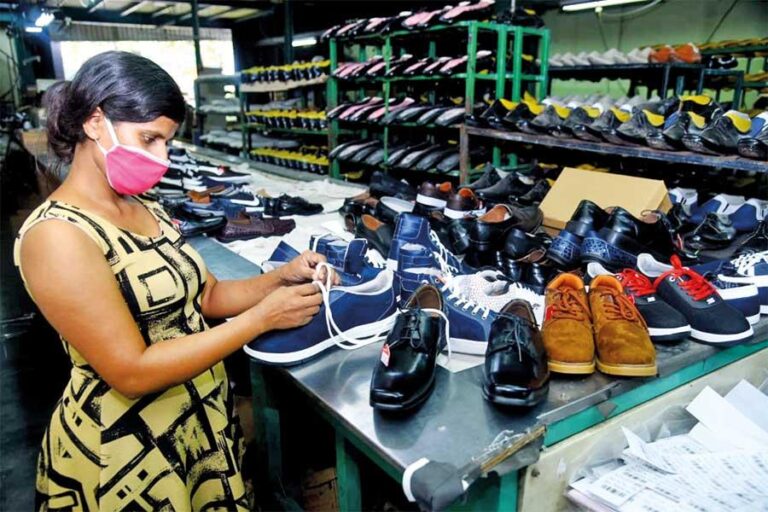
Meanwhile, the apparel industry is set to experience steady growth, with projections indicating a 2.0% compound annual growth rate (CAGR) through 2028.

This growth comes at a time when the country’s real estate sector, especially in Port City Colombo, is seeing significant expansion. The Port City development has positioned itself as a prime location for investment, with real estate growth expected to see a CAGR of 7.5% between 2023 and 2028.

Sri Lanka’s commitment to sustainable development adds another dimension to the economic opportunities available. The government has set a bold target for 2030, aiming to produce 70% of the country’s electricity from renewable sources.

This initiative is not only in line with global sustainability goals but also presents substantial business opportunities in the renewable energy and eco-friendly sectors.

Tourism remains one of Sri Lanka’s largest foreign exchange earners and a key driver of the economy. With over 4% of the country’s GDP generated from the tourism sector, Sri Lanka’s natural beauty and rich cultural heritage continue to attract tourists from around the world.

The recent resurgence of tourism has been encouraging, reflecting the country’s recovery from past economic challenges.

Port City Colombo plays a pivotal role in Sri Lanka’s economic ambitions, acting as a catalyst for business growth.

The development leverages Sri Lanka’s key advantages, including its strategic geographic position as a logistics hub, a rapidly growing modern economy, and a highly skilled workforce. Businesses looking to expand their operations in the region are increasingly drawn to the opportunities presented by Port City.

As digital transformation continues to shape industries globally, Sri Lanka is focused on equipping its workforce with the necessary skills to succeed. In this regard, the government’s efforts to support the establishment of 750 tech companies and 1,500 IT startups by 2024 will ensure the ICT sector’s continued growth. Approximately 600,000 Sri Lankans are already employed in the sector, which remains one of the most promising for the nation’s future economic development.

The business community’s optimism about the country’s economic future has also been reflected in rising business confidence. The latest edition of the LMD magazine notes a surge in Sri Lanka’s Business Confidence Index, which rose 20 points in December, reaching its highest level since January 2020.

 This increase in confidence is seen as a direct result of the new government’s commitment to driving economic stability and growth. Analysts also noted that sentiment regarding sales volumes, both short and long-term, has improved since the election, adding to the positive outlook for Sri Lanka’s economy.

Govt Pushes for Green Energy and Sustainable Innovation in Auto Industry

0

By: Staff Writer

January 12, Colombo (LNW): Sri Lanka’s Minister of Industry and Entrepreneurship Development, Sunil Handunnetti, announced plans for the government to introduce a variety of environmentally friendly products rooted in green energy within the next two years.

These products will emphasize local identity while advancing sustainability. Handunnetti made the statement during a visit to VEGA Innovations’ Maradana facility, where he explored groundbreaking products like the VEGA electric car—ranked as the world’s third-fastest electric vehicle—and the 100% locally manufactured electric three-wheeler, along with other AI-driven innovations.

The Minister underscored the government’s dedication to fostering a conducive environment for sustainable technologies. He assured that the current administration would implement necessary policy changes to remove barriers to promoting eco-friendly products in both local and global markets.

Dr. Harsha Subasinghe, CEO of VEGA Innovations, highlighted the enormous potential of artificial intelligence (AI) in the global market.

He projected that by 2030, the AI industry could reach $1.5 trillion, with Sri Lanka aiming to capture at least 1% of this market, which would equate to $150 billion.

Furthermore, Dr. Subasinghe emphasized the global demand for electric three-wheelers, which are currently valued at $30 billion, suggesting that Sri Lanka could secure a market share of 10%-15%.

VEGA Innovations has made notable strides in the electric vehicle (EV) sector, with subsidiaries like Elektrateq designing and manufacturing electric tuk-tuks in Sri Lanka.

Jetwing Colombo Seven has become the first commercial user of these electric tuk-tuks, providing zero-emission rides around the city. VEGA Innovations continues to offer EV research and development services to clients worldwide.

The company manufactures electric supercars, EV components, and AI-powered innovations, with products such as the Vega EVX, a fully electric two-seater supercar with a carbon fiber body and all-wheel-drive drivetrain.

In a significant achievement, the Vega Engineering Company, known for producing Sri Lanka’s first electric supercar under the Vega brand, recently inaugurated a new factory complex.

This facility produces electric three-wheelers and converts existing internal combustion engine (ICE) three-wheelers to electric models. The launch of this factory represents a major step in advancing the local EV industry.

This facility is unique in that it does not rely on importing parts for assembly, unlike other local car and motorcycle plants that use Completely Knocked Down (CKD) kits. The entire production process for the Elektrateq three-wheeler, including cutting, folding plates, and battery production, is carried out in Sri Lanka using state-of-the-art machinery.

The factory is already producing electric three-wheelers that are now on the roads, contributing to foreign exchange savings as all components are locally sourced.

Additionally, the factory has the capacity to convert a petrol or diesel-powered three-wheeler to an electric model in just two hours. A project to convert 100 ICE three-wheelers to electric power in collaboration with a private financial institution is currently underway. The small battery packs in electric three-wheelers allow them to be charged overnight using a standard household socket.

 The company is to explore converting registered three-wheelers operating near the Makumbura Multimodal Transport Centre to electric power, further promoting eco-friendly transport solutions in Sri Lanka.

Colombo Port Congestion Worsens Amid Infrastructure Gaps and Rising Container Traffic

0

By: Staff Writer

January 12, Colombo (LNW): The Colombo Port is grappling with significant congestion due to a sharp increase in container volumes, exposing infrastructure inadequacies and inefficiencies in Customs operations, according to Sri Lanka Customs Spokesman Additional Director General Seevali Arukgoda.

Statistics from Sri Lanka Customs reveal that daily container traffic has surged from an average of 800–1,200 to over 1,500, occasionally exceeding 3,000. However, the existing facilities remain incapable of handling this growth, creating severe bottlenecks.

“The volume has increased, but infrastructure has not kept pace,” Arukgoda stated, highlighting that plans for a modern Customs examination yard in Kerawalapitiya—designed by the Asian Development Bank (ADB) in 2020 to meet demands until 2050—were halted after the land was repurposed by a previous administration. President Anura Kumara Dissanayake has now committed to reviving the project.

To manage the crisis, Customs has reduced physical inspections from 80% of containers to 35%, allowing 65% to be cleared without intervention. Yet, non-compliance remains high, with 55–65% of inspected containers containing undeclared, excess, or prohibited items. Arukgoda stressed the need for robust checks to prevent public safety risks, maintain standards, and curb revenue losses.

Efforts to combat corruption have led to the suspension of four Customs officers for inadequate inspections, though these measures have also slowed operations. External factors, such as delays caused by importers exploiting exchange rate fluctuations and insufficient staffing at agencies like the Sri Lanka Standards Institution (SLSI), have further exacerbated the situation.

“On a single day, out of 440 containers slated for examination, only 60 were for Customs. The rest required checks by other agencies,” Arukgoda explained. Delays are also worsened by restrictions on container transport during certain hours and extended testing periods by other authorities, leaving containers to occupy valuable yard space for months.

To alleviate congestion, Customs has temporarily rented private yards to store containers, with associated costs passed on to importers rather than the Government.

Deputy Minister of Ports and Civil Aviation Janitha Ruwan Kodithuwakku attributed the congestion to increased imports and exports driven by economic growth. He announced plans to improve infrastructure, including constructing a 200-meter road linking the Colombo International Container Terminal (CICT) and East Container Terminal (ECT). This road, expected to be completed within a month, aims to streamline inter-terminal transfers, reducing berth delays for ships.

Additionally, a special committee comprising Customs, Ports, and Department of Health officials has been formed to address operational inefficiencies. Initiatives such as incentivizing workers and establishing temporary inspection points, like the facility at Bloemendhal, are expected to expedite container clearance.

Kodithuwakku expressed confidence that these measures would resolve congestion within two months.

 Meanwhile, the Container Transport Owners’ Association (CTOA) reported that inefficiencies at the Sri Lanka Ports Authority (SLPA) and Customs have left 800–1,000 vehicles stranded at the port, with drivers waiting up to a week for container clearance. The Wharf Workers’ Association warned that these delays could drive up import costs by 20%, as late fees are ultimately passed on to consumers.

A Call for Constructive Engagement

0

In the face of historical injustices and ongoing challenges, the Tamil community in Sri Lanka must urgently reconsider its political strategy. The rejection of past opportunities in pursuit of an ideal solution has hindered meaningful progress. It is imperative now, more than ever, to adopt an engagement-based political approach that bridges divides and fosters collaboration across all communities. The Tamil civil society, along with its allies, must strive to build a credible and inclusive alliance that can effectively address the grievances of all victimised groups—Tamils, Muslims, Malayaga Tamils, and the majority Sinhalese—while advocating for transitional justice and sustainable reforms.

The Sri Lankan state has long perpetuated systemic injustices through its structures and policies. From anti-Tamil pogroms and the denial of constitutional safeguards to the institutionalisation of impunity, the state has historically reversed the multi-ethnic fabric of the nation. These actions, coupled with the lack of accountability for violations of International Humanitarian Law and International Human Rights Law, have entrenched ethnic hegemony and exacerbated divisions. The failure to share power equitably among constituent nations has further alienated minority communities and undermined the principles of justice and equality.

While we acknowledge the government’s recent efforts toward ethnic egalitarianism through Sri Lankan identity, these steps remain insufficient without addressing the deep-rooted grievances of oppressed communities. The Tamil, Muslim, and Malayaga peoples have endured decades of atrocity crimes, systemic discrimination, and the misuse of laws such as the Prevention of Terrorism Act to suppress dissent and deny fundamental freedoms. These injustices continue to erode trust and hinder reconciliation. True progress demands accountability, transparency, and guarantees of non-recurrence, alongside constitutional and institutional reforms that ensure power-sharing and participatory democracy.

To achieve these goals, the Tamil civil society must take proactive steps to build bridges with the Sinhala progressives, democrats, trade unions, students, civil society and other marginalised groups. Winning the hearts and minds of all communities is essential to fostering mutual understanding and solidarity. End of the day, it is the referendum for a new constitution that will fix the festering problems envisaged by all Peoples of Sri Lanka. By engaging in constructive dialogue and advocating for a shared vision of justice and equality, we can work toward a New Sri Lanka—one that is founded on international conventions, ethnic justice, and democratic principles.

The time has come for Sri Lanka to embark on a path of reconciliation, justice, and inclusivity. This is an appeal to all members of Tamil civil society, as well as to the broader Sri Lankan community, to reconsider rejectionist approaches and embrace a strategy of engagement. While the Tamil people have faced immense suffering and injustice, we cannot afford to wait for an ideal solution in a chaotic and imperfect world. Instead, we must act decisively, constructively, and collaboratively to build a future rooted in justice and equity.

The Global Tamil Civil Society (GTCS) firmly believes that unity among Tamil-speaking peoples and other marginalised communities is the cornerstone of meaningful progress. Historical divisions must be set aside to create a cohesive alliance that represents the aspirations of all oppressed peoples in Sri Lanka. This includes fostering solidarity with progressive Sinhalese allies and civil society groups who share our vision for a just, inclusive, and multi-ethnic Sri Lanka.

A Call to All Communities

This appeal is not limited to the Tamil, Malayaga Tamil, and Muslim communities. It is a call to all Sri Lankans, including the Sinhalese majority and civil society members who share our vision for a multi-ethnic and equitable future. The pursuit of justice is not just a moral obligation—it is a vital foundation for sustainable peace and prosperity for everyone in Sri Lanka.

We urge all communities to seize this opportunity to unite, strategise, and act with purpose. Together, we can challenge impunity, demand accountability, and work towards a Sri Lanka where the voices of all communities are heard, respected, and valued.

The scars of the past cannot be erased, but they can guide us toward a future of unity and progress. Let us move forward together, with a shared commitment to justice, reconciliation, and the collective advancement of all communities in Sri Lanka.

Let us move forward with hope, resilience, and determination. The time for justice, equity, and unity is now.

[email protected]

Govt Audit Allegations of Overspending in Bus Deal to Strain Indo-Lanka Relations

0

By: Staff Writer

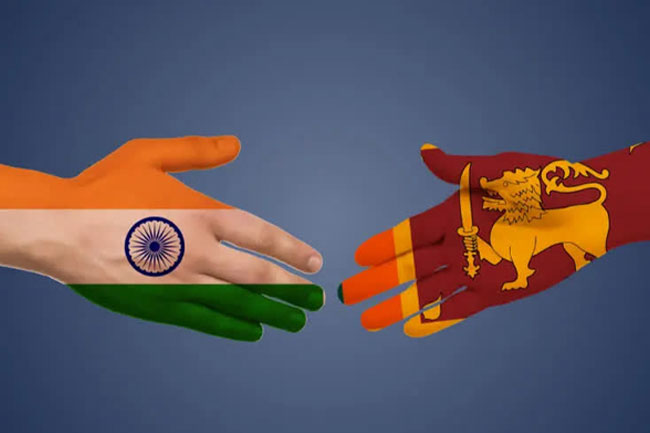
January 12, Colombo (LNW): The Indo-Lanka bus procurement deal, initiated in 2018 and finalized five years later, has come under intense scrutiny following a government audit report that alleges overspending of Rs. 3.01 billion.

The audit findings have triggered concerns about financial mismanagement and raised questions about the impact on Sri Lanka’s diplomatic ties with India.

The agreement, part of a $20 million Indian credit line, was intended to revitalize Sri Lanka’s struggling public transport system, where 52% of buses had exceeded their operational lifespan.

Under the deal, 500 buses were procured to serve urban, semi-urban, and rural routes, particularly in remote areas where commuters often had to walk 1–3 kilometers to access transport services.

However, the National Audit Office recently revealed an alleged overpayment during the procurement process, fueling public and media criticism.

Former Transport Minister Bandula Gunawardena responded by writing to the Indian High Commissioner recently urging an impartial investigation into the allegations. Copies of the letter were also sent to key government officials, including the President’s Secretariat and ministries of finance, foreign affairs, and transport.

Allegations of Overpayment and Procurement Irregularities

The controversy stems from the Cabinet-approved decision in 2018 to purchase 400 50-54 seater buses and 100 32-35 seater buses using $15.03 million from the Indian Line of Credit.

However, the procurement specifications were revised in 2020 to 500 32-35 seater buses and 100 42-45 seater buses to meet re-evaluated transport needs.

The National Audit Office reported that the 2023 procurement cost of Rs. 11.02 million per bus significantly exceeded the estimated cost of Rs. 5 million per bus in 2018, resulting in an overpayment of Rs. 6.02 million per bus.

The total excess payment amounted to Rs. 3.01 billion, with critics pointing to poor planning, inefficiencies, and lack of transparency in the procurement process.

Former Minister Gunawardena defended the process, highlighting the unprecedented economic challenges during the procurement period.

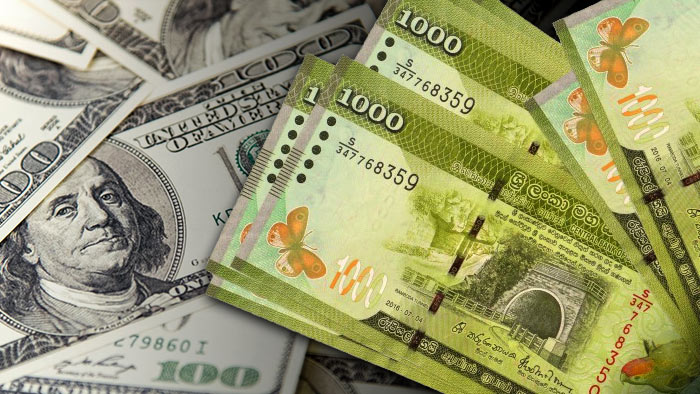
 He cited the Sri Lankan rupee’s depreciation (from Rs. 182 per USD in 2018 to Rs. 360 per USD in 2023), global inflation, and supply chain disruptions caused by the COVID-19 pandemic and geopolitical tensions.

While these factors contributed to higher costs, the audit report suggests that other inefficiencies or irregularities may have played a role.

Key Timelines and Decisions

2018: Cabinet approves the procurement of 500 buses using the Indian credit line.

2020: Procurement specifications are revised, and the Indian Exim Bank agrees to fund the revised purchase plan.

2021-2022: Indian Exim Bank pre-qualifies suppliers, and a competitive bidding process is initiated. Ashok Leyland Ltd. of India is awarded the contract in May 2022.

2023: The buses are procured at a cost of $26,662 (Rs. 11.02 million) per unit.

The delay in procurement, attributed to the pandemic and governance issues across multiple administrations, resulted in missed opportunities to renegotiate terms amid rising costs.

Broader Implications

Financial analysts have noted that while currency depreciation and global inflation contributed to the price increase, the absence of a detailed cost comparison in the audit report leaves room for speculation about potential irregularities. The findings underscore the need for transparency and robust financial oversight in managing foreign credit lines to prevent similar controversies.

As Sri Lanka continues to rely on international loans to address economic challenges, governance reforms are crucial to restoring public trust and ensuring efficient use of resources. Streamlining procurement processes, enforcing competitive bidding, and maintaining accountability are critical to avoid further financial mismanagement.

Gunawardena emphasized that such allegations, if unresolved, could harm Indo-Lanka relations and tarnish the credibility of both nations’ cooperative efforts. He called for an impartial investigation to clear doubts and uphold the integrity of the procurement process.

Vehicle Imports Resume after Four-Year Ban with Conditions, Taxes

0

By: Staff Writer

January 12, Colombo (LNW): Sri Lanka will lift its four-year ban on vehicle imports for personal use starting February 1, 2025. This decision aims to boost government revenue through import duties, normalize economic activity, and address public demand.

However, the process will be carefully managed to protect the country’s foreign exchange reserves. Importers are required to sell vehicles within three months or face a 3% penalty fee. Additionally, higher customs duties will apply to minimize the strain on foreign exchange reserves.

Central Bank Governor Nandalal Weerasinghe revealed that the decision followed an economic analysis conducted in mid-2024. He noted that the long-standing restriction on vehicle imports had created a need for new vehicles as the economy stabilizes.

The central bank recommends allowing vehicle upgrades selectively, ensuring minimal disruption to the existing market while imposing additional costs on those seeking newer models.

Weerasinghe also highlighted the impact of currency fluctuations and new taxes. With a significant depreciation of the exchange rate and the imposition of an 18% VAT, the value of older vehicles could drop sharply if unrestricted imports resume.

For example, a five-year-old vehicle worth 5 million rupees might lose its market value due to new imports. To avoid a market flood and maintain balance, upgrades should only be permitted with added costs to deter unnecessary large-scale imports.

Taxes and exchange rate changes have significantly increased vehicle import costs. Excise duties, VAT, and luxury taxes have all risen since 2020.

The total price for some vehicles could now exceed a 45% increase compared to previous rates. For instance, taxes for petrol vehicles with engine capacities under 1,000cc have surged from 2 million rupees to an estimated 3.3–3.5 million rupees.

Larger vehicles with engine capacities above 1,000cc may see tax hikes of up to 1.5 million rupees.

Changes in luxury tax regulations will also widen the scope of taxation. Previously applied only to vehicles with engine capacities above 2,000cc, the tax will now extend to vehicles exceeding 1,500cc. This move further raises costs for higher-end vehicles.

Additional import restrictions aim to prevent market saturation. Importers must sell their stock within three months or face steep fines ranging from 3% to 46% of the vehicle’s value.

 Sri Lanka Customs will inspect 25% of imported vehicle stocks, and if over a quarter remains unsold, importers could face a three-year ban. Industry experts predict these restrictions will limit the volume of imports, even with the market reopening.

Delays in vehicle deliveries from foreign manufacturers are another challenge. Luxury vehicles, in particular, may require more than a year to arrive in Sri Lanka due to supply chain disruptions.

Given the high taxes, regulatory measures, and logistical delays, experts believe the vehicle import market will see only a gradual and limited recovery, preventing a rapid influx of new vehicles.