The recent audacious drone attacks by Ukraine, striking multiple Russian strategic aircraft at airbases deep within Russia, serve as a stark and undeniable testament to a profound shift in modern warfare. These incidents, occurring hundreds of kilometres behind enemy lines, are not isolated events but rather powerful indicators of an evolving landscape where unmanned aerial vehicles (UAVs), or drones, are redefining military doctrine, strategy, and indeed, national security itself. For small island nations like Sri Lanka, with unique geographical vulnerabilities and a complex history of internal conflict, understanding and adapting to this paradigm shift is not merely a strategic imperative but a matter of existential importance.
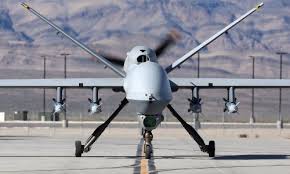
Technology in the Battlefield
As a military professional, I have witnessed firsthand the transformative power of technology on the battlefield. However, the advent and rapid proliferation of drone technology represent a leap akin to the introduction of gunpowder or the airplane. The Ukrainian strikes, in particular, highlight several critical aspects: the increasing range and precision of drones, their ability to bypass traditional air defences, and the relatively low cost yet high strategic impact of such operations. These attacks underscore that no target, no matter how deeply entrenched or seemingly secure, is immune to the reach of determined adversaries employing drone technology.
Paradigm Shift of Air Warfare
The “discovery” of drone technology, more accurately its maturation and widespread application, has fundamentally altered the calculus of air warfare. Traditionally, air superiority was the preserve of nations with substantial investments in manned fighter jets, advanced radar systems, and highly trained pilots. Drones, however, democratise air power. They offer significant advantages:
- Reduced Risk to Personnel: Operators control drones remotely, eliminating the risk of pilot casualties.
- Cost-Effectiveness: Drones are significantly cheaper to procure, operate, and maintain compared to manned aircraft, making them accessible to a wider range of state and non-state actors.
- Persistence and Loitering Capability: Drones can remain airborne for extended periods, providing persistent surveillance, reconnaissance, and even strike capabilities.
- Precision and Targeting: Modern drones, equipped with advanced sensors and precision-guided munitions, can execute highly accurate strikes with minimal collateral damage.
- Swarm Tactics: The ability to deploy multiple drones simultaneously, often with autonomous or semi-autonomous capabilities, presents a formidable challenge to existing air defence systems, overwhelming them through sheer numbers.
This shift has created a new operational environment where air power is no longer solely the domain of traditional air forces but can be projected by entities with far fewer resources.
Asymmetric Warfare and Drone Technology
Drone technology is a natural fit for asymmetric warfare, where weaker actors seek to exploit the vulnerabilities of stronger, technologically superior adversaries. Non-state actors and insurgent groups can leverage readily available commercial drones, often modified for nefarious purposes, to achieve disproportionate effects. These drones can be used for:
- Intelligence Gathering: Covert surveillance of military installations, critical infrastructure, and VIP movements.
- Targeted Strikes: Delivery of small explosive payloads, incendiary devices, or even chemical/biological agents.
- Psychological Warfare: Creating panic and disrupting daily life through disruptive overflights or minor incidents.
- Harassment and Sabotage: Disrupting operations at airports, ports, or power plants.
The low cost and ease of acquisition of commercial drones mean that the barrier to entry for conducting air-based attacks has been dramatically lowered. This presents a significant challenge for conventional military forces accustomed to facing clearly defined, state-backed threats.
Potential Terrorism Revival and Drone Tech Threats
Sri Lanka has a painful history of grappling with terrorism. The lessons learned from decades of conflict underscore the ingenuity and adaptability of non-state actors. The re-emergence of terrorist groups, or the rise of new ones, utilising drone technology, poses a grave threat. Drones could be employed in various ways:
Attacks on Military Bases: Small, explosive-laden drones could target aircraft on the tarmac, fuel depots, or command and control centres, causing significant damage and psychological impact.
Assassinations: Drones could be used for precision strikes against high-value military or political targets.
Attacks on Critical Infrastructure: Power grids, telecommunications networks, oil refineries, and water treatment plants are all vulnerable to drone-borne sabotage, leading to widespread disruption and economic paralysis.
Disrupting Public Gatherings: Drones could be used to drop leaflets, disseminate propaganda, or even deploy small quantities of harmful substances during public events, creating mass panic.
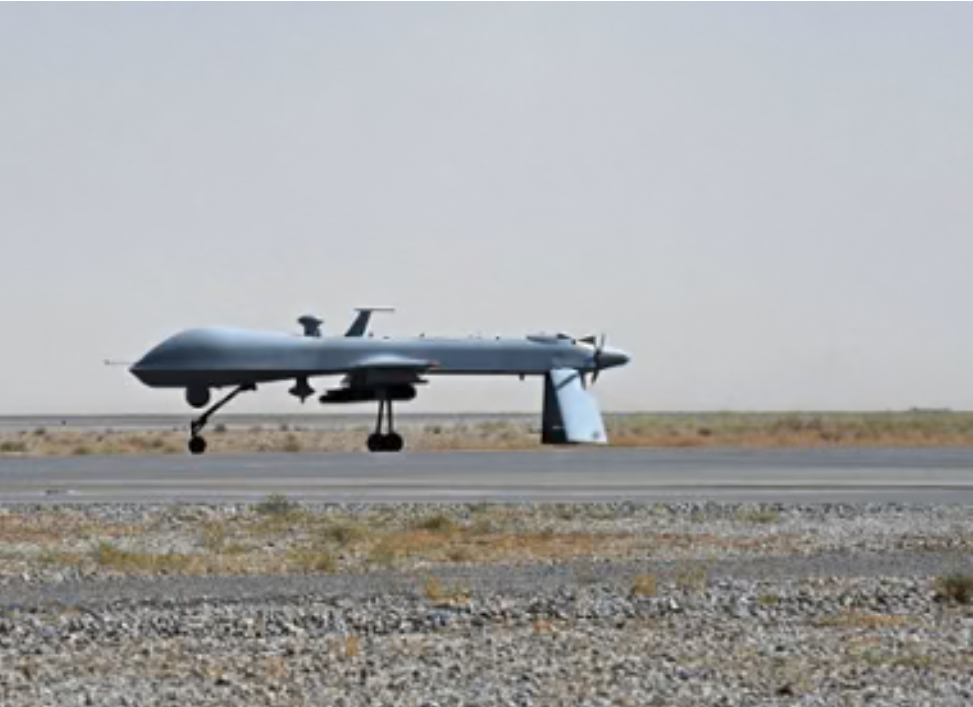
Drug Trafficking and Smuggling: Drones can facilitate the illicit movement of narcotics and other contraband across borders, further exacerbating security challenges.
The relative ease of acquiring and modifying commercial drones for these purposes makes this a highly plausible future scenario that demands proactive planning and preparedness.
Proposals to Counter such Threats
Addressing the multifaceted drone threat requires a comprehensive, multi-pronged approach that integrates technological solutions, policy adjustments, and enhanced human capabilities.
- Develop and Deploy Counter-Drone Systems: Invest in a layered defence system incorporating:
- Detection: Advanced radar, acoustic sensors, and RF signal detection systems to identify and classify drones.
- Identification: Electro-optical and infrared cameras for visual confirmation.
- Interdiction: Jamming systems to disrupt control signals, spoofing technologies to redirect or land drones, and kinetic solutions like net-firing drones, drone guns, or even specialised laser systems for high-value targets.
- Establish No-Fly Zones and Restricted Airspace: Clearly define and enforce airspace restrictions around critical infrastructure, military installations, and sensitive areas.
- Public Awareness Campaigns: Educate the public on drone regulations, the potential dangers of illicit drone use, and how to report suspicious activity.
- Enhanced Law Enforcement Capabilities:Train law enforcement agencies to identify, track, and intercept illicit drones and to investigate drone-related incidents.
Is Drone Technology a Threat to National Security of Sri Lanka in the Present and Future?
Undoubtedly, yes. Sri Lanka’s unique geopolitical position, its reliance on a thriving tourism industry, and its vital maritime trade routes make it particularly susceptible to drone-related threats. Also, the threat is not static; it will evolve. As drone technology advances, so too will the capabilities of those seeking to exploit it. We can anticipate:
- Increased Autonomy and Swarming: Drones operating with greater autonomy, reducing reliance on human control and enabling sophisticated swarm attacks that are incredibly difficult to defend against.
- Miniaturisation and Stealth: Smaller, harder-to-detect drones, potentially with stealth capabilities, making them even more challenging to counter.
- Advanced Payloads: The development of more potent and diverse payloads, including sophisticated explosives, chemical/biological agents, or even electromagnetic pulse (EMP) devices.
- AI Integration: Drones powered by artificial intelligence, capable of independent decision-making and target identification, further complicate defensive measures.
Sri Lanka must not only react to current threats but proactively anticipate future challenges by investing in research and development and staying abreast of global technological advancements in both drone capabilities and countermeasures.
Vulnerability of Critical Infrastructure
Sri Lanka’s critical infrastructure, vital for its economic stability and societal well-being, is particularly vulnerable. This includes:
- Energy Sector: Power plants, transmission lines, and oil storage facilities are susceptible to drone-borne attacks that could cripple national power grids and fuel supply.
- Transportation Hubs: Airports, seaports, and major road/rail networks are vital arteries for trade and tourism. Drone disruptions could lead to significant economic losses and operational paralysis.
- Communication Networks: Cell towers, data centres, and underwater cables are essential for national communication and digital infrastructure. Attacks could severely impact connectivity and information flow.
- Water Supply Systems: Dams, reservoirs, and water treatment plants are critical for public health. Drone attacks could contaminate water sources or disrupt the supply.
- Tourism Industry: Iconic tourist sites, hotels, and resorts are high-profile targets. Drone attacks could severely damage Sri Lanka’s image as a safe destination, impacting a crucial revenue stream.
Protecting these assets requires a multi-layered security approach, integrating drone detection and interdiction systems with existing physical security measures.
Technological Advancements and Countermeasures
The arms race between drone technology and countermeasures is continuous. Sri Lanka must actively pursue and adapt the latest counter-drone technologies:
- Directed Energy Weapons (DEW): Lasers and high-powered microwave systems offer the potential for silent, precise, and cost-effective neutralisation of drones, especially in swarms.
- Artificial Intelligence and Machine Learning: AI can enhance detection systems by rapidly analysing large datasets, identifying anomalous drone behaviour, and even predicting potential attack vectors.
- Cyber Warfare Capabilities: Developing the ability to hack into and take control of hostile drones, or to disrupt their command and control systems.
- Hard-Kill Solutions: Specialised interceptor drones, anti-drone missiles, and even advanced small arms ammunition designed to bring down UAVs.
- Integration with Air Defence Systems:Seamlessly integrating drone detection and neutralisation capabilities into existing national air defence networks for a holistic approach.
The Policy and Legal Framework
For Sri Lanka to effectively manage the drone threat, a clear and comprehensive policy and legal framework is indispensable. This framework must address:
- Regulation of Civilian Drones: Strict registration requirements, licensing for operators, clear no-fly zones, and penalties for violations.
- Military and Security Forces’ Use of Drones: Establishing clear rules of engagement, ethical guidelines, and accountability mechanisms for the use of armed and surveillance drones.
- International Law: Navigating the complexities of international humanitarian law and the law of armed conflict concerning drone operations, especially in cross-border scenarios.
- Data Privacy and Surveillance: Balancing national security needs with the protection of citizens’ privacy in an era of ubiquitous drone surveillance.
- Cybersecurity Legislation: Laws to address the cyber vulnerabilities of drone systems and to prosecute malicious cyber activities related to drones.
Regular review and updates to this framework will be necessary to keep pace with technological advancements and evolving threats.
Regional Cooperation to Ensure National Security of Sri Lanka
Given the transnational nature of drone threats, regional cooperation is not merely beneficial but essential. Sri Lanka should actively engage with its regional partners in the Indian Ocean Rim and beyond to:
- Share Intelligence: Establish mechanisms for real-time intelligence sharing on drone-related threats, best practices in counter-drone strategies, and emerging technologies.
- Joint Training and Exercises: Conduct joint exercises to test interoperability, refine tactics, and build collective capacity in counter-drone operations.
- Technology Exchange: Explore opportunities for collaborative research and development of counter-drone technologies.
- Capacity Building: Assist less-resourced nations in the region to develop their own counter-drone capabilities, recognising that a weak link in the chain can compromise regional security.
- Harmonise Regulations: Work towards regional harmonisation of drone regulations to prevent illicit drone activities from exploiting loopholes in national laws.
- Maritime Domain Awareness: Collaborate on enhancing maritime domain awareness, particularly in monitoring sea lanes for suspicious drone-related activities.
Recommendations
Based on the evolving landscape of drone warfare and its specific implications for Sri Lanka, I put forth the following recommendations:
- Establish a National Drone Threat Assessment and Response Centre: A dedicated inter-agency body comprising military, intelligence, law enforcement, and civilian aviation experts to continuously monitor, assess, and coordinate responses to drone threats.
- Prioritise Investment in Counter-Drone Technologies: Allocate significant resources to acquire and develop a layered counter-drone defence system, focusing on detection, identification, and multi-domain interdiction capabilities, including directed energy weapons and AI-driven solutions.
- Enhance ISR Capabilities with a Drone-Centric Focus: Invest in advanced ISR platforms and data analytics tools specifically designed to detect, track, and analyse drone activities, ensuring robust intelligence gathering against this emerging threat.
- Strengthen Legal and Regulatory Frameworks: Urgently review and update existing laws and regulations pertaining to drone ownership, operation, and the use of counter-drone measures, ensuring they are comprehensive, enforceable, and aligned with international standards.
- Intensify Training and Capacity Building:Conduct specialised training programmes for military personnel, law enforcement, and critical infrastructure operators on drone threat identification, response protocols, and the operation of counter-drone systems.
- Foster Public-Private Partnerships:Collaborate with local and international private sector entities specialising in drone technology and cybersecurity to leverage their expertise and accelerate the development and deployment of counter-drone solutions.
- Drive Regional Cooperation: Actively champion and participate in regional initiatives focused on intelligence sharing, joint training, and technology exchange to build a collective security framework against drone threats in the Indian Ocean region.
- Promote Research and Development:Establish incentives and allocate funds for local research and development into drone technology and countermeasures, fostering an indigenous capability to adapt to future challenges.
- Conduct Regular Vulnerability Assessments: Periodically assess the vulnerability of all critical national infrastructure to drone attacks and implement necessary protective measures.
- Integrate Counter-Drone Strategy into National Security Policy: Elevate the drone threat to a core component of Sri Lanka’s national security strategy, ensuring that all defence and security planning fully accounts for this evolving challenge.
Conclusion
The drone is no longer a futuristic concept; it is a present reality that has dramatically altered the dynamics of warfare. For Sri Lanka, a nation suffered enough due to terrorism, which has had a significant impact on its economy and growth, ignoring this transformation would be an unforgivable oversight. By proactively investing in technology, policy, and partnerships, we can safeguard our national security, protect our critical assets, and ensure that Sri Lanka remains resilient in the face of this unseen, yet potent, threat. The time for decisive action is now.
The writer is an Infantry officer who served the Sri Lanka Army for over 36 years, a former Security Forces Commander of the Wanni Region and Eastern Province, and he holds a PhD in economics. He can be reached at:[email protected]
DAILY MIRROR