Home Blog Page 543

ASPI gains continuously,turnover tops Rs. 6 Bn

0

The Colombo Stock Exchange continued its bullish momentum, propelled by strong participation from retail and high-net-worth investors. Gains were observed across almost all sectors, with heightened activity in Banking, Food, Beverage and Tobacco, and selected Construction counters.

The All Share Price Index (ASPI) surged by 170 points to close the week at an all-time high of 14,205. Turnover reached Rs. 6.1 billion, reflecting a 40.3% increase compared to the monthly average, driven by multiple off-board transactions and active retail investor participation.

The Capital Goods sector led the day’s turnover with a 25% contribution, while the Banking and Food, Beverage and Tobacco sectors jointly accounted for 40% of the overall turnover. Foreign investors remained net buyers, with a net inflow of Rs. 126.4 million, further boosting market confidence.

This performance highlights the continued optimism and resilience of the Colombo Bourse amidst favorable market conditions and increasing investor engagement.

President Anura Kumara Dissanayake to Embark on State Visit to India

0

President Anura Kumara Dissanayake will undertake a State Visit to India from December 15 to 17, marking his first overseas trip since assuming office. The visit comes at the invitation of Indian President Droupadi Murmu and aims to strengthen the bilateral relationship between Sri Lanka and India.

During his visit, President Dissanayake will participate in a business event in Delhi to enhance investment and trade ties between the two countries. He will also visit Bodh Gaya, a site of great cultural and religious significance.

The visit, which follows the recently concluded Presidential and Parliamentary elections in Sri Lanka, includes bilateral discussions with Indian President Droupadi Murmu, Prime Minister Narendra Modi, and other senior Indian officials. The talks will focus on a wide range of issues of mutual interest, reflecting the strong and historic ties between the two nations.

The trip is expected to further consolidate the long-standing partnership between Sri Lanka and India, reinforcing cooperation across economic, cultural, and diplomatic spheres.

Sri Lankan Overseas Employment Hits Record Numbers in 2024

0

The Sri Lanka Bureau of Foreign Employment (SLBFE) has announced that the number of Sri Lankan workers going abroad for employment in 2024 is projected to exceed 311,000, marking the highest number of departures ever in a calendar year. As of December 13, 2024, 300,162 Sri Lankans have already left for foreign employment, surpassing the 300,000 mark for the second time in the past decade.

The previous record of 310,948 migrant workers was set in 2022. The SLBFE has forecasted that by the end of 2024, the total number of Sri Lankans migrating for work will likely exceed 311,000.

Of the total number, 60% are male workers (177,804), while 40% are female workers (122,358). A significant portion of the migrant workforce, 184,140, sought employment independently, while 116,022 went through employment agencies.

Kuwait remains the top destination for Sri Lankan workers, with 73,995 workers employed there, followed by 49,499 in the UAE. Other emerging destinations for Sri Lankan migrant workers include South Korea (7,002), Israel (9,211), Romania (10,274), and Japan (8,251).

Migrant remittances have played a crucial role in the Sri Lankan economy, with a total of US$ 5,961.6 million received in remittances by November 2024.

Court Orders Investigation into Candidates Failing to Submit Election Expense Reports

0

The Colombo Magistrate’s Court has directed the Fraud Investigation Bureau (FIB) to investigate candidates and their representatives who failed to submit proper expense reports under the Election Expenditure Regulation Act for the Presidential Election held on September 21, 2024. The Court also instructed the FIB to provide a progress report on the investigation by March 14, 2025.

The order was issued by Colombo Additional Magistrate Manjula Ratnayake after considering facts presented by the FIB regarding seven complaints filed by the Election Commission for non-compliance with the Election Expenditure Act.

During the hearing, the FIB informed the Court that, as per the Election Expenditure Act No. 03 of 2023, all candidates and their representatives were required to submit detailed reports of their election-related expenses to the Election Commission by October 13, 2024. However, the Election Commission had lodged complaints against several candidates and their representatives who had yet to fulfill this legal obligation.

Taking these details into account, the Court instructed the FIB to conduct a comprehensive investigation into the matter and ensure compliance with the Act.

Several spells of showers will occur in Northern and Eastern provinces

0

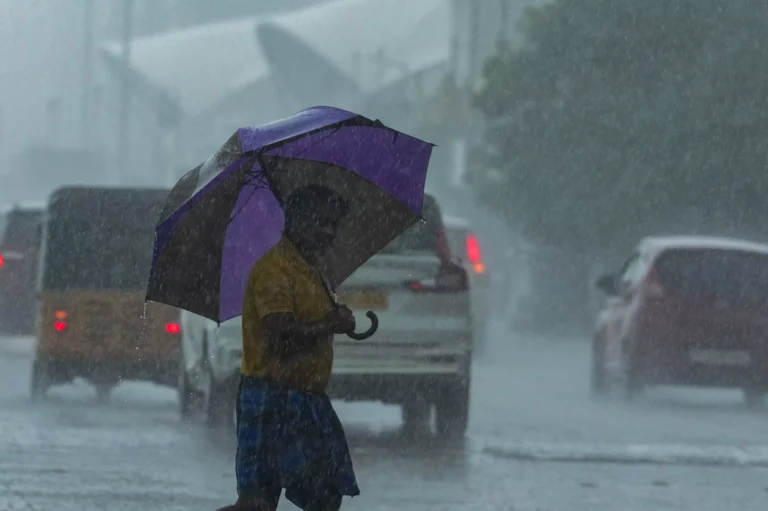
Showers or thundershowers will occur at several places elsewhere during the evening or night. Fairly heavy showers about 75mm are likely at some places in Western, Sabaragamuwa and Central provinces and in Galle and Matara districts.

Showers can occur at some places of the coastal areas in the Western province and in Galle and Matara districts in the morning too.

Misty conditions can be expected in Central, Sabaragamuwa, Southern and Uva provinces during the morning.

Sri Lanka’s Twinery Hits 100 Patents, Leading Global Apparel Tech Innovation

0

Traditionally known for its agriculture and tourism sectors, Sri Lanka has often been overlooked as a technological innovation hub.

However, Twinery, the innovation division of global apparel technology leader MAS Holdings, is challenging this perception by announcing its achievement of securing its 100th utility patent.

As a leading innovation force in Sri Lanka, Twinery unites scientists, engineers, designers, and entrepreneurs to revolutionize the human-textile interface. 

Through collaborative efforts and visionary thinking, Twinery has developed 23 groundbreaking technologies in fields such as Material Science, Chemistry, Electronics, Thermodynamics, and Textile Engineering—transforming the future of fashion and beyond.

“Reaching 100 patents in just 13 years, from filing our first international patent in 2011, is an accomplishment we’re extremely proud of,” said Ranil Vitarana, Chief Innovation Officer and Chief Technology Officer at MAS Holdings. “

This milestone reflects the dedication and hard work of our team and the extensive research and collaboration that have placed us at the forefront of global textile innovation.”

Twinery’s success highlights the capabilities of home-grown talent to create world-class technologies, establishing Sri Lanka as a rising force in technology, apparel, and science.

 These 100 patents, covering 23 original innovations and granted in over 20 regions including the USA, Europe, Japan, and India, represent not only technological milestones but also a pathway to economic growth, sustainability, and the global elevation of Sri Lanka’s role in innovation.

Prof. Ajith de Alwis, Chief Innovation Officer at the National Innovation Agency, commented, “MAS is bringing Sri Lanka to the forefront of global technological innovation, and we hope this milestone will inspire a new generation to pursue careers in science and technology.”

Beyond product innovation, Twinery is committed to developing future talent. Through training programs, internships, global partnerships, and collaborations with universities, Twinery works to equip students with the skills necessary for success in research and development.

MAS emphasized that the achievement of 100 patents is more than a corporate milestone; it underscores Sri Lankan ingenuity and creativity. “As Twinery continues to lead the way in apparel technology, it remains committed to nurturing local talent and invites individuals and organizations to join its innovation journey,” MAS concluded.

Motor traders express concerns on the opening of vehicle market  

0

Recent statements by certain vehicle import groups regarding the opening of Sri Lanka’s vehicle import market have caused significant controversy. 

These groups, making bold claims on national news, have been criticized for influencing market conditions without waiting for official government announcements. 

Virann De Zoysa, Chairman of the Ceylon Motor Traders Association (CMTA), emphasized that such actions disrupt the market and could lead to fluctuating prices for used vehicles. 

He urged accountability for such irresponsible remarks, which he believes could harm both vehicle owners and the industry.

De Zoysa explained that the CMTA advocates for a balanced policy that maximizes government revenue, reduces foreign exchange outflow, and ensures that high-quality vehicles are imported. 

He highlighted concerns over proposals to allow the import of vehicles up to 7 years old, fearing that such vehicles, which would be older than many currently in the country, could require costly repairs.

 He stressed that a more effective approach would involve revising tax policies to make vehicles more affordable without compromising quality.

Meanwhile, Indika Sampath Merinchige, President of the Vehicle Importers Association of Lanka (VIAL), revealed that vehicle importers are prepared to resume imports by February, pending government approval of lifting the personal vehicle import ban.

 Although the new government has yet to confirm the specifics, there is a strong indication that it will follow the framework laid out by the previous administration, which sought to ease restrictions on imports gradually.

Deputy Minister of Economic Development, Anil Jayantha, clarified that the government will allow imports in phases, focusing on commercial vehicles first, based on the country’s foreign exchange reserves. 

He noted that the government is committed to a gradual adjustment, with a phased introduction starting in early 2025, ensuring stability and avoiding market destabilization.

The Governor of the Central Bank of Sri Lanka (CBSL), Nandalal Weerasinghe, echoed the previous administration’s stance, affirming that the financial conditions influencing the decision to lift the ban remain stable. 

While the official timeline for personal vehicle imports is set for February 2025, the final decision will depend on the Ministry of Finance’s assessment of economic conditions.

Additionally, new regulations aim to prevent bulk imports and hoarding by dealers, which could destabilize the market. A tax will be imposed on importers who fail to register vehicles within 90 days, with penalties for unregistered vehicles being sold.

Under the previous government’s import policy, three stages were outlined:

Stage 1 (October 2024): Imports of public transport, special-purpose vehicles, and non-motorized goods vehicles.

Stage 2 (December 2024): Commercial vehicles for goods transportation.

Stage 3 (February 2025): Personal-use vehicles like cars, SUVs, and pickups.

Key conditions of the policy include stricter environmental standards, prioritizing environmentally friendly vehicles and electric vehicles, and setting age limits for imports. 

From October 2024, passenger and commercial vehicles will be restricted to a maximum age of five years, while special-purpose vehicles can be up to ten years old. 

Additionally, an annual licensing system will regulate the market, ensuring contributions to the national tax system.

The evolving vehicle import landscape in Sri Lanka reflects a delicate balancing act between economic recovery, market stability, and consumer needs.

CEB Faces Scrutiny over Power Purchases amid Hydropower Surplus

0

The Public Utilities Commission of Sri Lanka (PUCSL) will announce its final decision on proposed electricity tariff revisions on 17 January 2025. Public consultations will begin on 17 December 2024, allowing citizens to submit feedback on the changes until 8 January 2025. 

On December 06, the Ceylon Electricity Board (CEB) submitted its tariff proposal, which suggested continuing current rates for the next six months. The proposal aims to revise tariffs for the first half of 2025, with the changes expected to take effect from mid-January.

The previous government had suggested quarterly tariff revisions, but under the current administration, revisions have been limited to twice a year. In 2023, there were three tariff hikes, and this year, two adjustments were made.

Amid these developments, concerns have arisen over the CEB’s decision to purchase electricity from private thermal power plants despite the recent heavy rains that filled reservoirs to full capacity, ensuring sufficient hydropower generation.

 The CEB defended this decision, explaining that it was necessary to address sudden changes in the electricity dispatch order.

 Dhanushka Parakramasinghe, the CEB Media Spokesperson, denied any ulterior motives, emphasizing that the move was made to stabilize power supply, not to favor private companies. 

He further explained that hydropower generates about 50% of the country’s electricity, with coal and other sources supplementing the rest. The purchase was made in response to fluctuations in the power dispatch order, ensuring uninterrupted electricity supply.

However, the Technical Engineers and Supervisors Association of the CEB raised concerns about the timing of the purchases. 

The association’s Vice President, Nandana Udayakumara, questioned why power was bought from private thermal plants when hydropower plants and the Norochcholai coal power plant were capable of meeting the demand. 

He pointed out discrepancies in CEB’s operational records, noting that only two-thirds of the Norochcholai plant was operational at the time, and one unit was running at low capacity. 

Udayakumara demanded an investigation into the matter, citing concerns about the decision’s motives, particularly when cheaper and more efficient sources of power were available.

The CEB has pledged to release a video explaining the decision-making process to the public, aiming to clarify its stance and ensure transparency.

U.S. Peace Corps Volunteers Boost Education and Ties with Sri Lanka

0

The United States has reaffirmed its commitment to investing in youth and strengthening its partnership with Sri Lanka. On Thursday, a new group of U.S. Peace Corps Volunteers was sworn in during a ceremony in Colombo, marking the second group of Volunteers to return to Sri Lanka following the program’s relaunch last year.

The U.S. Embassy in Colombo emphasized that this event highlights the growing collaboration between the two nations and their mutual dedication to education and cross-cultural exchange.

The Volunteers, who arrived in September 2024, have undergone 12 weeks of rigorous training in Sinhala or Tamil, Sri Lankan culture, and teaching methodologies. 

Over the next two years, they will serve as English instructors in schools across the Central and Uva provinces. In collaboration with Sri Lankan teachers and school leaders, they aim to enhance English education in rural areas.

During the ceremony, the U.S. Ambassador to Sri Lanka Julie Chung praised the Volunteers for their impressive language skills, adaptability, and commitment. 

The Ambassador noted that the Peace Corps program represents the core of people-to-people diplomacy, reflecting the U.S.’s dedication to empowering youth and strengthening bilateral relations. 

By working closely with Sri Lankan communities, the Volunteers aim to advance education, promote mutual understanding, and build bridges that inspire young people in both countries to create a brighter future.

Nimali Baduraliya, Director of the English & Foreign Languages Department of Sri Lanka’s Ministry of Education, also highlighted the program’s significance. 

She emphasized that the collaboration with the Peace Corps expands English education opportunities for all Sri Lankans and encouraged the Volunteers to embrace the cultural exchange opportunities they encounter.

Additionally, Dr. Nishadh Handunpathirana, the Additional Secretary of the Ministry of Education, participated in the event.

The Peace Corps program has a long-standing history in Sri Lanka, dating back to 1962. Over 500 Volunteers served in sectors like education, health, and agriculture until the program paused in 1998. 

After its official relaunch in 2018, the focus shifted to strengthening English education, particularly in rural schools.

Credit Card Usage in Sri Lanka Slows Down amid Economic Recovery

0

Despite signs of economic recovery in Sri Lanka, credit cardholders have yet to significantly increase their usage, as reflected by sluggish growth in outstanding card balances. 

By October 2024, total outstanding credit card balances reached Rs. 151.29 billion, a marginal increase of Rs. 188 million from September, and only Rs. 80 million higher than at the start of the year.

 This stagnation contrasts with the Rs. 74.3 billion growth in private sector credit during the same month, indicating that higher interest rates may still be discouraging credit card spending.

Interest rates, while easing since mid-2023, remain restrictive for many consumers. However, banks are optimistic about increased spending during November and December, driven by festive and holiday shopping.

 In anticipation, banks are offering a range of shopping promotions to encourage higher usage. Earlier hesitancy among banks to promote credit cards due to economic uncertainties and fluctuating rates has waned, as stability and confidence in borrowers’ repayment capacity have improved.

Consumer sentiment has also shown signs of recovery. Falling commodity prices have enabled consumers to resume spending on goods and services they had previously deferred. This renewed confidence is supported by a gradual rise in the number of active credit cards.

 By October 2024, banks issued 6,653 new cards, bringing the total for the first 10 months to 25,904. As of August 2024, Sri Lanka had 1,928,378 active credit cards, marking a 0.5% increase compared to the previous year.

Data from the second quarter of 2024 further underscores this shift. The total value of credit card transactions reached Rs. 162.6 billion, an 18% increase from the same period in 2023. 

The average transaction value per card rose to Rs. 84,400, reflecting higher spending. However, challenges persist in the form of defaults. 

While the number of defaulted cards decreased by 2.2% year-on-year to 168,978, the value of defaulted transactions climbed to Rs. 20.7 billion, the highest since late 2022.

The country’s broader economic recovery, characterized by reduced inflation and successive cuts in the central bank’s policy rates since June 2023, has bolstered consumer spending and credit market activity. 

While higher interest rates imposed in 2022 to curb hyperinflation previously hindered credit card usage, the recent easing has fostered cautious optimism. 

With a stronger economy and strategic incentives from banks, credit cardholders are expected to engage more actively, especially during the year-end festive season.

Despite these promising trends, meaningful and consistent growth in credit card usage hinges on sustained economic stability and further reductions in borrowing costs.