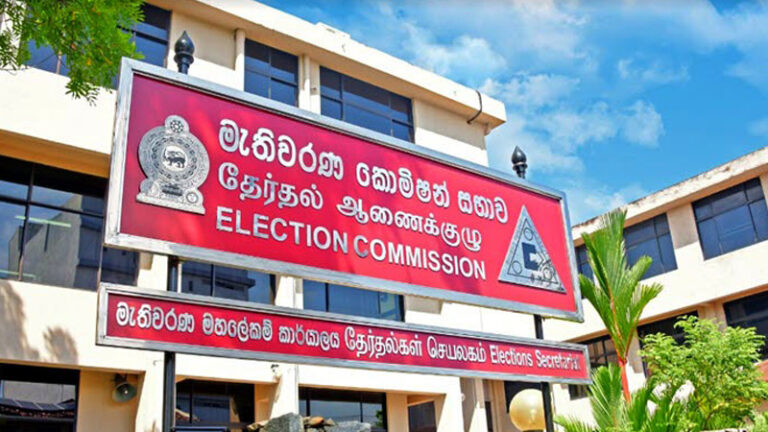
May 25, Colombo (LNW): The list of elected members in the 2025 Local Government Election has been sent to the Government Printer for publication, the Election Commission said.
According to Commission Chief R.M.A.L. Ratnayake, the official gazette in this regard will be printed.
He added that that additional lists from other local authorities will be gazetted in the order in which they are received.
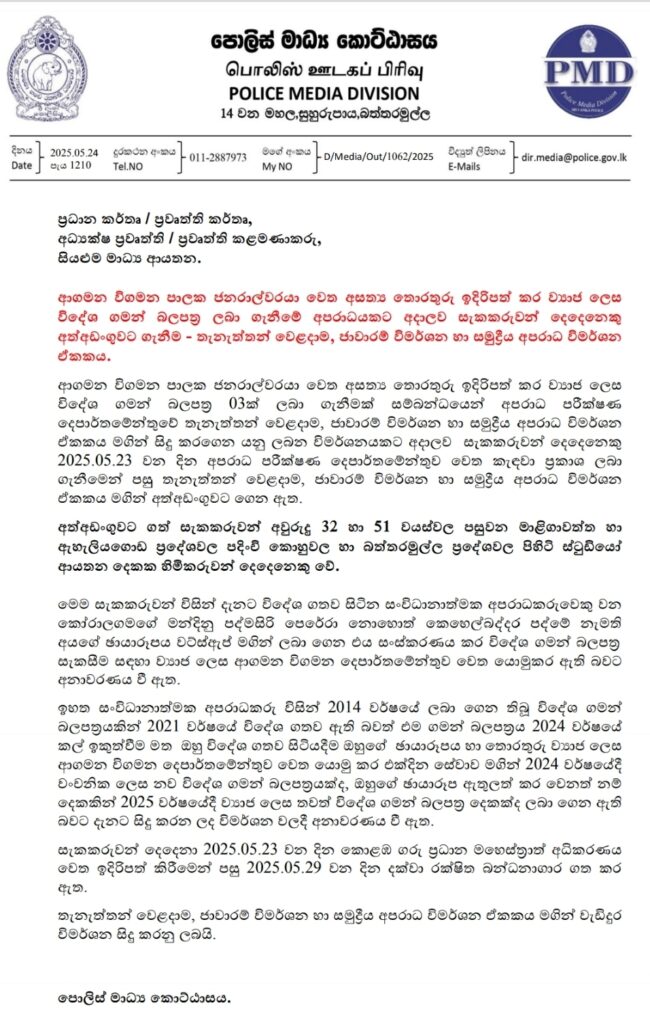
May 25, Colombo (LNW): Two individuals have been taken into custody over their suspected involvement in fabricating multiple forged passports for an internationally wanted figure linked to organised criminal activity.
The arrests are part of a broader investigation by the Criminal Investigation Department’s specialised unit tackling financial fraud, maritime crime and smuggling operations.
The suspects, aged 32 and 51, are residents of Maligawatta and Eheliyagoda respectively. Both operate photo studios in Colombo’s suburbs—one in Kohuwala and the other in Battaramulla. Authorities believe the pair played a key role in helping an individual known as Mandinu Padmasiri Perera, infamously dubbed “Kelehelbaddara Padme”, to acquire fraudulent travel documents while residing overseas.
Investigators revealed that the suspects acquired photographic images of the fugitive through encrypted messaging platforms such as WhatsApp. The images were digitally manipulated before being submitted to the Department of Immigration and Emigration, alongside falsified personal data.
These actions reportedly facilitated the issuance of three separate passports, two of which were issued under fictitious identities in 2025.
The figure at the centre of the case, Padmasiri Perera, originally departed the country in 2021 using a valid passport obtained in 2014. After its expiry, he is believed to have acquired a fresh passport through the one-day express service in early 2024—despite being physically overseas at the time.
Authorities now suspect this was done through deceptive means, with intermediaries submitting forged documents on his behalf.
The two suspects were brought before the Colombo Magistrate’s Court on 23 May and have been ordered into remand custody until May 29. The CID’s specialised unit is continuing its investigation into how such an operation was able to bypass stringent immigration controls, and whether further accomplices, including insiders within official departments, may have aided the scheme.
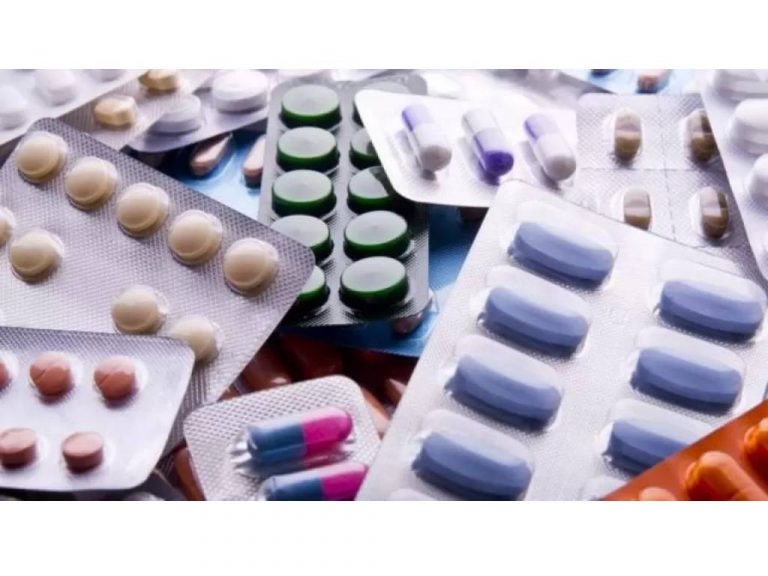
May 25, Colombo (LNW): The country’s ongoing pharmaceutical shortages are being attributed to a series of delayed procurement decisions made last year, a situation the health authorities now admit has had far-reaching consequences.
Speaking at a public engagement in Colombo, Health Minister Dr Nalinda Jayatissa shed light on the complexities behind the shortfall of vital medicines and outlined the remedial steps currently being undertaken.
The problem stems from a significant lapse in planning and execution during 2024, according to the Minister. Despite Sri Lanka’s annual dependence on the importation of hundreds of essential drugs, tender procedures were initiated for only 67 types of medicines in the first half of that year.
This delay has reverberated through the public health system, contributing to a worrying decline in drug availability across hospitals and clinics.
By contrast, he noted that the first five months of 2025 have seen a marked acceleration in procurement efforts. Tender processes have now been initiated for 233 medicinal products, many of which had been long overlooked or delayed in previous cycles.
The State Pharmaceuticals Corporation (SPC), responsible for overseeing drug supply to the public sector, has already finalised procurement for these, indicating a more proactive approach going forward.
Dr Jayatissa provided further insight into the scale of the task, revealing that approximately 65 per cent of medicines used in state-run hospitals are sourced from abroad. He stressed the intricate nature of pharmaceutical logistics, explaining that from planning to delivery, the entire cycle can span nearly nine months due to the need for tendering, quality assurance, and regulatory checks.
Looking ahead to 2026, the Health Minister outlined an ambitious procurement plan. Of the 450 varieties of medicines earmarked for that year, procedures for 435 have already commenced. Procurement has been completed for 418, with 325 currently under final evaluation, signalling significant progress in planning.
In a move to bolster local involvement, the Ministry has engaged in direct consultations with domestic pharmaceutical manufacturers and importers. These discussions included setting clear production and supply targets, with deadlines to ensure accountability.
Companies unable to meet these demands may see the state exploring bilateral arrangements with foreign governments to maintain uninterrupted supply.
Minister Jayatissa acknowledged the public’s frustration with recent shortages but emphasised that the measures now in place represent the most viable strategy for long-term stabilisation of drug availability.
He reaffirmed his Ministry’s commitment to ensuring that citizens have reliable access to safe, high-quality medicines, and called for continued cooperation from all stakeholders in the sector.
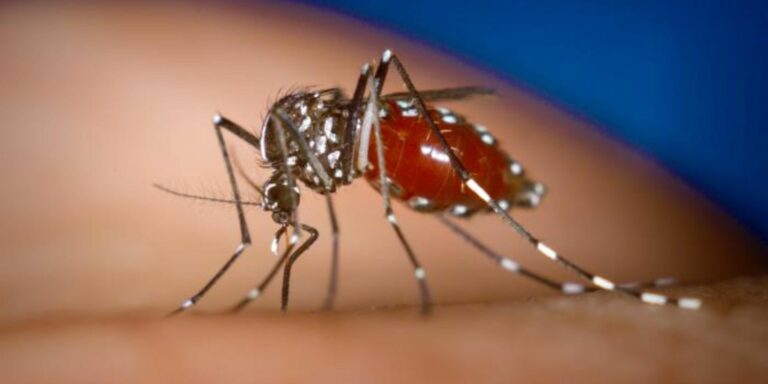
May 25, Colombo (LNW): The steady increase in mosquito-borne illnesses such as dengue and chikungunya is becoming a growing public health concern in Sri Lanka, according to health authorities.
Deputy Minister of Health Dr Hansaka Wijemuni has warned that both diseases are showing an upward trend and are now developing into significant threats to the country’s health landscape.
Addressing the media, Dr Wijemuni urged members of the public to take early symptoms seriously—particularly unexplained fevers—and to seek medical attention without delay.
He emphasised that prompt diagnosis and treatment are essential not only for patient safety but also for controlling the broader spread of these vector-borne illnesses.
Both dengue and chikungunya are spread by the Aedes mosquito and share overlapping symptoms such as fever, rash and joint pain. The health ministry has called on local authorities to intensify vector control measures and for communities to be vigilant in managing breeding grounds such as stagnant water and open containers.
The Deputy Minister also commented on the mounting concerns over drug shortages in public hospitals. Whilst recent reports have cited a shortfall of up to 180 essential medicines, Dr Wijemuni clarified that the actual figure is closer to 45 items currently in limited supply.
He acknowledged the challenges posed by global supply chain disruptions and economic constraints but assured the public that efforts are being made to replenish stocks and minimise impact on patients.
Amidst growing anxiety amongst healthcare professionals and patients, the Ministry of Health is under pressure to respond effectively to both the disease outbreak and the availability of necessary treatments.
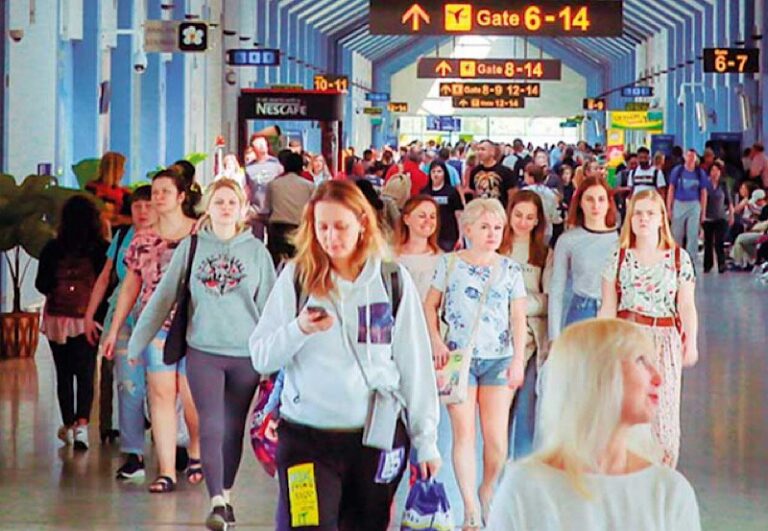
May 25, Colombo (LNW): Sri Lanka has welcomed nearly 92,000 international visitors so far in the month of May, bringing the total number of arrivals in 2025 to just under one million, according to the latest figures published by the Sri Lanka Tourism Development Authority (SLTDA).
The data reveals that 91,785 tourists had entered the country by mid-May, with travellers from India making up the largest contingent. A total of 31,635 Indian nationals arrived during this period, representing approximately 34.5 per cent of all arrivals for the month. This continued dominance by India in the tourism sector reflects the close cultural, regional and travel ties between the two countries.
Visitors from the United Kingdom comprised the second-highest group for May, with 6,195 arrivals, followed closely by 6,043 tourists from China. Germany contributed 5,526 tourists, while 4,693 Bangladeshi nationals were also recorded among the recent influx.
With the addition of May’s figures, the cumulative total of international tourist arrivals in Sri Lanka for 2025 has reached 988,669—placing the country on track to surpass the one-million milestone well ahead of mid-year projections.
India remains the leading source market for the year with a total of 188,694 visitors since January. Russia follows in second place with 109,840 tourists, while the United Kingdom ranks third, contributing 93,248 travellers.
Tourism authorities have welcomed the surge in arrivals, crediting ongoing promotional efforts, improved international air connectivity, and increased regional travel as key factors.
The SLTDA continues to emphasise sustainable tourism practices and infrastructure development to support the growing demand.
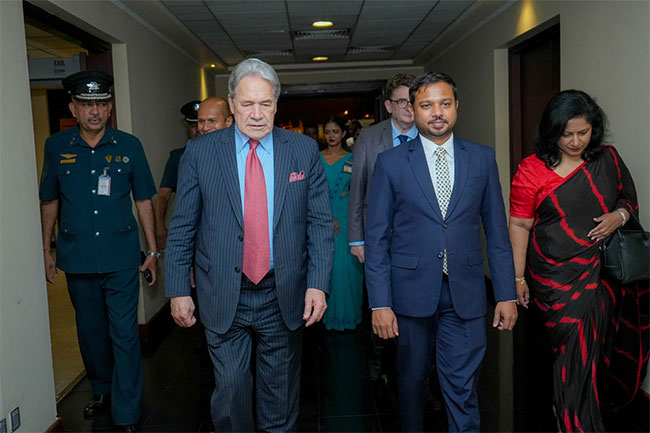
May 25, Colombo (LNW): Winston Peters, New Zealand’s Deputy Prime Minister and Minister of Foreign Affairs, has commenced a multi-day official visit to Sri Lanka, marking the first such diplomatic engagement at this level from New Zealand in over a decade.
He arrived at Bandaranaike International Airport (BIA) late on the evening of May 24, where he was welcomed by Deputy Minister of Foreign Affairs and Foreign Employment, Arun Hemachandra, along with senior diplomatic staff.
During his stay, the New Zealand Deputy Prime Minister is expected to engage in wide-ranging talks with key Sri Lankan leaders, including President Anura Kumara Dissanayake, Prime Minister Dr Harini Amarasuriya, and Foreign Minister Vijitha Herath.
These discussions are anticipated to explore new avenues for cooperation in trade, agriculture, education, and tourism—areas of increasing importance for both nations. Enhancing digital connectivity and fostering closer sporting and cultural exchanges are also on the agenda.
Beyond formal governmental meetings, Peters will participate in several sessions with business representatives and media figures. These engagements are seen as an effort to foster private sector linkages and raise awareness of New Zealand’s foreign policy focus in the Indo-Pacific region, particularly as the global geopolitical landscape shifts.
Following his engagements in Sri Lanka, he is scheduled to continue to India, Nepal, and Australia, in what many interpret as part of New Zealand’s renewed strategic engagement with South Asia and the Indian Ocean region.
Whilst relations between Sri Lanka and New Zealand have historically been cordial, they have often remained low-profile. This visit, however, signals an opportunity to revitalise and elevate the bilateral relationship, aligning it more closely with shared goals such as sustainable development, food security, and educational exchange.
Deputy Prime Minister Peters is expected to conclude his official programme in Sri Lanka on May 28.
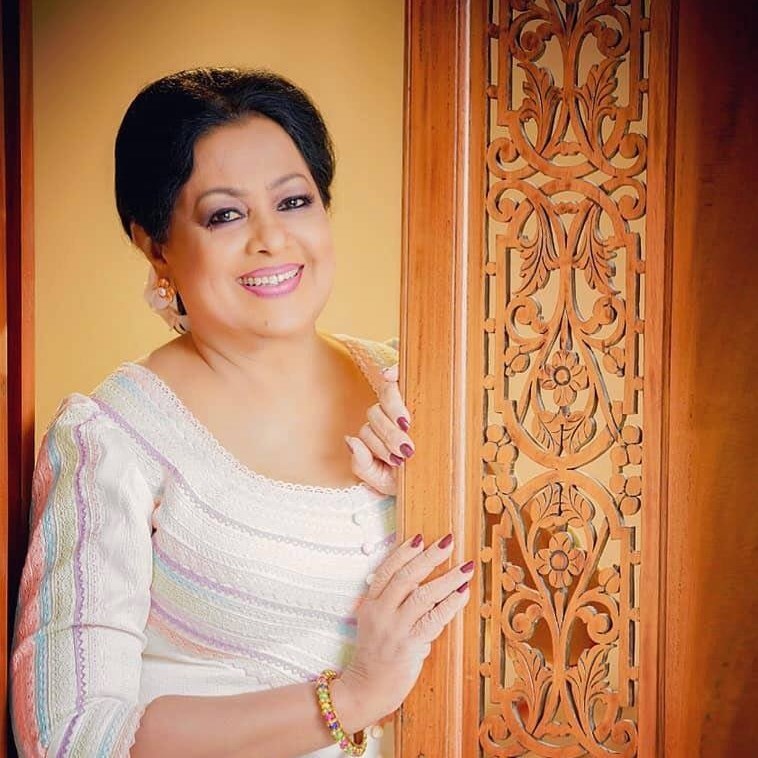
May 25, Colombo (LNW): Sri Lanka’s artistic community and the general public gathered in solemn reverence as the body of iconic actress Malini Fonseka was brought to the National Film Corporation, where it now lies in state at the Tharangani Hall.
Admirers from all walks of life began arriving to pay their final respects to the late star, whose passing marks the end of an era in the nation’s cultural history.
Arrangements have been made for the public to continue offering tributes tomorrow at Independence Square, a site that has often served as a backdrop for historic national moments—fitting for a figure so integral to the country’s cinematic and artistic legacy.
Malini Fonseka, affectionately celebrated as the “Queen of Sinhala Cinema,” passed away yesterday (24) at the age of 78 whilst undergoing treatment at a private hospital in Colombo. Her death has prompted an outpouring of national grief, as well as international condolences from those familiar with her transformative work in South Asian film and television.
In recognition of her unparalleled contribution to the arts, the government will honour her with a full state funeral on Monday (26). The official ceremony will be held in the evening at Independence Square, according to the Ministry of Cultural Affairs. Senior state officials, fellow artists, and foreign dignitaries are expected to attend the solemn occasion.
Born in 1947, Malini Fonseka’s career spanned more than six decades and encompassed over 140 feature films, along with significant roles in stage and television productions. Not only did she captivate audiences with her nuanced performances, but she also broke barriers as Sri Lanka’s first female teledrama director. Her creative vision and quiet resilience helped elevate the standards of the island’s performing arts, earning her widespread recognition and a place in the hearts of generations.
She was not only a star on screen but also served as a parliamentarian, demonstrating her commitment to civic life and the wellbeing of her fellow citizens. Her numerous accolades—ranging from national film awards to international festival honours—only begin to tell the story of a woman who redefined artistic excellence in a rapidly changing cultural landscape.
As Sri Lanka mourns the loss of a beloved national treasure, tributes continue to pour in from every corner of the country and beyond. From seasoned filmmakers to aspiring actors and devoted fans, all remember Malini Fonseka not merely as a performer, but as a guiding force in the evolution of Sri Lankan cinema.
Her final journey, accompanied by state honours, serves as a reminder of the profound impact she made—not just on film, but on the very soul of a nation.
May 25, Colombo (LNW): Showers or thundershowers will occur at times in Western, Sabaragamuwa, North-western and Central provinces and in Galle and Matara districts, the Department of Meteorology said in its daily weather forecast today (25).
Fairly heavy falls above 75 mm are likely at some places in Western and Sabaragamuwa provinces and in Galle, Matara, Nuwara-Eliya and Kandy districts.
A few showers may occur elsewhere.
Strong winds of about (40-50) kmph can be expected at times over Western slopes of the central hills and in Northern, North-central, Western, Southern and North-western provinces and in Trincomalee and Monaragala districts.
Marine Weather:
Condition of Rain: Showers or thundershowers will occur at several places in the sea areas off the coast extending from Puttalam to Hambantota via Colombo and Galle. Showers or thundershowers may occur at a few places over the other sea areas around the island.
Winds: Winds will be south-westerly and wind speed will be (30-40) kmph. Wind speed can increase up to (55-65) kmph at times in the sea areas off the coast extending from Chilaw to Kankasanthurai via Puttalam and Mannar and from Matara to Pottuvil via Hambanthota. Wind speed can increase up to (50-55) kmph at times in the sea areas off the coast extending from Chilaw to Matara via Colombo and from Kankasanthurai to Trincomalee via Mullaittivu.
State of Sea: The sea areas off the coast extending from Chilaw to Kankasanthurai via Puttalam and Mannar and from Matara to Pottuvil via Hambanthota will be rough to very rough at times. The sea areas off the coast extending from Chilaw to Matara via Colombo and from Kankasanthurai to Trincomalee via Mullaittivu will be fairly rough at times.
The wave height may increase (about 2.0 – 3.0 m) in the sea areas off the coast extending from Puttalam to Pottuvil via Colombo, Galle and Hambantota (this is not for land area).
Naval and fishing communities are requested to be vigilant in this regard.
Temporarily strong gusty winds and very rough seas can be expected during thundershowers.
May 24, Colombo (LNW): Wanniarachchige Malini Senehelatha Fonseka, fondly known as Malini Fonseka, was a towering figure in Sri Lanka’s cultural landscape—an iconic actress, revered theatre artist, pioneering director, and politician.
Born on April 30, 1947 in Kelaniya, she rose from modest beginnings to become the “Queen of Sri Lankan Cinema.” Her passing on May 24, 2025, at age 78, marks the end of an era that defined generations of artistic excellence.
Malini’s journey began in the theatre with her 1963 stage debut Noratha Ratha. Her breakthrough came in 1969 when she won Best Actress at the National State Drama Festival. She transitioned to cinema in 1968, debuting in Tissa Liyansooriya’s Punchi Baba, and swiftly rose to prominence with standout performances in films such as Dahasak Sithuwili and Adarawanthayo. By the 1980s, her talent was officially recognised with multiple Sarasaviya Best Actress Awards for Hingana Kolla, Aradhana, and Yasa Isuru.
Across a career spanning over seven decades and more than 140 films, Malini Fonseka became a beloved household name, admired for her emotional range and authenticity. Her cinematic pairings, particularly with Gamini Fonseka, remain amongst the most iconic in Sinhala film history. She also made waves internationally, starring opposite Sivaji Ganesan in the Tamil film Pilot Premnath (1978), and winning a special Jury Award at the 1975 Moscow International Film Festival—making her the first Sri Lankan actress to be so honoured on the global stage.
Born the third of eleven siblings to Gilbert and Seelwathie Fonseka, Malini was part of a deeply artistic family. Several of her siblings and extended relatives have been involved in Sri Lanka’s film and drama industry, including actresses Samanalee and Senali Fonseka, and director Prasanna Vithanage. Her family’s enduring presence in the arts reflects Malini’s legacy not only as a performer but as a matriarchal figure in the country’s cinematic community.
Beyond cinema, Malini made an indelible mark in television. She was a trailblazer as Sri Lanka’s first female teledrama director, debuting with Nirupamala. Her performances in Pitagamkarayo, Kemmura, Ambu Daruwo, and Manalada Puthe Kiri Dunne were widely acclaimed, earning her Sumathi Best Teledrama Actress Awards. Her directorial work on series like Sanasili Suwanda cemented her as a formidable force behind the camera as well.
Not confined to the screen, Malini also ventured into politics. In 2010, recognising her influence and public appeal, she was appointed as a Member of Parliament representing the United People’s Freedom Alliance. Her entry into public service demonstrated her broader commitment to the nation and was a testament to her stature as a cultural ambassador.
Her talents continued to resonate even in later years. In 2024, she delivered a mesmerising performance in the music video Eya Wasanthaya Nowe, alongside rising artist Chapa Jayaruk. Her emotional depth and expressive presence reminded audiences of her timeless appeal, even as she approached the twilight of her career.
Over the years, Malini Fonseka amassed a remarkable collection of awards and honours. Aside from her numerous Sarasaviya, Presidential, and OCIC Awards, she was honoured with the Wishva Prasadhini Award by President Chandrika Kumaratunga in 1996. In 2003, a grand tribute titled Maliniye was held at the BMICH, recognising her four-decade contribution to Sri Lankan cinema. Sri Lankan expatriates in the United States also honoured her in 2008 at a special event hosted by the Consul General in Los Angeles. Most recently, in 2019, she received the Janabhimani Honorary Award.
CNN’s inclusion of Malini Fonseka amongst Asia’s 25 greatest film actors of all time in 2010 was a fitting international recognition for a woman whose artistry transcended borders and languages. Her unique ability to bring profound humanity to her roles made her not only a national treasure but a symbol of South Asian cinematic excellence.
Malini Fonseka’s passing in Colombo, whilst receiving treatment in hospital, leaves an irreplaceable void. But her legacy—etched in celluloid, drama, public service, and the hearts of her people—will endure for generations. Her name will forever evoke elegance, resilience, and a boundless passion for storytelling.
Sri Lanka is on track to meet its ambitious vehicle tax revenue target for 2025, though uncertainties remain. The government aims to collect between Rs. 300–350 billion in revenue from vehicle imports, driven by a resurgence in demand following the relaxation of import restrictions. However, officials and analysts caution that several factors, including fluctuating import volumes, rising vehicle costs, and economic instability, could influence final outcomes.
Fitch Solutions projects that pent-up demand for vehicles, previously suppressed by import bans, will bolster tax revenue in the coming year. The government has introduced steep import duties and surcharges on vehicles, anticipating these measures will contribute significantly to its fiscal goals. Despite this optimism, the high cost of imported vehicles may dampen demand, potentially jeopardizing revenue targets.
Recent figures indicate encouraging signs. Central Bank Governor Dr. Nandalal Weerasinghe revealed that Letters of Credit (LCs) worth USD 450 million have been opened for vehicle imports over the past five months. Approximately USD 200 million worth of vehicles have already arrived, with activity expected to grow steadily over the next three months.
Still, challenges persist. While initial import levels align with government forecasts, there is concern that volumes may not return to pre-ban highs. Economic pressures, including debt servicing obligations, could strain foreign currency reserves, affecting the country’s capacity to sustain import flows.
Additionally, the Committee on Public Finance (CoPF) has raised red flags about potential tax revenue losses stemming from inconsistencies in the taxation of used vehicle imports, particularly low-mileage vehicles. CoPF Chair MP Dr. Harsha de Silva questioned the transparency and fairness of VAT collections by Sri Lanka Customs.
Officials acknowledged variations based on vehicle usage and registration details. In response, the committee called for a detailed report on taxes collected from a sample of used vehicle imports, emphasizing the importance of efficient and equitable tax collection to meet revenue goals.
Meanwhile, the CoPF has approved revisions to the advance account limits for several ministries and departments under the 2024 Appropriation Act. These include budgetary adjustments for anti-corruption efforts, educational publications, and infrastructure needs such as prison industries and railway stores.
With mounting economic pressure and shifting trade dynamics, Sri Lanka’s ability to meet its 2025 vehicle tax target will depend on careful policy execution, transparent taxation, and efficient import management.