May 04, Colombo (LNW): The Intertropical Convergence Zone (where winds from the Northern Hemisphere and Southern Hemisphere converge) further affects the island’s weather, and showers or thundershowers, therefore, will occur at several places in Western, Sabaragamuwa, Central, Southern and Uva provinces after 1.00 p.m., the Department of Meteorology said in its daily weather forecast today (04).
Fairly heavy falls above 50 mm are likely at some places in Sabaragamuwa, Central, Southern and Uva provinces and in Ampara district.
Showers or thundershowers may occur at a few places elsewhere of the island during the afternoon or night.
Showers or thundershowers may occur at a few places in Western province and in Galle and Matara districts in the morning too.
The general public is kindly requested to take adequate precautions to minimise damages caused by temporary localised strong winds and lightning during thundershowers.
Misty conditions can be expected at some places in Central and Uva provinces and in Ampara and Polonnaruwa districts during the morning.
Condition of Rain:
Showers or thundershowers will occur at several places in the sea areasoff the coast extending from Puttalam to Hambantota via Colombo and Galle. Showers or thundershowers will occur at a few places over the other sea areas around the island during the afternoon or night.
Winds:
Winds will be south-westerly and wind speed will be (25-35)kmph. Wind speed can increase up to 45 kmph at times in the sea areas off the coast extending from Puttalam to Kankasanthurai via Mannarand from Matara to Pottuvil via Hambantota.
State of Sea:
The sea areas off the coast extending from Puttalam to Kankasanthurai via Mannar and from Matara to Pottuvil via Hambantota will be fairly rough at times. The other sea areas around the island can beslight to moderate. Temporarily strong gusty winds and very rough seas can be expected during thundershowers.
May 03, World (LNW): In a stunning turn of events, the UK Labour Party has suffered significant losses to Reform UK in the recent elections, signalling a seismic shift in the nation’s political landscape.
Reform UK, under the leadership of Nigel Farage, capitalised on widespread public disillusionment, securing over 600 council seats, multiple mayoralties, and a pivotal parliamentary seat in Runcorn & Helsby—traditionally a Labour stronghold.
Several factors contributed to Labour’s decline. Firstly, the party’s policies on welfare reforms, winter fuel cuts, and national insurance increases alienated many of its traditional working-class supporters.
Ros Jones, Labour’s mayor in Doncaster, narrowly retained her position and openly criticised these policies, reflecting internal dissent within the party.
Secondly, Reform UK’s clear stance on immigration resonated with voters concerned about national security and cultural identity. Farage’s promise to tighten immigration controls and reduce local government spending on climate and diversity initiatives appealed to those feeling left behind by globalisation and rapid social changes.
Moreover, Labour’s perceived detachment from grassroots issues allowed Reform UK to position itself as the voice of the ordinary citizen. Farage’s populist messaging and emphasis on reindustrialising the UK struck a chord with communities yearning for economic revitalisation.
This approach enabled Reform UK to make significant inroads in areas like Lincolnshire and East Yorkshire, traditionally Labour territories.
The electoral system also played a role. The first-past-the-post mechanism disproportionately favoured parties with concentrated support. Whilst Labour secured a parliamentary majority with just 34 per cent of the vote, Reform UK’s 14.3 per cent translated into only five seats, highlighting systemic disparities that may have further eroded public trust in established parties.
Additionally, Labour’s handling of international issues, notably the Israel-Gaza conflict, led to significant losses in constituencies with large Muslim populations. Keir Starmer’s comments on Israel’s actions were met with backlash, resulting in diminished support in areas like Ilford North.
In summary, Labour’s electoral setbacks can be attributed to policy decisions that alienated core supporters, failure to address pressing local concerns, and a political system that magnified public discontent. Reform UK’s rise reflects a broader demand for change, challenging the traditional two-party dominance and reshaping the UK’s political future.
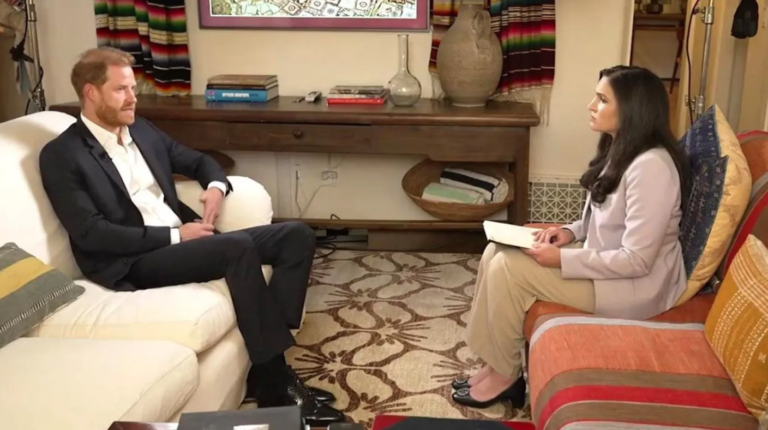
The Duke of Sussex has told the BBC he “would love a reconciliation” with the Royal Family, in an emotional interview in which he said he was “devastated” at losing a legal challenge over his security in the UK.
Prince Harry said the King “won’t speak to me because of this security stuff”, but that he did not want to fight anymore and did “not know how much longer my father has”.
Buckingham Palace said: “All of these issues have been examined repeatedly and meticulously by the courts, with the same conclusion reached on each occasion.”
After Friday’s court ruling, the prince said: “I can’t see a world in which I would bring my wife and children back to the UK at this point.”
“There have been so many disagreements between myself and some of my family,” he added, but had now “forgiven” them.
“I would love reconciliation with my family. There’s no point continuing to fight any more, life is precious,” said Prince Harry, who said the dispute over his security had “always been the sticking point”.
The prince had wanted to overturn changes to his security that were introduced in 2020 as he stepped down as a working royal and moved to the United States.
Saying that he felt “let down”, he described his court defeat as a “good old fashioned establishment stitch up” and blamed the Royal Household for influencing the decision to reduce his security.
Asked whether he had asked the King to intervene in the dispute over security, Prince Harry said: “I never asked him to intervene – I asked him to step out of the way and let the experts do their jobs.”
The prince said his treatment during the process of deciding his security had “uncovered my worst fears”.
He said of the decision: “I’m devastated – not so much as devastated with the loss that I am about the people behind the decision, feeling as though this is okay. Is it a win for them?”
He continued: “I’m sure there are some people out there, probably most likely the people that wish me harm, [who] consider this a huge win.”
Prince Harry said the decision to remove his automatic security entitlement impacts him “every single day”, and has left him in a position where he can only safely return to the UK if invited by the Royal Family – as he would get sufficient security in those circumstances.
The Duke and Duchess of Sussex, pictured in April, have been living in the US since 2020
The prince said changes to his security status in 2020 had impacted not just him, but his wife and, later, his children too.
He went on to say: “Everybody knew that they were putting us at risk in 2020 and they hoped that me knowing that risk would force us to come back.
“But then when you realise that didn’t work, do you not want to keep us safe?
“Whether you’re the government, the Royal Household, whether you’re my dad, my family – despite all of our differences, do you not want to just ensure our safety?”
Asked whether he missed the UK, he added: “I love my country, I always have done, despite what some people in that country have done… and I think that it’s really quite sad that I won’t be able to show my children my homeland.”
Prince Harry said he would not be seeking a further legal challenge, saying Friday’s ruling had “proven that there was no way to win this through the courts”.
“I wish someone had told me that beforehand,” he said, adding that the ruling had been a “surprise”.
He continued: “This, at the heart of it, is a family dispute, and it makes me really, really sad that we’re sitting here today, five years later, where a decision that was made most likely, in fact I know, to keep us under the roof.”
The Court of Appeal dismissed the prince’s case, which hinged on how an official committee made the decision to remove his eligibility for automatic, full-scale protection in line with what other senior royals receive.
On Friday, the court ruled that Prince Harry had made “powerful” arguments about the level of threat he and his family face, but said his “sense of grievance” did not “translate into a legal argument”.
His legal complaint centred around a committee called the Protection of Royalty and Public Figures (Ravec), which authorises security for senior royals on behalf of the Home Office, and was chaired at the time by Sir Richard Mottram.
Under the committee’s regulations, Prince Harry argued, his case should have been put before Ravec’s Risk Management Board (RMB), which would have assessed the threats to his and family’s security – but that did not happen.
On Friday, senior judges said the committee had diverged from policy when making its 2020 decision over the prince’s security, but concluded it had been “sensible” to do so because of the complexity of his circumstances.
Prince Harry spoke to BBC News in California following Friday’s Court of Appeal ruling in the UK
Prince Harry said his “jaw hit the floor” when he found out a representative of the Royal Household sat on the Ravec committee, and claimed Friday’s ruling had proved its decision-making process was more influenced by the Royal Household than by legal constraints.
He claimed there had been “interference” by the Royal Household in the 2020 decision, which he said resulted in his status as the most at-risk royal being downgraded to the least at risk “overnight”.
“So one does question how that is even possible and also the motive behind that at the time,” he added.
Prince Harry called on UK Prime Minister Sir Keir Starmer and Home Secretary Yvette Cooper to intervene in his security case, and to overhaul how the Ravec committee operates.
In a statement released later on Friday, the prince said he would write to Cooper to “ask her to urgently examine the matter and review the Ravec process”.
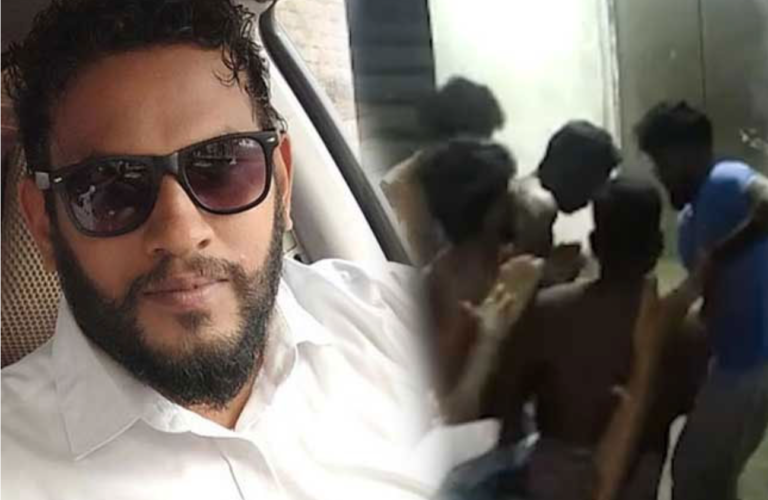
The suspect believed to be the gunman in the murder of political activist Dan Priyasad has been arrested by police in the Cinnamon Gardens area of Colombo.
Dan Priyasad, the convenor of the “Nawa Sinhale National Movement,” was shot on the evening of Tuesday, April 22, at the ‘Laksanda Sevana’ Housing Complex in Wellampitiya. He was rushed to the Colombo National Hospital with gunshot wounds but succumbed to his injuries shortly after admission.
According to reports, Priyasad was shot four times—twice in the chest and twice in the shoulder. Another individual who sustained minor injuries during the shooting is currently receiving treatment at hospital.
The attack was carried out by two individuals on a motorcycle who used a pistol to fire multiple shots before fleeing the scene. Investigations into the motive and any broader connections behind the shooting are ongoing.
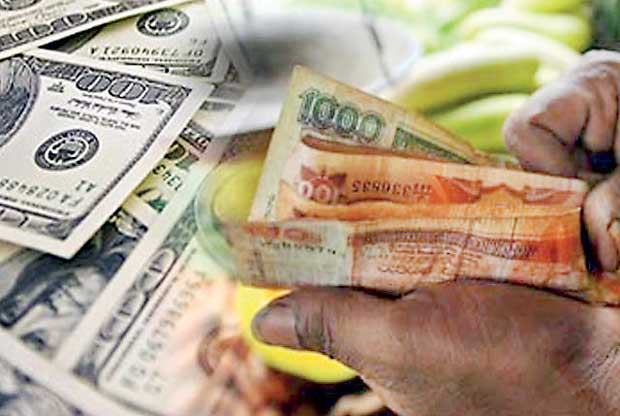
Sri Lanka’s external sector surged ahead in March 2025, delivering its highest-ever monthly current account surplus since the Central Bank began compiling such statistics in January 2023. The US$ 459 million surplus marks the third consecutive month of positive balances, offering a promising outlook for the island’s fragile economic recovery.
At the heart of this success was a record US$ 693 million in workers’ remittances, as overseas Sri Lankans sent home more money than ever before for the month of March. Improved global labor mobility, favourable exchange rates, and better formal remittance systems contributed to this significant spike.
Meanwhile, tourism earnings rose to US$ 354 million, up from US$ 338 million a year ago. With renewed destination marketing, visa relaxations, and improved global perception, Sri Lanka continues to strengthen its tourism rebound—vital for employment and foreign exchange stability.
“This performance reflects the resilience of core inflow channels and growing investor confidence,” a senior Central Bank official stated.
However, not all indicators pointed upward. The merchandise trade deficit widened to US$ 396 million, though it marked a slight improvement from February’s US$ 411.3 million. The terms of trade improved marginally, as global import prices declined faster than exports. Export and import volumes both grew, suggesting rising economic activity.
On the financial front, foreign investment in government securities posted a net inflow of US$ 49 million, while the Colombo Stock Exchange (CSE) saw a minor net outflow of US$ 6 million, reflecting cautious optimism among international investors.
Crucially, Sri Lanka’s gross official reserves rose to US$ 6.5 billion, driven by the fourth IMF tranche under the Extended Fund Facility (EFF) and Central Bank FX purchases totaling US$ 402 million. These developments enhance the country’s financial buffer and support debt repayment commitments.
Despite the positive inflow momentum, the Sri Lankan rupee depreciated by 2.3% against the US dollar as of April 2025. Analysts warn this remains a vulnerability, particularly amid global dollar strength and import-linked currency pressures.
Bottom Line:
Sri Lanka’s March 2025 performance marks a turning point in its post-crisis recovery. While remittances and tourism shine, sustained policy focus is needed to manage trade deficits, bolster investor confidence, and maintain currency stability.
Visa-free entry, premium packages, and wellness focus Position Island as top GCC destination
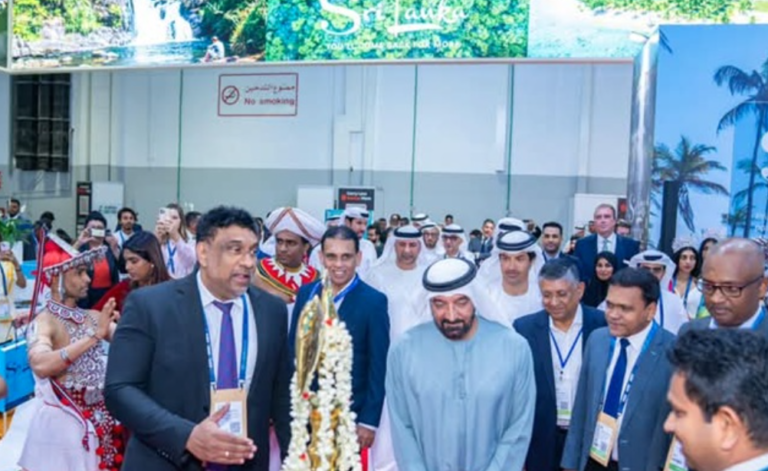
Sri Lanka is set to experience a major boost in tourist arrivals from the Gulf Cooperation Council (GCC) and wider Middle East markets following its impactful presence at the Arabian Travel Market (ATM) 2025 in Dubai. With a focus on community-based experiences, wellness retreats, and luxury hospitality, the Sri Lanka Tourism Promotion Bureau (SLTPB) presented a refreshed vision aimed at positioning the island as a premier travel destination for discerning global travellers.
During a press conference held on the sidelines of the event, SLTPB Managing Director Sampath Nishshanka emphasised the country’s unique offering: “Sri Lanka is not just a destination—it is an experience shaped by warmth, culture, and meaningful connections. We take pride in our heritage and genuine hospitality. At ATM 2025, we invite the world to rediscover Sri Lanka with fresh eyes and open hearts.”
SLTPB highlighted several strategic initiatives, including collaborations with GCC-based airlines and travel agencies to improve connectivity and promote curated travel experiences tailored to regional tastes. Visa-free entry for GCC nationals, direct flights, and exclusive luxury packages have further enhanced the island’s appeal among Middle Eastern travellers.
The Sri Lanka Pavilion at ATM 2025 showcased a diverse group of co-exhibitors ranging from boutique hotels and wellness retreats to destination management companies (DMCs). These stakeholders expressed strong interest in forging regional partnerships, particularly with travel professionals catering to family holidays, spiritual journeys, and adventure tourism—segments that align with growing summer travel trends in the Middle East.
Infrastructure upgrades, new hospitality offerings, and enhanced digital marketing efforts are central to Sri Lanka’s evolving tourism strategy. The SLTPB also spotlighted its efforts to strengthen media and trade engagement through authentic storytelling and campaigns that build trust and highlight Sri Lanka’s safe, culturally rich, and nature-filled experiences.
Positioned as a halal-friendly destination, Sri Lanka continues to attract travellers from the GCC with its year-round tropical climate, luxurious resorts, and diverse landscapes—from golden beaches to misty mountains. The island’s commitment to inclusive, sustainable tourism ensures that both high-end and experience-driven travellers find compelling reasons to explore its many offerings.
By actively engaging at ATM 2025, Sri Lanka signals its intent to deepen ties with Middle Eastern markets and pave the way for a robust, sustainable recovery in its tourism sector, which remains a vital pillar of the nation’s economy.
The International Monetary Fund (IMF) has called on Sri Lanka to expedite its state-owned enterprise (SOE) reforms, stressing that progress is essential for stabilizing the economy. The push comes amid delays following the recent shift in government policy, which reversed the previous administration’s privatization plans.
Evan Papageorgiou, the IMF’s new Mission Chief for Sri Lanka, highlighted the need for quicker action, particularly concerning major state entities like SriLankan Airlines, the Ceylon Petroleum Corporation (CPC), and the Ceylon Electricity Board (CEB). These entities have long posted heavy losses, contributing significantly to the country’s fiscal crisis and its 2022 sovereign debt default.
“There is a way forward, and we want to see more progress,” Papageorgiou said during a virtual media briefing on Tuesday (April 29), held to discuss the Staff-Level Agreement on the Fourth Review under the IMF’s Extended Fund Facility (EFF) for Sri Lanka.
The previous administration under Ranil Wickremesinghe had advanced plans to reduce state involvement in certain commercial enterprises. However, the new government led by President Anura Kumara Dissanayake has halted such efforts, citing the party’s anti-privatization stance. The divestment process of SriLankan Airlines was paused, with the government pledging to introduce alternative reforms instead.
As part of its response, the Cabinet has appointed a committee to review a draft of the proposed “State Commercial Enterprises Management Bill,” aimed at insulating SOE boards from political interference and ensuring appointments of qualified professionals.
Despite the slowdown in divestment, Papageorgiou acknowledged some encouraging signs. “We understand that a strategic plan is being prepared to restore SriLankan Airlines’ operational viability and address legacy debt,” he said. The government has allocated Rs. 20 billion in the 2025 budget for the airline’s debt, and a financial advisor has been engaged to help restructure its international bonds.
Still, Papageorgiou emphasized the need to accelerate reform efforts. “These are all steps in the right direction, but they need to pick up pace,” he noted.
He stressed the importance of improving SOE transparency and financial management, pointing to ongoing IMF efforts to mandate timely publication of financial statements for the 52 largest SOEs. Additionally, he underscored the need to implement cost-recovery pricing and limit foreign currency borrowing by non-financial SOEs to avoid further fiscal risk.
“These reforms are crucial to reduce fiscal burdens on the state and ensure taxpayers are not left subsidizing inefficiencies,” Papageorgiou said. He added that SOEs must operate efficiently and transparently, free from corruption, and provide quality services to the public in a financially sustainable manner.
Sri Lanka’s world-renowned gem and jewellery industry, a centuries-old sector central to the nation’s economy and cultural identity, is under serious threat from a proposed reciprocal tariff by the United States. Industry leaders have voiced alarm over the potential fallout, warning that the tariff hike could severely disrupt exports, reduce competitiveness, and endanger the livelihoods of over 600,000 people directly and indirectly employed across the value chain.
The United States currently sources around 10% of its gemstones from Sri Lanka, either directly or via key intermediary trade hubs such as Thailand, Hong Kong, Dubai, and Switzerland. This longstanding trade relationship has nurtured mutual economic growth, while helping preserve a rich tradition of craftsmanship and entrepreneurship rooted in Sri Lanka’s gem-producing heritage.
However, industry sources now warn that the proposed US tariffs could reverse decades of progress. By making Sri Lankan gems and jewellery more expensive in the American market, the new duties would reduce export volumes, squeeze margins for small and medium-sized enterprises (SMEs), and trigger job losses across sectors—from mining and cutting to trading, designing, and exporting.
“This could have devastating consequences for families already burdened by economic challenges and recovering from the pandemic,” one source noted. The industry fears that the social and economic ripple effects of a tariff would extend far beyond business losses, threatening the very fabric of communities dependent on the gem trade.
Moreover, the tariff risks fracturing a bilateral relationship built on trust, quality, and mutual economic benefit. Sri Lanka’s gemstone sector has long been prized globally for its quality and diversity, contributing significantly to the US jewellery market. Industry leaders stress that maintaining duty-free or preferential access is crucial—not only for preserving local livelihoods but also to meet American consumer demand for authentic, ethically sourced gems.
Given the seriousness of the threat, Sri Lanka’s gem and jewellery sector is calling on the government to engage in urgent diplomatic dialogue with the US administration and relevant trade bodies. The goal: to seek the removal or reconsideration of the proposed tariff.
“Preserving this vital trade link is not just about economic survival—it’s about upholding fair trade, protecting heritage, and ensuring international cooperation endures in uncertain times,” industry representatives emphasized.
As Sri Lanka navigates a fragile post-pandemic recovery, the outcome of this trade dispute could have lasting repercussions on one of its most iconic and economically vital industries.
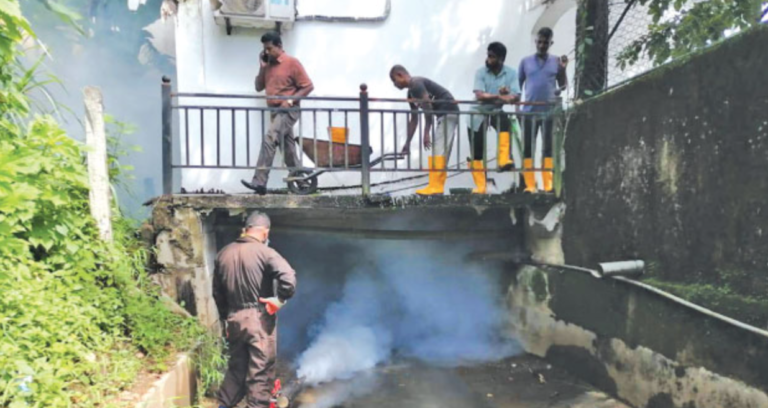
The Sabaragamuwa Provincial Health Services Office has initiated legal proceedings against 28 identified dengue breeding sites within the Ratnapura Municipal Council area, according to Dr. Kapila Kannangara, Director of Provincial Health Services.
In addition to these legal measures, red notices have been issued to 135 other locations deemed vulnerable to dengue mosquito breeding. Dr. Kannangara highlighted that as of January 2025, the Ratnapura District has recorded approximately 1,700 dengue cases, with around 515 of them reported specifically from the Ratnapura Municipal Council area.
Among those affected, 199 staff members of the Ratnapura Teaching Hospital have contracted the disease, further emphasizing the seriousness of the outbreak. The health sector is actively conducting inspections across a wide range of premises including schools, religious sites, government and private institutions, roads, and private properties deemed suspicious within the municipality.
The ongoing dengue eradication programme, led by the Sabaragamuwa Provincial Health Services Office under the Provincial Council, is being supported by the Sri Lanka Army to strengthen monitoring and control efforts.
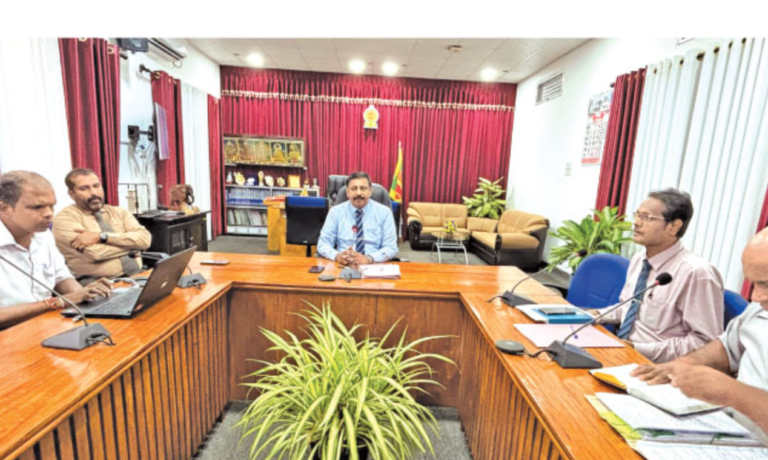
The Ministry of Foreign Affairs, Foreign Employment and Tourism has allocated Rs. 131.20 million for tourism development initiatives in the Jaffna District for 2025. This funding was the main focus of a recent review meeting held at the Jaffna District Secretariat, chaired by Government Agent M. Piiratheepan.
The meeting assessed progress and planning for key projects intended to revitalise several of Jaffna’s significant tourist attractions. Among the priority sites were Casuarina Beach in Karainagar, various islands in the Kayts Division, and the culturally rich coastal zones of Tellippalai.
Casuarina Beach, one of the most popular coastal destinations in the Northern Province, is slated for major enhancements. It was agreed that on-site inspections in collaboration with relevant departments would guide the utilisation of the allocated funds, with the aim of transforming the beach into a fully-equipped, accessible, and tourist-friendly location.
Island tourism was also a central topic, with particular focus on the renovation of key boat piers. The Puliyanthivu pier in Analaitivu and the Kannaki Amman pier in Kayts will undergo improvements to boost transport connectivity to the islands. Additionally, the Kayts pier area will receive landscaping upgrades including tree planting and seating facilities, designed to improve the overall visitor experience.
In Tellippalai, attention was drawn to Keerimalai Beach, a site of cultural and religious significance to the Tamil community. Following a request by the Government Agent, Rs. 35 million was allocated for the removal of coastal rocks that obstruct traditional Hindu rituals for the deceased. This project will also include infrastructure improvements to ensure better access and visitor amenities.
The Kankesanthurai beach, which hosts a children’s park currently damaged by sea erosion, was also reviewed, with plans for immediate restoration being discussed.
GA Piiratheepan stressed the importance of completing all development work within the planned timeframe and urged all departments to implement sustainable maintenance strategies to ensure long-term success of the projects.
The meeting was also attended by Additional Government Agent (Land) K. Shrimohanan, Planning Director E. Surendranathan, Chief Engineer K. Thirukumar, Divisional Secretaries from Tellippalai, Karainagar, and Kayts, as well as local council secretaries and tourism officials.