The National Credit Guarantee Institution Limited (NCGIL) has launched a landmark initiative aimed at enhancing access to finance for Sri Lanka’s Micro, Small, and Medium Enterprises (MSMEs). This national-level programme, operated in partnership with the Government of Sri Lanka (GOSL) and leading financial institutions, marks the first of its kind in the country.
The initiative encourages Participatory Financial Institutions (PFIs) to issue loans to MSMEs based on the viability of business cash flows rather than traditional collateral-based lending. NCGIL provides guarantee cover to these shareholder Financial Institutions (SFIs) to mitigate their credit risk, enabling more flexible and inclusive financing for the MSME sector — widely regarded as the backbone of the country’s economy.
NCGIL began operations in January and has already issued its first set of guarantees to three financial institutions to partially cover loans granted to three MSMEs. Thirteen PFIs, including eight commercial banks, two specialized banks, and three licensed finance companies, are involved in the programme. These include People’s Bank, Bank of Ceylon, Regional Development Bank, Commercial Bank, Hatton National Bank, Sampath Bank, Seylan Bank, National Development Bank, Nations Trust Bank, Sanasa Development Bank, LB Finance, Central Finance, and Citizens Development Business Finance.
The programme is supported by a USD 50 million long-term fund provided by the Asian Development Bank (ADB), which accounts for 90% of NCGIL’s capital. The remaining 10%, amounting to USD 5.375 million, is invested by the 13 financial institutions.
Eligible MSMEs — defined as businesses with annual turnover under Rs. 1 billion — can now apply for term loans ranging from Rs. 500,000 to Rs. 25 million for capital expenditure or permanent working capital needs. Financial institutions participating in the programme can request a credit guarantee from NCGIL to cover up to 67% of the approved principal loan amount.
This initiative is expected to significantly improve credit accessibility for MSMEs and drive entrepreneurship and economic growth across Sri Lanka.
The Intertropical Convergence Zone (where winds from the Northern Hemisphere and Southern Hemisphere converge) further affects the island’s weather.
Showers or thundershowers will occur at several places in Western, Sabaragamuwa, Central, Southern, Uva, Eastern and North-central provinces after 1.00 p.m.
Fairly heavy falls about 75 mm are likely at some places in Western, Sabaragamuwa, Central, Southern and Uva provinces.
Showers or thundershowers may occur at a few places elsewhere of the island during the afternoon or night.
Showers or thundershowers may occur in Western and Southern provinces and in Puttalam and Mannar districts in the morning too.
The general public is kindly requested to take adequate precautions to minimize damages caused by temporary localized strong winds and lightning during thundershowers.
Misty conditions can be expected at some places in Central and Uva provinces and in Ampara and Polonnaruwa districts during the morning.
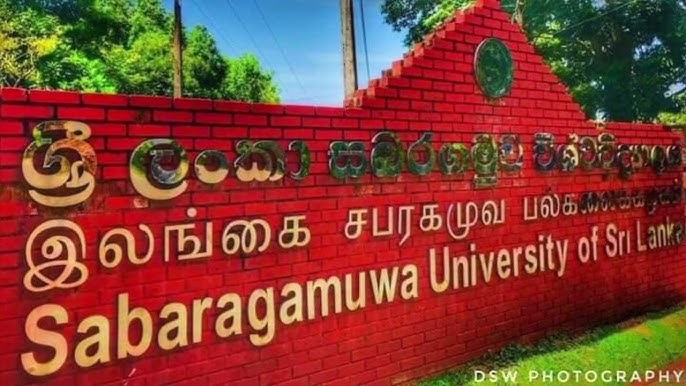
May 02, Colombo (LNW): Sabaragamuwa University has initiated a formal internal inquiry following the sudden and deeply troubling death of a 23-year-old undergraduate, Charith Dilshan, a second-year student enrolled in the Department of Engineering Technology.
The incident, which has sent shockwaves through the academic community, has raised serious concerns over the possible involvement of hazing practices.
The university’s administration has constituted a special three-member investigative committee, led by Senior Professor A.A.Y. Amarasinghe. Professor Kapila Rathnayaka and legal expert Attorney-at-Law Y.S. Chandrasekara have also been appointed to the panel.
Their mandate is to carry out a comprehensive review of the circumstances surrounding the student’s death and to submit their findings at the earliest opportunity.
In a statement issued by Vice-Chancellor Professor Sunil Shantha, the university expressed its deep sorrow over the loss and affirmed its commitment to uncovering the truth behind the incident.
The administration has pledged to support the inquiry with full transparency and seriousness.
The tragic event has stirred further concern after a fellow student lodged a formal complaint with the Samanalawewa Police, claiming that the deceased had endured ragging—an entrenched form of bullying and harassment often reported in Sri Lankan universities.
According to the complaint, Dilshan may have succumbed to psychological pressure stemming from such treatment, leading to his decision to take his own life by hanging.
Initial reports suggest that Dilshan, known amongst peers as a quiet and dedicated student, had shown signs of emotional distress in the days leading up to his death.
The allegation of ragging being a contributing factor has brought renewed scrutiny to campus safety and student welfare, reigniting the national debate on the persistent issue of institutionalised abuse in higher education.
Authorities have yet to release further details regarding the ongoing police investigation, but both criminal and administrative inquiries are expected to proceed in parallel.
The university has called upon students and staff to cooperate fully with investigators and has assured the community that necessary action will be taken based on the committee’s recommendations.
The case has also prompted broader calls for reform, with student groups and civil society organisations urging a crackdown on ragging culture and the introduction of more effective mental health support systems on campus.
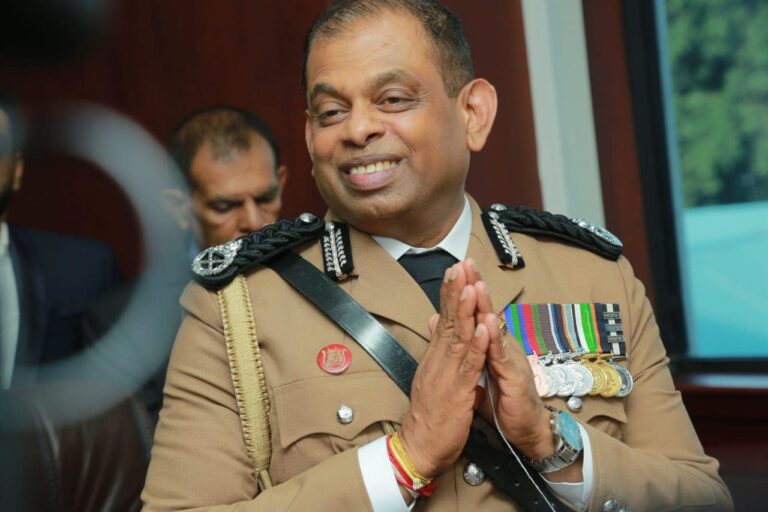
May 02, Colombo (LNW): The suspended Inspector General of Police (IGP) Deshabandu Tennakoon has formally requested state protection following alleged death threats linked to powerful underworld figures, reigniting national debate on the legal entitlements of individuals facing legal proceedings. The development has prompted a broader discussion on whether individuals under suspension, arrest, or bail are entitled to personal protection under Sri Lankan law when facing credible threats to their lives.
Tennakoon, who has been suspended over serious allegations and is currently out on bail, submitted a written request for protection to Acting IGP Priyantha Weerasuriya on May 1. The appeal cites intelligence reports pointing to threats from organized crime syndicates, including fugitive underworld leader “Kanjipani Imran,” believed to be orchestrating criminal activities from overseas.
Authorities have confirmed that a formal threat assessment is currently being conducted. If a credible risk is established, appropriate security measures are expected to be reinstated.
Legal Framework: Protection Regardless of Legal Status
Despite Tennakoon’s suspension and ongoing investigations, legal experts emphasize that Sri Lankan law does not disqualify individuals from state protection solely based on their legal status. According to the Assistance to and Protection of Victims of Crime and Witnesses Act, No. 4 of 2015, individuals who are threatened due to their involvement in legal processes as witnesses, complainants, or even accused are entitled to protective measures.
Senior Attorney-at-Law Dinesh Abeywickrama stated, “The right to life and protection from harm is fundamental. Whether someone is a suspended official, under bail, or even convicted, if there is a verified threat, the state is obligated to act.”
This provision is supported by Article 11 and Article 12 of the Constitution of Sri Lanka, which guarantee equality before the law and protection from cruel, inhuman, or degrading treatment or punishment.
A closely related case involves Matara Deputy Inspector General of Police (DIG) Nishantha Soysa, who also sought protection after allegedly receiving threats subsequent to testifying in the investigation against Tennakoon.
The Matara Magistrate’s Court ordered security for DIG Soysa, acknowledging the legitimacy of the threats and reinforcing the judiciary’s willingness to safeguard individuals regardless of their current role or status.
Investigations and Legal Oversight
The Criminal Investigation Department (CID) has launched an official probe into the threats made against Tennakoon. With judicial approval, statements will be recorded from two suspects currently held at Boossa High Security Prison.
Meanwhile, a Committee of Inquiry (CoI) led by Supreme Court Justice Preethi Padman Surasena continues to examine the allegations against Tennakoon, supported by high-ranking legal and police officials.
The CoI is scheduled to convene again this week in Parliament and has prioritized Tennakoon’s case due to its complexity and public interest.
Government Response and Political Implications
Minister of Public Security Ananda Wijepala confirmed that Tennakoon’s security was withdrawn following his suspension and while he was reportedly evading arrest. However, he added that any formal appeal for protection would be reviewed in line with existing legal protocols.
“Security arrangements are based on current threat levels, not on past positions,” the minister said. “If there is a real threat, we will ensure the necessary measures are taken, regardless of the individual’s legal standing.”
Balancing Justice and Safety
As the investigation unfolds, the case underscores a critical issue in Sri Lanka’s legal and law enforcement landscape: the challenge of balancing judicial accountability with the state’s duty to protect life.
Legal observers stress that if threats are credible, the state’s duty to protect life must override concerns about the individual’s legal or public standing.
Whether Deshabandu Tennakoon’s request results in renewed protection will depend on the findings of the ongoing threat assessment. But the broader legal and ethical implications of this case are already reverberating through the judicial, political, and law enforcement systems.
As the investigation deepens and the CoI proceeds, authorities now face the dual challenge of pursuing justice while ensuring that no person,accused or otherwise is left unprotected in the face of real danger.
May 02, Colombo (LNW): Sri Lanka is set to conduct its first Economic Census in over a decade, a long-overdue move that is expected to reshape the country’s economic policy framework. The Cabinet of Ministers has approved the census to be held in two stages—focusing on agricultural activities in 2025, followed by a comprehensive survey of non-agricultural sectors in 2026.
This initiative marks a pivotal step in addressing Sri Lanka’s urgent need for reliable, up-to-date economic data. The last census, conducted in 2013/14, preceded a series of profound national and global disruptions, including the 2019 Easter bombings, the COVID-19 pandemic, and the unprecedented 2022 sovereign debt default. These events have significantly altered the country’s socio-economic fabric, rendering existing data obsolete and inadequate for policy formulation.
The economic fallout from these crises highlighted the dangers of policymaking in the dark. Without current data, policymakers struggled to identify vulnerable populations, accurately assess employment patterns, or target fiscal support where it was needed most. In this context, the new census promises a much-needed empirical foundation for Sri Lanka’s recovery, reform, and long-term development.
The first phase of the census will zero in on agriculture—a sector employing approximately 25% of the national workforce but plagued by inefficiencies, climate-related vulnerabilities, and inconsistent access to inputs like fertiliser. Timely and granular data can enable targeted reforms in food security, water management, rural income protection, and climate adaptation—areas where one-size-fits-all policies have historically failed.
The 2026 phase will cover the services and industrial sectors, which have emerged as engines of post-crisis recovery, particularly tourism, manufacturing, and IT. However, the high prevalence of informal employment—estimated by the International Labour Organisation at 60%—continues to challenge tax revenue collection, labour market regulation, and social protection systems.
Here, the census could provide critical insights into the structure and distribution of informal work—especially in urban and semi-urban areas—helping authorities design policies that incentivise formalisation, protect workers, and expand the country’s narrow tax base. This could also aid labour reforms aimed at increasing productivity while ensuring basic rights.
Another major benefit is the potential to capture data on emerging sectors and under-reported economic activities—like gig work, digital freelancing, and micro-enterprises—that traditional surveys often overlook. These sectors may not be large in current GDP terms, but they are vital to employment and future growth.
The timing of the census is also strategic, as Sri Lanka implements a reform program supported by the International Monetary Fund (IMF). The insights from the census can be aligned with IMF-backed fiscal targets, allowing for more balanced and equitable policy choices. For example, understanding regional income disparities could inform decentralised budgeting or targeted subsidies.
Crucially, this census must be more than just a data-gathering exercise—it must lead to action. Accurate statistics are essential, but if they are not swiftly translated into responsive, evidence-based policies, the effort risks becoming another missed opportunity in the country’s long road to recovery.
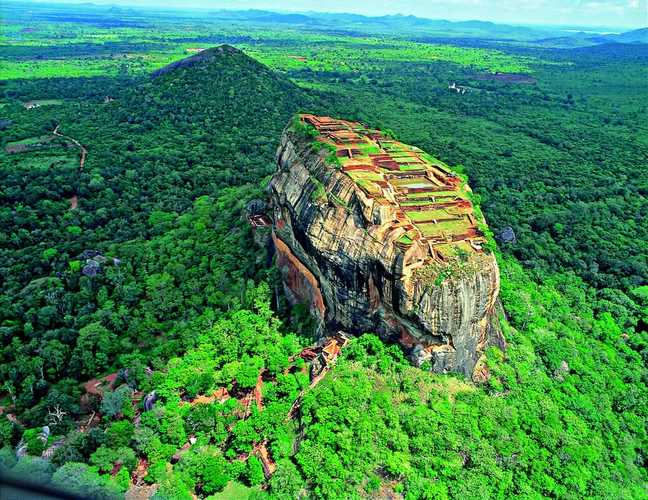
May 02, Colombo (LNW): UNESCO site faces ecological crisis as illegal excavation continues near ancient fortress Sigiriya, the iconic ancient rock fortress nestled in Sri Lanka’s Cultural Triangle, has earned global acclaim as the world’s most welcoming city for 2025, according to Booking.com.
However, this internationally celebrated heritage site now faces a mounting ecological threat: illegal gravel mining within its protected sanctuary.
This historic marvel, constructed in the 5th century by King Kashyapa, is not only a symbol of Sri Lanka’s architectural and engineering brilliance but also a UNESCO World Heritage Site.
Towering over the surrounding jungle, Sigiriya offers breathtaking views and cultural significance that attracts visitors from around the globe. Yet, the serenity of this national treasure is now being shattered by unchecked mining activity.
The Organisation for the Protection of Sigiriya has raised the alarm over the destructive gravel excavation taking place within the sanctuary.
According to its president, Lionel Gunasekara, massive deforestation and deep excavation have already scarred the landscape, all occurring dangerously close to the Department of Wildlife Conservation’s own office. “This destruction has been ongoing for far too long,” Gunasekara lamented. “Despite repeated complaints, the authorities have done nothing.”
Satellite imagery has confirmed illegal activity, a senior wildlife official admitted, revealing that a group of racketeers had been operating without departmental approval. However, there remains uncertainty about who granted these individuals access in the first place.
S.S. Malinda, the Officer in Charge of the Sigiriya Wildlife Conservation Office, stated that his department had issued no permits for such mining operations. “I have not yet identified the individuals responsible, but we will investigate and initiate legal action,” he promised.
Gunasekara, a veteran in the tourism industry since the 1970s, emphasized the absurdity of the situation. “People aren’t allowed to dig toilet pits here due to archaeological laws—so how is large-scale gravel mining happening unchecked?” he questioned.
He has vowed to escalate the issue at the next District Development Committee meeting, calling on both the Department of Wildlife Conservation and the Department of Archaeology to disclose who authorized the destruction.
With Sigiriya gaining global recognition for its hospitality and historical significance, conservationists warn that immediate intervention is critical to protect its fragile ecosystem and cultural integrity. Without urgent action, Sri Lanka risks losing not only a treasured heritage site but also the trust of a global community that values its preservation.
Will the voices of Sigiriya’s protectors finally be heard before it’s too late?
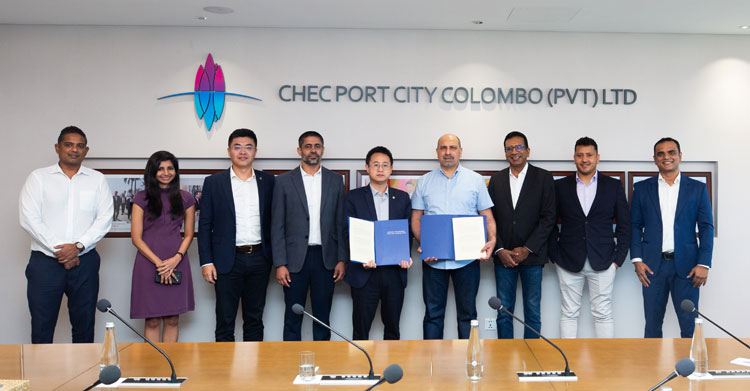
May 02, Colombo (LNW): In a significant boost to Sri Lanka’s ambition of becoming a regional technology hub, IGT 1 Outsourcing Lanka Ltd. (IGT 1 Lanka) has officially joined the Business Centre at Port City Colombo as a new office tenant. A subsidiary of IGT Holding I Sweden AB and sister company to IFS Sri Lanka, IGT 1 Lanka’s expansion underlines the continued confidence of international tech investors in the country’s growing IT sector.
The agreement marks a major milestone in IGT 1 Lanka’s operations, reinforcing its commitment to long-term growth in Sri Lanka. The company, which benefits from the global backing of private equity giants EQT, Hg, and TA Associates, plans to utilize Port City Colombo’s state-of-the-art infrastructure to further scale its services and enhance productivity.
Having already made a mark through IFS’s 27-year presence in Sri Lanka, with over 3,000 tech professionals, IGT 1 Lanka’s move to Port City Colombo adds further momentum to this legacy. By 2027, the company aims to create at least 1,000 direct employment opportunities at its new location, with an initial headcount of approximately 500 employees spread across two leased office buildings in the Business Centre.
As an Authorised Person (AP) under the Colombo Port City Economic Commission, IGT 1 Lanka becomes one of the pioneering global IT firms to operate within the Special Economic Zone of Port City Colombo. The move is expected to accelerate innovation, encourage knowledge sharing, and drive advancements in cutting-edge technologies such as generative AI.
CHEC Port City Colombo Ltd. Managing Director Xiong Hongfeng hailed the partnership, stating: “This instrumental collaboration with IGT 1 Lanka positions Port City Colombo as a next-generation business environment aligned with global technological trends. It supports the growth of a competitive digital economy and contributes to Sri Lanka’s long-term economic development.”
Echoing similar sentiments, IGT 1 Chief Digital and Information Officer and Managing Director of IGT 1 Lanka, Sal Laher, said the company had achieved several key milestones since registering as a Port City entity. These include serving international clients across the Americas and Europe, and building a team of 370 professionals in just nine months. “Signing for two office buildings today marks another major step in our growth strategy and reaffirms our commitment to Sri Lanka,” he noted.
Port City Colombo, operating under a Public-Private Partnership model, reiterated its commitment to facilitating strategic investments and ensuring smooth and efficient regulatory processes in collaboration with both public and private sector stakeholders.
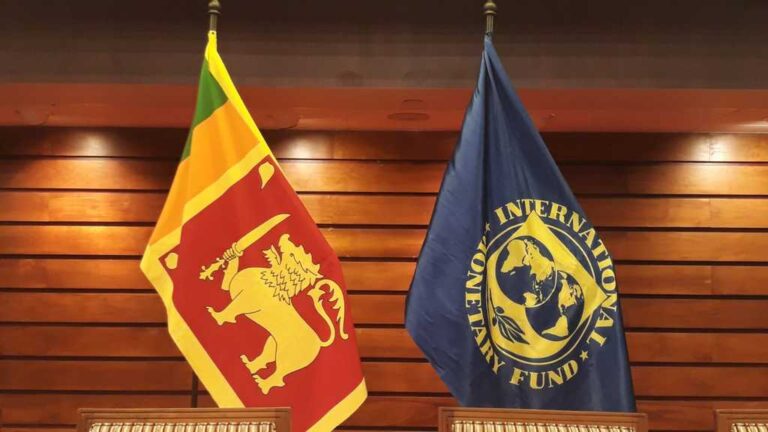
May 02, Colombo (LNW): In April 2025, Sri Lanka reached a crucial staff-level agreement with the International Monetary Fund (IMF) for the Fourth Review of its Extended Fund Facility (EFF) program.
If approved by the IMF Executive Board, the agreement will release around US$344 million in financial support, adding to the US$1.72 billion already disbursed under the program since its inception in March 2023 Mission Chief Evan Papageorgiou said..
The IMF acknowledged that Sri Lanka’s overall performance under the EFF is strong. Notably, the economy rebounded with an impressive 5% growth in 2024, and public revenue rose significantly, with the revenue-to-GDP ratio improving from 8.2% in 2022 to 13.5% in 2024.
This surge is due to extensive reforms in revenue mobilization. In addition, foreign reserves climbed to US$6.5 billion by March 2025, aided by effective central bank interventions. These developments indicate that Sri Lanka is steadily moving out of its post-crisis slump through ambitious fiscal and structural reforms.
However, challenges persist. Approval of the next tranche hinges on two critical prior actions: restoring cost-reflective electr, he disclosed.
While a tariff hike is expected, it has yet to be implemented by the Ceylon Electricity Board (CEB), contributing to ongoing financial losses that burden national debt. IMF officials, while respecting the independence of local regulatory authorities, are urging prompt action to prevent further fiscal damage.
Additionally, Sri Lanka faces external threats. Uncertainty in global trade policy—especially the looming risk of U.S. tariffs on Sri Lankan exports—could undermine economic recovery. The Sri Lankan government has engaged U.S. trade officials in discussions to mitigate tensions arising from a trade surplus.
The IMF supports these diplomatic efforts and encourages continued dialogue to reduce trade friction and secure export stability, he added. .
Debt restructuring is nearing completion, and multilateral partners’ financing assurances are also under review. This marks a vital step toward long-term debt sustainability and investor confidence.
Sri Lanka’s progress reflects effective crisis management and a strong commitment to structural reform. The rebound in growth and fiscal stability is promising, yet the government’s ability to follow through with politically sensitive reforms—such as utility pricing—will determine whether this recovery is sustainable.
Furthermore, maintaining constructive international trade relationships, especially with key partners like the U.S., is essential to buffer against external shocks. While the IMF’s continued support boosts investor confidence, the need for urgent action on domestic reforms cannot be overstated. The current path offers hope, but only if Sri Lanka can balance reform momentum with socio-political stability.
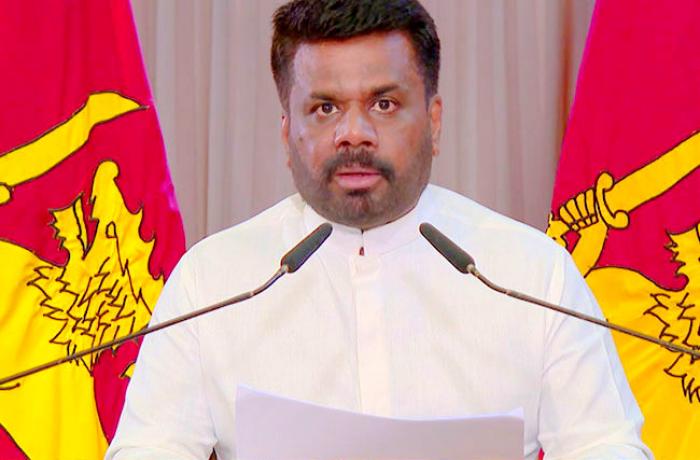
May 02, Colombo (LNW): Sri Lankan President Anura Kumara Dissanayake is set to embark on an official visit to Vietnam from May 04 to 06, 2025, at the invitation of Vietnamese President Luong Cuong.
The visit, which coincides with the 55th anniversary of formal diplomatic relations between the two nations, is expected to deepen political, cultural, and economic cooperation.
During the visit, President Dissanayake will participate as the Guest of Honour at the United Nations Day of Vesak celebrations to be held in Ho Chi Minh City. His keynote address at the international gathering is anticipated to reflect Sri Lanka’s deep-rooted Buddhist heritage and its contemporary commitment to peacebuilding and regional harmony.
In addition to his participation in religious observances, the President’s schedule includes high-level bilateral talks with Vietnam’s head of state and government, as well as with senior members of the Vietnamese Communist Party.
Discussions are expected to cover a broad agenda, including economic collaboration, trade facilitation, and mutual support in regional forums.
The visit will also include the signing of a series of cooperative agreements and memoranda of understanding spanning multiple sectors, including tourism, labour exchange, and vocational training.
Economic diplomacy will be a key component of the agenda, with both countries looking to encourage greater business-to-business linkages and investment flows. Engagements with the Vietnamese business community are planned to encourage partnerships aligned with Sri Lanka’s post-crisis recovery strategy.
Accompanying the President on this diplomatic mission will be Foreign Minister Vijitha Herath, alongside senior officials from relevant ministries. The delegation is expected to play a pivotal role in finalising agreements and laying the groundwork for future bilateral initiatives.
May 02, Colombo (LNW): Former Inspector General of Police (IGP) Deshabandu Tennakoon, who is currently under suspension, has appealed for personal protection following alleged threats to his life by organised crime networks.
The request, lodged in writing yesterday (01), was addressed to Acting Inspector General Priyantha Weerasuriya.
The appeal by Tennakoon, who is facing multiple controversies and legal challenges, comes against the backdrop of fresh intelligence pointing to threats from underworld operatives, including the fugitive gang leader known as “Kanjipani Imran”.
Imran is suspected to be coordinating criminal activity from abroad and is believed to have issued explicit threats against the suspended officer.
Tennakoon, who previously spearheaded several high-profile operations targeting narcotics traffickers and criminal syndicates, now finds himself exposed following the complete revocation of his official security. His vulnerability is reportedly heightened by the backlash from groups disrupted by his aggressive policing tactics during his tenure.
Security officials have confirmed that a threat assessment is currently underway to determine the severity of the risk. If authorities verify a credible threat, reinstatement of security measures is expected.
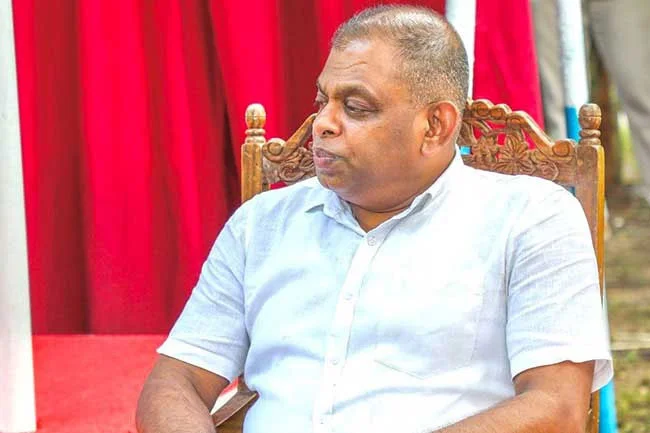
Public Security Minister Ananda Wijepala, in remarks made to the reporters, confirmed that Tennakoon’s security was withdrawn after his suspension and during a period in which he had avoided arrest.
Nevertheless, Wijepala stated that any formal plea for renewed protection would be reviewed according to established protocol.
In a related development, the Criminal Investigation Department (CID) has commenced a formal probe into the reported threats. The Colombo Fort Magistrate’s Court was recently informed that detectives are actively investigating these claims, with judicial approval granted to question two suspects currently held at Boossa High Security Prison.