Home Blog Page 563

President AKD celebrates 56th birthday

0

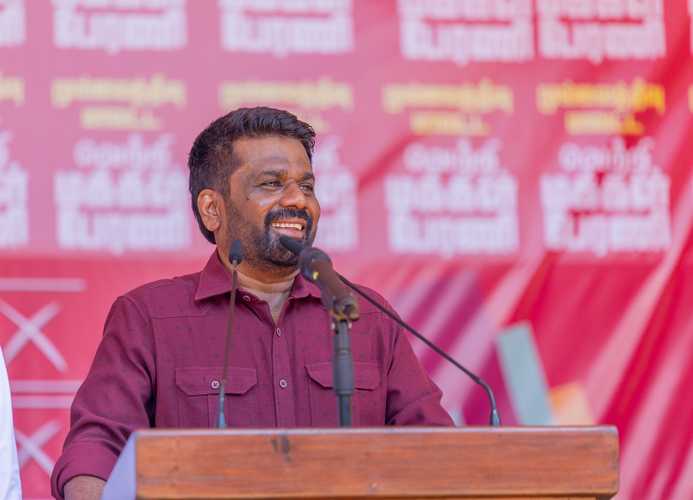
November 24, Colombo (LNW): Today (24) marks the 56th birthday of Anura Kumara Dissanayake, the 9th Executive President of Sri Lanka, who has built a distinguished career in politics spanning several decades.

Born in 1968, President Dissanayake has been an influential figure in shaping the country’s political landscape.

Early in life, Dissanayake’s academic journey began at Thambuttegama Primary School before he moved on to Thambuttegama Central College, where he excelled in the Mathematics stream at the Advanced Level examinations.

In 1992, he pursued higher education at the University of Kelaniya, enrolling in the Faculty of Science, where he earned a Bachelor of Science degree in 1995.

It was during his university years that Dissanayake’s political consciousness took shape.

In 1987, he became involved with the Socialist Students’ Union and soon emerged as a prominent activist, particularly during the nationwide protests against the Indo-Lanka Accord.

His early involvement in these movements set the stage for his future in politics.

Dissanayake’s political career gained momentum in 1993 when the Janatha Vimukthi Peramuna (JVP), the party that had been suppressed during a period of state repression, began to re-establish itself.

Dissanayake quickly became an integral part of the JVP, assuming the role of National Organiser of the Socialist Students’ Union in 1997.

That same year, he was elected to the JVP Central Committee, and by 1998, he had joined the party’s Politburo.

In 1999, he made his first significant step into electoral politics by running for the Provincial Council elections as the JVP’s Chief Ministerial candidate for the Central Province.

His parliamentary debut came in 2000 when he was elected through the national list.

Dissanayake’s influence within Sri Lankan politics continued to grow. In the 2004 parliamentary elections, he won the highest number of preferential votes in the Kurunegala District and was appointed as the Minister of Agriculture, Lands, Irrigation, and Livestock under the United People’s Freedom Alliance (UPFA) government.

His leadership abilities were further recognised when he was elected Leader of the Parliamentary Group of the JVP in 2008. He continued to serve in Parliament after 2010 through the National List and represented the Colombo District in 2015.

In 2014, Dissanayake was elected as the leader of the JVP during the party’s 7th National Convention, marking a new phase in his leadership role. In the following years, he played a pivotal role in the formation of the National People’s Power (NPP) in 2019, a coalition that brought together various political parties, civil organisations, and activists with the aim of reforming Sri Lanka’s political system.

This initiative further cemented Dissanayake’s reputation as a key political figure advocating for change.

The culmination of his long and dynamic political journey came in September 2024 when he was elected as the President of Sri Lanka. This historic victory was a significant moment not only for Dissanayake but for the political trajectory of the country, as he emerged as a prominent voice for progressive change and national unity.

CAA launches special raids to protect shoppers during Festive Season

0

By: Isuru Parakrama

November 24, Colombo (LNW): In a bid to ensure that consumers are not exploited during the upcoming festive season, the Consumer Affairs Authority (CAA) has announced a nationwide series of targeted raids starting December 15.

This initiative aims to safeguard the interests of shoppers by cracking down on unfair trade practices and preventing the sale of substandard or expired products.

As revealed by CAA Director Asela Bandara, the inspection programme will cover a wide range of retail sectors, including wholesale markets, warehouses, and stores.

The primary focus will be on preventing the circulation of expired goods, which have been a consistent issue in some sectors, especially around peak shopping times like the festive season.

The CAA is determined to ensure that consumers are not deceived into purchasing products that are no longer safe or suitable for use.

The raids will not be limited to food and beverage outlets but will also include stores selling clothing, electronics, and other essential items.

The CAA will ensure that all outlets, including those offering seasonal discounts and promotions, adhere to established consumer protection regulations.

This is especially important as many vendors ramp up sales with heavy advertising and attractive promotions during the festive period.

There will be a particular focus on mobile vendors, pop-up stalls, and shops hosting large seasonal sales events, which often attract large crowds but can also be venues for dishonest practices.

The CAA has made it clear that this enforcement effort is aimed at maintaining high standards across the retail industry and protecting consumers from falling victim to misleading promotions, defective products, or unsafe goods.

Authorities will be inspecting items to ensure that they meet the necessary quality standards and have not been tampered with or mislabelled.

For shoppers who encounter problems such as expired items, false advertising, or poor-quality goods, the CAA encourages them to report any issues through its dedicated hotline at 1977.

This hotline will serve as a quick and accessible way for consumers to voice complaints and seek assistance if they believe their rights have been violated.

The CAA asserted that they are determined to uphold consumer rights and ensure that everyone can enjoy a safe and worry-free shopping experience during this festive period.

Sri Lanka Original Narrative Summary: 24/11

0
  1. President Anura Kumara Dissanayake, born in 1968, celebrates his 56th birthday today (Nov 24): A prominent figure in Sri Lankan politics, he began his education at Thambuttegama Central College and later earned a degree from the University of Kelaniya: Dissanayake’s political career, marked by his leadership in the JVP and the formation of the National People’s Power, culminated in his election as Sri Lanka’s 9th President in 2024.
  2. Nearly 30 former MPs are still occupying official residences, despite being instructed to vacate for newly elected parliamentarians: While some are removing belongings, many have yet to leave: The government has warned of service cuts if they don’t comply: Renovations for new MPs are underway, with handover set for December 3. Meanwhile, the Madiwela Housing Complex is in high demand.
  3. Experts have raised concerns about the legitimacy of the Adani Group’s $442 million wind power project in Sri Lanka, following fraud charges against its chairman in the U.S.: urge the government to scrutinise the deal, which has faced allegations of corruption and lack of transparency: Despite opposition, the project continued under ex-President Wickremesinghe’s administration, while environmental and legal challenges persist: Current President Dissanayake’s administration is urged to reconsider.
  4. Minister Vijitha Herath confirmed that Sri Lanka’s local government elections will be held in early 2025, despite delays caused by unforeseen challenges such as candidate deaths, defections, and political shifts: The government is preparing for elections for Pradeshiya Sabhas and Urban Councils and considering amendments to the Local Government Election Act: Consultations with political parties will ensure smooth implementation.
  5. A new public-private partnership in Sri Lanka’s Sabaragamuwa Province aims to add 300 megawatts of solar power to the national grid: Launched on November 19, the project involves installing solar panels on state-owned buildings like schools and hospitals: Funded by Gala Green Energy Holdings at a cost of $200 million, the initiative promotes renewable energy and sustainability while contributing to the country’s climate goals.
  6. The Commission to Investigate Allegations of Bribery or Corruption (CIABOC) has arrested 73 individuals, including 21 law enforcement officers, over the past ten months for bribery-related offences: Among those detained were a Chief Police Inspector, several police officers, and 24 civilians, including Grama Niladhari officers and a school principal: CIABOC reaffirmed its commitment to combating corruption in Sri Lanka’s public service.
  7. The Ministry of Justice and National Integration, in collaboration with USAID, provided technological tools to strengthen national unity and religious harmony in Sri Lanka: On November 22, 61 laptops and communication equipment were distributed to National Integration Officers: This initiative, part of the USAID-funded SCORE project, aims to improve social cohesion and community engagement, with official documents exchanged at the event.
  8. The Consumer Affairs Authority (CAA) will conduct special raids starting December 15 to protect consumers during the festive season: Inspections will target wholesale outlets, warehouses, retail shops, and vendors selling clothing, electronics, and essential goods to prevent the circulation of expired products and unfair trade practices: Consumers can report issues via the CAA’s hotline at 1977.
  9. The excavation near the Central Expressway construction site in Veyangoda, initiated on November 21, concluded on November 23 without uncovering any treasure or significant archaeological items: The search, prompted by a court order following the arrest of nine individuals attempting to unearth valuables, involved multiple authorities but yielded no findings of historical or cultural value, despite efforts to break through a large obstructing stone.
  10. Newly appointed Deputy Sports Minister Sugath Tillekaratne, a former Olympian, said he aims to elevate Sri Lanka’s sports, from grassroots to international levels: emphasised the importance of building a healthy society and growing the sports economy, with a focus on developing athletes and improving facilities: stressed collaboration with sports bodies and officials to produce talented athletes and achieve national success.

Pro-LGBTers now hold power in Parliament: How long do they need to decriminalise same-sex relations in Sri Lanka?

0

By: Isuru Parakrama

November 24, Colombo (LNW): Sri Lanka stands at a crossroads in its journey toward equality, justice, and human rights. With the recent election of a progressive new president and a parliament populated by many political figures who have long advocated for the rights of the LGBTQIA+ community, there is now a unique opportunity to address a deeply entrenched injustice: the criminalisation of consensual same-sex sexual relations between adults. 

For decades, these laws have been used as a tool of persecution, stripping LGBTQIA+ individuals of their dignity, rights, and basic freedoms. It is time for Sri Lanka to right this wrong and decriminalise same-sex relations, a step that will not only protect the rights of LGBTQIA+ people but also strengthen the country’s commitment to human rights, equality, and justice for all.

Amongst elected key political figures who have been strong advocates for LGBTQIA+ rights are:

  • Prime Minister Dr. Harini Amarasuriya, who has been an active voice for LGBTQIA+ rights on and off the House,
  • Samagi Jana Balawegaya (SJB) Leader and Leader of the Opposition MP Sajith Premadasa,
  • SJB MP Rohini Kaviratne, who has been an active voice for LGBTQIA+ rights on and off the House,
  • SJB MP Dr. Harsha De Silva,
  • SJB MP Harshana Rajakaruna,
  • National Peoples Power (NPP) MP Wasantha Samarasinghe, who currently serves as the Minister of Trade, Commerce, Food Security and Cooperative Development,
  • NPP MP Eranga Gunasekara, who currently serves as the Deputy Minister of Youth Affairs,
  • United National Party (UNP) MP Jeevan Thondaman, whose support for LGBTQIA+ people comes in an intersectional approach with the rights of the plantation community,
  • Sarvajana Balaya (SB) Leader MP Dilith Jayaweera, who categorically expressed support for LGBTQIA+ persons before entering politics
  • Illankai Tamil Arasu Kachchi (ITAK) MP Shanakiyan Rasamanickam
  • NPP MP Bimal Ratnayake, who currently serves as the Minister of Transport, Highways, Ports and Civil Aviation and Leader of the House of Parliament,
  • NPP MP Attorney Harshana Nanayakkara, who currently serves as the Minister of Justice and is known to have provided legal support for LGBTQIA+ people,
  • NPP MP K.D. Lal Kantha, who currently serves as the Minister of Agriculture, Lands, Irrigation and Livestock,
  • NPP MP Dr. Kaushalya Ariyaratne, who has been vocal about LGBTQIA+ rights as a civil activist long before entering politics, and
  • President Anura Kumara Dissanayake himself, the first leader of a political party to officially recognise LGBTQIA+ rights in Sri Lanka’s political history.

Their presence is a beacon of hope for the LGBTQIA+ community in Sri Lanka. 

These leaders, who have long been outspoken advocates for LGBTQIA+ rights, now have the platform and power to effect real change. Their presence in parliament offers a unique opportunity to quash traditional and conservative ideologies, push forward progressive politics instead and begin the much-needed process of reform. 

It is time for them to make good on their promises and take concrete steps to decriminalise same-sex relationships, a crucial aspect of securing fundamental rights for all Sri Lankans, irrespective of their sexual orientation or gender identity.

For decades, Sri Lanka has criminalised same-sex relations between consenting adults under Sections 365 and 365A of the Penal Code. These laws, which date back to colonial times, are interpreted to categorise consensual same-sex sexual activities between adults as “unnatural offences” and conduct of “gross indecency”, punishable by up to ten years in prison, despite failing to provide what unnatural or gross indecency means, or add provisions defining sexual orientation or gender identity. 

The vague nature of these provisions paved the way for legal experts to argue that homosexuality in itself is not a crime. Nevertheless, these laws have served as a convenient tool for discrimination, harassment, and violence against LGBTQIA+ individuals, particularly gay people and transgender people. It has allowed law enforcement, politicians, and members of society to stigmatise and marginalise the LGBTQIA+ community, denying them basic human rights, such as the right to privacy, bodily autonomy, and freedom from discrimination.

The harm caused by this criminalisation is immeasurable. It has led to widespread societal discrimination, hate crimes, and mental health challenges, with LGBTQIA+ individuals being forced to live in fear of arrest, public shaming, and social exclusion. Many members of the community are forced to conceal their identities and live in the shadows, suffering in silence due to the fear of legal repercussions and societal rejection. 

These laws have, for far too long, placed the lives of LGBTQIA+ people at risk, simply for loving whom they choose. This situation is unacceptable, particularly in a country that aspires to be a beacon of justice and human rights in the region.

In 2023, the Supreme Court delivered a historic determination affecting this population, asserting that a bill proposing decriminalisation of consensual same-sex sexual relations between adults does not violate the Constitution, and, therefore, can be made into law by the approval of the simple majority in Parliament. The response came countering the fundamental rights (FR) petitions brought forward by certain political groups against a private member’s bill presented by former MP Premnath Dolawatta proposing decriminalisation of consensual same-sex relations.

The Attorney General’s Department on four consecutive occasions (2014, 2017, 2019 and most recently, 2022) asserted before the United Nations that the provisions of Article 12 of the Constitution do recognise LGBTQIA+ rights, and any law criminalising them, therefore, would be unconstitutional.

With the new pro-LGBTQIA+ government now in power, it must act in the interest of the public and shall not forget that 1.5 million people of the population have recognised themselves within the LGBTQIA+ spectrum and are registered voters.

The decriminalisation of consensual same-sex relations is a crucial step in ensuring that LGBTQIA+ individuals are treated with dignity and respect. It is also essential for upholding Sri Lanka’s obligaton to international human rights treaties, including the Universal Declaration of Human Rights, which guarantees the right to privacy and non-discrimination. 

Decriminalisation would send a clear message to the world that Sri Lanka is committed to embracing diversity and creating a more inclusive society, where all individuals, regardless of their sexual orientation or gender identity, are free to live openly and without fear of persecution.

Despite the probability of certain opposition factions from conservative and religious groups being vocal against the move, history has shown that progress often requires challenging outdated and harmful beliefs. With the Supreme Court’s backing and a regime – which has been outspoken for queer rights for years – now in power, the move is only a step away.

Just as Sri Lanka has made significant strides in advancing women’s rights, minority rights, and freedom of expression, it is time for the country to take the next step towards equality by recognising that love, in all its forms, is not a crime. 

The newly elected members of parliament, particularly those who have long championed the rights of LGBTQIA+ individuals, must now demonstrate their commitment to justice by prioritising the decriminalisation of same-sex sexual relations. This is a moment for bold leadership and decisive action. They now have the power to change the lives of countless LGBTQIA+ individuals who have lived in fear for too long. 

It is time for Sri Lanka to join the ranks of nations that respect and protect the rights of LGBTQIA+ citizens.

Related Stories:

New technology and equipment distributed to boost national integration efforts in SL

0

By: Isuru Parakrama

November 24, Colombo (LNW): In a bid to strengthen national unity, religious harmony, and reconciliation, the Ministry of Justice and National Integration, in collaboration with the United States Agency for International Development (USAID), has provided technological and communication tools to National Integration Officers.

The distribution took place on November 22 at the National Integration Division office in Rajagiriya, with the ceremony graced by Justice and National Integration Minister, Attorney Harshana Nanayakkara, and US Ambassador to Sri Lanka Julie Chung.

The initiative, part of the USAID-funded SCORE project, aims to enhance the capacity of National Integration Officers in promoting social cohesion across Sri Lanka.

As part of the effort, 61 laptops and other vital communication tools were distributed to ensure the effective implementation of integration programmes and outreach activities in diverse communities.

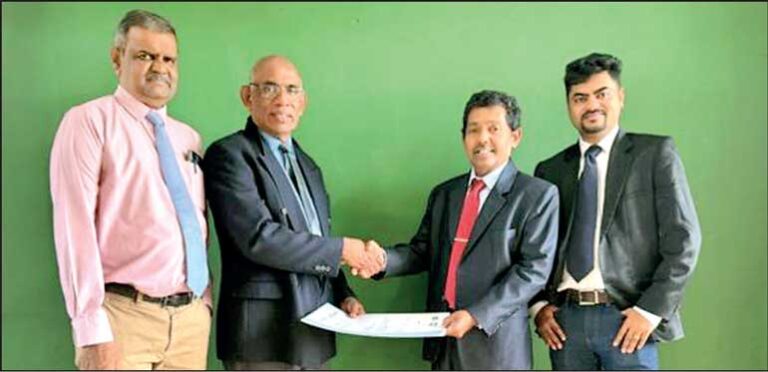
The event also marked the formal exchange of documents relating to the provision of the equipment. J. Kaartthigeyan, Head of SCORE Project Operations for USAID, and P. Kuganathan, Additional Secretary of the National Integration Division at the Ministry of Justice and National Integration, signed the official documents to seal the partnership and support for the initiative.

Both the Sri Lankan government and USAID are hopeful that these tools will help bridge communication gaps and facilitate more effective community engagement in the pursuit of a harmonious society.

LG Polls set for early 2025: Minister

0

By: Isuru Parakrama

November 24, Colombo (LNW): The much-anticipated local government elections will take place in early 2025, Minister Vijitha Herath officially confirmed.

Speaking to reporters, Herath explained that while the Supreme Court had directed that the elections be held sooner, a series of unforeseen delays had postponed the process.

Amongst the challenges were the deaths of some candidates, defections, and shifts in political allegiance, all of which complicated the scheduling.

The Minister reassured the public that the government is fully prepared to hold elections for Pradeshiya Sabhas and Urban Councils, which are crucial for local governance across the country.

He also revealed that the government is considering potential amendments to the Local Government Election Act to streamline the process.

In the coming weeks, consultations with various political parties in Parliament will take place to ensure the smooth implementation of the elections, he added.

Although the exact dates are yet to be confirmed, Herath affirmed that the elections are expected to take place in the first quarter of 2025.

Over 70 arrested in for bribery offences in the past 10 months

0

By: Isuru Parakrama

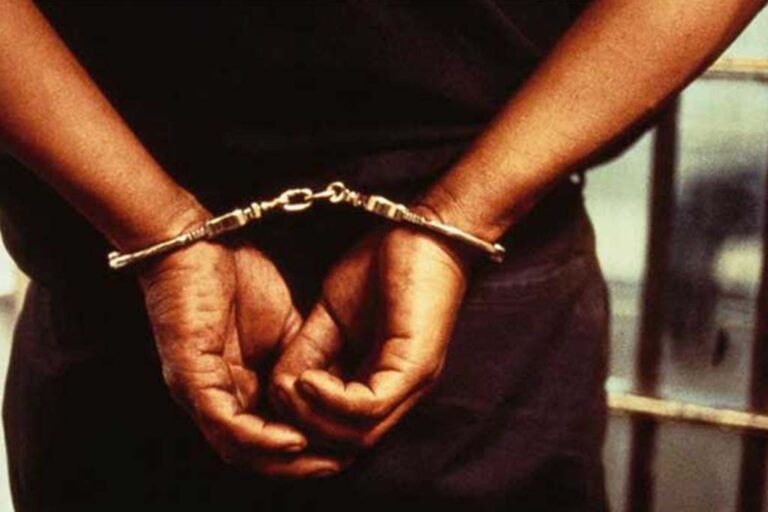
November 24, Colombo (LNW): The Commission to Investigate Allegations of Bribery or Corruption (CIABOC) has reported a significant number of arrests related to bribery over the past ten months, with 73 individuals detained on charges of corrupt practices.

Amongst those arrested, a notable 21 law enforcement officers were taken into custody, including a Chief Police Inspector, two Inspectors, one Sub-Inspector, nine Sergeants, and eight Constables.

In addition to the police officers, 24 civilians have been arrested on bribery-related charges, highlighting the widespread nature of corruption.

Amongst the civilians arrested were three Grama Niladhari officers, who are responsible for administrative functions at the local level, as well as a school principal.

The arrests were made in connection with both the act of accepting bribes and soliciting them, indicating that the bribery network spans various sectors, including the police and public administration.

The CIABOC emphasised its commitment to tackling corruption within both public service and law enforcement, as part of broader efforts to promote transparency and accountability across Sri Lanka.

New solar power initiative in Sabaragamuwa to contribute 300 MW to National Grid

0

By: Isuru Parakrama

November 24, Colombo (LNW): A new public-private partnership project launched in the Sabaragamuwa Province will contribute an additional 300 megawatts of solar power to Sri Lanka’s national grid.

The initiative, aimed at expanding the country’s renewable energy capacity, was formally inaugurated on Tuesday (19) by the Governor of Sabaragamuwa Province, Champa Janaki Rajaratne, at the Ratnapura Kumara Vidyalaya.

This solar power project is part of a broader effort to enhance the country’s energy mix through renewable sources, with similar projects being rolled out across all seven provinces.

The scheme is being carried out as a joint venture between the Provincial Councils and Gala Green Energy Holdings, a private sector partner.

Under the initiative, solar panels will be installed on the rooftops of state-owned buildings, including schools and hospitals, across the provinces.

The project is designed not only to generate clean energy but also to promote sustainability within local communities. Additional energy systems will be set up at these sites to ensure efficient power generation.

All electricity produced will be fed into the national grid, contributing to Sri Lanka’s renewable energy goals.

The total cost of the project, estimated at US$ 200 million, is fully funded by Gala Green Energy Holdings.

In return for their participation, provincial councils will receive 16 per cent of the revenue generated from the electricity produced, paid on a monthly basis.

This initiative forms part of a larger vision to transform Sri Lanka’s energy landscape by reducing its reliance on fossil fuels and increasing the use of solar energy.

By the end of the project, the combined solar power generation capacity across the country is expected to reach 300 megawatts.

In conjunction with the launch, a special art exhibition on renewable energy sources was held at Ratnapura Kumara Vidyalaya, where schoolchildren from the district showcased their creative works.

The exhibition aimed to raise awareness about the importance of renewable energy and its role in combating climate change.

Treasure frenzy in Veyangoda: Search for buried items ends without discovery

0

By: Isuru Parakrama

November 24, Colombo (LNW): The much-anticipated excavation near the Central Expressway construction site in Veyangoda, in the Wanduramba area, concluded yesterday (23) evening without uncovering any treasure or archaeological items of significance.

The search was initiated on November 21 in accordance with a court order following the arrest of nine individuals, including one dressed in robes, who were accused of attempting to unearth hidden valuables at the site.

The operation, authorised by the Attanagalle Magistrate’s Court, involved a coordinated effort by various authorities, including the police, the Special Task Force (STF), officials from the Mirigama Divisional Secretariat, the Archaeological Department, and the Road Development Authority.

Initially, the court had permitted a two-day excavation, set to end on Friday afternoon. However, after new information was presented, the Veyangoda Police secured an additional day to continue the search, extending the operation into a third day.

On the third day of excavation, authorities resumed their work at 9 a.m., facing challenges from a large stone that obstructed further digging. The stone was eventually broken down in full view of the gathered crowd, but despite these efforts, no treasure, relics, or objects of historical or cultural value were discovered.

At around 4 p.m. yesterday, the excavation was officially called off with the agreement of all the relevant authorities. The operation ended without any significant findings, bringing a close to a highly publicised and closely watched search.

While the result may be disappointing to those who had hoped for a discovery, the authorities have assured the public that thorough measures were taken to explore the area in full.

Experts warn SL to remain cautious of Adani’s Power Project amid US indictment against fraud allegations

0

By: Isuru Parakrama

November 24, Colombo (LNW): Sri Lanka must exercise heightened caution regarding the Adani Group’s power project on the island following the recent indictment of the company’s chairman, Gautam Adani, and several others on multiple fraud charges in the United States, experts emphasised in a report by The Hindu.

The charges, brought by federal prosecutors in New York, have raised concerns among experts who urge the Sri Lankan government to closely scrutinise the project’s legitimacy.

Nishan De Mel, the Executive Director of Verité Research, a Colombo-based think tank, highlighted that Sri Lanka has a history of significant corruption cases being exposed in international jurisdictions.

He pointed to the bribery allegations involving SriLankan Airlines’ aircraft procurement from Airbus, which were uncovered through a UK-based investigation, and the revelations in the Pandora Papers, which implicated local politicians and businessmen.

De Mel emphasised the importance of reinforcing anti-corruption measures within Sri Lanka to shield the country from potentially corrupt dealings, stating, “It is critical for Sri Lanka to redouble its efforts to combat corruption and ensure that we are not exposed to fraudulent or unethical deals.

The indictment of Adani and the fraud allegations against his company have sparked a public outcry in Sri Lanka. Activists and concerned citizens have taken to social media, demanding more transparency and accountability regarding the Adani Group’s $442 million wind power project in Mannar and Pooneryn, located in the northern part of the island.

The project, initiated under the former Gotabaya Rajapaksa administration, has been embroiled in controversy since its inception in 2022.

The main opposition parties have accused the Adani Group of securing the project through “backdoor deals,” without a competitive tender process. A former senior official at the Ceylon Electricity Board (CEB) publicly claimed that the project was awarded to Adani following pressure from Indian Prime Minister Narendra Modi.

Although the official later retracted his statement and resigned, the allegations sparked significant debate about the transparency and fairness of the deal.

Despite these concerns, the administration under President Ranil Wickremesinghe has proceeded with the project, even as global scrutiny of the Adani Group intensified in early 2023.

The Adani Group’s financial troubles became widely known when US short-seller Hindenburg Research accused the company of engaging in fraudulent practices, claiming it was involved in the “largest con in corporate history.”

Despite this, Sri Lanka’s Foreign Minister at the time, Ali Sabry, expressed unwavering confidence in the project’s future, asserting that it was a “government-to-government” agreement with India.

Environmentalists and local residents in Mannar have raised additional concerns over the project, arguing that it could have adverse environmental impacts. In early 2023, a legal challenge was filed in Sri Lanka’s Supreme Court, seeking to halt the project on the grounds of insufficient transparency and environmental risks.

The case is set to be heard by a five-judge bench, with the next hearing scheduled for March 2025.

In addition to the wind power project, the Adani Group is also involved in a significant infrastructure project in Sri Lanka. It is leading the development of a container terminal at the Port of Colombo through a joint venture with the Sri Lanka Ports Authority (SLPA) and local conglomerate John Keells Holdings.

In November 2023, the US International Development Finance Corporation (DFC) announced a $553 million investment in the terminal project, which is valued at $700 million.

As the Adani Group continues to expand its footprint in Sri Lanka, concerns over corruption, transparency, and environmental impact remain at the forefront of public discourse.

The Sri Lankan government, therefore, facing increasing pressure to ensure that these projects proceed with full accountability.