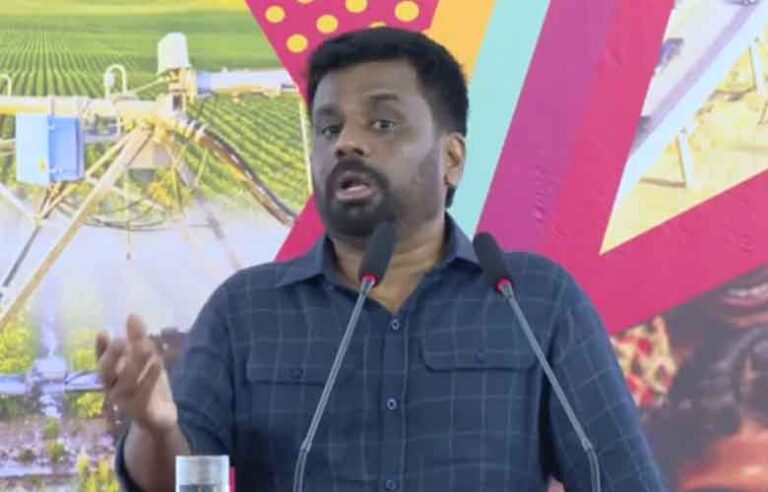
President Anura Kumara Dissanayake has announced that Sri Lanka’s Treasury is expected to record its highest-ever revenue in 2025. The government plans to allocate these funds entirely to national development projects aimed at enhancing the country’s resilience to global challenges.
The announcement was made during a public rally held in Dambulla on April 20.
According to the President’s Office, the 2025 National Budget includes a development allocation of Rs. 1,400 billion, marking the largest investment in development in Sri Lanka’s history.
The government has also outlined public sector reforms, including an increase in minimum salaries for public servants and measures to eliminate political interference in state-sector appointments.
The statement also referenced global economic pressures, noting the potential impact of U.S. tariffs, while affirming the government’s commitment to economic stability and growth.
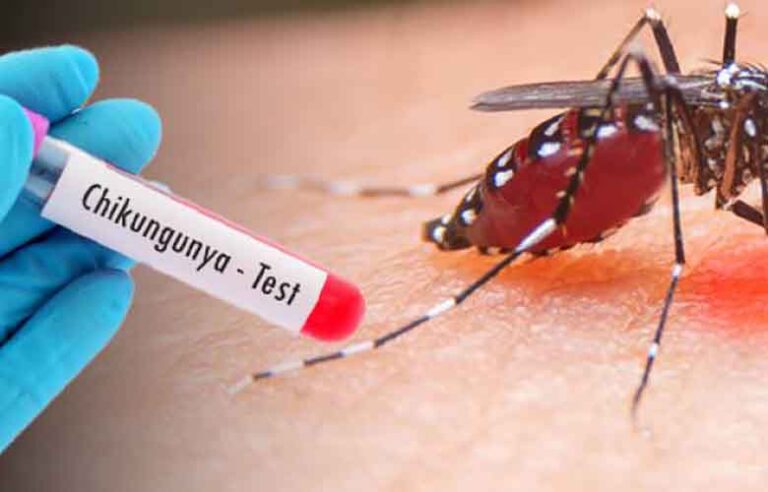
The Sri Lanka Public Health Inspectors’ Association has raised concerns over a rise in chikungunya cases, with Secretary Chamil Muthukuda warning that the current rainy conditions have increased the risk of both chikungunya and dengue outbreaks.
Muthukuda emphasized that both diseases are transmitted by the Aedes mosquito, and that the current situation has been worsened by poor household sanitation and the increased movement of people during the long weekend and school holidays, including visits to friends’ and relatives’ homes.
“People must take responsibility to maintain mosquito-free environments around their homes,” he stressed.
He urged the public to seek immediate medical attention if fever lasts more than two days, as relying on home remedies could delay proper treatment and potentially lead to fatal outcomes, especially in dengue cases.
Fairly heavy falls about 75 mm are likely at some places in Western, Sabaragamuwa, Central Uva, Eastern, Northern and North-central provinces.
Showers or thundershowers may occur in Western province and in Galle, Matara and Puttalam districts in the morning too.
The general public is kindly requested to take adequate precautions to minimize damages caused by temporary localized strong winds and lightning during thundershowers.
Misty conditions can be expected at some places in Central, Sabaragamuwa and Uva provinces and in Ampara district during the morning.
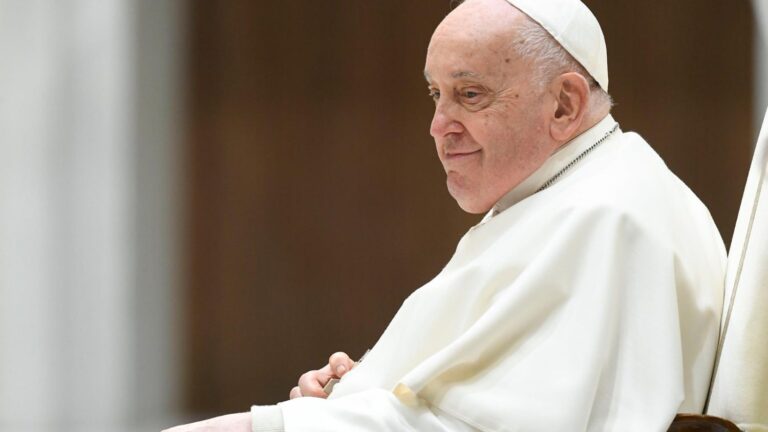
April 21, World (LNW): This morning, the heart of the Catholic world grew still. On Easter Monday, Pope Francis passed away peacefully at his residence, Casa Santa Marta, in the Vatican. He was 88 years old at the time of his demise.
Cardinal Kevin Farrell announced the Pope’s death just over two hours later, his voice echoing through a grieving Church.
Born Jorge Mario Bergoglio in Buenos Aires, Argentina, he was a son of Italian immigrants—humble, bright, and quietly spiritual. In 1957, at just 21, he survived a grave lung infection that would shadow him for life. But even with one lung removed, his spirit never faltered.
He loved soccer. He danced the tango. He worked as a janitor. He once served as a nightclub bouncer. And somewhere along that winding path, he found his calling.
On March 13, 2013, history was made. Jorge Bergoglio became Pope Francis—the first Jesuit, the first from the Americas, and the first non-European pontiff in over 1,200 years.
He took the name of Saint Francis of Assisi. And like his namesake, he chose humility over grandeur, simplicity over spectacle, and compassion over command.
From the start, he reimagined the papacy—not as a throne to sit upon, but as a path to walk alongside the broken and the voiceless.
He visited war zones. He embraced prisoners. He washed the feet of migrants. And he constantly challenged the Church to look outward—to the margins, to the wounded, to the forgotten.
“If someone is gay and is searching for the Lord and has good will, who am I to judge?”
With those seven words, Pope Francis opened the doors of the Vatican wider than they had ever been.
He met with LGBTQIA+ individuals and their families, expressed support for same-sex civil unions, and welcomed those long pushed to the edges of the Church back into its embrace—not as outsiders, but as fellow children of God.
His stance stirred debate. It broke centuries-old silences. But for millions, it offered something far more powerful: dignity, recognition, and hope.
At a time when even the most progressive of countries were rooting for the anti-queer rhetoric, quite notably in Sri Lanka in the recent times, the Pope himself had given the clear message that criminalising the marginalised is the crime in itself!
It was not about rewriting doctrine. It was about restoring humanity.
His words were often few, but they were fearless. He spoke of mercy, of dialogue, of unity—values that resonated across faiths and borders.
In the last years of his life, the ailments returned—this time stronger. Recurrent bronchitis. Weakening lungs. A cancelled trip to Dubai. And, finally, a 38-day stay at Rome’s Gemelli Hospital earlier this year.
Yet, even as his voice faded, his message did not.
On Easter Sunday, just a day before his passing, his final words were read aloud by an aide—pleading for peace in Ukraine and Gaza, reminding the world of suffering, and calling again for compassion.
In 2024, knowing the time was near, Pope Francis revised the Church’s liturgical guide for papal funerals—stripping away excess, focusing on faith. No public display. No grand procession. Just a shepherd laid to rest in simplicity.
Archbishop Diego Ravelli said it best: “The burial of the Roman Pontiff is that of a follower of Christ, not a worldly dignitary.”
From the streets of Buenos Aires to the basilicas of Rome, from Gaza to the Amazon, the world now mourns a man who never stopped reaching out—who insisted that the Church walk with the poor, sit with the suffering, and speak with love.
He did not change every doctrine. But he changed hearts. And he reminded us, always, that the Gospel begins not in the halls of power, but on the road to the periphery.
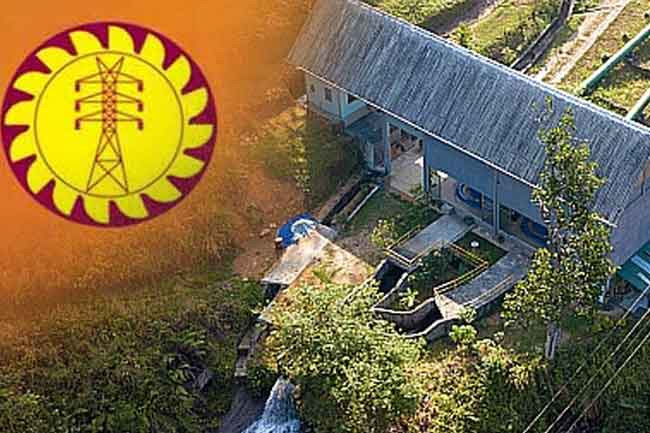
April 21, Colombo (LNW): Sri Lanka is facing growing challenges in debt management and food price volatility, worsened by the ongoing global trade war, according to a recent United Nations report. Meanwhile, the country’s energy sector is experiencing turmoil, particularly due to the Ceylon Electricity Board’s (CEB) decision to shut down small hydropower plants, which began on 11 April.
The Small Hydro Power Developers Association (SHPDA) has condemned this move, calling it reckless and harmful to Sri Lanka’s energy security. SHPDA President Thusitha Peiris criticized the shutdown, which the CEB claims is necessary to stabilize the grid during the festive season. However, Peiris argues that small hydropower plants are essential for maintaining grid stability, providing reliable, round-the-clock electricity, particularly during periods when solar and wind energy are unavailable at night.
The decision to shut down the plants is viewed as a result of the CEB’s failure to modernize the grid and invest in critical technologies such as Battery Energy Storage Systems (BESS) and advanced weather forecasting. The shutdown affects 450MW of small hydro capacity, leading to a daily loss of 1.8 million units of electricity. To compensate for this, the CEB will have to rely on expensive thermal power, which costs over Rs. 50 per unit, compared to just Rs. 10 per unit for small hydro. This could result in daily losses exceeding Rs. 70 million, escalating to over Rs. 700 million over a span of 10 days.
These financial losses are expected to be passed onto consumers in the form of higher electricity bills, negatively impacting both households and businesses. Moreover, the SHPDA claims that the CEB’s actions breach binding Power Purchase Agreements (PPAs), which categorize small hydropower plants as ‘must-run’ facilities. This violation risks undermining investor confidence and could lead to significant financial instability, with developers facing loan defaults and project collapses.
The SHPDA has urged the government to intervene, calling for an immediate reversal of the shutdown, compensation for developers, and a renewed focus on grid modernization. They also demand adherence to the terms of existing PPAs and the creation of a fair, transparent framework for grid management that ensures renewable energy sources, particularly small hydropower, are fully integrated.As a critical component of Sri Lanka’s energy infrastructure, the small hydropower sector provides 8% of the country’s annual electricity demand. The SHPDA warns that the government must take swift action to protect the sector and prevent further damage to the economy and the nation’s environmental sustainability.
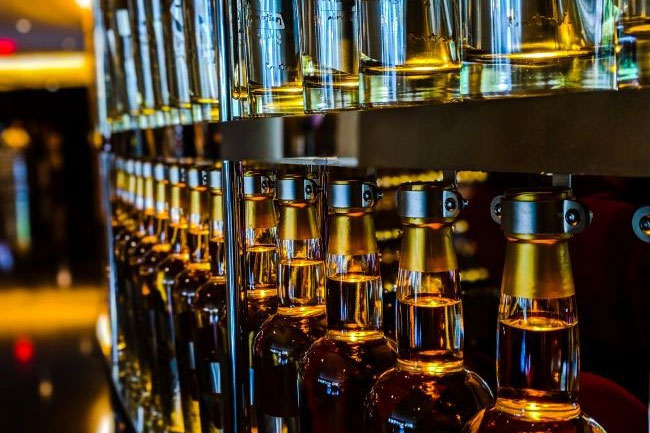
April 21, Colombo (LNW): In a strategic move to combat illicit alcohol trade and stabilize government revenue, the Sri Lankan government has introduced an annual indexation mechanism for excisable goods, including alcoholic beverages. This policy adjusts excise duties under the Excise Ordinance to reflect inflation and current economic conditions, aligning with global best practices.
A senior Finance Ministry official revealed that the new tax structure particularly targets products such as Special Arrack, Coconut Arrack, Locally Manufactured Foreign Liquor, Beer, Wine, and Cider, all of which saw a 5.9% increase in excise duties under the revised framework. This measure seeks to address shifting trends in alcohol consumption while narrowing the gap between legal and illicit markets.
Despite Sri Lanka recording an average annual consumption of around 90 million liters of spirits, the country faces a persistent challenge with illicit alcohol, which accounts for an estimated 30–35 million liters annually, according to the Excise Department. A notable decline in hard liquor consumption—from 26 million liters in 2022 to 19.31 million liters in 2024—is largely attributed to increased prices and broader economic hardships.
However, this decline in legal alcohol consumption has coincided with a worrying rise in illicit alcohol use, raising serious concerns over public health and the erosion of government revenue. In response, the government has intensified enforcement, which has already resulted in a 22% increase in legitimate liquor production and a 23% surge in excise collections in early 2025.
Authorities credit this turnaround to enhanced vigilance by the Excise Department, which has helped reverse the sluggish trend seen in 2023 and 2024. The renewed focus on enforcement is part of a multifaceted strategy to shorten the illegal liquor supply chain and protect fiscal health through robust excise revenue generation.
Looking ahead, the government is also exploring innovative approaches to redirect consumer demand toward safer, regulated products. One such proposal includes the introduction of 25% alcohol content arrack in 180ml bottles—the most commonly consumed size in Sri Lanka. This initiative would utilize underutilized molasses spirits from the Pelwatte and Sevanagala distilleries, helping to retain excise revenue while meeting consumer needs with safer alternatives.
On the tobacco front, the Committee on Public Finance has examined the existing cigarette taxation model and its impact on state income. Discussions are underway on whether narrowing the tax bands could potentially enhance revenue, especially given that Sri Lanka’s cigarette tax-to-price ratio is still below the global benchmark of 75%.In conclusion, the introduction of excise tax indexation and complementary policy reforms represent a significant step by the Sri Lankan government to modernize tax practices, reduce the harmful impact of illicit trade, and secure a more predictable stream of revenue for the country’s development needs.
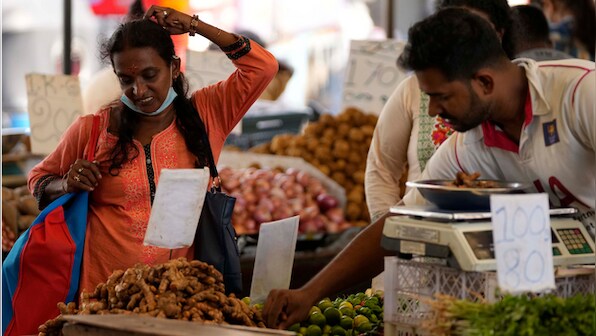
April 21, Colombo (LNW): Sri Lanka is grappling with a deepening food crisis, with over 6.3 million people currently facing moderate to severe levels of food insecurity. Despite signs of economic recovery since the collapse of 2022, the government has struggled to implement effective, long-term strategies to safeguard food security, leaving millions vulnerable.
The crisis has been fuelled by soaring food prices—some of the highest in the world—and a sharp decline in household purchasing power. These economic pressures have severely restricted access to nutritious food, especially for young children. Health experts report rising rates of undernutrition and growth faltering among children under five, underscoring the growing humanitarian toll.
Compounding the crisis are the worsening effects of climate change. Erratic weather patterns, frequent droughts, and flash floods have severely disrupted agriculture, particularly in the country’s dry zones. Meanwhile, unchecked wildlife damage—including crop destruction by monkeys and peacocks—has resulted in an estimated 20% drop in overall production.
International agencies have stepped in to fill the gaps. The World Food Programme (WFP), in collaboration with local authorities, is working to expand access to fortified foods and support smallholder farmers.
Yet experts warn that these interventions, while essential, are not a substitute for a comprehensive national policy. The International Water Management Institute (IWMI) has also stressed the need for better integration of water and energy resources to ensure food system resilience—another area where government response has lagged.
Adding further pressure is a deteriorating global economic environment. A recent report by the United Nations Conference on Trade and Development (UNCTAD) described Sri Lanka as being caught in a “perfect storm” of financial instability, unsustainable debt, and weakening economic growth. Food price volatility, according to the report, will continue to plague countries like Sri Lanka in the months ahead.
UNCTAD also highlighted the risk posed by external trade shocks. Sri Lanka, which relies heavily on the United States for exports—valued at nearly USD 2.9 billion annually—was recently hit by a 44% tariff under the Trump administration. Though implementation of the tariff has been paused for 90 days, it has already sparked concerns over the country’s economic resilience.
With the global economy expected to slow to 2.3% growth this year, UNCTAD warns that low-income countries will bear the brunt of reduced investment and rising uncertainty. For Sri Lanka, the ongoing food crisis is a stark indicator of the government’s inadequate preparedness and lack of coordinated strategy.Despite international support, the path forward remains uncertain. Unless swift and sustained action is taken to address both structural vulnerabilities and immediate food needs, millions of Sri Lankans will continue to face a precarious future.
April 21, Colombo (LNW): In 2025, Sri Lanka’s Employees’ Provident Fund (EPF)—the retirement fund for private sector workers managed by the Central Bank—has emerged as a standout performer in terms of real returns, despite being part of the government’s broader domestic debt restructuring (DDR) initiative. This marks a significant moment for the fund, with implications for both savers and economic policy observers.
In 2024, the EPF declared an 11% interest rate on member balances, following an even higher 13% return in 2023. While nominal returns were slightly lower this year, deflationary conditions amplified their real value.
The Colombo Consumer Price Index registered a 1.7% decline in prices during 2024, largely due to a deflationary monetary stance and the strengthening of the Sri Lankan rupee. Consequently, the real return on EPF balances hit 12.7%—the highest in recent memory—up from 9% in 2023.
This performance comes amid tight monetary policies adopted by the Central Bank since September 2022, including the appreciation of the rupee from 363 to below 300 by the end of 2024. These policies, coupled with easing global commodity prices due to improved U.S. monetary policy, helped suppress inflation.
As a result, the EPF delivered double-digit real returns for the first time in decades—an exceptional achievement for a state-managed retirement fund.Despite undergoing debt restructuring as part of the IMF-supported program to reduce rollover risk, the EPF has managed to both preserve capital and enhance its real value.
The restructuring involved trading in existing government bonds for lower-yield alternatives or facing a 30% tax on income, up from 14%. The Central Bank opted to exchange bonds, mitigating the tax burden while maintaining stability in returns.
In terms of financial performance, the EPF reported a 2.9% increase in interest income, reaching Rs. 455.1 billion. Dividend income rose sharply by 82.9% to Rs. 5.5 billion, and fair value gains on listed equities nearly doubled to Rs. 49.2 billion, highlighting a healthy performance in its equity portfolio alongside its traditional government securities investments.
The broader monetary environment remains a concern. Under a new legal framework, the Central Bank is now targeting 5% inflation annually, with a permitted ceiling of 7%. Critics argue that this risks a return to inflationary conditions, undermining purchasing power—especially for retirees and low-income earners.
Historically, stable or deflationary environments yielded real interest rates equal to nominal ones. Economists caution that reintroducing inflation could reignite social unrest, especially if essential costs like food rise disproportionately.
As 2025 progresses, the EPF’s strong real returns and stable asset base offer a rare positive indicator in Sri Lanka’s economic recovery, though its future sustainability will depend on careful navigation of monetary policy, inflation targeting, and continued protection during fiscal consolidation efforts.
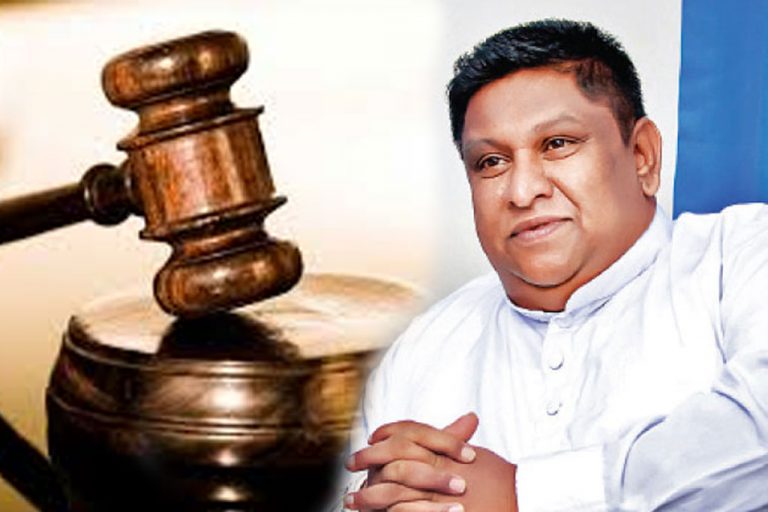
April 21, Colombo (LNW): New Democratic Front MP Chamara Sampath Dasanayake has been ordered to remain in remand custody until May 05, as investigations into alleged financial irregularities during his time in office continue to unfold.
The decision was handed down by the Badulla Magistrate’s Court earlier today (21), following his formal appearance before the bench.
Dasanayake, who served as Chief Minister of the Uva Province prior to entering national politics, is currently the subject of a criminal inquiry into suspected misuse of public resources.
At the heart of the allegations lies an incident in which he is said to have misappropriated funds earmarked for early childhood education initiatives.
Specifically, investigators allege that he solicited a sum of one million rupees under the pretext of supporting preschools, using the official Provincial Council’s letterhead to confer legitimacy upon the request.
Rather than ensuring the funds reached their intended beneficiaries, it is claimed that the entire amount was instead directed into Dasanayake’s personal bank account by way of a cheque.
The transaction has raised significant concern among anti-corruption authorities and triggered renewed calls for transparency in the management of provincial finances.
The accused was initially remanded in connection with this case earlier this month, and today’s proceedings merely extend his custody as legal teams prepare for further hearings.
April 21, World (LNW): This morning, the Catholic world was plunged into mourning as the passing of Pope Francis was formally announced from the Vatican.
Cardinal Kevin Farrell, Camerlengo of the Apostolic Chamber, delivered the news from the Casa Santa Marta at 9:45 AM, stating that the Bishop of Rome had died peacefully at 7:35 AM after a prolonged period of illness.
Jorge Mario Bergoglio, known to the world as Pope Francis, passed away at the age of 88. Remembered as a deeply pastoral figure, his life was marked by unwavering commitment to the marginalised and a mission to reshape the Catholic Church in the image of compassion, humility, and reform.
His death, though long anticipated due to his fragile health, has left a profound void across religious and secular communities alike.
Pope Francis had been under medical care at the Agostino Gemelli Polyclinic Hospital since mid-February 2025, following a recurring battle with respiratory complications. His condition deteriorated in the days after his admission, with doctors confirming bilateral pneumonia by February 18.
Though he returned to the Vatican’s Casa Santa Marta to continue his recovery after 38 days in hospital, it became increasingly evident that his health was in sharp decline.
Health issues had accompanied him for most of his adult life. In 1957, as a young seminarian in Buenos Aires, Bergoglio underwent surgery to remove a portion of his lung damaged by infection.
In his later years, these early complications returned to haunt him, most notably in the form of frequent respiratory illnesses. In November 2023, he cancelled a high-profile visit to the United Arab Emirates due to lung inflammation and influenza.
The years that followed were marked by declining stamina, though his resolve remained steadfast.
Pope Francis’ papacy, which began in 2013, will be remembered as one of radical humility and outreach. He consistently redirected the Church’s focus toward service, particularly to the poor and vulnerable, emphasising mercy over judgement and dialogue over dogma.
His critics often challenged the pace of reform or his stance on certain issues, but few denied his profound moral clarity and personal integrity.
In a symbolic act that now bears deeper meaning, Pope Francis had personally approved a revised edition of the liturgical book governing papal funerals just a year prior, in April 2024.
This updated Ordo Exsequiarum Romani Pontificis reflects his desire for simplicity and spiritual focus, eschewing the traditional trappings of grandeur in favour of a ceremony rooted in faith and discipleship. His funeral, which is yet to be formally announced, is expected to honour these wishes.
Under the new funeral directives, the verification of death will occur in the chapel rather than the late Pope’s private quarters, and his body will be placed directly into the coffin without the previously required interval for public viewing.
According to Archbishop Diego Ravelli, Master of Apostolic Ceremonies, this change symbolises Pope Francis’ vision of the papacy as a ministry of service rather than an office of power.
Archbishop Ravelli noted, “This revised rite underscores that the burial of the Roman Pontiff is that of a shepherd and a follower of Christ, not that of a worldly dignitary.”
As bells tolled across Rome and flags were lowered, tributes poured in from around the world. Messages of sorrow, gratitude, and remembrance flowed not just from heads of state and fellow religious leaders, but also from the countless individuals who saw in Francis a rare and genuine spiritual father.
Whether speaking from the loggia of St. Peter’s Basilica or embracing the poor on the streets of Rome, he embodied the Gospel’s call to love without condition.
In life and now in death, Pope Francis has left behind a Church transformed—not in doctrine, perhaps, but in posture. He bent the Church’s ear closer to the cries of the forgotten and turned its gaze to the peripheries, where faith and suffering meet in their rawest forms.
His passing may mark the end of an era, but his example will endure—as both an invitation and a challenge to those who follow.