April 13, Colombo (LNW): Showers or thundershowers will occur at a few places in Central, Sabaragamuwa, Western, Southern and Uva provinces and in Ampara and Batticaloa districts during the afternoon or night, the Department of Meteorology said in its daily weather forecast today (13).
Showers may occur in the coastal areas of Western and North-western provinces and Galle and Matara districts in the morning as well, the statement added.
The general public is kindly requested to take adequate precautions to minimise damages caused by temporary localised strong winds and lightning during thundershowers.
On the apparent northward relative motion of the sun, it is going to be directly over the latitudes of Sri Lanka during April 05 to 14 in this year. The nearest areas of Sri Lanka over which the sun is overhead today are Thunukkai, Olumadu, Oddusudan, Kumulamunei, Chemmalei at about 12:11 noon.
Marine Weather:
Condition of Rain:
Showers or thundershowers will occur at several places in the sea areas off the coast extending from Puttalam to Hambantota via Colombo and Galle. Showers or thundershowers may occur at a few places in the sea areas off the coast extending from Trincomalee to Hambantota via Batticaloa during the evening or night.
Winds:
Winds will be westerly to south-westerly and wind speed will be (25-35)kmph. Wind speed may increase up to 50 kmph at times in the sea areas off the coasts extending from Kankasanthurai to Puttalam via Mannar and from Matara to Pottuvil via Hambantota.
State of Sea:
The sea areas off the coasts extending from Kankasanthurai to Puttalam via Mannar and from Matara to Pottuvil via Hambantota will be fairly rough at times. Temporarily strong gusty winds and very rough seas can be expected during thundershowers.
(NEXSTAR) — This week, a Texas-based biosciences company, which aims to “de-extinct” animal species of the past (and ones that will go extinct in the future), said it managed to engineer three dire wolves — which have been extinct for over 10,000 years.
Though Colossal Biosciences has described the scientific feat as “bringing back the first animal from extinction,” there are others in the community who disagree with the viability of the concept. This includes University of Buffalo biologist Vincent Lynch, who told the Associated Press that current technology can only “make something look superficially like something else.”This casual dining chain just dethroned Olive Garden as U.S.’ most popular
Scientific disputes aside, the possibility of the return of the dire wolf has set the internet aflutter with more talk about the idea of a real “Jurassic Park.” With that in mind, here are a few extinct species we hope scientists never revive.
Deinosuchus
The ancient crocodiles of the Deinosuchus genus grew as large as a school bus and are notably believed to prey on large dinosaurs — like the T-rex — by ambushing them near prehistoric shores. These “super croc” apex predators had six-inch teeth and were, at one time, the largest predator in North America, according to the Western Australian Museum. They weighed up to 7 tons and scientists note that fossils of other apex predators even show bite marks believed to be exacted by this ancient monster.
Tyrannosaurus rex attacked by deinosuchus crocodile – 3D render (Elenarts108/Getty Images)
Meganeura
These giant predatory dragonfly-like insects are one of the largest-known flying insect species of all-time (if not the) with a wingspan of up to 2.5 feet, according to Furman University. If a mega flying insect isn’t scary enough for you, it’s also a carnivore, though Meganeura mostly ate only other insects and small animals.
Meganeura insects of the Carboniferous Period. Meganeura insects were very large predators during the Carboniferous Period of France and England (Credit: Corey Ford/Stocktrek Images/Getty Images)
At one point, Titanoboa was the largest known predator on the planet, the museum explains, and likely weighed at least one ton. Of Titanoboa’s size and heft, Smithsonian Magazine says “the thickest part of its body would be nearly as high as a man’s waist.” The creature (which is just begging to be the subject of an action-thriller) was known to lurk in swampy waters, where it preyed on crocodiles and other aquatic predators.
Computer generated 3D illustration of the prehistoric giant snake Titanoboa (Credit: MR1805/Getty Images)
‘Terror birds’
The flightless, carnivorous birds of the Phorusrhacidae family were truly the stuff of nightmares. “Terror birds,” as they’re most commonly referred to, stood at up to 10 feet, weighed up to 300 pounds, and had the ability to run up to 30 mph after its prey, according to University of Maryland. These sharp-taloned and aggressive birds likely crushed their prey with their slightly hook-ended beaks and were able to kill both big and small targets with ease.
Kelenken dinosaur fighting a saber-toothed tiger Smilodon (Credit: Kurt Miller/Stocktrek Images/Getty Images)
Again, though the creature resembles a shark, research shows it’s closer in relation to ratfish. University of Idaho explains that some helicoprion grew to over 30 feet (the average modern-day male great white shark only grows to around 13 feet) and ate squids, sharks and other fish.
Helicoprion from side underwater, illustration. (Credit: Hypersphere/Science Photo Library/Getty Images)
Finally, there were a slew of other extinct creatures we wanted to highlight but just couldn’t find the perfect pictures for. For next steps, do a Google search of gigantopithecus blacki (a 10-foot tall ape) and the giant short-faced bears of the Arctodus family, which also grew up to about 10 feet tall.
Discover the intriguing story a city that has made history with a groundbreaking decision. Influenced by powerful protests from Jain monks, this city has implemented a ban that sets it apart from any other in the world.
Palitana’s Unique Ban
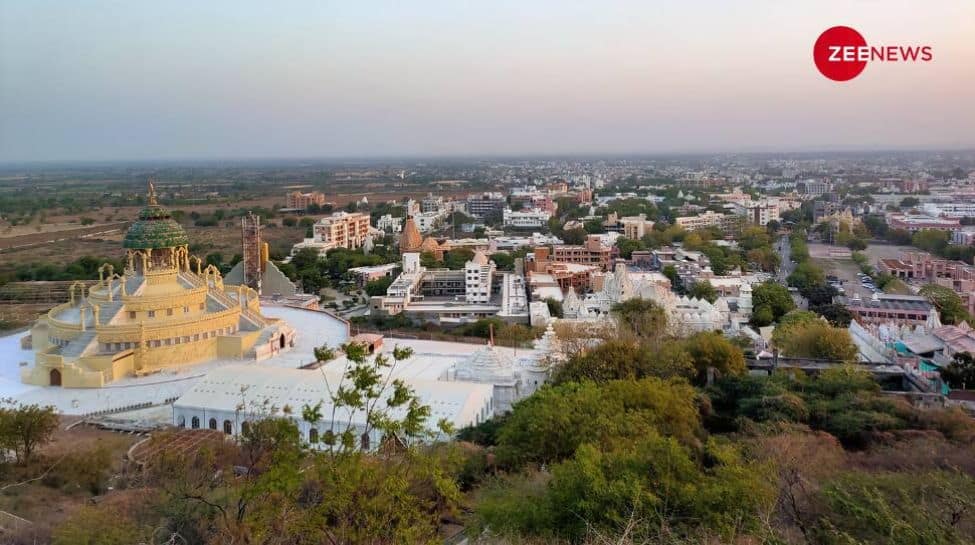
Palitana town in Gujarat’s Bhavnagar district has become the world’s first city to completely ban non-vegetarian food, including the sale and consumption of meat and eggs.
Driven by Jain Monks
This decision was influenced by continuous protests from Jain monks, including a 2014 hunger strike by nearly 200 monks demanding the closure of around 250 butcher shops.
Government Action
Respecting the sentiments of the Jain community, the government implemented the ban, prohibiting the sale of meat, eggs, and the slaughtering of animals, with penalties for violations.
Victory for Jainism
This move is seen as a major victory for Jainism, symbolizing respect for their religious beliefs and promoting a vegetarian lifestyle.
Vegetarian Cuisine Flourishes
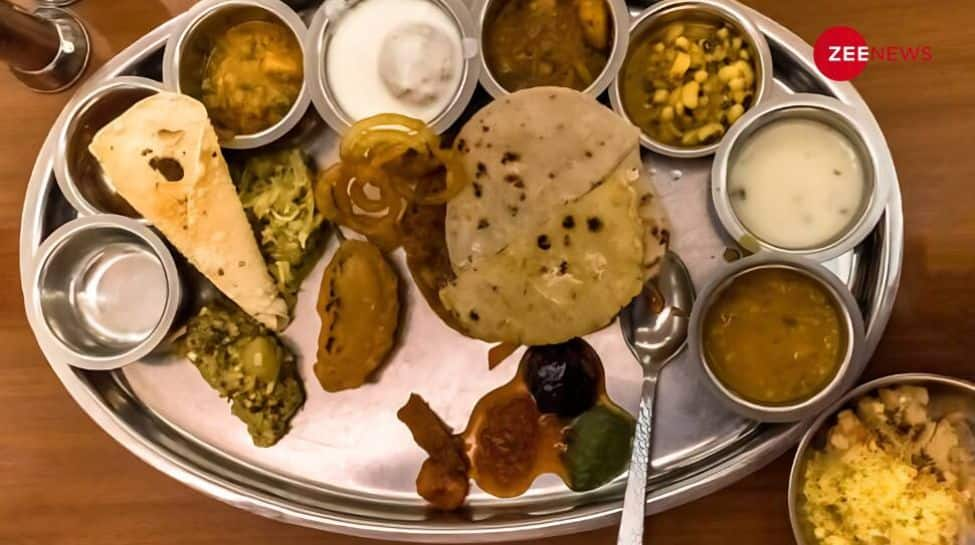
With the ban, many vegetarian restaurants have opened in Palitana, offering a variety of delicious vegetarian dishes.
Maintaining Sanctity
Palitana is a prominent Jain pilgrimage site, and the ban helps maintain its sanctity, attracting more vegetarian restaurants to cater to visitors.
Maintaining Sanctity
Palitana is a prominent Jain pilgrimage site, and the ban helps maintain its sanctity, attracting more vegetarian restaurants to cater to visitors.
Criticism and Concerns
The ban has faced criticism, with some arguing it interferes with food freedom and could negatively impact tourism, as many tourists prefer non-vegetarian food.
Hayleys Plantations has unveiled its newest and most sophisticated tea processing facility in Kiruwanaganga, Matara, replacing an older factory that faced numerous operational challenges in recent years. Built with an investment of Rs. 780 million, the state-of-the-art factory is managed by Talawakelle Tea Estates PLC and is equipped with cutting-edge technology designed to enhance tea production standards, safety, and sustainability.
The new facility features modern equipment including high-efficiency rollers, dryers, and colour sorters, as well as specialised infrastructure such as tea transport elevators and an on-site tea tasting area. Emphasizing worker safety and environmental protection, the design incorporates advanced fire prevention systems and other safety protocols. With the ability to process 14,000 kilograms of tea daily, the factory has earned recognition as the top low-grown tea processing facility by the Colombo Tea Traders Association.
Despite facing major disruptions in recent years, such as the global pandemic, economic constraints, and environmental threats like landslides, Hayleys Plantations maintained continuous operations during the transition from the old factory. This demonstrated the company’s commitment to resilience, operational excellence, and trust among its stakeholders.
Beyond production capacity, the Kiruwanaganga factory reflects Hayleys’ strong focus on environmental and social responsibility. The facility has been built in line with international environmental standards and the Green Building Concept. It has already secured several prestigious certifications, including the Rainforest Alliance, ISO 22000:2018 for food safety, ISO 14064-1:2018 for greenhouse gas emissions, and the Ecolabel. Additionally, it supports global sustainability initiatives like the UN’s Climate Neutral Now and the Science Based Targets. It also bears the Mother & Child Friendly Seal for Responsible Businesses and recognitions for ethical trade and responsible care, with Green Building certification expected soon.
The opening ceremony was a blend of tradition and corporate pride. It featured national flag hoisting, religious blessings, and cultural performances. A commemorative plaque was unveiled by Hayleys Chairman and CEO Mohan Pandithage and Hayleys Plantations Managing Director Dr. Roshan Rajadurai. A symbolic Na tree was also planted, marking the company’s long-term dedication to the environment.
In his address, Pandithage highlighted the broader role of tea in Sri Lanka’s identity and economy, stating that the new facility represents not just technological progress, but also the empowerment of communities through job creation and sustainable development. He praised the team’s ability to adapt to challenges and maintain industry-leading standards.
Dr. Rajadurai emphasized the resilience and commitment that drove the project, noting that uninterrupted tea production was maintained even during difficult times. Regional General Manager Gimhan Jayatilake also paid tribute to the legacy of the factory and its renewed potential to drive local employment and smallholder integration into the formal tea sector
At the third Annual General Meeting of the ICT Lawyers Guild (ICTLG) held in Colombo last week, Chairman Dr. Sunil Abeyratne emphasized the organization’s commitment to improving cyber law enforcement in Sri Lanka. He highlighted that the Guild was established primarily to strengthen the legal framework surrounding information and communication technologies (ICT), offering a supportive role to the legal community, including the Bar Association of Sri Lanka.
Dr. Abeyratne explained that the Guild’s initial focus was to enhance the knowledge and expertise of its own members. Following that, the Guild aims to share this knowledge with the broader legal fraternity and the general public. Looking forward, ICTLG aspires to provide legal assistance to citizens, especially in matters related to digital rights, cybercrime, and online safety.
To achieve these goals, ICTLG plans to roll out training programs for lawyers across the country. These sessions will not only address IT and cyber law but also aim to enhance the digital skills of legal professionals. The Guild intends to work collaboratively with both the official and unofficial bars, the judiciary, the Police Department, and the Ministry of Digital Economy. Their collective goal is to contribute meaningfully to the development of Sri Lanka’s digital economy.
Attorney General Parinda Ranasinghe PC (Jnr.), who attended the AGM as the Chief Guest, praised the initiative and stressed the importance of such an organization in the modern legal landscape. He noted that the Sri Lanka Police now operates a specialized cyber-crimes unit, which is increasingly important as digital transactions continue to grow. With more activities and financial dealings occurring online, the country has seen a corresponding rise in cybercrimes such as hacking, identity theft, online scams, and data breaches.
Sri Lanka’s legal system has taken progressive steps to address these new challenges. The Computer Crimes Act No. 24 of 2007 is a significant piece of legislation that deals with offenses related to unauthorized access, computer-related fraud, and other digital crimes. Additionally, laws such as the Electronic Transactions Act and the Data Protection Act aim to regulate online conduct, ensure the legality of digital transactions, and protect the privacy of users.
The ICT sector is rapidly transforming Sri Lanka’s economy and society. As e-commerce, online education, digital banking, and remote work environments expand, the demand for legal structures to ensure cybersecurity, digital rights, and intellectual property protection has never been greater. The ICTLG’s efforts to train lawyers in both legal and technical aspects ensure the legal community is well-prepared to tackle future challenges and support the safe and ethical growth of the ICT industry
Sri Lanka is charting an ambitious path to revive and redefine its tourism sector, with a new national branding campaign set to launch just after the Sinhala and Tamil New Year. Yet, global uncertainties—including a planned U.S. tariff hike—could present unexpected challenges to the country’s bold targets.
Sri Lanka Tourism Development Authority (SLTDA) and Sri Lanka Tourism Promotion Bureau (SLTPB) Chairman Buddhika Hewawasam announced that the campaign would formally kick off at the National Branding Conference later this month. The strategy aims to position Sri Lanka as a year-round destination, highlighting its cultural and ecological diversity. Importantly, this initiative will also align with Sri Lanka’s export sectors to present a unified, consistent image globally.
Initially aimed at nine priority markets, the outreach now spans 20 countries, including non-traditional markets like Poland, the Czech Republic, Saudi Arabia, and Australia. The tourism authorities aim to surpass 3 million arrivals in 2025, with consistent monthly figures of over 250,000 visitors.
Despite these efforts, external economic pressures could slow progress. The U.S. tariff hike—though unrelated to tourism—may reduce disposable incomes in key source markets. Higher global consumer prices could lead to reduced international travel, potentially affecting Sri Lanka’s growth trajectory. Currency fluctuations could also impact tourist affordability if the Sri Lankan rupee strengthens, making the destination less competitive.
Still, domestic efforts are in full swing. Digital marketing and public relations campaigns are underway, targeting high-potential regions. To support rising tourist volumes, infrastructure upgrades and experience enhancements are also in motion. The average tourist spends $171 daily; SLTPB aims to increase this to $200 through better services and attractions.
To formalize and standardize the sector, SLTDA has launched a registration drive targeting the informal tourism industry, which includes over 40,000 unregistered establishments. A mobile service is assisting these operators with guidance, training, and incentives. This move is not just about expanding the tax base but ensuring quality and safety standards, particularly for operators listed on online travel agencies (OTAs).
Luxury tourism is another key focus. With boutique hotels and high-end villas already attracting affluent travelers, SLTDA is looking to convert heritage bungalows in the North and East into premium stays. However, Hewawasam stressed that domestic aviation remains a barrier. Aircraft with at least 70-seat capacity are needed to improve accessibility and fully develop high-end travel experiences.
Colombo is also getting attention, with plans to boost its cultural appeal. Although the city has ample hotels and restaurants, it lacks vibrant events. The government is working with the CMC, UDA, and other bodies to launch a night market on Marine Drive and year-round art and craft events to enrich the capital’s tourist offerings.
Despite potential global setbacks, Sri Lanka remains determined. With a solid roadmap, diversified markets, and a bold branding initiative, the tourism sector is poised for recovery—if it can adapt swiftly to global economic shifts.
Sri Lanka’s apparel industry, a cornerstone of its economy, is grappling with a confluence of global and domestic challenges that threaten its stability and growth. Recent U.S. tariff hikes, escalating production costs, and a shifting global financial landscape are converging to create a precarious situation for the sector.
The United States’ imposition of a 44% tariff on Sri Lankan apparel imports marks a significant departure from previous trade policies that favored developing nations. This move jeopardizes a sector that earned nearly $6 billion in 2022, accounting for a substantial portion of Sri Lanka’s export revenue. In the first quarter of 2023, apparel exports to the U.S. plummeted by 22%, with overall exports dropping by 13.8% to $1.3 billion. Industry experts predict a potential $1 billion reduction in exports for the year, underscoring the severity of the situation .
Rising Production Costs and Domestic Economic Pressures
Compounding the impact of U.S. tariffs are domestic economic challenges. A steep 66% increase in electricity tariffs in February has significantly raised production costs, eroding the competitiveness of Sri Lankan apparel in global markets. The Central Bank’s decision to set a new benchmark interest rate at 8% aims to support economic recovery, but the high cost of borrowing continues to strain businesses.
Global Financial Shifts: The Rise of Digital RMB
Amid these challenges, a significant transformation in global finance is underway. The People’s Bank of China has announced the full integration of the digital RMB cross-border settlement system with ten ASEAN countries and six Middle Eastern nations. This development enables approximately 38% of global trade to bypass the SWIFT system, traditionally dominated by the U.S. dollar, and settle transactions using China’s digital currency. The digital RMB offers rapid settlement times and reduced transaction costs, with some cross-border payments completing in as little as 7 seconds and fees dropping by 98%.
This shift poses a systemic threat to U.S. dollar hegemony and signals a move towards de-dollarization in global trade. For countries like Sri Lanka, which have historically relied on dollar-dominated trade systems, this transition presents both challenges and opportunities.
The Need for Strategic Adaptation
Sri Lanka’s apparel sector must navigate this complex landscape by diversifying export markets, enhancing production efficiency, and engaging in strategic trade agreements. Embracing emerging financial technologies and exploring alternative settlement systems, such as the digital RMB, could offer new avenues for trade and economic resilience.
In conclusion, the convergence of U.S. tariff policies, domestic economic pressures, and global financial shifts necessitates a proactive and strategic response from Sri Lanka. Failure to adapt could result in significant economic setbacks, while timely and informed actions may position the country to capitalize on emerging opportunities in the evolving global trade environment.
The World Health Organization (WHO) has commended Sri Lanka for significantly reducing maternal mortality to 25 deaths per 100,000 live births in 2023, attributing this success to the country’s free and equitable maternal healthcare system, skilled midwifery, and strong commitment to continuous quality improvement.
This achievement was highlighted during a webinar series hosted in partnership with Sri Lanka’s Ministry of Health, as part of the WHO’s 2025 World Health Day campaign, themed “Healthy Beginnings, Hopeful Futures.”
While celebrating Sri Lanka’s progress, the WHO also raised concern over a rise in low birth weight babies, citing recent studies that emphasize the urgent need to investigate the underlying causes, especially the role of maternal nutrition. The organization warned that Sri Lanka’s ongoing economic challenges may be affecting access to nutritious food and essential healthcare services for pregnant women.
The WHO noted that maternal nutrition has long-term consequences on both the health of mothers and the development of children, urging policymakers to prioritize evidence-based interventions and nutritional support in national healthcare strategies.
Globally, maternal health remains a pressing concern, with nearly 300,000 women dying each year due to complications from pregnancy and childbirth. While maternal mortality has decreased by 40% since 2000, the burden remains high in specific regions—Sub-Saharan Africa accounting for 70% of global maternal deaths in 2023, and Central and Southern Asia contributing another 17%.
Looking ahead, the WHO emphasized the need for Sri Lanka to strengthen prenatal and postnatal services, bridge healthcare access gaps, and implement advanced medical practices to ensure continued improvements in maternal and newborn health.
The WHO reiterated its commitment to supporting Sri Lanka’s maternal health goals and called for sustained investmentin maternal well-being, emphasizing that healthy mothers are the foundation of a healthy future for the nation.
Opposition Leader Sajith Premadasa has accused the incumbent government of failing to deliver on its promises, stating that the only thing that has increased under their leadership is the cost of living.
Speaking at a public rally in Borella, Premadasa addressed the growing economic hardships faced by the public, asserting that the Samagi Jana Balawegaya (SJB) would never prioritize political gain over the people’s welfare.
“Has this government fulfilled the promises they made? Pause and consider the struggles you face today,” Premadasa told the crowd. “They pledged to improve your lives, but all we’ve seen is a relentless rise in the cost of living.”
He accused the government of making false promises to achieve political success and of deceiving the public with empty rhetoric.
“The government has become helpless due to its own failures,” Premadasa charged. “Do you think this administration – or the ones before – truly understand the pain of the people?”
Highlighting the SJB’s commitment to public service, the Opposition Leader vowed to build a new Colombo and stand with the people, rejecting the idea of politics driven by party interest.
“We do politics to serve,” he emphasized. “We are ready to empower a nation that’s struggling to keep up. We will never put party politics above your needs.”
Colombo, April 12 – The Consumer Affairs Authority (CAA) has launched a major crackdown on unethical trading practices, conducting 1,200 raids in recent days as part of a special festive season inspection program.
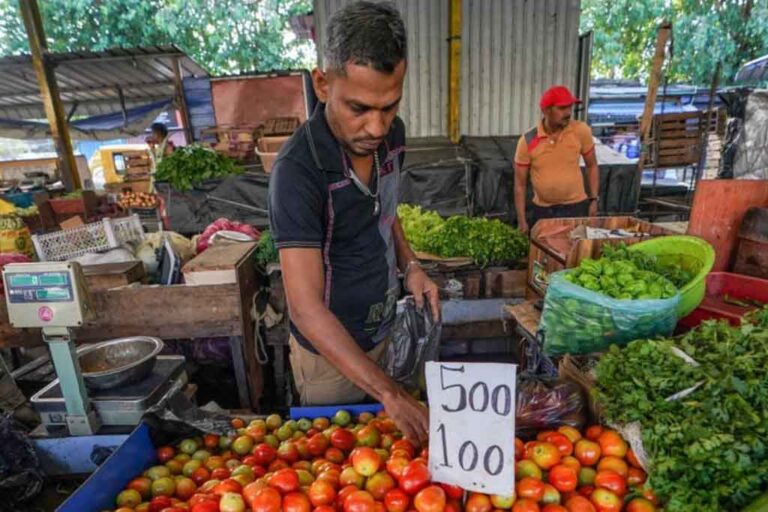
The CAA confirmed that intensified inspections will continue in the coming days, with a strong focus on essential goods, particularly Samba and Kiri Samba rice, eggs, and chicken, which are often sold at inflated prices during this time of year.
Officers have been deployed day and night, including holidays, to ensure consumer protection. Traders found guilty of violating regulations are being held accountable under the law. Offenses being targeted include:
Failure to display prices
Selling goods above marked prices
Altering or falsifying product information
Selling expired products
Failure to issue receipts
Imposing unauthorized purchase conditions
Hoarding essential items
Refusing to sell goods
Misleading discounts and false promotional offers
The CAA stressed that strict legal action will be taken against violators to protect the rights of consumers and ensure fair trade practices during the high-demand festive period.
In addition, the Authority has launched a targeted monitoring program at long-distance bus stop shops, focusing on price violations, overcharging, and the sale of expired or improperly labeled goods.
The public is encouraged to remain vigilant and report any irregularities to the Consumer Affairs Authority’s hotline.