January 09, Colombo (LNW): In a significant breakthrough in the fight against organised crime, the Sri Lankan police have confiscated a total of 20 T-56 assault rifles throughout 2024.
These weapons, which are commonly used by criminal syndicates, were recovered during a series of strategically planned raids carried out by the Police Special Task Force (STF) and other law enforcement units.
According to Police Spokesperson, SSP Buddhika Manatunga, the firearms were seized as part of an extensive operation targeting criminal elements involved in illicit activities across the country.
The coordinated raids, which spanned multiple regions, were designed to dismantle criminal networks and prevent further violence.
In addition to the T-56 rifles, law enforcement authorities also recovered 37 pistols and 36 revolvers during the same period.
These firearms are believed to have been stockpiled by criminal groups for use in various illegal activities, including extortion, robbery, and even violent confrontations with rival factions.
The seizures are part of the government’s broader efforts to curb the growing issue of illegal weapons circulation and organised crime, which has raised concerns among communities and law enforcement alike.
By targeting the illegal arms trade, the police aim to disrupt the operations of armed criminal gangs and ensure a safer environment for the public.
This latest series of confiscations highlights the continued commitment of the Sri Lankan authorities to addressing organised crime head-on, with the hope that the removal of these weapons will lead to a significant reduction in violence and criminal activity.
Police forces have vowed to maintain pressure on criminal elements throughout the year, intensifying operations to track down illegal firearms and their suppliers.
The authorities have also called for increased public cooperation, urging citizens to report any suspicious activities or information regarding the possession of illegal weapons.
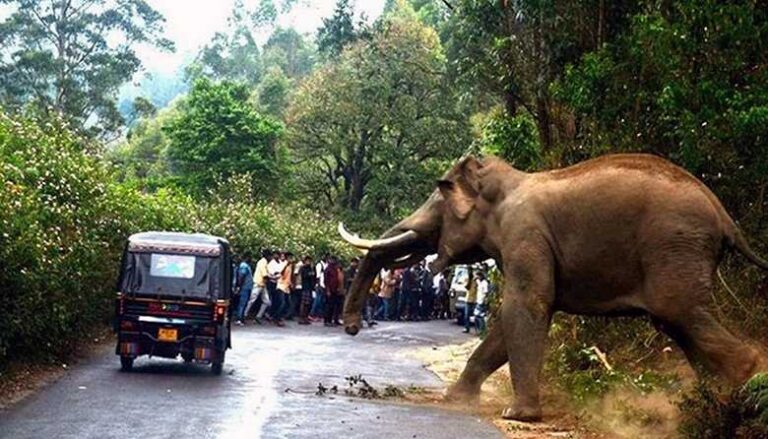
January 09, Colombo (LNW): The Centre for Environmental Justice (CEJ) has formally called on the Director General of the Department of Wildlife Conservation (DWLC) to immediately suspend all unsystematic elephant drives, which have been contributing to the escalating human-elephant conflict in Sri Lanka.
In a strongly worded letter of demand, the CEJ raised concerns about the apparent lack of scientific methodology and ecological understanding behind the DWLC’s approach to elephant drives, which are often conducted without adequate research into herd structures, movement patterns, or the broader environmental implications.
The CEJ argues that these drives are causing serious and unintended harm to both elephants and nearby human populations.
Elephants are considered a keystone species in the ecosystems they inhabit, and the social structures within their herds are intricate, often guided by matriarchal leadership.
The CEJ expressed alarm that these drives, which forcibly move elephants at high speeds, fail to consider the herd composition or the individual needs of vulnerable members, such as elderly elephants and young calves.
In many instances, these animals are left behind as they cannot keep up with the herd, leading to their abandonment.
Once separated, these stranded individuals face heightened risks of starvation, dehydration, and predation, further exacerbating their suffering.
The CEJ also pointed out that these forced relocations disrupt the elephants’ ability to access familiar water sources and foraging grounds, which are crucial for their survival.
Elephants are highly adaptive and rely on their knowledge of their home territory to meet their dietary and social needs.
When relocated to unfamiliar, resource-depleted areas, these animals struggle to find adequate food and water, causing undue stress, malnutrition, and a rise in mortality rates.
The environmental group stressed that the continued practice of such unsystematic elephant drives is not only damaging to the elephant population but also undermines long-term conservation efforts and risks further destabilising the fragile ecosystems.
In light of these grave concerns, the CEJ has issued a stern warning to the Department of Wildlife Conservation, stating that if their demands are not met, they will pursue legal action to protect Sri Lanka’s elephants and the delicate ecosystems that depend on them.
The group emphasised the need for more comprehensive and ecologically sensitive strategies to mitigate the impact of human expansion on wildlife and ensure the protection of Sri Lanka’s iconic elephant populations for generations to come.
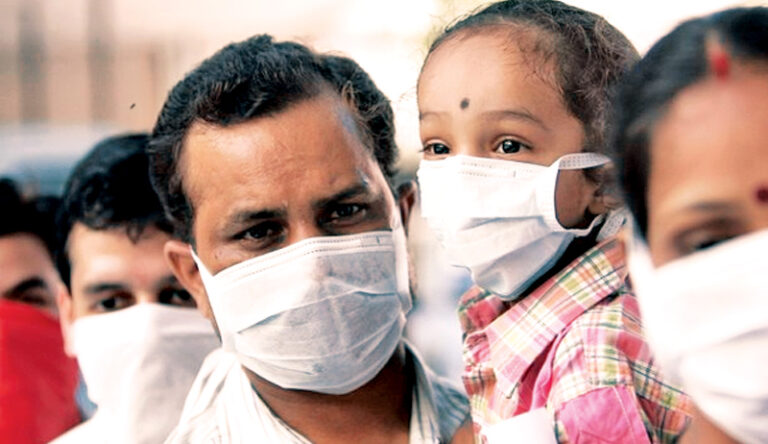
January 09, Colombo (LNW): Seasonal influenza has made a notable return, with a surge in cases being reported across Sri Lanka in recent weeks.
As the colder weather settles in, health authorities are advising the public to remain alert and seek medical advice promptly if they begin to exhibit symptoms such as fever, cough, and a runny nose.
Dr. Chinthana Perera, a Consultant Epidemiologist, has specifically warned that pregnant women who suspect they may have contracted the flu should seek immediate medical attention.
He highlighted that the flu is particularly risky for certain groups, including children under the age of five, elderly individuals over 65, and those with underlying health conditions such as diabetes or cancer.
These vulnerable populations are at a higher risk of developing complications from the virus.
The influenza virus tends to spread more rapidly during the colder months, with a noticeable uptick in cases observed during the second week of November, December, and January.
Experts suggest that the shift in weather conditions plays a significant role in triggering these seasonal spikes in flu-related illnesses.
In addition to maintaining good personal hygiene, such as regularly washing hands and avoiding touching the face or mouth, health officials are urging the public to practice caution and adhere to preventive measures to reduce the spread of influenza.
These basic steps can help mitigate the risk of infection, particularly during peak flu season.
The World Health Organisation (WHO) has also noted that these seasonal surges are typically linked to respiratory pathogens such as influenza, respiratory syncytial virus (RSV), and human metapneumovirus (hMPV), which circulate more frequently during the winter and spring months.
Notably, recent reports from China have raised concerns over a rise in hMPV cases, with hospitals being overwhelmed in some areas.
Although hMPV typically causes mild cold-like symptoms in most cases, some individuals may experience more severe respiratory issues, requiring hospitalisation for conditions such as bronchitis or pneumonia.
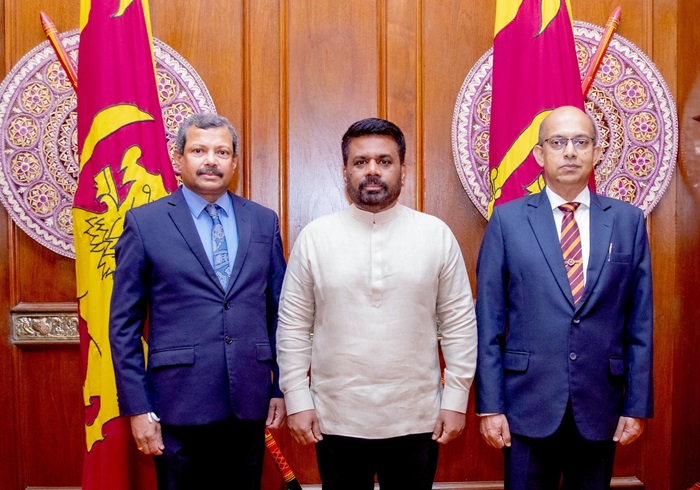
January 09, Colombo (LNW): President Anura Kumara Dissanayake formally swore in two newly appointed Justices to the Court of Appeal this morning (09).
The solemn ceremony took place at the Presidential Secretariat, with the two distinguished legal professionals taking their oaths in the presence of the President.
The newly appointed Justices, Attorneys-at-Law Mr. K.M.S. Dissanayake and Mr. R.P. Hettiarachchi, were selected for their expertise and years of service within the legal profession.
Their appointments come at a crucial time as the Court of Appeal continues to play a pivotal role in ensuring justice and upholding the rule of law in Sri Lanka.
The event was witnessed by senior members of the legal and political communities, marking a milestone in the judicial appointments.
Both Dissanayake and Hettiarachchi are expected to bring a wealth of experience and a deep understanding of the law to their new roles, enhancing the Court of Appeal’s ability to deal with the numerous and complex cases it handles.
The President’s Media Division highlighted that the appointment of the two new Justices reflects the government’s commitment to upholding the integrity of the judiciary and ensuring that the country’s legal system remains independent, effective, and transparent.
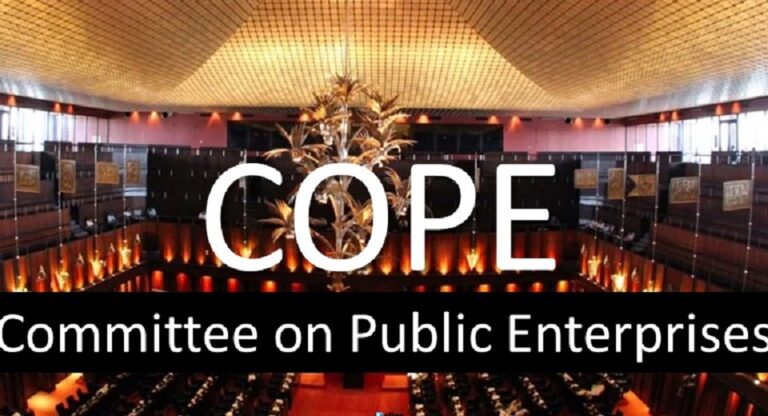
January 09, Colombo (LNW): Dr. Nishantha Samaraweera, a Member of Parliament representing the National People’s Power (NPP), has been unanimously elected as the new Chairman of the Committee on Public Enterprises (CoPE).
His appointment was confirmed during a parliamentary session held earlier today, marking a significant moment in his political career.
Following his election, Dr. Samaraweera assumed leadership of CoPE, a key parliamentary committee tasked with overseeing the operations and financial management of state-owned enterprises.
The committee convened today (09) at 2 p.m., where discussions on its future course of action and priorities for the coming year were likely to have been addressed.
January 09, Colombo (LNW): The government has tabled the Appropriation Bill for the 2025 financial year, which details the planned budget for the period from January 01 to December 31, 2025.
The bill outlines a substantial total expenditure of Rs. 4,616 billion, aimed at supporting the country’s wide-ranging public services, infrastructure projects, and developmental initiatives.
The bill breaks down the allocation of funds across numerous ministries, each receiving varying amounts to cover both recurring operational costs and capital investments for the year ahead.
The Ministry of Finance and Planning and Economic Development, as expected, has been allocated the largest portion of the budget, with Rs. 484 billion set aside for recurring expenditure and an additional Rs. 229 billion for capital spending.
This reflects the significant role the ministry plays in managing the country’s financial health and economic development.
Other key ministries also have substantial budgets to fulfil their mandates. The Ministry of Defence will receive Rs. 382 billion for recurring expenses and Rs. 60 billion for capital projects, ensuring national security and defence initiatives continue.
The Ministry of Health and Mass Media has been granted Rs. 412 billion in recurring expenditure and Rs. 95 billion for capital development, underlining the importance of healthcare and media reforms in Sri Lanka.
The transport sector will see a significant investment, with the Ministry of Transport, Highways, Ports and Civil Aviation allocated Rs. 52.4 billion for recurring costs and a remarkable Rs. 421 billion for capital expenditure, reflecting continued efforts to modernise infrastructure and improve connectivity.
Other notable allocations include Rs. 206 billion for the Ministry of Education, Higher Education and Vocational Education, and Rs. 463 billion for the Ministry of Public Administration, Provincial Councils and Local Government.
The bill also highlights the government’s focus on rural development and social welfare, with Rs. 24 billion allocated to the Ministry of Rural Development, Social Security and Community Empowerment, alongside Rs. 33 billion for the Ministry of Public Administration.
Moreover, the Ministry of Urban Development, Construction and Housing will receive Rs. 3 billion for recurring costs and Rs. 98 billion for capital projects aimed at urban infrastructure improvements.
In line with global trends, Sri Lanka is also increasing its investment in technology and innovation.
The Ministry of Digital has been allocated Rs. 6.7 billion in recurring expenditure and Rs. 6.8 billion for capital outlays to drive digital transformation in the country.
The bill also outlines significant funding under the Special Spending Unit. Notably, operational and developmental activities for the President’s office have been earmarked Rs. 2.5 billion and Rs. 354 billion for recurring and capital expenses, respectively, along with additional allocations for the Prime Minister’s office and the judiciary.
The detailed budgetary allocations presented in the Appropriation Bill provide a clear picture of the government’s priorities for 2025.
The proposed expenditure reflects a strong focus on infrastructure development, social welfare, and national security, while also aiming to foster growth in education, healthcare, and technology.
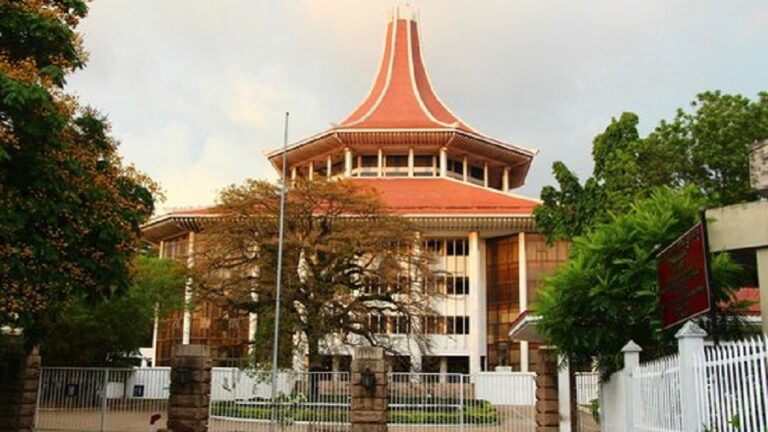
January 09, Colombo (LNW): The Supreme Court of Sri Lanka will temporarily move its operations to the newly constructed MCC Building on Adhikarana Mawatha in Colombo 12, beginning January 15, 2025, as refurbishment works commence at the Superior Courts Complex.
This move is necessary to ensure the continued functioning of the court while the complex undergoes essential upgrades.
Simultaneously, the Court of Appeal will resume its hearings at the newly designated Court of Appeal premises, located in the former Ministry of Justice Building.
The Court of Appeal is expected to operate from this temporary location starting on January 15 as well.
In a statement issued today, the Marshals Office of the Supreme Court expressed its sincere apologies for any inconvenience that may arise during this period. The office highlighted that there may be some disruptions, particularly with regard to the availability of parking and other limited facilities at the temporary locations.
The court has urged the public, litigants, attorneys-at-law, and President’s Counsel to bear with the temporary arrangements, assuring that efforts will be made to minimise any difficulties during the transition.
January 09, Colombo (LNW): Having weathered what is considered the most severe economic crisis in its history, Sri Lanka is now on the path to recovery, with its financial sector regulator focusing on accelerating the country’s growth in 2025.
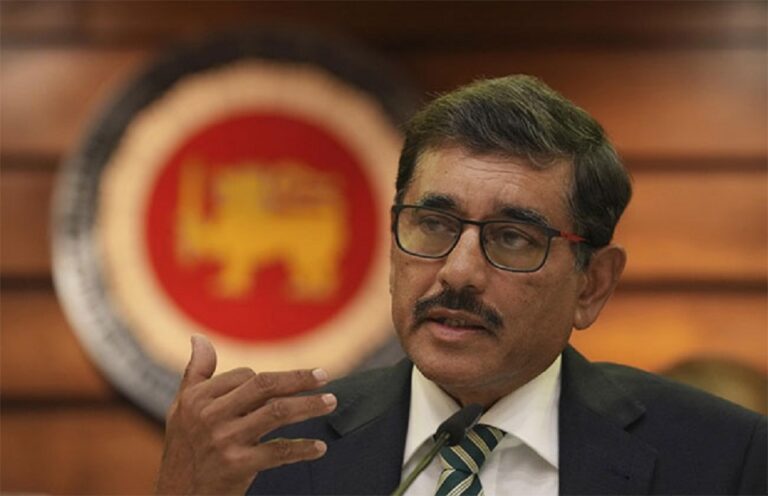
Central Bank Governor Dr. Nandalal Weerasinghe announced that the priority this year would be to achieve a “transformative acceleration” in the economy’s growth trajectory.
Dr. Weerasinghe emphasised the importance of this accelerated growth, stating that it is crucial not only for rebuilding the country’s economic strength but also for enhancing its debt-carrying capacity.
He stressed that strengthening the economy’s resilience and boosting growth without jeopardising financial and economic stability must be the next step for Sri Lanka’s ongoing progress.
“Our goal is to build sufficient buffers that will allow us to withstand future shocks while driving growth. This balance between stability and acceleration is essential for the country’s future,” Dr. Weerasinghe explained during a statement.
Reflecting on Sri Lanka’s economic journey over the past few years, the Governor noted that, following a turbulent period, the country had regained macroeconomic and financial sector stability.
However, he warned that maintaining this stability in the medium to long term depends on Sri Lanka’s continued commitment to implementing crucial economic reforms.
In his address, Dr. Weerasinghe reaffirmed the Central Bank’s role in maintaining domestic price stability and ensuring the financial system remains robust.
He also underlined the importance of supporting the economy as it works towards achieving its full growth potential.
Following the challenging years that saw the country grappling with an economic downturn, Sri Lanka’s economy began showing signs of recovery in the latter half of 2023.
This positive momentum carried into 2024, as the economy rebounded strongly, initially benefiting from the base effect of a low starting point. This recovery was further bolstered by an accommodative monetary policy and a favourable low-inflation environment.
According to estimates, Sri Lanka’s economy grew by 5.2% in the first three quarters of 2024, largely driven by expansion across key sectors. Encouragingly, leading indicators for the industrial and service sectors suggest that this growth trend continued into the final quarter of 2024.
Based on this performance, the Central Bank projects that Sri Lanka’s real GDP for 2024 will have increased by approximately 5%, marking the highest annual growth since 2017.
“This higher-than-expected growth also provides evidence that the recent period of deflation was not caused by a lack of demand, but rather by supply-side factors, including administrative price adjustments,” the Central Bank noted.
Looking ahead, Dr. Weerasinghe stressed that while Sri Lanka’s economic recovery has shown promise, the true challenge lies in sustaining and building upon this growth.
January 09, Colombo (LNW): President Anura Kumara Disanayake has called for a strategic shift towards new product development as a means to enhance Sri Lanka’s position in the global market, fostering opportunities that would drive economic prosperity.
Speaking at the official launch of the “National Initiative for R&D Commercialisation” on January 08, the President highlighted the potential for innovation to play a central role in the country’s future growth.
A key component of the initiative is the unveiling of a new platform—nirdc.gov.lk.
This website is designed to promote the commercialization of research and development, which, in turn, is expected to spur the production of value-added goods and services.
These efforts are poised to contribute to sustainable economic growth and accelerate social progress, as reported by the President’s Media Division (PMD).
President Disanayake acknowledged the presence of grassroots-level innovation within Sri Lanka but pointed out that the country has lacked sufficient mechanisms to effectively nurture and commercialise these ideas.
He stressed the importance of creating an environment conducive to free and creative thinking, supported by a robust system that channels such ideas into productive economic outcomes.
Such an approach, he suggested, would position Sri Lanka as a hub of innovation and progress.
Sri Lanka’s investment in research and development (R&D) has historically been minimal, with just 0.12 per cent of its annual GDP allocated to this crucial sector.
Despite the country’s rich natural resources, the potential for R&D to drive economic returns has remained largely untapped.
However, the President highlighted that with the current government in office, there is renewed interest from both local and international investors eager to capitalise on opportunities within Sri Lanka.
The government’s strategy is to effectively manage these investments to ensure quick economic gains.
The newly established Ministry of Science and Technology is already making strides in implementing a comprehensive long-term R&D strategy.
In the immediate term, the focus is on converting nearly finished or completed research projects into marketable, value-added products and services, providing an initial economic boost.
A central part of the government’s approach is the “National Initiative for R&D Commercialisation (NIRDC)”, which will be led by Dr. Nandika Sanath Kumanayake, Secretary to the President, and Prof. Gomika Udugamasooriya, Senior Advisor to the President.
This initiative will be supported by a diverse committee of experts from fields such as scientific research, industry, economics, law, the arts, and indigenous heritage. Their goal is to drive the commercialisation of research, enabling Sri Lanka to capitalise on its R&D outcomes.
During the event, the President underscored that while human needs may remain unchanged, the methods by which these needs are addressed are constantly evolving.
Innovation, he stated, is essential for meeting these evolving needs, with new product development at the heart of the nation’s economic strategy.
Reflecting on Sri Lanka’s past shortcomings, President Disanayake noted that the country’s outdated approach to technology has held it back from fully participating in the global marketplace.
Whilst technological advancements have dramatically transformed global trends, Sri Lanka has remained tethered to traditional industries such as tea, coconut, and rubber.
In contrast, leading global companies have thrived by integrating technology with innovation—five of the world’s top ten companies are tech-based.
The President also pointed out that Sri Lanka’s historical neglect of technology as an economic driver has hindered its development.
In contrast, nations that have prioritised technological advancement have seen significant economic growth and development.
The President concluded by emphasising the importance of eradicating poverty, not only to alleviate social suffering but also to restore the rights of marginalised communities.
Innovation, he argued, could empower rural populations by ensuring their economic participation and access to information, which would, in turn, improve their quality of life.
Prof. Gomika Udugamasooriya, Senior Advisor to the President, further elaborated on the initiative’s goals, noting that Sri Lanka’s R&D outputs have not been effectively integrated into the economy until now.
Under this new programme, the focus will be on translating R&D into marketable products and services, paving the way for both economic growth and social development.
The launch event saw the attendance of several key figures, including Prime Minister Dr. Harini Amarasuriya, Ministers Sunil Handunnetti and Wasantha Samarasinghe, and other prominent academics, government officials, investors, entrepreneurs, and representatives from private research institutions.
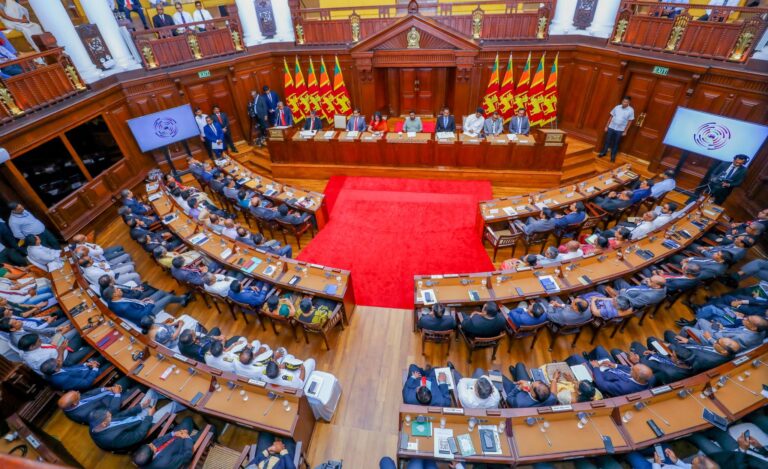
January 09, Colombo (LNW): Parliament will convene today (09) for the introduction of two significant pieces of legislation: the 2025 Appropriation Bill and the Local Government Elections (Special Provisions) Bill.
These bills, which are expected to shape the political and fiscal landscape in the coming months, will be subject to rigorous debate and voting procedures.
The 2025 Appropriation Bill, which outlines the government’s budgetary allocations for the year, will be presented to Parliament today. Members will have the opportunity to review the draft bill, with the second reading scheduled for February, 17.
Following this, a robust debate on the bill will occur from February 18 until February 25, with a vote on the second reading set for the evening of February 25.
Once the second reading has passed, the bill will proceed to the Committee Stage Debate, also known as the Third Reading Debate.
This phase will run from February 27 to March 21, culminating in the third reading vote, which will take place on the evening of March 21.
If approved, the Appropriation Bill will provide the necessary funds for the government’s operations throughout the year, reflecting key priorities and fiscal policy directions.
In addition to the Appropriation Bill, the Local Government Elections (Special Provisions) Bill will also be introduced today.
This bill, which has already been published in the Gazette, proposes new measures for the upcoming local government elections.
The Minister of Public Administration, Provincial Councils, and Local Government recently submitted the draft bill, which aims to facilitate the calling of fresh nominations for the local elections.
If passed, the bill will empower the Election Commission to request new nominations, ensuring the election process is transparent, fair, and up-to-date.
This move comes in response to various changes in the political and electoral landscape, with the government keen to ensure that the local government elections are conducted smoothly and efficiently.