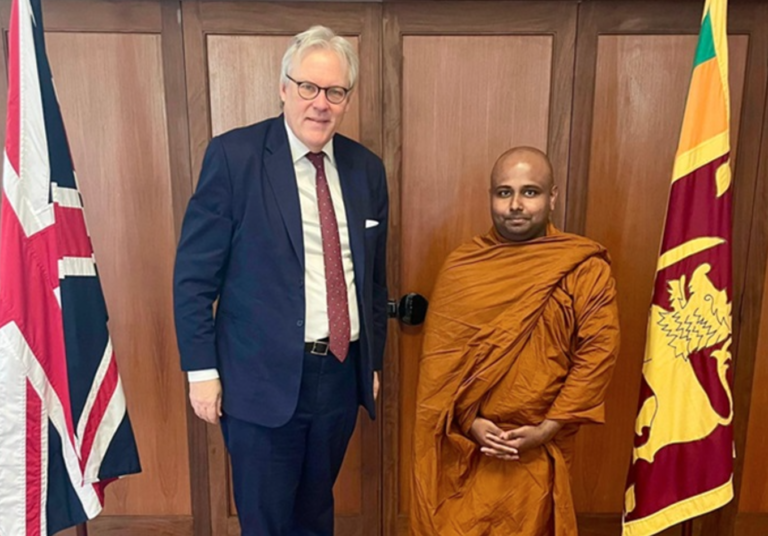
British High Commissioner to Sri Lanka Andrew Patrick recently hosted Venerable Wadigala Samitharathana Thero, the first Sri Lankan Buddhist monk to study at the University of Oxford in over 105 years.
Sharing the news on social media platform ‘X,’ the High Commissioner remarked on Ven. Samitharathana Thero’s inspiring journey, emphasizing the transformative power of education and the deep-rooted ties between England and Sri Lanka.
In December 2024, St Cross College at Oxford welcomed Ven. Samitharathana Thero as a Glorisun Scholar, where he is pursuing an MPhil in Buddhist Studies. His admission marks a historic milestone for both Sri Lanka and the prestigious university.
The last Sri Lankan Buddhist monk to attend Oxford was Ven. Suriyagoda Sumangala, who enrolled in 1919 as a non-collegiate student and later pursued a BLitt at Harris Manchester College.
St Cross College, a constituent college of the University of Oxford, is renowned for its diverse academic community and dedication to interdisciplinary studies.
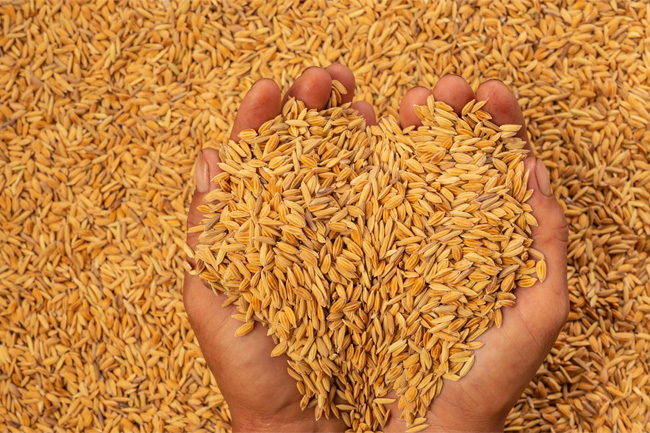
The government has announced plans to initiate the purchasing of paddy from the third week of January.
Paddy Marketing Board (PMB) Chairman Manjula Pinnalanda stated that approximately 300,000 metric tonnes of paddy will be procured as part of this initiative. He assured that the PMB has adequate funds for this purpose, with allocations to be finalized shortly.
The Chairman further clarified that the paddy purchased will be stored as part of the government’s reserves. These reserves will be utilized to supply rice to the market only in the event of a shortage, ensuring stability in supply and prices.
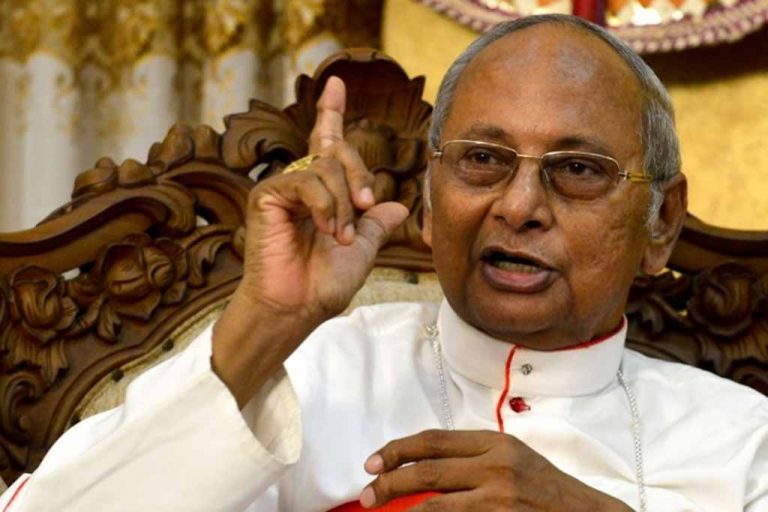
Colombo Archbishop Malcolm Cardinal Ranjith emphasized the need for a new Constitution to ensure democratic governance and address weaknesses in the current framework.
Speaking to the media following a meeting with Speaker Dr. Jagath Wickramaratne in Colombo yesterday (06), the Cardinal highlighted the importance of establishing a robust mechanism to investigate corrupt practices and abuses against democracy in Sri Lanka’s past.
The Archbishop also stressed the necessity of uncovering the truth behind the Easter Sunday attacks, urging a comprehensive investigation to determine who was responsible, their motives, and the support they received.
“A lot of such incidents have occurred in Sri Lanka, including murders and disappearances, with no proper investigations conducted,” he said. “Our request is for a mechanism to probe all these corrupt acts against democracy. This requires structural changes and the drafting of a new Constitution.”
The Cardinal expressed hope that these measures would be implemented, paving the way for justice and democratic reform.
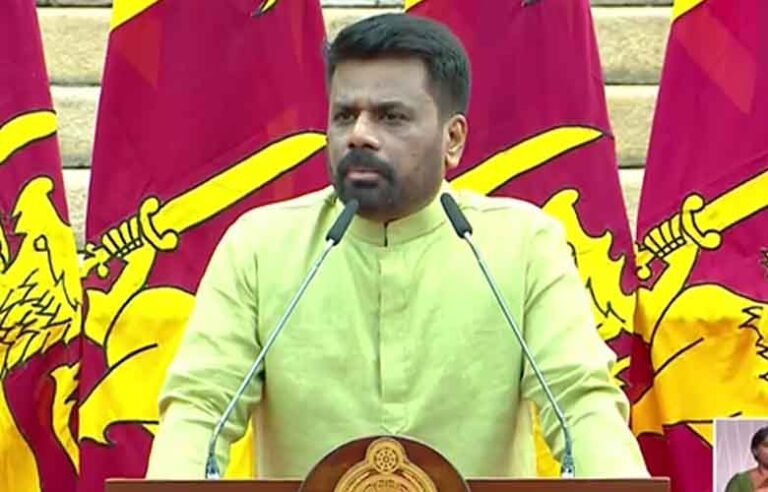
President Anura Kumara Dissanayake underscored the critical role of the Attorney General’s Department in rebuilding public confidence in the judicial system. He highlighted the importance of transforming public perceptions about political interference to reinforce trust in the legal process.
Speaking during a discussion with the Attorney General and senior officials from the department at the Presidential Secretariat yesterday (06), the President stressed the need for coordinated efforts among institutions to ensure effective law enforcement, according to the President’s Media Division.
The President reaffirmed the Government’s commitment to maintaining public trust in the justice system and pledged to avoid any actions that might undermine these expectations. He noted that restoring principles of fairness and equity remains a priority in fostering public confidence.
The meeting was attended by Justice and National Integration Minister Harshana Nanayakkara, Public Security Ministry Secretary Ravi Seneviratne, Attorney General Parinda Ranasinghe PC, and other officials from the Attorney General’s Department.
Attending the event, Minister Herath praised the recent advancements in service delivery for Sri Lankans abroad, crediting the dedicated efforts of the officials at the Presidential Secretariat, led by Senior Additional Secretary Roshan Gamage, and the Registrar General’s Department over the past two months.
“This opportunity for Sri Lankans abroad is the result of the dedicated efforts of these officials,” he stated, adding, “Even though this could have been implemented earlier, it required the necessary leadership to bring it to fruition. With the new political leadership, officials were able to realize this initiative within two months.”
Minister Herath highlighted that this achievement is the first successful initiative under the President’s digitalisation concept, describing it as a significant service to both the country and its economy. He elaborated, “For a fee of around $22, Sri Lankans abroad can now obtain essential documents from any country. We believe this initiative can be further developed to encompass all services.”
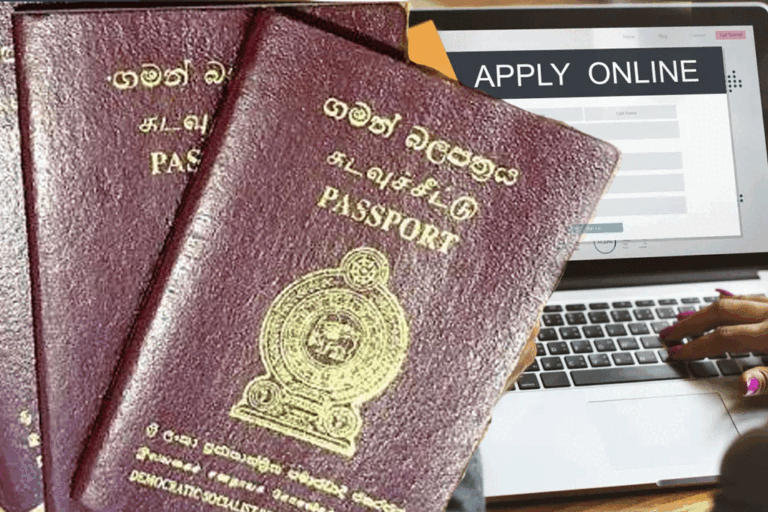
Addressing current challenges in passport services, Minister Herath acknowledged issues caused by prior decisions. “We recognize the ongoing difficulties faced by people regarding passport issuance. To address this, we have decided to initiate a tender for new passport printing. This will enable us to quickly procure the necessary passport quantities and incorporate the same technology for both renewals and new passport applications,” he explained.
The event was attended by Deputy Minister of Foreign Affairs and Foreign Employment Arun Hemachandra, Secretary to the Foreign Affairs, Foreign Employment, and Tourism Ministry Aruni Ranaraja, Registrar General W.R.N.S. Wijesinghe, Senior Additional Secretary (Administration and Diplomatic Affairs) G.G.S.C. Roshan, and other high-ranking officials from the relevant ministries.
Focus has been drawn to the manner in which ambassadors and heads of diplomatic missions residing in Colombo have been directly booking appointments for delegations visiting Sri Lanka to meet local ministers, dignitaries, and senior officials.
Since this action is contrary to accepted diplomatic protocol and procedure, the Alliance Division of the Foreign Ministry should be informed in advance regarding the programmes that are required for those delegations in the future, a revised circular issued by the Presidential Secretariat said.
The revised circular states that accordingly, the Alliance Division of the Foreign Ministry will arrange a suitable time for these required appointments by the foreign delegations visiting the country, with the local authorities.
The revised circular has been issued regarding the interactions between Government Ministries and State institutions with foreign governments, international organizations, foreign diplomatic missions in Sri Lanka, and Sri Lankan diplomatic missions overseas.
This revised circular issued by the Presidential Secretariat replaces the previous circular No. PS/EAD/Circular/16/2022 issued by the Secretary to the President that was in force since January 9, 2023, and will be effective from January 1, 2025.
The revised circular has been addressed to Ministry Secretaries, Provincial Chief Secretaries, and Provincial Governor’s Secretaries. This new procedure will have to be followed effective January 1, 2025, by Governors and Provincial Ministers.
As such, requests for direct appointments by ambassadors and heads of diplomatic missions resident in Sri Lanka for themselves or their mission staff to meet Sri Lankan Governors or Provincial Ministers must be directed to the Alliance Division of the Foreign Ministry.
Also, when visiting foreign officials or ambassadors and heads of foreign missions residing in Colombo want to meet the President, Prime Minister, or Ministers, they will need to seek advice from the Foreign Ministry regarding the appropriate level at which such meetings should be conducted.
The revised circular states that officials holding lower-level positions in embassies and foreign missions, including the United Nations, should not make arrangements to meet the President or the Prime Minister.
The Ministries and State institutions have been informed in the revised circular that they should not issue any type of media statement regarding foreign policy and foreign relations, as well as matters related to foreign countries, without an official written clearance from the Foreign Ministry.
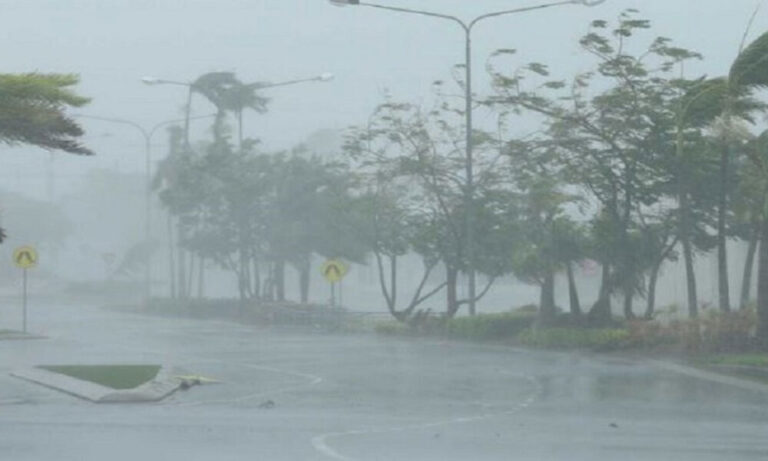
Showers or thundershowers may occur at a few places in Southern and Sabaragamuwa provinces during the afternoon or night.
Mainly fair weather is likely to prevail elsewhere.
Misty conditions can be expected at some places in Western, Sabaragamuwa, Central, Southern and Uva provinces and in Kurunegala district during the morning.
The general public is kindly requested to take adequate precautions to minimize damages caused by temporary localized strong winds and lightning during thundershowers.
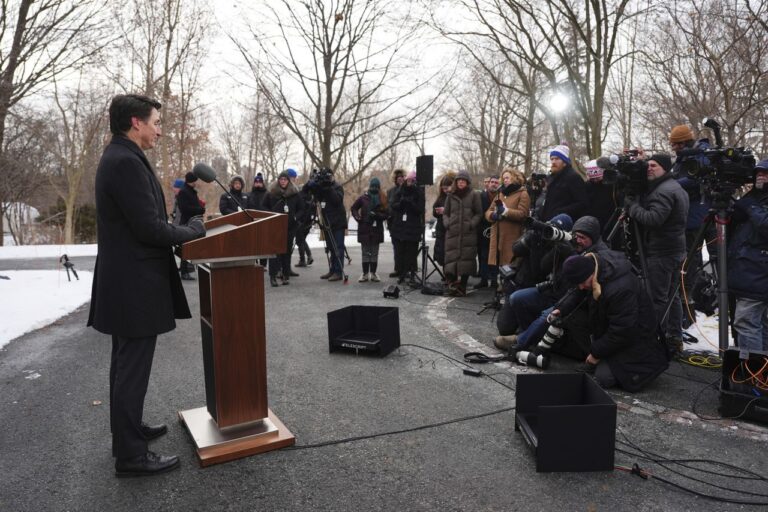
January 06, World (LNW): Canadian Prime Minister Justin Trudeau has declared his intention to step down, marking the end of nearly a decade in office.
Trudeau, who has led the Liberal Party for 11 years and served as prime minister since 2015, will vacate his position once a new leader for the ruling party is selected.
In an emotional statement to the press, Trudeau reflected on his tenure, saying, “Every morning I’ve woken up as prime minister, I have been inspired by the resilience, generosity, and determination of Canadians. I have fought for this country, for you.”
He pointed to his administration’s handling of the Covid-19 pandemic, steadfast support for Ukraine, and efforts to combat climate change as key accomplishments during his leadership.
Trudeau’s announcement comes at a time of growing political pressure. His government has faced a series of challenges, including escalating economic concerns, a sharp decline in public approval ratings, and internal party upheavals, with the resignation of several close allies.
Externally, tensions with the United States, particularly during Donald Trump’s presidency, also added strain to his administration.
To facilitate a smooth transition, Canada’s parliament will be suspended until 24 March as the Liberal Party undertakes the process of selecting a new leader. Trudeau described the current global and national environment as a “critical moment” and urged Canadians to remain united in the face of challenges.
His departure signals a pivotal shift for Canadian politics. Trudeau, the son of former Prime Minister Pierre Trudeau, came into office on a wave of optimism and international admiration.
However, his leadership trajectory has seen both soaring achievements and contentious setbacks. His legacy, shaped by progressive policies and international advocacy, will undoubtedly be debated as Canada prepares for new leadership.
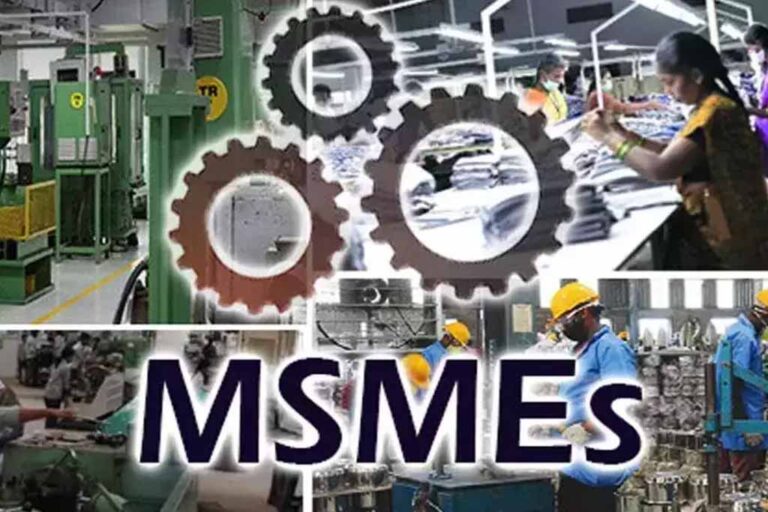
January 06, Colombo (LNW): The Sri Lankan Government has pledged to design a more effective relief package to support the revival of Micro, Small, and Medium Enterprises (MSMEs), as the relief measures announced by the Central Bank of Sri Lanka (CBSL) through Circular No. 4 of 2024 have been deemed inadequate.
The Ceylon Federation of MSMEs (CFMSME) expressed dissatisfaction with the CBSL’s measures, arguing that they fail to address the severe challenges faced by the sector due to events like the Easter Sunday attacks, the COVID-19 pandemic, and ongoing macroeconomic difficulties.
CFMSME President Mahendra Perera highlighted that the CBSL’s provisions, which include the rescheduling of impaired loans and partial interest waivers, do not sufficiently meet the needs of MSMEs.
He stated that the relief measures lacked practical relevance and omitted key elements previously discussed with stakeholders. Following meetings with Minister Sunil Handunneththi and Deputy Minister Chathuranga Abeysinghe, the Government acknowledged these concerns and directed the CBSL to revise its approach.
Perera revealed that the proposed incentive package under discussion includes several significant relief measures.
These include restructuring existing loans at concessionary interest rates below 10%, issuing new loans at similarly low rates regardless of Non-Performing Loans (NPLs), and either fully waiving or partially subsidizing accrued interest on loans over the past five years.
Under the partial waiver plan, the Government would cover 50% of the interest, with banks absorbing the remainder.
Additionally, the Government is considering removing eligible MSMEs from the Credit Information Bureau of Sri Lanka (CRIB) to improve access to new loans.
Ajith Dhammika Bandara, Coordinating Officer to the Deputy Minister of Industries and Entrepreneurship Development, stated that while CRIB removal is being prioritized, MSMEs will need to work with banks directly to restructure existing loans.
The CBSL’s Circular No. 4 of 2024 outlines several conditions for SMEs seeking relief. Borrowers with credit facilities classified as Stage 3 after 1 April 2019 must initiate business revival discussions with their banks by 31 March 2025 to qualify.
Restructured loans must adhere to specific repayment timelines based on the outstanding loan amount. For instance, loans under Rs. 25 million require repayment commencement by 31 December 2025, while loans exceeding Rs. 50 million must begin repayments by 30 June 2025.
The Circular also offers interest waivers based on the outstanding loan amount and settlement timeframe.
For loans between Rs. 5 million and Rs. 10 million, waivers range from 65% for settlement within six months to 40% for settlement within 12-60 months. Loans between Rs. 10 million and Rs. 25 million receive smaller waivers, starting at 35% for quick repayment and decreasing to 20% over extended periods.
While these measures offer some respite, industry leaders argue they fail to address the sector’s structural challenges. The forthcoming revised relief package is expected to be more comprehensive, targeting the specific needs of MSMEs to ensure their sustainable recovery.
January 06, Colombo (LNW): Sri Lanka’s local vehicle assembly sector is urging the government to introduce a competitive tax framework that gives priority to locally assembled vehicles.
As a cornerstone of the nation’s economy, this industry drives job creation, preserves foreign exchange, and fosters technical innovation.
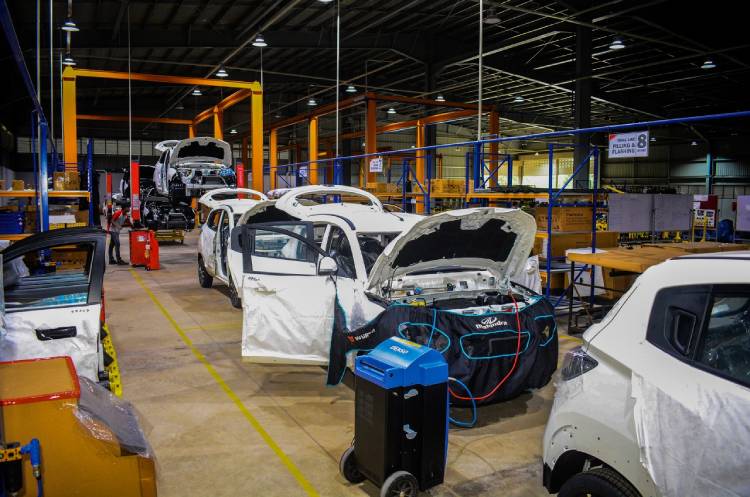
Operating under the Ministry of Industries’ Standard Operating Procedure (SOP), the sector comprises over 17 assembly plants producing a variety of vehicles, including motorcars, SUVs, motorcycles, and electric three-wheelers.
With 17 additional investors preparing to launch operations, the industry is poised for significant growth.
Currently, the sector directly employs over 5,000 technically skilled workers, including recent graduates and trainees, and indirectly supports more than 10,000 jobs. This creates a vast ecosystem that sustains thousands of families, enhancing the nation’s human capital.
During the suspension of vehicle imports, the local assembly industry demonstrated its strategic value by reducing dependency on completely built units (CBUs), conserving foreign exchange, and proving the feasibility of local manufacturing.
Global automotive giants such as Hyundai, TVS, Bajaj, Mahindra, TATA, Lanka Ashok Leyland, DFSK, Foton, JAC, JMC, Chery, Proton, Wuling, and BAIC have established operations in Sri Lanka, underscoring the sector’s ability to attract renowned international brands.
Sri Lanka’s automotive component manufacturing sector has also advanced significantly, producing high-quality parts such as batteries, tyres, bumpers, exhaust systems, seats, plastic and composite components, liners, wire harnesses, and metal and rubber parts.
These achievements have positioned Sri Lanka as a competitive player in the regional automotive supply chain, meeting international standards.
The industry is setting ambitious goals, including vehicle and component exports within the next five years. Plans include increasing component export revenue from USD 800 million to USD 2 billion and generating an additional 45,000 jobs.
Drawing from the success of countries like Thailand and Malaysia, Sri Lanka’s strategic location, government incentives, and growing supply chain infrastructure offer a solid foundation for realizing these objectives.
As the government considers lifting the suspension on CBU imports, industry stakeholders stress the importance of a competitive tax structure favoring locally assembled vehicles. Such measures will ensure sustained growth, attract further investment, and secure long-term viability.
Sri Lanka’s local assembly and automotive component sectors symbolize more than industrial activity—they represent the nation’s potential for industrial progress. With strategic policies and sustained support, these industries can propel Sri Lanka toward sustainable economic and industrial prosperity.