By: Staff Writer
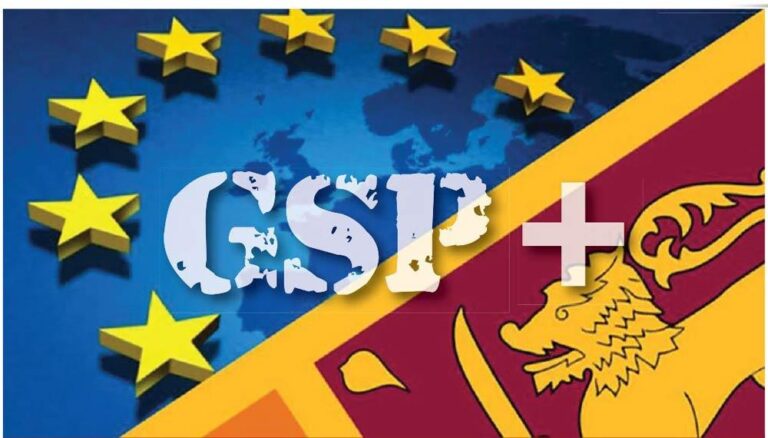
February 26, Colombo (LNW): Sri Lanka’s fragile export recovery faces a new test as the European Union tightens conditions for continued access to its GSP+ trade concession scheme. At the 27th EU-Sri Lanka Joint Commission session held in Colombo in February 2026, European officials delivered a carefully worded but firm message: preferential access is a conditional contract, not an entitlement. Delivery on reform commitments must be measurable, time-bound and credible.
The warning comes at a sensitive political moment for the Marxist-oriented JVP-led National People’s Power (NPP) administration under President Anura Kumara Dissanayake. While the government has pledged governance reform and anti-corruption measures as part of its economic reset, Brussels has signaled concern about legislative backtracking, policy inconsistency and weak external communication.
Central to EU scrutiny is Sri Lanka’s counter-terrorism framework. The long-criticised Prevention of Terrorism Act is to be replaced by the proposed Protection of the State from Terrorism Act (PSTA). European officials have urged Colombo to narrow the definition of terrorism in line with international standards, warning that overly broad language could criminalise peaceful protest and dissent. Extended detention powers and expansive executive authority remain flashpoints.
Alongside security laws, amendments to the Online Safety Act have been flagged as urgent to safeguard freedom of expression and association. The EU delegation also reviewed progress on reconciliation, human rights, and the functioning of independent bodies such as the Office on Missing Persons.
The stakes are substantial. The EU absorbs more than a quarter of Sri Lanka’s exports. Analysts estimate that a full withdrawal of GSP+ after 2027 could slash export earnings by over $1 billion, hitting apparel and processed fish industries hardest and endangering more than 70,000 jobsmany held by women and low-skilled workers.
Compounding the pressure are tougher criteria for the 2028–2034 GSP+ cycle. Beyond the existing 27 conventions, Sri Lanka must demonstrate effective implementation of additional obligations, including climate commitments under the Paris Agreement, stronger labour inspections under ILO Conventions 81 and 144, and compliance with instruments on disability rights and transnational organised crime.
Although Colombo has ratified many of these treaties, the EU has made clear that ratification without enforcement will not suffice. The reapplication window from 2027 to 2028 will require detailed action plans and legislative alignment to prove domestic compliance.
Government officials insist Brussels maintains a “favourable perspective” on Sri Lanka’s progress. Yet European diplomats privately emphasise that goodwill cannot substitute for results. For the NPP administration, ideological positioning and mixed diplomatic messaging risk undermining economic pragmatism. Without sharper policy coherence and proactive engagement, Sri Lanka could find that political symbolism carries an unexpectedly high trade price
Sri Lanka’s GSP+ Future Imperiled by Policy Drift
Government to Introduce New Legislation Targeting Organised Crime
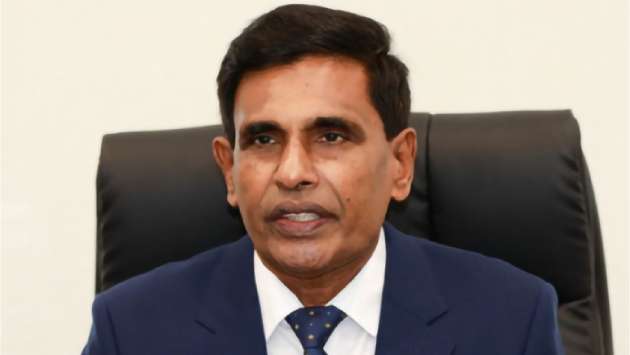
February 26, Colombo (LNW): Minister of Public Security and Parliamentary Affairs Ananda Wijepala has confirmed that a fresh Bill designed to tackle organised criminal activity is set to be presented to the Cabinet in the coming week. He noted that the draft legislation has already been finalised.
Speaking to reporters, Minister Wijepala asserted that the government aims to submit the Bill to the Cabinet within the next fortnight, with plans to forward it to Parliament shortly afterwards for consideration and anticipated approval.
He emphasised that the proposed measures are intended to provide the police with the necessary legal framework, regulations, and amendments required to enhance operational effectiveness. The legislation will address gaps identified in previous policing procedures and strengthen tools available to law enforcement agencies.
The Minister added that implementation will follow a phased approach, with the Inspector General of Police playing an active role in guiding, contributing to, and overseeing the rollout of the new provisions. This collaborative effort, he stated, is expected to significantly bolster police capacity to prevent and respond to organised criminal activities across the country.
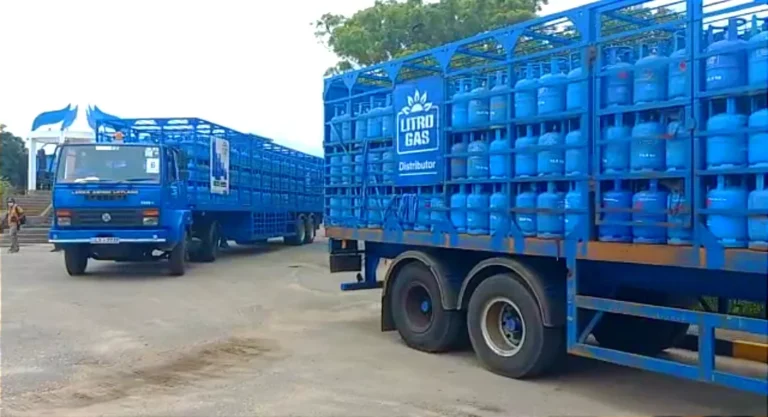
Minister Assures Public of Stable Litro Gas Supply Amid Market Concerns
By: Isuru Parakrama
February 26, Colombo (LNW): Minister of Trade Wasantha Samarasinghe has reassured the public that there is no shortage of Litro gas in Sri Lanka, following recent anxieties over domestic fuel supply.
He highlighted that the state-run blue cylinder, which dominates around 80 per cent of the household gas market, remains fully stocked. Agreements have already been finalised to import 380,000 metric tonnes of liquefied petroleum (LP) gas this year, ensuring a continuous flow to meet domestic demand.
According to the Minister, 29,174 metric tonnes of LP gas were delivered in February, with a further 38,000 metric tonnes expected in March. He explained that the company typically releases roughly 1,100 metric tonnes daily, but recent disruptions caused by a temporary halt in the yellow cylinder supply led to increased demand for the blue cylinder.
Samarasinghe noted that while most households have access to both blue and yellow cylinders, those relying solely on the yellow variety experienced difficulties when supplies fell short. In response, Litro increased daily distribution to 1,400–1,500 metric tonnes to ensure households could meet their cooking needs. The company reportedly distributed 100,000 cylinders yesterday, with a similar number planned for today and tomorrow.
Market inspections revealed that only a small number of households — approximately 40 — rely exclusively on yellow cylinders, while around 60 possess both types. The Minister said the relevant supplier has been instructed to resume yellow cylinder deliveries immediately and is expected to recommence full supply from February 28.
He added that the Consumer Affairs Authority has been empowered to take legal action if the commitment is not honoured, citing consumer protection concerns.
This statement aims to calm public unease and emphasises that Sri Lanka’s LP gas supply remains robust despite short-term distribution hiccups.
Heightened Police Vigil as O/L Examinations Conclude
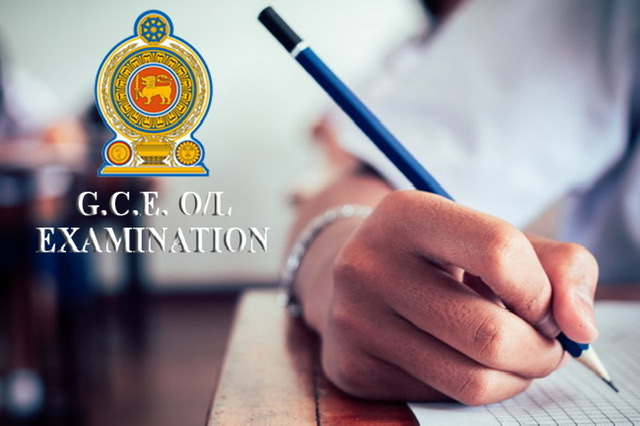
February 26, Colombo (LNW): Sri Lanka Police have confirmed that enhanced security arrangements will come into effect as the 2026 General Certificate of Education Ordinary Level (G.C.E. O/L) examinations draw to a close today (26 February).
The move follows patterns observed in previous years, where isolated incidents of unruly conduct and clashes involving small groups of students were reported shortly after the completion of the national examination.
Officials say precautionary steps are being taken to prevent any recurrence and to safeguard both candidates and the wider public.
Additional patrols are expected around schools, tuition centres, public transport hubs and popular gathering points. Police have also indicated that officers will monitor public spaces to deter acts of vandalism, reckless celebrations or behaviour that could disrupt traffic and community life.
In a public appeal, authorities urged parents and guardians to remain vigilant and to guide their children towards responsible conduct during the post-examination period.
They stressed that while finishing the O/L examination is an important milestone deserving of celebration, such festivities must not endanger others or damage property.
Law enforcement officials further highlighted the importance of cooperation between families, school administrations and community leaders in maintaining calm and order.
They reiterated that any acts of violence or public disorder would be dealt with firmly under the law, underscoring the collective responsibility to ensure a safe and peaceful environment for all.
Sangakkara Urges Urgent Overhaul After Sri Lanka’s Setback Against New Zealand
By: Staff Writer
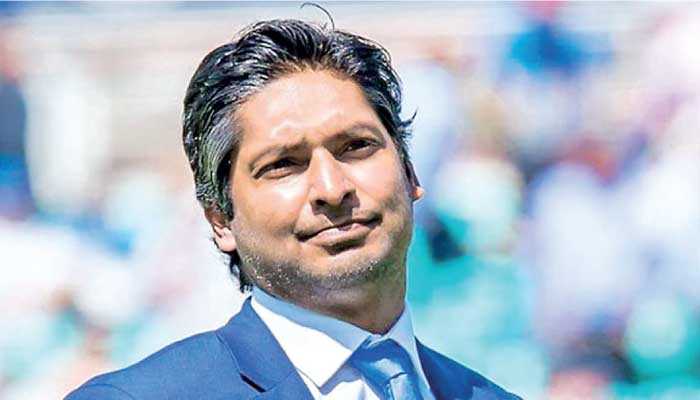
February 26, Colombo (LNW): Following Sri Lanka’s disappointing defeat to New Zealand yesterday (25), former national captain Kumar Sangakkara has called for sweeping changes across the country’s cricketing structure, warning that failure to evolve could leave the team trailing behind the modern game.
Taking to social media platform X, Sangakkara spoke candidly about the emotional toll of the loss, acknowledging the frustration felt by supporters and players alike. He noted that such defeats weigh heavily within the dressing room, recalling his own experiences during difficult periods in his playing career.
“There is a lot of hurt all round. The fans devastated, disappointed, angry. The players are hurting badly too. I have been in similar dressing rooms. It’s not easy. But this responsibility comes with the turf,” Sangakkara wrote.
He pointed out that representing one’s country is both an honour and a heavy responsibility, and expressed sympathy for the current players. He also he stressed that accountability comes hand in hand with wearing the national colours.
“There is a lot of work to be done at all levels to course correct. We can’t do the same things over and over and expect different results when the cricket world around us has evolved so quickly. We haven’t adapted and the danger is irrelevance,” he noted.
There is a lot of hurt all round. The fans devastated , disappointed , angry. The players are hurting badly too. I have been in similar dressing rooms. It’s not easy. But this responsibility comes with the turf. It’s a burden and a great privilege to represent your country and
— Kumar Sangakkara (@KumarSanga2) February 26, 2026
US Delegation Eyes Investment in Sri Lanka’s Strategic Graphite Industry
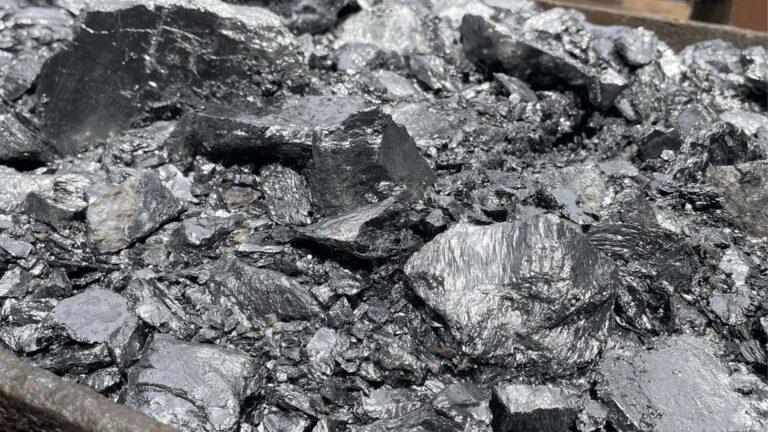
February 26, Colombo (LNW): A delegation from the United States, linked to Montana’s State Partnership Programme, has held discussions with Sri Lanka’s Ambassador to Washington, Mahinda Samarasinghe, to examine potential large-scale investment in the island’s graphite sector, a report by Daily Mirror disclosed.
The visiting team comprised Lieutenant Colonel Chris Cory, Director of the State Partnership Programme (SPP), alongside James Mooney, founder of Mooney Group LLC — an American mining enterprise focused on critical minerals — as well as Mary Mooney, Managing Director of the firm, and Chris Dorrington from the Montana Department of Transportation, according to report.
During the meeting, the delegation conveyed keen interest in tapping Sri Lanka’s high-grade graphite reserves, with a view to connecting future output to supply chains in the United States and other major industrial markets. Graphite is increasingly regarded as a strategic mineral due to its essential role in electric vehicle batteries, semiconductors and certain defence applications.
Ambassador Samarasinghe welcomed the overture, reaffirming Sri Lanka’s readiness to attract responsible foreign direct investment, particularly in sectors capable of generating value-added exports rather than merely shipping raw materials. He observed that collaboration with experienced American partners could introduce advanced extraction technologies, modern safety protocols and strengthened environmental safeguards — all of which would enhance the competitiveness of Sri Lanka’s mineral exports.
He further noted that deeper engagement in the critical minerals sphere would not only diversify Sri Lanka’s export base but also reinforce economic ties between Colombo and Washington at a time when global supply chains are being reshaped.
Mooney Group has established a reputation for developing and optimising mineral resources essential to high-tech manufacturing and energy storage industries, frequently working with partners to modernise mining and processing operations. Officials accompanying the discussions included Sri Lanka’s Deputy Chief of Mission Maduka Wickramarachchi, Minister of Commerce Nalinda Wijerathne and Defence Adviser Commodore Dumindu Abeywickrama.
Industry observers suggest that, if realised, such an investment could mark a significant step in positioning Sri Lanka as a reliable supplier within the rapidly expanding global market for critical minerals.
World Debt Hits Fresh Peak as Governments Lead Borrowing Surge
LISTEN TO STORY
WATCH STORY
By: Pramod Chinthaka Peiris
February 26, World (LNW): Global borrowing climbed to an unprecedented US$ 348 trillion by the close of 2025, following an annual increase of almost US$ 29 trillion — the sharpest rise recorded since the borrowing spree seen during the pandemic years.
The figures were released on Wednesday in the latest Global Debt Monitor compiled by the Institute of International Finance (IIF).
Much of last year’s expansion was driven by sovereign borrowers. Governments accounted for more than US$ 10 trillion of the overall increase, with the United States, China and countries within the euro area contributing roughly three-quarters of the jump.
Analysts opine that persistent fiscal deficits and expansive public spending programmes have increasingly become the primary engines of the global debt cycle, replacing the pandemic-era surge led by households and private firms.
Despite the surge in nominal terms, global debt as a proportion of economic output edged slightly lower to around 308 per cent of the Gross Domestic Product (GDP) in 2025, largely attributed to advanced economies subject to moderate growth.
In contrast, debt burdens in emerging markets continued to rise, surpassing 235 per cent of GDP — a new record for that group of economies.
Government liabilities worldwide reached approximately US$ 106.7 trillion at year-end, compared with US$ 96.3 trillion twelve months earlier. Non-financial corporate debt rose to about US$ 100.6 trillion, while household borrowing increased more gradually to US$ 64.6 trillion.
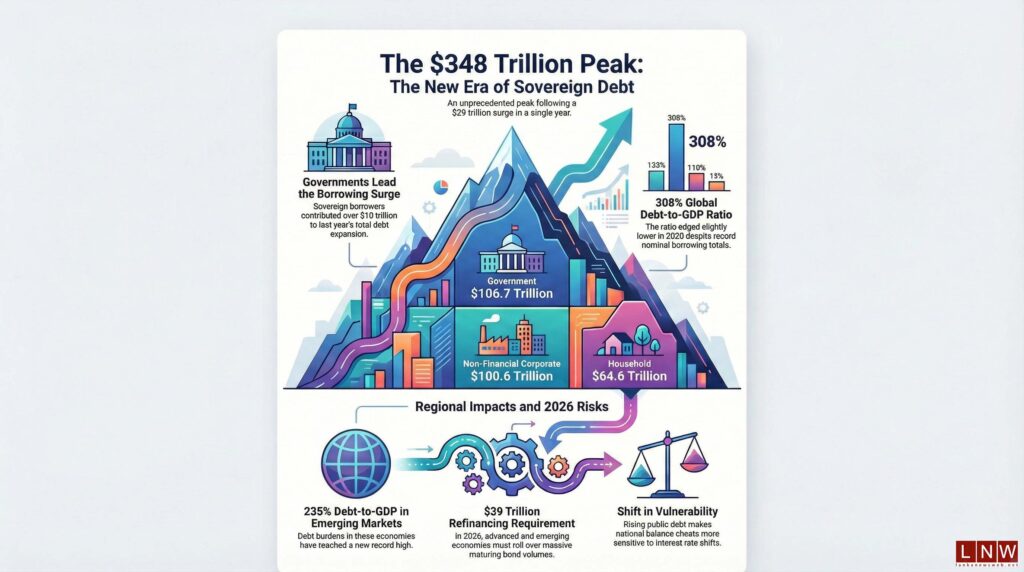
Overall debt in advanced economies climbed to nearly US$ 231.7 trillion, with emerging markets accounting for about US$ 116.6 trillion — both historic highs.
The composition of borrowing has shifted notably. Private-sector debt ratios have eased from their pandemic peaks, yet sovereign borrowing continues to expand rapidly. Economists caution that this tilt towards public debt leaves national balance sheets more vulnerable to shifts in interest rates and investor sentiment.
January 2026 saw one of the busiest starts to a year for sovereign bond issuance, as governments moved swiftly to secure funding amid still-favourable market conditions. Corporate borrowers have also remained active, particularly in the United States, where investment-grade issuance has been buoyant, supported by large technology and industrial groups tapping capital markets.
The IIF noted that relatively accommodative financial conditions and strong investor appetite have encouraged issuance across high-yield bonds, leveraged loans and initial public offerings. It added that significant investment drives — including artificial intelligence-powered data infrastructure, energy transition projects and reinforced supply chains — could usher in a new wave of capital expenditure, sustaining elevated borrowing levels.
However, the cushion provided by economic growth appears limited. The International Monetary Fund projects global growth of about 3.3 per cent in 2026, with advanced economies expanding by roughly 1.8 per cent and emerging markets by just over 4 per cent. While stable, such rates may not be sufficient to materially reduce debt ratios if borrowing continues at last year’s pace.
Emerging markets face more than US$ 9 trillion in debt maturities this year, marking a record refinancing requirement, while advanced economies must roll over in excess of US$ 20 trillion in maturing bonds and loans.
For now, strong demand has kept markets orderly. Yet with fiscal deficits still wide and refinancing pressures mounting, the trajectory of global debt in 2026 is likely to hinge increasingly on governments’ spending decisions and investors’ continued willingness to absorb vast quantities of sovereign paper.

Customs Officers Extend Black Armband Protest Amid Ongoing Dispute
February 26, Colombo (LNW): Trade unions representing customs personnel have confirmed that their symbolic black armband campaign will continue today (26), signalling sustained dissatisfaction over unresolved grievances.
The Customs Trade Union Alliance stated that members will once again report for duty wearing black armbands, a form of protest that began on 24 February. The action is intended to register concern without disrupting port operations or revenue collection.
Union representatives indicated that the next course of action will hinge on the outcome of talks scheduled for later today with the Deputy Minister of Finance. The meeting is expected to address a series of demands put forward by customs staff, including issues relating to service conditions, administrative procedures and what unions describe as inequities affecting officers’ professional standing.
Geethanjana Madapatha, Vice President of the Customs Officers’ Association, confirmed that the protest remains in force and stressed that members are determined to pursue a resolution through dialogue. He noted that while the current measure is symbolic, further steps could be considered should discussions fail to produce satisfactory progress.
Observers point out that customs operations are a critical component of state revenue and trade facilitation, particularly at a time when the Government is seeking to strengthen fiscal performance. As such, both sides are under pressure to reach common ground swiftly to avoid any escalation that could disrupt import and export procedures.
Official Poverty Threshold Edges Up at Start of 2026
LISTEN TO STORY
WATCH STORY
By: Isuru Parakrama
February 26, Colombo (LNW): Sri Lanka’s national poverty benchmark recorded a further rise in January 2026, underscoring the mounting cost of basic living expenses at the start of the year, according to newly released data from the Department of Census and Statistics.
The latest figures show that the country’s overall poverty line increased to Rs. 16,730 in January, up from Rs. 16,658 in December 2025.
With the month-on-month rise appearing modest, analysts are of the view that even incremental increases can place additional strain on low-income households already grappling with elevated prices for food, transport and utilities.
The data reveal notable regional disparities. Colombo District once again posted the highest poverty threshold, climbing to Rs. 18,044 in January from Rs. 17,966 a month earlier.
READ FULL REPORT HERE: https://www.statistics.gov.lk/povertyLine/2021_Rebase
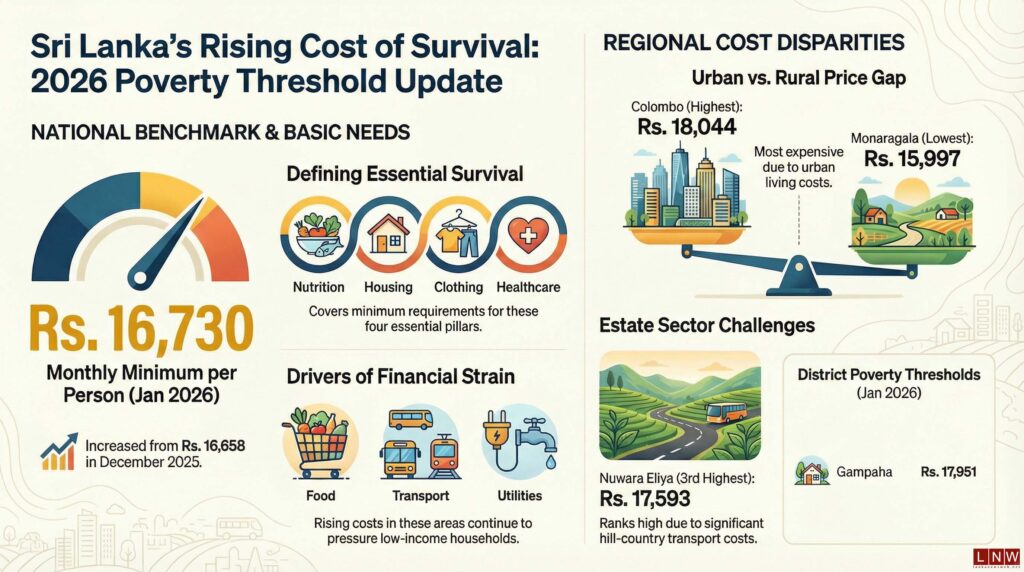
Gampaha followed closely at Rs. 17,951, reflecting sustained living costs in the densely populated Western Province.
Nuwara Eliya ranked third, with the poverty line standing at Rs. 17,593, partly attributed to higher food and transport expenses in estate and hill country areas.
At the lower end of the scale were districts such as Monaragala, Kilinochchi and Hambantota, where the poverty lines were recorded at Rs. 15,997, Rs. 16,163 and Rs. 16,255 respectively.
Economists caution, however, that lower nominal thresholds do not necessarily translate into easier living conditions, as income levels and employment opportunities also vary significantly across regions.
The official poverty line is calculated to reflect the minimum monthly income required for an individual to meet essential needs, including adequate nutrition, housing, clothing, healthcare and other basic services.
With inflationary pressures still evident in several sectors, policymakers are expected to monitor these trends closely as part of broader efforts to stabilise household welfare and protect vulnerable communities.

Sri Lanka and South Korea Move to Bolster Ties Ahead of Diplomatic Milestone
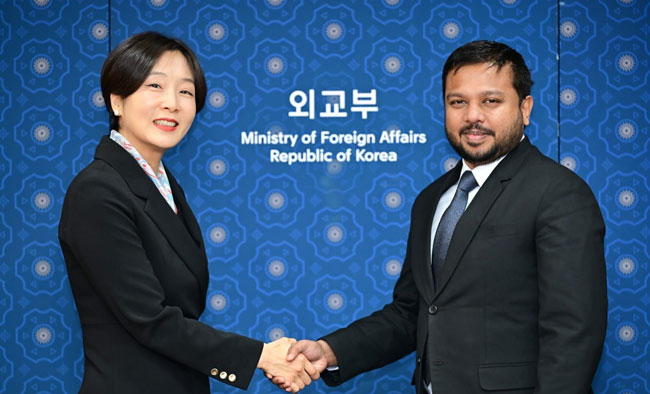
February 26, Colombo (LNW): Sri Lanka and the Republic of Korea have reaffirmed their intention to broaden bilateral cooperation following high-level talks held in Seoul this week.
Deputy Foreign Affairs Minister Arun Hemachandra met his South Korean counterpart, Eui-hae Cecilia Chung, at the Ministry of Foreign Affairs in the South Korean capital, where both sides reviewed the current state of relations and explored new avenues for collaboration.
According to officials familiar with the discussions, particular attention was given to boosting trade and investment links, widening overseas employment opportunities for Sri Lankans, and strengthening partnerships in development and defence. Sri Lanka’s ongoing economic recovery efforts also featured prominently, with updates shared on fiscal stabilisation measures and progress made in restructuring external debt.
In remarks shared on social media after the meeting, Hemachandra expressed gratitude for Seoul’s swift humanitarian support in the aftermath of Cyclone Ditwah, noting that such assistance had been instrumental during a critical period. He also sought continued backing for Colombo’s national rebuilding agenda, aimed at restoring infrastructure and revitalising communities affected by recent crises.
Beyond economic and strategic matters, the talks touched on the growing cultural rapport between the two nations. The Sri Lankan delegation highlighted the rising popularity of Korean culture among young people in Sri Lanka, observing that this cultural exchange has strengthened mutual understanding and people-to-people connections.
With the two countries set to mark half a century of diplomatic relations next year, both ministers agreed to commemorate the anniversary through a series of initiatives, including senior-level visits and enhanced institutional cooperation. Observers view the engagement as a signal of renewed momentum in Sri Lanka–Republic of Korea relations, with both sides keen to translate goodwill into tangible outcomes in the years ahead.