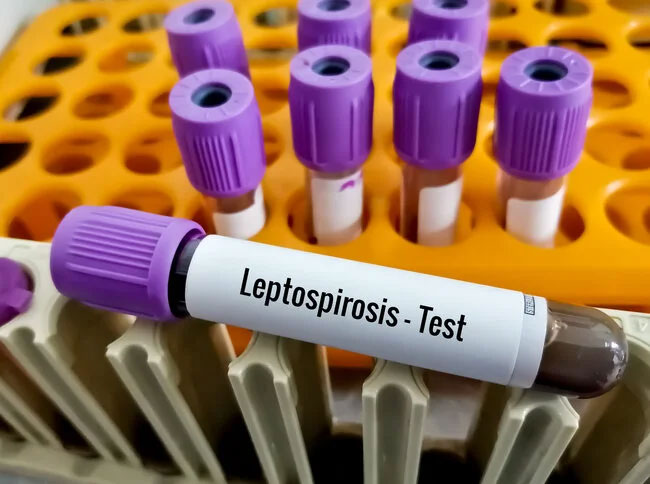
December 12, Colombo (LNW): Health authorities have confirmed that the mysterious fever, which has recently spread across the northern part of Sri Lanka and led to the deaths of seven individuals, is caused by Leptospirosis, commonly referred to as ‘rat fever’.
The confirmation follows extensive testing on several samples by the Epidemiology Unit of the Ministry of Health.
The outbreak had initially raised concerns due to its rapid spread and the severity of symptoms, which included high fever and respiratory issues. Authorities were unable to pinpoint the exact cause of the illness for several days, leading to widespread alarm amongst the public.
However, after rigorous laboratory tests, it has now been definitively identified as Leptospirosis, a bacterial infection typically transmitted through contact with water contaminated by the urine of infected animals, particularly rats.
The illness, which is prevalent in tropical regions, has been known to cause severe complications if not treated promptly, including kidney damage, liver failure, and even death.
The Ministry of Health has urged the public, particularly those living in flood-prone areas or working in occupations with high exposure to water, to take preventive measures to avoid infection.
This includes wearing protective clothing, avoiding direct contact with potentially contaminated water, and seeking medical attention if symptoms develop.
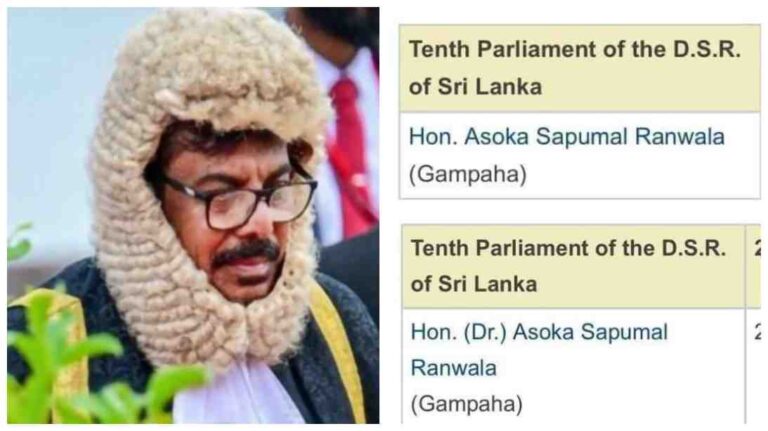
December 12, Colombo (LNW): The Samagi Jana Balawegaya (SJB), is contemplating a no-confidence motion against Speaker Asoka Sapumal Ranwala, citing concerns over the authenticity of his academic qualifications.
This move follows growing scrutiny regarding the legitimacy of his claimed doctorate, which has yet to be substantiated.
SJB lawmaker Ajith P. Perera stated that the Speaker must publicly clarify whether he indeed holds a valid doctorate.
“It is crucial for the Speaker to present clear evidence of his qualifications. If he fails to do so and refuses to step down, we will have no choice but to proceed with a no-confidence motion,” Perera declared on Wednesday.
The SJB has also expressed confidence that MPs from the National People’s Power (NPP), who they believe will act with integrity, will join them in supporting the motion should a vote take place.
This suggests that the opposition is hoping to gather enough support across party lines to ensure the Speaker’s removal.
The controversy surrounding Ranwala’s academic credentials gained significant attention after the Parliament’s official website removed the title “Dr.” from his profile.
The SJB MP emphasised that a clarification from the Speaker’s end being delayed and the swaying away of the Cabinet Spokesman (who is responsible for providing clarification from the government’s end) from the question when asked would be problematic, further exacerbating the need to take action.
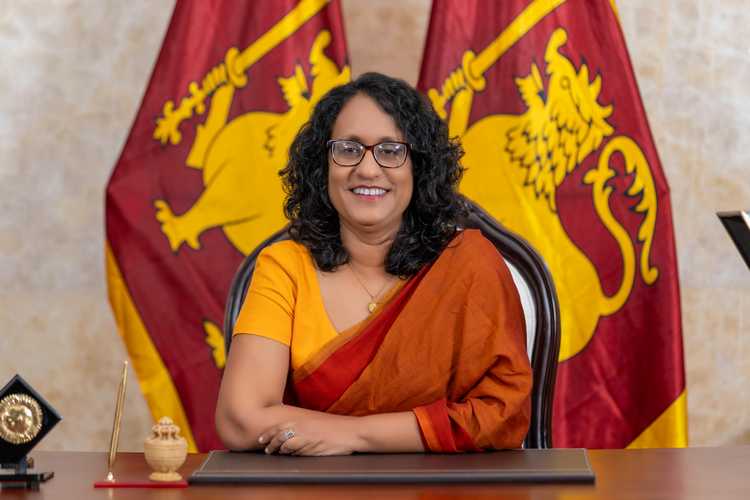
December 12, Colombo (LNW): Prime Minister Harini Amarasuriya has strongly emphasised that education should not be treated as a commodity but rather as a fundamental right that contributes to individual and societal development.
During her address at a workshop held under the theme “Preparing Relevant Strategies to Transform the Existing Education System” at the Colombo Foundation Institute, the Prime Minister stressed the need to shift the prevailing mindset that views education merely as a transactional process.
“Education is not something that can be bought or sold,” she said, urging a cultural shift away from the transactional view that education is simply a product to be consumed.
“It has become a transaction, and this culture must be changed. We need to understand that education is not just about acquiring knowledge; it is about personal transformation, social change, and a collective development of society as a whole.”
In her speech, Prime Minister Amarasuriya highlighted the importance of crafting policies and making decisions based on data that serves the best interests of schoolchildren.
“We must approach education as a long-term investment, not something that will yield immediate results,” she explained. “The government is committed to investing in education, but we need to do so with careful consideration, making data-driven decisions that can genuinely improve the system over time.”
The workshop, attended by key stakeholders including Deputy Minister of Education Dr. Madura Seneviratne, Secretary to the Ministry of Education Nalaka Kaluwewa, and other educational professionals, was part of the broader efforts to discuss reforms across various educational stages, from early childhood development to higher education and vocational training.
Amarasuriya underscored that the need for reform was critical in order to develop a system that equips students not just with knowledge, but with the skills and sense of social responsibility required to contribute to a greater society.
She continued, “Our education system must open opportunities for students to engage with the world. It should foster a sense of social responsibility. It is not just about personal development, but about contributing to the betterment of society as a whole. We must equip our children with knowledge and skills, but also with the values of empathy, responsibility, and community.”
The Prime Minister also noted the importance of fostering a more humane and empathetic approach from public service officers, urging that officials in the education sector treat the public with respect and dignity.
She highlighted concerns raised by the public regarding officers who were perceived as unresponsive, impolite, or disengaged.
“We must address these concerns and ensure that our public service officials are not only efficient but also compassionate,” she said.
Prime Minister Amarasuriya concluded by stressing that a reformed education system should be built on clear, well-researched data, and that steps should be taken to eliminate inefficiencies and improve the quality of service in the education sector.
“The culture of inefficiency and neglect must end,” she said firmly.
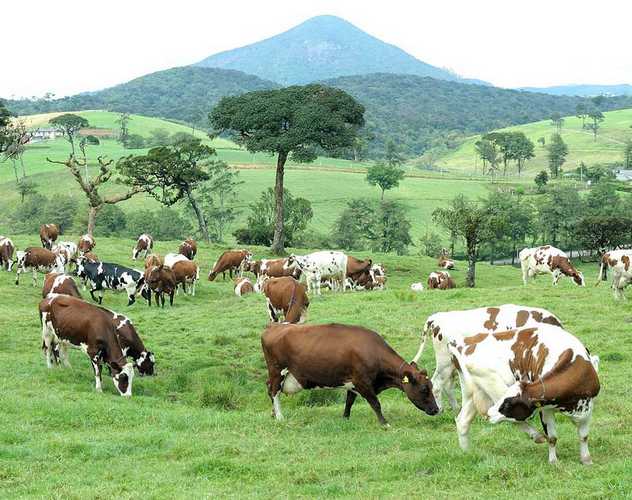
December 12, Colombo (LNW): Lanka Milk Foods (CWE) PLC (LMF) has achieved a remarkable milestone at its Ambewela Farms, setting a new record by producing an impressive 62,000 litres of milk daily from a single source.
This achievement marks a dramatic rise from the 3,000 litres it initially produced, with the company now consistently delivering a massive 60,000 litres a day.
When LMF took over the Ambewela facility from the state sector in 2001, it began with a modest daily output of fewer than 3,000 litres. Fast forward to today, and the farm now contributes an extraordinary 20 million litres of milk annually to Sri Lanka’s national supply, underscoring the company’s role as a key player in the country’s dairy sector.
The company attributes this success to years of strategic planning, significant investments, and the implementation of cutting-edge farming techniques.
A pivotal development occurred in 2019 when LMF invested Rs. 5 billion to modernise the farm, introducing two automated dairy housing and milking systems.
These systems doubled production capacity within two years, bringing the farm up to world-class standards. Every aspect of the operation, from the comfort of the dairy cows to the sophisticated computerised management systems, reflects the company’s commitment to excellence.
A core component of the farm’s success is its innovative approach to breeding. By employing a state-of-the-art breeding programme using sexed semen from world-renowned bulls, LMF has developed a herd of genetically superior cows capable of producing yields on par with the best commercial herds globally.
These cows, which are capable of producing up to 12,000 litres per 305-day lactation cycle, form the backbone of the farm’s output. To maintain high productivity, LMF has also implemented rigorous health surveillance systems to keep the herd disease-free and healthy.
Nutrition is another key factor in the farm’s success. LMF collaborates with international nutritionists to create precision feeding systems that cater specifically to the needs of high-yielding cows.
Additionally, the farm has cultivated purpose-bred grass varieties on its pastures, optimising the cows’ nutritional intake.
Calf care is also a priority, with advanced feeding and care systems in place to ensure that the young stock grows quickly and reaches maturity at an early age, which contributes to the overall productivity of the herd.
As a result of these comprehensive efforts, the dairy cows at Ambewela Farms now produce an average of up to 40 litres of milk per cow each day.
General Manager of Farms, Sarath Bandara, reflected on the achievement, stating, “This milestone is the culmination of years of dedication, strategic planning, and innovation. By combining international expertise with the passion and commitment of our local teams, we’ve set a new standard for dairy production in Sri Lanka. We are committed to advancing the dairy industry and ensuring national self-sufficiency through improved productivity and quality.“
In addition to its own success, LMF is sharing the benefits of its advancements with local farmers. By providing them with high-quality offspring from its superior herd, the company is empowering local dairy producers to improve their productivity and adopt best practices.
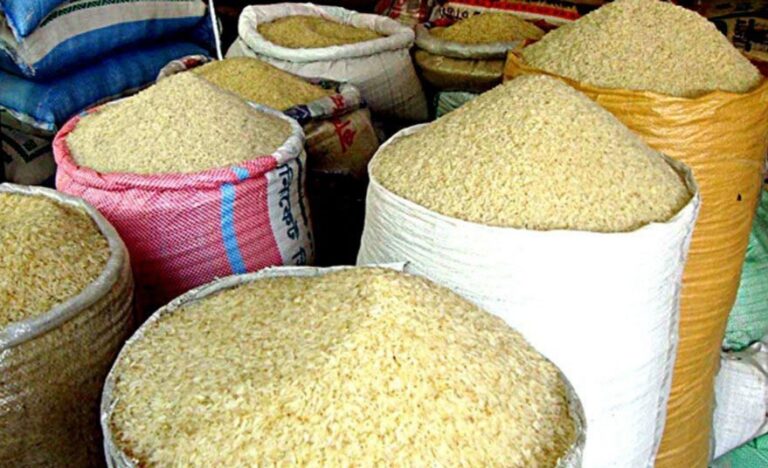
December 12, Colombo (LNW): Sri Lanka has begun receiving stocks of rice from private importers, marking the first step towards addressing the ongoing rice shortage that has affected local markets.
The initial shipment, which arrived in the country on yesterday (11), has been cleared by Customs and released into circulation.
Earlier this month (03), the Cabinet of Ministers approved a proposal to allow rice imports without the usual import control permits, in a bid to alleviate the shortage of various rice varieties across the country.
This decision will remain in effect until December 20, 2024.
As a result, importers have started bringing in rice, with the first batch of 75,000 kilograms officially released from Customs on Wednesday.
The shipment includes Samba and White Raw rice, which have been sourced from India.
Representatives from the Essential Food Commodities Importers & Traders Association have confirmed that further rice shipments are expected to arrive in Sri Lanka over the next few days, with additional consignments anticipated today (12) and tomorrow (13).
Lanka Sathosa Chairman, Dr. Samitha Perera, has assured the public that the rice shortage will be addressed as more imported stocks enter the market. He expressed confidence that the arrival of these imported supplies would help stabilise the local rice market.
However, local entrepreneurs are still facing challenges in securing rice supplies. Business owner Chandralal Gunasekera, who also appeared on the programme, highlighted the difficulties his shops have been experiencing in obtaining sufficient rice for sale.
This continues to be a pressing issue for retailers, who are grappling with the tight supply in the face of soaring demand.
December 12, World (LNW): Meta’s popular services, Instagram and WhatsApp, have resumed normal operation after a significant global outage on Wednesday (11) disrupted several of its apps.
Whilst Instagram and WhatsApp have now been restored, Facebook has yet to confirm whether all issues have been fully resolved.
Meta took to X, formerly Twitter, to express its gratitude towards users: “Thanks for bearing with us! We’re 99% of the way there—just doing some last checks. We apologise to those who’ve been affected by the outage,” the company stated.
According to outage-tracking platform Downdetector, more than 22,000 users reported problems with Facebook, while over 18,000 faced difficulties using WhatsApp.
The issues were widespread, with users from the UK, parts of Europe, Asia, Australia, South America, and the United States affected.
Both WhatsApp and Instagram confirmed the resolution of their issues on X. “And we’re back, happy chatting!” WhatsApp tweeted, while Instagram added, “Andddd we’re back—sorry for the wait, and thanks for bearing with us.”
The outages began around 18:00 GMT on Wednesday, as reported by Downdetector, which tracks service disruptions.
Meta quickly acknowledged the issue, revealing that a “technical problem” was hindering some users’ access to its services and promising a swift resolution.
Users experienced a range of issues, from being unable to access the apps entirely to problems with feeds not refreshing for certain individuals. WhatsApp updated users with the message, “We’re aware of some issues accessing WhatsApp. We’re actively working on a solution and starting to see a return to normal for most people. We expect things to be back to normal shortly.”
Meta’s platforms, including Facebook, which boasts over three billion active monthly users, are some of the most widely used in the world. This incident is not the first major outage for Meta. The company’s largest disruption occurred in October 2021 when all four platforms—Facebook, Messenger, WhatsApp, and Instagram—went offline for nearly six hours. During that time, Mark Zuckerberg issued an apology for the inconvenience caused.
Despite the issues, Meta has assured users that services are gradually returning to normal and has thanked them for their patience.
December 12, Colombo (LNW): The low-pressure area over the southwest Bay of Bengal is very likely to continue to move west-northwestwards slowly, towards the Tamil Nadu coast close to Northern Sri Lanka during the next 24 hours, the Department of Meteorology said in its daily weather forecast today (12).
Showers or thundershowers will occur at times in Northern, North-central, Eastern, North-western and Western provinces. Fairly heavy showers about 75mm are likely at some places in Northern province.
Showers or thundershowers may occur at several places elsewhere during the evening or night.
Misty conditions can be expected in Central, Sabaragamuwa, Southern, and Uva provinces during the morning.
The general public is kindly requested to take adequate precautions minimise damages caused by temporary localised strong winds and lightning during thundershowers.
Marine Weather:
Naval and fishing communities are warned not to venture to the deep and shallow sea areas off the coast extending from Puttalam to Mullaitivu via Kankasanthurai and Mannar today (December 12).
Condition of Rain:
Showers will occur at times in the sea areas extending from Trincomalee to Puttalam via Kankasanthurai and Mannar.Showers or thundershowers will occur at a few places in the other sea areas around the island.
Winds:
Winds will be North-easterly to North-westerly in the sea areas extending from Trincomalee to Galle via Kankasanthurai and Colombo. Wind speed will be (30-40)kmph. Wind speed can increase up to (50-60) kmph at times in the sea areas extending from Trincomalee to Puttalam via Kankasanthurai and up to 50kmph in the sea areas extending from Puttalam to Galle via Colombo. Winds will be variable in direction in the other sea areas around the island and wind speed will be (25-35) kmph.
State of Sea:
The deep and shallow sea areas off the coast extending from Puttalam to Mullaittivu via Mannar and Kankasanthurai will be rough to very rough at times and the sea areas extending from Puttalam to Galle via Colombo can be fairly rough at times. The other sea areas around the island will be moderate. Temporarily strong gusty winds and very rough seas can be expected during thundershowers.
Minister of Fisheries Ramalingam Chandrasekaran stated that the Indo-Lanka fishing dispute will be addressed during President Anura Kumara Dissanayake’s upcoming visit to India: Both countries have recently discussed the issue, and the minister emphasised the importance of mutual understanding: The Sri Lanka Navy has increased operations to arrest Tamil Nadu fisherfolk violating maritime boundaries, with the goal of finding an immediate resolution.
SJB MP Ajith P. Perera stated that the Samagi Jana Balawegaya (SJB) is considering a no-confidence motion against Speaker Ashoka Ranwala: The SJB Parliamentary Group will meet to discuss this option following controversy over Ranwala allegedly holding a fake doctoral title: The no-confidence motion will be considered as part of their response to the issue.
The Election Commission of Sri Lanka confirmed Faiszer Musthapha’s election as a Member of Parliament through the National List of the New Democratic Front (NDF) following the 2024 General Election: Musthapha was nominated for the remaining National List seat by the NDF, but a dispute has arisen within the coalition, with partners claiming the decision was made without their consultation: The NDF secured two National List seats, with the other filled by Ravi Karunanayake.
Sri Lanka’s Ministry of Public Administration has started the process of amending the law to cancel nominations from the previous local government election: Minister Prof. Chandana Abeyratne stated that the Legal Draftsman’s Department will handle the amendments, which aim to allow one million new candidates: The amendments will be submitted to Parliament after review by the Attorney General’s Department.
Agriculture Minister Lal Kantha announced that the government is willing to revisit discussions on exporting Toque Macaque monkeys to China as part of efforts to address the monkey menace affecting crops: He emphasised the need for both short- and long-term solutions to the issue, which includes the previous plan to export 100,000 monkeys, but was halted by a court petition.
The Criminal Investigation Department (CID) reported to the Colombo Magistrate’s Court that over 2,000 complaints have been filed by depositors who lost money in the alleged pyramid scheme operated by Onmax DT, totalling Rs. 2.96 billion in losses: Nine suspects, including directors, have appeared in court, with three others wanted overseas: Investigations are ongoing, with properties identified abroad, and the court has instructed the CID to develop a reimbursement program for the victims: The next hearing is set for February 5, 2025.
The Public Utilities Commission (PUCSL) will announce its final decision on proposed electricity tariff revisions on January 17, 2025: Public consultations will begin on December 17, 2024, allowing citizens to submit feedback via email, WhatsApp, Facebook, or post until January 8, 2024: The Ceylon Electricity Board’s proposal aims for tariff revisions in January 2025.
Dr. T. Sathyamoorthy, Director of Jaffna Teaching Hospital, warned that MP Ramanathan Archchuna would be handed over to Jaffna Police if he disrupts hospital operations again: This follows a recent incident where the MP visited unannounced, disrupted staff duties, and demanded to be addressed as “Sir.” Sathyamoorthy declined and stated that further disruptions would lead to police involvement.
The death toll from an unidentified fever in Jaffna has risen to five, with victims aged 20 to 65 dying from fever and respiratory complications: Suspected to be leptospirosis, blood samples have been sent to Colombo for confirmation: Health authorities are conducting detailed investigations to identify the disease’s nature and are monitoring the situation closely to prevent further spread.
Sri Lankan cricketer Niroshan Dickwella’s three-year suspension for a doping violation has been reduced to three months following a successful appeal: Dickwella had tested positive for cocaine after the Lanka Premier League in July 2024: The appeals committee concluded the substance did not enhance performance and was consumed outside competition: As a result, Dickwella is now cleared to return to cricket immediately.
December 11, Colombo (LNW): The Asian Development Bank (ADB) has sanctioned a $30 million Small Expenditure Financing Facility (SEFF) for the Ceylon Electricity Board (CEB), guaranteed by Sri Lanka, to enhance the sustainability of current and future energy sector projects.
“This marks Sri Lanka’s first SEFF, tailored to sustain ADB-funded energy projects, promote renewable energy adoption, and encourage private sector investment in renewables, particularly amidst the nation’s economic challenges,” stated ADB Country Director for Sri Lanka, Takafumi Kadono.
He explained that the facility will fund post-completion tasks of ADB-supported projects, feasibility studies for advanced renewable technologies, preparatory efforts for transmission and distribution upgrades, and capacity-building initiatives in emerging technologies.
The inaugural activity under SEFF will focus on improving the operational sustainability of the ADB-financed Moragolla Hydropower Plant.
This facility is pivotal for Sri Lanka’s goal of generating 70% of its electricity from renewable sources by 2030, a milestone in its energy transition strategy.
Achieving this target demands significant investment in renewable energy infrastructure, grid modernization, energy storage systems, and policy reforms to attract private investments and international funding.
SEFF complements Sri Lanka’s broader power sector reform agenda, supported by ADB’s Power Sector Reforms and Financial Sustainability Program and the recently approved Power System Strengthening and Renewable Energy Integration project.
Its approval underscores ADB’s ongoing commitment to Sri Lanka’s energy sector, acknowledging the progress made in implementing critical power sector reforms.
These reforms aim to strengthen the sector’s financial sustainability, introduce cost-recovery tariff adjustments, and promote competitive renewable energy development.
The facility will also enhance the institutional capacity of the CEB, enabling it to manage renewable energy systems more effectively, adopt digital solutions, and guide the sector toward a sustainable and resilient energy future.
Of the total $30 million, $15 million is allocated for improving the Moragolla Hydropower Plant’s operational sustainability, while the remaining $15 million will support initiatives to expand renewable energy generation and integrate it into the national grid.
ADB remains dedicated to fostering a prosperous, inclusive, resilient, and sustainable Asia and the Pacific while striving to eliminate extreme poverty. Founded in 1966, ADB is owned by 69 members, 49 of which are from the region.
December 11, Colombo (LNW): The National Chamber of Exporters (NCE) of Sri Lanka has called for immediate reforms to revitalize the country’s export sector.
Addressing the 32nd NCE Export Awards in Colombo, NCE President Jayantha Karunaratne emphasized the urgent need for innovation, competitiveness, and sustainability to tackle challenges impacting the industry.
Karunaratne stressed the importance of transparency and accountability in regulatory processes and urged the government to eliminate delays in patent fund disbursements. He advocated for adopting a single-window system to streamline operations and enhance efficiency.
Addressing industry leaders and stakeholders, he highlighted the need to empower Sri Lanka’s trade missions, rebuild global confidence in Sri Lankan products, and mitigate the negative effects of economic instability.
Identifying key barriers, Karunaratne pointed to the high production costs and the 30% tax on profits as deterrents to investment and innovation.
He contrasted Sri Lanka’s situation with that of regional competitors like India, Vietnam, and Bangladesh, which provide exporters with easier access to international loans from 60 countries. This gives them a distinct advantage in global markets.
He urged Sri Lanka to adopt similar policies to promote inclusivity and growth in the export sector.
Karunaratne also called for liberal reforms to cultivate a dynamic workforce and improve access to international trademark administration.
He emphasized the need for greater support for small and medium enterprises (SMEs) and startups, which are essential drivers of export growth.
The devaluation of the Sri Lankan rupee by 10% over the past year and uncertainty surrounding the removal of the Simplified Value Added Tax (SVAT) system were cited as ongoing concerns. Rising energy and credit costs further exacerbate the challenges faced by exporters.
Despite these obstacles, Karunaratne assured attendees that the NCE is actively collaborating with key stakeholders, including the Export Development Board, Ministry of Industries, and Ministry of Finance, to devise actionable solutions.
Proposed measures include stabilizing the currency, reforming the tax structure, and prioritizing research and development initiatives.
In his concluding remarks, Karunaratne urged the government to prioritize the export sector as a national imperative. He emphasized that strategic reforms could help Sri Lanka boost foreign exchange earnings, enhance GDP growth, and create sustainable employment opportunities.
“With the right policies and support, Sri Lanka can significantly expand its global export footprint and achieve ambitious trade targets,” Karunaratne stated, expressing optimism about the country’s economic future.