December 06, Colombo (LNW): Renuka Perera, the Administrative Secretary of the Sri Lanka Podujana Peramuna (SLPP), was granted bail today by the Colombo Magistrate’s Court under conditions of a bond valued at 1 million rupees.
Perera was arrested earlier in the day by the Criminal Investigation Department (CID) in Kotikawatta. The arrest was made in connection with allegations of spreading false information related to the Maaveerar Day celebrations.
The court proceedings and subsequent bail underscore the ongoing scrutiny of individuals accused of disseminating misinformation, especially concerning sensitive national events. Further investigations are underway.
December 06, Colombo (LNW): President Anura Kumara Dissanayake announced that Sri Lanka’s current political stability has fostered an environment conducive to investment, emphasizing the nation’s readiness to attract clean and impactful investments. He assured that political influence would play no role in granting new investment opportunities, and the Board of Investment of Sri Lanka (BOI) would be granted full autonomy to fulfill its mandate.
The President made these remarks during a meeting with senior BOI officials at the Presidential Secretariat in Colombo yesterday (05), as reported by the President’s Media Division (PMD).
Highlighting the importance of achieving both political and financial stability, President Dissanayake stated that the BOI holds a critical responsibility in driving the nation’s economic growth. He stressed the need for the BOI to remain committed to its duties and assured the institution of complete independence to attract meaningful and sustainable investments.
The President also revealed that the upcoming budget would allocate resources to enhance the BOI’s operational efficiency. Furthermore, he announced plans to establish five new investment zones across the country in the coming year, aiming to diversify and bolster the nation’s investment landscape.
The meeting was attended by Secretary to the President Dr. Nandika Sanath Kumanayake, BOI Chairman Arjuna Herath, BOI Director General Renuka M. Weerakone, and other senior officials.
President Anura Kumara Dissanayake emphasized that he regards the media not as outsiders but as an integral part of the effort to build a better state and improve the lives of all citizens. He made these remarks during a meeting held with the heads of electronic media organizations at the Presidential Secretariat in Colombo, the President’s Media Division (PMD) reported.
President Anura Kumara Dissanayake stated that with the political stability that has prevailed in the country today, an environment suitable for investment has been created. He further emphasized that there will be no political influence in granting new investment opportunities, such as those based on political affiliations. The President assured that the Board of Investment of Sri Lanka (BOI) would be granted full autonomy to attract clean investments that are beneficial to the country.
The government has presented an interim Vote on Account for the initial four months of 2025, allocating close to Rs. 1,402 billion for maintaining state affairs and continuing ongoing projects.
Sri Lanka vowed Thursday to complete its long-delayed foreign debt restructure within the month before a 2025 budget adhering to strict revenue targets set by the International Monetary Fund. The island nation defaulted on its $46 billion external debt in April 2022 after running out of foreign exchange to finance even the most essential imports such as food and fuel.
The deadline for submitting income and expenditure reports for all candidates who contested in the parliamentary elections ends at midnight today. Executive Director of People’s Action for Free and Fair Elections (PAFFREL) Rohana Hettiarachchi emphasized that nearly 20% of these reports have already been submitted at the district level.
The Administrative Secretary of the Sri Lanka Podujana Peramuna (SLPP) Renuka Perera has been released on bail by the Colombo Magistrate’s Court. He was arrested by the Criminal Investigation Department (CID) for allegedly posting false information on social media regarding ‘Mahaviru’ (Maaveerar Naal) commemorations in the North.
The Embassy of Sri Lanka in Lebanon in association with the International Organization of Migration (IOM) has arranged to evacuate a total number of 55 vulnerable Sri Lankan workers from Lebanon on group basis. Accordingly, the latest group of 26 arrived in Colombo on 04 December in the evening, the Embassy of Sri Lanka in Beirut said.
The World Bank has expressed its commitment to supporting the Government of Sri Lanka’s “Clean Sri Lanka” programme, as announced by World Bank Executive Director Parameswaran Iyer during a meeting with President Anura Kumara Dissanayake at the Presidential Secretariat. Congratulating the President on forming the new government, Mr. Iyer affirmed that all ongoing World Bank-supported projects in Sri Lanka will continue uninterrupted.
Lanka Sathosa has announced measures to ensure the sale of rice and coconuts at controlled prices as announced by the Minister of Trade recently to ensure continuous supply during the festive season. Minister Wasantha Samarasinghe told Parliament yesterday that Rice Millers agreed to supply 200,000 kilos of rice daily, while one million coconuts will also be sold for Rs. 130 through Sathosa outlets.
The Sri Lanka Under-19 team, led by Vihas Thewmika, will meet the India Under-19 team in the Asia Cup semi-final today at Sharjah Cricket Stadium, commencing at 10:30 a.m. The Sri Lanka youth team finished the league round with an unbeaten record, having back-to-back three wins, while the India team, led by Mohamed Amaan, lost to Pakistan in their first group match but fought back strongly to win the next two matches against UAE and Japan, finishing in second place in the points table to reach the semi-final.
December 06, Colombo (LNW): President Anura Kumara Dissanayake has instructed officials to implement a structured and transparent mechanism for issuing excise licences. These directives were delivered during a meeting held yesterday (5) with senior officials of the Excise Department at the Presidential Secretariat.
The President underscored the importance of adhering to the law, avoiding abuse of power, and ensuring timely tax collection. Addressing challenges in excise tax collection and associated irregularities, he emphasized revamping the system to improve efficiency and transparency. Suggestions included collecting overdue taxes, revoking licences of blacklisted institutions, and tackling entities that fail to collect taxes appropriately.
Discussions also highlighted shortcomings in current tax collection regulations and weaknesses in the recruitment system for excise officers. President Dissanayake expressed concerns over the public’s negative perception of the Excise Department and stressed the need to manage its operations to support the national economy effectively.
Additionally, officials briefed the President on production and packaging challenges, drawing attention to the harmful effects of artificial toddy on public health.
Excise Commissioner Rohana Senarathna, Deputy Commissioner R.V.S. Tissa Kumara, Assistant Commissioner M.J. De Silva, Chief Financial Officer G.A. Chandani, Chief Accountant W.R. Paranagama, and other senior officials were present at the meeting.
December 06, Colombo (LNW): The National General Secretariat for Persons with Differently Abled, under the Ministry of Rural Development, Social Protection, and Community Empowerment, organized a national celebration for the International Day of Persons with Disabilities on December 3 at Polhena Beach, Matara. The event attracted over 400 individuals with disabilities from various districts, along with local and foreign visitors.
This year’s program focused on fostering leadership qualities among people with disabilities and encouraging inclusive tourism in Sri Lanka. Attendees participated in entertainment activities and competitions, including beach volleyball, with facilities designed for accessibility, such as a mobile toilet for wheelchair users provided by the Army. Emotional performances by children with disabilities moved participants, making the event memorable and impactful.
The celebration aimed to improve accessible infrastructure for persons with disabilities, promote workplace diversity, and encourage innovation to reduce disparities in both public and private sectors. Representatives from government institutions, the private sector, educators, healthcare workers, and parents of children with disabilities were among the attendees, along with support from the security forces.
The event was supported by a wide array of public and private institutions, including the Matara District Secretariat, Matara Municipal Council, National Water Supply and Drainage Board, and Sri Lanka Police. Educational institutions like Rohana Special School and Olcott College also contributed, alongside tourism sector representatives and voluntary organizations.
The program was coordinated by the Social Services Division of the Matara District Secretariat. It reflected Sri Lanka’s commitment to creating an inclusive and accessible society while aligning with the global observance of the International Day of Persons with Disabilities, declared by the United Nations to promote awareness, dignity, and the well-being of persons with disabilities.
December 06, Colombo (LNW): Showers or thundershowers may occur at several places in Western, Sabaragamuwa and Southern provinces and in Nuwara-Eliya and Kandy districts during the evening or night.
Mainly fair weather will prevail elsewhere.
Misty conditions can be expected in most places of the island during the morning.
The general public is kindly requested to take adequate precautions minimize damages caused by temporary localized strong winds and lightning during thundershowers.
December 05, Colombo (LNW): The World Bank has committed to resuming and continuing stalled development projects in Sri Lanka following the inauguration of President Anura Kumara Dissanayake and the formation of a new NPP/JVP government.
This assurance was provided by World Bank Executive Director Parameswaran Iyer during a meeting with the President in Colombo on December 4.
President Dissanayake outlined his administration’s key priorities, focusing on advancing agriculture, fisheries, tourism, education, and healthcare sectors to drive national development and improve livelihoods. He also highlighted the “Clean Sri Lanka” initiative, aimed at environmental sustainability.
Mr. Iyer affirmed the World Bank’s support for ongoing and future projects and proposed the formation of an advisory group to align with the government’s development goals. He also commended the Clean Sri Lanka initiative, reflecting the global lender’s endorsement of the government’s environmental and economic reform plans.
A significant focus of the discussions was on tackling rural poverty and digitalizing the economy, including the introduction of a Digital Identity Card system. Additionally, attention was drawn to longstanding issues in the North and East, such as land and housing challenges faced by the plantation community.
This meeting follows a recent virtual discussion between President Dissanayake and World Bank Group President Ajay Banga. In that conversation, the President emphasized raising government revenue through sectors like tourism and energy, supported by international investment.
Banga reiterated the World Bank’s commitment to fostering job creation and addressing critical developmental challenges.
Sri Lanka has also secured a $200 million budget support loan, which aligns with the government’s broader fiscal reforms aimed at export competitiveness and reducing para tariffs.
This follows the World Bank’s previous $500 million reform-backed loan in parallel with the IMF stabilization program, which began in 2023.
The IMF and World Bank had initially earmarked policy loans worth $3.7 billion for Sri Lanka, to be disbursed between 2023 and 2027, supplementing short-term IMF loans.
The country defaulted on its foreign debt in 2022 after years of macroeconomic mismanagement, including inflation-driven interest rate cuts, leading to repeated currency crises. These crises, occurring in 2012, 2015/16, 2018, and 2020/22, eroded foreign reserves, escalated external debt, and slowed economic growth.
With the new government’s focus on reforms, sustainable development, and fiscal discipline, the World Bank and other multilateral lenders are expected to play a critical role in stabilizing Sri Lanka’s economy and promoting long-term growth.
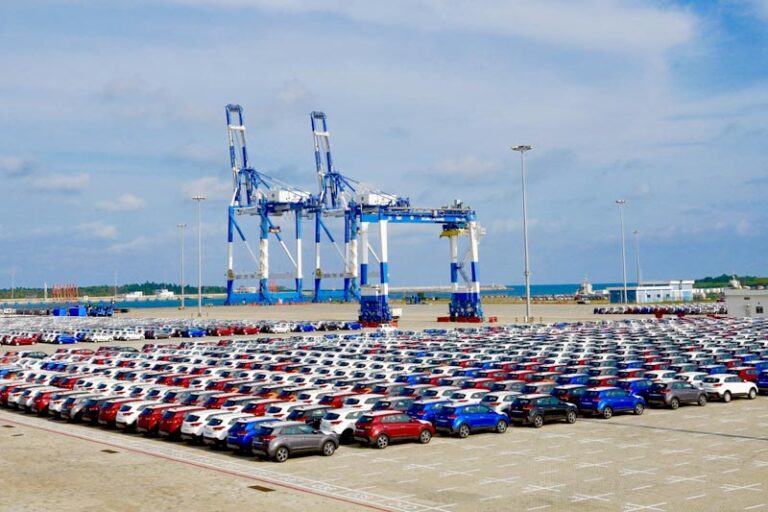
December 05, Colombo (LNW): With vehicle import restrictions set to be lifted early next year, industry professionals are urging the Government to prioritize new vehicles over used ones, cautioning against the environmental, economic, and technological risks posed by an influx of outdated automobiles.
Concerns particularly surround older commercial vehicles, which experts say present significant challenges.
They noted that a five-year-old vehicle, having likely accumulated over 500,000 kilometers of usage, would be prone to frequent and expensive repairs on essential parts like engines, transmissions, and suspension systems.
While these costs might not be immediately obvious, recurring maintenance and replacement of parts would lead to substantial foreign currency outflows over time.
Experts presented four major arguments against importing older vehicles, emphasizing their environmental impact, economic inefficiency, technological obsolescence, and negative implications for Sri Lanka’s international reputation.
The environmental harm caused by vehicle emissions was a central concern. Experts explained that older vehicles emit significantly higher levels of pollutants compared to newer models, which use more refined fuels and advanced emissions control technologies.
Rapid advancements in automotive technology were another point of emphasis. Newer vehicles provide enhanced safety features, superior fuel efficiency, and better overall performance. Encouraging the importation of cheaper, outdated vehicles, they warned, would limit Sri Lankan consumers’ access to these innovations, leaving the country behind in technological progress.
Additionally, they raised a reputational issue, warning that Sri Lanka could become a dumping ground for obsolete vehicles from wealthier nations, similar to patterns seen in parts of Africa and India, where lax regulations have turned these regions into repositories for vehicles no longer desired in developed countries. “Do we want Sri Lanka to become a junkyard for outdated, inefficient, and environmentally harmful vehicles?” one expert asked.
From an economic standpoint, while used vehicles may seem appealing due to their lower upfront costs, their long-term expenses for maintenance and repairs—often compounded by a lack of warranties—outweigh the initial savings.
In contrast, new vehicles typically come with warranties of at least two years, minimizing unexpected costs during the early ownership period. This difference means that despite the higher purchase price, new vehicles are more cost-effective in the long run.
To address these issues, experts proposed stricter regulations on vehicle imports. They recommended enforcing high standards for emissions and safety, ensuring only vehicles meeting modern benchmarks could enter the market. They also suggested limiting the import of used vehicles to models no older than two years, rather than the current five-year threshold.
Specific recommendations were made for modifying vehicle import regulations, such as:
Reducing the maximum allowable age for trucks and tractors from five years to two years.
Limiting buses for transporting 25–35 passengers to models manufactured within the past two years.
These measures, they argued, would not only protect Sri Lanka’s environment and economy but also enhance consumer safety and elevate the overall quality of the nation’s vehicle fleet.
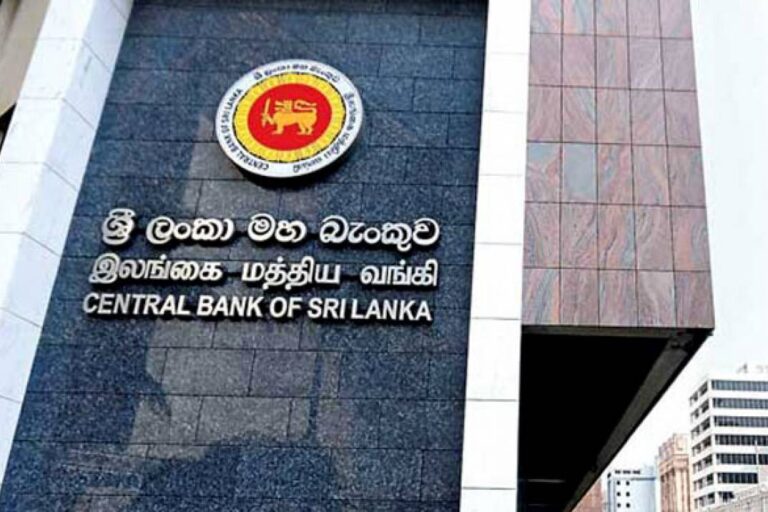
December 05, Colombo (LNW): Sri Lanka is intensifying efforts to bolster its foreign reserves to cover $5 billion in debt obligations over the next 12 months, with expectations of improved foreign inflows in 2025 creating healthier liquidity in the domestic foreign exchange market.
Central Bank Governor Dr. Nandalal Weerasinghe emphasized that meeting 100% of the country’s short-term service obligations through reserves ensures financial stability.
Speaking to Central Banking, Weerasinghe highlighted two key metrics for assessing foreign reserves: import coverage and the ability to cover debt obligations for the upcoming year.
He noted that achieving $10 billion in reserves would provide ample coverage for two years, particularly given Sri Lanka’s flexible exchange rate system, which demands less reserve support than a fixed exchange rate.
While the International Monetary Fund (IMF) targets $13.5 billion in reserves by the end of its programme, Weerasinghe affirmed that Sri Lanka is well-positioned to meet this benchmark.
Under the IMF agreement, foreign exchange reserve payments are capped at 4.5% of GDP, further supporting the Central Bank’s strategy.
Strong inflows from worker remittances, tourism, and export performance are expected to accelerate reserve accumulation in 2025, enabling the Central Bank to purchase dollars from the domestic market to build reserves further.
Sri Lanka’s official reserves have been on a sharp upward trajectory. By December 2023, reserves reached $4.4 billion, a 23% increase fueled by disbursements from the IMF, World Bank, and Asian Development Bank.
By April 2024, reserves had climbed to $5.4 billion, the highest level in three and a half years, driven by record-high Central Bank dollar purchases, which outpaced sales since late 2023. This trend has significantly appreciated the Sri Lankan rupee since early 2024.
The tourism sector remains a key contributor to economic recovery. Projected earnings from tourism are expected to rise to $3 billion by the end of 2024, up from $2.1 billion in 2023, as tourist arrivals surpass 2 million. Expanded airline and cruise operations, along with targeted promotional campaigns, have fueled this growth.
Sri Lanka has also emerged as a favored destination over the Maldives, further boosting its appeal. The surge in tourism activity strengthens the local currency through increased foreign exchange transactions, contributing to a favorable current account balance and attracting foreign investments.
As Sri Lanka anticipates economic recovery and potential debt sustainability by August 2024, the country is poised for a credit rating upgrade. These developments, coupled with robust reserve management and growing investor confidence, reinforce Sri Lanka’s path toward financial stability and sustainable growth.
December 05, Colombo (LNW): The US International Development Finance Corporation (DFC), which pledged a $553 million loan last year to the Adani Group for developing a port in Sri Lanka, has yet to release any funds.
“The project has not reached financial close or signed a loan agreement,” a DFC official stated, responding to inquiries. “We continue to conduct due diligence to ensure all aspects of the project meet our rigorous standards before any disbursements are made,” the official added via email.
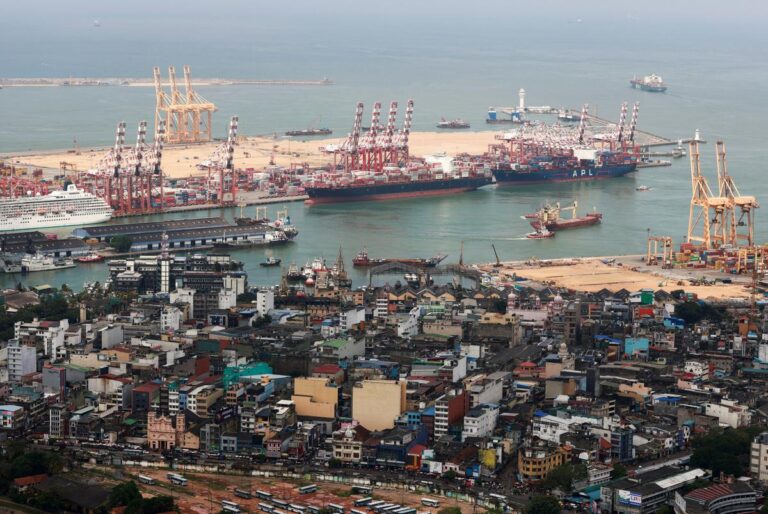
The loan was intended to support the Colombo West International Terminal (CWIT), a deep-water container terminal at Colombo Port. The terminal is being developed by a consortium that includes Adani Ports, Sri Lanka’s John Keells Holdings Plc., and the Sri Lanka Ports Authority.
The project, seen as a strategic move by the US to counter Chinese influence in Sri Lanka while boosting the local economy, is progressing according to the Adani Group.
“Phase 1 is on schedule and nearing completion, with commercial operations expected by Q1 2025,” an Adani spokesperson confirmed.
Meanwhile, GQG Partners, a major US-based investor in the Adani Group with over $8 billion in holdings across seven Adani companies, cited DFC’s loan commitment as a positive signal for the group.
The announcement follows allegations by US authorities against Adani Group founder Gautam Adani and others, accusing them of paying $250 million in bribes to secure Indian solar power contracts.
Despite the charges, Adani Ports, a key entity in the Sri Lankan project, has not been implicated. The DFC refrained from commenting on whether it would withdraw from the project or seek a new partner but emphasized its commitment to ensuring integrity and compliance in its ventures.
The strategically important port project in Sri Lanka serves as both an effort by the United States to counter China’s growing influence in the region and a means to boost the local economy.
According to a spokesperson for the Adani Group, the Colombo West International Terminal (CWIT) project is progressing as planned, with Phase 1 nearing completion and expected to be operational by the first quarter of 2025. The spokesperson requested anonymity.
Last week, GQG Partners informed its investors that it had increased its stakes in Adani Group companies following new developments, including the U.S. International Development Finance Corporation’s (DFC) decision to invest in the Sri Lankan port project alongside Adani Ports and SEZ Ltd in November 2023.
GQG Partners, a U.S.-based investment firm, is a major supporter of the Adani Group, with over $8 billion invested in seven of its listed companies.
In a note to investors, GQG viewed this development as a positive signal, if not an endorsement, of the Adani Group. However, it expressed surprise that the U.S. government approved funding and collaboration on projects involving entities under investigation by the Department of Justice (DOJ).
Last week, U.S. authorities indicted Adani Group founder Gautam Adani, his nephew Sagar Adani, and Adani Green Energy’s managing director Vneet Jaain for allegedly paying $250 million in bribes to Indian officials to secure solar power contracts.
The DFC has not clarified whether it will proceed with the project, withdraw, or seek a new partner. However, it emphasized that Adani Ports has not been implicated in the charges brought by U.S. prosecutors.
A DFC official stated, “We remain committed to ensuring our projects and partners adhere to the highest standards of integrity and compliance.”