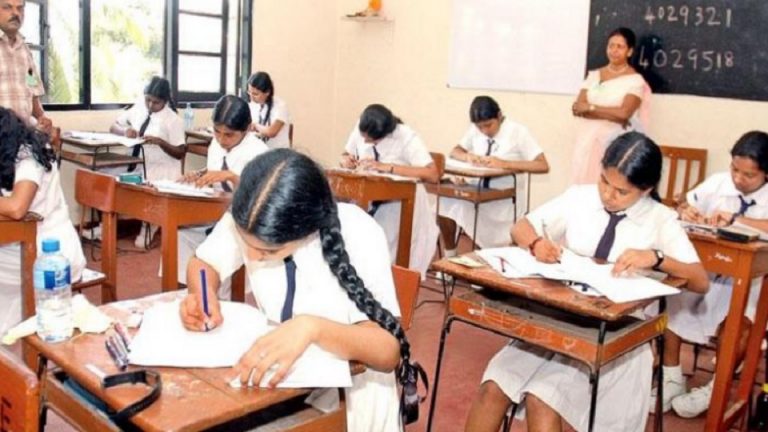
November 18, Colombo (LNW): The Department of Examinations has announced that all lectures, tuition classes, workshops, and seminars related to the 2024 GCE Advanced-Level Examination will be strictly prohibited from midnight tomorrow (19).
This regulation is part of heightened measures to ensure the integrity of the upcoming examination process.
Officials have warned that any individuals or institutions failing to comply with this directive will face legal repercussions.
The department has emphasised its commitment to maintaining strict oversight this year, expanding its monitoring efforts to include personnel from both provincial and zonal offices in addition to its own officials.
To ensure comprehensive monitoring, one officer will be assigned to oversee activities at 20 examination centres within a 15-day period.
This approach aims to safeguard the examination process and uphold fairness across the board.
The 2024 GCE Advanced-Level Examination is set to take place from November 25 to December 20 at 2,312 centres nationwide.
A total of 333,185 candidates are registered to sit for the examination, marking it as one of the largest academic events in the country.
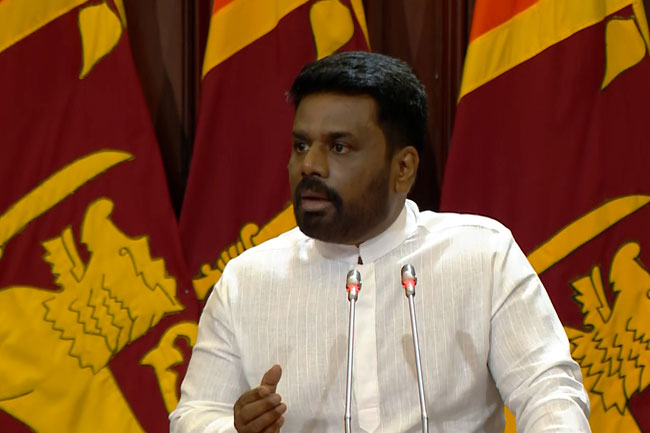
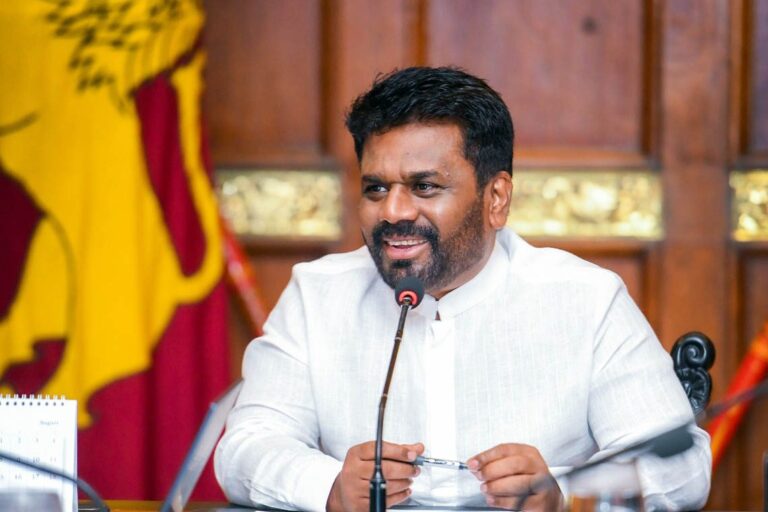
November 18, Colombo (LNW): President Anura Kumara Dissanayake has declared that Sri Lanka has turned a significant page in its political history, marking the end of divisive politics.
Speaking after appointing the new Cabinet, the President highlighted the transformative nature of the recent election, which he described as a watershed moment for the nation.
For decades, Sri Lankan politics have been mired in regional and ethnic divisions, often fostering discord between the North and South.
Addressing this historical rift, the President remarked, “The political culture in Sri Lanka has long been defined by efforts to pit the North against the South and vice versa. However, this election has shown that divisive politics no longer hold sway. It has successfully brought the aspirations of all people to the centre.”
Dissanayake emphasised that with great power comes great responsibility, and acknowledged how power had led to disaster in the past in the island nation’s political landscape.
The President credited the electorate for rejecting outdated and polarising ideologies, embracing a new era of inclusivity and unity.
He added that the election outcome reflects the collective will of Sri Lankans from all walks of life to build a harmonious and progressive society.
In his address, the President extended heartfelt gratitude to all supporters who rallied behind the vision of the new government. He paid special tribute to Sri Lankan expatriates, recognising their unwavering commitment to the country’s future despite living abroad.
Additionally, he commended the energy and influence of young social media activists, who played a pivotal role in galvanising public support and shaping the discourse during the election campaign.
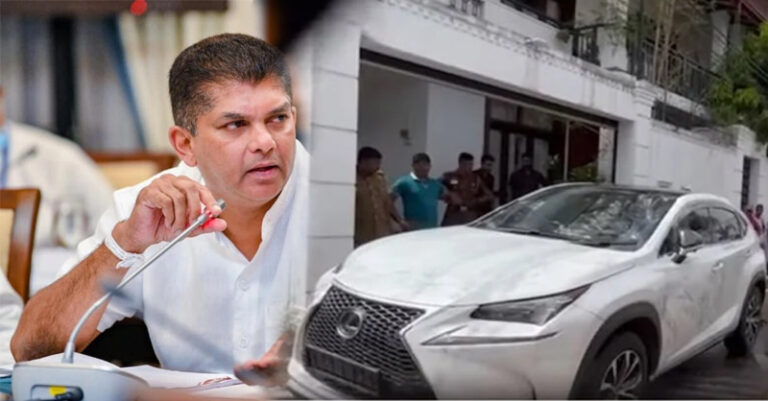
November 18, Colombo (LNW): Former minister Lohan Ratwatte and his wife remain in remand custody following their involvement in a case concerning an illegally assembled and unregistered luxury vehicle.
The Nugegoda Magistrate’s Court extended Ratwatte’s remand until December 02, while his wife will remain in custody until November 22.
The couple was apprehended after police uncovered a luxury vehicle without a number plate at a property in Mirihana, reportedly owned by Ratwatte’s wife.
The discovery was made during a police operation initiated on a tip-off from the Mirihana Police. Authorities only established the connection to Ratwatte’s wife after locating the vehicle on the premises.
During initial questioning, Ratwatte asserted that his Coordinating Secretary, who had recently died by suicide in Kandy, had transported the car to the property without his knowledge.
He claimed he was unaware of both the vehicle’s presence and its ownership. Despite these statements, both Ratwatte and his wife were arrested and later produced in court, leading to their remand.
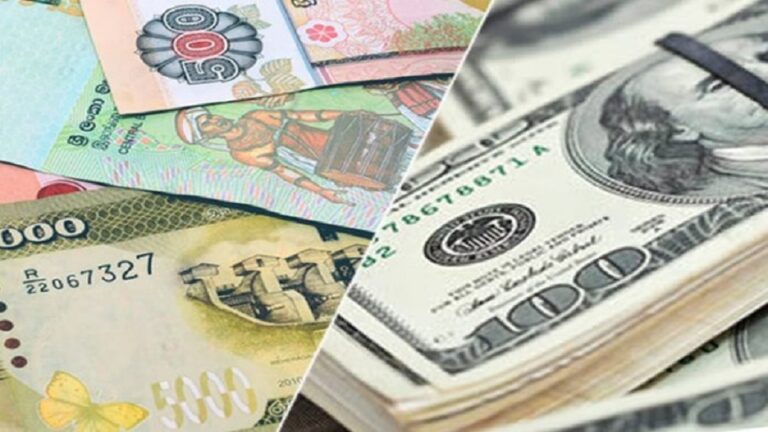
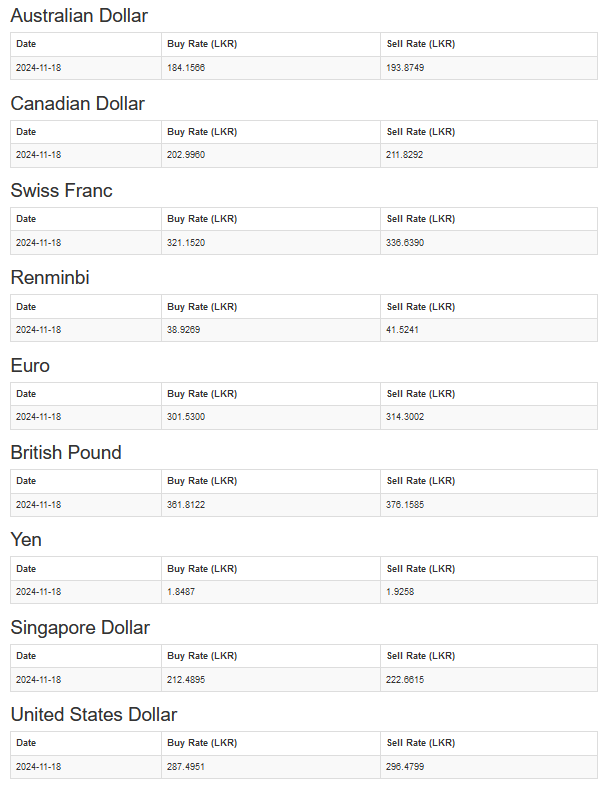
November 18, Colombo (LNW): The Sri Lankan Rupee (LKR) indicates further appreciation against the US Dollar today (18) in comparison to last week, as per the official exchange rates released by the Central Bank of Sri Lanka (CBSL).
Accordingly, the buying price of the US Dollar has decreased to Rs. 287.49 from Rs. 287.72, and the selling price to Rs. 296.47 from Rs. 296.72.
Meanwhile, the LKR indicates appreciation against several other foreign currencies as well.
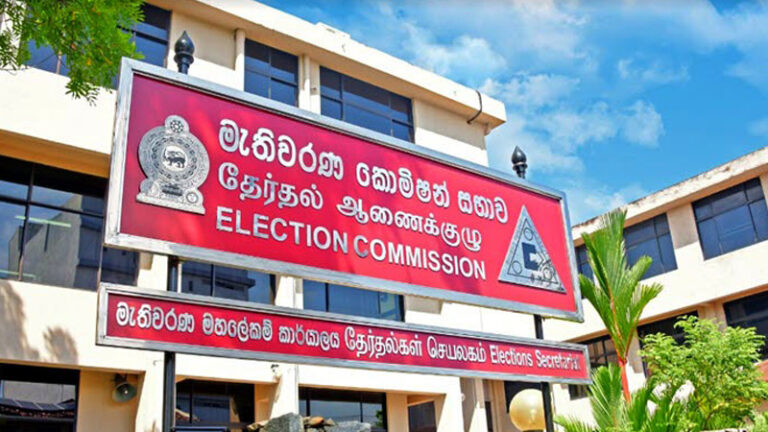
November 18, Colombo (LNW): The Election Commission of Sri Lanka is set to hold a significant meeting on 27 November to discuss critical issues related to the pending Local Government and Provincial Council elections.
This will mark the commission’s first formal gathering since the conclusion of the parliamentary elections, underscoring its focus on addressing pressing electoral matters.
A key item on the agenda will be the implementation of a court order regarding the Local Government elections. The commission aims to align its strategies with the judicial directive while addressing logistical and administrative challenges that have delayed the electoral process.
In parallel, financial provisions for these elections are expected to be included in the Vote on Account, which is scheduled to be tabled in Parliament in December.
Despite these preparatory steps, the exact dates for the polls have not yet been decided, and this issue is likely to dominate discussions during the upcoming meeting.
In a related development, the commission has reiterated its call for political parties to submit their National List MP nominees without delay. This follows the gazetting of nominees from several parties, although some have yet to comply.
November 18, Colombo (LNW): The International Monetary Fund (IMF) team, arrived yesterday (17) led by Senior Mission Chief Peter Breuer, began its programme today (18) with discussions at the Central Bank of Sri Lanka (CBSL).
The meetings come at a pivotal time for Sri Lanka, as the nation seeks to stabilise its economy after a debilitating financial crisis.
Following the discussions with CBSL, the IMF team is scheduled to meet President Anura Kumara Dissanayake and key ministers from the newly-formed government.
These high-level talks aim to assess the progress of reforms under the IMF’s Extended Fund Facility (EFF) and chart the next steps in the recovery process.
At the conclusion of their visit, the IMF delegation is expected to host a press briefing, providing updates on the third review of Sri Lanka’s economic reform programme.
If the review is deemed successful, the IMF is poised to release the next tranche of its bailout package, further bolstering the nation’s recovery.
The IMF had approved a $2.9 billion EFF for Sri Lanka in 2023, disbursing funds in tranches over a 48-month period. The programme aims to address deep-seated economic vulnerabilities through structural reforms and financial stabilisation.
To date, Sri Lanka has received over $1 billion under the arrangement.
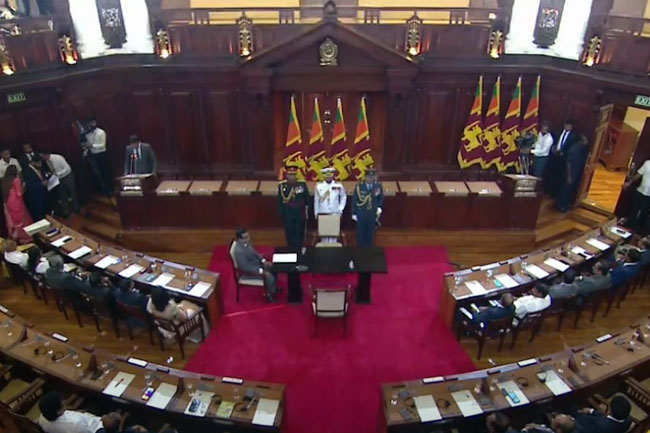
November 18, Colombo (LNW): The newly formed Cabinet under the National People’s Power (NPP) government took their oaths before President Anura Kumara Dissanayake today (18), marking the beginning of a new political chapter in Sri Lanka.
The swearing-in ceremony is currently being held at the Presidential Secretariat in Colombo, reflecting the NPP’s commitment to establishing a streamlined and inclusive government.
The Cabinet includes 21 members, amongst them Prime Minister Dr Harini Amarasuriya, who also holds the portfolio for Education, Higher Education, and Vocational Training. The appointment of Deputy Ministers is expected in the coming days.
Prime Minister Dr. Harini Amarasuriya: Minister of Education, Higher Education, and Vocational Training
Vijitha Herath: Minister of Foreign Affairs, Foreign Employment, and Tourism
Prof Chandana Abeyrathna: Minister of State Administration, Provincial Councils, and Local Government
Harshana Nanayakkara: Minister of Justice and National Coalition
K.D. Lal Kantha: Minister of Agriculture, Lands, Irrigation and Livestock
Ramalingam Chandrasekaran: Minister of Fisheries, Aquatic and Oceanic Resources
Saroja Savithri Polraj: Minister of Women and Child’s Affairs
Sunil Handunnetti: Minister of Industries and Entrepreneurship Development
Prof. Hiniduma Sunil Senevi: Minister of Buddhist, Religious and Cultural Affairs
Prof. Upali Pannilage: Minister of Rural Development, Social Security and Community Empowerment
Anura Karunathilake: Minister of Urban Development, Construction and Housing
Bimal Ratnayake: Minister of Transport, Highways, Ports and Civil Aviation Services
Ananda Wijepala: Minister of Public Security and Parliamentary Affairs
Dr. Nalinda Jayatissa: Minister of Health and Mass Media
Samantha Vidyaratna: Minister of Plantation and Community Infrastructure Development
Sunil Kumara Gamage: Minister of Youth and Sports Affairs
Wasantha Samarasinghe: Minister of Trade, Commercial, Food Security and Corporate Development
Prof. Krishantha Abeysena: Minister of Science and Technology
Prof. Anil Jayantha Fernando: Minister of Labour
Eng. Kumara Jayakody: Minister of Energy
Dr. Dhammika Patambedi: Minister of Environment
Meanwhile, President Anura Kumara Dissanayake continues to retain the Ministries of Defence, Finance, Economic Development and Digital Economy.
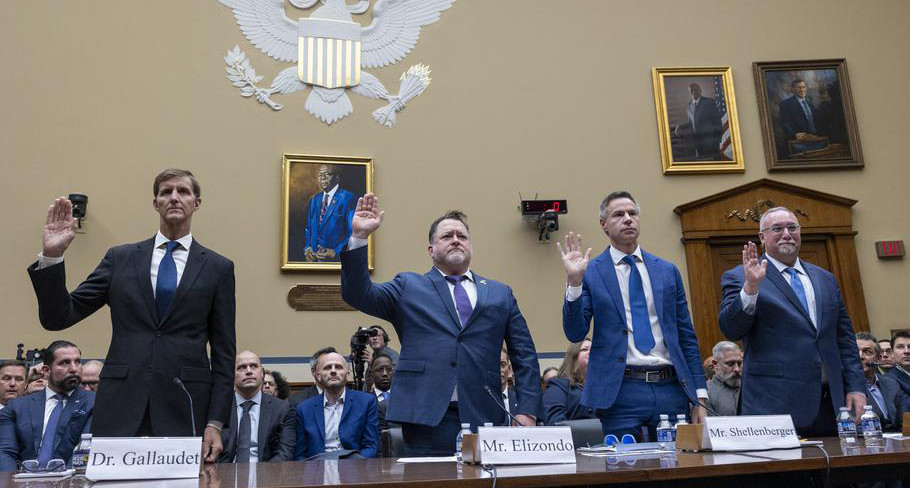
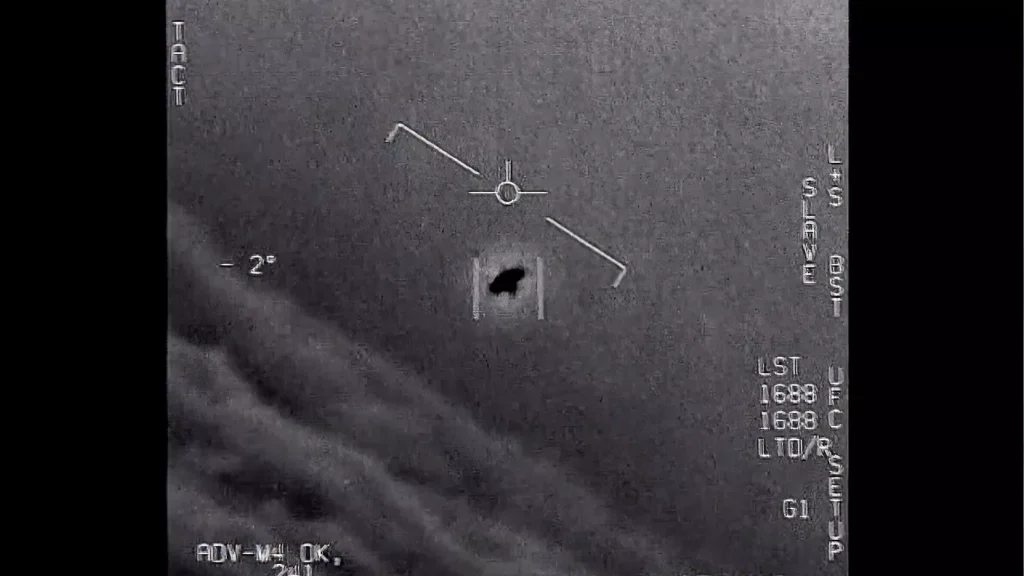
November 18, World (LNW): In what should have been a groundbreaking moment in human history, whistleblowers testified before a United States Congress sub-committee regarding the existence of “non-human biologics” associated with Unidentified Anomalous Phenomena (UAPs)—a politically accurate rebranding of the term UFOs.
The testimonies suggested decades of secrecy surrounding extraterrestrial encounters, yet the public reaction was strikingly indifferent.
Why did this mass revelation fail to ignite curiosity or debate, a sharp contrast to the feverish enthusiasm for extraterrestrial life that defined prior decades?
Why did the public’s priorities evolve into a muted response to what was once considered the ultimate mystery?
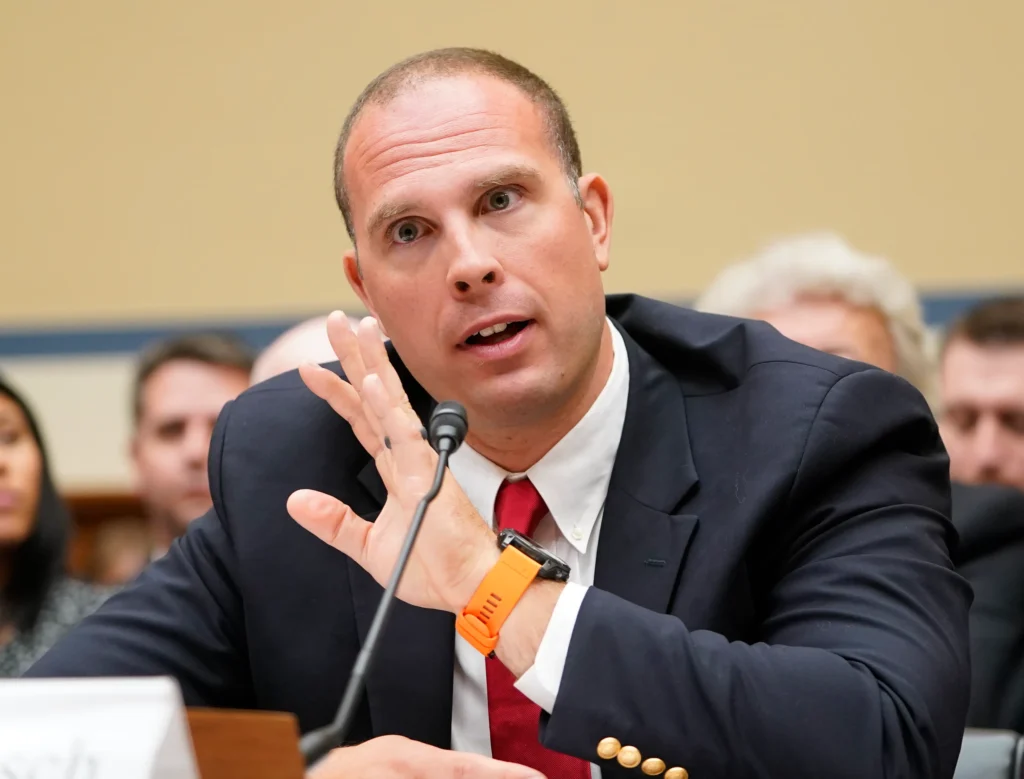
The congressional hearing presented testimony from former intelligence officials, including David Grusch, who alleged that UAPs of non-human origin had been recovered and studied in secrecy.
Whilst the claims were sensational, the evidence provided was frustratingly thin—offering little beyond anecdotal accounts and classified reports.
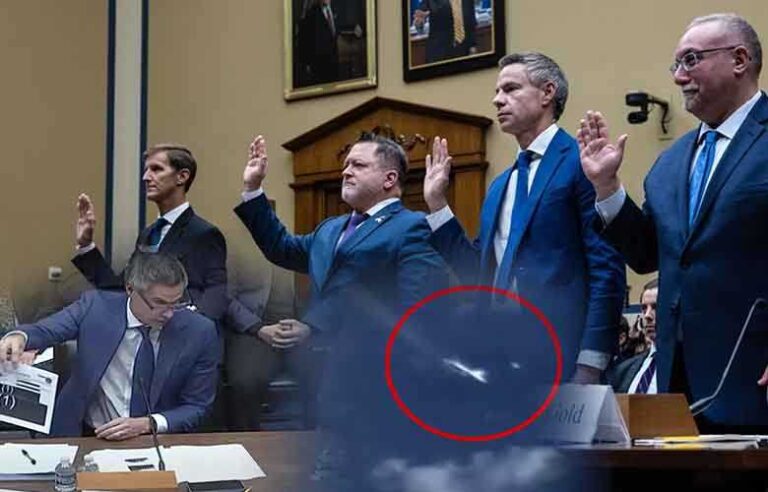
Congress Hearing in November, 2024
The public’s apathy may partly stem from a lack of concrete proof. Without physical artefacts, detailed footage, or scientific analysis, even the most credible whistleblowers struggle to convince a populace inundated with digital manipulation and conspiracy theories.
Unlike the iconic Roswell incident or the grainy UFO photos of the 20th century, these claims lacked a tangible, visceral hook.
Over the decades, humanity’s fascination with extraterrestrial life has evolved alongside advancements in science and technology. In the mid-20th century, UFO sightings captivated audiences largely because they played into Cold War anxieties and the burgeoning Space Age. Films like Close Encounters of the Third Kind and television shows such as The X-Files thrived on this collective intrigue.
However, as science provided clearer perspectives on the vastness of the universe and the unlikelihood of human contact with alien life, the magic of UFO lore began to fade.
Congress hearing in November, 2024 | Photo: Eric Kayne/Stars and Stripes
In addition, the proliferation of fake news and doctored videos on social media has eroded public trust in extraordinary claims. What was once a thrilling “what if?” has become just another dubious headline in an oversaturated information landscape.
Another key factor is the overwhelming array of real-world crises that dominate public consciousness. Climate change, political instability, economic inequality, and public health emergencies like the Covid-19 pandemic have reshaped global priorities. When the immediate survival of the planet and its inhabitants is at stake, speculations about alien visitors feel like a luxury of a more innocent era.
Moreover, these crises have made people more sceptical of institutions, including governments and the military.
Congress Hearing in July, 2023
Claims of secret programmes and cover-ups surrounding UAPs now fall into a wider narrative of distrust, blending seamlessly with other conspiracies but failing to stand out.
Paradoxically, the lack of public interest may reflect an underlying shift in collective attitudes towards extraterrestrial life. Recent advancements in astronomy and astrobiology have normalised the idea that microbial life may exist elsewhere in the universe. The James Webb Space Telescope and missions to Mars are actively searching for signs of life, albeit in forms far less dramatic than Hollywood’s imagined aliens.
In this context, the idea of “non-human biologics” no longer feels alien—it feels plausible but unremarkable.
This scientific grounding may have unintentionally demystified the topic, making dramatic claims of alien encounters seem less captivating than they once were.
Another contributor to public disinterest is the fragmented media landscape. In the past, major revelations were filtered through a handful of authoritative channels, giving them weight and urgency.
David Grusch, a former National Reconnaissance Officer, testifies July 26, 2023 before Congress about alleged Pentagon programme to retrieve and study downed UFOs | Photo: Jack Gruber/USA Today
Today, however, news competes with viral TikToks, streaming content, and an unending barrage of notifications. Even significant events struggle to hold public attention unless packaged as a spectacle.
The UAP hearings, despite their extraordinary implications, were largely procedural and devoid of theatricality. Compared to the daily drama of politics or the sensationalism of celebrity scandals, they felt dry and inaccessible.
Without an emotional or visual element to engage audiences, the revelations failed to capture the imagination.
Beneath the surface, there may also be a deeper psychological factor at play: existential ennui. For decades, humanity has grappled with the implications of being alone in the universe. Yet as scientific progress expands our understanding of existence, it also exposes our insignificance within the cosmos.
For some, the possibility of alien life is no longer a question of excitement but one of existential dread. Rather than igniting hope, such revelations may provoke discomfort about our fragility and the unknown.
Copyright AP Photo
In this context, indifference is a coping mechanism—a way to avoid confronting the profound questions these revelations raise.
If humanity is to engage meaningfully with the possibility of extraterrestrial life, better communication strategies are essential. Policymakers and scientists must present these topics in ways that resonate with the public, combining rigorous evidence with accessible narratives.
Incorporating art, storytelling, and education could reignite public interest. Historical milestones, from the moon landing to the discovery of exoplanets, have shown the power of weaving science with human drama.
Future revelations about alien life must strike a similar chord if they are to transcend apathy.
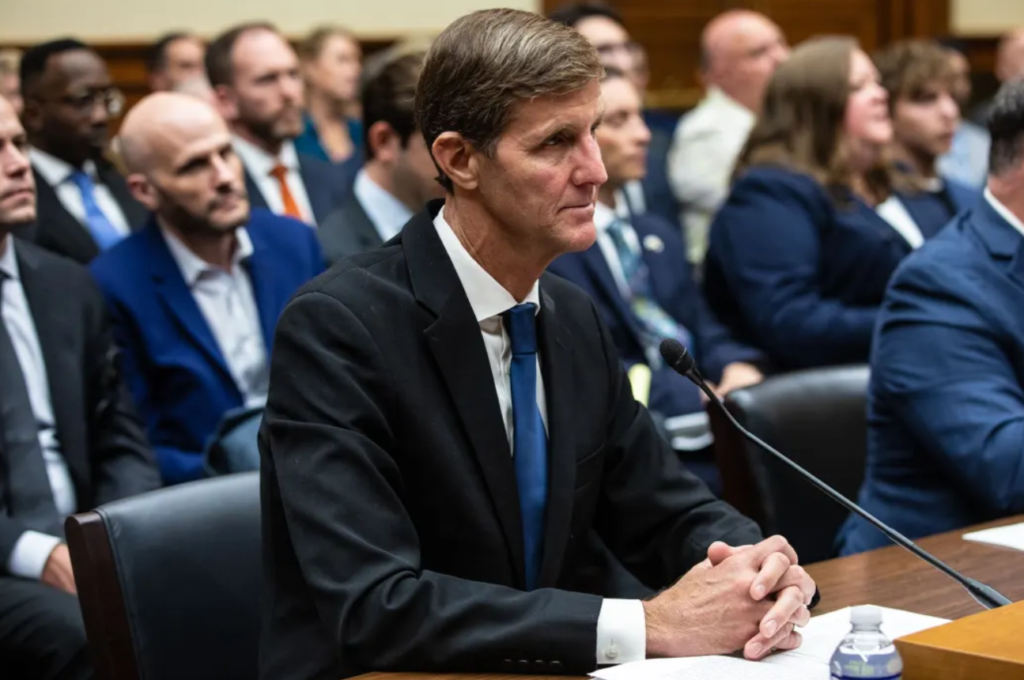
Retired U.S. Navy Rear Adm. Tim Gallaudet said he saw a video of an inexplicable flying object during training exercises nearly a decade ago. Photo: Anna Rose Layden/Shutterstock
The muted response to congressional UAP revelations reflects a complex interplay of societal factors: a deluge of competing crises, evolving scientific perspectives, and the fragmentation of media. This response also denotes the challenge of making the extraordinary feel urgent in a world accustomed to endless spectacle.
Whether humanity is ready or willing to confront the implications of extraterrestrial life remains an open question. What is clear, however, is that our collective indifference speaks volumes about the priorities and anxieties of our time.
For now, the search for aliens continues—not just amongst the stars, but in the recesses of our own imaginations. The truth is out there, but so are lies.
November 18, Colombo (LNW): The upcoming Cabinet under President Anura Kumara Dissanayake’s leadership is expected to embody inclusivity, featuring women MPs and representatives from all three of Sri Lanka’s major ethnic groups, according to insider sources.
The new administration, led by the National People’s Power (NPP), aims to showcase diversity and equitable representation within its governing framework.
Prime Minister Harini Amarasuriya will continue in her role, maintaining stability at the helm of the government. President Dissanayake, in addition to his presidential responsibilities, will oversee the defence portfolio.
The Cabinet will comprise 24 members, including the President, highlighting a streamlined approach to governance.
The NPP’s resounding victory in the 2024 General Election has shattered records, marking the first time a single party has secured more than two-thirds of the 225 parliamentary seats under the current proportional representation system.
The party claimed 159 seats, establishing a dominant position in the legislature. Notably, the NPP achieved victory in all but one electoral district, with Batticaloa being the sole exception.
Following the announcement of election results, JVP General Secretary Tilvin Silva reflected on the significance of the mandate, describing it as a call for meaningful change.
He emphasised that the government would treat the public’s overwhelming endorsement with humility and focus on delivering on their aspirations.
Silva also assured that the administration would resist any tendency towards arrogance stemming from their unprecedented success, committing instead to a government centred on public service.
With the NPP’s strong majority, expectations are high for swift and impactful reforms to address long-standing socio-economic challenges and fulfil the promises made during the campaign.
As the Cabinet prepares to be sworn in this (18) morning, the government’s ability to balance ambition with humility will be closely observed by citizens and political commentators alike.
November 18, Colombo (LNW): Showers will occur at times in the Northern and Eastern provinces, and fairly heavy showers about 50 mm are likely at some places, the Department of Meteorology said in its daily weather forecast today (18);
Showers or thundershowers will occur in Western, Sabaragamuwa, Central, Southern, Uva, North-western and North central provinces during the evening or night.
Fairly heavy showers above 75 mm are likely at some places in Western and Sabaragamuwa provinces and in Galle and Matara districts.
Misty conditions can be expected at some places in Western, Sabaragamuwa, Central and Uva provinces and in Galle and Matara districts during the morning.
The general public is kindly requested to take adequate precautions minimise damages caused by temporary localised strong winds and lightning during thundershowers.
Marine Weather:
Condition of Rain:
Showers or thundershowers will occur at several places in the sea areas off the coast extending from Mannar to Hambanthota via Kankasanthurai, Trincomalee and Batticaloa. Showers or thundershowers will occur at several places in the other sea areas around the island during the evening or night.
Winds:
Winds will be Easterly or North-easterly in the sea areas around the island. Wind speed will be (15-30) kmph in the sea areas around the island. Wind speed can increase up to (40-45) kmph at times in the sea areas off the coasts extending from Mullaitivu to Puttalam via Kankasanthurai and Mannar.
State of Sea:
The sea areas extending from Mullaitivu to Puttalam via Kankasanthurai and Mannar can be fairly rough at times. The other sea areas around the islandwill be slight to moderate. Temporarily strong gusty winds and very rough seas can be expected during thundershowers.