Home Blog Page 83

Botanical Gardens Revenue Exceeds Rs. 1 Billion in 2025

0

The National Botanic Gardens Department has announced that revenue generated from Sri Lanka’s botanical gardens exceeded Rs. 1 billion in 2025.

According to the Department, total income from botanical attractions reached Rs. 1.394 billion last year, marking a 7 percent increase compared to 2024.

Officials attributed the rise in revenue to the growth of the tourism sector and the increase in tourist arrivals to the country. The Department noted that despite the impact of Cyclone Ditwah in 2025, botanical gardens continued to perform strongly and recorded income surpassing Rs. 1 billion.

The Department stated that the contribution of botanical gardens to tourism earnings and overall economic activity in 2025 has been clearly demonstrated through this growth.

The National Botanic Gardens Department manages the Peradeniya Royal Botanical Gardens, Hakgala Botanical Gardens, Gampaha Botanical Gardens, Seethawaka Wet Zone Botanical Gardens, Mirijjawila Dry Zone Botanical Gardens and the Ganewatta Forest Herbal Garden.

It further revealed that the Peradeniya Royal Botanical Gardens alone attracted more than one million visitors last year, while total visitor numbers across all botanical gardens exceeded two million.

Coal Procurement Carried Out According to 2023 Tender Guidelines – Energy Minister

0

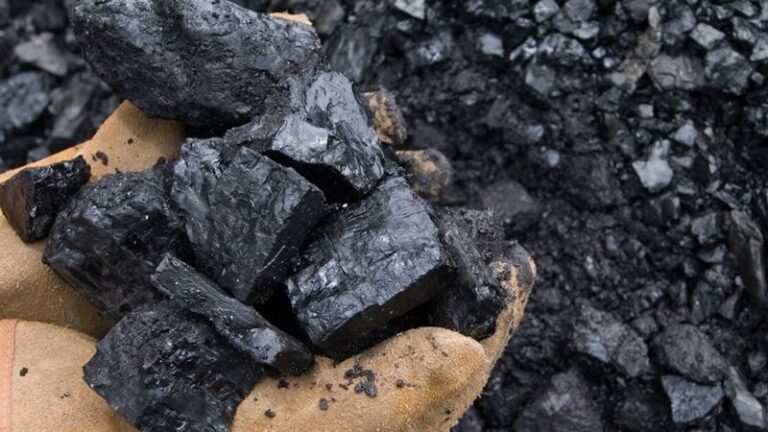
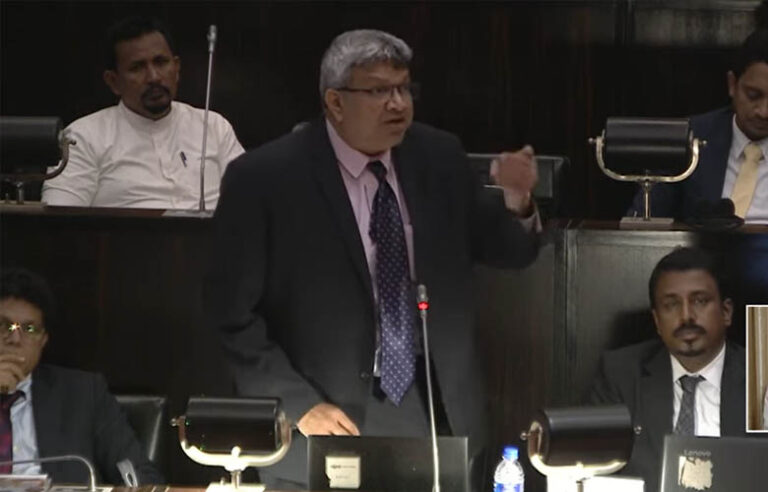
Energy Minister Kumara Jayakody told Parliament yesterday that the coal procurement process was conducted strictly in line with the 2023 tender procedure specifications, following recommendations outlined in the 2022/23 audit report. He denied allegations of any intentional irregularities in the process.

Ten bidders submitted proposals for the LCC/25/TT/1 term tender to supply 1.5 million metric tonnes of coal for the Norochcholai Lakvijaya Power Plant, covering the period from December 2025 to May 2026. The tender has drawn significant attention, marking one of the highest levels of participation in recent years, with 26 suppliers involved in the pre-qualification and registration phase.

The Minister noted that the supplier contracted for the 2024/2025 season failed to complete the required coal shipments within the expected timeframe, raising concerns over fuel availability. Although shipments were initially expected to be completed by April, they were finalized only by December last year.

He said the Lanka Coal Company (LCC) has since initiated a fresh procurement process through a long-term tender to supply 1.5 million ±10 percent metric tonnes of coal for the period from December 2025 to April 2026. The first shipment under the new tender arrived late last December.

Minister Jayakody emphasized that there has been no delay in the arrival of subsequent shipments. Nine vessels have already arrived in the country, the tenth is en route, and coal is currently being loaded onto the twelfth vessel.

He further stated that under the new shipments, no physical damage has been reported to the infrastructure of the Norochcholai Lakvijaya Power Plant.

Harsha de Silva Urges Recognition of Previous Govt’s Economic Gains Amid IMF Programme

0

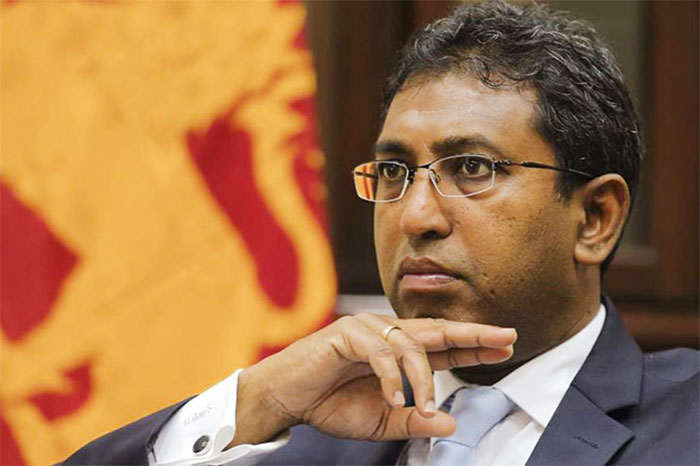
Samagi Jana Balawegaya (SJB) MP Harsha de Silva has called for due recognition of the previous government’s economic achievements while commenting on Sri Lanka’s ongoing IMF-supported programme.

His remarks follow recent comments by IMF Managing Director Kristalina Georgieva, who commended the current Sri Lankan government for maintaining macroeconomic stability and continuing reform efforts under the IMF programme.

In a post on X, de Silva stated that while he supports the IMF programme and appreciates the present government’s commitment to stability—as well as Georgieva’s optimism regarding Sri Lanka’s prospects—several key economic gains were achieved under the previous administration.

He pointed out that inflation had declined from 70 percent to 2 percent, economic growth had rebounded from -7.3 percent to +5 percent, and that the country’s first-ever national governance diagnostic study had been requested and completed during the prior government’s tenure.

De Silva emphasised that these milestones should be acknowledged alongside the reforms currently being implemented by the present administration.

President Returns After Attending AI Impact Summit in New Delhi

0

President Anura Kumara Dissanayake and the Sri Lankan delegation have returned to the island after attending the AI Impact Summit 2026 held in New Delhi, India.

The delegation arrived at Bandaranaike International Airport (BIA) last night aboard SriLankan Airlines flight UL-196 from New Delhi.

President Dissanayake travelled to India at the invitation of Indian Prime Minister Narendra Modi to participate in the summit.

On the sidelines of the Global AI Impact Summit, President Dissanayake held a bilateral meeting yesterday (20) with Prime Minister Narendra Modi.

In addition, the President engaged in bilateral discussions with French President Emmanuel Macron, Crown Prince of Abu Dhabi Sheikh Khaled bin Mohamed bin Zayed Al Nahyan, and Brazilian President Luiz Inácio Lula da Silva during the summit.

The AI Impact Summit 2026 brought together global leaders to deliberate on the future of artificial intelligence and international cooperation in emerging technologies.

WEATHER FORECAST FOR 21 FEBRUARY 2026

0

Atmospheric conditions are favorable for thundershowers over most parts of the island and showery condition is expected to enhance today (21).

Showers or thundershowers will occur at times in the Northern, North-Central, Eastern, Uva and Central provinces and in the Hambantota district.
Showers or thundershowers may occur at several places elsewhere after 1.00 p.m.

Heavy falls above 100 mm are likely at some places in Central, Uva and Sabaragamuwa provinces and in the Batticaloa, Ampara and Polonnaruwa districts. Fairly heavy falls above 75 mm are likely at some places elsewhere.

Misty conditions can be expected at some places in Central and Sabaragamuwa provinces and in Galle, Matara and Kaluthara districts during the early hours of the morning.

The general public is kindly requested to take adequate precautions to minimize damages caused by temporary localized strong winds and lightning during thundershowers.

Strategic Investment Partnership Between GMIHolding FZCO and Sri Lankan Conglomerates 4R Holdings international pvt ltd and RS Lanka to Launch USD 40mn Venture

0

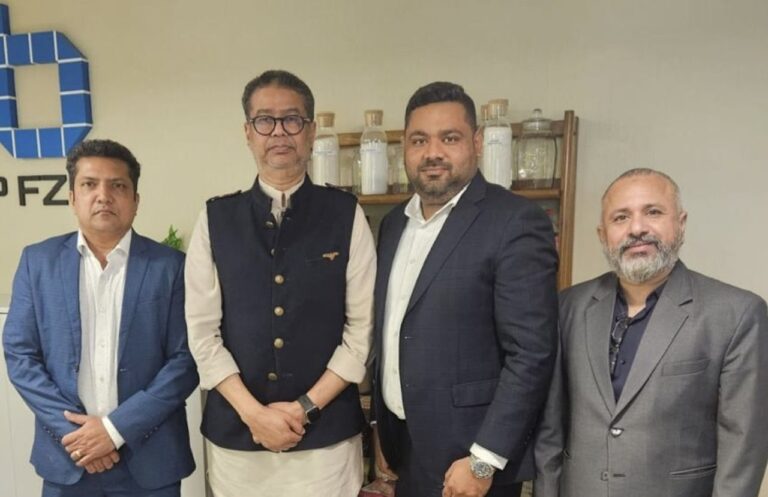
One of Dubai’s leading conglomerates, GMI Holding FZCO, has entered into a strategic partnership with Sri Lanka’s prominent business groups, 4R Holdings International (PVT) Ltd and RS Lanka, to establish a new joint venture with an initial investment of USD 40 million.

The collaboration will focus on the Fast-Moving Consumer Goods (FMCG), Ready-Made Garments (RMG), and Soft Commodities sectors. The venture aims to leverage Sri Lanka’s strategic geographic location and preferential trade agreements to secure duty advantages and strengthen supply chain access to regional and global markets.

GMI Holding FZCO is a UAE-based holding company with diversified interests across manufacturing, real estate development, FMCG, international trading and financial services. The Group maintains a strong footprint across South Asia, Far East Asia and the Middle East, with a proven track record in strategic investments, operational excellence, and cross-border trade facilitation.

4R Holdings International has diversified business interests spanning Real Estate Development, Hospitality Ventures, Healthcare, Import & Export operations, and Government Infrastructure Development projects. This collaboration marks another long-term partnership with a leading conglomerate operating across Asia and the Middle East.

Furthermore, RS Lanka is a leading Sri Lankan business group with established operations in trading, distribution, supply chain management, and sector-specific industrial investments. Their strong local market knowledge, regulatory expertise, and operational infrastructure will play a critical role in the successful execution and scaling of the joint venture.

Speaking on the joint venture Mr M. Rilwan Razick chairman 4R Holdings international said this partnership expected to attract substantial foreign investment into Sri Lanka and it will help strengthening countries economic growth also the partnership reflects a shared vision to build a sustainable, export-oriented platform that maximizes Sri Lanka’s competitive advantages while strengthening bilateral trade ties between the UAE and Sri Lanka. The venture is expected to commence phased operations following regulatory approvals and strategic market alignment.

House Arrest as Penal Reform: Lessons from the United Kingdom

0

Roger Srivasan

The government’s contemplation of house arrest as a mechanism to ease chronic prison overcrowding is both timely and necessary. Overcrowded prisons are not merely an administrative inconvenience; they are a systemic failure that erodes rehabilitation, strains public finances, and hardens minor offenders into habitual criminals. Reform, therefore, is not optional — it is imperative.
Such measures, however, are not novel, nor are they experimental. In the United Kingdom, alternatives to custodial sentencing have been part of the criminal-justice architecture for decades. One of the most well-known early instruments was the Anti-Social Behaviour Orders (ASBO), introduced in the late 1990s as a civil measure aimed at curbing low-level, persistent antisocial conduct without resorting to imprisonment.
The UK Experience: Pragmatism Over Punishment
ASBOs were designed to address behaviours that were disruptive rather than dangerous — vandalism, intimidation, nuisance offences — acts that corrode community life but do not warrant incarceration. Crucially, they were preventive rather than punitive, combining restrictions on movement and behaviour with judicial oversight. Over time, this philosophy evolved into more sophisticated systems, including electronic tagging, home-detention curfews, and community sentences, all aimed at reserving prison space for serious and violent offenders.
The UK’s experience demonstrated several key advantages:
Prison overcrowding was alleviated, allowing correctional facilities to focus resources on rehabilitation rather than containment.
Public expenditure was reduced, as home-based supervision costs a fraction of incarceration.
Reoffending rates among minor offenders declined, particularly when restrictions were paired with employment, treatment, or counselling.
Community stability improved, as petty offenders were restrained without being fully severed from family and work.
Importantly, these measures were not applied indiscriminately. The British model succeeded precisely because it was selective, graduated, and anchored in judicial discretion.
The Crucial Caveat: Offender Categorisation
This is where policy debates often falter. House arrest is a scalpel, not a sledgehammer. Its legitimacy rests entirely on who is included — and who is excluded.
Any such scheme must be strictly confined to petty, non-violent offenders: minor theft, low-level nuisance offences, regulatory breaches, or first-time infractions. To extend house arrest to serious criminals — particularly those involved in violence, organised crime, or narcotics — would be not reform, but folly. It would erode public trust, embolden hardened offenders, and blur the moral boundaries of justice.
The UK avoided this pitfall by maintaining a clear hierarchy of punishment: community control for minor offences, custody for grave ones. That clarity preserved both public confidence and judicial credibility.
A Reform Worth Embracing — With Discipline
Adopted wisely, house arrest can humanise justice without weakening it. It recognises that not all offenders are alike, and that incarceration should be a last resort, not a default reflex. It also affirms a deeper truth: that justice is best served not by filling prisons, but by reducing the conditions that create repeat offenders.
The lesson from the United Kingdom is unmistakable. Alternative sentencing works — but only when guided by restraint, rigour, and reason. If applied with discipline and clear boundaries, house arrest can be a powerful instrument of modern penal reform. If applied carelessly, it risks becoming a dangerous indulgence.
Reform, therefore, must be firm, focused, and fearless — but never naïve.

Pathum Nissanka Turns Hot ’N’ Spicy

0

By: Rashika Hennayake

February 20, Colombo (LNW): 

Sri Lanka and international cricket sensation Pathum Nissanka has been unveiled as the newest brand ambassador for Prima KottuMee, further amplifying the youthful energy and vibrant spirit the brand embodies.

“Pathum is the perfect match for Prima KottuMee,” said Mr Sajith Gunaratne, General Manager of Ceylon Agro Industries, Prima Group Sri Lanka. “He exemplifies the drive, enthusiasm, and passion that define our brand, and connects with the ambitions and energy of youth across the country. We have always believed in emerging talent and inspiring the next generation. This partnership with Pathum will not only strengthen that commitment but also amplify the youthful spirit that Prima KottuMee has become known for.”

Pathum Nissanka has established himself as one of Sri Lanka’s highest ICC-ranked cricket players, with achievements including a century on his Test debut and making history as the first Sri Lankan to score a double century in an ODI. Renowned for his technical batting skills and composure under pressure, he has earned recognition as one of the country’s most promising cricket stars.

Expressing his excitement about the collaboration, cricket star Pathum Nissanka said, “It is truly exciting to team up with Prima KottuMee. For me, this partnership is about celebrating a youthful and vibrant lifestyle. Whether on the cricket field or in everyday life, I believe in keeping the spirit high, enjoying every moment, and making each experience memorable. Through this collaboration, I look forward to connecting with fans across Sri Lanka and sharing the youthful energy and spirit that define Prima KottuMee.”

The tie-up between Pathum Nissanka and Prima KottuMee comes at the perfect moment, as the nation gears up for a Hot ’N’ Spicy cricket season brimming with anticipation and passion. With cricket once again taking centre stage across Sri Lanka, this partnership unites a youth-favourite brand and an internationally recognised sportsman, both known for their hot and spicy approach to life.

Watch the excitement of this flavour-packed collaboration on:

Tiktok – https://vt.tiktok.com/ZSaxLAm3m/

IG – https://www.instagram.com/reel/DUF9E6jkypQ/?igsh=MXc3YmF6ZnBncnB2bg==

FB – https://www.facebook.com/share/v/1Am5H9Q8x1/

YouTube- https://youtu.be/dXa_sqOhT5g?si=kgedk2Sf5Nxd9-ar

When Power Walked the Dirt Path.

0

By Roger Srivasan

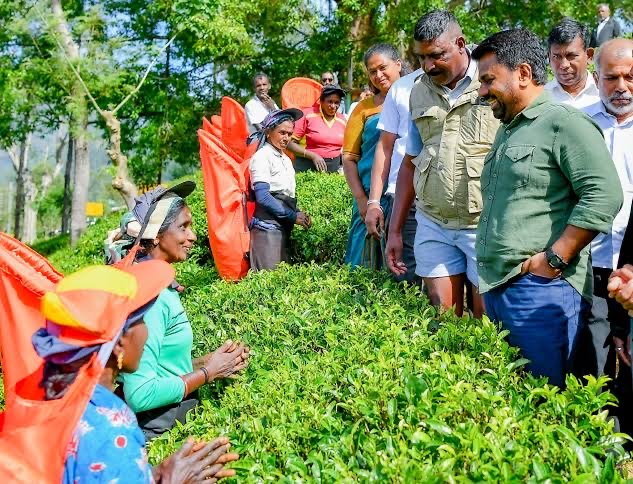
Only yesterday, Anura Kumara Dissanayake did something utterly unprecedented in Sri Lanka’s political history. Without razzmatazz, red carpets, or choreographed fanfare, he climbed the dirt tracks of a tea plantation in search of its workers — to meet them, speak with them, and interact with them as equals.


The reaction of the plantation workers was one of astonishment and overwhelming delight. Never before has a sitting national leader set foot on a plantation estate and mingled freely with its labourers, unmediated and unguarded. This was not a staged visit, nor a publicity exercise; it was an unvarnished human encounter.


One worker, visibly moved by the moment, summed it up with quiet reverence: “We are immensely blessed to have our soil sanctified by your footsteps.” The remark, simple yet profound, captured the emotional gravity of the occasion.


This was not political theatre. It was humility in motion. In a country where leadership has long been insulated by protocol and distance, this unscripted walk along dusty plantation paths spoke louder than speeches delivered from elevated platforms.


Indubitably, it was a historic moment — not because it was orchestrated, but because it was sincere.

Strategic Air Force Power Expansion amid Economic Headwinds

0

The 75th anniversary of the Sri Lanka Air Force coincides with one of its most comprehensive fleet modernisation efforts in recent memory. Despite economic headwinds and geopolitical disruptions, the Air Force is moving ahead with aircraft acquisitions, foreign-assisted upgrades, and expanded training capability to strengthen national resilience.

Central to the plan is an estimated US$18 million overhaul of four Mi-17 helicopters. Once refurbished, three aircraft will deploy with the United Nations Multidimensional Integrated Stabilisation Mission in the Central African Republic, reinforcing Sri Lanka’s longstanding contribution to UN peacekeeping while potentially earning foreign exchange. The fourth helicopter will remain in-country, enhancing rapid response capacity during floods, cyclones and medical evacuations.

Two Beechcraft King Air aircraft 350 and 360ER variants donated by the United States and Australia, are already boosting maritime domain awareness. Given Sri Lanka’s strategic location along major Indian Ocean shipping lanes, improved surveillance supports anti-smuggling, fisheries protection and environmental monitoring operations.

Further strengthening training and disaster preparedness, ten TH-57 Sea Ranger helicopters from the US Navy are scheduled for delivery. These platforms will expand pilot training throughput while reducing pressure on frontline operational aircraft.

The SLAF is also revitalising its combat and transport fleet. Five Kfir fighter jets are nearing completion of a US$50 million avionics and radar upgrade conducted by Israel Aerospace Industries. Meanwhile, F-7 and K-8 aircraft are being refurbished locally with Chinese technical assistance. Discussions are underway regarding possible acquisition of C-130 Hercules transport aircraft to enhance heavy-lift capability.

These developments unfold as Sri Lanka continues fiscal consolidation following its economic crisis. Defence planners argue that modernisation today prevents higher replacement costs tomorrow and ensures readiness for evolving security and climate-related challenges. Recent extreme weather events exposed operational gaps, reinforcing the need for reliable airlift and surveillance capacity.

Importantly, several elements of the programme leverage foreign grants, technical partnerships and peacekeeping deployments, potentially offsetting direct treasury burdens. UN missions in particular have historically provided reimbursement mechanisms that can support maintenance and training budgets.

In parallel, the SLAF plans to inaugurate a Space Research and Innovation Section, signalling a long-term vision that extends beyond conventional air operations. If aligned with civilian scientific institutions, such initiatives could stimulate technological development and regional collaboration.

While fiscal prudence remains essential, the modernisation drive represents a calculated attempt to align national defence capabilities with emerging security realities. In an increasingly volatile regional and climatic environment, strategic air power  when efficiently managed  serves not only military objectives but also humanitarian, environmental and diplomatic interests.

As Sri Lanka charts its post-crisis recovery, the balance between financial restraint and strategic preparedness will define the sustainability of this ambitious renewal effort.