August 19, Colombo (LNW): Sri Lankan health authorities have heightened surveillance following the World Health Organisation’s (WHO) declaration of monkeypox as a public health emergency of international concern.
Despite the global rise in cases, local health officials report no significant surge within the country, maintaining that the immediate threat remains low due to existing preventive measures.
Additional precautionary measures are under consideration, according to Health Ministry sources. These include intensified monitoring at entry points like airports and seaports, given that most cases have been linked to international travel from regions with higher infection rates.
Monkeypox, primarily a self-limiting illness, typically presents symptoms such as fever, rash, and swollen lymph nodes, lasting between two to four weeks. Transmission occurs through direct contact with body fluids, lesions, or contaminated materials like clothing and bedding used by an infected person.
However, the outbreak has also fuelled stigma, particularly against the LGBTQIA+ community. The prevalence of cases among men who have sex with men (MSM) has led to misconceptions, with some incorrectly viewing the disease as exclusive to this group.
This narrative risks further marginalising the LGBTQIA+ community, overshadowing the broader public health approach needed to combat monkeypox.
Public health experts emphasise that the disease’s transmission is based on close contact, not sexual orientation, urging against discrimination and promoting accurate information to prevent unnecessary stigma.
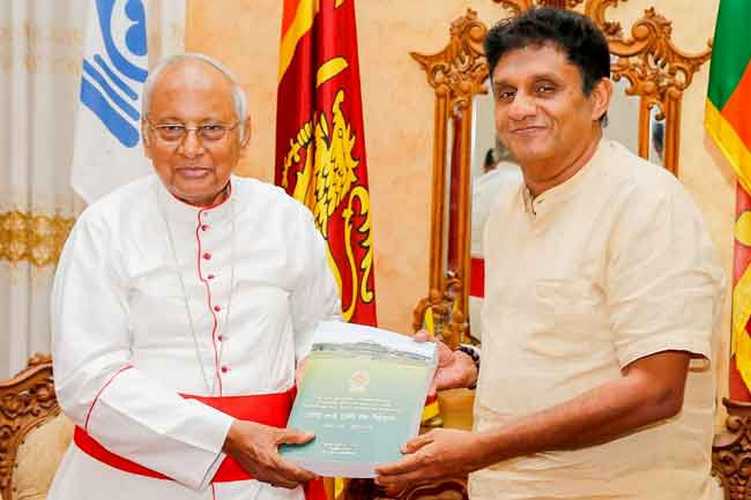
August 19, Colombo (LNW): Opposition Leader and presidential candidate Sajith Premadasa has reaffirmed his commitment to revealing the truth behind the Easter Sunday terror attacks, addressing the long-standing concerns of Sri Lanka’s Catholic community.
During a visit to the residence of His Eminence Cardinal Malcolm Ranjith in Colombo, Premadasa sought blessings from the Archbishop and Assistant Bishops while outlining his pledge for justice.
Premadasa, who met with the religious leaders as part of his presidential campaign, emphasised that his strategy for uncovering the truth has already been presented in Parliament.
He highlighted the growing public demand, especially within the Catholic community, for transparent investigations and full disclosure of the facts surrounding the tragic event.
The Opposition Leader assured Cardinal Ranjith and the Bishops that he is determined to pursue justice without bias.
Premadasa outlined a comprehensive plan to identify and hold accountable all those responsible, promising to deliver the maximum punishment for those involved.
His’s remarks signal his intent to prioritise this issue should he be elected, as he continues to garner support from key religious and community leaders across the country.
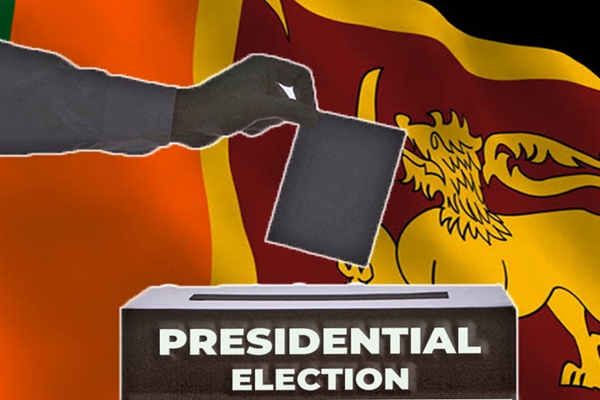
August 19, Colombo (LNW): A delegation of election observers from the European Union (EU) and the Commonwealth has arrived in Sri Lanka to monitor the upcoming presidential election scheduled for 21 September.
The mission, invited by the Election Commission of Sri Lanka, underscores international support for transparent and credible elections amid the country’s ongoing political and economic recovery.
This marks the EU’s seventh election monitoring mission in Sri Lanka, with their last observation during the 2019 presidential election.
The head of the observer group emphasised the importance of this election in reinforcing democracy following the political crisis in 2022.
The observers see the election as a pivotal moment in Sri Lanka’s path towards reforms and stability.
The EU’s mission comprises a core team, including a Deputy Chief Observer and nine experts who have already arrived in Colombo.
They will be joined by 26 long-term observers stationed nationwide, with an additional 32 short-term observers deployed during election week to ensure comprehensive coverage.
This election, where over 17 million registered voters will participate, will decide the country’s next executive president.
Among the main contenders are incumbent President Ranil Wickremesinghe, Opposition Leader Sajith Premadasa, and the NPP Leader Anura Kumara Dissanayake, as Sri Lanka prepares for a pivotal moment in its political landscape.
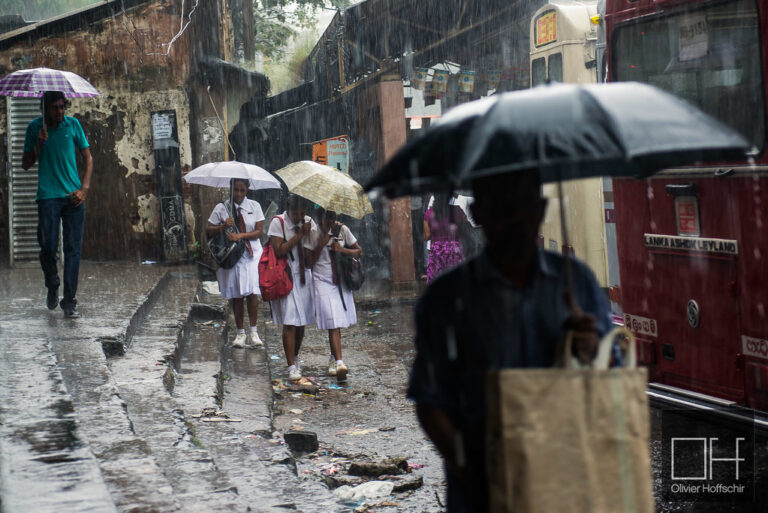
August 19, Colombo (LNW): Showers or thundershowers will occur at times in Western, Sabaragamuwa, Southern and North-western provinces and in Kandy and Nuwara-Eliya districts, the Department of Meteorology said in its daily weather forecast today (19).
Fairly heavy showers above 75 mm are likely at some places in Western and Sabaragamuwa provinces and in Galle and Matara districts.
Showers or thundershowers will occur at several places elsewhere over the island during the evening or night.
Fairly strong winds about (30-40) kmph can be expected at times over Western slopes of the central hills and in Northern, North-central and North-western provinces and in Hambantota district.
General public is kindly requested to take adequate precautions to minimise damages caused by temporary localised strong winds and lightning during thundershowers.
Marine Weather:
Condition of Rain:
Showers or thundershowers will occur at times in the sea areas off the coast extending from Puttalam to Hambantota via Colombo and Galle. Showers or thundershowers will occur at a few places in the other sea areas around the island during the afternoon or night.
Winds:
Winds will be south-westerly and wind speed will be (30-40) kmph. Wind speed can increase up to (55–60) kmph at times in the sea areas off the coasts extending from Kankasanthurai to Puttalam via Mannar and from Hambantota to Pottuvil. Wind speed can increase up to 50 kmph at times in the sea areas off the coasts extending from Puttalam to Hambantota via Colombo and Galle.
State of Sea:
The sea areas off the coasts extending from Kankasanthurai to Puttalam via Mannar and from Hambantota to Pottuvil will be rough at times. The sea areas off the coasts extending from Puttalam to Hambantota via Colombo and Galle may be fairly rough at times. Temporarily strong gusty winds and very rough seas can be expected during thundershowers.
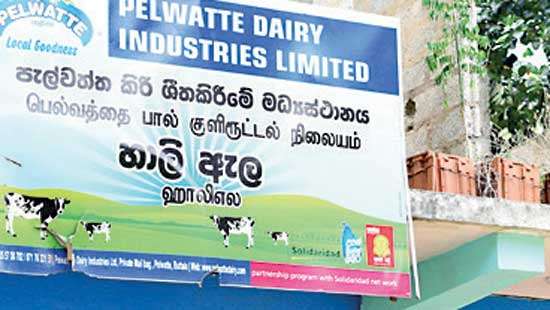
August 18, Colombo (LNW): Pelwatte Dairy Industries Ltd. has introduced a ground breaking initiative titled “Inclusion of Women in the Formal Dairy Supply Chain for Economic Empowerment of Women Farmers.”
Launched in October 2022, this initiative aims to empower women farmers, strengthen the local dairy industry, and encourage sustainable agricultural practices.
Supported by Solidaridad Asia Network and funded by the Canadian Government, the project represents a strong international collaboration focused on socio-economic development.
The project’s main objectives include empowering women farmers by providing them with training, technological advancements, and financial aid to boost productivity and improve their livelihoods.
It also aims to modernize the dairy supply chain by incorporating advanced technology, such as a 2,200-liter chilling tank and a QR code-based milk procurement system, ensuring efficient and transparent operations.
Additionally, the initiative supports the local dairy sector by promoting fair pricing and sourcing high-quality raw milk, fostering a sustainable and resilient industry.
What sets this initiative apart is its focus on economically empowering women, a group traditionally underrepresented in agriculture.
By equipping women with essential skills and resources, the project seeks to challenge the perception of the dairy industry as male-dominated.
It also aims to demonstrate the potential for local dairy production to meet national demand, countering the preference for imported milk products.
The establishment of a chilling center with a 2,200-liter capacity ensures a steady supply of high-quality raw milk, while the QR code-based system improves traceability and transparency, enhancing consumer trust.
The project also involves training 20 local women farmers to enhance their dairy farming practices, contributing to its overarching goal of economic empowerment.
Pelwatte Dairy has pledged to offer fair pricing for milk sourced from local farmers and provide support for animal health, leading to better milk quality and yield.
Sophie Gordon, the Australian High Commission’s Second Secretary for Development, visited the project site in Hali Ela to review and highlight the initiative’s achievements, showcasing the successful partnership between international and local organizations.
Pelwatte Dairy’s initiative goes beyond improving the dairy supply chain; it aims to uplift the community by empowering women, thereby contributing to the socio-economic development of rural areas.
The integration of modern technology into traditional farming practices not only enhances efficiency but also sets a standard for sustainable agricultural practices in the region.
Pelwatte Dairy Industries Ltd. Managing Director, Akmal Wickramanayake, emphasized the project’s commitment to sustainability, ethical sourcing, and community development.
He stated, “By empowering local women farmers, we are not only improving the quality and reliability of our dairy products but also supporting the socio-economic fabric of our communities. We are proud to collaborate with Solidaridad Asia Network and the Canadian Government to bring this vision to life.”
August 18, Colombo (LNW): Pakistan, Sri Lanka’s second largest trade partner in the region, has indicated interest in expanding its free trade agreement (FTA) trade with the island, creating growth in bilateral trade, which already exceeds the US $ 460 million mark, according to Sri Lanka’s trade ministry.
The Consulate General of Sri Lanka in Karachi in collaboration with the Department of Commerce of Sri Lanka facilitated Sri Lanka’s participation at the 19th My Karachi – Oasis of Harmony Exhibition held from 2 to 4 August at the Karachi Expo Centre.
Sri Lankan exporters, including Maliban Biscuits, Tea Talk, Orange Electrics, and SriLankan Airlines joined the Consulate General to showcase their products and services at the event. The participation of Sri Lanka aimed to boost Sri Lankan exports to Pakistan and encourage more Pakistani tourists to visit the country.
The Sri Lanka pavilion received an enthusiastic response from Pakistani businesses and extensive media coverage. Government officials, key chamber heads, and the Sri Lankan Consul General Jagath Abeywarna were among the distinguished visitors to the Sri Lanka stall.
In a statement the ministry said that Pakistan’s High Commission had indicated Pakistan looks forward to expand FTA trade by reducing sensitive items, thereby creating more opportunities for Lankan exporters.
It also stated that the composition of Pakistani working group for this year’s Ministerial level Joint Economic Commission (JEC) session had been finalised and the teams will span across four sectors namely, automotive, investment, customs cooperation and trade.
Meanwhile, Sri Lanka’s trade ministry pointed out that a range of new Lankan products have penetrated into the Pakistan market after the implementation of the PSFTA. Among them are fresh pineapple, MDF boards, sports goods, tamarind, edible oil, porcelain tableware and kitchenware, ceramic tiles, furniture, electrical switches and sockets and herbal cosmetic products.
Pakistan’s first-ever international FTA partner was Sri Lanka when the Pakistan Sri Lanka Free Trade Agreement (PSFTA) came into force in June 2005.. Sri Lanka’s main exports to Pakistan include natural rubber, copra, tea, coconut, spices and betel leaves while main imports are cement, cotton, wheat, cane/ beet sugar, medicaments and iron and steel.
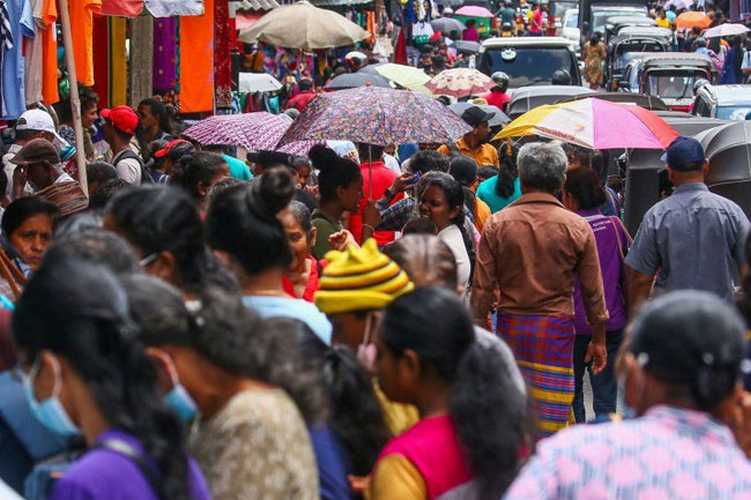
August 18, Colombo (LNW): Sri Lanka is experiencing a significant transformation in its age structure associated with the youth bulge as well as population ageing. These population trends create many challenges as well as opportunities. UNFPA policy dialogue held in Colombo recently revealed.
The UNFPA Sri Lanka, in partnership with the Ministry of Finance, Economic Stabilization, and National Policies, recently organized a policy dialogue titled “Shaping the Future: A Policy Dialogue on Population Dynamics in Sri Lanka” at the BMICH in Colombo.
The event brought together key stakeholders, including policymakers and experts, to discuss the country’s demographic challenges, such as aging, low fertility, and migration.
With Sri Lanka facing significant demographic shifts, including a declining fertility rate and a rapidly aging population, the dialogue emphasized the need for comprehensive national policies to address these issues.
Experts highlighted that by 2041, one in four Sri Lankans will be over 60, and the ongoing migration trends add complexity to the population landscape.
The dialogue also marked the launch of UNFPA’s 2024 State of the World Population Report and an Issue Brief on Sri Lanka’s population dynamics.
Life cycle deficit is the difference between the consumption of goods against the generated labour income.This deficit is serviced by transfers, which are economic mechanisms and social institutions that facilitate the reallocation of resources across age
Reserch results show that between ages 30 – 69, people earn more than they consume, showing that Sri Lanka’s labour force, exceeds beyond the current retirement age of 60.
Sri Lanka is experiencing a significant transformation in its age structure associated with the youth bulge as well as population ageing. These Population trends create many challenges as well as opportunities.
As the population ages, the number of working adults who contribute to the economy will reduce in the future. This means the reliance on government and the social welfare system will increase
National Transfer Accounts (NTA) show that older people have accumulated real assets that can be used later in life, through assets or savings.
To ensure that the ageing population will have sufficient private assets/savings, SriLanka must raise labour productivity and invest in education and healthcare to capture the benefits of the second demographic dividend.. UNFPA suggested. Older people having more assets might depress interest rates or boost productivity As the share of children in the population declines, it becomes easier for society to invest more in each child.
August 18, Colombo (LNW): Sri Lanka’s manufacturing and services sectors continued to expand in July this year with expectations of a continued recovery in the economy, according to a Purchasing Managers’ Index compiled by the central bank.
The CBSL said expectations for business activities for the next three months continue to improve at a higher rate, supported by favourable macroeconomic conditions.
The country’s manufacturing and services sectors in July have expanded as per the Purchasing Managers’ Index (PMI), its compiler the Central Bank said.
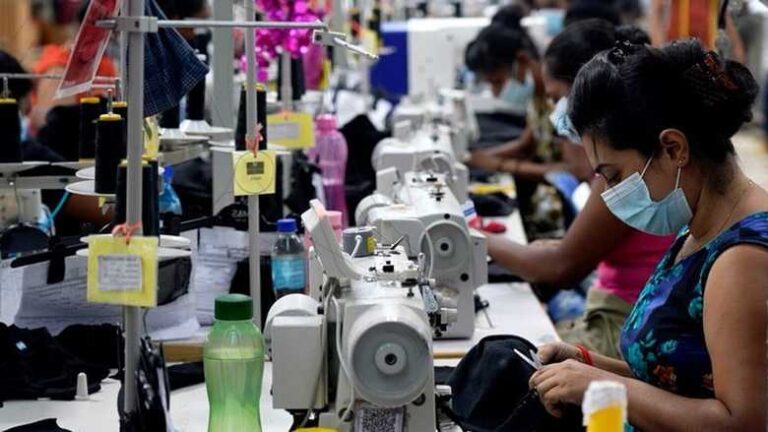
The Manufacturing PMI recorded an index value of 59.5 in July. In June, the value was 56.6. “All sub-indices contributed positively to this improvement,” the CBSL said.
It said the expansion in new orders was driven by the manufacture of the Textile and Apparel sector. “Production increased during the month, mainly due to improved performance in manufacture of the Food and Beverages and Textile and Apparel sectors,” it added.
In addition, employment turned positive in July, which was mainly attributable to the manufacture of the Textile and Apparel sector.
Stock of purchases also expanded in line with the increased demand for materials. However, suppliers’ delivery time further lengthened in July.
The CBSL said the expectations for manufacturing activities for the next three months remain positive, anticipating a continuous improvement in demand.
The PMI for Services indicated a further expansion in services activities in July 2024, as reflected by the Business Activity Index, which reached an index value of 71.1. In June, the index value was 63.5.
The CBSL said the expansion in business activities was driven by improvements observed across a majority of sectors. Business activities in the Transportation services grew mainly due to improvements observed in the Freight and Aviation sectors.
Further, business activities in the wholesale and retail trade and other personal services also experienced a considerable growth during the month.
Meanwhile, business activities in the Accommodation, Food and Beverage services, which had shown a subdued performance in previous months, experienced an improvement during the month due to the increase in tourist arrivals.
New businesses increased in July, particularly with the upsurges observed in financial services and transportation service activities. Employment declined in July despite a few new recruitments made by several companies.Meanwhile, backlogs of work continued to decline during the month.
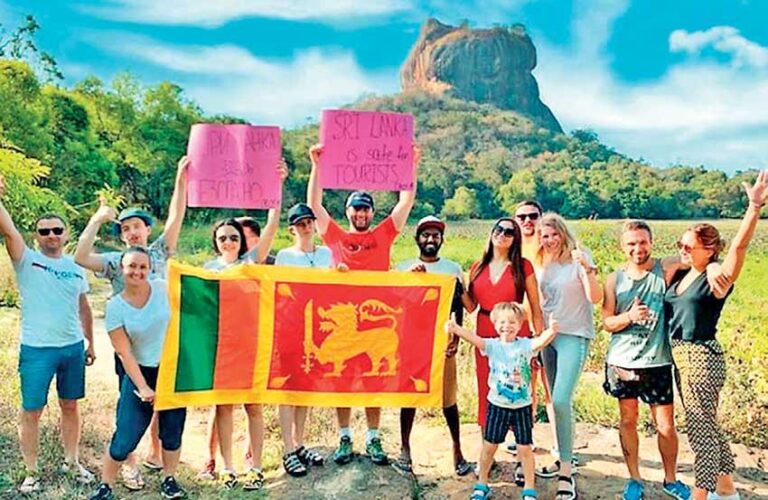
August 18, Colombo (LNW): Chalaka Gajabahu, Chairman of the Sri Lanka Tourism Promotion Bureau (SLTPB), expressed confidence that over one million tourists are expected to visit the country in the last five months of 2024, aiming to meet the annual goal of 2.3 million arrivals.
Speaking at a media briefing in Colombo, Gajabahu noted the positive impact of recent tourism promotion campaigns, while also stressing the need for stable conditions within the country to realise this target.
He further announced the planned soft launch of a new mobile app for Sri Lanka Tourism in October, aimed at enhancing visitor experiences.
Nalin Perera, Managing Director of the SLTPB, added that focused digital marketing campaigns targeting five key markets will be launched in September, highlighting the agency’s strategic approach to boosting tourism in the remaining months of the year.
August 18, Colombo (LNW): Nandana Ranasinghe, co-chair of the Grama Niladhari Professional Association, announced today (18) that the ongoing work-to-rule and black protest week by Grama Niladhari officers will cease at midnight.
The officers will return to their regular duties until the conclusion of the presidential election.
Ranasinghe stated that, given their role as election officers, the Grama Niladhari officers will halt their protest actions to ensure they can continue to serve the public efficiently and impartially, in line with election regulations.
He also expressed a commitment to addressing unresolved professional concerns through dialogue with the incoming president.
Should these issues remain unresolved, Ranasinghe indicated that further professional actions could be reconsidered.