Farmer organisations urge Govt to lift the palm oil plantation ban: say that will result in reactivation of the plantation sector and save about USD 300 mn spent on importing around 220,000 MT of palm oil: palm oil cultivation in SL was abruptly banned in 2020 when Dr Ramesh Pathirana was Plantations Minister.
National Medicines Regulatory Authority Chairman Dr Ananda Wijewickrama raises concerns over the Health Ministry’s recent decision to allow State hospitals to directly purchase medicines: claims such unregulated purchases bypasses NMRA oversight and compromises public health.
CB Governor Nandalal Weerasinghe says SL hopes to negotiate a debt restructuring deal with holders of its defaulted USD 13bn ISBs within “a couple of months”: analysts point out that the Governor and other leaders have regularly said that agreement is to be reached with external creditors in “a few months” since July 2022, but none of those assurances have realised: asserts that his assurances therefore now lack credibility.
Decision said to have been reached through “mutual consensus” at meeting between SL officials and visiting IMF delegation that President’s Chief of Staff and Senior Advisor Sagala Ratnayaka will be responsible to oversee and ensure proper implementation of the financial reform process in SL.
Urban Development Authority Deputy Director General E A C Piyashantha says the UDA had not taken any steps to expropriate the land leased out for the Krrish Project: confirms that the lease between the UDA and investors remains in force.
Couple who have been in hiding after allegedly defrauding Rs.5 bn through Pyramid schemes arrested in Pilimathalawa by the Police Illegal Asset Investigation Division.
Fishing trawler with 6 crew members which had left Sri Lanka from the Chilaw Dikkowita Fisheries Harbour on 12th January, abducted by Somalian pirates in the Arabian Sea area.
Prisons Dept Media Spokesman G Dissanayaka says discussions are underway to open 2 new prisons in the Western and Southern Provinces as the number of prisoners has doubled during the past 2 years.
Deputy Treasury Secretary R M P Rathnayake says Govt plans to give some relief to the public in relation to indirect taxes such as VAT: asserts however that the timeline for such relief would depend on the generation of revenue from direct taxes from High-Net-Worth Individuals (HNWIs).
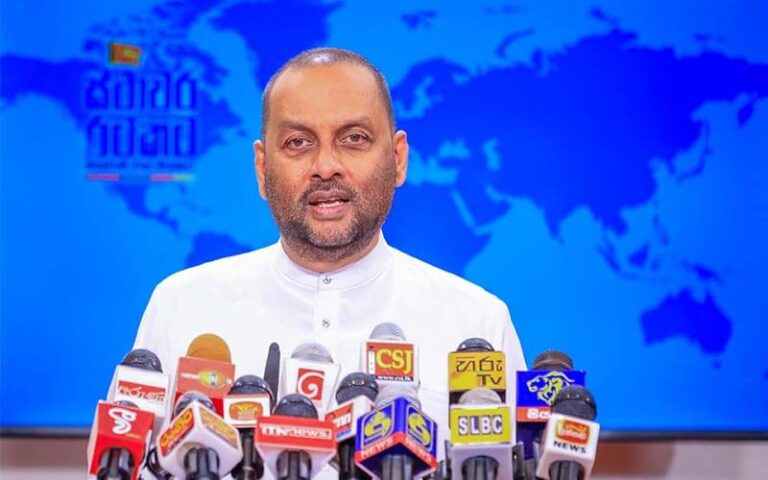
Medical Supplies Division Deputy Director General Dr. G Wijesuriya admits there is a shortage of cancer medicines to a certain extent: says that as of now, 28 varieties of cancer medicines have been imported and are waiting to be accepted by the MSD, but due to a delay in related documents, distribution has been suspended.
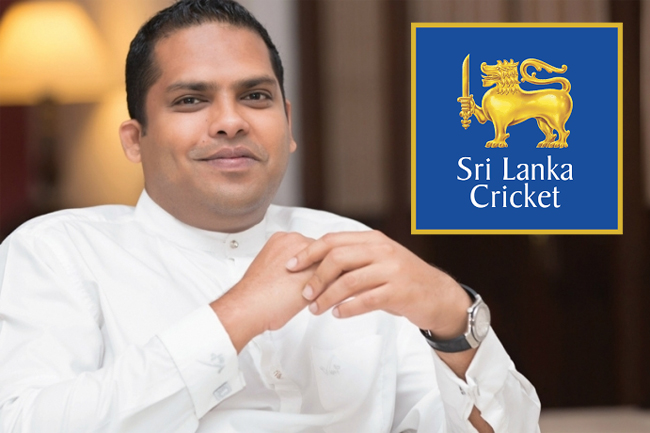
Colombo (LNW): Sports Minister Harin Fernando expressed optimism regarding the imminent resolution of the International Cricket Council’s (ICC) suspension on the nation, anticipating a favourable outcome within the next few days.
Speaking to the press in Wattala, the Minister sought to provide reassurance amidst a challenging period for Sri Lankan cricket, marked by its suspension by the ICC in November 2023 due to perceived government interference in the sport’s administration.
Fernando’s optimism is grounded in recent discussions with ICC officials, including CEO Geoff Allardice, who visited Sri Lanka earlier this month.
The Minister reported that these interactions were deemed “fruitful,” with the ICC delegation expressing satisfaction with the progress made in addressing the concerns that led to the suspension.
The economic ramifications of the suspension have been considerable for Sri Lankan cricket, resulting in the loss of hosting opportunities for events such as the Under-19 World Cup and the annual ICC conference.
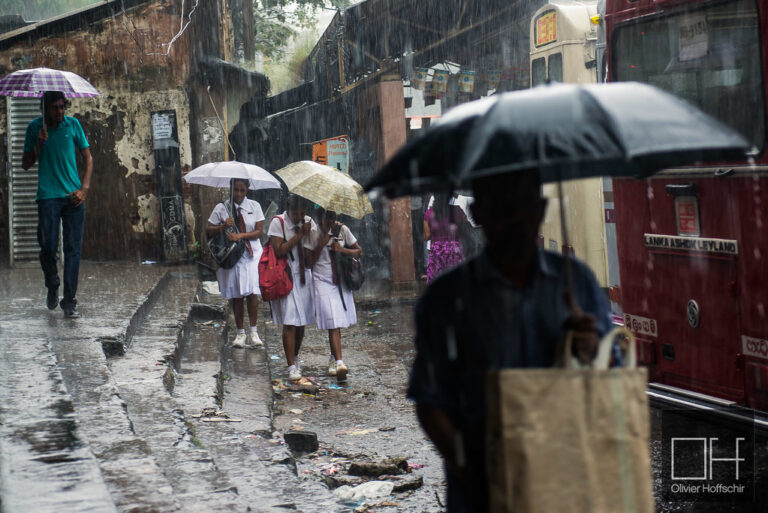
January 28, Colombo (LNW): Showers will occur at times in Eastern and Uva provinces and in Polonnaruwa, Matale and Nuwara-Eliya districts, with a few showers being expected in Anuradhapura, Mullaitivu and Hambantota districts, the Department of Meteorology said in its daily weather forecast today (28).
Showers or thundershowers will occur at few places in Western and Sabaragamuwa provinces and in Galle, Matara and Kandy districts after 2.00 p.m, the statement added.
Fairly strong winds about 40 kmph can be expected at times over the Northern,North-central, Eastern, Central, Uva and Northwestern provinces and Hambantota district.
The public is kindly requested to take adequate precautions to minimise damages caused by temporary localised strong winds and lightning during thundershowers.
Marine Weather:
Condition of Rain:
Showers or thundershowers will occur at several places in the sea areas off the coast extending from Trincomalee to Hambantota via Batticaloa. Showers or thundershowers may occur at few places in the sea areas off the coast extending from Matara to Colombo via Galle.
Winds:
Winds will be north-easterly and wind speed will be (30-40) kmph. Wind speed may increase up to 60 kmph at times in the sea areas off the coasts extending from Colombo to Mannar via Puttalam and from Batticaloa to Hambantota via Pottuvil. Wind speed may increase up to 50 kmph at times in the other sea areas around the island.
State of Sea:
The sea areas off the coasts extending from Colombo to Mannar via Puttalam and from Batticaloa to Hambantota via Pottuvil can be rough at times. In other sea areas around the island can be fairly rough at times.
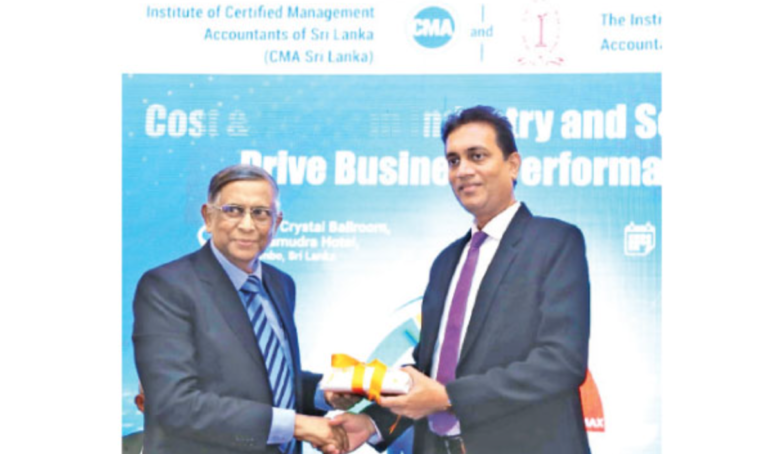
January 27, Colombo (LNW): The Institute of Certified Management Accountants of Sri Lanka (CMASL) and the Institute of Coast Accountants of India (ICMAI) recently co-hosted an international conference themed ‘Cost and Effect on Industry and Services to Drive Business Performance.’ The event provided a platform for delegates from India, Pakistan, Bangladesh, the Maldives, and Sri Lanka to engage in cross-regional dialogue, fostering knowledge exchange on the pivotal role of cost accounting and financial management.
The chosen theme resonated strongly with attendees, underscoring the increasing recognition of the impact of cost accounting on organizational efficiency and competitiveness. Council members from the Institute of Coast Accountants of India (ICAI) shared insightful experiences in implementing cost accounting standards, highlighting their diverse benefits, including price control, resource allocation, waste minimization, and efficiency enhancement.
ICAI stressed the significance of maintaining verifiable and standardized cost records. The consistent use of standard format cost statements across industries ensures information comparability and facilitates insightful decision-making.
However, speakers from Sri Lanka identified unique challenges within the local landscape.
In response to these challenges, CMASL pledged to collaborate with ICAI to address the identified shortcomings. The joint initiative aims to establish robust cost accounting standards in Sri Lanka, advocating for their adoption across public and private sectors. The initiative further seeks to introduce and promote standard cost reporting sheets and statements, along with guidelines to ensure transparency and accuracy in financial reporting. The overarching goal is to equip stakeholders with the necessary information for making informed decisions in areas such as price control while enhancing awareness and understanding of cost accounting principles.
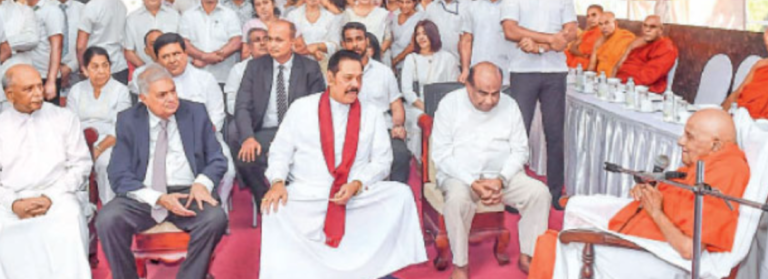
January 27, Colombo (LNW): Colombo University Chancellor and Public Service United Nurses’ Association President, Venerable Murutthettuwe Ananda Thera, expressed strong support from the Maha Sangha for President Ranil Wickremesinghe’s efforts in promoting the Sambuddha Sasana order and the welfare of the country. Speaking during a ceremony at the Narahenpita Sri Abhayarama Purana Viharaya to mark his birth on the 26th, Venerable Ananda Thera urged the President to formulate a program aimed at safeguarding the five virtues policy within the nation.
Highlighting concerns about certain actions of the Maha Sangha causing distress among true Buddhists, Venerable Murutthettuwe Ananda Thera called for urgent amendments to the Sasana, with due consideration to the Maha Sangha’s insights. He emphasized the need for a Sasana Shodhana (cleansing of the Buddha Sasana) through a Sangayana to address the emerging challenges.
Addressing the President directly, Venerable Ananda Thera expressed concerns about events conflicting with Buddhist principles, both in media and through some religious figures. He raised the alarm about individuals hastily claiming Buddha and Rahat status, posing a significant threat to the Buddhist order. As the Chief Sangha Nayaka, he earnestly implored the President to intervene and resolve the crisis within the Sambuddha Sasana.
Acknowledging Abhayarama’s association with politicians, Venerable Ananda Thera singled out President Wickremesinghe as the primary supporter of the temple, embodying true Buddhist values. He stressed that no other politician has contributed to the temple in the same way.
In addressing the President’s role as the de facto leader of the nation, Venerable Ananda Thera expressed confidence in President Wickremesinghe’s ability to take reflective action, known for aligning deeds with words. He urged prompt consideration of the Maha Sangha’s insights and a revision of the constitution to address the distress among true Buddhists.
The Thera further emphasized the Maha Sangha’s role in fostering national improvement, seeking the President’s assistance in creating an enlightened discourse to counter divergent opinions affecting public perception.
Closing his address, Venerable Ananda Thera affirmed the Maha Sangha’s support for the President’s efforts in maintaining order and protecting the people. He urged the President to devise a comprehensive program to uphold the Pancha Sheela policy. Additionally, he commended President Wickremesinghe for his role in awarding diplomas to nursing officers and his contributions to the progress of the university, despite past challenges.
The event witnessed the presence of members of the Mahasangha, Prime Minister Dinesh Gunawardena, Speaker Mahinda Yapa Abeywardena, former President Mahinda Rajapaksa, Industry and Health Minister Dr. Ramesh Pathirana, MP Wajira Abeywardena, and other dignitaries.
High Commission of India, Colombo celebrated India’s 75th Republic Day in Colombo on 26 January 2024. It may be recalled that it was on 26 January 1950 that the Indian Constitution-the world's largest written Constitution-entered into force. The Preamble to the Constitution declares India to be a Sovereign, Socialist, Secular, Democratic, Republic.
On the occasion, High Commissioner Santosh Jha unfurled India’s national flag at India House – residence of High Commissioner of India – and inspected the Guard of Honour. High Commissioner also read out excerpts of President of India’s Republic Day address.
The event featured songs by the Sri Lanka Navy band and a cultural programme organized by High Commission’s cultural arm, Swami Vivekananda Cultural Center. India’s rich diversity was showcased at the cultural event with performances of several folk dances. These included Garba of Gujarat which is India’s most recent inscription on the UNESCO Intangible Cultural Heritage List of Humanity. Members of the Indian community attended the ceremony in several hundreds.
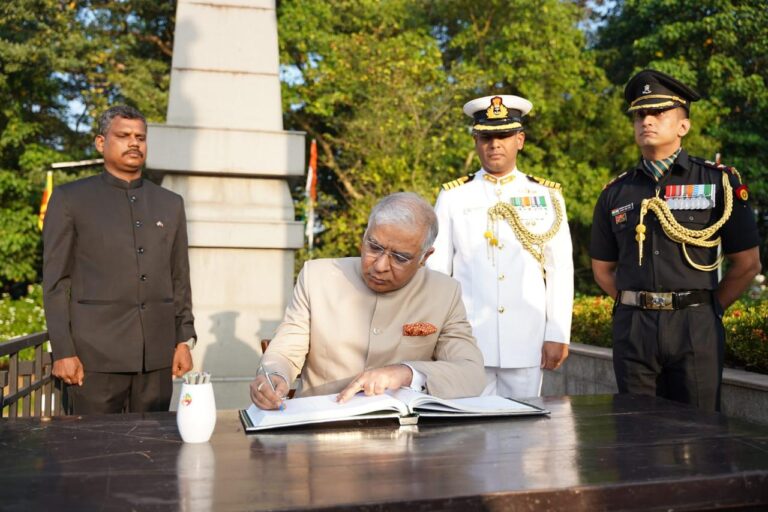
Earlier in the day, High Commissioner also paid tributes to the fallen heroes of Indian Peace Keeping Force (IPKF) at the IPKF memorial.
A ceremonial reception would be organized in the evening at India House. Several dignitaries from all walks of life in Sri Lanka are expected to attend this event.
This Republic Day marks over six months to the adoption of the India-Sri Lanka Economic Partnership Vision by Prime Minister Shri Narendra Modi and President Ranil Wickremesinghe during the latter’s visit to India in July 2023. Both sides continue to work towards enhancing connectivity in all its dimensions, identified as the key enabler for shared and sustainable economic prosperity.
Consulates General of India in Hambantota and Jaffna and the Assistant High Commission in Kandy also observed the 75th Republic Day of India by organizing special events.
January 27, Colombo (LNW):The Small-Scale Agri-Entrepreneurship Participation Programme (SAPP) in Sri Lanka has earmarked Rs. 4 billion for maize cultivation during the upcoming Yala season. Having allocated Rs. 10 billion for cultivating 40,000 acres of maize in the previous Maha Season, the program aims to support farmers by providing financial allocations for maize cultivation, seeds, fertilizers, and land preparation costs on a non-recovery basis.
The financial assistance and support will be extended to farmers in the Anuradhapura, Hambantota, Badulla, Ampara, and Monaragala districts to promote maize cultivation.
Agriculture and Plantation Industries Minister Mahinda Amaraweera, during a visit to observe maize cultivation in the Kasagala area, directed the Small-Scale Agri-Entrepreneurship Participation Programme to offer necessary concessions to farmers for the Yala Season cultivation. Despite reports of the Fall Armyworm epidemic affecting maize cultivation in various areas, the Minister noted the successful cultivation in the Kasagala region.
For the last Maha Season, the Small-Scale Agri-Entrepreneurship Programme supported the cultivation of 5,000 acres of maize in the Hambantota District through concessions. Minister Amaraweera emphasized the importance of continuing and expanding such initiatives to boost maize production in the country.
In the previous Maha Season, a total of 80,000 acres of maize were planted nationwide, with an expected harvest of 350,000 metric tons, according to the Agriculture Department.
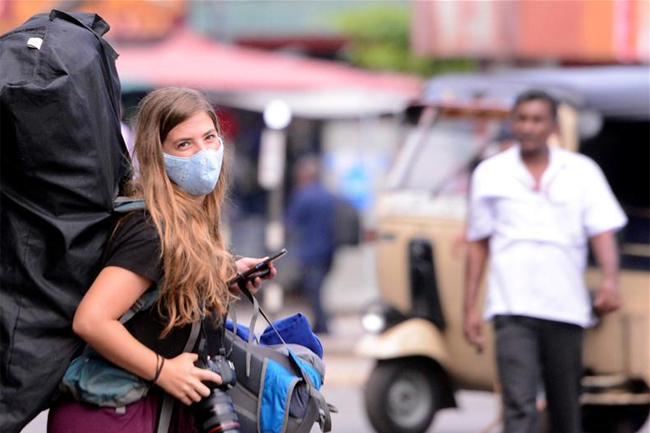
January 27, Colombo (LNW): We as a nation currently trying to recover from the present economic crisis by wooing foreign tourists to our country, meanwhile some of our own health care workers who are paid by tax payers money are in the racket of extorting money from innocent foreigners who seek emergency treatment from our Government hospitals. So called socialist, free health care loving workers of hospitals along southern coastal belt hospitals are hell bent on charging & demanding money from foreigners who come to get treatment.
Recently a European Couple who had walked in to a southern base hospital to seek emergency treatment after a road traffic accident was demanded cash by Nurses and attendants on duty and were insisting on keeping their travel documents until they pay. Apparently this sort of thing has been going on for sometime. You could see many tourists who patronise Home stays are frequently visit our hospitals to avail themselves of medical treatment. Actually we could be advertising to the world about our health service and it’s quality. Instead of that certain elements are tarnishing our reputation by resorting to such low level of extortion. Hence Foreigners need to be warned of this racket at entry point to the country.
This is the real pathetic situation in our rural hospitals especially southern coastal belt and their administration had gone to dogs.
Superintendents of these hospitals are spineless in the eyes of these unqualified attendants & some of the Nurses. Many of them are scared of union action. It’s classic case of tail wagging the dog.
They tarnish the good image of Sri Lanka and our humble way of life and hospitality. These cheap rascals need to be brought to books and punished. If not our efforts of promoting Sri Lanka tourism are futile.
To mention another important thing is health administration must insist a proper dress code to our Doctors to prevent an out sider to identify our doctors from the nurses & attendants, because from their dress, patients cannot identify the difference of a doctor and others except for female nurses.
It is high time that our Director General of Health Services and the entire administration step in to avoid such indecent behaviour by these unscrupulous elements.
January 27, Colombo (LNW): Investigations were started by the Inland Revenue Department on individuals and organisations charging value-added tax (VAT) without registering for the recently-revised levy.
Accordingly, an investigation was conducted on 24.01.2024 based on information received about a business place operating in Colombo city limits that was not registered for VAT.
The authorities of that company were not allowed to enter the office premises and were locked there, so the department had to request the help of the police.
On the presence of the police officers, department officers had to open the lock and enter the premises.
Accordingly, the audit has been started to find the correctness of the information and to inquire whether the correct taxes have been paid.
January 27, Colombo (LNW): The Transparency International Sri Lanka (TISL) petitioned the Supreme Court challenging the ‘Microfinance and Credit Regulatory Authority Bill’, stating that it fails to sufficiently address or introduce a fit scheme to enable the regulation of the extortive and predatory practices that microfinance lenders engage in at the grassroots levels.
The Bill was placed on the Order Paper of Parliament on 9 January 2024. TISL has argued in the Petition (SC SD 14/2024) that the Bill does not conform to the principles of reasonableness, proportionality, natural justice, separation of powers and legal certainty as required, and is thus violation of Article 83 of the Constitution as read with Article 3 and 4 of the Constitution.
The extortive and predatory practices faced by victimised customers/borrowers of microfinance schemes, among others include, sextortion/soliciting of sexual bribes, physical, mental, and emotional harassment and intimidation, and the application of extortive interest rates in the granting of loans.
The Petition states that the Bill fails to adequately regulate all entities that engage in microfinance activities in a manner that would address the pervasive issues that have adversely plagued the sector.
The Petition points out that the Bill excludes certain entities that dominate the microfinance industry, such as licensed commercial banks or licensed specialized banks, licensed finance companies, registered leasing establishments etc.
TISL has further noted in the Petition that the provisions in the Bill grant undue sole discretion to the subject Minister by allowing the Minister to specify persons who may carry out moneylending without a license from the Microfinance and Credit Authority, and grant exemptions to a class or category of transactions.
It further states that Clause 65 of the Bill attempts to create an information-concealing regime that is in complete violation of Article 14A of the Constitution from which the Right to Information Act No. 12 of 2016 flows.
Therefore, the Petition requests the Supreme Court to determine that the Bill, as a whole or in part, is inconsistent with the Constitution.