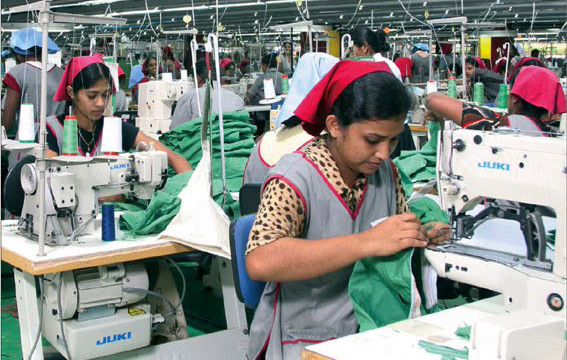
Colombo (LNW): The apparel and textile industry, the backbone of the Sri Lankan economy, contributing significantly to the country’s gross domestic product is now in down turn due to economic set back in major Western markets, industry sources claimed.
The garment industry which was resilient even during the covid19 and economic crisis period in the island is in the midst of a huge battle of its own due to massive loss in purchase orders of European countries.
Sri Lanka’s apparel export revenue has come down to US$ 4,042.8 million during the first 10 months of this year from $ 5,952 million during the same period last year, Central Bank data shows.
Since September 2022, apparel export earnings have been on a downward trend on a YoY basis, primarily due to the economic slowdown in major Western markets.
However, in comparison to the export figures of September (US$ 333.18 million) and October (US$ 330.95 million), the apparel sector demonstrated enhanced earnings in November, perhaps signaling potential turnaround, especially with the seasonal demand.
As per the provisional data shared by the Joint Apparel Association Forum (JAAF), only exports to the United Kingdom show positive growth with earnings expanding by 19.7 percent YoY, totaling US$ 48.34 million.
Exports earnings from key markets such as the United States dipped 15.12 percent YoY to US$ 141.09 million, while from the EU, earnings contracted by 7.18 percent YoY to US$ 126.62 million. Exports to ‘other’ markets declined 32.87 percent to US$ 55.07 million.
Apparel export earnings for the first eleven months of the year totaled US$ 4.1 billion, a 19.58 percent YoY contraction.
Earnings fetched from all markets dipped with the highest contraction seen from the United States. Export earnings from that market, the largest for Sri Lanka for the year so far, declined 23.81 percent YoY to US$ 1.63 billion.
Similarly, earnings from the EU and the United Kingdom declined by 17.81 percent YoY and 13.76 percent YoY to US$ 1.26 billion and US$ 572 million, respectively. Exports to ‘other’ markets contracted by 18.17 percent YoY to US$ 642 million.
Apparel is Sri Lanka’s largest industrial export and it earned US$ 5.95 billion in 2022. The country’s apparel sector has about 300,000 employees, most of whom are women.
JAAF anticipates a decrease of approximately one billion dollars in this year’s apparel and textile export earnings compared to last year.
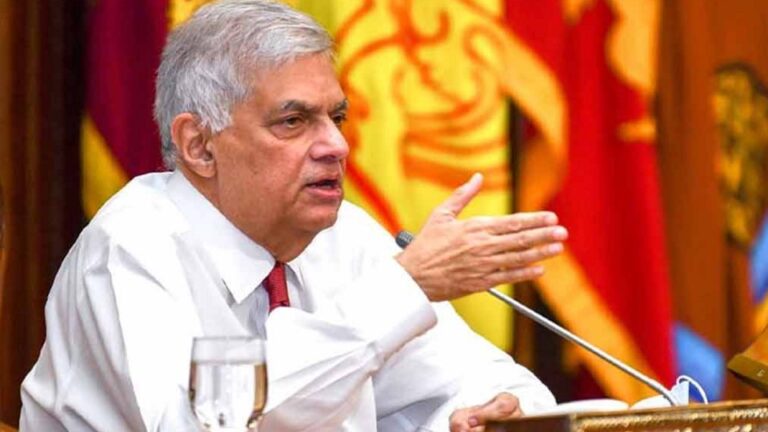
Colombo (LNW): President Ranil Wickremesinghe has announced the appointment of ten Ministry Secretaries and two Chief Secretaries, effective from January 1, 2024.
Ms. Wasantha Perera – Secretary to the Ministry of Education
Mr. M.N. Ranasinghe – Secretary, Ministry of Justice, Prisons & Constitutional Reforms
Mr. Gunadasa Samarasinghe – Secretary, Ministry of Wildlife & Forest Resources Conservation
Mr. A.C. Mohammad Nafeel – Secretary, Ministry of Water Supply & Estate Infrastructure
Mr. W.P.P. Yasaratne – Secretary, Ministry of Public Administration, Home Affairs, Provincial Councils & Local Government
Mr. Saman Darshana Pandikorala – Secretary, Ministry of Irrigation
Mr. B.K.P. Chandrakeerthi – Secretary to the Ministry of Environment
Dr. Sulaksha Jayawardena – Secretary, Ministry of Power and Energy
Eng. Mr. Ranjith Rubasinghe – Secretary, Ministry of Transport and Highways
Dr. Dharmasri Kumaratunga – Secretary, Ministry of Technology
Mr. R.M.W.S. Samaradiwakara as the Chief Secretary of the North Central Province
Miss. S.L.D.K. Wijayasinghe as the Chief Secretary of the Western Province
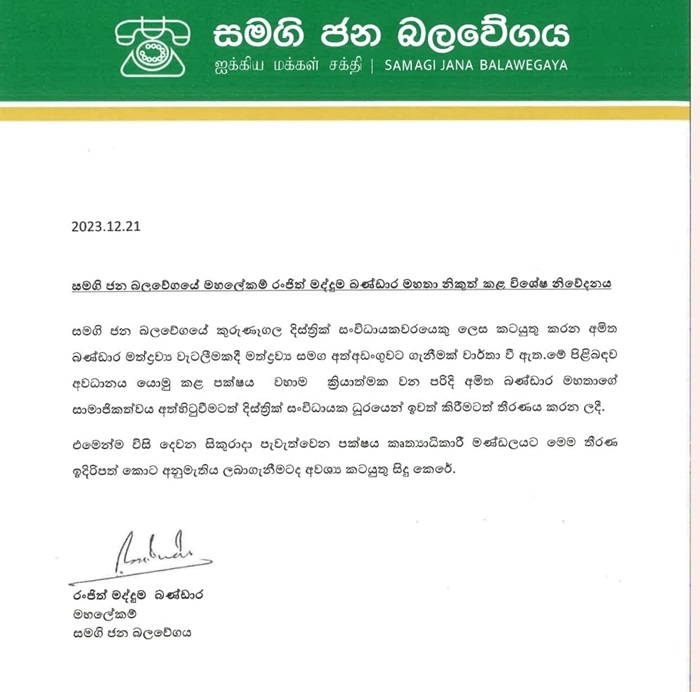
Colombo (LNW): The Samagi Jana Balawegaya (SJB) has opted to suspend the party membership of Amitha Bandara, the Kurunegala District Organiser, following reports of his apprehension in a recent drug raid by the Police.
In an official statement, the SJB disclosed that the decision was made in response to information indicating his involvement in the drug-related incident.
Bandara was arrested at the Mahawa Junction on Tuesday, accompanied by the seizure of 778.26 grams of heroin by officers from the Kegalle Crimes Investigations Bureau.
During the arrest, law enforcement confiscated a jeep used for transporting the narcotics, a car, an electric scale, multiple chequebooks from various banks, bank cards, and bank account books from the suspect.
In light of these developments, the SJB has promptly suspended Bandara’s party membership and removed him from the position of Kurunegala District Organiser.
Further decisions on this matter are slated to be addressed during the party’s working committee meeting scheduled for today, December 22.
Colombo (LNW): A total of 1,865 individuals were apprehended during the islandwide special operation ‘Yukthiya’ (Justice) conducted by the Police and the Special Task Force (STF) from yesterday until 12:30 am today.
The Ministry of Public Security reported that this operation aimed to combat the drug menace in Sri Lanka, and investigations are ongoing into the assets and possessions of 40 suspects among the arrested individuals.
The ministry further disclosed that 134 of the suspects have been referred for rehabilitation.
Since the commencement of the ‘Yukthiya’ island-wide special operation last weekend, nearly 10,000 suspects have been taken into custody.
The Police, in their operations, have confiscated various illegal assets and substantial quantities of narcotics.
Moreover, during yesterday’s operation, law enforcement seized assets estimated at around Rs. 92 million, including vehicles, land, houses, and gold.
These assets are believed to have been acquired using funds derived from illicit drug activities.
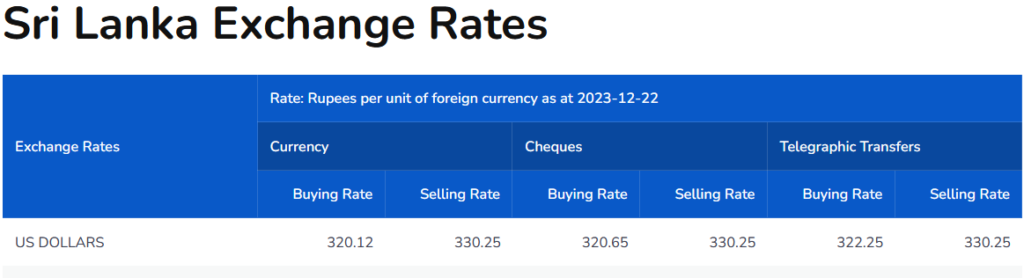
Colombo (LNW): The Sri Lankan Rupee (LKR) has appreciated against the US Dollar today (22) in comparison to yesterday as per leading commercial banks in the country.
At Peoples Bank, the buying price of the US Dollar has dropped to Rs. 320.25 from Rs. 320.94, and the selling price to Rs. 331.41 from Rs. 332.12
At Commercial Bank, the buying price of the US Dollar has dropped to Rs. 320.12 from Rs. 320.37, and the selling price to Rs. 330.25 from Rs. 330.50.
At Sampath Bank, the buying price of the US Dollar has dropped to Rs. 321 from Rs. 322, and the selling price to Rs. 330 from Rs. 331.
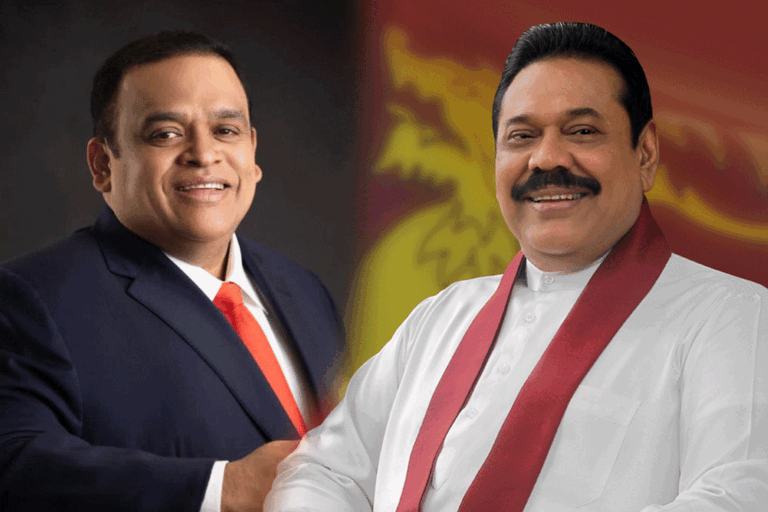
SLPP leader & former President Mahinda Rajapaksa alleges that USD 10,000mn in new International Sovereign Bonds were issued between 2015 and 2019 by the Yahapalana administration, comprising the UNP & SLFP which debilitated the economy: asserts when he was voted out in Jan’15, the outstanding ISB debt was only USD 5,000mn.
SJB MP & Economic Guru Harsha de Silva cautions Govt against counting loans received from IMF, World Bank & ADB as “external buffers” as they have to be paid back: asserts that loans from whatever sources are not earned reserves: analysts point out that at end-2019, when the Yahapalanaya Govt relinquished office, the External Reserves were USD 7.6bn, while the ISBs outstanding were USD 15.0bn, which meant that ISB loans were USD 7.4bn higher than the Reserves.
Anti-Parate Activist & National Construction Association Chairman Susantha Liyanaarachchi says businesses can’t get any support from the banking sector as all banks have tightened up after SL announced bankruptcy: laments SMEs which had previously contributed to around 51% of GDP, have now started to collapse.
Trade Unions of various sectors gear up for comprehensive joint discussions to address Govt’s attempts to privatise electricity, banking, insurance, telecom & postal services: initial discussions to commence next week.
Minister of Public Security Tiran Alles says orders issued to arrest 4,664 persons, who are allegedly involved in drug trafficking & underworld activities: explains ongoing islandwide Police operation “Yukthiya” at a media briefing: receives a threatening phone call after the briefing, which is now being investigated by Police.
Customs Dept fails to collect over Rs.61bn in tax arrears last year: able to collect only 9% of the outstanding taxes.
Cardinal Malcolm Ranjith says a 4-member family requires at least Rs.120,000 per month to have 3 meals per day, but a common man receives a wage of about Rs70,000 to 80,000 only: asserts people have been pushed into borrowing & a “debt economy” is now emerging: also asserts professionals leave the country as the income they receive is inadequate to pay income taxes.
Benchmark 1-year T-Bill weekly auction fails for the 13th consecutive week: Central Bank able to sell only 14.2% (Rs 7,797 million) of its original offer of Rs 55,000mn: even after such a low sale, the weighted average yield increases by 10 bps to 12.93%: Central Bank also fails to sell the total T-Bills offered for the 2nd consecutive market week: analysts warn a Govt liquidity crisis of unprecedented magnitude is brewing.
State Minister of Finance, Shehan Semasinghe says “Aswesuma” payments for Dec’23 for 1,410,064 families, amounting to Rs.8,793mn has been transferred to Banks: also says the Govt has so far paid Rs.51,967mn from July to Dec’23 to 303,199 extremely poor families, 606,496 poor families, 290,624 vulnerable families and 209,745 transitional families.
Dept of Census & Statistics says Overall Rate of Inflation, as measured by National Consumer Price Index was 2.8% in Nov’23, compared to 1.0% in Oct’23: Food-Inflation in Nov’23 increased to -2.2% from -5.2% in Oct’23; Non-Food Inflation increased to 7.1% in Nov’23 from 6.3% in Oct’23.
Colombo (LNW): MP Dhammika Perera would be a commendable candidate from the Sri Lanka Podujana Peramuna (SLPP) should he decide to run for the presidential election, Party Leader Mahinda Rajapaksa said Wednesday (20), in response to reporters.
Rajapaksa, however, clarified that the official presidential candidate for the SLPP is yet to be decided.
The former President made this remark during his participation in an event at the Foundation Institute in Colombo.
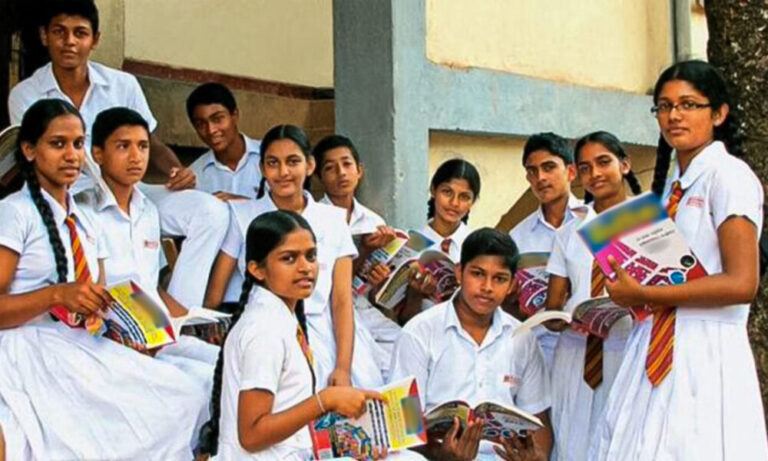
Colombo (LNW): The initial segment of the third term for the academic year 2023 concludes on Friday, the 22nd, for both government and government-approved private schools.
Following this, the second phase of the third school term is scheduled to commence on February 1, 2024, granting students a substantial 39-day-long school holiday.
During this period, plans are underway to conduct the GCE Advanced Level Examination, with the Ministry of Education specifying the exam dates as January 4 to January 31, 2024.
Additionally, the Education Ministry has outlined that the inaugural school term of 2024 is set to commence on February 19.
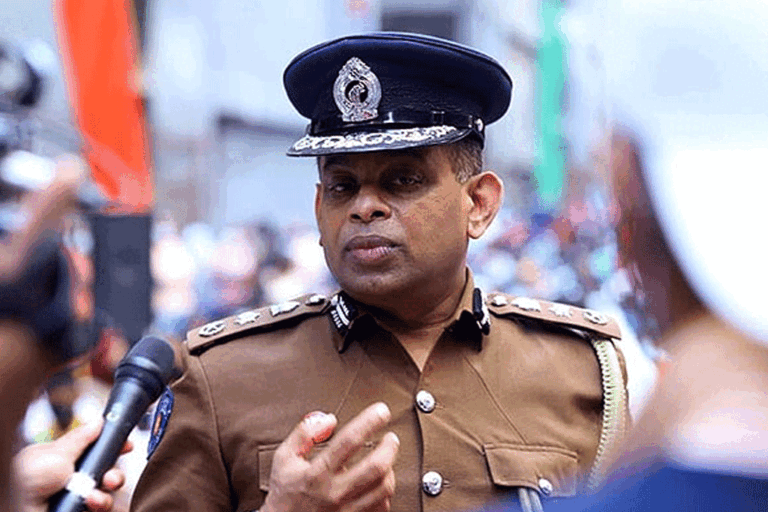
Colombo (LNW): The Lawyers’ Collective has urged President Ranil Wickremesinghe to promptly terminate the appointment of Deshabandu Tennakoon as Acting Inspector General of Police (IGP), considering the recent Supreme Court judgment.
In the case of Sumangala v Bandara and Others, a unanimous decision by a three-judge bench held that Tennakoon, along with other respondents, violated the fundamental rights of a former army soldier. The violations included freedom from torture, unlawful arrest, and arbitrary administrative action that denied equal protection of the law.
Consequently, the Supreme Court directed the National Police Commission (NPC) and other relevant authorities to take appropriate disciplinary action against Acting IGP Deshabandu Tennakoon and other implicated police officers.
In an open letter to the President, the Lawyers’ Collective emphasised that these officers, including Tennakoon, have been found liable for acts constituting a criminal offence under the Convention Against Torture and other Cruel, Inhuman or Degrading Treatment or Punishment Act, No. 22 of 1994.
All implicated police officers must be formally charged with the serious crime of torture immediately and suspended from service, the Collective asserted.
“The office of IGP, and thereby the powers of Acting IGP, can only be directly held accountable by your office as President. Your duty to the people of Sri Lanka is clear, and the only responsible course of action is to terminate the appointment of the said Deshabandu Tennakoon to Acting IGP, refer the judgement to the Attorney General for urgent consideration of serving charges on all found liable, and refer the judgement to the National Police Commission for disciplinary action,” the letter noted.
The Lawyers’ Collective expressed concern that a failure to act constitutes a daily reminder to the public that the President is unwilling to implement a judgment of the highest court of the country that has exercised the judicial power of the people under the constitution.
The Collective accused Minister of Public Security Tiran Alles of publicly endorsing Tennakoon’s leadership of the police shortly after the judgment that found Tennakoon liable for torture. Alles even insinuated support for police killings in enforcing Sri Lanka’s laws on illegal drugs, they added.
The letter was signed by a group of President’s Counsels, including Rienzie Arsecularatne, Upul Jayasuriya, Dr. Jayampathy Wickramaratne, Geoffrey Alagaratnam, M.A. Sumanthiran, Dinal Phillips, Saliya Pieris, S.T. Jayanaga, Nalin Dissanayake, Prof. Savitri Goonesekere, Prof. Deepika Udagama, Prof. Camena Gunaratne, and attorneys-at-law Upul Kumarapperuma, and seven others on behalf of the Lawyers’ Collective.
Full Letter:
President Ranil Wickremesinghe, President Democratic Socialist Republic of Sri Lanka
Mr. President,
We write to you as citizens who are members of the legal profession and legal academics of Sri Lanka for urgent action following the decision of our apex court in Sumangala v Bandara and Others (SCFR 107/2011) delivered on 14th December 2023. A three-judge bench of the Supreme Court unanimously held that Respondents, including the current Acting IGP Deshabandu Tennakoon, violated the fundamental rights of the petitioner to freedom from torture, unlawful arrest, and arbitrary administrative action that denied equal protection of the law. The Court observed that these violations undermined the core values of respect for the Rule of Law and Democracy, and the State obligation of the government under international law applicable in Sri Lanka. The right to freedom from torture is one of the gravest violations in constitutional law and the Sri Lankan State’s obligations under ratified international treaties and cannot be limited in any way or on any ground. Their Lordships imposed heavy compensation on these persons, including Deshabandu Tennakoon, (currently Acting IGP) and called for disciplinary action by the State against them.
Deshabandu Tennakoon was the SP Nugegoda at the time of the incidents complained of in the above case. He was proven to have both participated in the acts of torture and illegal arrest and not fulfilled his responsibilities to prevent gross acts of torture by his subordinate police officers. These acts included using chili powder to suffocate, stripping naked and suspending from the ceiling for long hours, and beating the petitioner in front of his wife and very young children. One of them fainted on witnessing this abuse of their father. The petitioner has been recognized as consequently suffering from a serious mental health condition for years.
We draw your attention to the fact that these officers including the said Deshabandu Tennakoon, have been found liable of acts which in our law amount to a criminal offence under the Convention Against Torture and other Cruel, Inhuman or Degrading Treatment or Punishment Act, No. 22 of 1994. As such, all police officers found responsible must be formally charged with the serious crime of torture with immediate effect and they must be suspended from service. It is particularly grave that no immediate action has yet been taken against the said Deshabandu Tennakoon, given that he holds a position of power with influence over evidence and witnesses in an anticipated criminal prosecution against him. The office of IGP, and thereby the powers of Acting IGP, can only be directly held accountable by your office as President. Your duty to the people of Sri Lanka is clear, and the only responsible course of action is to terminate the appointment of the said Deshabandu Tennakoon to Acting IGP, refer the judgment to the Attorney General for urgent consideration of serving charges on all found liable, and refer the judgment to the National Police Commission for disciplinary action.
We remind that Deshabandu Tennakoon was appointed by you, Mr. President, with endorsement by the Constitutional Council, amidst public controversy over his suitability, for this high post. It is a complete failure of public trust by all involved. We note that no attention appears to have been given to the fact that there are many pending cases against this individual, and that this particular case was before the Supreme Court.
As President of our country, who has taken an oath of office to uphold the Constitution, and as a member of the legal profession, we call upon you to recognize the gravity of these violations of constitutionally guaranteed fundamental rights, and international law, and take immediate action following this judgment of the Supreme Court. Failure to do so will legitimize the idea that a person can hold high public office despite the fact that he/ she has been found responsible for one of the most heinous crimes and abuses of power under Sri Lanka’s laws and violation of fundamental rights guaranteed as a core aspect of the People’s Sovereignty in a democracy. Decades of jurisprudence of the Supreme Court has emphasized that officials including the President and Ministers must discharge the legal obligations of their public office, and uphold the Public Trust placed upon them. Indeed, in Sumangala v Bandara and Others the Supreme Court said that ” the stars that adorn a uniform are not ornaments of power but reminds us of the immense responsibilities that come with authority.”
There is public expectation that in your role as head of the Cabinet your Cabinet is reminded of their role and responsibilities in office. It is shocking that within days of the judgment that found Deshabandu Tennakoon liable for torture, Minister of Public Security Tiran Alles publicly endorsed Tennakoon’s leadership of the police and even insinuated support for police killings in enforcing Sri Lankas laws on illegal drugs. The legitimate law enforcement aim of eradicating illicit drugs cannot be cover for extra judicial violence. He has also made damaging statements on the legal profession, accusing lawyers who have demanded action in terms of the judgment as “defending” drug offenders. This seriously undermines the right to legal representation in court proceedings. All such statements seriously undermine this government’s commitment to the rule of law and our Constitution.
As President, you must appreciate that the confidence of the public in the administration of justice must be reinforced and not undermined. It is shocking, by any standard, that the leadership of the police or indeed in any public office, is held by a person who has been found to have violated the Constitution and that too by an act which is itself a criminal offence in this country.
Mr. President, we have repeatedly warned that the several legislative and administrative measures of this government have been authoritarian in nature and has had a damaging chilling effect on citizen engagement with issues of public concern. The remarkable silence in the media and by civil society over the Supreme Court judgment indicates a self-censorship not previously evident in Sri Lanka.
This is an open letter to you. We will be sharing this letter with our fellow citizens in the hope and expectation that you will take immediate action. In summary, immediately terminate the appointment of Deshabandu Tennakoon as Acting IGP in view of the Supreme Court judgment in Sumangala v Bandara and Others, refer the judgment to the Attorney General to consider without delay charging these police officers with the serious criminal offence of torture, particularly in view of the preservation of evidence in imminent prosecutions and also refer the judgment to the National Police Commission for action. A failure to act amounts to a daily reminder to the public that you will not implement a judgment of the highest court of the country which has exercised the judicial power of the People under our Constitution. Urgent action is a matter of national importance.
On behalf of the Lawyers’ Collective,
Mr. Rienzie Arsecularatne, President’s Counsel Mr. Upul Jayasuriya, President’s Counsel, Former President – BASL Dr. Jayampathy Wickramaratne, President’s Counsel Professor Savitri Goonesekere, Attorney-at-Law Mr. Geoffrey Alagaratnam, President’s Counsel, Former President – BASL Mr. M.A. Sumanthiran, President’s Counsel Mr. Dinal Phillips, President’s Counsel Mr. Saliya Pieris, President’s Counsel, Former President – BASL Mr. S.T. Jayanaga, President’s Counsel Mr. Nalin Dissanayake, President’s Counsel Professor Deepika Udagama Professor Camena Gunaratne Mr. Upul Kumarapperuma, Attorney-at-Law Mr. K.W. Janaranjana, Attorney-at-Law Mr. Harshana Nanayakkara, Attorney-at-Law Mr. Srinath Perera, Attorney-at-Law Mr. Sapumal Bandra, Attorney-at-Law Mr. Akalanka Ukwatta, Attorney-at-Law Ms. Ermiza Tegal, Attorney-at-Law Mr. Manoj Nanayakkara, Attorney-at-Law
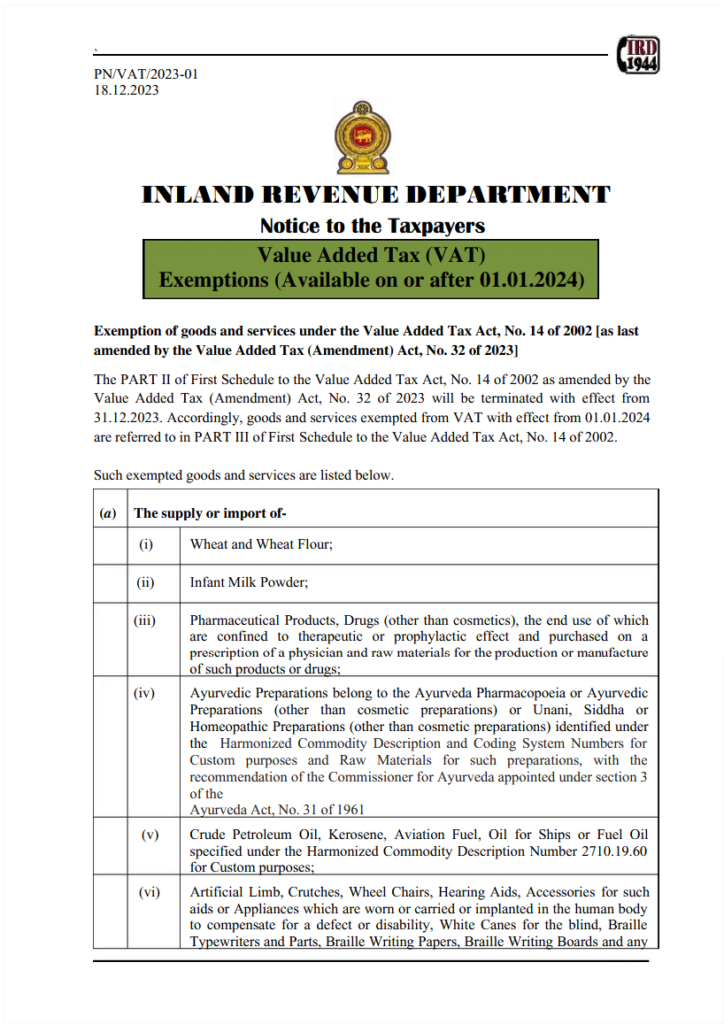
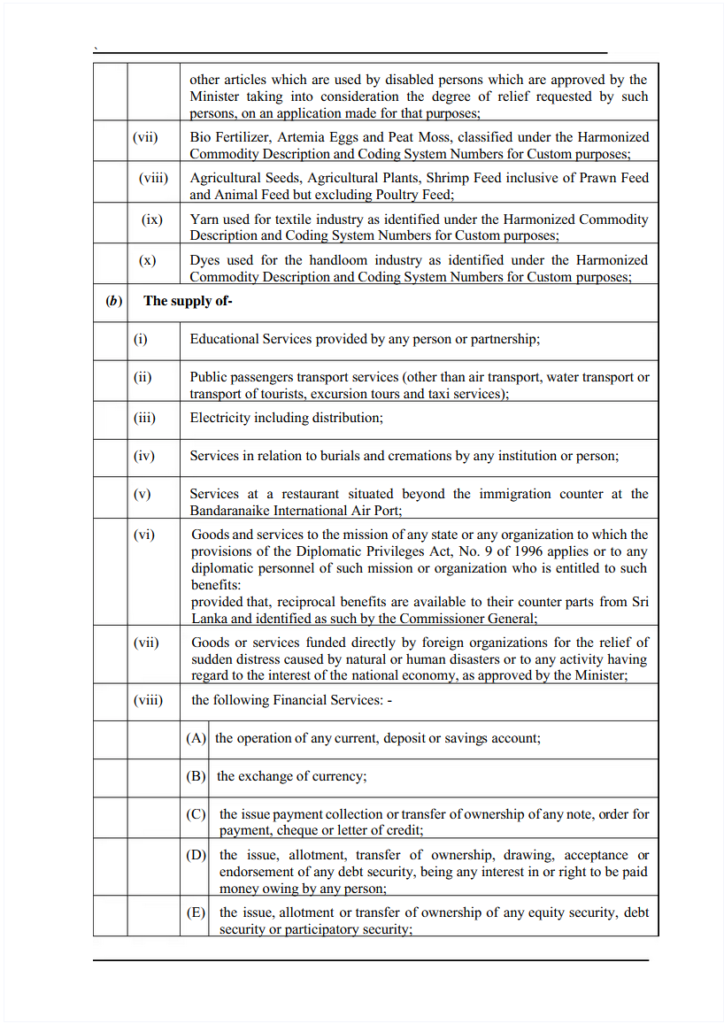
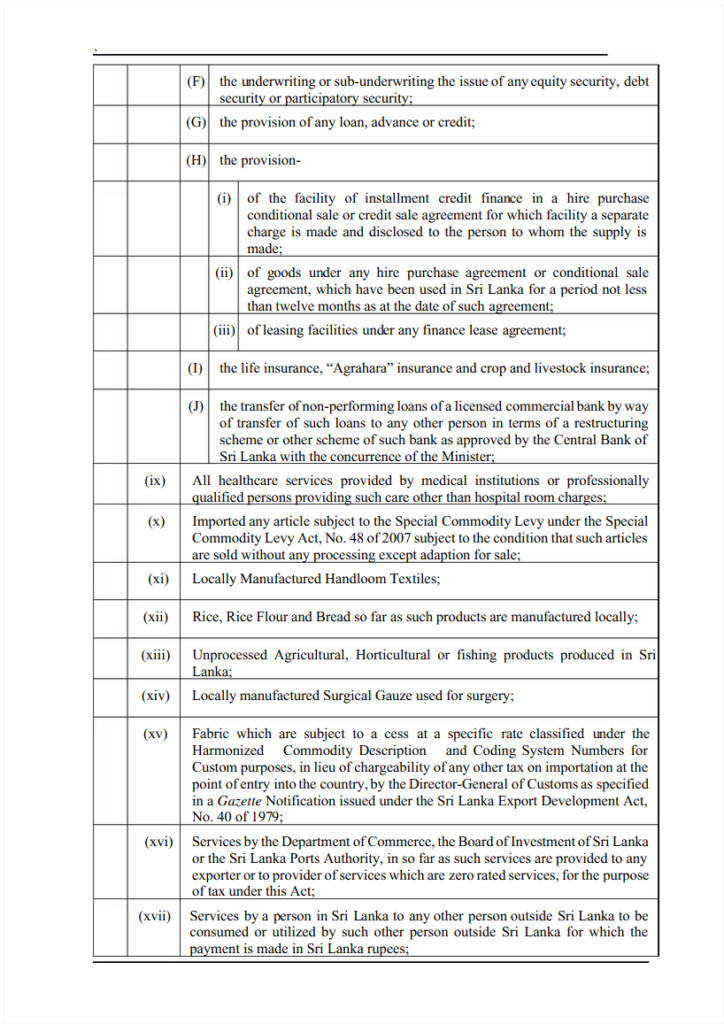
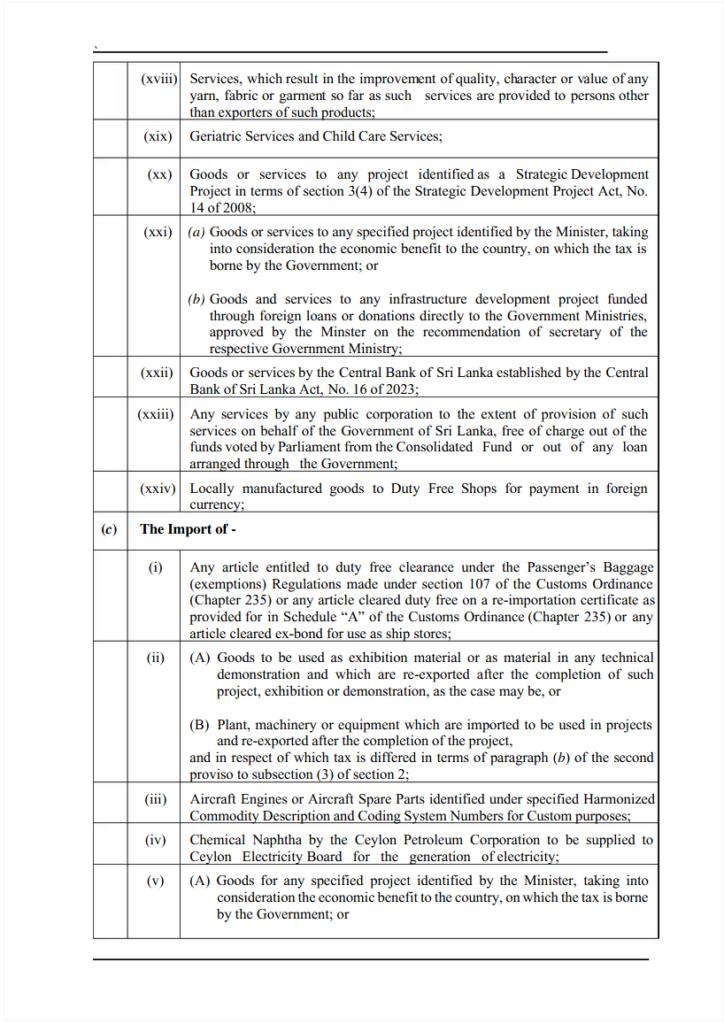
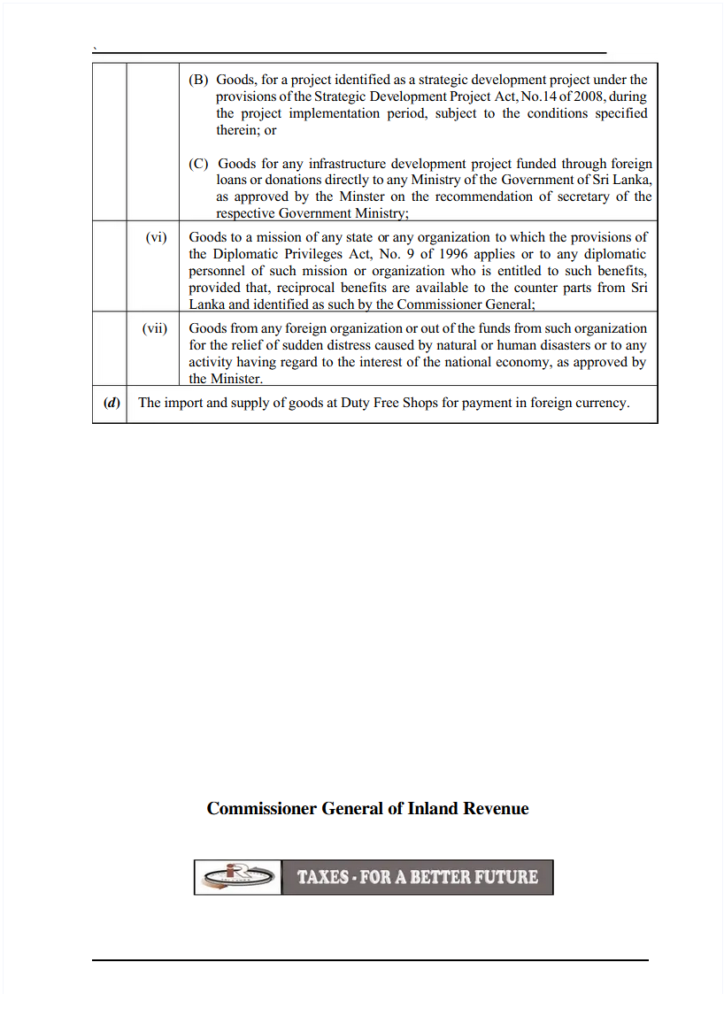
Colombo (LNW): The Inland Revenue Department has released a list of goods and services slated for exemption from the Value Added Tax (VAT) starting January 1, 2024.
Notable items on the list encompass Wheat and Wheat Flour, Infant Milk Powder, Pharmaceutical Products, Drugs, and Crude Petroleum Oil.