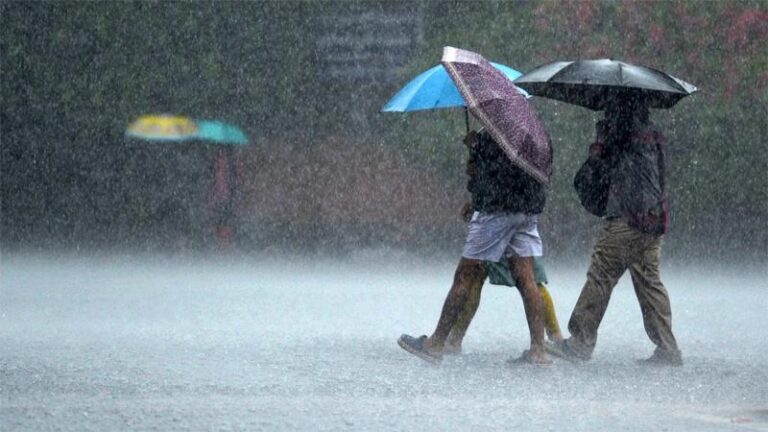
Colombo (LNW): Showers will occur at times in Northern, North-central and Eastern provinces. Several spells of showers may occur in Uva province and in Hambantota district, the Department of Meteorology said in its daily weather forecast today (19).
Showers or thundershowers will occur at several places in other areas of the island after 1.00 p.m, the statement went on, adding that fairly heavy showers above 75 mm are likely at some places in Western, Sabaragamuwa, Central and Eastern provinces.
Misty conditions can be expected at some places in Western, Sabaragamuwa, Central and Southern provinces in the morning.
The public is kindly requested to take adequate precautions to minimise damages caused by temporary localised strong winds and lightning during thundershowers.
Marine Weather:
Condition of Rain:
Showers or thundershowers will occur at several places in the sea areas around the island.
Winds:
Winds will be north-easterly and wind speed will be (25-35) kmph. Wind speed may increase up to (40-50) kmph in the sea areas off the coast extending from Puttalam to Trincomalee via Mannar and Kankasanthurai.
State of Sea:
The sea areas off the coast extending from Puttalam to Trincomalee via Mannar and Kankasanthurai can be fairly rough at times. The other sea areas around the island will be moderate. Temporarily strong gusty winds and very rough seas can be expected during thundershowers.
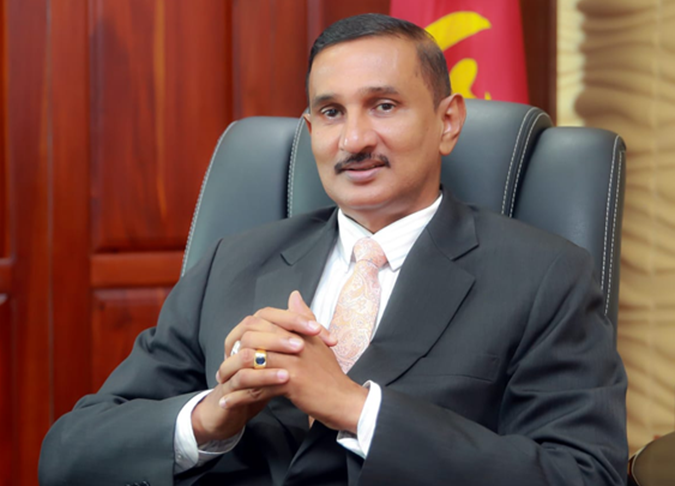
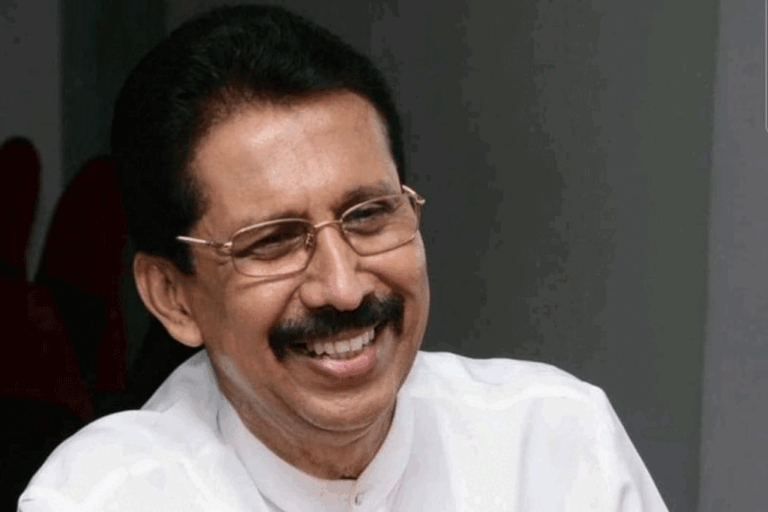
Colombo (LNW): Janaka Chandragupta, the former Secretary of the Ministry of Health, has been arrested by the Criminal Investigation Department (CID).
The arrest is related to allegations of involvement in the importation of substandard immunoglobulin.
Chandragupta visited the CID this (18) morning to provide a statement regarding the accusations, and he was placed under arrest following the statement.
Previously, Dr. Kapila Wickramanayake, the Director of the Medical Supply Division of the Ministry of Health, was also arrested by the CID and is currently in remand custody in connection with the importation of substandard immunoglobulin.
Dr. Chamal Sanjeeva, the President of the Association of Professionals in Health and Civil Rights, has made claims that Chandragupta provided instructions to a company involved in the fraudulent production of immunoglobulin to similarly fake the production of three other drugs.
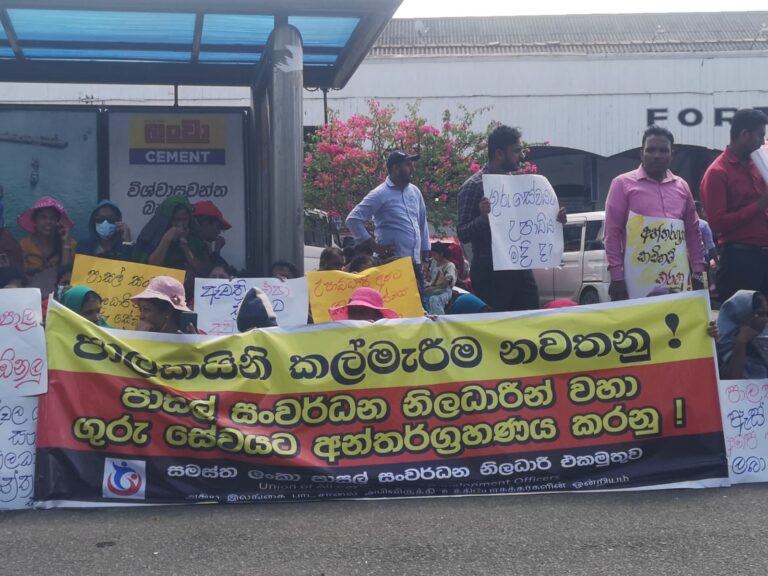
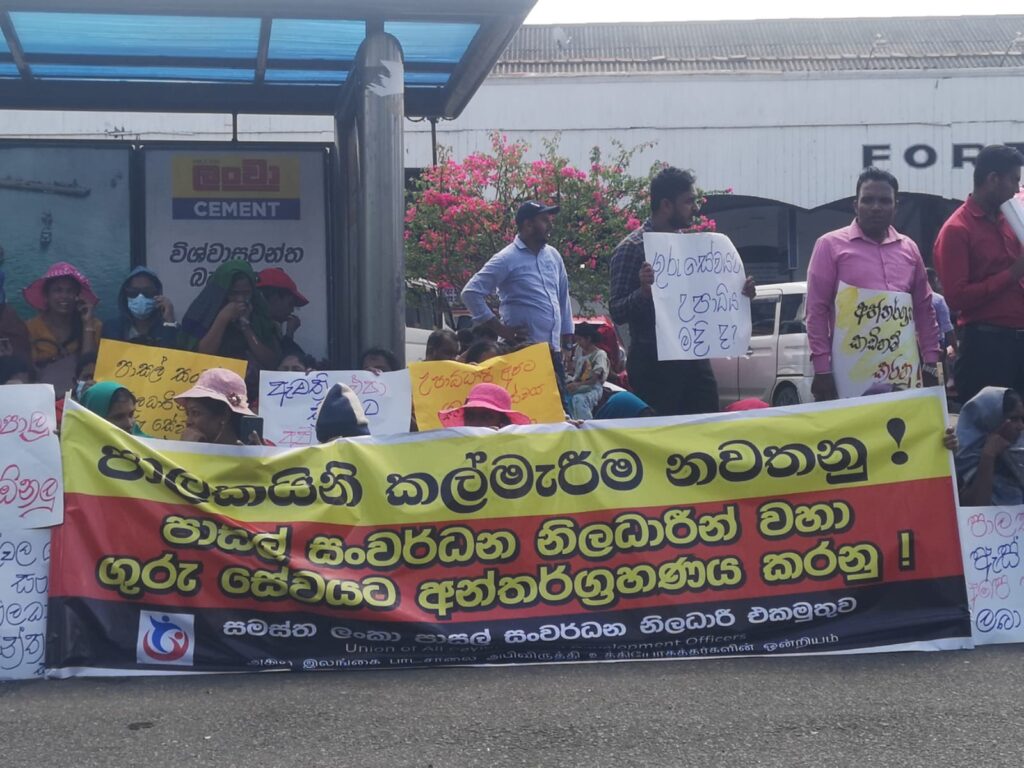
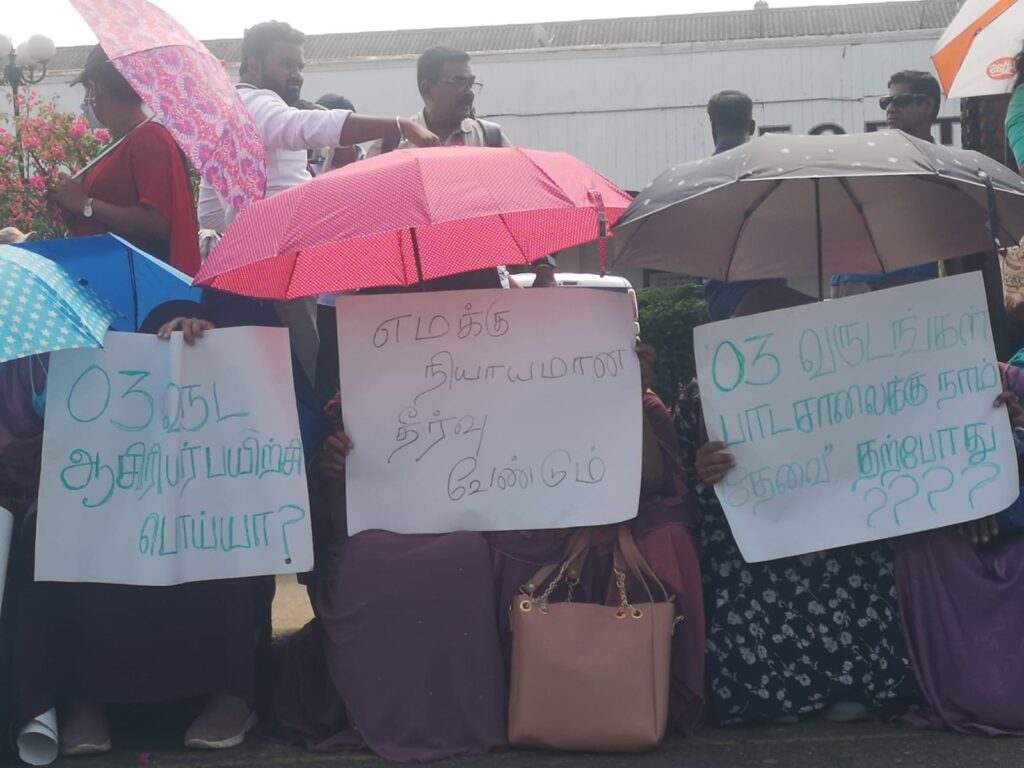
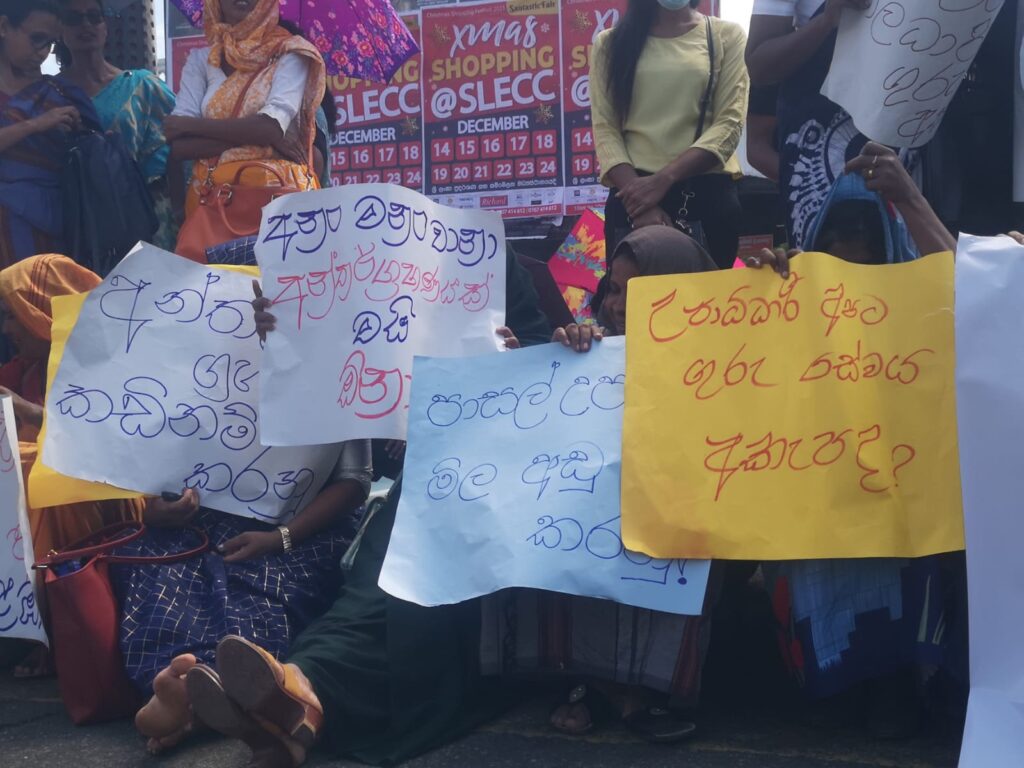
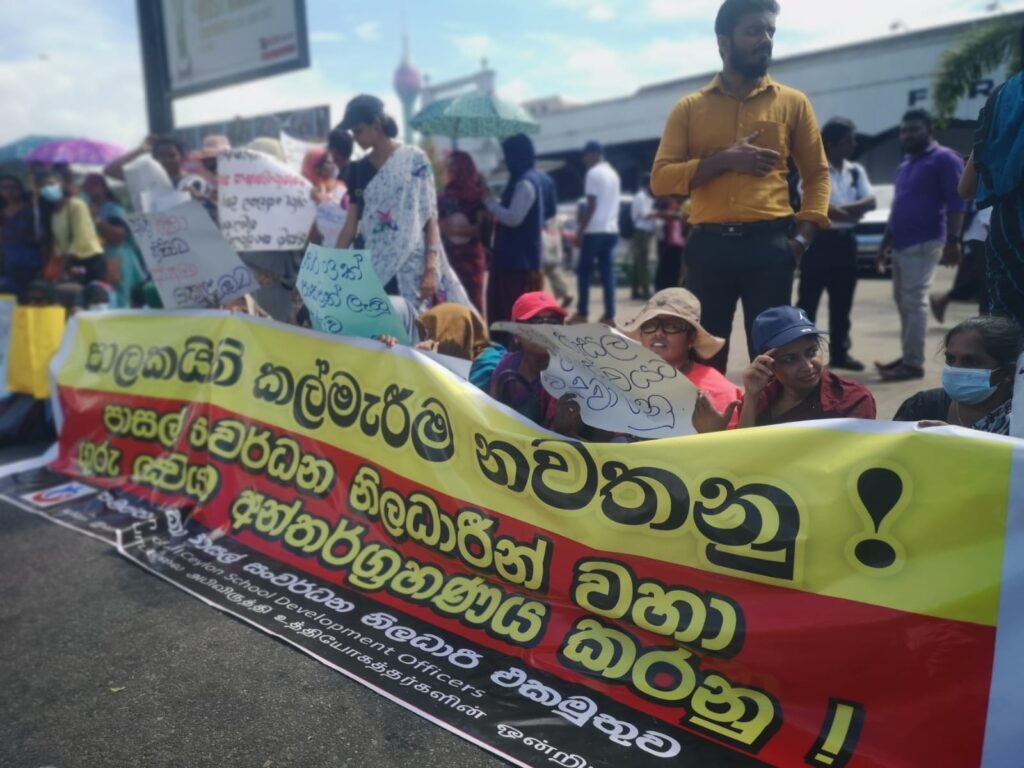
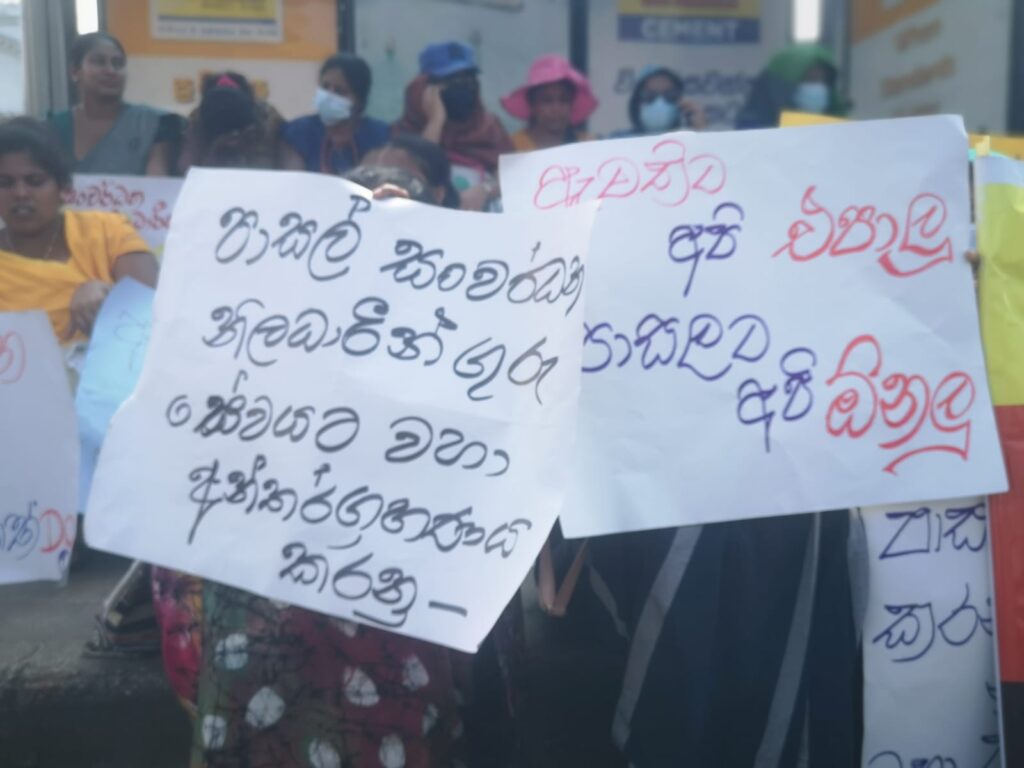
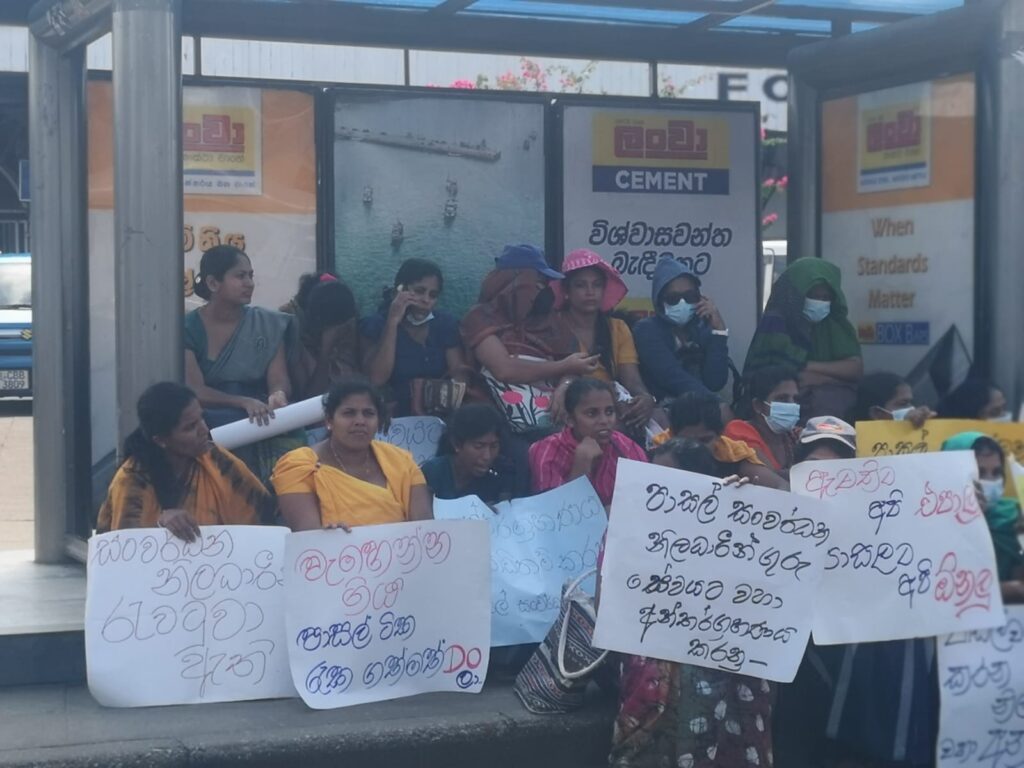
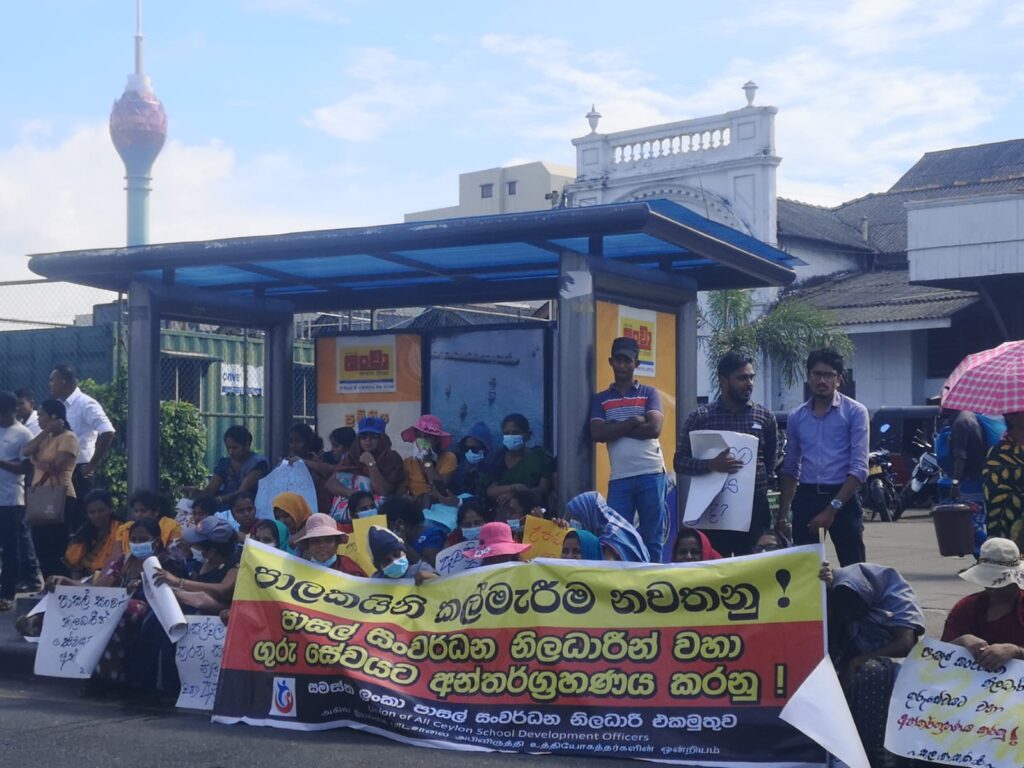
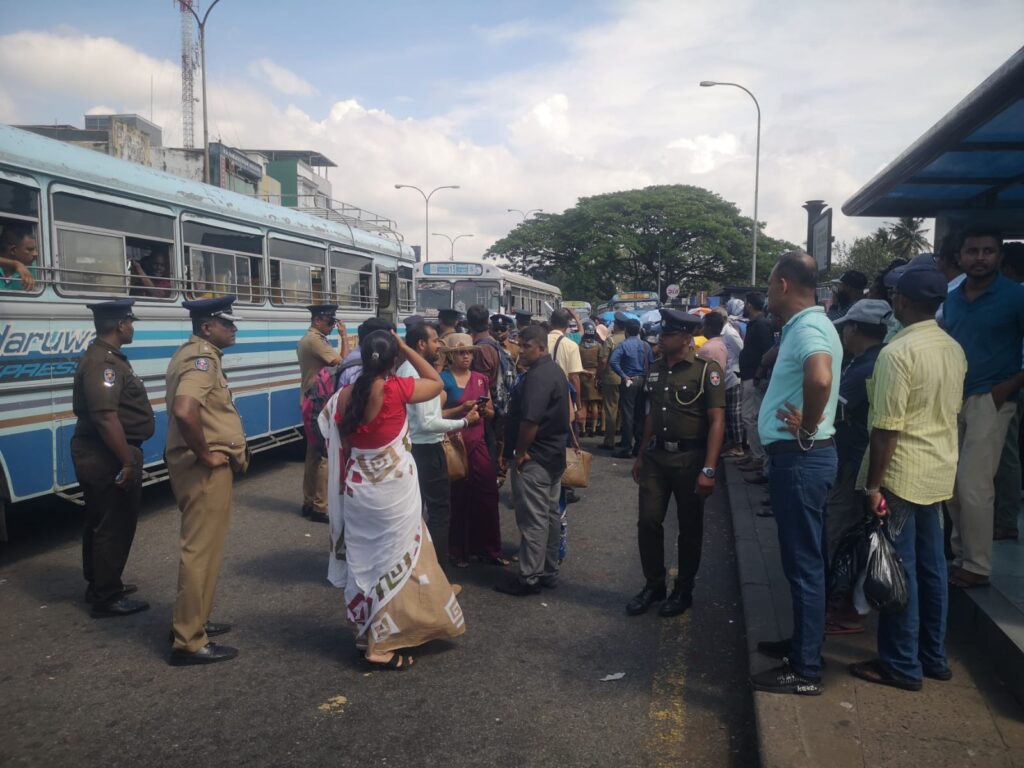
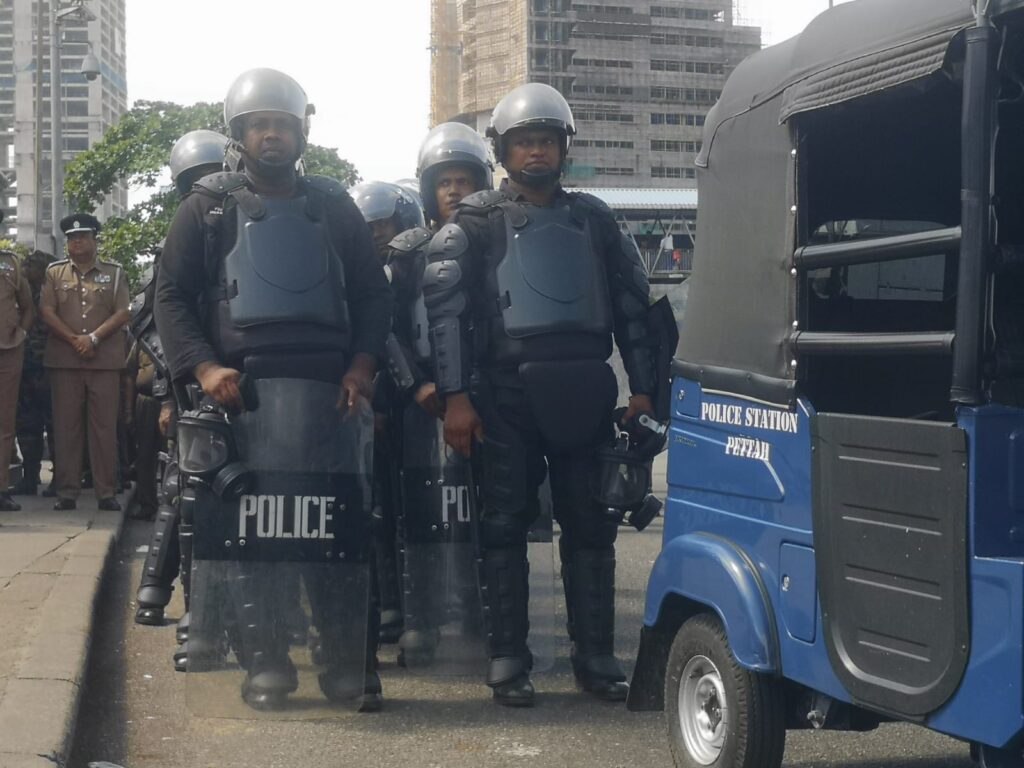
Colombo (LNW): A protest led by the All Ceylon School Development Officers Association took place in front of the Fort Railway Station this afternoon (18), calling for the immediate absorption of School Development Officers into teaching services.
Despite previous announcements from authorities indicating the absorption of these graduate school development officers into the teaching service, a concrete decision on the matter has been delayed, causing dissatisfaction among the demonstrators.
The protestors urged authorities to promptly make a decisive decision on this matter.
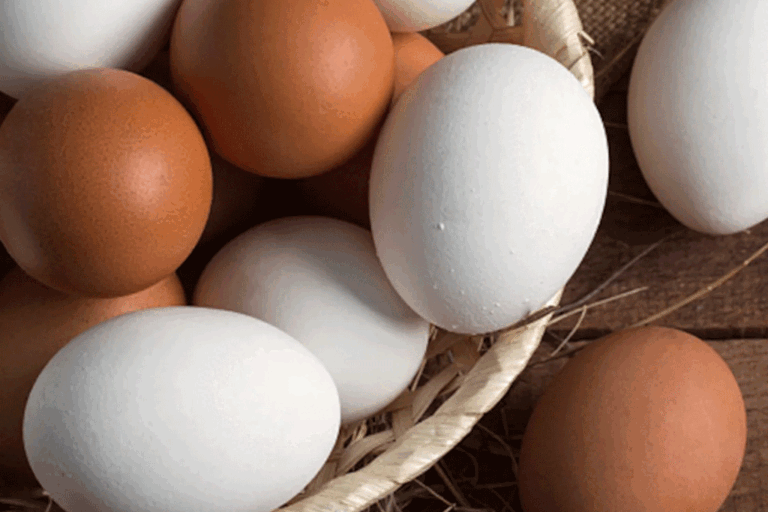
Colombo (LNW): The Sri Lanka State Trading (General) Corporation has initiated the release of 10 million imported eggs to the market starting today (18).
Approved by the Department of Animal Production and Health (DAPH), these eggs will be distributed to Lanka SATHOSA, ensuring an adequate supply for the public during the festive season.
An additional 15 million imported eggs are anticipated to arrive soon, undergoing quality inspections before distribution through SATHOSA outlets and selected supermarkets.
This move follows recent price increases by local egg producers, prompting the government to resume egg imports from India to stabilise prices and prevent consumer inconvenience.
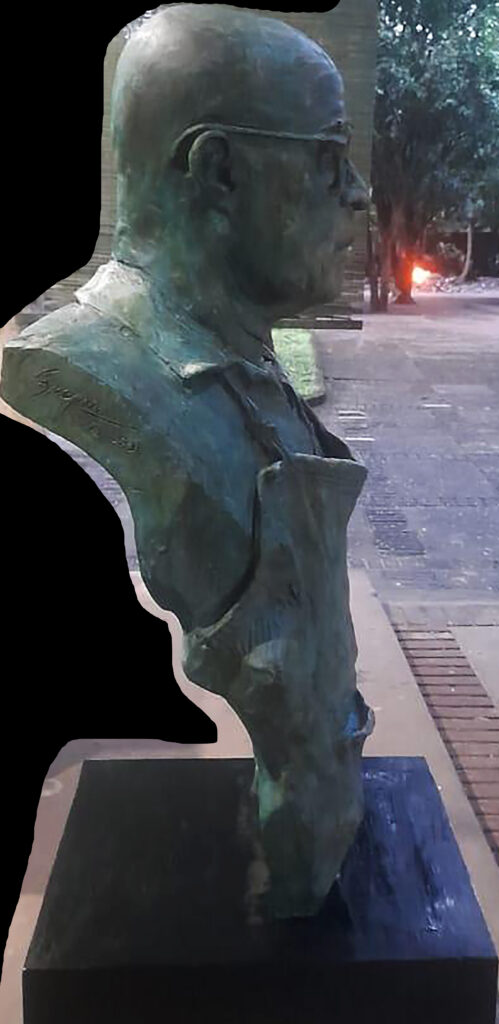
When pondering the eminent figures in Sri Lankan fine art, Dr. Sarath Chandrajeeva stands out as a prominent artist who has left a mark on the artistic landscape. From the Anuradhapura period to the contemporary era, Sri Lanka has witnessed numerous sculptors and painters, among whom Dr. Chandrajeeva emerges as a notable artist. His proficiency is matched only by his significant contributions that have redefined and elevated the culture of Sri Lankan fine art, pushing boundaries and introducing innovative concepts.
In 1991, my initial encounter with Dr. Sarath Chandrajeeva took place at the Aesthetic College, where he served as a sculptor teacher. As a sculptor major within a cohort of 12 classmates, Dr. Chandrajeeva inspired us to envision the possibilities despite the limitations of faculty facilities. Faced with challenges, he guided us in transforming David Painter’s horse stable into a sculptor studio.
During my second year of college in 1992, a crisis during the final exam led to the temporary closure of the college and the suspension of fifteen students, including myself as one of the two women among predominantly male peers in the same field. Dr. Chandrajeeva’s unwavering support during this tumultuous period left a lasting impression. Despite undergoing surgery and being advised to rest, he stood by his students, regularly visiting us outside the university and advocating for the reopening of the college before a judge.
Art, in Dr. Chandrajeeva’s perspective, goes beyond being a mere aesthetically pleasing image; it serves as a portal into the artist’s mind. This heightened sensitivity to his environment is showcased in his latest exhibition, “Visual Paraphrases,” hosted at Barefoot Gallery in Sri Lanka from November 24th to December 20th, 2023. The exhibition explores the evolution of his artwork, offering a glimpse into the sensory experiences that shape his creations.
In every piece of art that I’ve come across by Dr. Chandrajeeva, I see a glimpse of the beauty of humanity, the depth of his creativity, and a sort of serenity. Dr. Sarath Chandrajeeva has proven that he is one of the greatest artists of the 21st century.
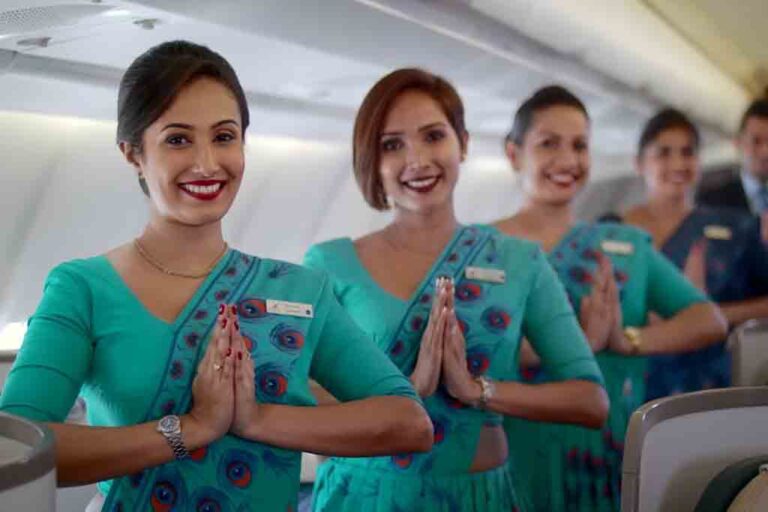
Colombo (LNW): Loss making SriLankan Airlines, the flag carrier of the country has recently recruited 106 young women as air hostesses ‘without pimples on face or marks on the midriff‘ which shows when wearing a saree, Aviation Minister Nimal Siripala de Silva said.
These 106 flight attendants have been selected from around 6000 young women who faced the tough interview at the BMICH in Colombo.
He said that the national airline was advised to recruit women from around the country as air hostesses.
The Minister said that several young women from around the country responded to advertisements published in the media to join SriLanka Airlines as air hostesses.
According to the Minister, several qualified women attended the interview, but some had a “small pimple” on the face or a mark on the midriff which showed when wearing a saree and they were rejected.
The criteria that have been stated doe selection were aged between 18 and 27 years by 1 August 2023; should have passed six subjects at the GCE O/Level examination, especially have at least a credit pass; fluency in English or any other foreign language would be an added advantage.
Among the the other requirements were a minimum height of 157.5 cm and a minimum of 212 cm when standing on toes; the body BMI should be at the appropriate level; and the candidate should arrive for the interview dressed in a Kandyan saree (osariya) along with a short sleeved jacket with a ‘U’ shaped back.
There’s no such thing as hiring only fair and good-looking girls as air hostesses. The criteria for choosing a Flight-Attendant has no such requirements that the girl has to be ‘good-looking’ and ‘white skin-toned.’
Airlines are seeking for Girls who are Confident, has Good Interpersonal skills, Patient, Assertive, Empathetic, Approachable, Graceful, Able to work as a Team Member.
Unfortunately Asian carriers’ suchs as SriLankan Air Lines still hold on to the belief that aesthetic values are important. Candidates are evaluated by heights and weight, then followed by skin check and deportment, a high official of the aviation ministry said.
Appearance wise: air hostesses’ should have good skin (no obvious pimples/scars) good set of teeth, obviously dental braces are not allowed. No scars on hands/legs/back of neck/exposed part of chest in uniform/face.
Healthy hair. Natural coloured hair is preferred over coloured hair.Healthy BMI. They don’t really check, as long as you are slender and fit nicely into the uniform, it’s acceptable, he said.
Minister Nimal Siripala de Silva claimed the women who were rejected would come crying to the Ministry saying they were not selected.
He said that his advice has been for young girls is to look after their skin, and apply creams, if they want to look good when they grow up to become an air hostess.
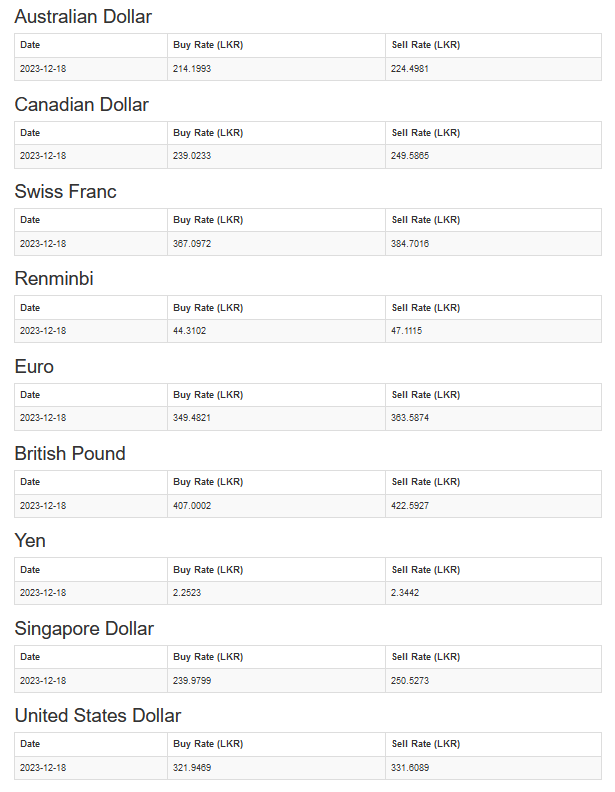
Colombo (LNW): The Sri Lankan Rupee (LKR) indicates slight depreciation against the US Dollar today (18) in comparison to last week’s Friday, as per the official exchange rates released by the Central Bank of Sri Lanka (CBSL).
Accordingly, the buying price of the US dollar has increased to Rs. 321.94 from Rs. 321.69, and the selling price to Rs. 331.60 from Rs. 331.50.
The Sri Lankan Rupee, meanwhile, has depreciated slightly against several other foreign currencies as well.
Colombo (LNW): A United Nations Development Programme Regional Human Development report has pointed out that the countries exhibiting the highest wealth inequality in South Asia, as measured by the wealth share of the top 10 percent, include Sri Lanka.
The United Nations Development Programme Regional Human Development report, using data tracked by the World Inequality Database showed that Asia and the Pacific have some of the biggest gaps between the rich and the poor in the world.
The UNDP report highlighted that inequality remains deeply entrenched – the richest 10 percent consistently command over half of total income, and in South Asia in particular, income inequality has been worsening.
There are persistent inequalities in the distribution of wealth, especially in South-East Asia and South Asia, with the highest wealth inequality observed in China, India, Myanmar, Sri Lanka and Thailand.
It added, “human development progress overall has been very uneven.”The report highlighted that “inequality is further exacerbated by corruption, and weak tax policy and administration, as well as by the lack of effective social safety nets.”
Crumbly and uneven economic recovery has further exacerbated income and wealth inequalities in the country, placing Sri Lanka among the top five most unequal countries in the Asia Pacific, according to UNDP.
In the context of Sri Lanka’s economic crisis, multiple assessments and simulations speculate that previous poverty reduction gains may now be lost,” said Dr. Vagisha Gunasekara, Country Economist from the UNDP Policy and Engagement Team.
Even before the economic crisis, the country was grappling with prevalent disparities and enduring structural exclusions, including entrenched inequality, gender biases, and a sizable informal sector.
These challenges were further exacerbated by the pandemic and economic crisis, compounded by rising inflation resulting from geopolitical conflicts.
On top of this, the region and Sri Lanka are facing a triple planetary crisis— climate change, pollution, and biodiversity loss, which are hitting the most vulnerable populations the hardest.
Dr.Gunasekara highlighted that high income and wealth inequalities, which remain persistent, specially after the pandemic and economic crisis, are major concerns for the country.
“Sri Lanka is a country with fairly high income inequality; we are in the top one third of the highest unequal countries in the world, and wealth inequality is also very high.
For example, the top one percent of Sri Lankans own 31 percent of the total personal wealth in the country, while the bottom 50 percent only owns less than 4 percent of the overall wealth in the country. This provides us with a snapshot of how unequal our country is,” she noted.
Colombo (LNW): Renuka Perera, who served as the Chairman of MILCO Company, has reportedly submitted his resignation.
In a written communication to the Secretary of the Ministry of Finance, Mr. Perera conveyed his decision to step down from the position of Milko’s Chairman, effective from today (18).
He cited his resignation in light of collaboration between a local and an Indian company for the privatisation of MILCO, even though he had one more month remaining in his tenure.
Colombo (LNW): Sri Lanka’s manufacturing and services have rebounded strongly recording an uptick in in November 2023 as the island nation is vow recovering from an economic crisis with the unlocking of the second tranche of US$ 3 billion IMF bail out loan, a Purchasing Managers Index compiled by the central bank showed.
The manufacturing and services sectors saw an uptick in November as per the Purchasing Managers Index (PMI) compiled by the Central Bank.
The Manufacturing PMI increased to 57 on a month-on-month basis in November 2023, driven by the seasonal factors.
The index exceeded the neutral threshold after March 2023, with a positive contribution from all the sub-indices, CBSL said.
The increases in new orders were largely driven by the manufacture of food & beverages and textiles & apparel sectors.
Moreover, the increase in production was largely due to the manufacture of food & beverages sector, owing to the seasonal demand.
Further, employment and stock of purchases also increased on a month-on-month basis in line with the improvements in new orders and production.
Moreover, Suppliers’ Delivery Time lengthened during November compared to the previous month, indicating the tightened supply conditions.
The overall expectation for the manufacturing activities remained positive for the next three months, mainly attributable to the gradual recovery in economic activities.
However, the firms are concerned about the tax revisions, which will be effective from January 2024.
CBSL said the Services sector PMI recorded an index value of 59.4 in November 2023 indicating an accelerated expansion in the services activities.
This was led by the increases observed in new businesses, business activities, employment and expectations for activity.
New businesses increased in November 2023 compared to October 2023, particularly with the increases observed in financial services, professional services and accommodation, food and beverages sub-sectors.
CBSL said the business activities continued to expand in November 2023 in line with the positive developments observed in most of the sub-sectors.
Accordingly, significant improvements were observed in business activities related to other personal activities and accommodation, food and beverage sub-sectors driven by the sharp increase in tourist arrivals.
Financial services improved further in line with the increase in credit demand following the recent reductions in policy rates.
The wholesale and retail trade sub-sector also continued to grow amid the festive season supported by the seasonal discounts offered.
Employment increased as new recruitments were made to meet the seasonal demand, whereas backlogs of work continued to decline during November.
CBSL said expectations for business activities for the next three months continued to increase in November due to festive and tourist seasons.
However, some respondents expressed their concerns regarding the amendments to Value Added Tax w.e.f. 1 January 2024.