Sri Lanka’s tourism industry is experiencing a significant rebound, with over 100,000 arrivals recorded as of November 21, 2023. This figure surpasses the total arrival figures for both October and November of 2022, demonstrating the country’s growing appeal to international travelers. The positive trend is expected to continue throughout the year, with Sri Lanka on track to surpass the 1.55 million arrivals mark for 2023.
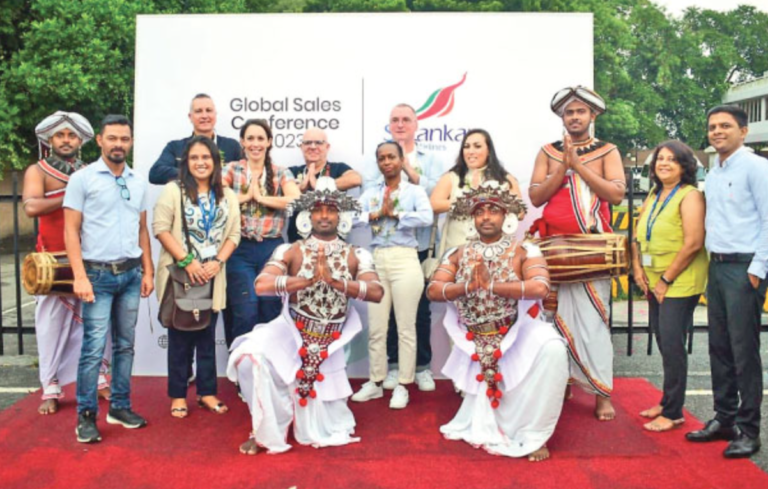
In anticipation of the highly anticipated SriLankan Airlines Global Sales Conference, top travel agents and tour operators from various regions, including the Indian Subcontinent, the Far East, Europe, the Middle East, and Australia, have begun arriving in Sri Lanka. The conference, scheduled to take place from November 22 to 24, 2023, in Hambantota, aims to showcase Sri Lanka’s unique offerings and strengthen SriLankan Airlines’ operational plans. Approximately 200 foreign travel trade officials are expected to participate in the event and will also embark on tours of the island before the conference commences.
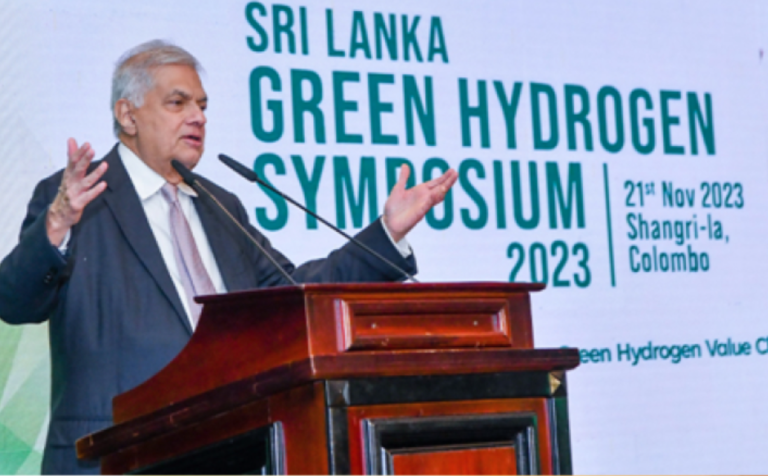
In a landmark address at the Sri Lanka Green Hydrogen Symposium 2023, President Ranil Wickremesinghe outlined a comprehensive vision for Sri Lanka’s role in addressing climate change, emphasizing sustainable practices and embracing cutting-edge green energy technologies.
President Wickremesinghe opened his speech by drawing attention to the alarming findings of the UNF emission report for 2023. Expressing concern over the potential 3-degree °C global temperature increase by the end of the century, he underscored the need for immediate global action, lamenting the unfulfilled emission reduction promises of developed nations. “It says by the end of this century we will be about 3 degrees °C higher. Just imagine what that is going to be. And the cuts which were promised by the developed nations have not taken place.
But even with that, we would come to 2.5-degrees °C. So then we have to come down to 1.5 degrees °C. That’s what our target is for 2030.”
Sri Lanka’s commitment to the cause was a focal point in the President’s discourse. He articulated two key objectives: advocating for the 1.5-degree °C target at COP28 and showcasing the nation’s commitment to contributing significantly, irrespective of its lower pollution levels compared to more industrialized countries.
The energy landscape took centre stage in President Wickremesinghe’s address. Citing the UN Secretary-General’s call for tripling renewable energy capacity by 2030, he positioned this as a pivotal opportunity for Sri Lanka to transform into a green energy exporter. The President specifically highlighted the vast potential of solar and wind power in the country’s expansive dry zones.
Using historical references, President Wickremesinghe proposed a bold shift, envisioning Sri Lanka as an energy exporter akin to ancient civilizations exporting grain. “Now we can become an exporter of energy. Let’s go for it. That is my idea,” he declared, underlining the nation’s potential in harnessing renewable resources.
Green hydrogen emerged as a key focus in the President’s vision, with Sri Lanka aspiring not only to achieve energy independence but also to become a regional hub for green hydrogen supply.
To realize these ambitious goals, the President announced plans for a new committee and an energy transition law, signalling a commitment to a holistic decision-making process regarding new energy projects. Acknowledging economic challenges, he stressed the importance of a thorough review to ensure sustained, long-term benefits.
President Wickremesinghe referenced the cancellation of the Norochcholai project in 2002. He pointed out that the decision was made due to economic considerations and the pursuit of a more modern version funded by the Japanese. However, he acknowledged that this decision faced opposition and Norochcholai now poses a challenge for the country, prompting a reassessment of its utility and future role.
The President also expressed dissatisfaction with the downgrading of sustainable energy in favour of other sources, such as wind power. He reflected on the consequences of mismanaging the energy portfolio, emphasizing the need for a holistic view and a re-evaluation of the long-term power generation plan.
In his concluding remarks, President Ranil Wickremesinghe reaffirmed Sri Lanka’s unwavering commitment to green energy and called upon experts to advise the government on the path forward. “We are committed to green energy and we are going ahead,” he declared, positioning Sri Lanka as a leader in sustainable and environmentally conscious policies.
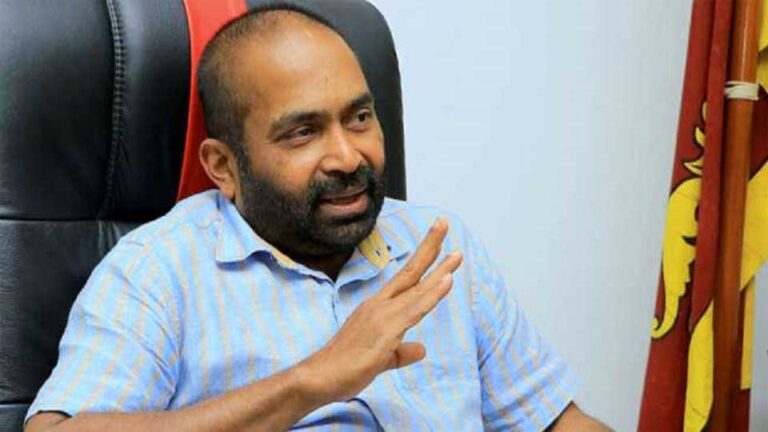
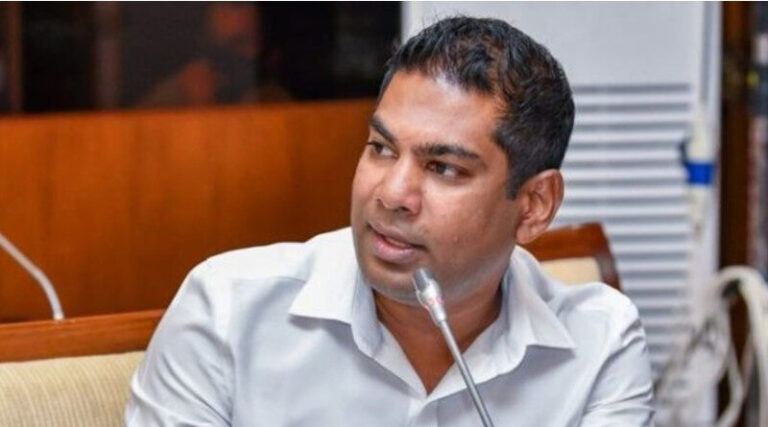
In the meantime, “The Sri Lanka National Hydrogen Road Map” was presented by the Minister of Power & Energy Kanchana Wijesekara to President Ranil Wickremesinghe. This roadmap is a collaborative effort between the Petroleum Development Authority of Sri Lanka (PDASL) and Greenstat Hydrogen India, with the invaluable support of the United States Agency for International Development (USAID),
which charts a course for Sri Lanka’s energy landscape transformation.
Addressing the symposium, US Ambassador H.E. Julie J. Chung, Indian High Commissioner H.E. Gopal Baglay and the British High Commissioner H.E. Andrew Patrick commended on the actions taken by Sri Lanka and pledged their unwavering support for the country’s commitment to Green Hydrogen transformation.
The symposium, organized by Greenstat India in collaboration with PDASL and USAID, serves as a testament to Sri Lanka’s determination to spearhead the transition toward a sustainable and green future, reflecting a comprehensive and forward-thinking approach under President Ranil Wickremesinghe’s leadership.
This event was graced by notable personalities such as Mr. Sagala Ratnayaka; Senior Advisor to the President on National Security and the Chief of Staff, Mr. Sturle Pedersen; Chairman of Greenstat India, Mr. Surath Ovitigama: Chairman of PDASL and Official dignitaries of Greenstat India, USAID, stakeholders and other collaborators.
State Minister for Plantations, Enterprise Reforms and Finance, Mr. Ranjith Siyambalapitiya, has announced that a dedicated allocation of Rs. 10 billion has been reserved for potential future elections. This provision, while not explicitly outlined in the budget proposals, has been included in the estimates.
Furthermore, the State Minister has conveyed that the Executive Committee of the International Monetary Fund (IMF) is scheduled to deliberate on the release of the second instalment of the extended credit facility to Sri Lanka on December 6th.
State Minister for Plantations, Enterprise Reforms and Finance, Mr. Ranjith Siyambalapitiya, made these remarks during his participation in a press briefing held at the Presidential Media Centre (PMC) yesterday (21), under the theme ‘One Way to a Stable Country’.
Speaking further, State Minister Siyambalapitiya highlighted the challenges faced in formulating this year’s budget. He underscored that in 2023, the government’s revenue experienced a 16% decline from the targeted amount, a circumstance attributable to the prevailing negative economic conditions. Addressing the inherent limitations faced during the budget preparation, he acknowledged the constraints in pursuing objectives such as maintaining a robust primary account.
Moreover, in addressing the budget deficit, when expenditures surpassed income, resorting to borrowing became necessary. However, the forthcoming year presents a constrained borrowing environment, with limited space available. Previously, local borrowing was facilitated through various accessible means, but with the implementation of the new Central Bank Act, borrowing has been subject to restrictions. The government now has the authority to borrow only in response to sudden announcements by the Central Bank.
Despite accusations labelling this year’s budget as an election-oriented one, it is crucial to recognize the imperative of responding to the challenges faced by a society under considerable strain. In such a context, it becomes obligatory to address the needs of those significantly impacted by economic adversity.
We have allocated Rs. 10 billion for upcoming elections, although this provision was not formally presented in the budget proposals but has been factored into the estimates.
Furthermore, it is essential to recognize that no nation has advanced without a sustainable stream of tax and government revenues. When we assumed these responsibilities, the tax structure was predominantly comprised of 80% indirect taxes and 20% direct taxes. Over time, we have strategically reduced the indirect tax rate, bringing the direct tax rate closer to 30%.
Additionally, the State Financial Management Responsibilities Act No. 03 of 2003 mandates maintaining the budget deficit at 5%, a target that, in practice, has proven challenging. Over the last two decades, this target was achieved only in 2016 and 2017. Sustaining this requires a rigorous approach involving substantial expenditure reductions and revenue generation. Notably, public welfare expenditure, which stood at 65 billion, is projected to rise to 209 billion this year. Efforts are underway to implement practical reforms, including amendments to certain laws, to align legislation with operational realities. Activating dormant tax revenues is also a priority in our pursuit of fiscal sustainability.
Moreover, there is a potential to elevate the state income ratio from its current 8.3% to 10.1% by the end of this year, and following the implementation of the 2024 budget, this ratio could further rise to 12.3% by the close of that year. Regardless of the political party in power, sustaining a nation necessitates the continual growth of state revenue.
In a remarkably short period, we successfully alleviated the frustrations associated with the historical instability of the state. Concurrently, efforts are underway to enforce the Anti-Corruption Act, aligning with the commitments made under the agreement with the International Monetary Fund.
Furthermore, plans are in place to conclude the electronic tax information gathering program and the Revenue Administration Management Information System 2.0 (RAMIS 2.0) project by the year’s end. The upcoming weeks are deemed pivotal for Sri Lanka’s economic trajectory. On December 6, the Executive Committee of the International Monetary Fund is set to convene and deliberate on the release of the second instalment of the extended credit facility. Furthermore, discussions and finalization of the proposal for the restructuring of bilateral debt are scheduled.
Colombo (LNW): Sri Lanka has conveyed its preparedness for the second phase of the Belt and Road Initiative, with China expressing a keen interest in extending the China-Myanmar Economic Corridor (CMEC) to include Sri Lanka.
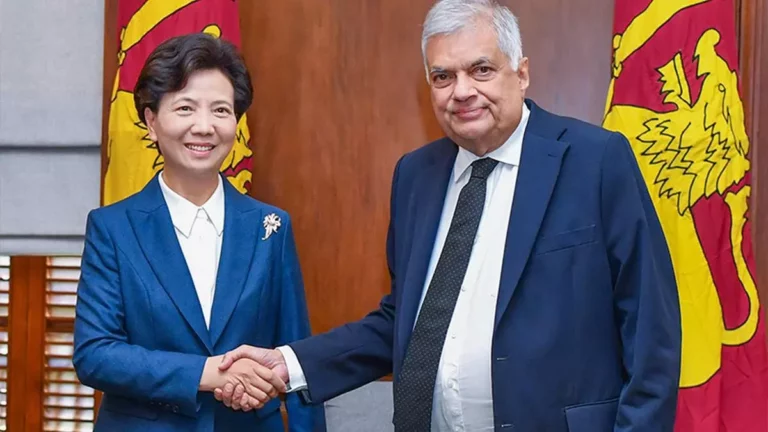
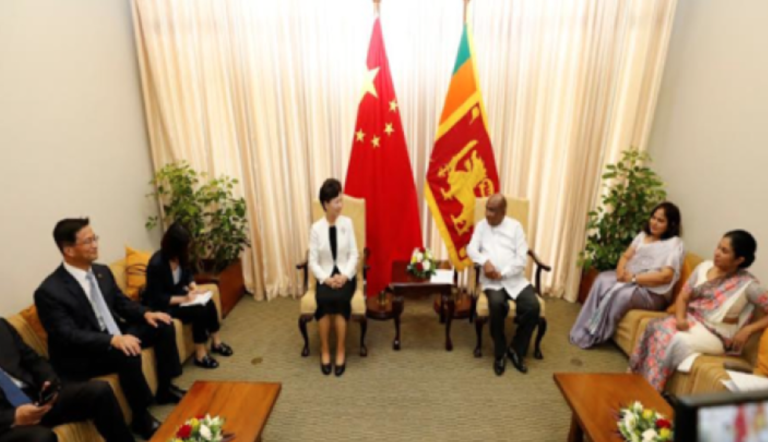
This was revealed when the Special envoy of the Chinese President, State Counsellor Shen Yiqin made a courtesy call on Sri Lankan President Ranil Wickremesinghe on Monday in Colombo.
The Chinese Special Envoy Yiqin stated that China is also prioritizing the extension of the China-Myanmar Economic Corridor to Sri Lanka. Additionally, both parties agreed to expedite the implementation of the China-Sri Lanka Free Trade Agreement.
The China-Myanmar Economic Corridor (CMEC) is a strategic economic development initiative under the broader BRI. It focuses on fostering economic cooperation and connectivity between China and Myanmar through the development of key infrastructure projects.
These projects include transportation networks, energy pipelines, and other initiatives aimed at enhancing trade and economic ties between China and Myanmar.
President Wickremesinghe also expressed gratitude for China’s support to Sri Lanka, notably acknowledging their assistance in the country’s debt restructuring programme. He extended sincere thanks to the Chinese President and the government for their invaluable support in this regard.
Special Envoy Yiqin reaffirmed China’s enduring support to Sri Lanka and emphasised her commitment to strengthening relations between the two countries.
According to a communique issued by the President’s Media Division, President Wickremesinghe has said that “countries such as Sri Lanka, participants in the Belt & Road initiative, are prepared to embark on the second phase of the initiative, which is expected to make a more substantial economic contribution.”
President Wickremesinghe also expressed Sri Lanka’s desire to augment cooperation between the two countries in the fields of tourism, sports and agriculture.
He highlighted that both the Hambantota Port and Port City are currently prepared for investment opportunities.
During the meeting, he detailed the steps taken by Sri Lanka to join the Regional Comprehensive Economic Partnership (RCEP) and reaffirmed the country’s commitment to maintaining the Indian Ocean as a freely navigable and peaceful region, free from global geopolitical rivalries.
A meeting between a delegation led by State Councilor of China Hon. Shen Yiqin and Speaker Hon. Mahinda Yapa Abeywardena was held at the Parliament Nov- (20). Cabinet Ministers, State Ministers, Members of Parliament, Secretary General of Parliament Ms. Kushani Rohanadeera, Chief of Staff and Deputy Secretary General of Parliament Mr. Chaminda Kularatne, and Chinese Ambassador to Sri Lanka Mr. Qi Zhenhong were present at the occasion.
The Speaker expressed his gratitude for the support provided for Sri Lanka's economic development as well as all kinds of cooperation provided by China in Sri Lanka. Also, the Speaker said that the development activities being carried out in the country with the cooperation of China, including the Colombo Port City, are being successfully implemented.
The speaker stated that he hopes to further strengthen the bilateral relations between the two countries.
State Councilor Shen Yiqin, who spoke here, stated that the Chinese government is eager to provide the necessary financial support for the emergency humanitarian assistance, including the provision of uniforms for the school children of Sri Lanka.
Also, State Councilor said that through the development of political, economic, cultural and people-to-people relations, the mutual trust and practical cooperation between the two countries will grow and thus the close relationship between the two countries will be further strengthened. She further stated that she hopes to work with Sri Lanka to conclude the Comprehensive Free Trade Agreement as soon as possible.
Member of Parliament Hon. Thalatha Athukorala informed the delegation about the measures taken by the Women Parliamentarians’ Caucus for the advancement of women in Sri Lanka and requested China’s support for the future activities of the Caucus.
Colombo (LNW): Agreement for a 5 billion US dollar refinery to be built by China in Sri Lanka’s Hambantota district will be submitted to cabinet for consideration next week, Energy Minister Kanchana Wijesekera said.
“We have included in the agenda of the cabinet the awarding of the contract for the Hambantota new oil refinery,” Minister Wijesekera told parliament.
“If the cabinet approves, after the agreement is signed, it will be the single largest investment project ever. A 5 billion US dollar investment.”
The project will take about four to five years to complete. “After it is completed, it will create jobs, provide energy security and give an opportunity to increase exports,” Wijesekera said.
Sri Lanka is giving state land in the Southern Hambantota district for the project. China’s Sinopec was awarded the project after the second short-listed contender pulled out, Minister Wijesekera said last month.
The tender for Sri Lanka’s proposed $5 billion oil refinery in the investment zone near Chinese built Hambantota port has been awarded to Sinopec, a state minister confirmed. .
China’s Sinopec and Vitol Asia based in Singapore are the two firms shortlisted out of seven companies that responded to an expression of interest early this year.
“We have issued the RFPs (request for proposal) for the two firms shortlisted. They have submitted the RFPs,” State Power & Energy Minister D V Chanaka said.
“There is a process which involves Cabinet approvals and Ministries. Our expectation is to award the tender within a minimum three weeks.”
Sovereign debt defaulted Sri Lanka has been struggling to attract foreign inflows. The refinery is part of a strategy to attract more foreign investments into the bankrupted nation.
Government sources say the refinery was awarded to Sinopec which has already started retail fuel supply and is competing with LIOC, a fully-owned subsidiary of Indian Oil Corporation.
Sri Lanka received seven responses to an expression of interest (EOI) to build the export-oriented oil refinery in Hambantota, in the island’s Southern coast of Hambantota and next to a Chinese-owned port.
Grant & Shearer Ltd from Nigeria, Sinopec from China, Petrichor Capital from Malaysia, Vitol Group from Singapore, Martin Tejarat from Iran, Dandeniya Engineering Sales and Service Syndicate, a local-based company and Sri Lanka’s Harree Management with UAE’s Marka Invest submitted their expression of interest early this year.
Yesterday, the Commercial High Court directed five directors, including the managing director, and the company secretary of a prominent footwear company, to submit their reasons and objections within a month for not facing action for contempt of court. The order, issued by Judge Priyantha Fernando, concerns Kasun Rajapaksha, Thusitha Rajapaksha, Bhathia Amarakon, Asanka Rajapaksa, Nelani Rajapaksa, and Company Secretary Varuni De Silva.
This legal action follows allegations that these individuals obstructed Sajith Rajapakse, a director of the same company. President’s lawyer Chandaka Jayasundara emphasized his client’s commitment to the company, highlighting Sajith Rajapaksa’s significant contributions to the group’s profits and net assets over the past five years.
Contrastingly, the companies led by Kasun Rajapaksa reportedly experienced annual losses in the footwear sector, while Sajith Rajapaksa’s leadership in Samson Group’s subsidiaries, Samson Rubber Products and Samson Rubber Industries, led to substantial profits and global exports to over 75 countries.
The defamation case and three related lawsuits were presented before the court, with a team of high-profile lawyers, including Romesh de Silva, Navin Marapana, and Sugathkaldera, representing the cases. The judge scheduled further hearings for the 4th and 15th of the following month.
Pioneering the Future with Copilot for Microsoft 365
Stepping into the next frontier of innovation, Brandix is one of the first Sri Lankan companies to come on board with Copilot for Microsoft 365, the company’s cutting-edge Artificial Intelligence (AI) assistance feature.
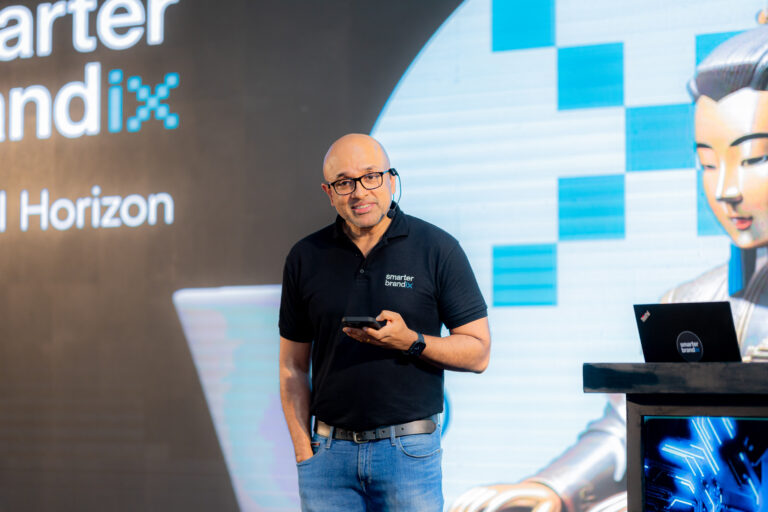
Sharing a vision of the transformative power of AI, Group CEO Ashroff Omar, said: “The world we live in is progressing at a pace where soon we may scarcely recognize the past. AI will completely redefine how we work. Copilot is a revolutionary feature that will free us from routine tasks and pave the way for genuine innovation. It enables us to remain curious, consistently evaluate our contributions, and infuse our daily tasks with passion, ensuring we move with intent and purpose.”
Last week, Brandix, conducted its inaugural Copilot AI training programme strengthening its foray into the sphere of artificial intelligence. Built on OpenAI’s GPT4 through Microsoft Azure OpenAI Service, Copilot for Microsoft 365 is set to redefine how industries operate and become one of the most powerful productivity tools on the planet.
Chief Operating Officer of Digital Services at Brandix, Oshada Senanayake, said: “Brandix has constantly sat at the forefront of driving innovation in the apparel industry, adopting nascent technologies to boost productivity across all functions. Our latest association with Microsoft is another feather on our cap that will disrupt conventional practices in the apparel industry. It will also infuse a lot of fun and efficiency to how we work.”
Brandix has spearheaded inspiration and growth in Sri Lanka’s apparel industry over the past five decades and was also the first Sri Lankan company to work with the software company during the deployment of Microsoft Enterprise in the early 2000s. Brandix has placed digitalization at helm of its transformation journey and will redefine its competitive advantage and progressive working culture based on adopting AI across the value chain. Adopting this cutting-edge technology is a part of the company’s digital transformation journey with a vision of a ‘Smarter Brandix’.
Copilot for Microsoft 365 is the latest evolution from the global technology company, and it helps users optimize their time and energy. Copilot is now available for enterprises.
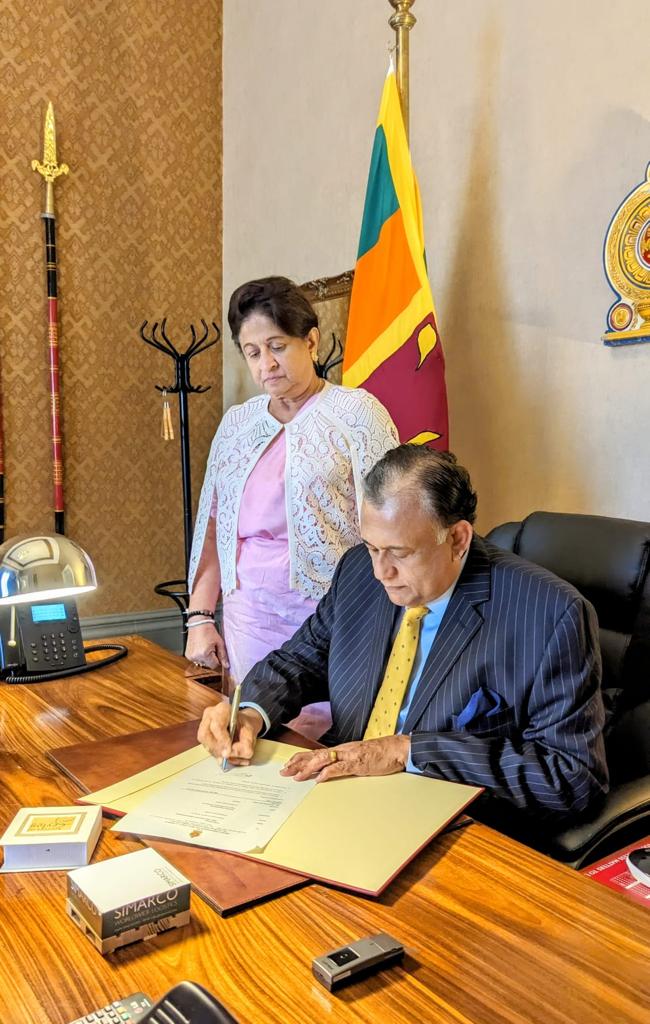
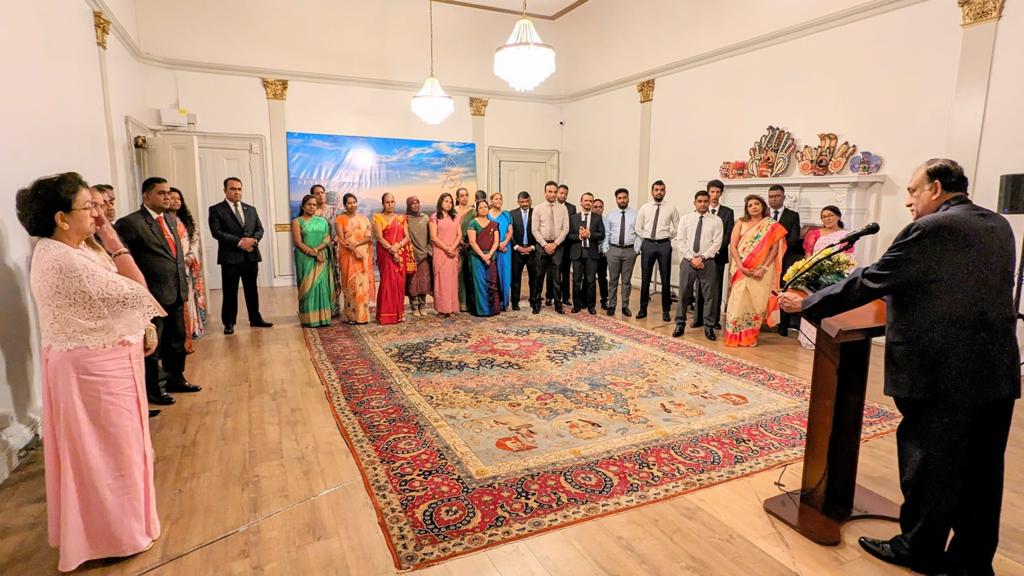
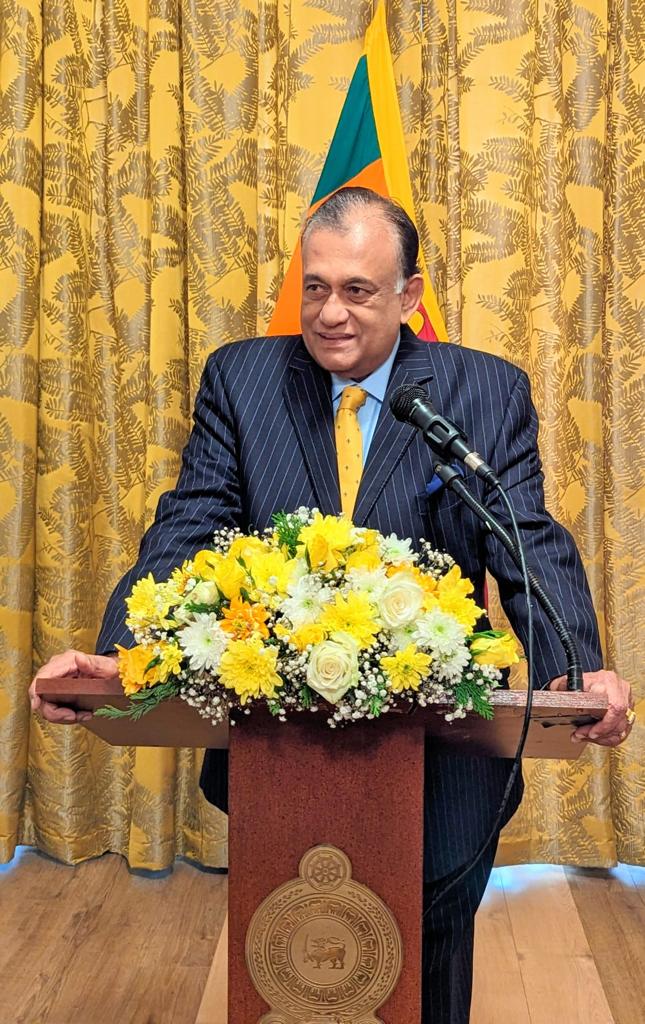
The High Commissioner designate of Sri Lanka to the United Kingdom Rohitha Bogollagama who arrived in London on 19 November 2023 assumed duties at the High Commission at a simple ceremony on 20 November 2023. High Commissioner designate Bogollagama was received upon arrival at Heathrow Airport by Special Representative of the UK Foreign Secretary Kathryn Colvin.
In his address to the staff at the High Commission, after assumption of duties, the High Commissioner- designate emphasised the importance of advancing national interests and urged to work towards progressing the existing friendly relations between Sri Lanka and the United Kingdom. The ceremony was marked by the lighting of the oil lamp and milk rice and sweetmeats being served in keeping with Sri Lankan traditions.
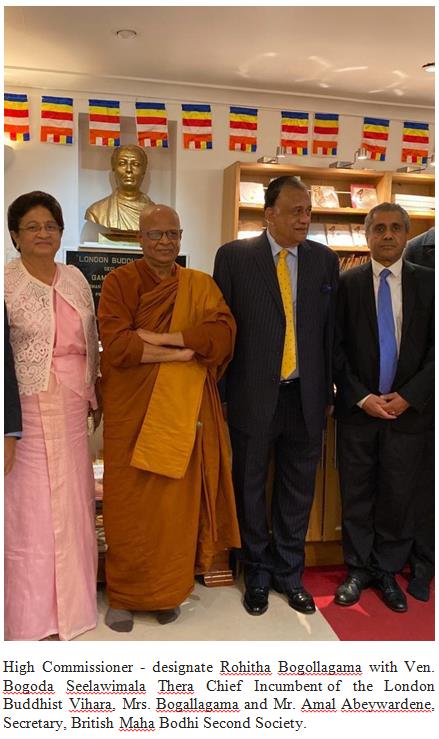
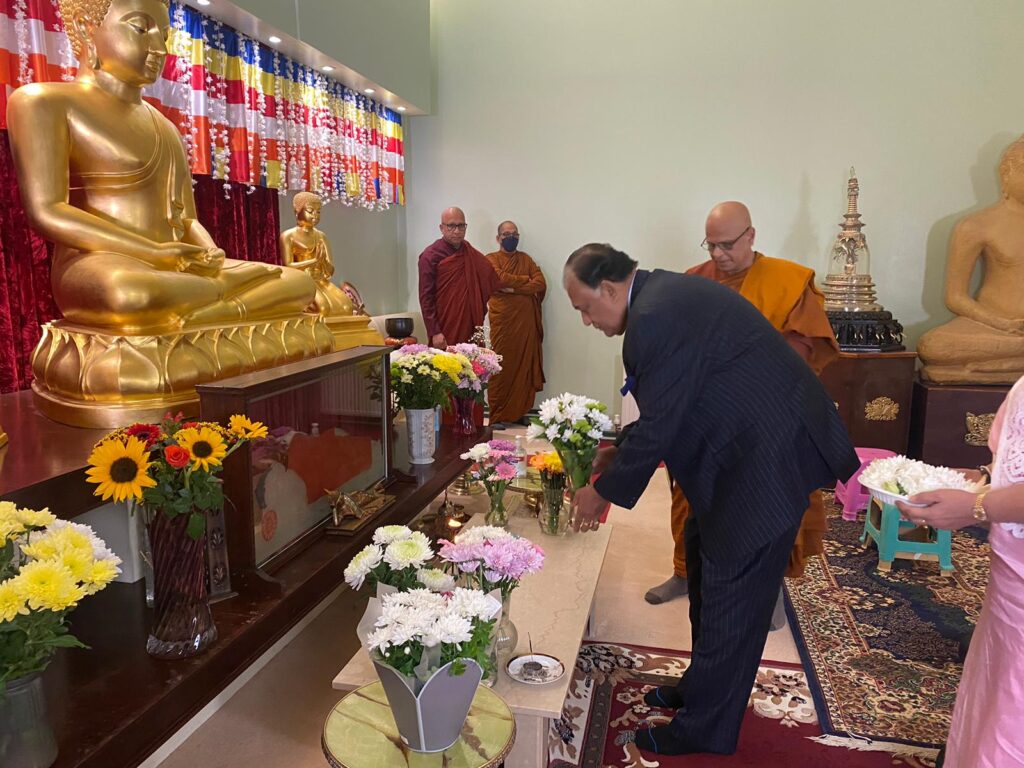
High Commissioner-designate Bogollagama then paid a visit to the London Buddhist Vihara where religious observances and chanting of seth pirith was conducted by the Chief Incumbent of the Vihara and the Chief Sangha Nayake of Great Britain the Most Venerable Bogoda Seelawimala Thero.
High Commissioner designate Bogollagama was a Member of the Parliament of Sri Lanka between 2000-2010 and has served in several key ministerial positions. He was appointed as the Governor of the Eastern Province from 2017-2019. While being a Member of Parliament Rohitha Bogollagama served as Minister of Industries (2001-2004), Minister of Advanced Technology and National Enterprise Development (2004-2005), Minister of Enterprise Development and Investment Promotion (2005-2007) and Minister of Foreign Affairs (2007-2010).
In addition, High Commissioner – designate Bogollagama served as the Chairman of the SAARC Council of Ministers (2008-2009) and contributed establishing strong diplomatic relations with other countries as a Member of the Commonwealth Ministerial Action Group (2007-2009), Vice President of the Non-Aligned Movement (2009) and Chairman of the Asia Cooperation Dialogue Meeting (2009) among others.
Prior to contesting the elections in 2000, High Commissioner designate Bogollagama has served in key positions heading various Government and Private Sector Institutions. Some of the highlights in his list of appointments include serving as the Director of the Sri Lanka Foreign Employment Bureau (1989-1993), Chairman, Sathosa Printers Ltd., (1992-1993), Chairman, Sri Lanka Cement Corporation (1993-1994), Chairman and Director General, Board of Investment, (1993-1994) and Director, Sri Lanka Export Development Board during the same year, proving his expertise in diverse fields.
High Commissioner- designate Bogollagama entered the Sri Lanka Law College in the year 1973 to pursue a career in law. With the completion of successive examinations, he commenced his legal practice in 1976 with a special focus on criminal law. In 1987 Rohitha Bogollagama expanded his expertise on commercial law with overseas engagements in Shipping, Trade, Settlements, Arbitration and Negotiation. During this period he has been responsible for advising major international clients including Maersk Shipping of A. P Moller & Company, Denmark and Voice of America of the Government of United States.
High Commissioner Rohitha Bogollagama is a past pupil of Ananda College, Colombo.
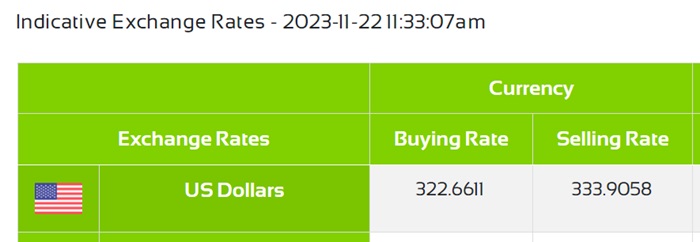
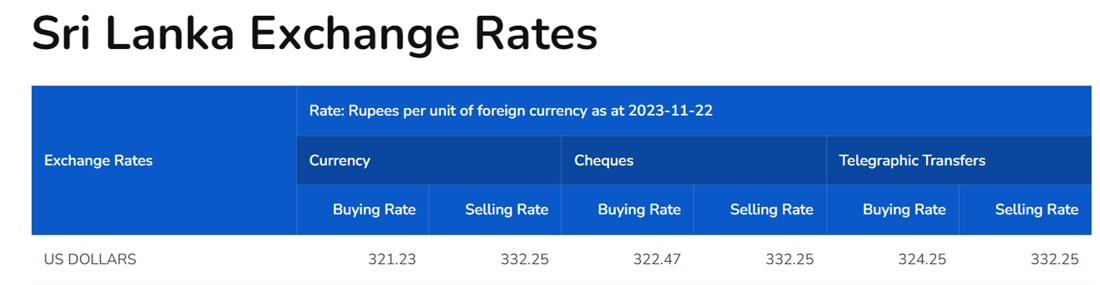
Sri Lankan Rupee experienced a slight depreciation against the US Dollar in various commercial banks today (Nov 22), compared to the rates observed on Tuesday.Here’s a summary of the changes at different banks:
At Peoples Bank, the buying and selling rates for the US Dollar increased slightly, standing at Rs. 322.66 for buying and Rs. 333.90 for selling.
Commercial Bank reported a drop in the buying rate of the US Dollar, which is now at Rs. 321.23, while the selling rate slightly increased to Rs. 332.25.
Sampath Bank saw an increase in both the buying and selling rates for the US Dollar, currently set at Rs. 324 for buying and Rs. 334 for selling.