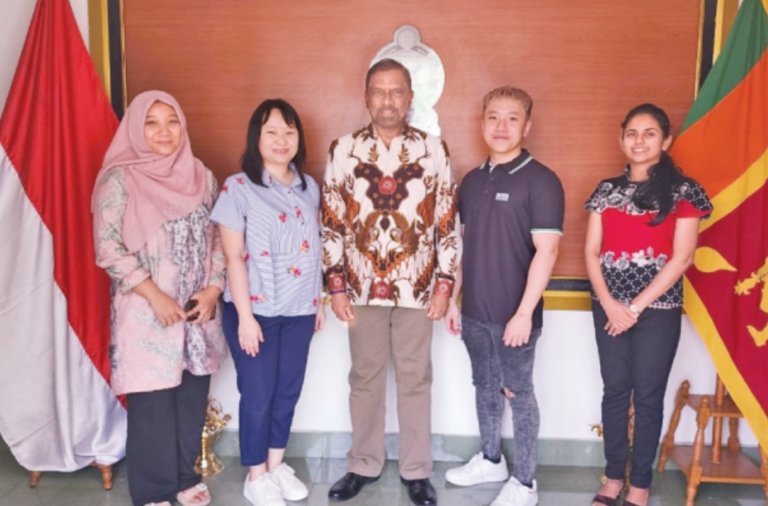
In a collaborative effort between Sri Lanka’s Embassy in Jakarta and the Sri Lanka Tourism Promotion Bureau (SLTPB), a visit by influential Indonesian personality Michael Prayogo has been orchestrated to spotlight Sri Lanka as a top-notch destination for Indonesian tourists.
Prayogo’s ten-day itinerary is designed to immerse him in the diverse tapestry of Sri Lanka’s landscapes, encompassing visits to beaches, national parks, historical landmarks, cultural heritage sites, and culinary adventures.
Ahead of his Sri Lankan expedition, Prayogo paid a courtesy visit to Sri Lanka’s Embassy in Jakarta on Thursday (16). Ambassador Colombage conveyed his best wishes for Prayogo’s successful journey, recognizing the influencer’s potential to not only raise awareness among Indonesian travelers but also to ignite their curiosity in exploring Sri Lanka’s captivating destinations through engaging social media content.
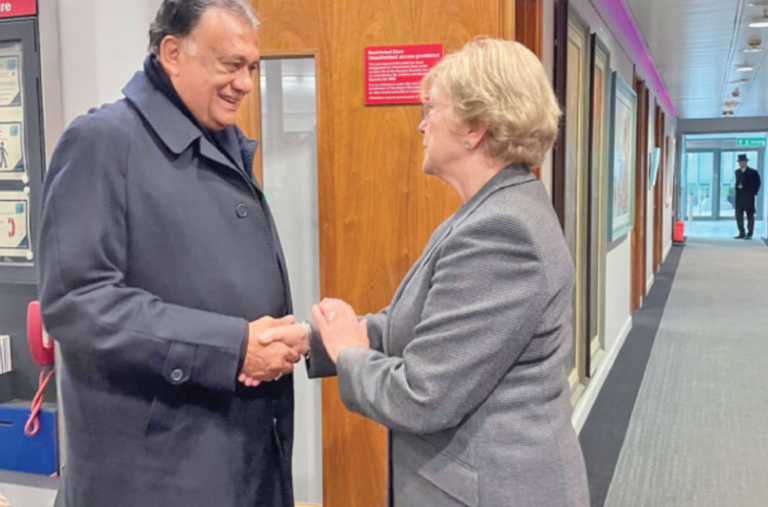
Rohitha Bogollagama, the designated High Commissioner of Sri Lanka to the United Kingdom, arrived in London on Sunday (19) to officially begin his responsibilities. His arrival at London Heathrow Airport was marked by a reception led by Kathryn Colvin, the Special Representative of the Secretary of State for Foreign, Commonwealth, and Development Affairs.
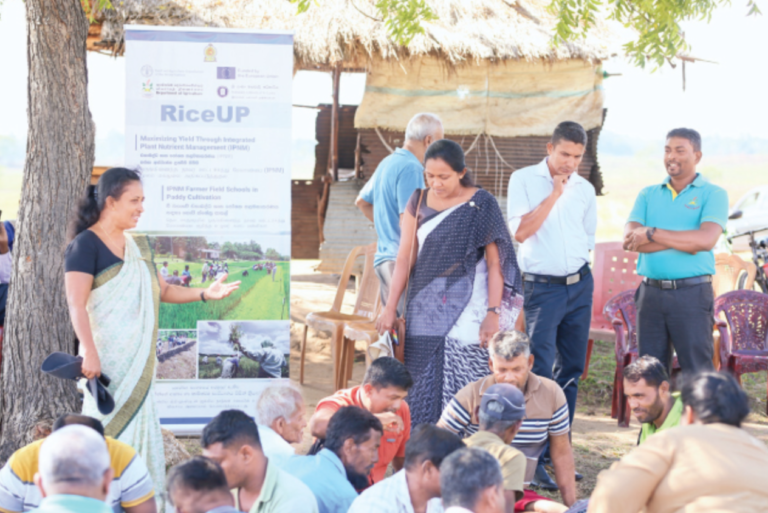
In collaboration with the European Union, the Food and Agriculture Organisation (FAO) recently initiated a groundbreaking Farmer Field Schools Programme in Sri Lanka. This initiative targets 6,000 smallholder paddy farmers in key rice-growing districts—Ampara, Badulla, Hambantota, and Polonnaruwa—to impart sustainable paddy cultivation techniques.
The core focus of the programme is training these farmers in the Integrated Plant Nutrient Management (IPNM) approach, empowering them to optimize fertilizer, water, and other inputs in their cultivation practices. By embracing IPNM and adopting more efficient fertilizer usage, these farmers can reduce expenses, enhance productivity, and fortify their resilience against future challenges.
Traditionally, many Sri Lankan paddy farmers have relied on outdated methods, often overusing recommended fertilizers without understanding their fields’ specific nutrient requirements.
The Farmer Field School programme is designed to enable soil testing and promote judicious fertilizer utilization via IPNM strategies. It emphasizes soil management, composting, and biochar production. Additionally, the programme advocates for sound agronomic practices encompassing the use of high-quality seeds, proper land preparation, efficient water management, the parachute method for seed broadcasting, and effective pest, weed, and disease management—all integral facets of IPNM.
This comprehensive initiative operates under the ‘RiceUP’ project, an innovative FAO-led endeavor supported by a Euro four million EU fund. The project addresses Sri Lanka’s food security system vulnerability by safeguarding smallholder farmers’ livelihoods through the judicious use of fertilizers and the enhancement of quality paddy seed production.
The recent launch of Farmer Field Schools follows the training of 289 Agriculture Extension Officers in IPNM practices. These officers, equipped with essential skills and knowledge, will guide and collaborate with the selected farmers, tailoring exercises to suit local conditions.
Through the promotion of sustainable farming practices, such as efficient fertilizer usage and superior seed quality, RiceUP aims to elevate productivity, fortify food security, and bolster livelihoods within Sri Lanka’s paddy farming sector. FAO, in partnership with various stakeholders, remains steadfast in its commitment to ensuring the long-term sustainability and resilience of Sri Lanka’s agriculture.
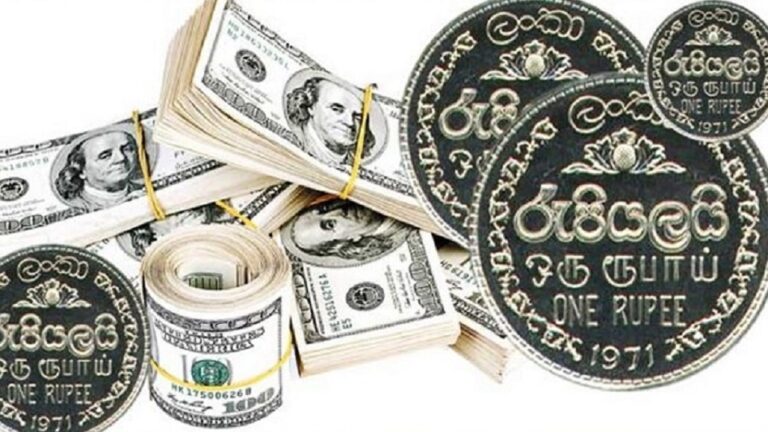
The Sri Lankan Rupee showcased remarkable steadiness against the US Dollar in commercial banks across Sri Lanka as of November 21, maintaining similar levels to the previous day.
Peoples Bank reported no change in its US Dollar exchange rates, with the buying rate at Rs. 321.92 and the selling rate at Rs. 333.14. Meanwhile, Commercial Bank observed a slight increase in its rates, with the buying rate rising from Rs. 320.99 to Rs. 321.85 and the selling rate marginally up from Rs. 332 to Rs. 332.10.
Sampath Bank’s rates remained constant, with the buying and selling prices at Rs. 323 and Rs. 333, respectively.
Fitch Ratings forecasts intensified competition for Lion Brewery (Ceylon) PLC, the dominant force in Sri Lanka’s beer market, following the acquisition of Heineken Lanka Limited by Distilleries Company of Sri Lanka PLC (DIST). Despite Heineken currently ranking second, DIST’s acquisition is expected to significantly enhance Heineken’s operations and challenge Lion Brewery’s market share. This expansion, projected to take two-to-three years with considerable investment, is seen as feasible given DIST’s robust financial standing and its status as the country’s leading spirits manufacturer.
However, Fitch notes challenges for DIST, particularly in brand building due to government restrictions on alcohol advertising. Lion Brewery, with its strong brand presence, affordable pricing, and local appeal, is well-positioned to maintain its market lead. DIST’s acquisition, though, is seen as a strategic move to consolidate its presence in both the hard and soft liquor sectors, potentially capitalizing on the shift from hard liquor to beer amidst rising excise duties and the resurgence of tourism in Sri Lanka.
Despite the undisclosed transaction value, Fitch believes this acquisition will not significantly impact the financial health of DIST or its parent company, Melstacorp PLC, which maintain strong balance-sheet positions.
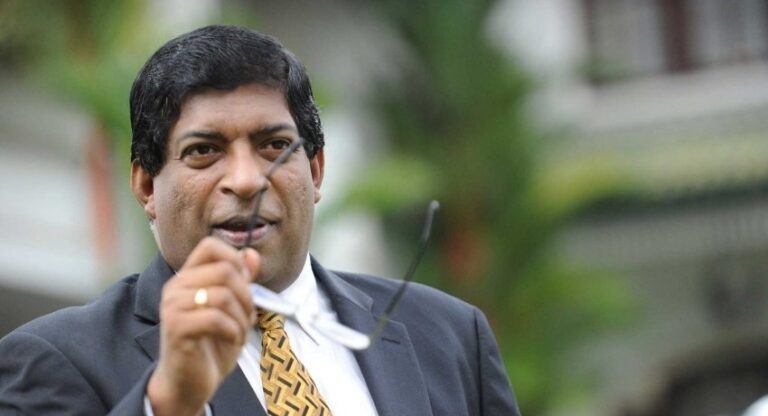
Colombo (LNW): Sri Lanka’s government announced a way forward budget for 2024 on Monday 13 signaling the fiscal policy consistency for the first time with economic benefits trickling down from the top to the bottom, former Finance Minister Ravi Karunanayake defined.
The Budget 2024 has made numerous proposals focusing on investments and development, strengthening international relations and tertiary education, stabilisation of the finance sector, providing relief for certain vulnerable communities.
The island nation has suffered seventy long years due to alteration in fiscal and monetary policies with the change of governments bringing disastrous consequences for the economic growth he said.
Analysing the budget Mr Karunanayake who was selected as the best finance minister in Asia pacific in 2017 stated that the foundation for policy consistency has been laid via its fiscal proposals.
These included the introduction of Public Debt Management Act, Public Financial Management Act, Public Asset Management Act, Public Enterprise Reform Law, Investment Law and Public Private Partnership Law. Public Enterprise Reform Law, Investment Law and Public Private Partnership Law.
The Banking Act will be amended in early 2024 with a view of devising a legal framework towards reforms such as appointment of Chief Officers, State Bank Board Members and restrictions on individual borrowers of the state-owned banks.
A regulatory framework has been proposed to facilitate the gig economy and e-commerce transactions including cross border transactions to cover the areas of payment system, fiscal revenue and employee welfare.
This will be an impetus for the enhancement of revenue vital to continue the International Monetary Fund (IMF) approved bailout programme.
He emphasized the need for efficient budget management in any economy depends upon information flowing strongly both top-down, imposing macroeconomic constraints and broad national policies and priorities, and bottom up, with information on the costs and benefits and performance of present and potential future expenditures.
More than half the total household income of the country is enjoyed by the richest 20 percent in Sri Lanka while the bottom poorest 20 percent gets only 5 percent, with the share of household income being just 1.6percent for the poorest 10 percent.
The taxing the richest 20 percent in Sri Lanka and companies will have to be revisited as there was no accurate data and information available at the Inland Revenue Department to achieve the estimated tax revenue of the budget 2024, he pointed out.
There were 105,000 registered companies, and 60,721 had income tax files, he said adding that it was not clear how many companies were active. Income tax returns were submitted by 35,029 companies and 15,069 had paid taxes.
The bottom-up approach in the budget 2024 has to be implemented in a more systematic and scientific way to endure the people that the government can make changes for the better and through social economic modifications, he emphasised.
The government has taken the major step from budget 2024 towards addressing issues of people’s standard of living, enhancing their income, providing a better education for their children ad find suitable employment following education.
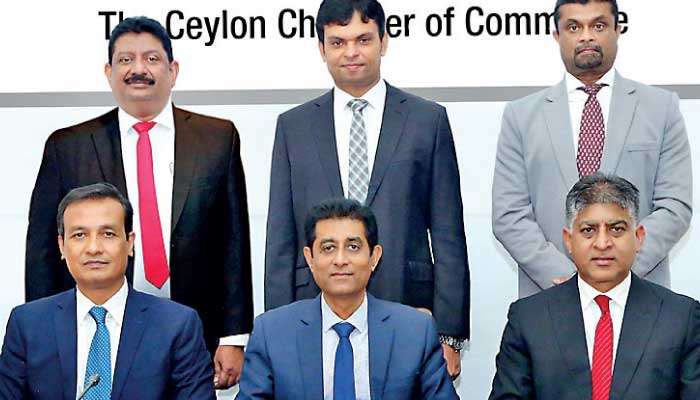
Colombo (LNW): The Ceylon Chamber of Commerce has announced the inauguration of the Sri Lanka-Bangladesh Business Council (SBBC), the 21st bilateral trade council established by the Chamber.
The Council aims to serve as a platform for businesses from Sri Lanka and Bangladesh to collaborate, explore opportunities for mutual growth, and promote trade, tourism, and investments between the two countries.
The Chief Guest at the event, and the Patron of the Council, High Commissioner of Bangladesh to Sri Lanka Tareq Md hailed the launch of the Council, expressing enthusiasm for its mandate to promote business, trade, and investment between the two neighbouring countries.
He highlighted the immense potential that Bangladesh holds as one of the fastest-growing economies globally, offering a huge market, investment-friendly policies, robust infrastructure, a skilled workforce, and rapid digitalisation.
The High Commissioner emphasised the need to diversify the sourcing of imports and explore opportunities in various sectors for collaborative ventures.
SBBC Inaugaural President and Hayleys Advantis Director Dr. Asanka Ratnayake, emphasised the significance of the Sri Lanka-Bangladesh Business Council in fostering stronger economic and trade relations between the two countries.
He highlighted the complementary nature of the products exported and imported between the two nations and expressed the Council’s commitment to working closely with stakeholders and partners to realise the full potential of bilateral trade and investment between the two countries.
The Council’s Vice Presidents for the term 2023/2024 are Hemas Holdings PLC Managing Director Sabrina Esufally, and Commercial Bank of Ceylon Corporate Banking Deputy General Manager Tamara Bernard.
The Inaugural Executive Committee of the Council comprises representatives of MAS Intimates Bangladesh Ltd., Metropolitan Technologies Ltd., NDB Capital Holdings Ltd., The Swadeshi Industrial Works PLC, and Venora International Projects Ltd.
Further details regarding membership of the Council could be obtained from the Secretariat of the Sri Lanka-Bangladesh Business Council of the Ceylon Chamber of Commerce, No. 50, Navam Mawatha, Colombo 2. E-mail: [email protected] or Tel.: 011-5588861, 5588800.
The Sri Lankan government is poised for a crucial vote on the Second Reading of the 2024 Appropriation Bill, also known as the 78th Budget Speech, slated for this evening, November 21.
Presented to the House by President Ranil Wickremesinghe on November 13, in his dual role as the Minister of Finance, Economic Stabilization & National Policies, the budget proposals for the fiscal year 2024 mark a significant stride in the country’s fiscal planning. The President’s speech highlighted the budget’s transformative potential, emphasizing its role in realigning Sri Lanka’s economy with global trends and setting a foundation for future growth.
Debate on the budget commenced on November 14 and enters its seventh day today. The Committee Stage, or Third Reading debate, is scheduled for 19 days, starting from November 22 to December 13, excluding Sundays. The final vote on the Third Reading is fixed for 6:00 p.m. on December 13, 2023.
Titled “A Prelude to a Bright Future,” the 2024 Budget outlines ambitious revenue and budget deficit targets. The government projects a budget deficit of Rs. 2,851 billion, equating to 9.1% of the GDP, a rise from the revised 8.5% in the current year and above the initial target of 7.9% for 2023.
Projected total revenue stands at Rs. 4,107 billion, including tax revenue of Rs. 3,820 billion. The total expenditure for 2024 is set at a record Rs. 6,978 billion, up by nearly 33% compared to 2023. This includes a significant increase in capital expenditure and Rs. 450 billion allocated for bank recapitalization.
The government has earmarked Rs. 5,277 billion for recurrent expenditures such as subsidies and salary payments, with Rs. 1,127 billion for salaries and wages, and Rs. 1,158 billion for subsidies and transfers.
A notable allocation in the 2024 Budget is Rs. 3,000 billion reserved for restructuring foreign debt and repaying international sovereign bonds. Additionally, a proposal to raise the debt ceiling by Rs. 3,450 billion to Rs. 7,350 billion, up from Rs. 3,900 billion, has been made.
President Wickremesinghe’s call for cross-party cooperation reflects the need for a united front to navigate the country through these challenging economic reforms.
Colombo (LNW): Rising gold-backed lending among Sri Lanka’s finance and leasing companies (FLC) sector is exposing financiers to higher collateral price risk and making them more susceptible to any adverse movements in gold prices, says Fitch Ratings.
Sri Lankan FLCs have grown gold-backed loans rapidly in the past several years amid shrinking demand for their core vehicle-financing business.
Gold-backed loan balances more than quadrupled between the financial year ending March 2019 (FYE19) and FYE23, raising its share in the sector’s gross loans to 18%, from 4% at end-FY19.
“We believe several factors have fuelled this trend, including rising demand for shorter-term financing from borrowers, relatively high product yields, and the liquid nature of gold collaterals that allows lenders to recover defaulted facilities through regular auctions.
FLCs cut back their exposure to gold-backed lending in 1QFY24, but we view this as temporary, as it stemmed partly from a drop in local gold prices in 1QFY24 following the global price decline, exacerbated by Sri Lankan rupee appreciation during the period.”
Excess concentration in gold-backed loans could leave some FLCs prone to large tail risks of devaluations, especially if collateral haircuts are insufficient to protect them from any sudden and precipitous price fall, the rating agency said.
This was evident in 2012 and 2013 when sharp declines in gold prices drove an increase in non-performing loans (NPLs) and credit costs at many Sri Lankan banks and non-bank financial institutions.
Extended loan tenors would leave lenders more exposed to sustained price corrections.
Rising competition among the FLCs has led to an uptick in average loan-to-value (LTV) ratios.
They range between 70% and 80% currently but could deteriorate quickly if gold prices fall or borrowers start to default, adding to accrued interest.
Gold-backed lending is not subject to any regulatory LTV cap in Sri Lanka, unlike in markets such as India.
The current regulatory capital framework also entices FLCs to build larger gold loan portfolios more quickly than they otherwise would have.
It may also cause lenders to underestimate their risk levels and reserve insufficient capital to absorb potential shocks.
For instance, gold loans with LTV ratios of up to 70% do not incur any risk weight, and only incremental exposure over the 70% threshold is 100% risk-weighted.
Sri Lankan FLCs do not factor in borrowers’ repayment capacity when underwriting a gold-backed loan, focusing solely on collateral value, like in other markets. Collateral risk mitigation therefore becomes more crucial to protect against losses.
Colombo (LNW): SLT Mobitel has gone to courts opposing the proposed merger of Dialog and Airtel citing the latter is monopolistic and would seriously jeopardise its viability.
The sale of SLT Mobitel’s majority stake of 50.23% stake has hit a roadblock in view of the State controlled firm’s mobile brand taking the Telecommunications Regulatory Commission (TRC) to Court opposing the proposed merger of Dialog and Airtel.
Early this month, the Finance Ministry issued Request for Qualification (RfQ) from interested parties to acquire a 50.23% stake in Sri Lanka Telecom (SLT).
The invitation to pre-qualify and bid for SLT is now on. Analysts said the on-going litigation which highlights possible loss of mobile telecom business of State-controlled entity, would impact the valuation of SLT.
This notice in November however came despite Mobitel in late June challenging the proposed merger between Dialog and Airtel in Sri Lanka and possible combination of spectrum estimated at 52% of allocated spectrum as illegal; wrongful; and unlawful among other factors.
SLT sale suffers ‘signal drop’ with Mobitel going to courts against Dialog-Airtel merger claiming that 64% combined market share of amalgamated Dialog-Airtel entity is monopolistic and seriously jeopardise its viability
It stresses TRCSL is duty bound to prevent monopolies and uphold interests of consumers.
SLT Mobitel has challenged in Court of Appeal possible combination of spectrum allocated 52% of total to Dialog and Airtel alleging yje move is unlawful, utterly injurious and constitute a violation of conditions in spectrum licences.
It also claims that law demands if merging and Airtel ceases to operate, should surrender spectrum allocation to TRCSL and such surrendered spectrum be reallocated amongst all existing operators according to law
SLT Mobitel opined profit motive of the monopolist would be to initially reduce price to drive out competitors and thereafter increase price after capturing the market
It Insists telecommunication is an essential public service and is of fundamental importance that multiple competing operators exist so that acceptable service levels and pricing will be available to public
Following SLT Mobitel’s petition and respondents filing their answers, the matter is now subject to discussion among relevant parties to reach an agreement for equal distribution of spectrum enjoyed by Airtel. If no agreement, the matter will be taken up in the Court of Appeal next month.
In May, Dialog Axiata PLC announced that it has entered into a binding term sheet to combine operations of Airtel and the discussions were ongoing.
The proposed transaction is subject to signing of definitive agreements and necessary closing conditions including applicable regulatory and shareholder approvals.
In the Court of Appeal case, Mobitel Ltd., and its Chief Operating Officer Sudarshana Geeganage are the petitioners and the respondents are 1) TRCSL, 2) Dialog Axiata, 3) Dialog Broadband Networks Ltd., 4) Bharti Airtel Lanka Ltd., and 5) Sri Lanka Telecom PLC.