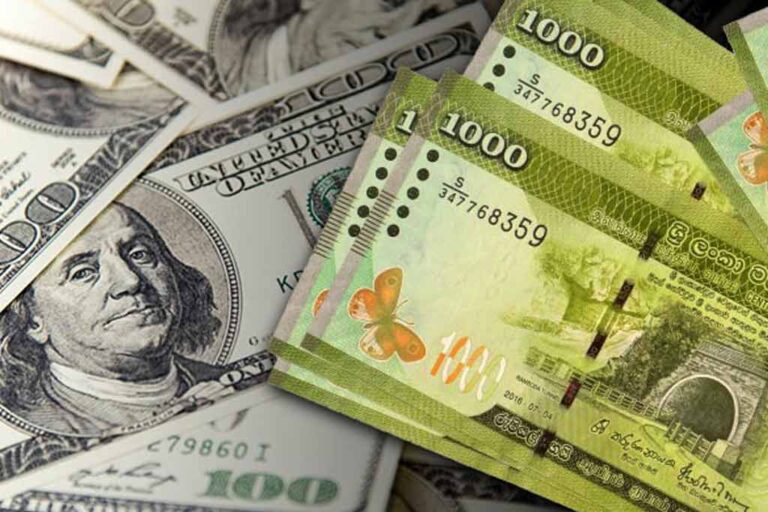
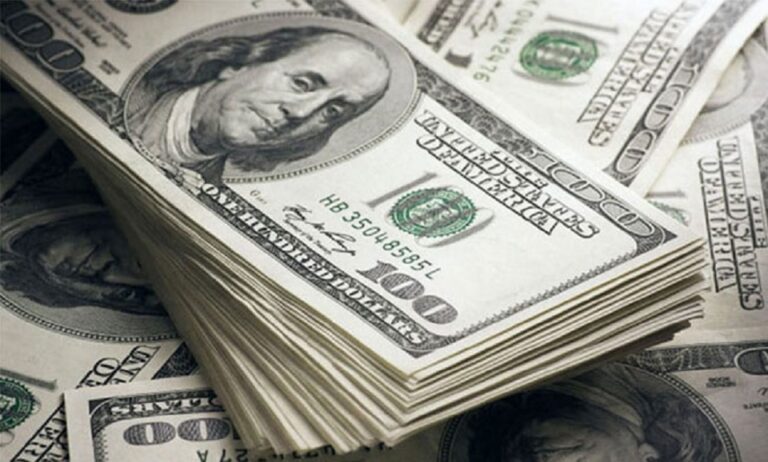
Colombo (LNW): A number of leading commercial banks in Sri Lanka reveal further depreciation of the Sri Lankan Rupee against the US Dollar in their exchange rates today (13).
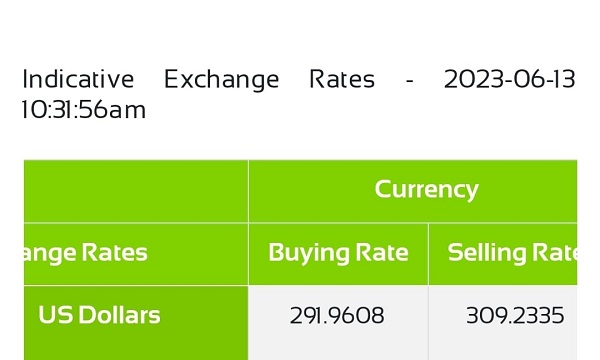
At People’s Bank, the buying price of the US Dollar has increased to Rs. 291.96 from Rs. 288.06, and the selling price to Rs. 309.23 from Rs. 305.11.
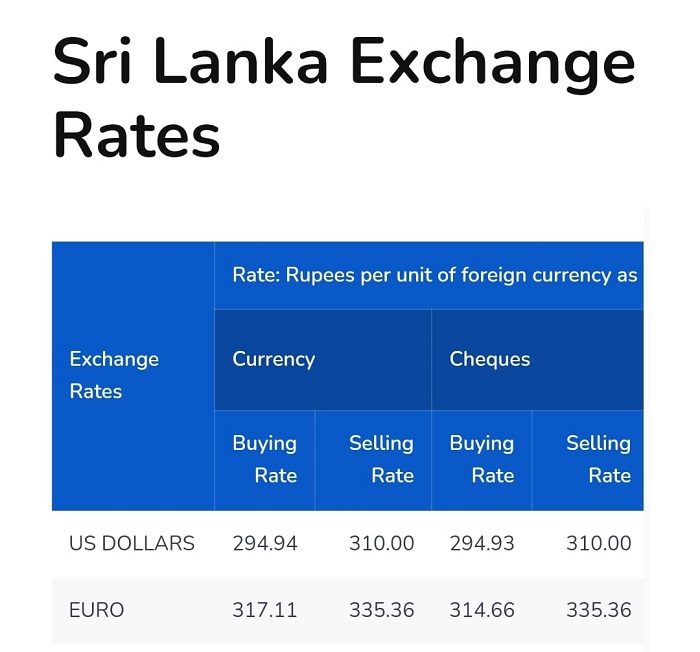
At Commercial Bank, the buying price of the US Dollar has increased to Rs. 294.94 from Rs. 288.02, and the selling price to Rs. 310 from Rs. 303.
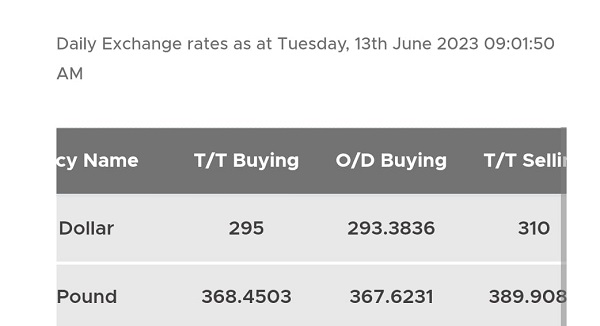
At Sampath Bank, the buying price of the US Dollar has increased to Rs. 295 from Rs. 290, and the selling price to Rs. 310 from Rs. 302.
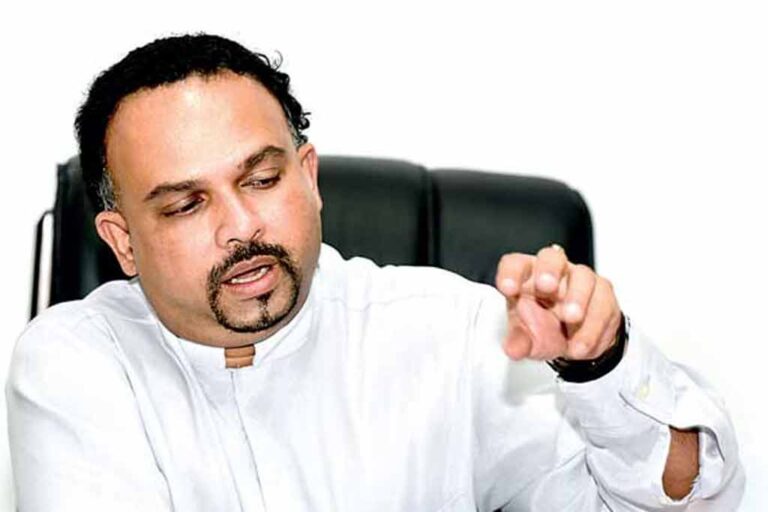
Colombo (LNW): Naveen Dissanayake has been appointed as the Governor of the Sabaragamuwa Province a short while ago, LNW learned.
Previously served in the Cabinet as the Minister of Sports and the Minister of Plantation Industries, Dissanayake also held the position of National Organiser of the United National Party (UNP).
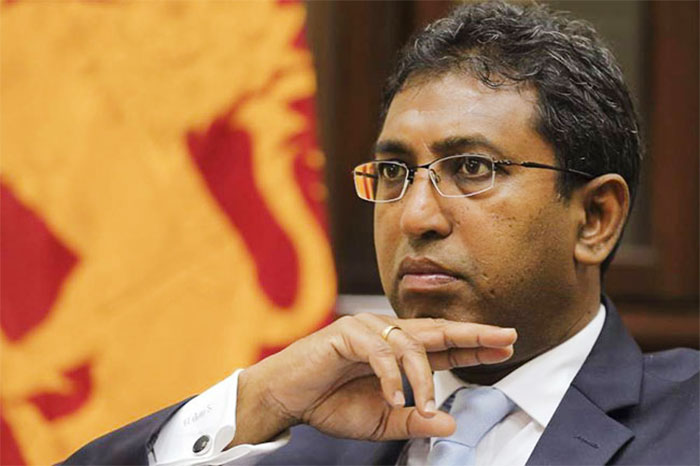
Colombo (LNW):MP Harsha de Silva has called for shed light on the dire state of Sri Lanka’s Micro, Small, and Medium Enterprises (MSME) sector. He emphasized the urgent need for comprehensive measures to address the mounting challenges faced by these enterprises, which are crucial to the country’s economy and employment landscape. To provide immediate relief to the struggling sector, MP Harsha de Silva called for a two-year suspension of Parate execution for non-willful defaulters and the introduction of insolvency legislation to support MSMEs.
MP Harsha de Silva highlighted the significant suffering experienced by the MSME sector, with businesses closing down, jobs lost, entrepreneurs facing bankruptcy, and even tragic cases of suicide. Painting a grim picture, he emphasized that approximately 80% of Sri Lankan enterprises fall under the MSME category, contributing 52% to the country’s GDP and accounting for 45% of employment opportunities.
The MP pinpointed a series of events that have inflicted severe blows on the MSME sector since October 2018, including the constitutional coup, the Easter attacks in 2019, the COVID-19 pandemic, and the subsequent economic crisis triggered by Sri Lanka’s declaration of bankruptcy in April 2022. These calamities have resulted in a cascading effect on banks, government institutions, and the general population as a whole.
While the government has proposed some solutions, MP Harsha de Silva argued that the deteriorating economic conditions have exacerbated the situation, leading to further neglect of the struggling MSMEs. Recognizing the immense impact of these issues, he expressed his willingness to support the government in any endeavor aimed at revitalizing the MSME sector.
To tackle the challenges faced by the MSME sector, MP Harsha de Silva presented four key points.
Firstly, he highlighted the need to alleviate financial constraints faced by MSMEs. He pointed out that the lack of financing options has forced many MSMEs to seek collateral loans from banks, but the economic meltdown has made it difficult for them to repay these loans. As a result, banks have seized their assets under the Parate execution act. From 2023 Jan to April alone over 400 assets have been seized. MP Harsha proposed an “investor-equity eco-system model” as an alternative to collateral loans or venture capital, which would generate localized economic growth and provide investment opportunities for MSMEs.
Secondly, the MP emphasized the pressing need to address the escalating cost of production. He highlighted how inflation and increased interest rates have placed significant burdens on MSMEs, making it challenging for them to sustain their operations. The rising import costs have further contributed to the increase in production expenses thus, reducing their competitiveness. Additionally, bureaucratic hurdles and high-cost utilities have added to the difficulties faced by MSMEs. In light of this, MP Harsha urged for comprehensive trade policy reforms, streamlined trade facilitation, and increased regional collaboration to enhance the competitiveness of MSMEs.
Thirdly, MP Harsha de Silva identified problems with government policy as a significant hindrance to the growth of MSMEs. He pointed out that the absence of a clear and universally accepted definition for MSMEs limits their recognition and support. He also criticized the high tax rates of 30 percent imposed on even micro and small businesses, urging for amendments to tax policies.
Furthermore, he advocated for the establishment of an “SME Authority” that would centralize the functions of various institutions, simplifying the authorization processes for MSMEs. This authority would coordinate regional programs, leverage resources from government institutes, and engage private agencies and organizations to facilitate efficient service provision. By implementing these proactive measures, Sri Lanka can extend crucial support to struggling MSMEs, paving the way for their revival and fostering sustainable growth.
Colombo (LNW): Sri Lanka is reinvigorating to re-enter the US$15 billion Chinese seafood market following the signing of a memorandum of understanding (MOU) with China’s General Administration of Customs.
It will unlock Chinese market with new quality and quarantine protocols to gain clearance for the export of seafood to this” land of the dragon.
The deal will immediately allow 38 Sri Lankan companies to more easily export 33 local products including 29 aquatic products to China before signing the free trade agreement (FTA) between the two countries, finance ministry sources revealed.
The General Administration Customs of China (GACC) recently approved the amended health certificate, thereby enabling the import of fisheries and aquatic products from Sri Lanka from July1, a high official of the export development board (EDB) told the LNW.
With the untiring efforts of the EDB, Department of Fisheries and the Sri Lanka Embassy in China, the certificate was upgraded to meet the quarantine requirements of the GACC – Import and Export Food Safety Bureau, he disclosed.
29 seafood and aquaculture export products such as frosen fish, crabs, prawns, lobsters crabs, shrimp, swordfish, and sea cucumbers are required to obtain necessary clearance from the relevant authorities of the importing country China.
He said the new quality and quarantine protocols would facilitate existing Sri Lankan companies to continue exports of four other products including Asphalt Mixtures, Tea and Jewellery and new exporters to enter the lucrative Chinese market.
Sri Lanka exported 1.3 million kilograms of seafood worth $ 1 billion to China last year and progressed from 14th rank in 2019 to 10th seafood export destination in 2020.
It has come down to $ 61.01 million during January – March in 2023 from $64.60 million during the same period in 2022.
China’s requirements for seafood imports are expected to increase to as high as 18 million tons by 2030.
Rising wealth among urban consumers, increased consumption of seafood, and a shift towards more wild-caught and marine species are among factors that make China a high potential export market.
The Chinese Ministry of Commerce (MOFCOM) and the General Administration of Customs (GAC) release the catalogues of goods that are subjected to automatic import licensing and import licensing on an annual basis, and release catalogues of goods that are prohibited from import from time to time.
For exported goods, those restricted from export are subject to the export licensing management. Among the export-restricted products, some are subject to additional quota management.
These matters and other trade barriers are to be eased following the signing of the China-Sri Lanka FTA which would contribute to further deepening bilateral economic and trade relations in line with the mutual interests of the two countries.
Trade in goods is not the only subject of China’s free trade agreements; services, investment, and intellectual property rights are also included, as are government procurements, a high finance ministry official said.
Sri Lanka has prepared a list of 451 export goods for tariff concessions under the proposed Sri Lanka-China Free Trade Agreement (SLCFTA), while China too has prepared a similar number of export goods to be demarcated as eligible for concessions, he added.
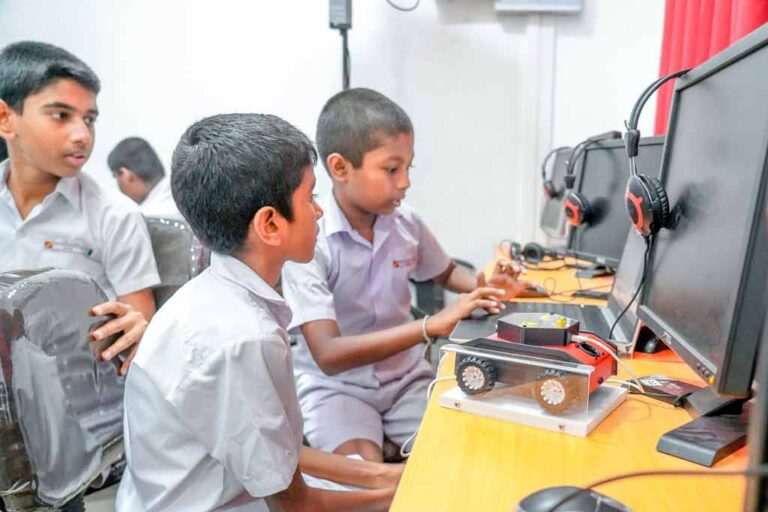
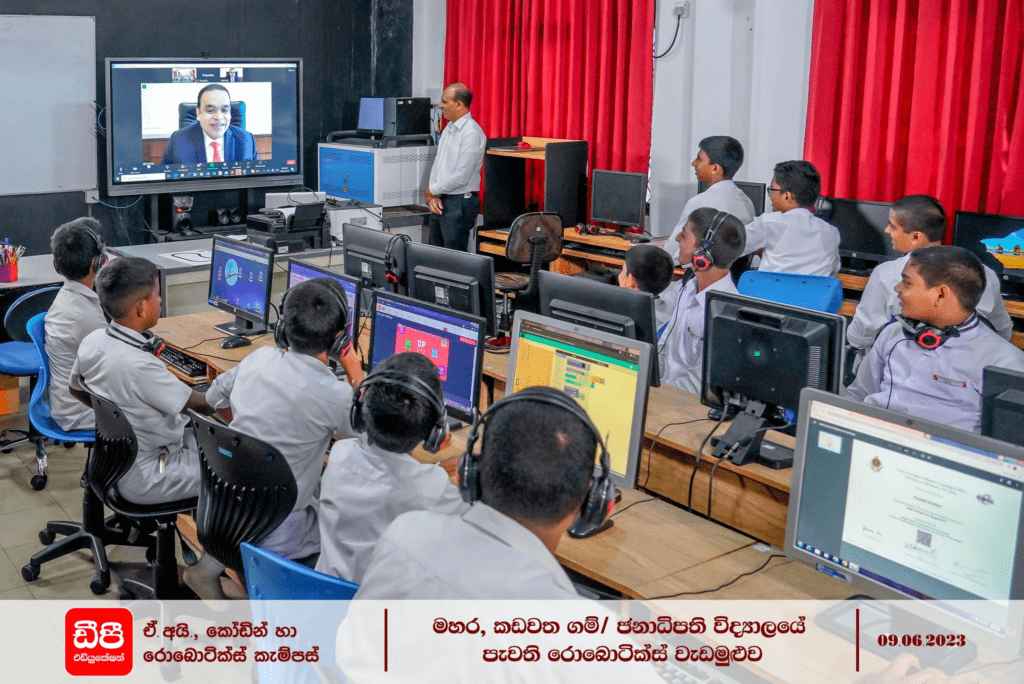
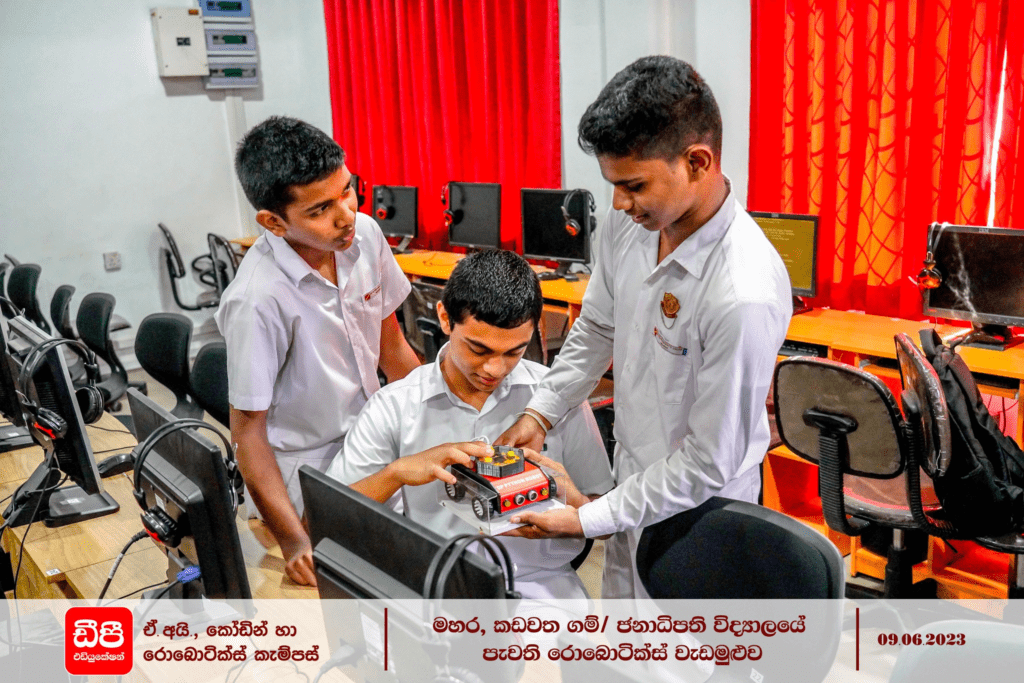
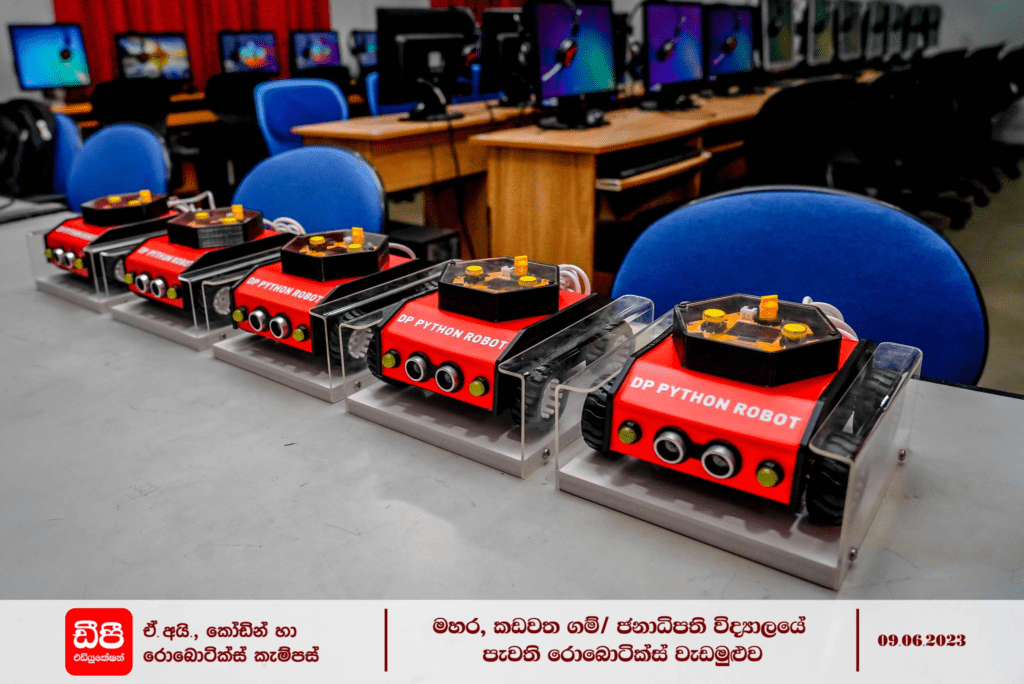
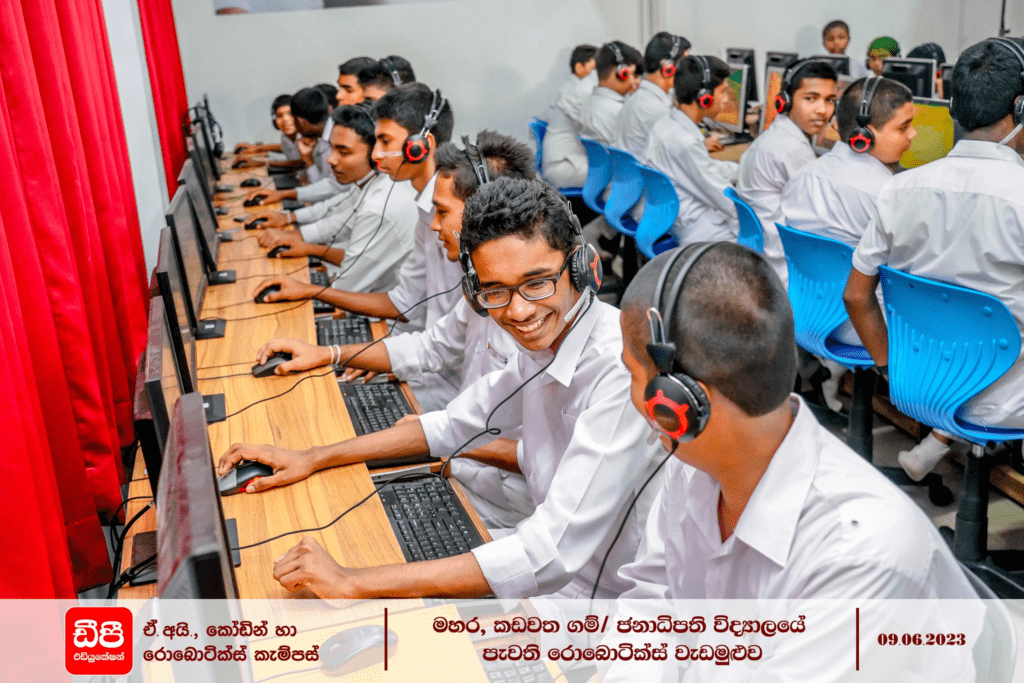
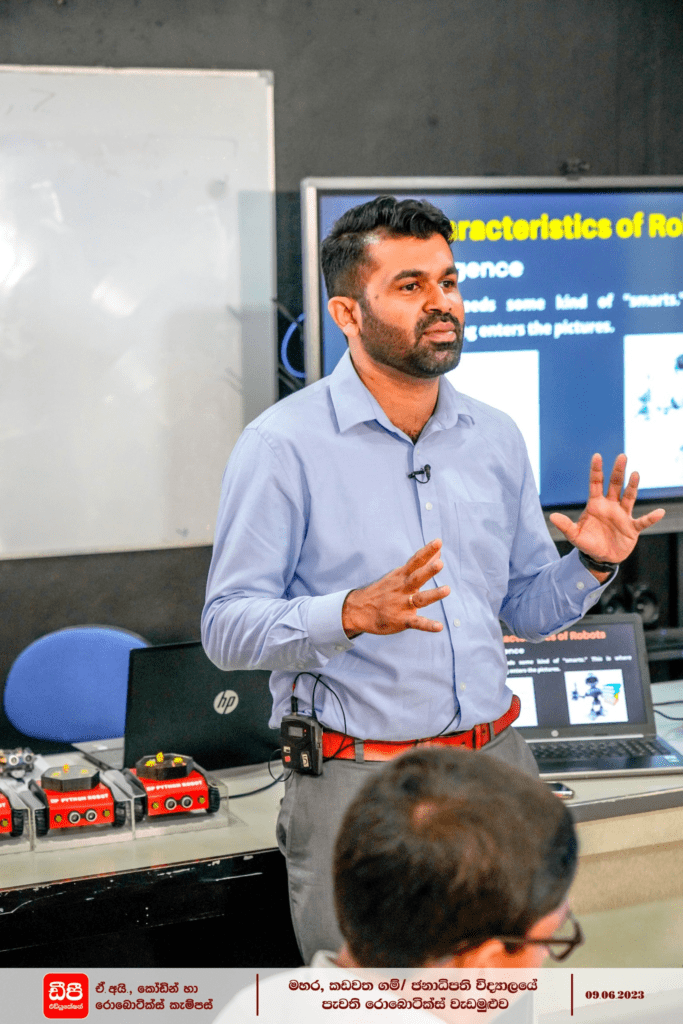
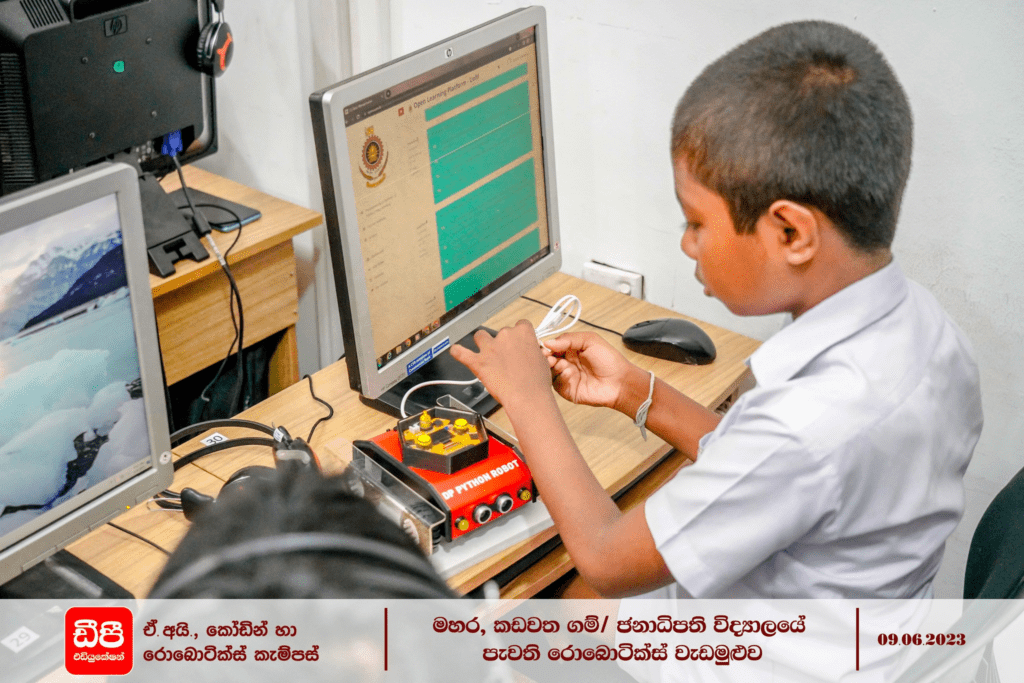
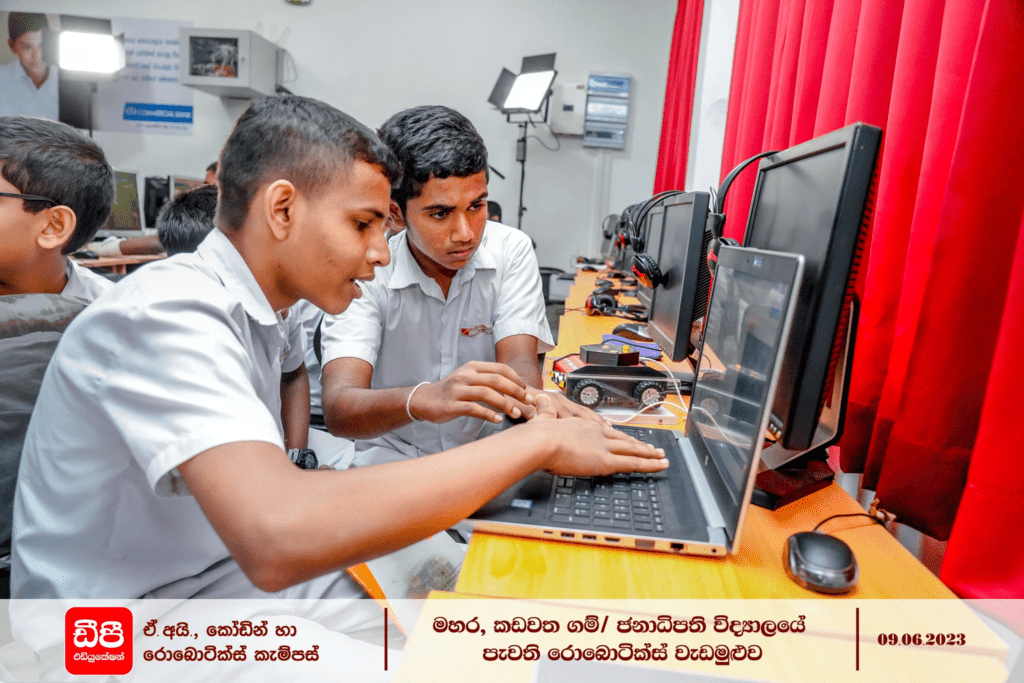
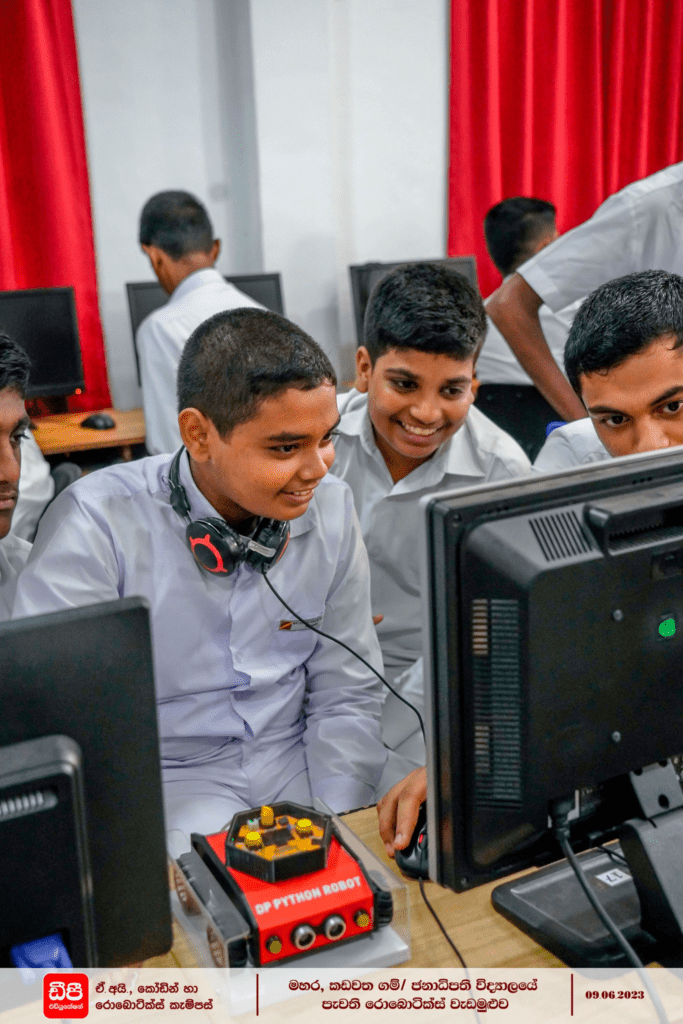
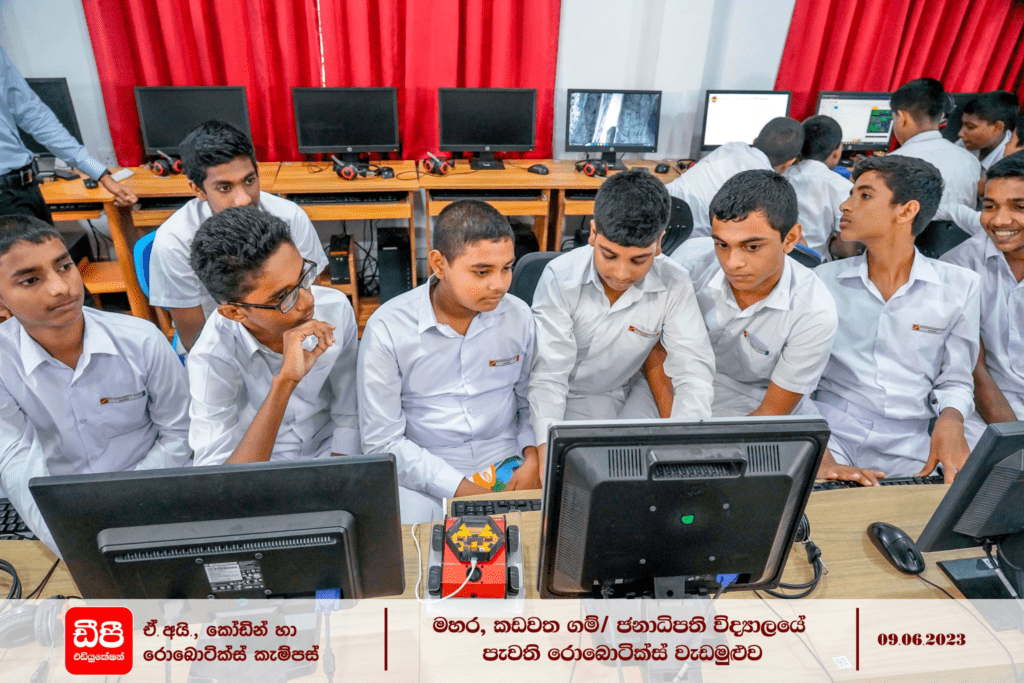
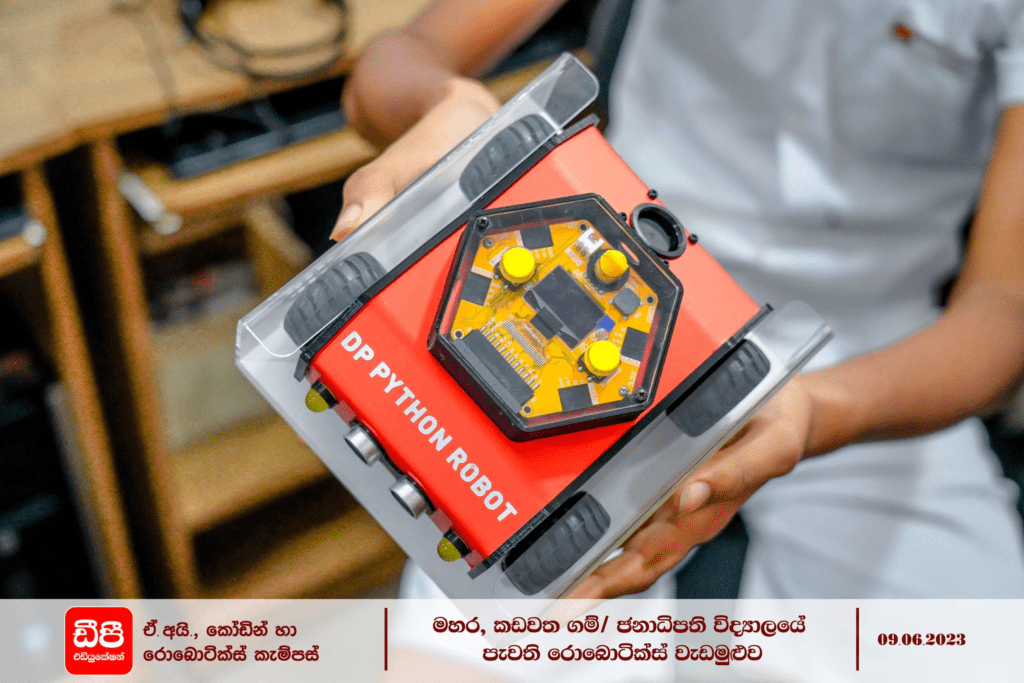
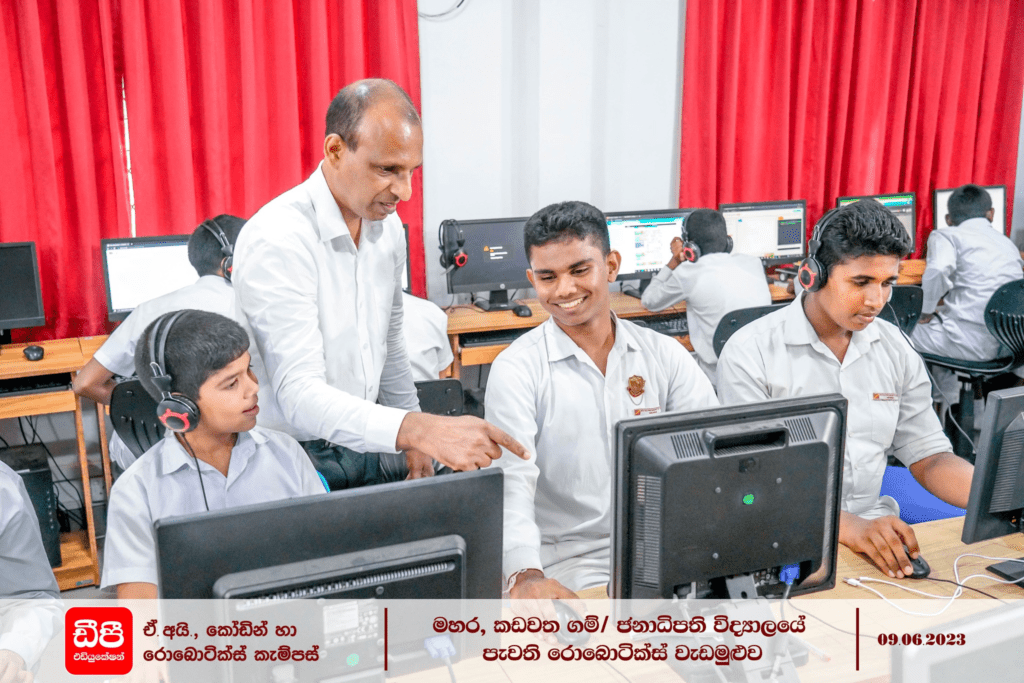
Colombo (LNW): DP Coding School launched another pilot project in President’s College (National School) Mahara Kadawatha on June 09, 2023 for students to learn Python-based robotics.
42 students of Grades 5 – 12 attended the workshop and witnessed the experience of Python-based robotics.
Anyone interested can follow this course worth Rs. 2.4 million for free, and log on to dpcode.lk today, and if your child is expecting a career in the field of Information Technology, this would be a great opportunity.
Colombo (LNW): The Chief Justice has appointed a special Trial-at-Bar to hear the case filed over the murder of Ruling Party MP Amarakeerthi Athukorala and his security officer.
The bench was appointed at the request of the Attorney General’s Department, and comprises Justices Sahan Yapa Bandara, Rashmi Singappuli and Ruwan Pathirana.
MP Athukorala and the Police officer deployed for his security were assaulted and murdered in Nittambuwa on May 09, 2022, subsequent to the public unrest awakened by the assault on the Galleface protesters in Colombo.
The AG’s Office indicted 42 suspects before the High Court, and the case is to be taken up for hearing on June 19, 2023.
Colombo (LNW): The “Biparjoy” cyclonic storm which at the present has intensified into an extremely severe cyclonic storm over East-Central Arabian Sea was located near latitude 19.6 degrees North and longitude 67.6 degrees East at 1130 hours yesterday, and would move nearly northwards during the next 24 hours, warned the Natural Hazards Early Warning Centre of the Department of Meteorology.
Wind speed will be (150-160) kmph and can increase up to (170-180) kmph in sea areas bounded by (14N-24N) and (62E-72E) during the next 24 hours, a statement by the Centre said.
Heavy showers or thundershowers can be expected, and the fishing and naval communities, therefore, are advised not to venture into the sea areas bounded by the aforementioned coordinates.
Meanwhile, showers or thundershowers will occur at times in Western and Sabaragamuwa provinces and in Galle and Matara districts, and fairly heavy showers about 75mm are likely at some places in these areas, the Department of Meteorology said in its daily weather forecast today (13).
Several spells of showers will occur in North-Western and Central provinces, and showers or thundershowers will occur at several places in Uva province and in Ampara and Batticaloa districts during the evening or night, the forecast added.
Strong winds about (40-45) kmph can be expected at times in western slope of the central hills.
General public is kindly requested to take adequate precautions to minimise damages caused by temporary localised strong winds and lightning during thundershower.
Marine Weather:
Condition of Rain: Showers or thundershowers will occur at several places in the sea areas off the coast extending from Puttalam to Matara via Colombo and Galle. Winds:
Winds will be south-westerly over sea area around the island and speed will be (25-35) kmph.
Wind speed may increase up to (50-60) kmph at times in the sea areasoff the coast extending from Puttalam to Trincomalee via Mannar and Kankasanthurai and from Hambantota to Pottuvil. Wind speed may increase up to (40-50) kmph at times in the sea areasoff the coast extending from Puttalam to Hambantota via Colombo and Galle.
State of Sea: The sea areas off the coast extending from Puttalam to Trincomalee via Mannar and Kankasanthurai and from Hambantota to Pottuvil will be rough at times. The sea areasoff the coast extending from Puttalam to Hambantota via Colombo and Galle will be fairly rough at times.
Temporarily strong gusty winds and very rough seas can be expected during thundershowers.
Chief Justice appoints a Special Trial-at-Bar at the request of the Attorney General to hear the case filed against 42 suspects over the murder of MP Amarakeerthi Athukorala and his Security Officer on May 9, 2022: case to be taken up on June 19.
Public Utilities Commission says the reduction of electricity tariffs from 1st July onwards would be in the range of about 3% from the current tariff.
SLFP Chairman Maithripala Sirisena informs that disciplinary action will not be taken against the 6 party members, including Nimal Siripala de Silva and Mahinda Amaraweera, who accepted Ministerial and State Ministerial positions.
Foreign investors’ high-interest loans to Govt via Treasury Bills & Bonds rises by USD 76.1mn last week at staggering interest rates of approximately 24% per annum: CBSL weekly data shows that such “hot-money” inflows have now reached nearly USD 650mn in the face of the rapid LKR appreciation and huge interest rates: warnings by economists and analysts in relation to such speculative investments, increase.
Index of Industrial Production in April 2023 decreases by a significant 8.2% to 80.1, compared to April 2022: mainly contributed by decreases in the manufacture of Wearing apparel (-30.5%), Other non-metallic mineral products (-27.8%) and Rubber and plastic products (-40.0%).
Department of Archeology DG Professor Anura Manatunga submits resignation from the post: last week, President Ranil Wickremesinghe pulled up the DG over an issue pertaining to the allocation of lands to an Archaeological site.
Reports suggest that the District Leaders of the SLPP had decided not to attend the meeting summoned by the President on Monday: according to Party insiders, the SLPP had noted that if such a meeting is being called for, the SLPP hierarchy must be informed.
Foreign Ministry spokesperson says it is considering reports about Sri Lankan refugees being held in Diego Garcia, a militarized atoll just south of the equator in the central Indian Ocean, since October 2021: also says the group has been given an opportunity to return to the country on their own will.
State Finance Minister Ranjith Siyambalapitiya says the Govt is expecting to fulfil all agreements reached with the IMF before September, notwithstanding allegations that the Govt has only fulfilled 25 out of 62 agreements reached with the IMF.
Ministry of Finance is reported to have approved the doubling of the price of a lottery ticket from 1 July to Rs.40 from Rs.20: President of the Lottery Agents’ Association Krishantha Marambe says that currently agents get a Rs.3.50 commission on a lottery ticket, and if lottery ticket prices are increased, their commissions too should be proportionately increased.
Colombo (LNW): Water supply will be disrupted for about 20 hours in several parts of the Western Province due to urgent maintenance work, announced the National Water Supply and Drainage Board (NWSDB).
Accordingly, water supply will be disrupted from 10 am tomorrow (13) until 6 am on Wednesday (14), to the following areas:
Gorakapitiya Siddamulla, Aruwwala, Rathmaldeniya, Maharagama – Piliyandala Road, Edirisinghe Mawatha, Moraketiya Road, Madawala Road, Bokundara Road, and all interconnected roads of the said areas.
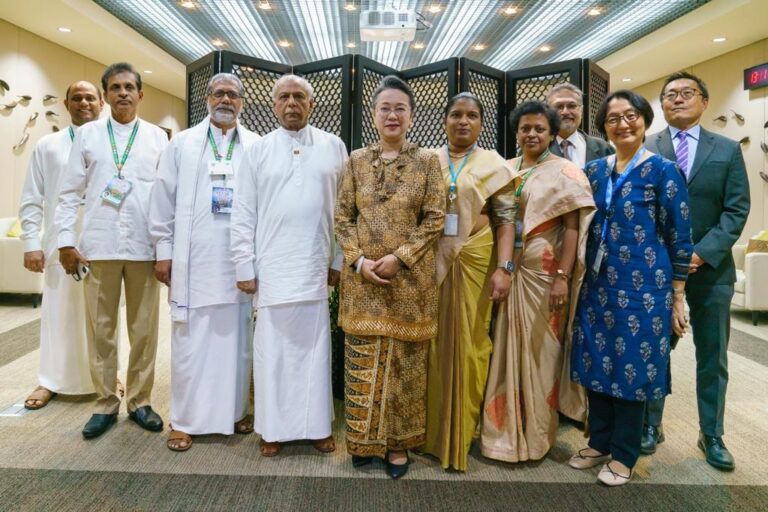
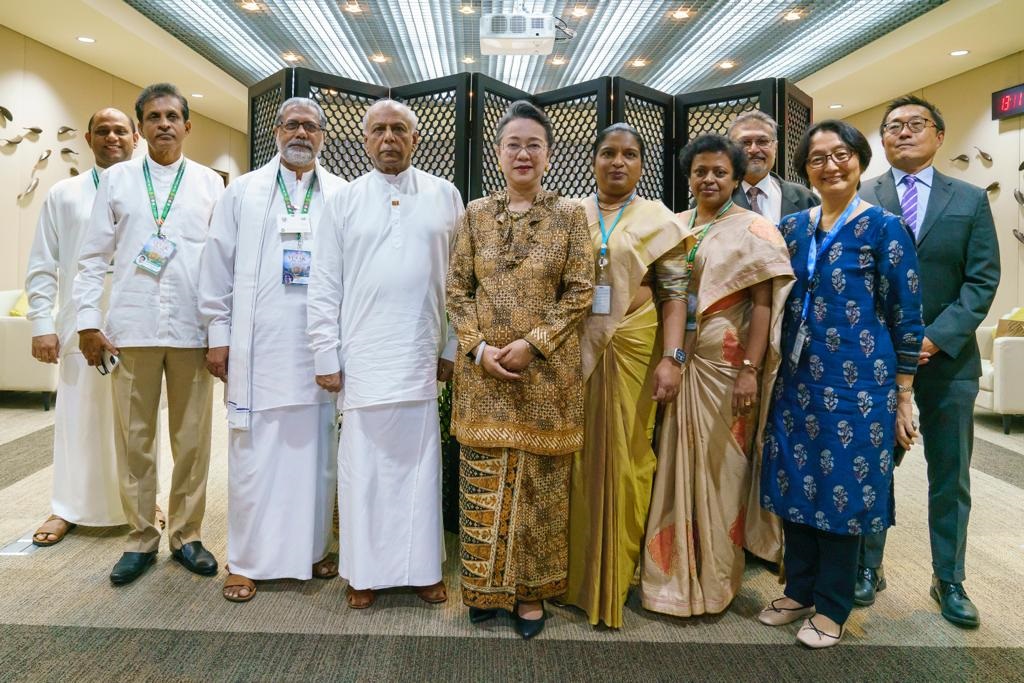
Prime Minister Dinesh Gunawardena of Sri Lanka concluded a three day successful official visit to the Kingdom of Thailand from 31 May – 02 June 2023, at the invitation of the Rector of Mahachulalongkornrajavidyalaya University, Secretary General of International Council for the Day of Vesak (ICDV) and Executive Secretary of International Association of Buddhist Universities, Most Ven. Prof. Dr. Phra Dharmavajrabundit and President of ICDV, President of International Association of Buddhist Universities, member of Supreme Sangha Council of Thailand, Most Ven. Prof. Dr. Phra Brahmapundit, with the blessing of the Supreme Sangha Council and the Royal Thai Government for 18th United Nations Day of Vesak Celebrations 2023 under the theme, ‘Buddhist Wisdom Coping with Global Crises’ at Mahachulalongkornrajavidyalaya University (MCU) in Ayutthaya and United Nations Conference Centre(UNCC) in Bangkok and as a guest of the Government of Thailand.
On arrival at the Suwarnaboomi airport, Prime Minister Dinesh Gunawardena was received by the Director General Worawoot Pongprapapant of the Department of South Asian, Middle East and African Affairs of the Ministry of Foreign Affairs of Thailand and Ambassador of Sri Lanka and Permanent Representative to the UNESCAP C. A. Chaminda I. Colonne, spouse and staff of the Embassy and Permanent Mission of Sri Lanka in Bangkok.
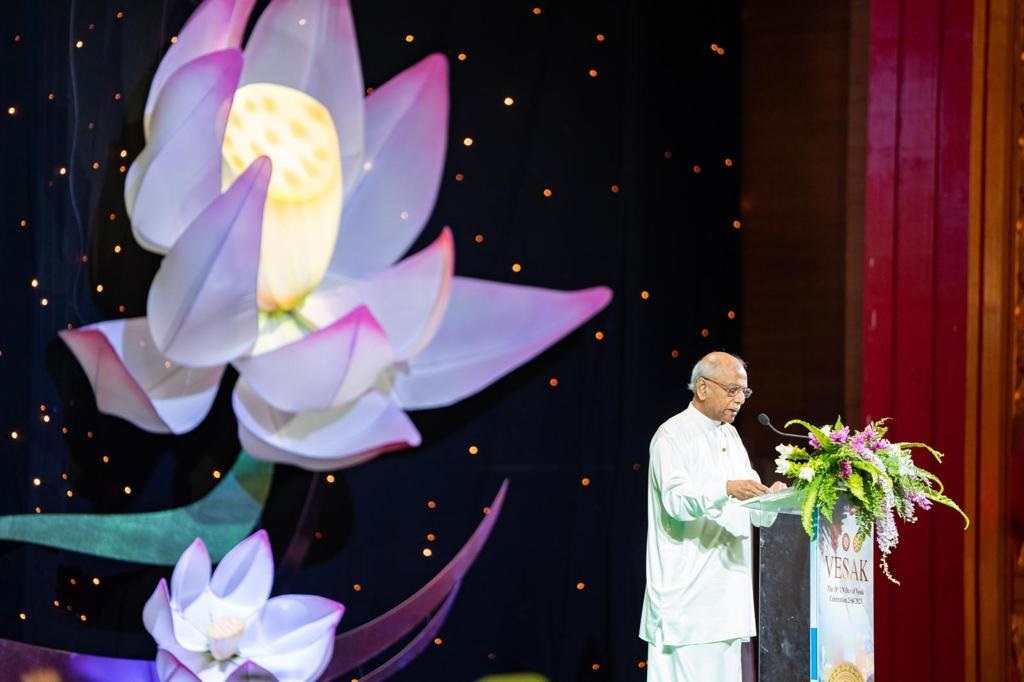
Prime Minister Gunawardena delivered the keynote speech on ‘Buddhist Wisdom Coping with Global Crises’ at the 18th United Nations Day of Vesak Celebrations held at Mahachulalongkornrajavidyalaya University in Ayutthaya on 01 June 2023, which was presided over by His Holiness Somdet Phra Ariyavangsagatayana, Supreme Patriarch of Thailand and with 3,500 onsite audience. Prime Minister had discussions with the Supreme Patriarch prior to celebrations. Prime Minister also had brief interactions with leading monks from China, Myanmar, Lao PDR and Cambodia.
Prime Minister Gunawardena also visited Wat Dhammaram and Governor of Phra Nakhon Si Ayutthaya Niwat Rungsakorn welcomed him. Prime Minister gifted with artifact with Sri Maha Bo leaf to the Chief Abbot at the temple for the Upali Maha Thera Museum. Prime Minister also visited Chao Sam Phraya National Museum during his visit to Ayutthaya.
President of the Privy Council General Surayud Chulanont, representative of His Majesty King Maha Vajiralongkorn Phra Vajiraklaochaoyuhua, presided over the Opening Ceremony of 18th United Nations Day of Vesak Celebration 2023 at the United Nations Economic and Social Commission for Asia and the Pacific (UNESCAP) in Bangkok on 02 June 2023 and Prime Minister Dinesh Gunawardena of Sri Lanka, welcomed him on his arrival at the UNCC. During the luncheon hosted in honour of Prime Minister by the Under Secretary General of the UN and Executive Secretary of the UNESCAP, Armida Salsiah Alisjahbana, both discussed on accelerating Sri Lanka’s cooperation with UNESCAP in achieving Sustainable Development Goals, Sri Lanka’s proposal on holding Climate Justice Summit in Colombo in October, 2023 etc.
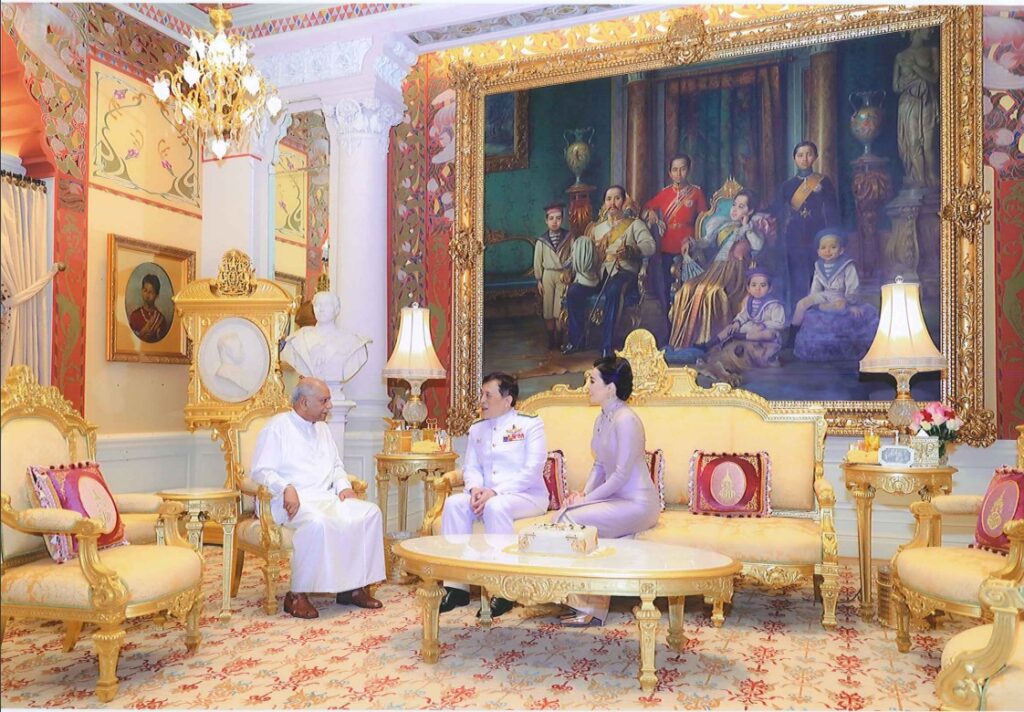
Consolidating Sri Lanka’s longstanding excellent relations with Thailand based on Therawada Buddhist religious values, Prime Minister Gunawardena had Royal Audience with His Majesty King Maha Vajiralongkorn Phra Vajiraklaochaoyuhua and Her Majesty Queen Suthida Bajrasudhabimalalakshna at Amphorn Sathan Residential Hall, Dusit Palace on 02 June 2023. An invitation was extended by Prime Minister Gunawardena for His Majesty the King to visit Sri Lanka at a mutually agreed time.
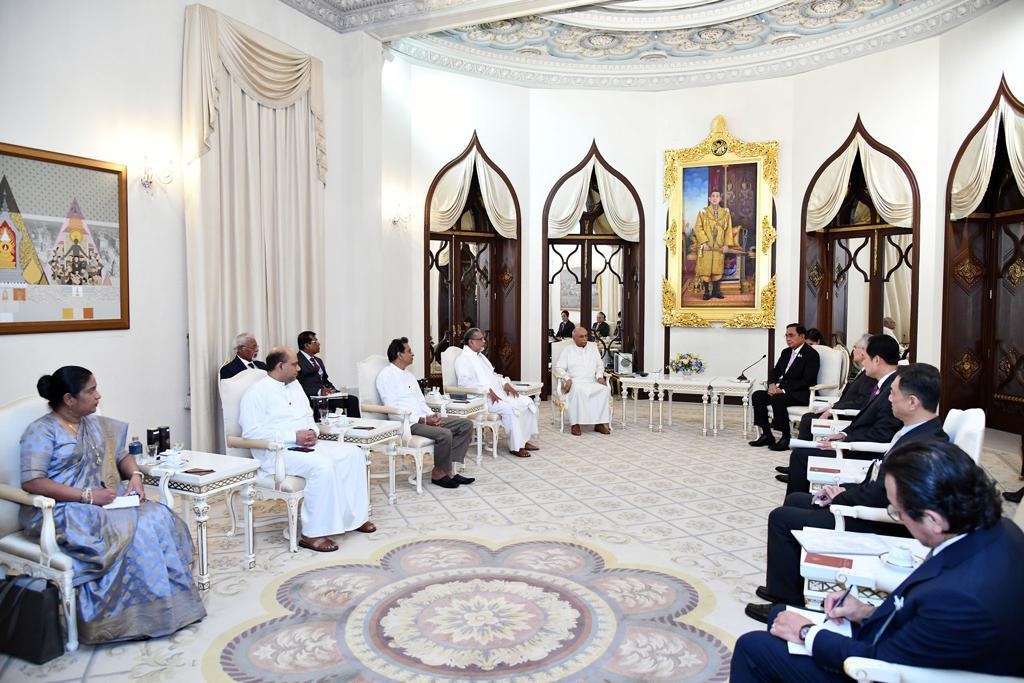
Prime Minister Dinesh Gunawardena held bilateral discussions with Prime Minister Prayut Chan-o-cha of Thailand at the Government House of Bangkok on 31 May 2023. Deputy Prime Minister and Foreign Minister Don Pramudwinai and other senior officials of the Thai Foreign Ministry joined the discussions. The wide array of historical, political, economic and trade discussions, included current socio-political situations, Thai-Sri Lanka Free Trade Agreement scheduled to be signed in the first quarter of 2024, enhancing Thai Investment in Sri Lanka and Colombo Port city Project, BIMSTEC summit scheduled to be held in November, 2023, establishment of Theravada Buddhist Centre in Anuradhapura, Sri Lanka and temple to temple contacts, enhancing cooperation through ‘One Tambon/Village One Product’ (OTOP/OVOP) under Thai sufficiency economy philosophy, engagement with ASEAN etc. Prime Minister Gunawardena also thanked the Government of Thailand supporting Sri Lanka during recent political unrest and the crisis.
Prime Minister Gunawardena addressed more than fifty Thai investors at an investment Promotion Event ‘Invest in Sri Lanka’-now is the time, organized by the Embassy and Permanent Mission of Sri Lanka in Bangkok in collaboration with the Federation of Thai Industries, Tourism Council of Thailand, Board of Investment of Thailand, International Chamber of Commerce of Thailand and Thai Chamber of Commerce and the Board of Trade of Thailand on 31 May 2023 at the Mission premises. During the event the e-version of ‘Ready to invest opportunities in Sri Lanka’ in Thai language was launched by the Prime Minister. Chairman, Board of Investment (BOI) of Sri Lanka and Chairman/Colombo Port City Economic Commission (CPCEC), Dinesh Weerakkody, and other senior officials of the BOI and CPCEC joined the event virtually.
Prime Minister Gunawardena also had discussions with Energy Absolute PCL on their battery-powered locomotive, the Gem and Jewelry Traders Association and the Gems, Jewelry and Precious Metal Confederation of Thailand. Former Thailand Ambassador to Sri Lanka Poldej Worachat and his wife also paid a courtesy call on the Prime Minister.
Matichon and Khaosod News channels interviewed the Prime Minister Gunawardena and local media gave wide media coverage for the visit.
Minister of Buddhashasana, Religious, and Cultural Affairs Vidura Wickremanayake, State Minister of Piriven Education Vijitha Berugoda, Member of Parliament Yadamini Gunawardena, Ambassador of Sri Lanka and Permanent Representative to the UNESCAP C. A. Chaminda I. Colonne, Additional Secretary of Prime Minister’s office Deepa Liyanage, Honorary Advisor to the Prime Minister T. Rusiripala included in the Prime Minister’s delegation and joined discussions.
The International Council for Day of Vesak (ICDV), has consultative status with the United Nations Economic and Social Council (ECOSOC).
The thrice sacred days of Vesak celebrating the Birth, Enlightenment and Passing away of Buddha Gautama was recognized by the United Nations at its General Assembly in 1999. The first Event was celebrated at the United Nations Headquarters in New York in 2001.