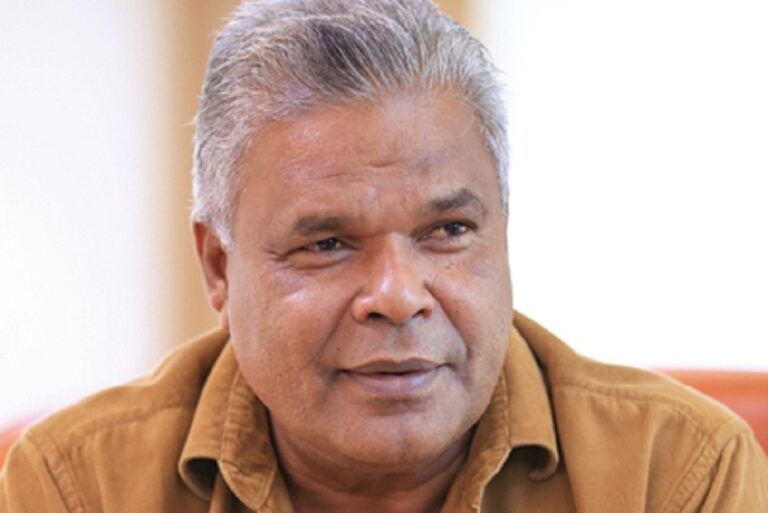
Dudley Sirisena, the owner of Araliya Rice Business, says that although the farmers should be given a price of more than 140 rupees for a kilo of paddy, in the end, according to the government’s request, the owners of large-scale rice mills, including himself, agreed to buy a kilo of paddy at 100 rupees.
Dudley Sirisena said this yesterday (16) while speaking to the media after a discussion with President Ranil Wickremesinghe.
The farmers should be paid more than Rs 140 for a kilo of paddy – Dudley Sirisena (VIDEO)
An employee of the passport office and a group of brokers arrested!
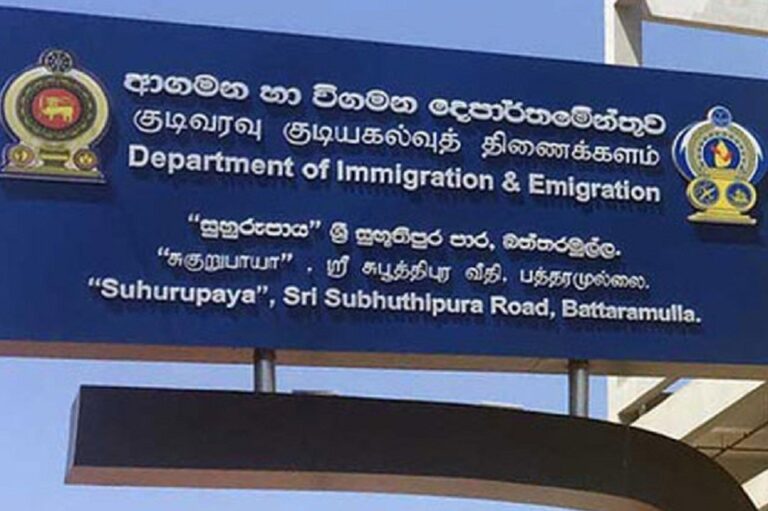
Yesterday (16) the officials of the Bribery or Corruption Investigation Commission have arrested 04 people who took bribes for issuing a foreign passport under the one-day service.
An office assistant of the Immigration Department and three brokers have been arrested.
They have taken 42000 rupees from one person for providing a foreign passport under the one-day service.
It is said that the cost of obtaining a foreign passport under that service is only 22000 rupees and the remaining 20000 rupees have been shared by the four of them.
According to the complaints received that various irregularities are happening around the Foreign Passport Office of the Immigration Department located in Battaramulla, a special police team has also been deployed as per the instructions of the Minister of Public Security Tiran Alles to prevent such acts and the operations to arrest the brokers are ongoing.
Sri Lanka Original Narrative Summary: 17/02

- President Ranil Wickremesinghe issues a directive to the Power and Energy Minister and the relevant CEB officials to implement the electricity tariff revision ensuring an uninterrupted power supply for the consumers, provide relief for low-income families and provide solar rooftop systems for religious places and state-run education bodies.
- President of Restaurant Owners’ Association and Consumer Rights Activist Asela Sampath says the price of a packet of rice, fried rice and kottu will soar by 10 per cent in order to maintain the restaurants and in response to the recent electricity tariff hike by 66 per cent; apologises to the people for the move; asserts the increase in food price is to protest against the tariff revisions.
- Kollupitiya Police seal the office of PUCSL Chief Janaka Ratnayake as ordered by the Fort Magistrate Court, based on information that his office is carrying out activities embarrassing the government.
- Former Election Commission Chairman and current Delimitation Committee Chairman Mahinda Deshapriya says despite the estimated Rs. 08 billion required for the upcoming LG Polls, 60 per cent of election cost ought to be paid only after the Polls; asserts the LG Polls can be conducted and concluded within a limit of Rs. 02 billion.
- Sea Leisure Yachting Group and the Board of Investment Sri Lanka hold discussion on marine tourism solutions to be implemented in Sri Lanka: SLYG Chief Pierre Pringiers meets with BOI counterpart Dinesh Weerakkody and discusses promoting marine leisure and yacht manufacturing and expanding businesses.
- China’s demand of forcing multilateral lenders to provide debt relief to Sri Lanka as part of a broader restructuring of debts is now at odds with other major creditors: Official sources lament with China yet to support Sri Lanka’s debt restructuring based on the debt sustainability analysis of the IMF and Paris Club, the deadline is nearing to secure a much-needed loan to revive from the economic meltdown: Analysts warn China’s demand is likely to further delay the debt restructuring process to unlock the IMF’s US $2.9 bailout package.
- Sri Lankan High Commissioner to India Milinda Moragoda says Sri Lanka and India will sign a pact to link their power grids and start negotiations on an upgraded trade agreement within two months: The move comes in as part of the island nation’s attempt to seek a way out of its economic crisis: Despite India’s US $4 billion assistance since last year, Sri Lanka is now seeking to enhance trade and investments as it moves to close a US $2.9 billion deal from the IMF.
- Ex Sri Lankan President Gotabaya Rajapaksa leaves for Myanmar on a private tour, following an invitation by several social activist organisations in the Buddhist country.
- The Colombo District Court orders popular Actor Ruchini Tanasha Hatharasingha to return the property given to her by her grandmother, who she was adopted by as a child, and pay her a compensation of Rs. 05 million and a monthly allowance of Rs. 30,000 until the property is legally handed over: Court concludes Hatharasingha had mistreated her grandmother.
- NPP/JVP Leader MP Anura Kumara Dissanayake accuses the President of unleashing a ‘psychological war’ to orchestrate public opinion that a country lacking money for medicines and surgeries cannot afford to hold an election; stresses the President’s shameless efforts to quash the LG Polls are ‘similar to the Easter Sunday Carnage,’ as the downfall in the Health Sector backed by the imperative to secure power also leads to fatalities.
SLYG and BOI to navigate marine tourism to new horizons
By: Isuru Parakrama
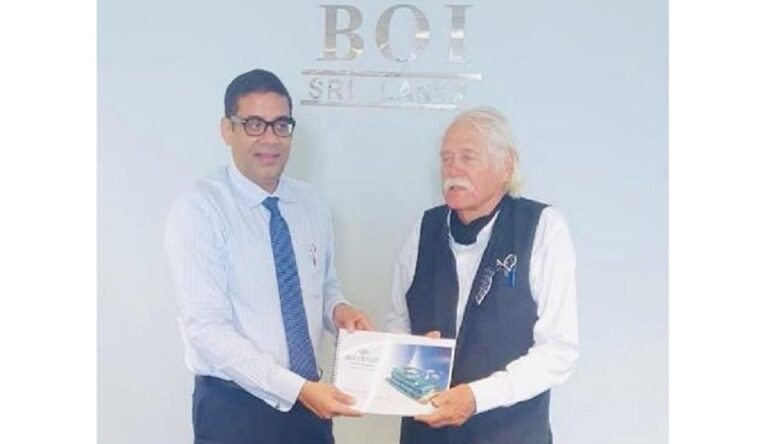
Colombo (LNW): Sea Leisure Yachting Group (SLYG) and the Board of Investment (BOI) Sri Lanka held discussions on marine tourism solutions to be implemented in Sri Lanka.
navigating marine tourism to new horizons, SLYG Chairman Pierre Pringiers met with BOI Chairman Dinesh Weerakkody and discussed promoting marine leisure and yacht manufacturing and expanding business in the island nation.
The economic woes of Pakistan and Sri Lanka have similar origin stories
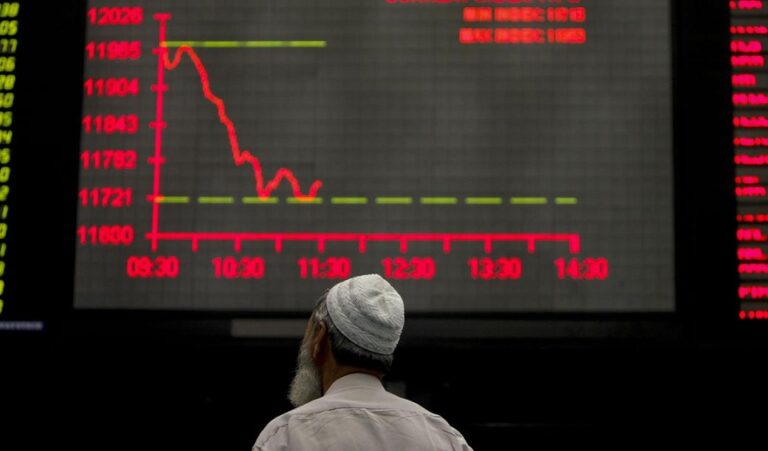
Like Sri Lanka, Pakistan’s economic distress has been in the making for decades.
Economists ascribe Sri Lanka’s recent financial problems to a severe decline in tourism and remittances, as well as a substantial tax cut, but poor governance is atop the list of the factors that played havoc with the island nation’s economy, which relied heavily on tourism and remittances. Both these sources were hit badly by the Covid pandemic as the workers were laid off on a mass scale.
Pakistan’s land area, population and gross domestic product are 12 times, 10 times and four times higher than Sri Lanka’s, respectively. However, Pakistan’s per capita gross domestic product is half of the island nation. Despite these differences, a significant decline in Pakistan’s foreign exchange reserves and a persistent political crisis have given the international community the impression that the country is following in Sri Lanka’s footsteps.
Sri Lanka was the first South Asian nation to liberalise its economy through open economy reforms in the late 1970s. However, it is currently a state in crisis after defaulting on a $78 million payment in debt interest in May 2022 for the first time in its history.
Its central bank said that the county’s tourism and remittances decreased by 86% and 18%, respectively, in 2021 as compared to 2019, as the nation is facing a scarcity of fuel and medicines for want of dollars for imports. The country has a reserve of $1.5 billion from China under swap agreements, which cannot be used for imports. Thus, the economy was paralysed.
Two political parties have been dominating Sri Lanka’s political system. In their race to power corridors, they employed populist tactics – such as tax cuts and other subsidies – to attract voters at the cost of the country’s overall economic efficiency. With an average 6% growth from 2007 to 2016, the country was classified as an upper-middle-income nation by the Asia Development Bank.
Did Sri Lanka move to default suddenly?
Most critics have concentrated only on its past two-year performance. However, the country’s inability to diversify its manufacturing base was the structural root cause of the economic collapse, which began three decades ago.
Colombo borrowed from international sources to rebuild infrastructure rather than invest in production-related industries. Consequently, exports’ production base and growth shrank, and foreign earnings became dependent on remittances and tourism.
The balance of payment issue was evident in 2016, before the recent terrible financial crisis. A $1.5 billion bailout package was negotiated with the International Monetary Fund. But the weak government soon offered a substantial tax cut to overcome an ongoing political crisis and the Covid pandemic.
The government banned the import of fertilisers to correct the balance of trade, but it dealt a blow to the agrarian economy leading to a sharp decline in crop production and a massive increase in food prices. Thus, the burden of foreign debt increased. In November 2021, the ban was subsequently lifted.
Currently, Pakistan’s economy has far exceeded its threshold level of public debt and is unable to pay it. As per an International Monetary Fund report, the country needs a $7 billion loan to tackle this crisis and in the three years leading up to 2026, Pakistan must repay a total of $75 billion, or $25 billion per year.
There are signs of temporary relief. Recently, $10 billion in pledges were made by Pakistan’s donors at the Geneva Climate Conference, but 90% of those pledges are in the form of project loans, offering no immediate support for the balance of payments crisis.
Owing to a $3 billion lifeline provided by the United Arab Emirates in the form of a rollover of $2 billion of existing debt and additional funding of $1 billion, Pakistan has managed to escape default temporarily. In addition, the Saudi Fund for Development agreed to finance $1 billion in oil imports on deferred payment.
As in Sri Lanka, is the economic detrioration occurring rapidly? In terms of the roots of the financial crisis, Sri Lanka and Pakistan share many similarities.
Pakistan’s economy took a turn in the 1980s when it indulged in public debt due to its budget deficit. The country is also engaged in a war on terrorism for the last many decades, like the civil war in Sri Lanka. The funds received for the fight against terrorism held the balance of payments steady.
When the pandemic hit the world economy, it impacted Pakistan’s leverage of domestic production due to the lockdowns. Moreover, the Ukraine-Russia war resulted in higher oil prices escalating the cost of production for Pakistan, which heavily relies on foreign input supplies. Power tariffs increased manifold because of higher production costs causing industries to shut down their operations.
Since the Russian invasion of Afghanistan in 1979, the country has experienced significant changes to its political and economic structure. The world powers provided substantial financial, military, and political support to Pakistan and related militant organisations to recruit youth to fight against the Russian forces.
After the Russian pullout from Afghanistan, the international community withdrew its support. The militias, now well-resourced in terms of money, weapons, and religiopolitical influence in the region commenced infighting as terrorism rapidly spread throughout Pakistani society.
In the meantime, political instability, corruption, social injustice, and economic disparity fueled the emergence of various manifestations of terrorism. After 9/11, Pakistan again became the frontline state in the global war against terrorism. Pakistan effectively played its role in combating terrorism and militant groups, which increased terrorism within the country.
From the past, we may deduce that Pakistan is a project economy. Whenever the international community grants Pakistan a project, the balance of payments problem is overcome. In the absence of a new project, the financial crisis is worsening, raising the question: Is Pakistan following Sri Lanka’s footsteps?
Historical similarities between Pakistan and Sri Lanka include a heavy reliance on remittances, fewer exports with low added value, a diminished manufacturing base, political instability, popular political tactics, a colonial institutional framework and natural disaster.
However, Pakistan has always maintained cordial relations with certain nations, which have been helping it out of the financial crises. It is to be seen if these nations again come to its rescue, disregarding the underlying causes of financial problems.
Source: ScrollIn
Sri Lanka hikes power prices by 66% hoping to gain IMF support
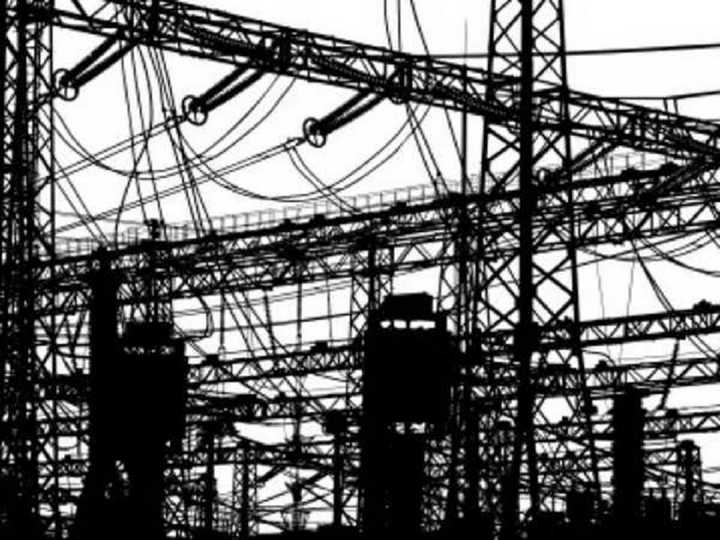
The increase, announced by Power and Energy Minister Kanchana Wijesekera, comes after the government raised electricity prices by 75 percent last year, and adds to the pain of Sri Lankans already struggling with inflation above 54% year-on-year in January and income taxes as high as 36% percent.
By Reuters
Sri Lanka raised electricity prices by 66% on Thursday, in a move the government hopes will persuade the International Monetary Fund to provide a bailout for its crisis stricken economy.
The increase, announced by Power and Energy Minister Kanchana Wijesekera, comes after the government raised electricity prices by 75 percent last year, and adds to the pain of Sri Lankans already struggling with inflation above 54% year-on-year in January and income taxes as high as 36% percent.
“We know that this will be hard on the public, especially the poor, but Sri Lanka is caught in a financial crisis and we have no choice but to move towards cost reflective pricing,” Wijesekera told reporters.
“We hope that with this step Sri Lanka has moved closer to getting the IMF programme.”
An official at the monopoly Ceylon Electricity Board confirmed the scale of the price increase.
The IMF agreed to loan Sri Lanka $2.9 billion in September to overcome its worst financial crisis in seven decades, but the deal comes with conditions that include raising taxes, removing subsidies and cutting public sector debt.
The government of President Ranil Wickremesinghe, who took over after mass protests against economic mismanagement ousted his predecessor last year, desperately needs the funds and has been courting multilateral agencies for support since taking office in July.
Wijesekera said the price increase would help the power ministry offset the gap caused by the cessation of government subsidies from January, and also help better manage long-term fuel contracts.
The government hopes to reduce tariffs by July, when it plans to revise prices again, he said.
Analysts forecast the power price hike to further increase inflation. “We are projecting inflation to increase slightly to 55.5% next month but overall inflation will continue downward given the high base effect from last year,” said Dimantha Mathew, head of research, First Capital Holdings.
Inflation hit a record 73.7 percent in September last year.
“We can’t bear these costs anymore,” said Asela Sampath of the All Island Canteen Owners Association, a group that represents the restaurants sector frequented by middle to low-income Sri Lankans. “We ask for forgiveness from consumers, but we have no choice but to pass down these costs.”
Source: The Economic Times
Radella grounds in Nuwara Eliya redevelops for national level cricket
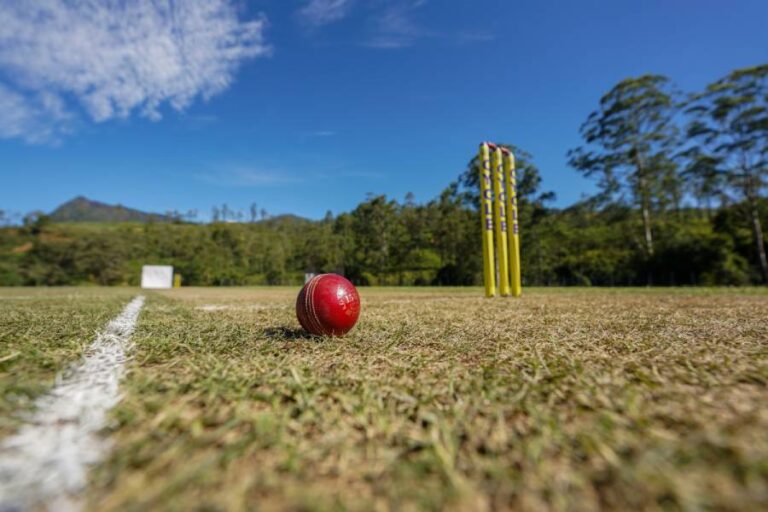
A cricket ground in Radella, Nuwara Eliya has been redeveloped for national level cricket and will be used for training by the Sri Lanka Cricket team ahead of their tour of New Zealand.
Sri Lanka Cricket (SLC) said that a practice game was played at the Radella Cricket Ground in Nuwara Eliya to determine its suitability for national level cricket.
The redevelopment work of the ground commenced following the consent given by SLC Member Club Dimbula Athletic and Cricket Club, the facility’s owners, to use it for national team training.
Following this, a 20-member, highly experienced ground management team headed by Godfrey Dabrera, Manager, International Venues and Facilities of the SLC, worked across a few weeks to restore the ground to make it suitable for national team training.
The ground is now equipped with 4 center turf wickets and 5 newly laid practice turf wickets, as well as other facilities, to enable the successful conduct of the training sessions.
The national team will travel to Radella on the 16th of February to commence a week-long training session before its departure to New Zealand, as Radella has conditions similar to New Zealand.
The Radella Cricket Ground, built in 1856, is situated 4200 feet above sea level and is the only high-elevation cricket ground that can be utilized for national level cricket training in Sri Lanka.
Sri Lanka will be touring New Zealand to play two Tests, three ODIs and as many T20Is in March 2023. Ahead of the all-important tour, the Sri Lankan team will be training at the Radella Cricket ground, which is situated 4,200 feet above sea level in Nuwara Eliya.
The stadium which was built in 1856 has been renovated and is now ready for the national team to train in, according to Sri Lanka Cricket. The SLC further stated that it is the only high-elevation cricket ground that can be utilized for national-level cricket training in Sri Lanka.
The renovation work of the ground began after permission was given by SLC Member Club, Dimbula Athletic and Cricket Club, the facility’s owners, to use it for national team training.
The Sri Lankan team will travel to Radella on the 16th of February and will train for a week over there before leaving for New Zealand as Radella has similar conditions to New Zealand.
The SLC further revealed that last week, a practice game was also played at the ground to determine its suitability for national-level cricket.
The upcoming tour of New Zealand is extremely important for Sri Lanka as they’re in contention to qualify for the final of the World Test Championship 2023.
They need to win both the Tests against the Kiwis and hope that India whitewashes Australia by 4-0 in the ongoing Test series or the series gets drawn 2-2. Any of the two scenarios will clear the path for Sri Lanka to seal a place in the WTC final.
If they manage to do so, it will be a historic achievement for the Island nation which also won the Asia Cup last year.
Government to use Indian credit line of to import essential pharmaceuticals

Sri Lanka is set to utilize the available resources in the US $ 1 billion Indian line of credit to import urgently required essential pharmaceuticals, which are in short supply in Sri Lanka.
This urgent matter on pharmaceutical imports focused on discussion between High Commissioner of Sri Lanka to India Milinda Moragoda and Finance and Corporate Affairs Minister of India Smt. Nirmala Sitharaman yesterday at the Ministry of Finance in New Delhi, as the latest of a series of meetings he has had with her since November 2021.
Officials said the Indian credit line is being utilized according to a particular procedure, which took the local authorities around a month to understand along with how the letters of credit will be issued to the Indian banks and how the orders must be placed.
“We had to go through a series of documents and a specific supplier was selected to purchase a specific medicine,” they said.
According to the official, the orders will be sent to the Trade Ministry, the Finance Ministry, the high commission of India or the Delhi office and will then come to the Treasury.
A UNI number will be issued for the order and that number will be used by the SPC to place the order.
He noted that, apart from the medicine and equipment that is already imported, more orders will be placed in the coming days.
Sri Lanka has already received more than 300 medicine items as of December through the Indian credit line and hopes to complete all orders by March 2023, officials said.
From the one billion US dollar credit line from India, 200 million USD was to purchase medical supplies, with the State Pharmaceutical Corporation (SPC) given the responsibility of placing the order.
Sri Lanka has seen medicine shortages since late June with the Central Medicine Storage running out of stocks.
The authorities said that, until stocks are restored, the ministry has implemented a central communication strategy to facilitate the exchange of medicines between medical institutes based on availability.
The SPC called tenders in March and, by April, the tenders were being evaluated by the officials.
“Of the 200 million US dollars we received, we allocated 55 million US dollars to the private sector supplier,” Chairman of SPC Sarath Liyanage said. .
Orders will be placed for 674 medicine items and 1788 surgical equipment, Liyanage said.
“So far we have received 74 medicine items through the SPC and more than 300 plus from the private sector supplier. No matter which sector you are bringing it from, the products’ origin must be India, which is a condition we have to follow.
The island nation is currently struggling with lack of medicine in the health sector and, due to high demand and the low supply, the prices have increased in pharmacies and people have reduced their prescribed dosage.
Officials said the Indian credit line is being utilized according to a particular procedure, which took the local authorities around a month to understand along with how the letters of credit will be issued to the Indian banks and how the orders must be placed.
China’s stance on SL debt restructure now at odds with other major creditors
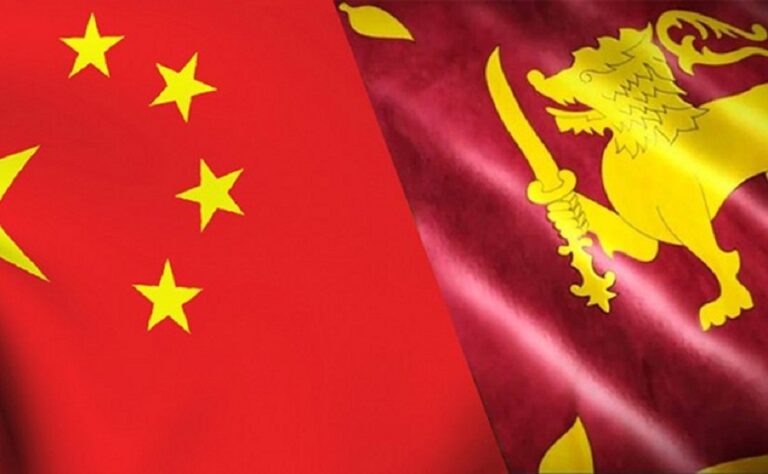
China’s demand of forcing multilateral lenders to provide debt relief to Sri Lanka as part of a broader restructuring of loans is now at odds with other major creditors and likely to further delay the debt restructuring process to unlock the International Monetary Fund’s US$2.9 billion bailout package.
With China yet to support Sri Lanka debt restructuring based on the debt sustainability analysis (DSA) of the IMF and Paris Club, the deadline is nearing to secure a much-needed loan to revive the nation from the present economic crisis, official sources said.
China’s offer of a two year moratorium for SriLanka was not enough to meet the IMF parameters put forward by them for Sri Lanka to get assurance from creditors. .
Sofar only the Indian assurance given in writing to the IMF has been accepted while the USA , Paris CLUB members, China ,Japan have to support the Island nation on the basis of DSA, for debt restructuring before the IMF’s Executive Board scheduled to meet next month.
Under the circumstances, the IMF can either give loan on arrears or then wait for China to come on board by IMF spring meeting or later this year.
Sri Lanka is indebted nearly US$ 7.8 billion dollars to China which includes both bilateral lending from EXIM bank and commercial lending from Chinese development Bank.
These loans were for sponsoring white elephant projects like Hambantota port, Mattala airport, Norocholai power plant and Colombo port city as a result of which Beijing was given long term tax concessions and a free run of the Island nation, economic experts said.
While China was the favourite destination of the Sri Lankan political leadership since the present millennium, Colombo chose to stay away from India under pressure from Beijing and has still not agreed to the Indian proposal to develop the Trincomalee port.
It is another matter that India provided some four billion dollars’ worth of aid including food, petrol and medicine, to Sri Lanka last year to tide over its raging economic crisis.
With Chinese EXIM bank only willing to extend a two year debt moratorium to Colombo as of now, the Sri Lankan economy will hit the rock bottom soon or else IMF will have to give loan on arrears with further stringent conditions.
This not only means further political instability in the Island nation and the obvious beneficiary of this ferment will be the Communist parties of Sri Lanka like the JVP.
The political climate of Sri Lanka will remain uncertain but the first indicator of the extent of ferment will be the local elections next month.
Unless the mainstream parties are able to recover from the hit, President RANIL Wickremesinghe, who is the lone MP from his party, may not be eager to announce the general elections.
With USD at an all-time high against Sri Lankan rupee and food inflation into double digits, things will get much worse for Sri Lanka before they turn for the better. And this could take at least a decade, Indian news agencies reported.
A meeting between the Swiss Ambassador and Minister of Public Security
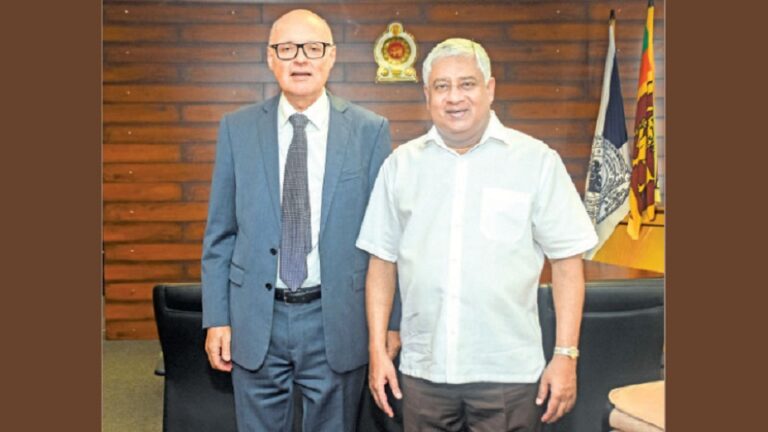
A meeting between the Swiss Ambassador to Sri Lanka Dominic Furgler and the Minister of Public Security Tiran Alles was held yesterday (15) at the Ministry of Public Security.
Swiss Ambassador Dominic Furgler has told the Minister of Public Security that he will provide the necessary technical assistance to improve the Sri Lanka Police and conduct training workshops for police officers.
Giving further comments, the Swiss Ambassador has also discussed the importance of protecting human rights and the importance of establishing the Truth Commission.
It was mentioned that the Minister of Public Security, Tiran Alles, emphasized that the truth commission should not be one-sided.