Home Blog Page 1922

No SJB member will submit themselves to the Rajapaksas (VIDEO)

0

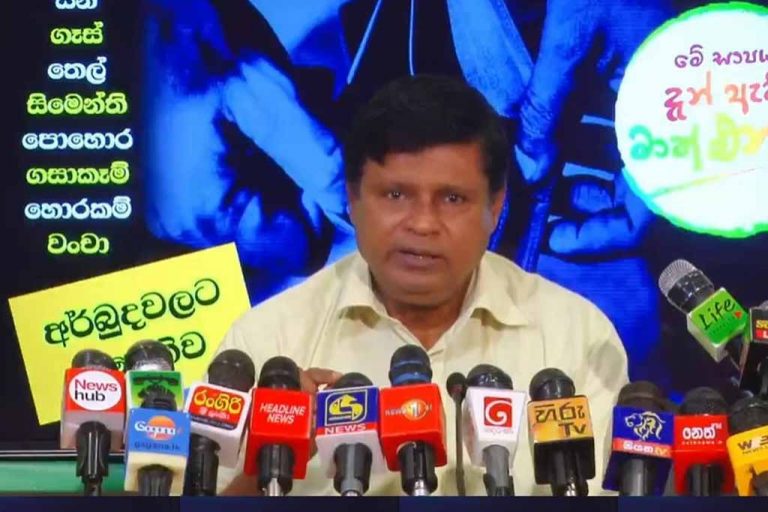
The country was thrown into a precipice by the Rajapaksa regime and no member of the Samagi Jana Balawegaya (SJB) would become the Rajapaksas’ trash trucks, Leader of the Opposition Sajith Premadasa said, speaking to the electorate authority board meeting organised by Rakwana SJB organiser B.K. Ariyawansa yesterday (14).

Today, the whole country is suffering from an economic, social and political tragedy because of choosing the wrong path instead of the right one in the 2019 and 2020 elections, Premadasa pointed out.

He added that the latest magic happening in this bankrupt country is the all-party government and emphasised that the country does not need a group of individuals who chase after ministerial posts and powers.

Therefore, what should happen immediately is the holding of an election to reveal the public’s judgement, he added.

MIAP

Breakdown at Unit One of Norochcholai Power Plant!

0

A breakdown has reportedly occurred at the Unit One of the Norochcholai Coal Power Plant.

The technical staff is currently working to identify the fault, according to Energy Minister Kanchana Wijesekara.

The generator of the Unit Two of the Plant has currently been out for maintenance and only the Unit Three will continue to operate.

Nevertheless, until the collapse of the Unit One is repaired, the power supply will be managed using the Yugadanavi and other fuel plants, the Minister added.

MIAP

President instructs to strictly limit government spending

0

The President’s Secretary has issued a circular strictly limiting the government spending in a move to address the country’s economic situation, as instructed by President Ranil Wickremesinghe.

The circular has been forwarded to all ministerial secretaries.

The President’s circular also instructs all relevant bodies to comply with the circular previously issued by the General Treasury to limit government spending.

The President has expressly instructed that the hiring of new buildings for government offices or entering into new rental or lease agreements be suspended until further notice and that the approval of the Treasury must be obtained prior to extending agreements related to vehicle acquisitions for government purposes.

The President has also instructed that the use of paper be minimised as much as possible and instead electronic communication methods be used.

MIAP

UNDP supports SL social protection for the vulnerable communities

0

The United Nations Development Program (UNDP) has stepped into support the Government of Sri Lanka to enhance social protection measures for the vulnerable communities and ensure sustainable recovery from the current challenges

Considering the impacts of the prevailing economic crisis, in addition to the regular welfare programmes, the Government is in the process of providing additional relief for the most vulnerable groups of the society, a finance ministry report revealed. .

The assistance of the World Bank and the Asian Development Bank has been mobilised through this repurpose project funds for emergency spending on social protection needs by these two institutions

The Government will be continuing to provide a cash allowance of Rs. 5,000 with an additional top up payment for the “Samurdhi” beneficiaries and other categorical recipients such as elders, disabled persons, and kidney patients, whilst including wait-listed people of those beneficiary categories for the months with effect from May to October 2022.

Sri Lanka’s Foreign Minister Ali Sabry had met a visiting United Nations Development Program director and discussed ways to help vulnerable communities in the island, a statement said after the collapse of a currency peg following two years of money printing putting food out of reach for poor people.

“The Foreign Minister and the Deputy Regional Director also discussed ways to enhance cooperation between the UNDP and the Government of Sri Lanka to support social protection measures for the vulnerable communities and ensure sustainable recovery from the current challenges,” a statement from the ministry said.

Sri Lanka has expressed its willingness to work with UNDP and continue its cooperation.

“Deputy Regional Director Bahuet affirmed the continued support and cooperation of the UNDP to Sri Lanka, particularly in the priority areas identified and recovery measures being taken by the Government to overcome the current challenges,” the statement said.

The Finance Ministry is in the process of devising transparent criteria to identify recipients of welfare support to ensure that this assistence is received by the most deserving households.

The improved targeting will enable higher allocations to recipients and will be in the form of cash transfers directly to the bank account of the recipient. This scheme is expected to be implemented in the coming months.

The Government has incurred Rs. 191.2 billion on household subsidies including “Samurdhi“ payments, elder’s allowance, assistance to differently-abled soldiers, food package for pregnant mothers, fertilizer subsidy and school uniforms and text books in the first four months of 2022.

Expenditure on the Samurdhi cash grants provided to low-income families has increased to Rs. 20,679 million for the first four months of 2022 from Rs. 17,27 billion in the same period of 2021 owing to the government .decision to increase the “Samurdhi” allowance by Rs. 1,000 per month.

The Government expenditure on health and nutrition programmes including the medical supplies for the government hospitals has declined by 2.4 percent to Rs. 19.65 billion in the first four months of 2022, compared to Rs. 20.14 billion in the same period of 2021.

The cost of welfare programmes on education such as free textbooks, uniforms and shoes for students of schools in difficult areas in the first four months of 2022 was Rs. 2.59 billion.

Harsha reveals 10 step-plan to recover economy

0

Samagi Jana Balawegaya (SJB) MP Dr. Harsha De Silva has revealed a programme to recover the country’s economy in the short and medium terms, titled “Getting Out of the Debt Trap and Inclusive Sustainable Development Plan.”

The programme, consisting of minimum 10 steps, has also been tabled in Parliament on August 13.

The MP noted that he has philosophically believed in a highly competitive social market economy blended by the combination of economic liberalism that affirms individual freedom and independence and political freedom that affirms fairness and justice.

Click Here to read the full document.

MIAP

SL poultry industry urges Govt to stop egg imports to tackle shortage

0

The Sri Lankan poultry industry expects a 20% drop in production this year as high feed costs hit farms. Ussec Sri Lankan Consultant Athula Mahagamage said the layer industry is feeling the most impact, with many farms shutting.

The chicken meat production has collapsed 30 percent and egg output 40 percent as a currency collapse pushed up costs feed imports were blocked by foreign exchange shortages, an industry official said.

Prices of chicken and eggs have risen in Sri Lanka due to a surplus demand in the market and further price hikes are expected due to a shortage in animal feed, the All Island Poultry Industry Association said.

Ajith Gunasekera, the associationpresident said that the price of an egg has increased to around 62-70 rupees and the price of a one kilogram of frozen chicken has increased to around 1,700 rupees

Gunasekara attributed the price hike to a dearth of animal feed that has made it difficult for the poultry industry to maintain animal stocks in farms, mainly in the SME sector.

“Small and medium farmers are leaving the business due to feed shortages and because big poultry companies are stopping buy back schemes,” he said .

Broiler meat output has fallen 30 percent to 12,000 metric tonnes a month from 18,000 metric and prices have shot up, he said.

As Sri Lanka needs 40 million US dollars a month to import animal products, the country should focus on local production of substitutes to minimise the cost and secure a continuous supply, the All Island Poultry Association said.

Association President Ajith Gunasekera said that with egg and chicken suppliers leaving the market due to lack of animal feed, Sri Lanka is facing issues in supplying eggs and chicken to the local market and the tourism sector which is expected to boom from the third quarter of 2022.

Before the contraction, the poultry industry was able to produce 216,000 MT of chicken and 26.5 billion MT of eggs a year.

However, with the fertilizer ban in 2021 resulting in a drop in crops, the production of maize, an essential raw material for animal feed, dropped.

With the forex issue emerging in March 2022 followed by the Central Bank of Sri Lanka (CBSL) floating the rupee, Sri Lanka put heavy restrictions on imports, resulting in the industry being unable to import animal feed, supplements and medicine.

As a result, local production dropped significantly, resulting in a rapid increase in prices due to high demand.

Gunesekara said the industry is concerned about meeting a possible rise in demand in the coming weeks with more restaurants and hotels mainly in urban areas restarting their business with the anticipated increase in tourist arrivals.

Private buses to operate from today for schoolers

0

About 90 per cent of the private buses will operate island wide from today (15), revealed President of the Ceylon Private Bus Owners Association Gemunu Wijeratne speaking to media yesterday (14).

“Arrangements in particular have been made to start schools from Monday on all five days of the week. We are planning to run 100 per cent buses on Monday, at least 90 per cent. Also, school buses have been deployed in the Western Province. We are working to start the school bus service in other areas at the time of starting and ending of schools under regular fares on the routes. So, we think that we have the capacity to restore the private bus service and public passenger service from Monday,” he said.

MIAP

Daily power cuts reveal slight increase

0

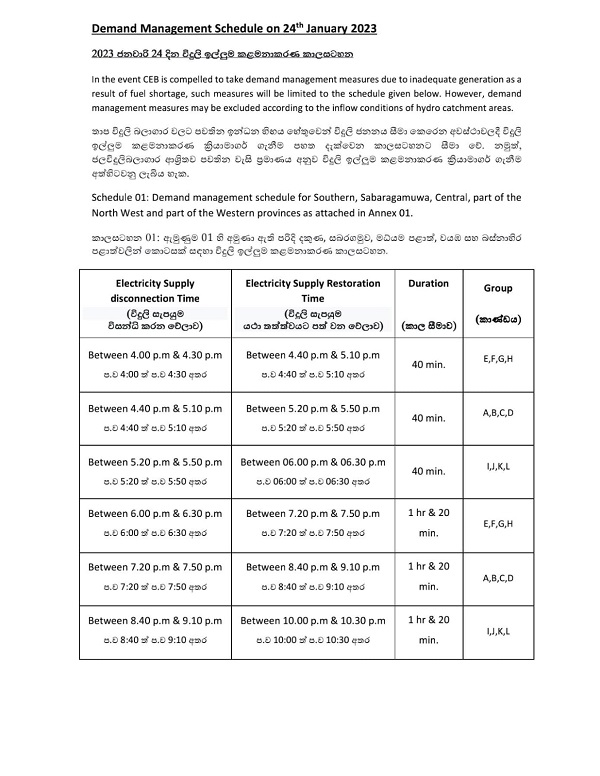
A power cut of one hour and twenty minutes will occur today (15) and tomorrow (16) revealed the Public Utilities Commission of Sri Lanka (PUCSL).

Accordingly, the daily power cut of one hour has been extended up to twenty more minutes.

MIAP

Govt. issues stringent guidelines to curtail public-sector expenditure

0

Public sector officials have been advised to strictly adhere to a Treasury circular on limiting government expenses, and warned that those failing to follow the directive would be personally held liable.

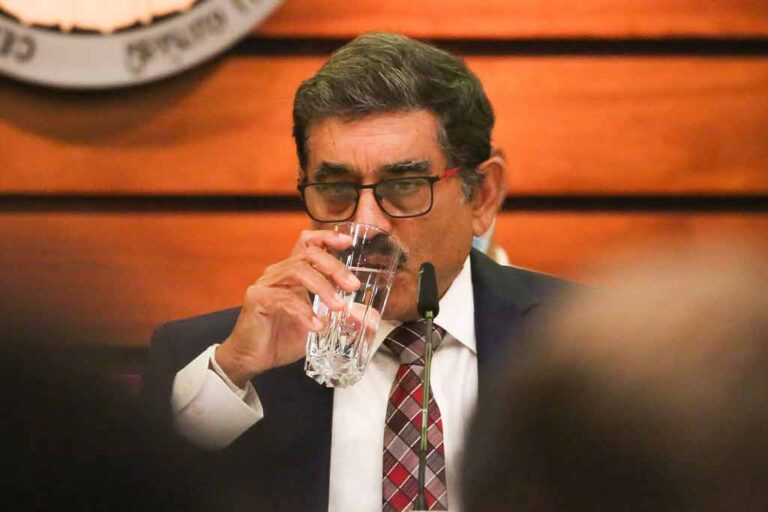
On the instructions of President Ranil Wickremesinghe, the directive has gone out from Presidential Secretary Saman Ekanayake to ministry secretaries, department heads, provincial chief secretaries, heads of corporations, statutory boards and state-owned enterprises.

They have been told to curtail state expenses due to the current economic challenges the government faces.

It has been revealed that the directive comes in the wake of two provincial administrations planning to recruit 600 persons for new jobs, despite the directive to stop recruitment.

The circular on specific guidelines has been issued by Treasury Secretary K.M. Mahinda Siriwardana. The circular said the guidelines were issued in view of the “serious issues in the government fiscal operations and insufficient foreign exchange to finance essential imports and meet foreign debt service obligations.”

Accordingly, strictly control has been placed on the usage of utility services including fuel, electricity, water and communication facilities.

Entering into new rent or lease agreements with regard to new buildings is suspended until further notice while existing agreements can be extended based on a proper need assessment and a cost-benefit analysis with the approval of the board of directors of the respective institutions.

Prior approval from the General Treasury is a must before extending a lease or replacing existing agreements for vehicles while entering into fresh agreements to lease vehicles is suspended, the circular added.

The circular stressed that recruitment should be suspended immediately, and if there is recruitment necessary to maintain business continuity, it must have the approval of the Director General of the Department of Public Enterprises or the Director General of the Department of National Budget, but there should be no new allowances paid to employees, and the board should ensure that existing allowance schemes are not increased either.

All institutions are instructed to shift to electronic communication platforms and reduce paper usage as much as possible.

In addition, state-owned enterprises (SOEs) are directed to avoid expenditure-related ceremonials and to suspend all sponsorships, donations, Corporate Social Responsibility (CSR) expenses, and non-business-related promotional expenditures. Any such expenditure which is essential in nature can only be met with the approval of the relevant minister and concurrence of the Minister of Finance, the circular said.

Although foreign-funded training programmes are not restricted, domestic funds could not be used for foreign travel or training programmes, the circular said.

The government also encouraged SOEs to use underutilised or unused lands for agricultural purposes with in-house labour and inputs to ensure sustainable food security in the country by coming up with innovative approaches to producing value-added products focusing on alternative arrangements to imports.

A high-level Management Committee consisting of a Chief Executive Officer, Head of Finance, Head of Operations and Head of Human Resources is to be established in every institution to introduce effective controls over expenditure and monitoring purposes.

The committee is to report its recommendations to the board of directors at the end of each month and key initiatives accepted by the board based on those recommendations should be communicated to the secretary to the line ministry and the General Treasury on or before the tenth of the succeeding month through emails.

Taisei seeks halt to BIA expansion contract

0

Japanese engineering group Taisei will enter negotiations on a possible stoppage of an airport expansion in Sri Lanka after funding for the project was cut off, another sign of the country’s deepening economic crisis.

Taisei in 2020 won a 62 billion yen ($ 464 million at current rates) contract to build a new multilevel terminal and viaduct at Bandaranaike International Airport near Colombo, Sri Lanka’s largest city. It had expected to complete construction around 2023.

But the Japan International Cooperation Agency recently suspended over 70 billion yen of lending to Airport and Aviation Services (Sri Lanka), the State airport operator, which would have paid for the project.

Taisei will start talks with Airport and Aviation Services to suspend the project, and could request a release from its contract as early as the fall if the funding situation and other factors do not improve.

Sri Lanka’s tourism industry was ravaged by the coronavirus pandemic, which in turn squeezed its foreign-exchange reserves. Combined with years of current-account deficits, the Sri Lankan Finance Ministry in April announced that it would stop foreign debt repayments until it can chart a path out of the crisis.

A Sri Lankan Cabinet Member had recently announced a halt in multiple JICA-funded projects, local media reported.

Former President Gotabaya Rajapaksa, whose family has been a dominant political dynasty in Sri Lanka for decades, fled the country in July amid protests over inflation and other economic difficulties. New President Ranil Wickremesinghe aims to restart bailout talks with the International Monetary Fund and seek aid from other international partners.

The Sri Lankan airport project is believed to account for tens of billions of yen of Taisei’s 221.5 billion yen nonconsolidated overseas balance carried forward, a measure of the scale of outstanding projects, as of the end of March.

“We decline to comment on the progress of individual projects,” a Taisei spokesperson told Nikkei.

A JICA spokesperson said the agency “cannot provide information regarding our borrowers”.

There were 180 Japanese companies operating in Sri Lanka as of July, according to research company Teikoku Databank. Although the impact from Sri Lanka’s crisis has been limited so far “protracted uncertainties in the business environment caused by political instability could affect companies’ strategies,” Teikoku said in a report.