Amid a looming current fiscal crisis linked to cost of living crunch in the country’s vulnerable people wonder how much longer they can cope, as the Government battles the nation’s worst economic down turn since independence in 1948.
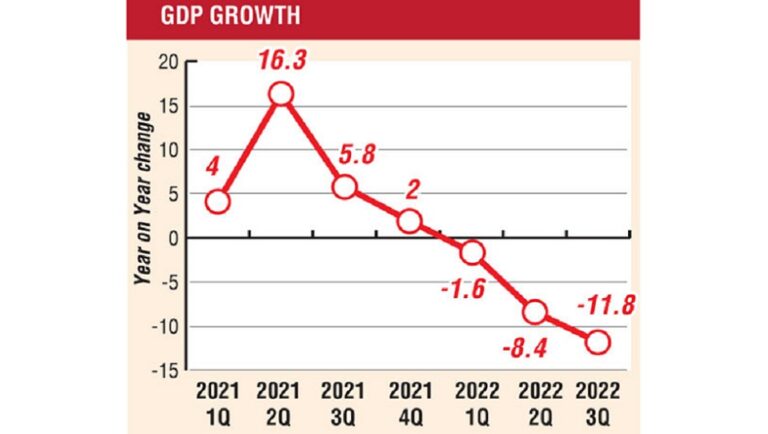
The downward spiral in the third quarter worsened with a contraction of 11.8% on the back of 8.4% negative growth in the preceding three months.
The overall Agriculture activities shrank by 8.4%, Industry by 21.2% and Services by 2.6%. In the 3Q of last year, the economy grew by 4.4% from a lower base of COVID-hit 2020.
The Department of Census and Statistics (DCS) said yesterday that the three major economic activities of the economy; ‘Agriculture’, ‘Industry’ and ‘Services’ contributed their share to the GDP at current prices by 8.7%, 34.5% and 54.1% respectively, while ‘Taxes less subsidies on products’ component has contributed 2.7% of share to the GDP in the third quarter of 2022.
Though the influence of the COVID-19 pandemic was comparatively low in the third quarter, DCS said several other factors highly affected the functioning of the economy of the country.
Factors such as high inflation, the energy crisis that prevailed during the early stages of this quarter, high-interest rates, and shortage of inputs required for manufacturing activities, high prices of inputs, shortage of cement, high prices of construction materials were among the repercussions exerted hardships for the people.
Other reasons were the issues with fertilizer usage and agrochemical sectors, increase of the transport cost, difficulties in distributing goods, decrease in the demand of essential and non-essential goods and services due to the reduction of the real income of the people
Due to the above effects, the major economic activities such as construction, mining and quarrying, manufacturing activities, financial services, insurance, reinsurance and pension funding, animal production, growing of rice, growing of cereals, growing of vegetables, and marine fishing and marine aquaculture have recorded huge drawbacks of production during this quarter when compared to the same period of the previous year.
The GDP at the current price in 3Q has increased up to Rs. 6.4 trillion from Rs. 4.4 trillion a year ago registering a 45.2% of positive change. This expansion of the GDP at current prices clearly indicates the influence of the high inflation that prevailed throughout this quarter.
Economic downturn worsens in 3Q 2022 hitting the people down the belt
France keeps all loans to SL on standby till the out come of debt restructuring talks
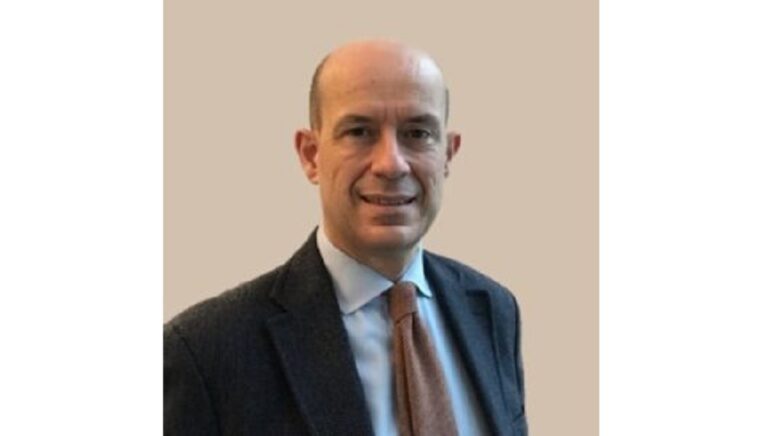
France, which is part of the Paris Club, is in talks with Sri Lanka’s creditors in an attempt to ensure a solution is reached for the financial crisis sooner than later in the wake of the third round of debt restructuring discussions with creditors.
The newly appointed French Ambassador to Sri Lanka, Jean-François Pactet, said that an immediate solution will be in the best interest of everyone, including Sri Lanka.
Pactet said that loans from France to Sri Lanka were placed on standby owing to Sri Lanka defaulting on its foreign debt.
Sri Lanka held the third meeting with its bilateral creditors on debt restructuring, State Finance Minister said, as the island nation’s $2.9 billion International Monetary Fund (IMF) loan has been delayed amid agreement among its creditors are yet to be seen.
Sri Lanka could not hold the third meeting with bilateral lenders scheduled for November 17 citing the creditors need some clarification before the next meeting.
The creditors include geopolitical rivals China and India. No country has so far fully agreed with any of the debt restructuring system, government sources have said.
“State Finance Minister Shehan Semasinghe said in a twitter message that they appreciate the progressive and constructive engagements. Further wish to reiterate that we will maintain an equal, comparable and transparent debt treatment policy.”
Government sources have said Sri Lanka is now eyeing January deadline for the IMF board approval to secure US $2.9 billion loan.
They say lack of consensus among Sri Lanka’s creditors over debt restructuring and some pending reforms in loss-making state owned enterprises (SOEs) have resulted in the delay.
Sri Lanka held its first meeting with bilateral creditors on October 14 and the second on November 03, though no consensus has been reached. President Ranil Wickremesinghe’s administration has said that it has been negotiating India and China for debt restructuring separately.
France, which is part of the Paris Club, is in talks with Sri Lanka’s creditors in an attempt to ensure a solution is reached for the financial crisis sooner than later.
The newly appointed French Ambassador to Sri Lanka, Jean-François Pactet, said that an immediate solution will be in the best interest of everyone, including Sri Lanka.
Pactet said that loans from France to Sri Lanka were placed on standby owing to Sri Lanka defaulting on its foreign debt.
Thilini Priyamali released on bail!
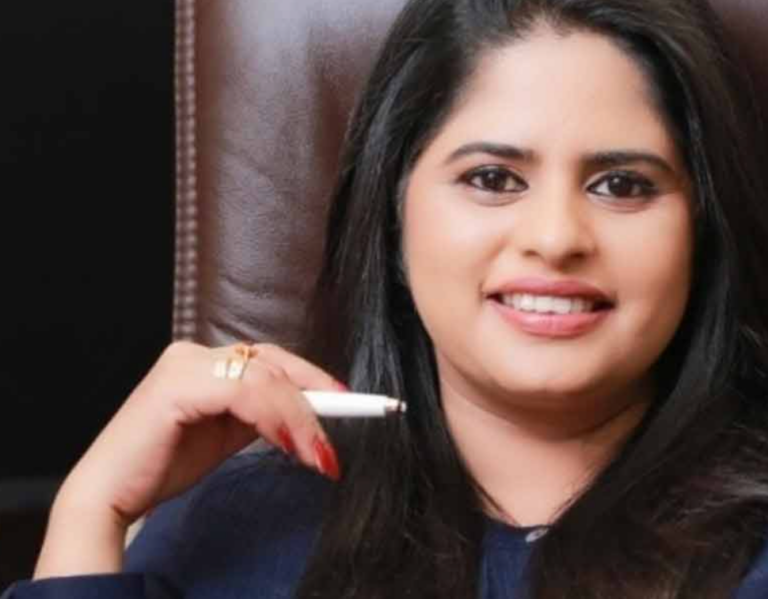
The Fort Magistrate’s Court today (16) ordered that Tilini Priyamali, who has been arrested and remanded in custody for large-scale financial fraud, be released on bail.
Accordingly, Fort Magistrate Thilina Gamage ordered that she be released on a cash bail of fifty thousand rupees and another bail of one million rupees.
It was also ordered to submit the residence certificates and asset certificates of the relevant guarantors and it was also ordered to ban her foreign travel.
The magistrate also ordered her to appear before the Criminal Investigation Department on the last Sunday of every month and was strongly warned to pay the money related to the valuable cheques.
Thilini Priyamali was previously tried in 8 cases related to her financial frauds in various courts of the island and she was previously granted bail for all those cases.
The Speaker endorses the certificate on the Value Added Tax (Amendment) Bill
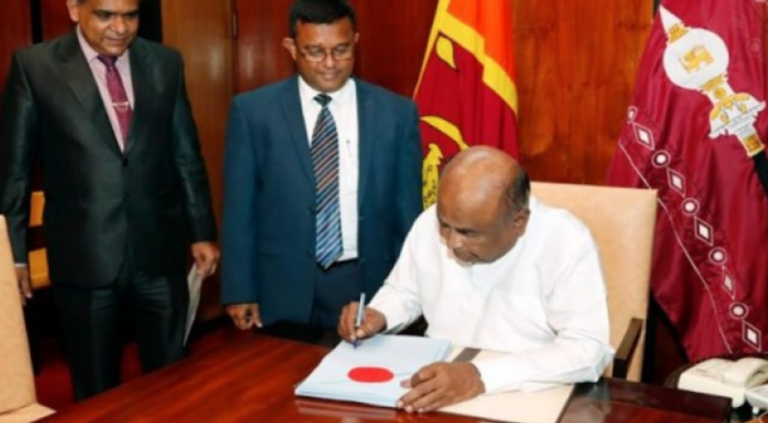
Hon. Mahinda Yapa Abeywardana, Speaker of Parliament endorsed the certificate on the Value Added Tax (Amendment) Bill, December (14).
The Value Added Tax (Amendment) Bill was passed in Parliament with a majority of votes, with amendments recently (09). The Second Reading for the Bill was thus passed in Parliament with a majority of 82 votes cast in favor of the Bill and 41 cast against. Accordingly, the Value Added Tax (Amendment) Bill is in effect as the Value Added Tax (Amendment) Act No. 44 of 2022 from the 14 th of December onwards.
SRI LANKA ORIGINAL NARRATIVE SUMMARY: 16/12
- Census and Statistics Dept says GDP for 3rd quarter of 2022 contracted by 11.8%; 2nd quarter contraction was 8.4%: Agriculture -8.7%, Industry -21.2%, Services -2.6%: the industry sector decline was higher than even during the COVID lockdown period, and the highest ever in history.
- CEB Engineers’ Union Chairman Nihal Weeraratne warns of extended power cuts of around 7 hours a day from March without coal to keep the Norochcholai Power Station’s operating: coal unable to be secured due to Forex shortage even after external debts of USD 3.9 bn due from April to December 2022 has not been settled since the default announcement on 12th April 2022.
- State Finance Minister Shehan Semasinghe expresses thanks to bi-lateral creditors for “participating” at the 3rd meeting of officials on debt treatment process: appreciate “progressive and constructive engagements”: talks now on-going for over 9 months without any finality.
- Deputy Chief of the Chinese Embassy, Hu Wei visits Eastern Province: assures China’s continued assistance to people of all communities to overcome current challenges: follows up distribution of China’s recent donations of 10.6 mn litres diesel, 9,000 MT of rice and 100 sets of solar street-lights.
- COPE Chairman MP Professor Ranjith Bandara says the SLPP will contest future elections together with 15 other parties and the UNP through a broad coalition.
- French Ambassador Jean-Francois Pactet says Euro 400 mn worth French funded projects covering water supply, sewerage & sanitation and waste management, etc. have been put on hold as a result of Sri Lanka’s debt default in April 2022: also says France is Sri Lanka’s 4th largest bilateral “aid donor”: however analysts point out France is not a “donor”, but a “lender”.
- Dinesh Schaffter (52), a Director of a top corporate Group, found tied inside a car with critical injuries at the General Cemetery, Borella: admitted to Colombo National Hospital: passes away while being treated.
- Private plaint filed by NGO activist Keerthi Tennekoon against former CB Governor Ajith Nivard Cabraal postponed till 17th January by Colombo Additional Magistrate Harshana Kekunawela: Complainant’s Counsel fail to file written objections to the preliminary objections raised by Cabraal’s Counsel and ask for further time: Cabraal’s overseas travel ban not extended.
- All-Ceylon General Port Employee Union General Secretary Niroshan Gorakanage says 34 Port Unions will resort to strike action if the Govt tries to sell the Eastern Terminal of the Colombo Port: warns 90,000 workers in Sri Lankan ports will come together to protect this national asset.
- Dunith Wellalage of St. Joseph’s College, Colombo and Vishmi Gunaratne of Ratnavali Balika MV, Gampaha crowned “The 44th Observer SLT-Mobitel School-boy and School-girl Cricketer of the Year 2022” respectively: receive their awards from former Sri Lanka captain and iconic Cricketer Aravinda de Silva.
SET UP CONSTITUTIONAL COUNCIL TO REFLECT COUNTRY’S PLURAL CHARACTER
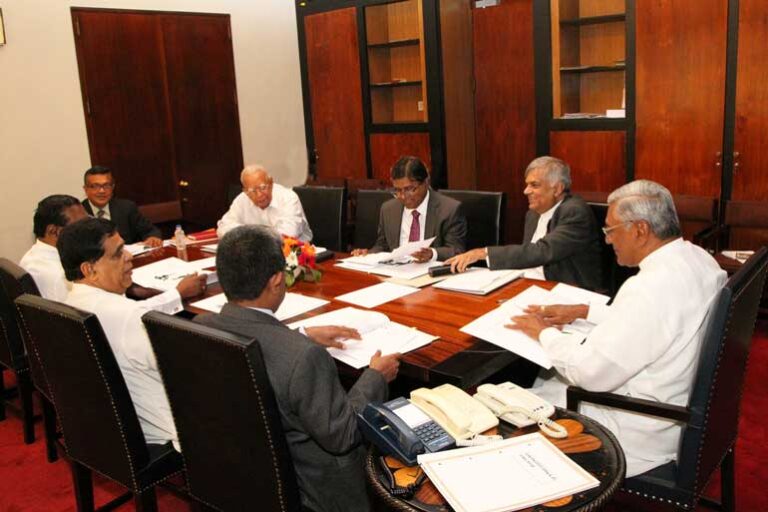
The restoration of the Constitutional Council has been the most positive feature of the 21st Amendment to the constitution which repealed the 20thAmendment that over-concentrated power in the executive presidency. The constitutional council is meant to be a politically bipartisan institution that has members of the government and opposition together with politically non-partisan members of civil society. The positive expectation is that the constitutional council will contribute to the strengthening of the state and its agencies to act in the best interests of the country.
However, the manner of appointment of the three members who will represent civil society is a cause for concern. The procedure that the government has advertised is to call for personal applications from those who are interested in applying to be members of the constitutional council. Persons of eminence and integrity who have distinguished themselves in public or professional life and who are not members of any political party as indicated in the guidelines for appointment may not wish to submit their applications. The National Peace Council believes that this procedure needs to be supplemented by a process of nominations. Civil society organisations should be given the opportunity to nominate their choice of members of civil society to be considered for appointment to the constitutional council.
In the context of Sri Lanka’s plural society we believe that the selection of the civil society representatives on the constitutional council should be based on the principle of inclusiveness. The decisions of state authorities need to be sensitive to the diversity and pluralism in Sri Lankan society, the focus of which is ethnicity and religion, but which also includes caste, gender, physical disability, occupation and regions among others. The most urgent need today is unity among both the political leadership and unity among the people so that the entire country can act as one force to overcome the economic and developmental crisis it is presently trapped in. We call for the constitutional council to be selected soon so that the task of statebuilding and nationbuilding may take place without delay.
Governing Council
The National Peace Council is an independent and non partisan organization that works towards a negotiated political solution to the ethnic conflict in Sri Lanka. It has a vision of a peaceful and prosperous Sri Lanka in which the freedom, human rights and democratic rights of all the communities are respected. The policy of the National Peace Council is determined by its Governing Council of 20 members who are drawn from diverse walks of life and belong to all the main ethnic and religious communities in the country.
All political parties should come to a common agreement to provide a solution to the ethnic problem – President
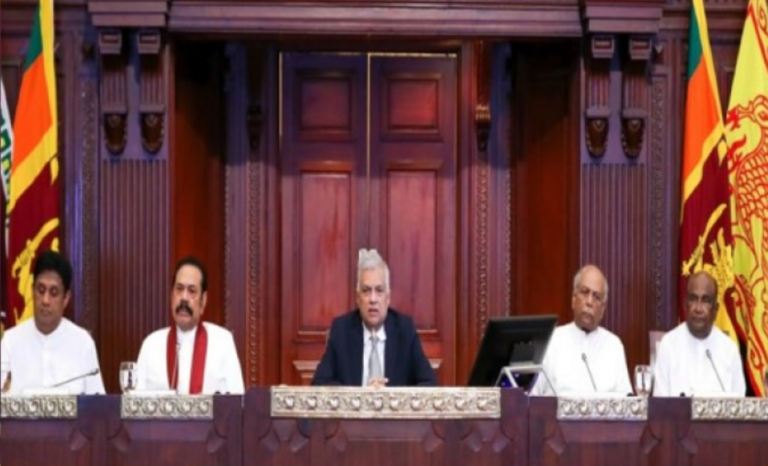
President Ranil Wickremesinghe emphasized that all political parties should come to a common agreement to provide a solution to the ethnic problem by the upcoming 75th Independence Celebration.
President Ranil Wickremesinghe revealed this while attending the All-Party Conference held at the Presidential Secretariat December (13) afternoon.
The President convened this conference with the aim of finding a solution to the ethnic problem through national reconciliation.
Below are the views expressed by President Ranil Wickremesinghe as well as the other representatives of political parties who participated in the All-Party Conference:
The President addressing the all-party conference, said, “We must all come together to solve the problem in this country. Whether it is called an ethnic problem or something else is not important. We want to provide solutions to these problems. All the political parties came together to find a solution for this and reach an agreement in the parliament. Today this party leaders’ meeting was called for that purpose.
The northern parliamentarians have raised the national issue of the country today. This question can be discussed in two parts. The first is the process of compensation for the missing and investigations. There are many problems that need to be solved regarding the Prevention of Terrorism Act, as well as land. The second is the arrangement required to do legal work related to power devolution.
In this regard, the Minister of Foreign Affairs and the Minister of Justice are jointly implementing a special program. Accordingly, we hope to provide a report on the missing persons and political prisoners. After that, we can talk about devolution.
The report of the committee headed by Supreme Court Justice Nawaz will be printed in a week. The report includes a number of proposals. We are also considering the suggestions of the previous reports.”
Foreign Minister Ali Sabri:
“The discussions at the Human Rights Commission held in Geneva and the international discussions about Sri Lanka are mainly carried out under two factors.
We have taken into consideration the reports of the Lessons Learned Commission, the Udulagama Commission and the Paranagama Commission. All those reports indicated that solutions could be provided for the incidents that happened in the country, but these solutions could not be provided under the mechanism of a foreign country. Accordingly, we had promised to provide solutions for this under a local mechanism, but it has not been implemented.
According to the President, former President Gotabaya Rajapaksa appointed the Nawaz Commission. What was done by that commission was to prepare the necessary program to provide solutions for this by incorporating the suggestions of the previous commissions. Accordingly, we have a responsibility to implement this mechanism.
Even the security forces have expressed their interest in implementing this mechanism. The security forces say that some units have been branded differently. A situation has arisen where some divisions cannot even go to UN operations. They expect to prove their innocence, and if something suspicious has happened, they expect the law to be enforced.
However, we have not been able to follow such a procedure until now. We think that these can be solved through a local mechanism. You can get solutions for this through the truth commission. We have discussed this with South Africa as well.
It is very good for the North and South to solve this problem. We present a cabinet paper for this. A former ambassador has been appointed as the director general of this committee. This is expected to bring many good proposals by uniting all the Sinhala, Tamil and Muslims living abroad. We hope to provide facilities for that as the government.”
Minister of Justice Wijayadasa Rajapakshe
“The Ministry of Justice is entrusted with the task of reconciliation in Sri Lanka. Even now, the Office of the Missing Persons is maintained under the Ministry of Justice. We hope to complete all the files here by December 31 of next year. An amount of Rs.100,000 was offered for each missing person as compensation. We are currently considering the property compensation.
There were nearly 11,000 people who lost their birth certificates and identity cards due to the war in the north. We worked to reorganize them. A number of mediation programs in the Northern Province were conducted under the Ministry of Justice. We believe that when these issues are resolved, Sri Lankans abroad will be encouraged to invest in Sri Lanka. The truth-seeking commission is currently underway. The South African government is supporting us in this regard.
President Ranil Wickremesinghe:
“Several issues have been raised about the land in the North. The advisor, the secretary of the Ministry of Lands, and the Chief of Defence Staff, together with the representatives of the people in those areas hope to find a solutions to these issues. Currently, there has been progress made. As the discussions progress, ideas can be obtained. That is why this conference was called to seek the views of all the parties. I suggest that we agree on a solution to this issue.”
MP C.V. Vigneswaran:
Looking at this problem from the Tamil people’s perspective, we have three issues. The lands, the missing persons and the presence of so many troops in these areas. People have problems regarding the acquisition of land to various departments. It should be looked into. That is the first thing that needs to be done. This is the first thing and the most immediate thing that needs to be done, as far as our people are concerned.
Then secondly, there are legal provisions, which give us certain rights as it is, especially the Provincial Councils. Not having elections with regard to provincial councils in relation to other provinces, is not going to help consequences in those areas, except for the perks the office-bearers will be wanting to have for themselves. But, as far as we are concerned, we need to have the Provincial Councils looking after our interests is very great. The North and East Provincial Council elections should be held as quickly as possible. Already, lots of lands are being taken over and it’s all being done quite against the law actually and there are various cases pending. So, we need to look into the question of land grabbing and all that. Therefore, we need to be clothed with the rights that we already have and those must be accommodated and those must be brought into effect.
So the first one was with regard to the ground situations or the problems, second one is with regard to the rights we already have which needs to be put into effect and the third one of course with regard to the Constitution. As rightly pointed out by Your Excellency, that part of it comes third but they have to be simultaneously attended to if we are to keep to the time limit that your excellency has given as 4th of February next year. But it is not impossible because we already have sufficient documents, sufficient commission reports that have gone into various matters and in fact there are various drafts which have been prepared. So we have to only sit down and work out a final outcome in order to see how do we could grant rights of those who have been affected by the constitution so far brought in this country.
Lastly let me point out, as far as northern and eastern Tamils are concerned, we have a history of over 3,000 years and we have a land of our own, we have the language, culture and even probably the land area is different from the rest of the country. We need to be given that right because it was only in 1833 the British has brought this country together administratively and thereafter it has been granted, during the time of independence on a platter, more or less, to the majority community. Today people of the northern and eastern provinces are under the boot of the army as well as the majority community in the northern and eastern provinces. All these have to be brought to an end and we need to have a constitution which gives us respect, equality, and the desire to go together as one country in the future.
MP Patali Champika Ranawaka:
In the matter of solving the ethnic problem, there is the ability to make decisions as the executive as well as to make decisions according to both parts of the constitution. The necessary solutions to provide a political solution are decided by the executive. But in matters related to environment and archeology, the relevant law should be applied.
MP Rauf Hakeem:
“Mr. President while welcoming your initiative to call this meeting, we feel that we could address this issue in a very simplified manner, initiatively at least by taking a resolve to implement the 13th amendment in full as an initial stage before affectivities to be done before the 75th independence. We can then work on other constitutional reforms through a structure that can be created by the all party conference and also to involve the civil society if it is possible. Already people like civil society activist Victor Ivan and others have met us with a structure to look at the issue involving some elements of the civil society as well. While saying that I will also just add briefly about the grievances of entire Tamil speaking population in the North and the East. The day to day livelihood issues have been impacted heavily by land grabs not by the army alone but through other departments of the state. Particularly, Wildlife, Forest, and also the Archeology Department. There are a variety of issues which simply doesn’t affect only the Muslim community but also the Sinhalese community and some other parts of the island as well. So particularly when you address the issues, these issues have to be brought up and coming back to some other issues pertaining to the Easter Sunday attacks. There have been attempts to confiscate some of the religious institutions and properties to the state. Local communities are letting it happen because of the presence of the Police. We appeal you to look at a way of resolving it with the local religious leaders in these areas we know that this aberration with the society has been taking place. All of us are willing to work with the state to resolve these issues. To hand back some of the lands, not just the properties owned by Saharan and his group, but there are other places of worship too that are confiscated. Please to look at those issues as well.”
President Ranil Wickremesinghe:
“If there are any places of worship under threat kindly let us know. I think today we looked at some of the Muslim Organizations and removed the ban on them.”
MP Douglas Devananda
“I strongly believe that I have the right to talk on behalf of the Tamil community because for more than 45 years I have been involved in that. So I have the right to talk. First, I agree with Hon. Sambanthan until May 87, after that I have a different opinion. Now discussing about reconciliation, I want to name it as National Reconciliation. That is my start when I entered in to the political mainstream. After the Indo- Sri Lanka agreement the Tamil community got enough opportunities. Unfortunately they have misused that. I have the right to talk about that. So we have to settle these issues with the 13th amendment. For the last 35 years we have been advocating to start with a political solution, with the 13th amendment. First we start the reconciliation with all communities then we will go further and my colleagues Hon. Siddarthan and MP Selvam Adaikalanathan, were involved from the very beginning of it. We have discussed with them and they also agreed with this view to start with the 13th amendment. We don’t go for a new constitution because if you want to go for a new constitution we need 2/3 majority and referendum. At this juncture, for this country it is impossible. First we start with the implementation of the 13th Amendment and through that we can settle all issues. Now Your Excellency has given another golden opportunity to the country and the people, so we have to use that. This is my strong view. Again I am insisting I have the right to talk about these issues.”
Member of Parliament Rishad Bathiudeen :
“With the war, our houses have been covered by the jungle. But now our lands have been declared as protected lands by the wildlife department. Mr. President, during the war which lasted for thirty years, there were no people in those areas. Hence, these areas were covered by the jungle. Therefore, I urge you to save our lands.”
President Ranil Wickremesinghe :
“The Ministry of Lands and the Ministry of Wildlife are working together to provide solutions to that problem. But there should be thirty two percent forests in Sri Lanka. Parts outside of that can be found and provided. As we celebrate the 75th Independence Day, we need to move forward as one nation.
The larger community has doubts that there might be another war again. Tamil MPs say they have abandoned the idea of war. That’s why we have to discuss with each other and resolve these issues from one platform.”
Parliamentarian Gevindu Kumaratunge :
“To solve this problem, the first thing is to be honest. The best example is that the right of law students to study law in their mother tongue is in the process of being revoked. Can we find solutions in such a situation?”
Parliamentarian Mano Ganeshan:
“We suggest that the local government elections should be held soon. Our view is that the powers vested on Provincial Councils should be implemented fully. The reconciliation should commence with the implementation of the 13th Amendment to the Constitution.”
President Ranil Wickremesinghe:
“Are you against solving the issues that we are discussing here before addressing the issue of the 13th Amendment? We agreed at the Parliament to find the solutions for these issues first. And let’s act accordingly.
In addition we hope to keep the Parliament informed of the transactions that we would do with the International Monetary Fund and the World Bank. We have to see if all agree with them. If there is an objection again there is an issue since the WB and the IMF are monitoring the developments here.
We hope to make you aware of the plan that they have presented to us after presenting it before the Parliament. In addition we hope to keep the Parliament informed of the current situation of the bank network as well as the debt restructuring.
In addition we have to inform the Parliament if we are capable of providing the solutions to those issues that we discuss at the All Party Conference. The All Party Conference has been called for this purpose.
We can hold a similar conference on economy as well and formulate a national policy on it. As Parliamentarian Patali Champika Ranawaka said that there are some matters that should be addressed with the powers vested on the Executive. Let’s talk on the 13th Amendment and devolution of power later. Let’s hold the next round of discussions in January next year. We can reach the decision if we would find a solution through the All Party Conference or not. Let’s discuss on the matters pertaining to the economy next February.”
MP Sumanthiran
“President may I clarify this, five parties discussed these issues after your initial invitation was extended to us in Parliament and we identified three areas
As you rightly said the immediate issues, we focused mainly on the land issues but certainly the prisoner release, the mechanism for the justice for the disappeared, are also crucial. I am glad that you invited both ministers to speak about that. So that needs to be done and that way, we can immediately start.
Without any major amendments the provisions in the constitution, other laws with regard to power sharing, must be implemented and Provincial Council election can be held. For that you don’t require any other process, only implementations. Now I want to clarify this that this can also start simultaneously. You don’t have to wait until land issues are resolved to start on the implementation of the law. Both can happen simultaneously
A new constitution or as former President Mahinda Rajapaksa has said 13+ can also start simultaneously.
If you start these three mechanisms today as we agreed, as the immediate issues, the implementation of laws and how we should proceed could be finalized. When you were the Prime Minister at the last Parliament we went long distance to the point of even presenting a draft constitution in January 2019. How do we finalize that? I believe all of these can happen before the deadline the President himself has set. We can’t pass the constitution obviously but we can agree on what that is. So if you have 3 parallel tracks by the 31st of January we can get to a point of saying yes we have arrived here, these things have been resolved, we have agreed to hold the elections, implement all the laws and have agreed to the final solutions. Only then the 75th anniversary would be what you envisage.”
President Ranil Wickremesinghe
I would like to point out that what I meant was we start with these three issues and either take up the 13th amendment today or if there is no time, when we meet up in January. Not to have sequence in it but in discussion we first take these immediate issues up, then go to the 13th amendment if we don’t have time today certainly January, as I said we can even see day after day and go through it. Useless putting it off one way or the other we come to an agreement or say we can’t come to an agreement on one of the two so I can report back to the Parliament when we meet after the provision.
MP Sumanthiran
What I am saying is before 31st January it is possible to do this.
Opposition Leader Sajith Premadasa:
“The discussion today is of great importance. I am happy that we have a time frame for this program. Such a program with an aim is of great benefit to the country. The Unity is important even for the economic development of a country. The people of different communities are living so equally in the country that we should not use differences such as cast and religion in politics. We have to remove such people from politics. Hence we can bring about reconciliation by way of removing such differences and we have to get rid of racism or else we would not be able to create a new world for the future. All should have a feeling that all communities are treated equally and we can solve all these issues by way of a home grown mechanism. As we have commenced this program we have to ensure that it continues. Hence we all have to unite to make this all party conference a success.”
Both the Government and Opposition side members appreciated President Ranil Wickremesinghe for calling an All Party Conference on Reconciliation.
NEWS.LK
Not enough is known about the science of pads and tampons

he female reproductive system has an entire branch of medicine, gynaecology, devoted to it. Yet all that effort has more or less neglected a quotidian matter that that really ought to be investigated properly. Or rather, not a quotidian matter, but a menstrual one. At any given time, about 300m of the world’s women are menstruating. Of these three-quarters will be using some sort of menstrual product—tampons, pads, pantyliners, cups, period underwear, discs and so on—to regulate their flow. An average woman who employs such devices will use around 15,000 of them during her life. Someone with abnormally heavy periods might need thousands more. And many women wear several products simultaneously, for extra protection.
Moreover, the skin of the vulva, the vagina’s external protection—which comes into direct contact with pads and pantyliners—is one of the body surface’s most sensitive parts. It is more permeable than the rest of the epidermis, and becomes still more absorbent when irritated. And the vaginal canal, where tampons sit, is lined by mucous membranes supplied by blood vessels that absorb chemicals into the bloodstream without metabolising them.
These would, it might be thought, be reasons for scientific investigation of the composition of menstrual products, and regimes of regulation capable of responding to the findings of such investigation. That is what happens with drugs and foodstuffs, two other classes of product routinely inserted into the body. But scientific investigations are patchy, and regulation is variable between jurisdictions. And, though the sheer numbers involved mean that a serious health hazard would probably have come to light by now, it is conversely true that even a small risk would affect a lot of people. In addition, both what science there is and women’s own experiences, now easily shareable over social media, suggest all may not be well.
Product moment
There have certainly been problems in the past. In 1980 hyper-absorbent tampons were linked in America to 55 cases, some fatal, of toxic-shock syndrome—a sudden fever-like condition caused by toxins released by bacteria as they multiply. That led to a tightening up of regulations in America, where tampons are now treated as medical devices (though, surprisingly, firms that make them are neither required to do so in a sterile environment nor to test samples from each batch). Other jurisdictions take a more relaxed view. In Japan, menstrual products are described as “quasi-drugs”. In the European Union they are uncategorised general products.
Official reports see menstrual products as safe. A study of 666 of them by the Ministry of Food and Drug Safety of South Korea, published in March 2017, picked up on potentially harmful compounds, but at levels within established safety margins. A report released in 2018 by France’s agency for food, environmental and occupational health and safety also ruled them safe. And one by the Swedish Chemicals Agency, published in the same year, concluded that there was “no reason for concern”.
In some parts of the world, though, women’s experience suggests all is not entirely well. In the same month that the South Korean government published its report, a campaign group called the Korean Women’s Environmental Network released testimony from over 3,000 women who had experienced symptoms including shorter periods, worsened cramps and considerably less bleeding while using certain pads. It also published the results of a scientific study which claimed that the country’s ten most popular menstrual pads collectively contained 200 chemicals of concern, including 22 known carcinogens.
In France, too, women have had worries. Among the safety agency’s findings were that 81% of respondents felt at least one kind of feminine-hygiene product (mainly tampons) involved a health risk.
In Kenya, meanwhile, a Twitter handle, #MyAlwaysExperience, became a rallying point, in 2019, for thousands of Kenyans who used it to share how their Always pads—a product so popular in Kenya that “Always” has become a generic word for pads—were causing itching, burning and rashes. Many Kenyans had put their incessant itching down to the hot climate and ignored it, but noted significant improvements after switching products.
In America, too, according to the country’s Food and Drug Administration, hundreds of women have complained about menstrual products over the past decade. With pads and pantyliners, they have reported rashes, cellulitis and chemical burns. Aside from toxic-shock syndrome, which is still happening, adverse effects from tampons have included infections caused by disintegrating tampons, sepsis, worsened cramps and heavier periods.
The two largest makers of period products say they give priority to safety. Procter & Gamble, makers of “Always” pads and also owners of Tampax, a popular brand of tampon, says it conducts more than 1,000 quality tests a year on its raw materials and that independent laboratories likewise run over 20,000 tests on its pads, tampons and their components. Kimberly-Clark, which makes Kotex pads, says: “Our feminine care products undergo thorough internal and independent safety evaluations by product safety and medical professionals that support our confidence in the quality and safety of our products.” Both firms deny adding chemicals that have been linked to problems.
Two matters of particular concern to those who worry about menstrual products are skin-sensitising and hormonal effects. Surprisingly, both the French and the Swedish studies ignored these. Skin sensitisation might be caused by fragrances and adhesives. And mdbgn, an antimicrobial preservative considered a dermatitis-causing allergen by the eu, and banned by them from many cosmetics, was detected on the sticky tabs of a pad’s surface in a study carried out in Australia in 2007. (Both p&g and Kimberly-Clark deny adding mdbgn to any of their products.)
Hormonal effects might be caused by so-called endocrine disrupters. These mimic oestrogen, a hormone essential to a host of functions including regulating the menstrual cycle. They also pose a theoretical risk to developing embryos. Though periods end when pregnancy starts, some women still wear light pads and liners for bleeding and other discharge when pregnant. Anna Pollack, a professor of public health at George Mason University, in Virginia, observes that endocrine disrupters, “have consistently been linked with changes in pregnancy outcomes, whether that’s lower birth weight or preterm birth”.
Bisphenols (used to make certain sorts of plastics), parabens (employed as antimicrobial preservatives) and phthalates (often added to plastics to soften them) are all groups of chemicals that include known endocrine disrupters. In 2020 Kurunthachalam Kannan, an environmental chemist at the New York University School of Medicine, tested 43 pads, tampons and pantyliners from a local shop and found three bisphenols, five parabens and five phthalates. There are hardly any studies on the risks of vaginal exposure to these molecules, but they were present at levels Dr Kannan considers “really high for a consumer product”. (He did not disclose which brands he tested.) p&g and Kimberly-Clark say that, though they do not intentionally add chemicals such as phthalates to menstrual products, these may be found in trace amounts.

Decades of use as plastic-softeners do now mean that phthalates are widespread in soil and water. It would thus be possible for them to appear unintentionally in menstrual products. And improved scientific instruments and tests can nowadays find ever smaller quantities of substances, which could explain the detection of some of these chemicals in Dr Kannan’s tests. But even trace amounts might affect someone’s hormonal balance.
Discovering the truth here is hard—not least because the relevant tests are difficult to perform. Toxicity tests, which can be carried out only on animals, generally look for extreme responses, such as cancers or death. Checking for symptoms like itchiness, disrupted cycles or worsened cramps would require specific human tests.
On top of all that, existing studies of chemical safety often rely on administration by mouth. These are a poor basis for estimating the impact of vaginal exposure, since substances ingested orally have first to pass through the destructive chemical furnace that is the gastrointestinal system before they are absorbed into the body. Similarly, drawing conclusions from skin exposure in areas like the forearm may be a flawed approach, because this skin is far less permeable than vulvar skin.
As Kabrena Rodda, a forensic toxicologist at the Pacific Northwest National Laboratory, in Washington state, observes, “We just don’t know very much about either the short or long term effects of chemicals from vaginal exposures.” But without official standards on what is a safe dose of chemicals to be exposed to routinely, vaginally, firms are left having to choose their own testing methods and thresholds.
One possible reason for problems may be that small, rogue manufacturers are producing substandard goods. Some complaints coming from America concern products from less-well-known companies, which could skip independent testing and exploit gaps in regulations.
Another could be inconsistent manufacturing practices between countries, brands and even batches. Some Kenyan women tweeting about their experiences noted that irritating symptoms went away when they used pads imported from America or Britain. p&g initially denied any differences between their products. It now says that “Our product composition may slightly vary from region to region, due to different material supply chains, different production sites, different consumer preferences and local legislation.” Tweeters on #MyAlwaysExperience also noted that locally produced “cotton-feel” pads seemed to have a rougher perforated top-sheet than imported versions.
Test of reason
The Swedish Institute for Standards, a think-tank, has proposed creating a worldwide standard for menstrual products. This would include guidance on limits for various chemicals in them, on acceptable testing methods, and on materials. This idea passed an initial vote at the International Organisation for Standardisation, a confederation of national standards bodies also known as the iso, this year. The iso hopes that, by taking cues from existing standards on products such as condoms and sex toys, it can establish guidelines which could reduce inconsistencies between brands, products and batches.
Some smaller firms are popularising replacement products which they claim are safer, though none is perfect. Period underwear, made out of moisture-wicking material such as polyester, is an environmentally conscious alternative to pads since, as long as clean running water is available, it can be washed and reused. Menstrual cups are small, flexible receptacles, also usually reusable, that supplant tampons by collecting a woman’s flow rather than absorbing it.
Other companies are trying to make existing products safer. For example Daye, a British firm, is voluntarily certified under iso 13485, a stringent standard for medical-device makers. It hopes thus to set a higher bar for the entire industry.
The onus now, though, is really on scientists, regulators and public-health agencies to fill the gaps in knowledge about period products. Safe thresholds for chemicals are useful only in the contexts in which they have been developed, so may be unsuitable, given the vagina’s unique permeability. Drawing up specific tests for vaginal exposure would be a labyrinthine task, but without it regulators are unlikely to find satisfactory answers. In absence of these data, women have little choice but to hope sanitary products are safe. ■
THE ECONOMIST
Correction of Recent News Articles relating to Sri Lanka Embassy in Oman
The attention of the Ministry is drawn to several news articles in the media related to an employee of the Sri Lanka Foreign Employment Bureau who was attached to the Sri Lanka Embassy in Oman.
It is noted that the articles grossly mislead the public by referring to the officer allegedly involved in the incident as an Omani official.
In view of the excellent close and cordial bilateral relations between Sri lanka and the Sultanate of Oman, the Ministry requests the media to correct their inaccurate references and correction to be published with equal degree of prominence.
Ministry of Foreign Affairs
Colombo
15 December, 2022
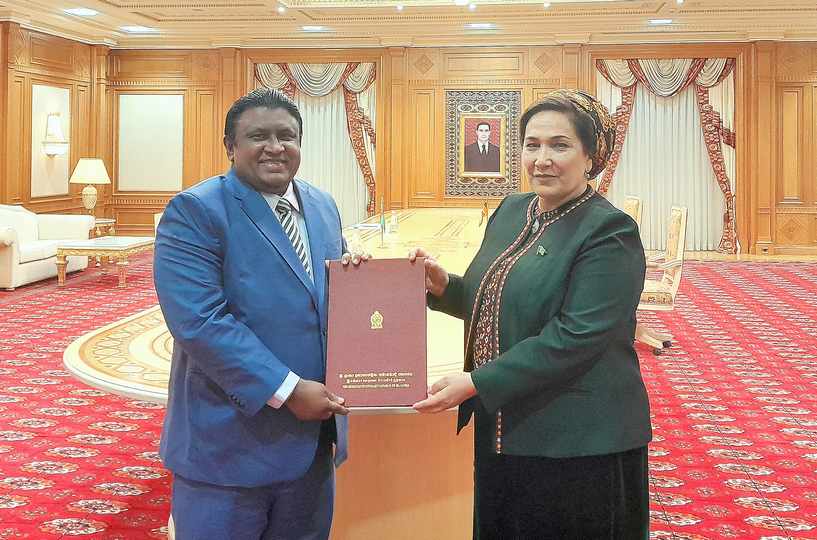
Ambassador Wishwanath Aponsu presents Letter of Credence to Chairperson of Mejlis of Turkmenistan Gülşat Mämmedowa
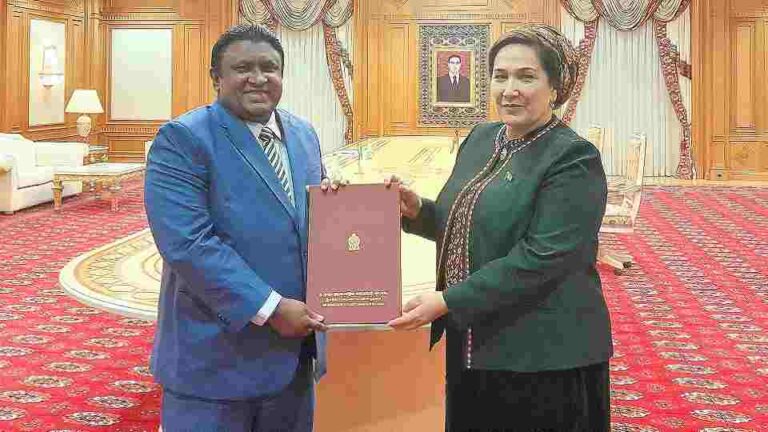
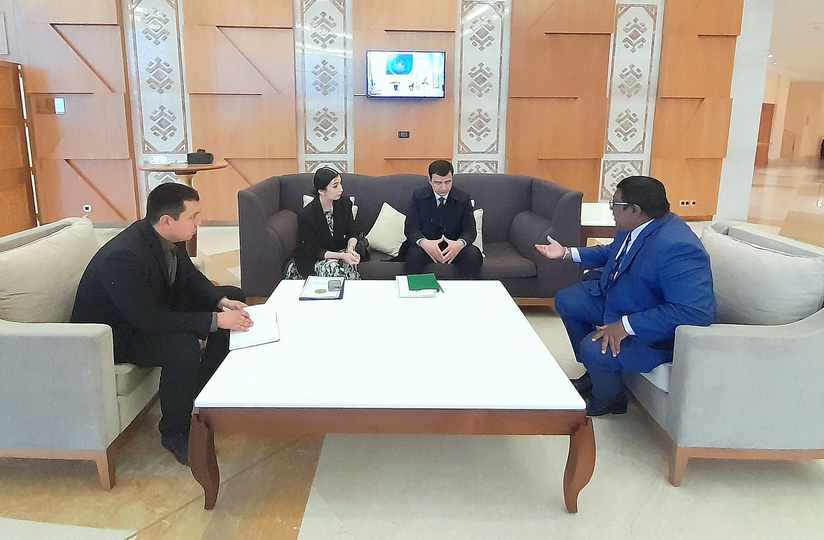
Ambassador G.M.V. Wishwanath Aponsu, presented his Letter of Credence to the Chairperson (Speaker) of Mejlis (Parliament) of Turkmenistan Gülşat Mämmedowa on 08 December 2022 at the Mejlis Complex in Ashgabat accrediting him as the Ambassador Extraordinary and Plenipotentiary of Sri Lanka to Turkmenistan.
Welcoming the Ambassador of Sri Lanka to the Republic of Turkmenistan, the Chairperson of Mejlis Gülşat Mämmedowa congratulated Ambassador Wishwanath Aponsu and expressed their confidence that he will continue to further fortify the relations between the two countries. While conveying greetings from President Ranil Wickremesinghe, Prime Minister Dinesh Gunawardena and the people of Sri Lanka to President Serdar Berdimuhamedow and the people of Turkmenistan, the Ambassador assured to make every effort to further strengthen bilateral relations specially in trade, investment, energy, tourism and legislature sectors.
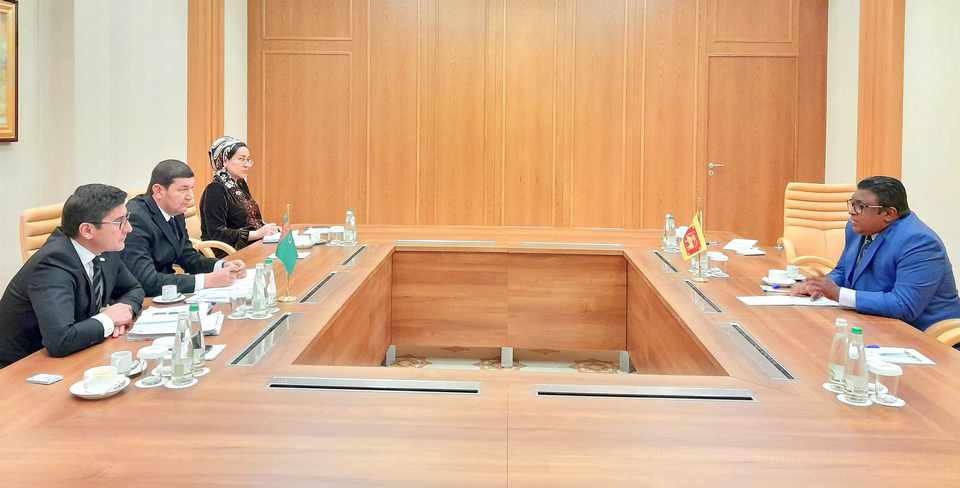
During the meeting with the Deputy Minister of Foreign Affairs of Turkmenistan Vepa Hajiyev at the Foreign Office of Turkmenistan, Ambassador Aponsu underlined the importance of convening bilateral political consultations, exchanging high-level visits, establishing inter-parliamentary interactions, strengthening the existing cooperation in the fields of agriculture, textile industries, education, culture & arts, tourism, environment and urban planning. The Deputy Foreign Minister assured to Ambassador Aponsu the support of the Government of Turkmenistan to strengthen the relations between the two countries. It was also proposed to make a high-level visit from Turkmenistan to Sri Lanka in the first Quarter of 2023.
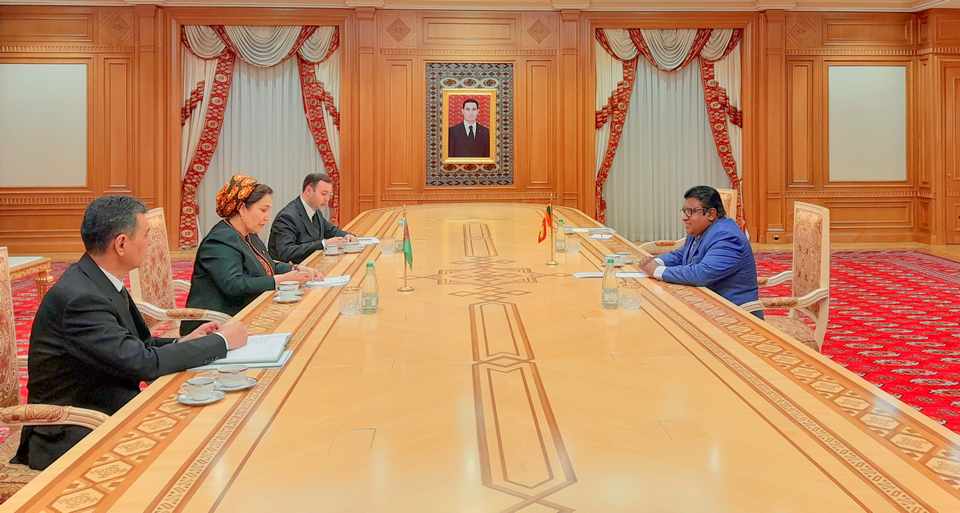
The Ambassador also met the Minister of Energy, Deputy Minister of Trade and Foreign Economic Relations and expressed the importance of expanding two-way trade and investment and strengthening cooperation in power, energy and chemical sectors between Sri Lanka and Turkmenistan. The Turkmenistan side agreed to consider the matters during a future high-level visit and discussed the possibility of holding a virtual meeting between the two business chambers in advance. Discussions were also held with the Head of the Union of Industrialists and Entrepreneurs of Turkmenistan with a view of expanding existing relations in the fields of industry, trade, investments, tourism and other related sectors of cooperation.
Ambassador Aponsu is a Grade I Officer of the Sri Lanka Foreign Service and served as the Acting High Commissioner in Sri Lanka High Commission in Singapore and in Sri Lanka’s Missions in Saudi Arabia, Bangladesh and India. He is a graduate in Management and Finance of the University of Colombo, and holds Masters Degrees in Political Science and in International Relations from the University of Kelaniya and Annamalai University, India respectively. He is a past pupil of Prince of Wales College in Moratuwa.
Sri Lanka Embassy
Tehran
15 December 2022