The United Nations Development Programme (UNDP) has stepped in provide assistance to rebuild Sri Lanka by appealing donations from international community.
The UNDP said that through the Rebuild Sri Lanka platform, the public can contribute US $5, $15 or more to support the healthcare and food sectors.
The contributions will be used to aid the current shortage in essential and non-essential medical supplies, to procure seeds for farmers for harvesting, and to create materials to encourage home gardening activities among families.
“Most importantly, your generosity will not only give Sri Lankans access to medicines and food but also the much needed hope with which they can rebuild a future for themselves,” the UNDP said.
“The ‘Rebuild Sri Lanka’ platform will enable people from across the globe to directly support vulnerable families in Sri Lanka through the procurement of critical medical supplies and strengthened food security efforts.
The platform will provide full transparency over the use of funds, to ensure that these contributions will go exactly where they are needed. UNDP is committed to stand with the people of Sri Lanka in this time of need,” UN Assistant Secretary-General and UNDP Regional Director for Asia and the Pacific Kanni Wignaraja said.
Sri Lanka, an island known as the jewel of the Indian Ocean, is currently facing a serious economic crisis.
This is the worst crisis that the country has faced since 1948. Millions have been affected – with 5.7 million people in desperate need of humanitarian assistance and almost 6.3 million Sri Lankans not knowing where their next meal will come from
UNDP appeals for assistance to help rebuild Sri Lanka

International Red Cross says 5.7 Sri Lankans need humanitarian assistance
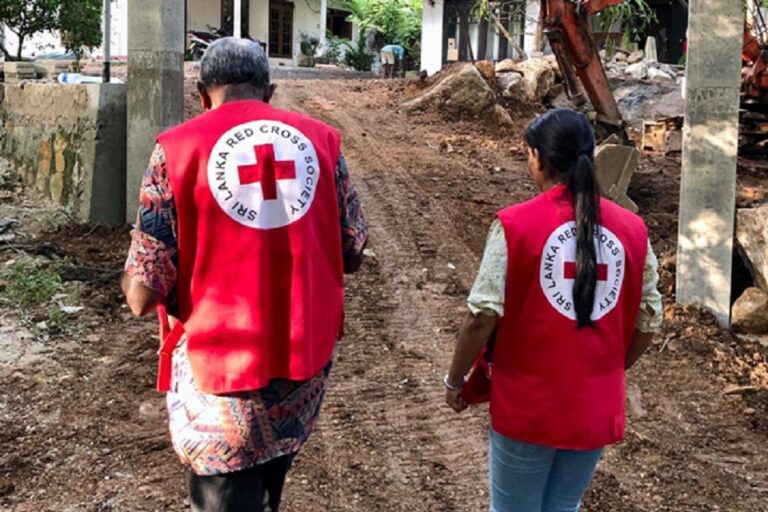
At least 5.7 million people, or 26 per cent of the population in Sri Lanka require humanitarian assistance, the International Federation of Red Cross and Red Crescent Societies said in a report.
The report warned that without immediate humanitarian assistance, and ‘upstream’ interventions to address the fragility of systems, services and facilities, this number will multiply, and the consequences will deepen.
Food security and livelihoods have suffered directly because of the economic crisis, while access and availability of basic services such as education and healthcare, including hospital maternity care, and sexual and reproductive health services have been disrupted.
Notably, in addition to the impact on education, child protection risks have risen. A serious decline in domestic agricultural output brought on by an unsuccessful agricultural transition to organic farming has deepened the crisis.
Unless critically damaged systems, services and facilities (crucially, the agriculture and fishing, health and social care, and education sectors) are urgently restored, it is likely that those who are already vulnerable will be pushed further down a pathway towards destitution.
Householders and families across the country are already employing negative coping strategies, such as reducing meals, postponing medical care, taking children out of school and employing children to provide income, and depleting and selling their assets.
People are now more often becoming the victims or perpetrators of crime and theft, people are migrating in search of employment, human trafficking is said to have increased, and families are breaking up.
At the community and family level, the macroeconomic collapse in Sri Lanka has translated into a complex humanitarian emergency, as millions of people are increasingly suffering, with severe shortages of food, fuel, cooking gas, medicine and other essentials
The assessment found that household purchasing power is constrained by food inflation and that disruptions to livelihoods and food insecurity have increased, raising worries about malnutrition.
People are suffering from poorer health because the healthcare system has become compromised. Household economic stresses have resulted in rising concerns over basic needs and protection for the most vulnerable (such as those already living below the poverty line, people with disability, and marginalized people).
The assessment report includes an analysis and recommendations based on a face-to-face household-level survey of 2,871 respondents in 11 districts across nine provinces, a separate case study of 300 households from 10 estates in Nuwara Eliya, 24 focus group discussions (FGDs), 15 key informant interviews (KIIs), and an anticipatory analysis, framed by extensive secondary data.
Ambassador of Sri Lanka symbolically receives donations from Minister of Foreign Affairs of Thailand
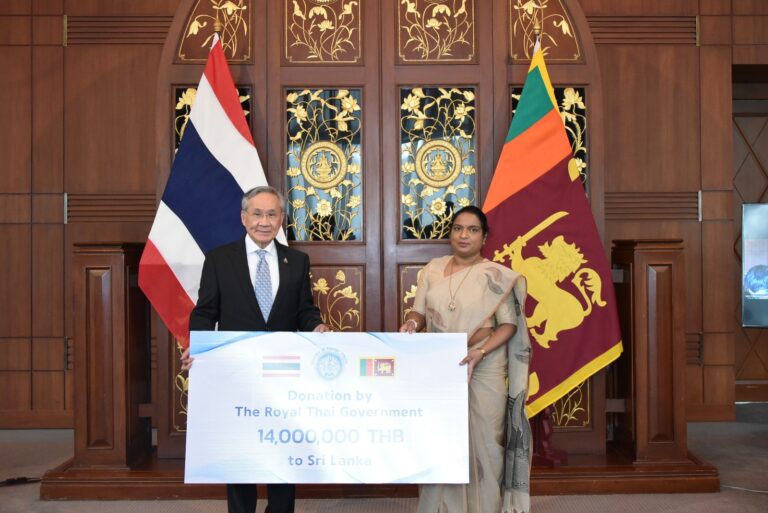
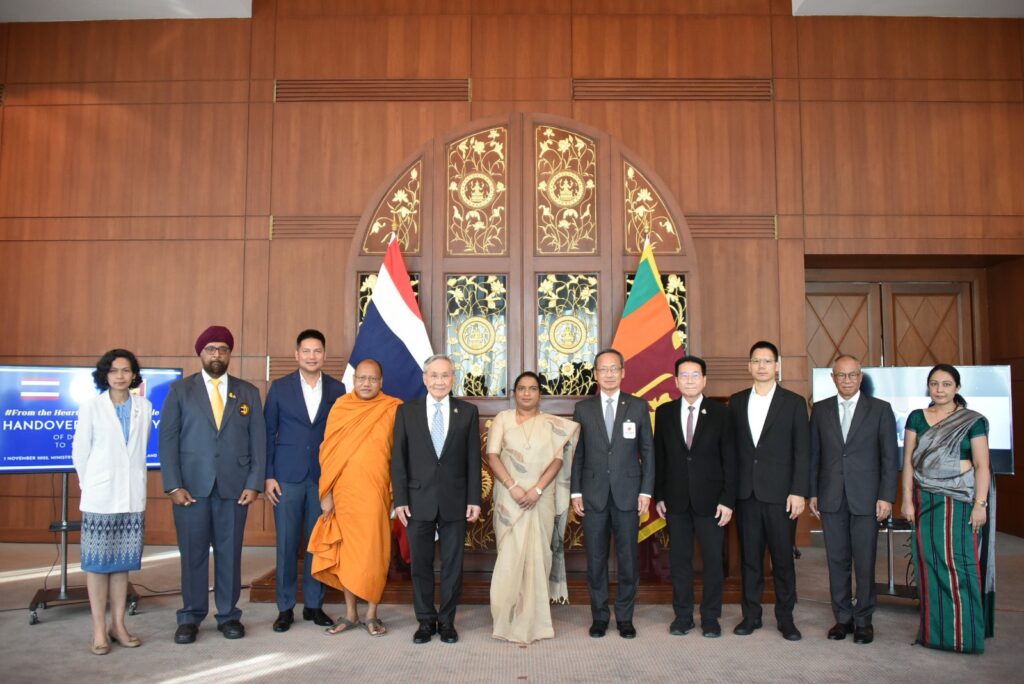
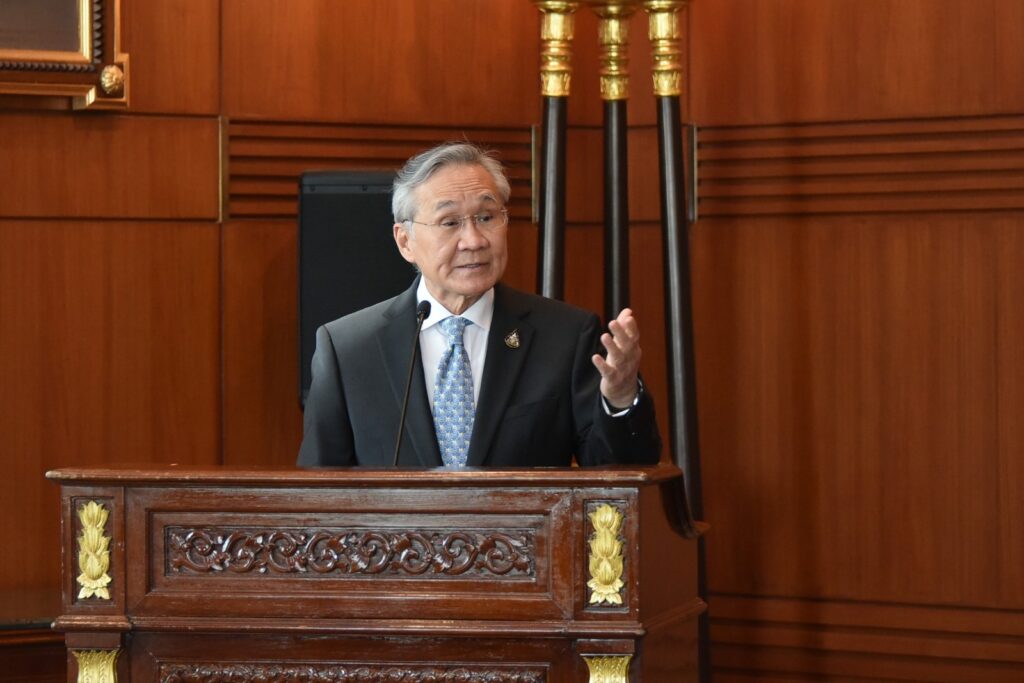
At the Second handing over Ceremony held at the Ministry of Foreign Affairs of Thailand, Deputy Prime Minister and the Minister of Foreign Affairs Don Pramudwinai symbolically handed over cash donation of 14,000,000 Thai Baht (SLRS 135,398,986 ) from Royal Thai Government to Sri Lanka Ambassador and Permanent Representative to UNESCAP C.A. Chaminda I. Colonne on 01st of Nonmember 2022. This financial donation will be channeled through the United Nations to Sri Lanka. Other donations made included medicines and medical supplies valued THB 1,000,000 by Thai Red Cross Society, THB 1,071, 300 by the Thai Chamber of Commerce, eleven freight containers transporting services valued THB 748,376 by Regional Container Line Public Company Limited, THB 436,120 valued 16 tons of sugar and 1000 pieces of blankets by Thai Beverage Public Company, 120 tons rice valued THB 3,724,800 by Rama IX Golden Temple, 96 tons of rice valued THB 1,400,000 by Chak Daeng Temple and 24 tons of rice valued THB 500,000 by Siri Guru Singh Sabha.
Deputy Prime Minister recalled that the two countries have been bound together by shared values and cultural ties, long before the formal establishment of diplomatic relations, 67 years ago. He conveyed that these strong bonds have continuously hosted close cooperation and partnership in various areas particularly in trade and investment, technical cooperation and people to people contacts, all of which have flourished and prosperity substantively in recent decades. On behalf of the Government of Thailand, the Deputy Prime Minister and the Minister of Foreign Affairs assured that the strong will of Sri Lankan people will lead the country to a right direction and committed to continue assisting Sri Lanka to overcome the daunting challenges during this most difficult time.
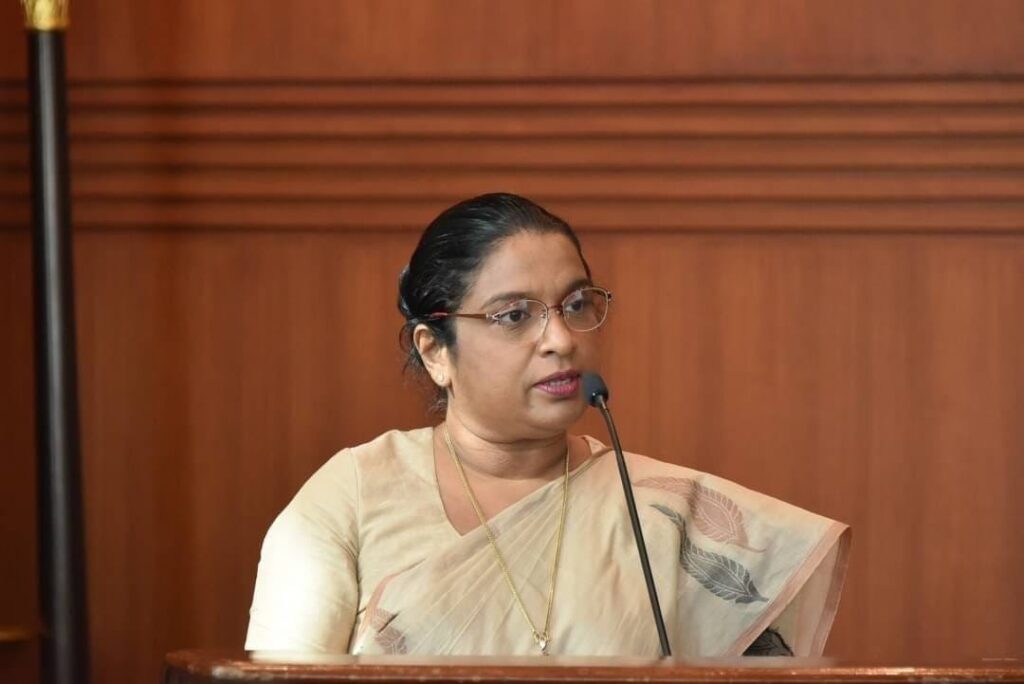
Ambassador Colonne highlighted that the Sri Lankan economy is envisaged to record a gradual recovery over the medium term. She added that regional countries may extend assistance to such recovery by providing preferential market access for Sri Lanka’s exports by lowering tariffs, providing/increasing quotas or implementing special procurement schemes, and providing specific Sri Lankan industries with technical assistance. The Ambassador extended her appreciation to His Majesty the King Maha Vajiralongkorn Phra Vajiraklaochaoyuhua, Prime Minister Prayut Chan-o-cha, Government and the People of the Kingdom of Thailand and the Ministry of Foreign Affairs for making several thoughtful and generous donations to the people of Sri Lanka, with the assistance of Thai Buddhist temples, Private and other entities.
Previously, during a similar recent handing over symbolic ceremony at the Foreign Ministry presided over by Vice Minister of Foreign Affairs Vijavat Isarabhakdi, 1.3 Million THB (SLRS. 12,571,927.28) worth of medical supplies and 700,000 Thai Baht financial support by Thai Parliament were symbolically handed over to the Ambassador along with symbolic donations by the Department of Disease Control, Ministry of Public Health, Government Pharmaceutical Organization, Thai Red Cross Society, Somdet Phra Nyanasamvara Somdet Phra Sangharaja Wat Bavoranives Vihara Foundation under the Royal Patronage, and Wat Phra Ram 9 Karnchanapisek, totaling over 5 million THB. (SLRS. 48,308,003.65).
The Ambassador was thankful for the compassion, optimism and inspiration shown by the Thai people and for positively impacting countless lives in Sri Lanka. She also extended her gratitude to the Ambassador of Thailand in Colombo Poj Harnpol for assisting in the local distribution of these donations in Sri Lanka.
Embassy and Permanent Mission of Sri Lanka
Bangkok
04 November, 2022
Sri Lanka to ban travelling overseas under tourist visa for foreign jobs
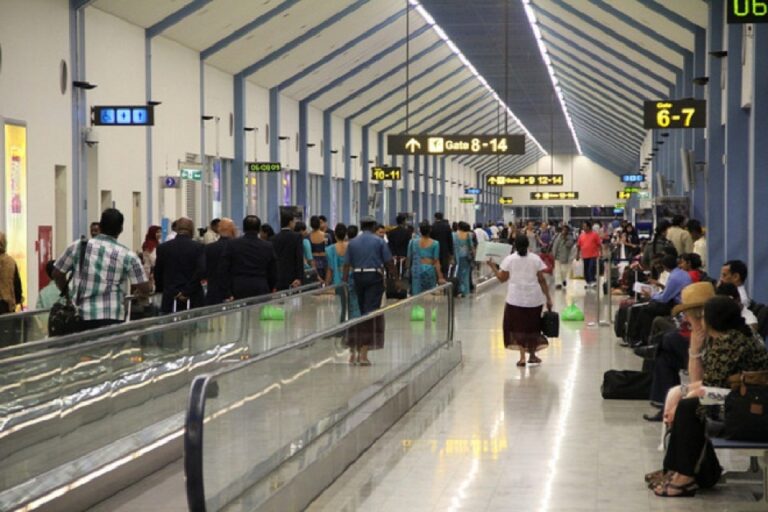
Sri Lanka will be taking every possible action to prevent Sri Lankans from travelling overseas for work under tourist visas.
The Foreign Employment Ministry has taken this decision following the exodus of specially women to the Middle East under tourist visas for jobs in Gulf countries.
Minister Manusha Nanayakkara directed the ministry officials to take action to send women abroad for all jobs especially to the countries such as the UAE and Oman under work visa.
“The ministry has been notified by the Sri Lankan Bureau of Foreign Employment about women travelling on tourist visas with the hope of finding jobs in the UAE, and they become stranded without being able to find any jobs and instead become victims of various types of harassments, imprisonment and getting lost,” the minister said.
Therefore, the minister took this decision to prevent all such attempts to go abroad to work on tourist visas.
Also, the minister had instructed the officers at the SLBFE unit established in the airport to closely monitor the women who are travelling overseas seeking jobs in the above mentioned countries under Tourist visas.
If the SLBFE officials could confirm that the men and women applying for jobs through fake documents, legal action will be taken against such people through the bureau, the minister added.
The SLFEB advises all Sri Lankans about the importance of travelling abroad through legal channels, especially for those seeking foreign employment.
Over 200,000 Sri Lankans have left for overseas employment until the end of August this year, the Sri Lanka Bureau of Foreign Employment (SLBFE) reported.
The SLBFE said that a total of 208,772 Sri Lankans have reported for foreign employment to date.
Among the group, nearly 2,858 Sri Lankans have gone to work in South Korea in 2022.5,000 Sri Lankans are expected to be directed to employment opportunities in South Korea by the end of this year, the SLBFE added.
The Sri Lanka Bureau of Foreign Employment further said there was an increase in the demand from Sri Lankans for foreign employment opportunities
Between 2014 and 2022, Sri Lanka has received 1.6 million job opportunities from many developed countries and emerging markets for skilled and trained labour but has sent only 37,000 Sri Lankans for these jobs.
In Japan alone, there are vacancies for over 1.4 million Sri Lankans in the IT sector but none has been sent.
In countries like Japan, Korea and Israel, although there is scope for sending trained workers, it was revealed that the number of trained workers going abroad from Sri Lanka is decreasing due to the drop in the number of people with language proficiency and professional skills suitable for jobs in those countries
DIG Sajeeva Medavatta promoted
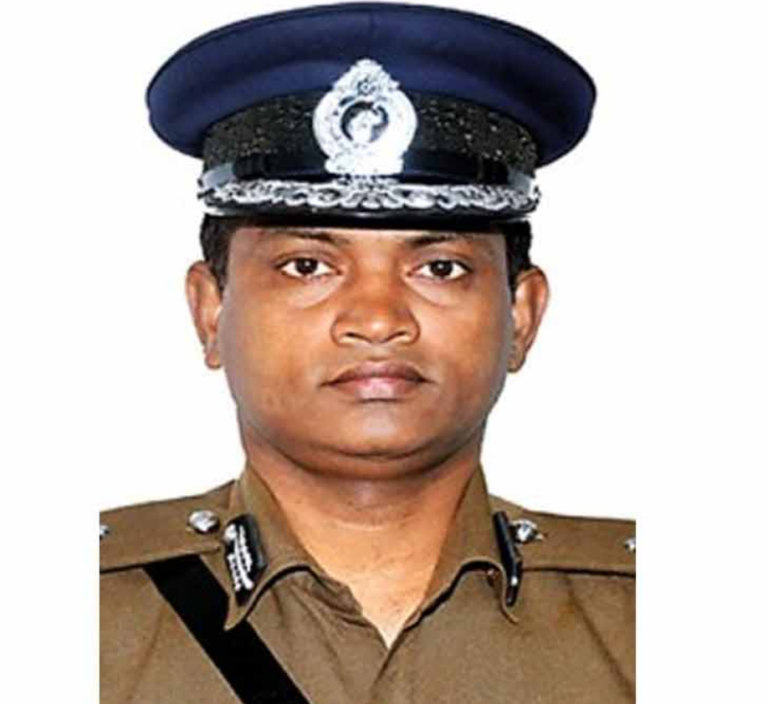
DIG Sajeeva Medawatta, who is the Executive Director of the National Police Training Institute, has been promoted.
Accordingly, he has been promoted to the position of Senior DIG with effect from March 9, 2021.
According to the notification of the Secretary of the Ministry of Public Security, this promotion has been given subject to the approval of the Public Service Commission.
CID arrests Janaki Siriwardena!
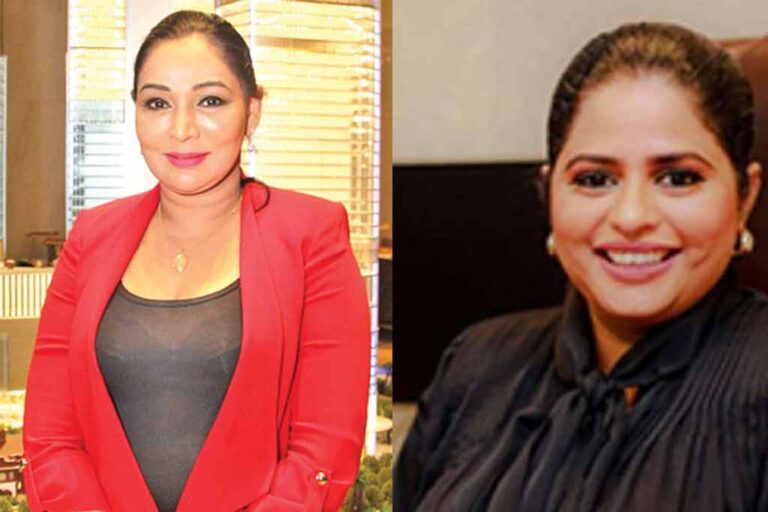
Krish Group’s Executive Director Janaki Siriwardena has been arrested by the Criminal Investigation Department.
That is on the charges of aiding and abetting the large-scale financial fraud of a woman named Thilini Priyamali.
Accordingly, Police Media Spokesman Nihal Talduwa stated that Janaki Siriwardena was arrested this morning (04) at his office in Colombo Fort.
Former President Maithri infected in COVID19
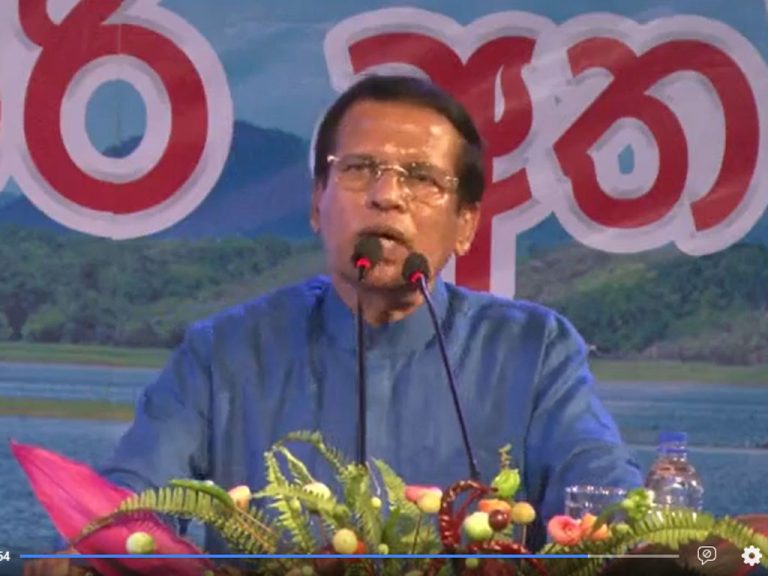
It is reported that former President Maithripala Sirisena has been infected with the Covid-19.
This has been confirmed by an examination conducted when IDH came to the hospital for treatment due to the presence of corona symptoms.
According to hospital sources, he has gone home after receiving treatment from that hospital.
An announcement from Litro Gas Company
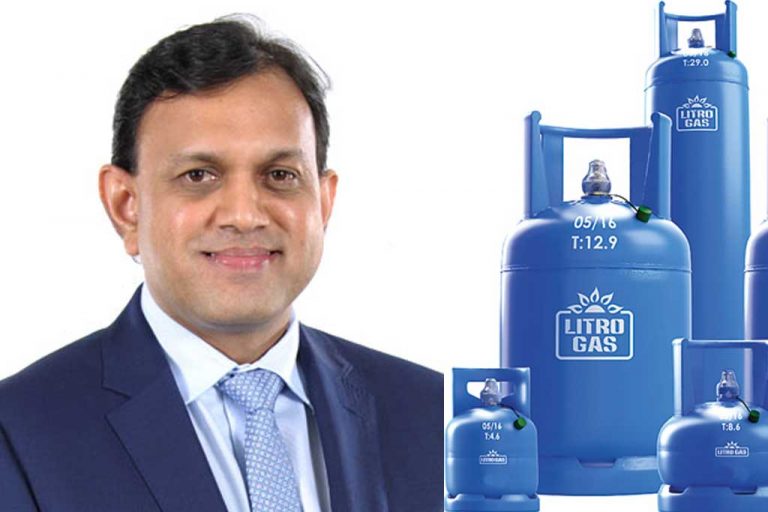
Muditha Peiris, Chairman of Litro Gas Company, says that there is no possibility of gas shortage in November.
“We have ordered close to 28,000 metric tons of gas. Therefore, there is no way there will be a shortage of gas in November. “
The Chairman of Litro Gas Company said this while addressing a press conference held today (04).
A special discussion to re-appoint Mahinda as Prime Minister?
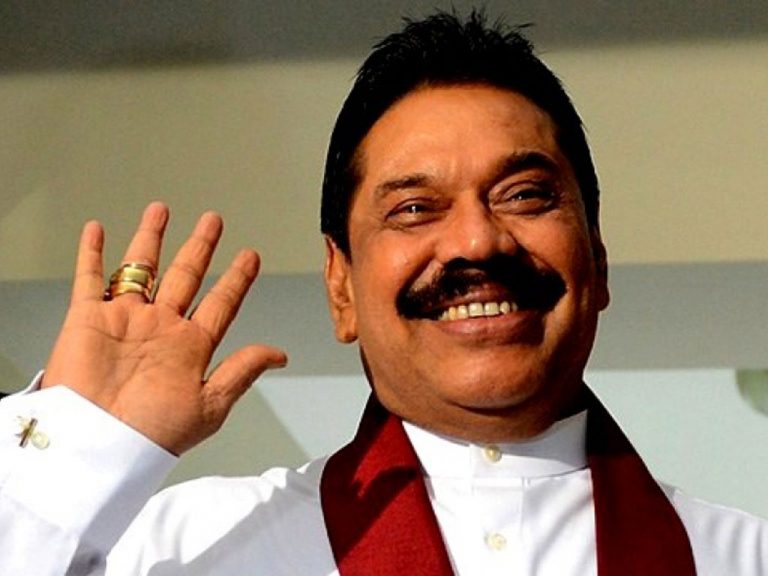
It is reported that a group of senior members of the Sri Lanka Podujana Peramuna held a special discussion on the 2nd to re-appoint former Prime Minister Mahinda Rajapaksa as Prime Minister.
It is said that Pavithra Vanniarachchi, Johnston Fernando, Namal Rajapaksa and other seniors of Pohottuwa have joined this special discussion held at the residence of Prime Minister Dinesh Gunawardena. It was also reported that Minister Prasanna Ranatunga was hoping to join this but he did not come at the last moment.
In order to give a respectful farewell to Mahinda Rajapaksa, it has been proposed to appoint him as the Prime Minister for a very short period of time.
Prasanna Ranatunga, the chief organizer of the ruling party, had previously publicly stated that Mahinda Rajapaksa should be given a respectful farewell and his opinion is that it is not necessary to appoint Rajapaksa as the prime minister again.
However, sources further stated that the discussion ended without an agreement.
SRI LANKA ORIGINAL NARRATIVE SUMMARY: 04/11
- India’s Hindustan Times reports Sri Lanka will have to wait till at least March 2023 before obtaining the much awaited IMF bail out: by March 2023, it would be 1 year from the time Sri Lanka approached the IMF for assistance: meanwhile, all funding from bilateral sources have fully dried up since April 2022.
- CB Governor Dr Nandalal Weerasinghe and Treasury Secretary Mahinda Siriwardana hold virtual meeting with the country’s creditors: meeting described as “another step towards securing IMF approval for a “bailout programme”.
- Verité Research’s Nishan de Mel says Sri Lanka will have to restructure domestic debt if the Government can’t achieve “targets it has agreed with the IMF”: also says Govt has not yet officially ruled out restructuring domestic debt: previously, CB Governor Dr Weerasinghe had solemnly assured that the domestic debt would not be restructured.
- JVP’s Wasantha Samarasinghe says the EPF consisting of people’s savings and managed by the Monetary Board has recklessly invested hundreds of billions of rupees in Sri Lanka Government securities after the “bankruptcy” announcement: warns EPF officials against making such investments where the issuer rating is “D”.
- Energy Minister Kanchana Wijesekera says Sri Lanka is keen to “privatise” its oil industry: laments there’s no deal yet: also says rationing scheme helped reduce fuel usage by 40%: further says CPC now unable to procure the country’s full requirement.
- Public Utilities Commission Chairman Janaka Ratnayake says 2 coal ships had arrived, another expected on 7th November, and partial payments made for 2 more, totalling 5 shipments: also says another 33 needed before end-April 2023 to avoid extended
power cuts. - The Atamasthana Committee appoints Chief Incumbent of Ruwanweliseya temple and Chief Sanghanayake of Nuwara Kalaviya, Most Ven Pallegama Hemarathana Thera as the new Atamasthanadhipathi.
- Colombo’s Additional Coroner Iresha Deshani Samaraweera says 6 persons from Colombo who had taken sexual drive enhancing drugs without medical advice, had died in the last 3 months: most victims aged 20-25.
- Consultant Virologist of the Department of Virology, Medical Research Institute, Dr. Jude Jayamaha says the MRI has detected the first-ever “monkey-pox” case in Sri Lanka.
- Moratuwa University Senior Lecturer Dr. Thusitha Sugathapala says the toxic fumes emitted by a mosquito coil is 100 times more than that emitted from a cigarette.