Efforts are underway to identify the root causes of food losses in Sri Lanka, with the support from the Australian Centre for International Agricultural Research (ACIRA), so that the local authorities are able to address the issue and create a new economic value chain.
Joining hands to help design and demonstrate affordable technologies and organisational options to mitigate these losses are also the Institute of Policy Studies (IPS) and the Agricultural Sector of the National Planning Department.
The key partners of the project also include the University of Peradeniya, University of Wayamba and Open University of Sri Lanka. A similar effort will also take place for Pakistan under the project.
The stakeholders of the project pointed out that the ground observations and investigations point to a lack of quality and food safety awareness across the fresh fruit and vegetable value chains.
The poor knowledge in this regard hinders the achievement of inclusive growth, food security and national goals, they pointed out.
The project, over the next three years, aims to make practice change attractive across primary production to processing and retail stages by demonstrating opportunities to reduce costs, increase market value and improve business competitiveness.
ACIRA Canberra Programme Manager Agribusiness Howard Hall shared that while progress toward modern food systems in both Pakistan and Sri Lanka are improving, the gap between the desired change and current practices remains large.
Bridging the gap requires working more closely with chain partners, prioritizing ways to remove barriers and making practice change worthwhile.
“Extending such an approach can help farmers gain more stable incomes, adapt to change, including that of climate, increase investment in modern value chains and improve food quality and diversity for consumers.
The ensuring reduction in waste and food loss will improve the environment and decrease the cost for stakeholders,” Hall told the project inception workshop held yesterday.
The agri project that will be rolled out will specifically focus on the tomato and mango value chain to identify key value chain practices that contribute to food loss and value depletion.
It will also explore the emerging trends and contextual factors in the operating environment of these chains, including climate change and COVID-19 implications.
The main accomplishment of the project will be its hands-on approach to improved business practices and recommendations that will lead to the continued adoption of improved business strategies and commercial arrangements to achieve food loss abatement.
Australia supports Sri Lanka to identify root causes of food losses in the country
SL seeks concessional financing from Intl. Dev. Assn :President
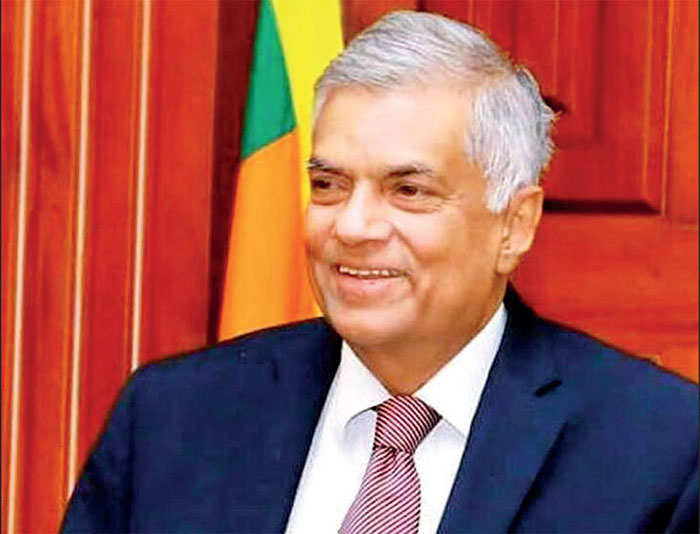
Sri Lanka has sought the assistance of the International Development Association to get concessional financing as the nation can no longer afford commercial borrowings, President Ranil Wickremesinghe said today.
“We have requested the International Development Association to assist us to get concessional financing as Sri Lanka currently lacks credit worthiness to borrow on market terms from World Bank or any other institution.
Countries such as Egypt had followed a similar strategy when their nation suffered economic downturn in the past,” the President said while making a special statement in Parliament.
“We also seek US$ 1 to 2 billion as bridge financing from institutions such as Asian Development Bank and World Bank. We have already in a position to get US$ 500 million from ADB,” the President said.
“Sri Lanka’s economy will recover by the end 2023 while the rupee would also stabilize by that time. However we have to take steps by informing the public on the status of the nation. We will have to stop printing money.
However it has been possible to steady the inflation and keep it at 69.7% in September. However it is essential to restructure state enterprises which run at a loss.
Total losses of state enterprises such as Ceylon Petroleum Corporation (CPC), Ceylon Electricity Board (CEB) and Srilankan Airlines will exceed Rs. 4,000 billion by the end of this year.
The government cannot make the people bear this huge burden anymore. We have already embarked on restructuring these enterprises,” he stressed.
“We also have to increase the tax revenue to 14% of GDP. It is currently 8% of the GDP,” he said.
Focusing on his recent foreign tours, the President said he strove to get maximum benefit for Sri Lanka during the meetings he had, “
He said that he strove to get maximum benefit to Sri Lanka by meeting state leaders from UK, Japan and the Philippines, representatives from international organizations and foreign ministers. It is less time-consuming and cost effective to meet world leaders that way.
An activist of the Inter-University Students’ Federation held under PTA, released
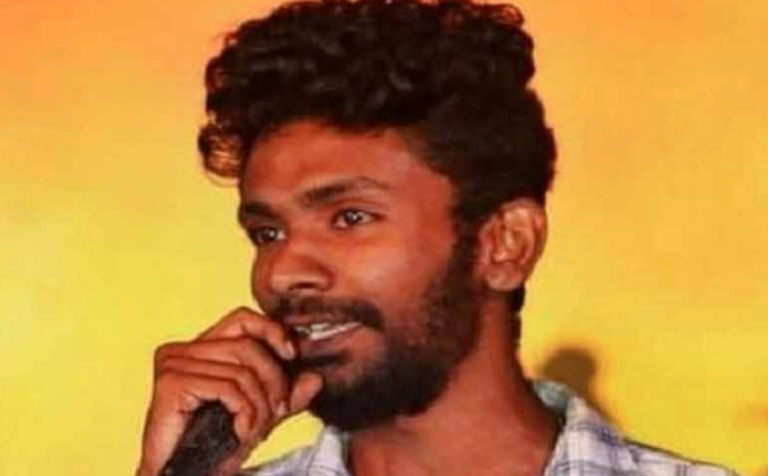
Hashan Jeevantha, an activist of the Inter-University Students’ Federation, who was arrested under the Prevention of Terrorism Act and detained under detention orders, has been released today (07).
That is through the recall of the relevant detention order by President Ranil Wickramasinghe on the recommendation of Public Security Minister Tiran Alas.
50 days ago, Hashan Jeevantha was arrested and on the same day the convener of the Inter-University Student Council Wasantha Mudalige, and Galwewa Siridhamma Thero were also arrested.
Among them, the police had completed the investigations related to Hashan Jeevantha and it was revealed that there was no evidence against him.
Accordingly, Public Security Minister Tiran Alas had recommended to the President to recall the detention order issued against him and the order has been recalled by now.
The Ministry of Public Security stated that Hashan was presented alive today (07) to the forensic medical officer, brought before the Tangalle Magistrate and handed over to his father.
Sri Lanka revises 2022 tourism target down to 800,000
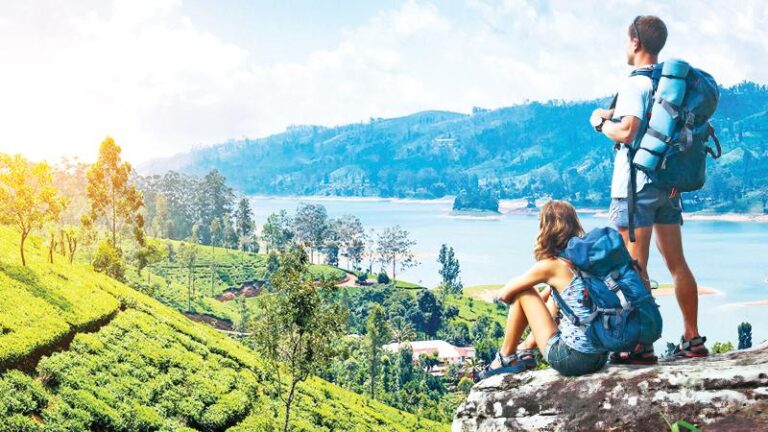
Sri Lanka has revised tourist arrival expectations for 2022 and also lowered revenue targets for the year, Minister of Tourism Harin Fernando said.
Total tourist arrivals for the year so far till end September is roughly 526,000 and generated only around 829 million US dollars in revenue.
Tourism authorities had anticipated one million arrivals generating a revenue of 1.8 billion dollars.
“As per the Sri Lanka Tourism Development Board (SLTDB) president, we are expecting another 300,000 tourists for the next three months,” Minister Fernando said speaking to reporters on Thursday October 06 at a press briefing on a tourism promotion programme in India.
“September is a low tourist arrival month for Sri Lanka. It usually picks up in mid-October and goes till January next year.
“In terms of arrivals, we are eager to get up to one million, but the target expectation is around 800-850,000 with a revenue target of around 1.7 billion US dollars,” he said.
Sri Lanka’s tourism sector, which was affected by a series of events since 2019 starting with the Easter Sunday bombings, was further disrupted due to the COVID-19 pandemic in 2020 and 2021.
The sector’s woes have extended to late 2022 due to travel restrictions imposed by various countries after a period of unrest and a prevailing currency crisis, significantly impacting inbound and outbound tourism.
Official data showed that tourist numbers which exceeded more than 100,000 in March has come down to around 29,000 due to the unstable situation in the country.
“The target is a bit high, but if you aim at a higher amount you will at least end up closer to it,” said Fernando.
The minister claimed that “negative” news coverage by foreign media has impacted the image of the island, resulting in many potential inbound tourists from changing their travel plans.
Meanwhile, Suren Ediriweera, the President of the Sri Lanka Inbound Tour Operators Association said travel agents in Europe have told Sri Lanka to expect an increase in bookings in the coming months with the start of the winter season.
“For example, in Switzerland, it is starting to get cold. So our agents have told us to be ready for a boom in tourist bookings,” said Ediriweera.
“November to April is a welcome time for European travelers in Sri Lanka. Germany and Switzerland in particular have asked us to be vigilant in that regard,” he said.
Court granted Leave to Proceed in SCFR 195/2022 and 212/2022
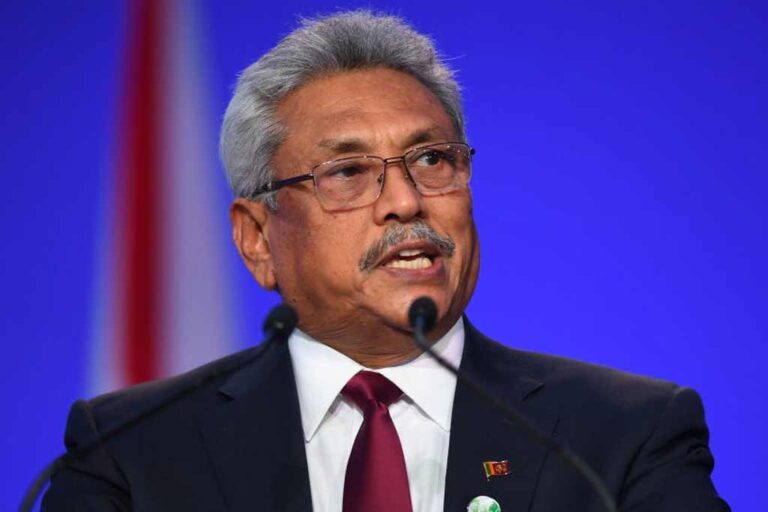
In SCFR 212/2022, leave was granted against former president Gotabhaya Rajapakse, former Finance Ministers Mahinda Rajapakse and Basil Rajapakse, former Governors of the Central Bank, Professor W.D Lakshman and Ajith Nivard Cabraal, the Monetary Board of Sri Lanka and Former Secretary to the treasury S.R Attygala.
In SCFR 195/2022
Leave was granted against former president Gotabhaya Rajapakse, Former Finance Ministers Mahinda Rajapakse and Basil Rajapakse, the Cabinet of Ministers, the Monetary Board of Sri Lanka, Former Governors of the Central Bank, Professor W.D Lakshman and Ajith Nivard Cabraal, Former Secretary to the treasury S.R Attygala, Former Secretary to the President P.B. Jayasundere, Former Finance Minister Ali Sabry P.C., present members of the Monetary Board S.S.W. Kumarasinghe. Court also directed that present members of the Monetary Board who served on the Monetary Board during the matters in question, namely Sanjeeva Jayawardena, P.C., and Dr. Ranee Jayamaha be added as Respondents in this Application.
Court also made the following orders:
- The Auditor General to conduct an audit and submit a report by the 30th of November, in respect of:
a. The decision made by the Monetary Board to set the value of the Sri Lankan rupee at Rs. 203 against the US Dollar and all matters connected thereto.
b. The delay in seeking assistance from the IMF and all matters connected thereto.
c. All matters relating to the settlement of the sovereign bond of US Dollars 500 million on 18th January 2022, using foreign reserves
d. An audit on the loss caused to the Central Bank by such payments.
- The Court also directed that Dr. Nandalal Weerasinghe, governor of the Central Bank produce copies of all communications and recommendations given to the former president Gotabhaya Rajapakse, Former Finance Ministers Mahinda Rajapakse and Basil Rajapakse, the Cabinet of Ministers, the Monetary Board of Sri Lanka, Former Governors of the Central Bank, Professor W.D Lakshman and Ajith Nivard Cabraal, Former Secretary to the treasury S.R Attygala, by the Central Bank on or before the 30th of November 2022.
- The court also directed the Monetary Board to produce copies of all reports given to Former Ministers Mahinda Rajapakse and Basil Rajapakse, as per Section 64 and 68 of the Monetary Law Act, on or before 30th of November 2022.
Matters to be mentioned on 9th of January 2023.
Sri Lanka listed among Top 10 most friendliest countries in the world

Sri Lanka has been listed as the 9th most friendliest country in the world, based on the outcome of the 2022 Readers’ Choice Awards.
Sri Lanka has been placed 9th among 10 countries.
- French Polynesia
- Colombia
- New Zealand
- Thailand
- Costa Rica
- Botswana
- Peru
- Belize
- Sri Lanka
- Philippines
https://www.cntraveller.com/gallery/friendliest-countries-world
110 types of essential medicines are not available for treatment!
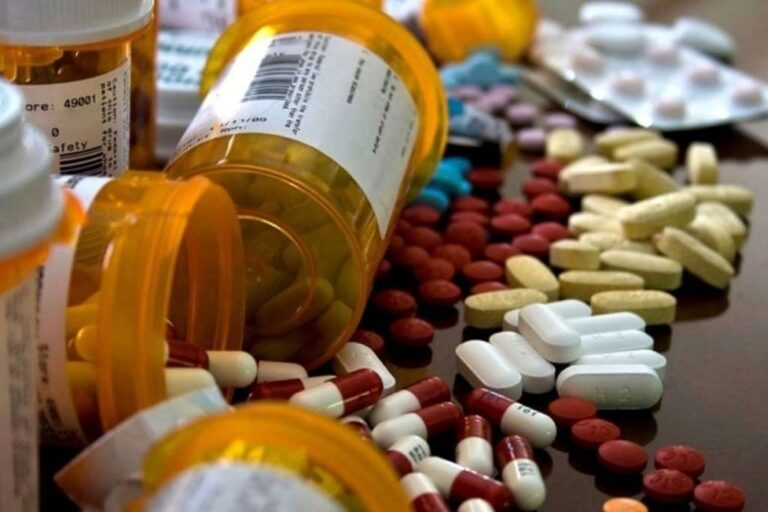
The Ministry of Health says that 110 types of essential medicines in the country are not available for treatment in hospitals.
Dr. Anwar Hamdani, Coordinator of Medicine Grants at the Ministry of Health, says that several new programs are being implemented to prevent drug shortages.
Hamdani also mentions that until the shortage of essential medicines disappears, patient care services will be continued by managing the existing medicines.
The Supreme Court allows the trial against former President Gotabhaya
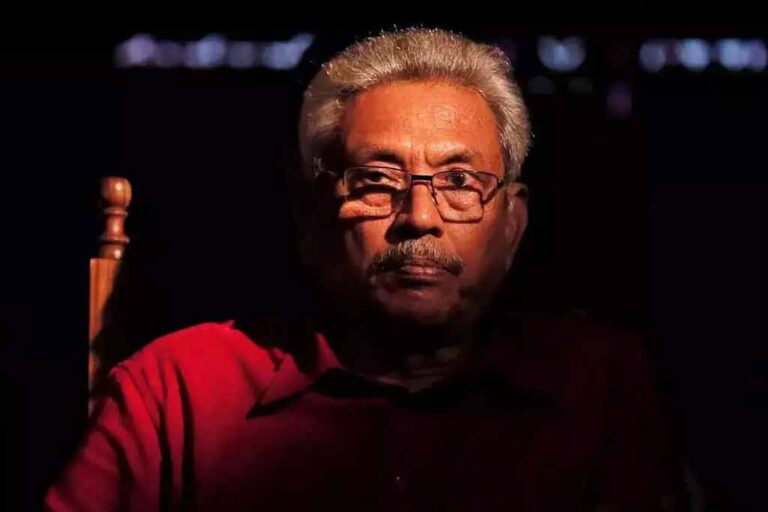
The Supreme Court has today (07) granted permission to hear two fundamental rights petitions filed against former President Gotabhaya Rajapaksa, former Prime Minister Mahinda Rajapaksa and former Finance Minister Basil Rajapaksa.
That was when the petitions were considered before a five-member bench led by Chief Justice Jayantha Jayasuriya.
These two petitions have been filed by former president of the Sri Lanka Chamber of Commerce Chandra Jayaratne, swimming champion Julian Bowling and University Dr. Mahim Mendis, requesting the government to order an investigation against the people responsible for the current economic crisis in Sri Lanka.
The relevant petitions are scheduled to be recalled on 09 January 2023.
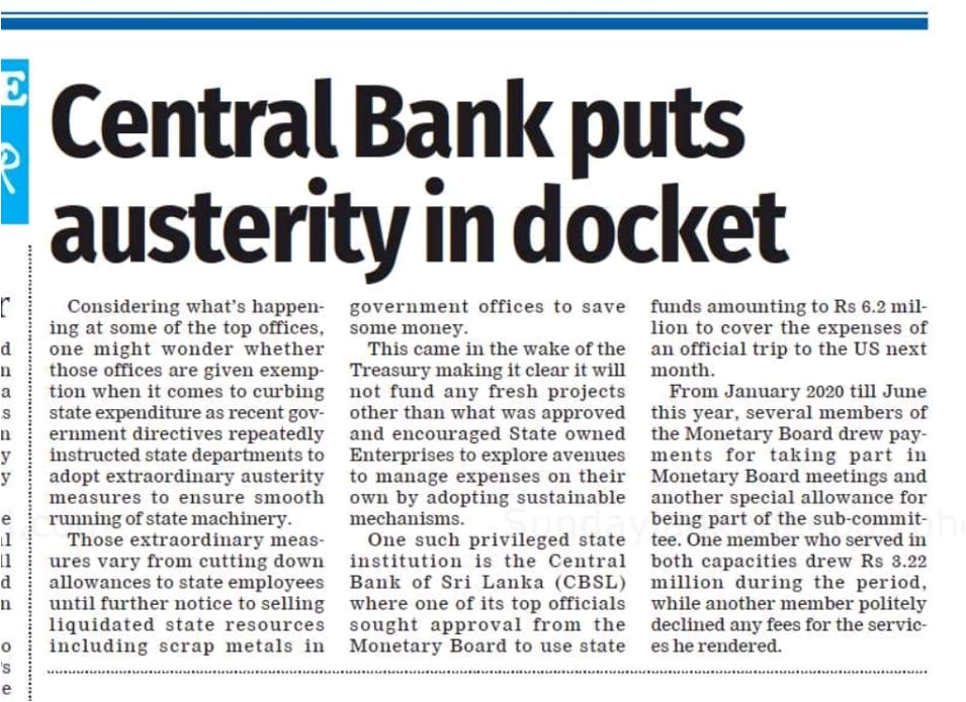
Central Bank and Finance Ministry on a Joy Ride to the USA?
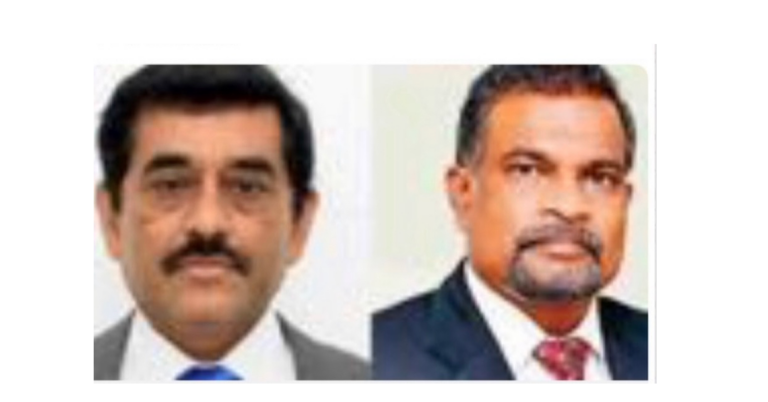
The country is reeling from the worst forex and debt crisis and the economy has contracted by 8% ( negative growth) . But the top few Central Bank Staff including Governor Weerasinghe and Secretary Siriwardana are going on a Joy ride to Washington. A feel good trip to network with the IMF , World Bank Friends . These are just Annual Meetings; featured are seminars, regional briefings, press conferences, and many other events focused on the global economy, international development, and the world’s financial system. This year’s events will take place in Washington, D.C.,October 10-16, 2022. If the Finance Minister wishes to go at a political level he can go , why so many officials. Why can’t they participate virtually in some of the discussions.
The Central Banks says no forex for SMEs for their raw material imports, but he can use the exchange earned by the Middle East workers to go on jaunt rides. Weerasinghe probably is now becoming the most qualified ‘joker’ in a pack of cards. The President is responsible for both these institutions. He should put a stop to this nonsense. The Governor’s last visit to United States cost the government of Sri Lanka 6.2 million.
Former Minister Wimal Weerawansa is calling the CBSL Governor the Economic Hitman. He pointed out that the Central Bank’s high Interest policy has virtually halted business and killed the livelihoods of the people of the country.
He went on to accuse the Governor of setting the country up for another revolution. The market talk now is the Chinese are offended with the Governor of CBSL for his callous attitude towards them and will not participate in the debt restructuring talks as long as he is the Chairman of the Debt restructuring team.
Sapugaskanda oil refinery shutdown again!
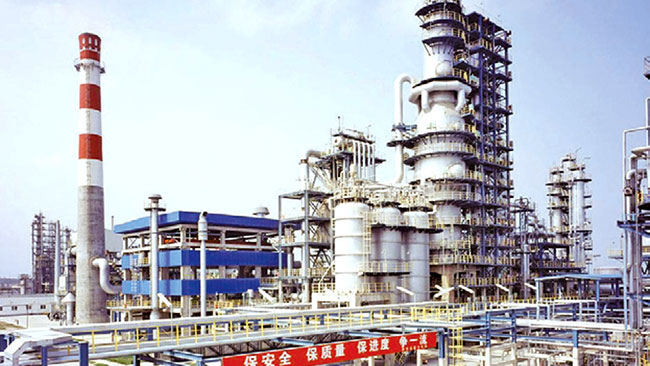
Energy Minister Kanchana Wijesekera says that it was decided to close the Sapugaskanda oil refinery again.
He mentioned that the relevant policy decision had to be taken due to the lack of crude oil.
The Minister stated that the Sapugaskanda Refinery has been operating for the past two months using crude oil imported from two ships and the third crude oil ship had arrived at the Sri Lankan waters in the last 10 days, but the situation is aggravated due to the lack of foreign exchange to pay for its release.
However, since the Ceylon Petroleum Corporation has sufficient fuel stocks, the minister said that the fuel supply can be carried out as it has been maintained so far, adding that there should be no undue fear of a fuel shortage.
Minister Kanchana Wijesekera said this while addressing Parliament today (07).