Sri Lanka’s privately owned hydro power sector risks an imminent shutdown with virtually all cash-flows drying up as a result of Ceylon Electricity Board’s failure to honour payments to the tune of Rs.20 billion to hydro power developers over the past 11-month period.
“The total outstanding for the mini hydro sector since October 2021 is over Rs.20 billion and already one plant with 0.9 MW capacity has been forced to shut down due to cash-flow issues,” Sri Lanka’s Small Hydro Power Developers Association (SHPDA) President Thusitha Peiris said.
He was addressing the association’s 15th Annual General Meeting (AGM) last Friday.
Sri Lanka’s power sector regulator, Public Utilities Commission, had imposed a condition to CEB to settle the payment arrears to renewable energy developers within a 03-month period when granting approval to increase electricity tariffs.
Although, CEB had reached an agreement with mini hydro developers to settle Rs.100 million on a daily basis, Peiris noted that CEB is yet to honour this arrangement.
In this backdrop, hydro power developers are faced with a severe financial strain in sustaining their operation as they are struggling to settle their project loans to banks while meeting operational costs.
Around Rs.30 billion worth loans by the sector have been classified as non-performing by banks due to non-payment over the past few months. As a result of this, Peiris pointed out that much of the developers have lost access to working capital through the banking sector.
“Our industry has never gone through such a crisis before. The main problem is sourcing working capital,” he said.
The association highlighted that CEB’s failure to honour its payments on time to renewable energy developers has created a dark cloud on future investments in the renewable energy sector.In addition, the developers are also impacted by the current high interest rate regime.
While welcoming the government’s decision to revise the feed-in-tariff (FIT) for renewable energy projects through a committee, the association requested the government to increase the current tariff rate for over 15 mini hydro plants in operation in line with the existing financial parameters.
With an installed capacity of 440MW, private-sector owned small and medium hydro power plants play a crucial role as one of the most reliable and cheapest power suppliers to the CEB.
Sri Lanka’s private hydro power sector risks an imminent shutdown
SL still awaits for compensation of at least US$ 10 billion for X-Press Pearl sinking
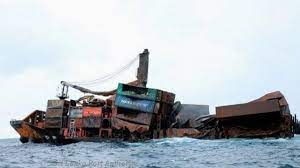
More than a year since the sinking of the cargo ship the X-Press Pearl , Sri Lanka still continues to clean its beaches of the plastic pellets that the vessel was carrying, and is still trying to claim compensation for the environmental damage.
Auditor General Chulantha Wickramaratne has called for a full investigation into the process of obtaining compensation for environmental damage caused by the sinking of the X-Press Pearl ship last year, according to official sources.
A Maritime law expert said Sri Lankan authorities have taken a long time to file for compensation and are reluctant to go through years of strenuous legal battles in international courts.
Sri Lanka has obtained an interim payment of $3.7 million in damages, but the country could claim as much as $5 billion to $7 billion.
With Sri Lanka currently mired in the worst economic crisis in the country’s history, those higher numbers would prove a much-needed injection of foreign currency.
But further delays would diminish the cash-strapped island’s chance of getting sufficient compensation for the environmental damage
Meanwhile, Environmental Scientist Hemantha Withanage said Sri Lanka could claim as much as US$ 10 billion as compensation.
Laboratory tests conducted on samples of plastic pellets collected from the beach had revealed a high concentration of harmful chemical compounds such as Bisphenol and Polycyclic Aromatic Hydrocarbons, Withanage said.
“Both these chemical compounds remain in the environment for a long time, resulting in bioaccumulation.
The scope of our tests was limited due to financial constraints, but there can be more such toxic chemical compounds in the debris. People are not aware of the danger,” he added.
Withanage had also spent time and resources to rescue the crew on board the distressed vessel, douse the fire, and mitigate environment
“The Marine Environment Protection Authority (MEPA) and the AG’s Department have not taken legal action and we may ultimately lose the opportunity to do so,” he alleged, calling for a Presidential Commission of Inquiry to investigate the matter.
He said two petitions had been filed in the Appeal Court and another petition in the Supreme Court over the X-Press Pearl disaster.
The ill-fated ship was carrying 81 containers of dangerous goods and contained 25 tons of nitric acid.The affected area encompasses 746 km from Mannar to Kirinda Hambantota.
An expert committee investigating the extent of damage to the country’s marine and coastal environment has now concluded the disaster to be the worst in terms of chemical and plastic pollution of the sea.
That’s according to Ajith de Alwis, co-chair of the X-Press Pearl damage assessment committee and a professor of chemical and process engineering at the University of Moratuwa.
The committee has submitted its assessment report to the Attorney General’s Office for use in claiming compensation from the Singapore-based operators of the ship.
“However, the report is only the first edition of the damage assessment, and further assessments would continue based on the monitoring,” De Alwis said
Vijitha Herath joins ‘Nidahasa Janatha Sabha’ led by Alahapperuma
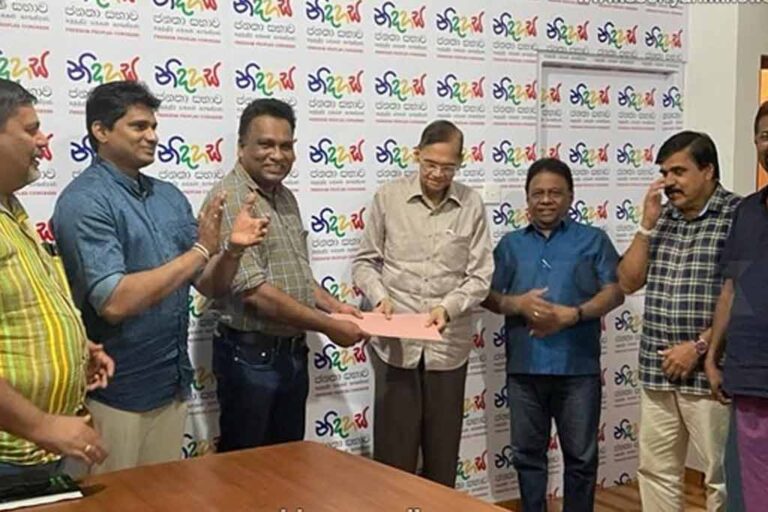
Eng. Vijitha Herath, a former Chairman of the Ceylon Electricity Board (CEB), the Sri Lanka Insurance Corporation (SLIC) and the LITRO Gas Company, has joined the ‘Nidahasa Janatha Sabha,’ a political faction separated from the Ruling Party Sri Lanka Podujana Peramuna (SLPP) and rechristened led by MP Dullas Alahapperuma.
Herath also served as the Chairman of the Podujana Engineers’ Front affiliated with the Ruling Party, and accordingly has left his duties in order to join Alahapperuma’s new political movement.
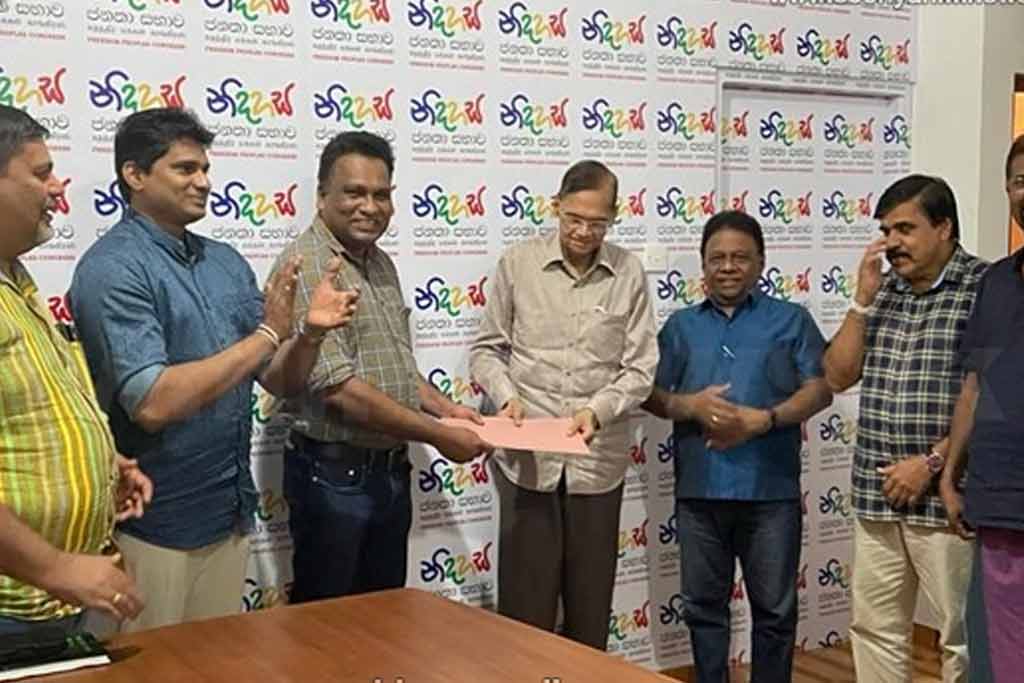
His coming has been welcomed by Alahapperuma, Prof. G.L. Peiris, Charitha Herath and other MPs separated from the SLPP and joined the new party, at the Party Office in Nawala yesterday (19).
MIAP
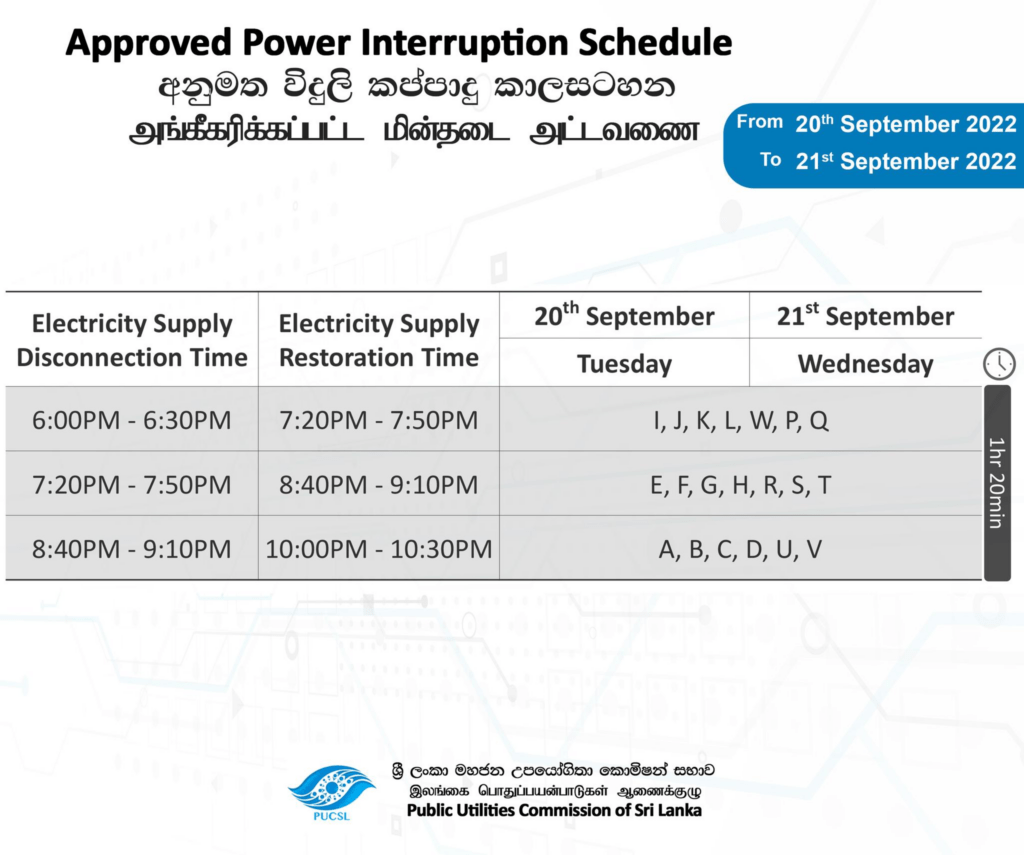
Approved Power Interruption Schedule reveals change in daily power cuts
A power cut of 01 hours and 20 minutes will occur today (20) and tomorrow (21), revealed the Public Utilities Commission of Sri Lanka (PUCSL).
Earlier, the daily power cuts were limited to only a period of one hour.
MIAP
Sri Lanka Original Narrative Summary: 20/09

- Transport Minister Dr Bandula Gunawardene says Sri Lanka is the “safest tourist destination” at present: asserts that a “mistake” was made when arresting the Aeroflot aircraft, and that it will not happen again.
- Opposition Leader Sajith Premadasa says the UNP has been “sold out” to the “Rajapaksa clan”.
- Global Tamil Forum says Tamil people who have suffered enormously during the war, have been consistently provided much needed hope by the UNHCR: calls for a strong resolution against Sri Lanka at the UNHRC in Geneva.
- Cement usage plunges 19% in 6 months to June 2022 YOY: reflects massive contraction in construction activities which accounts for about 10% of GDP.
- UN Resident Coordinator Hanaa Singer appeals to Sri Lanka’s friends to show solidarity: urges donations to provide food security and medical supplies: says gains in health care, education and poverty alleviation are threatened by the current crisis.
- Teachers’ Union Leader Mahinda Jayasinghe demands a special monthly allowance for government employees: says normal monthly expenditure of a person has increased from Rs.63,000 to Rs.110,000 this year.
- World Bank says Sri Lanka is among the top 10 countries with the highest food inflation.
- Government revenue in the 1H22 reaches Rs.918 bn, up from Rs.714 bn last year: expenditure and net lending in 1H22 also rises to Rs.1,820 bn, compared to Rs.1,500 bn, an year ago: bulk of the increase in expenditure due to very high interest cost consequent to the massive increase in Central Bank’s policy rates on 8th April 2022.
- Small hydro power developers warn of increased duration of power cuts and a further 100% increase in electricity tariffs, if the country loses the contribution of its non-conventional renewable energy sector.
- Group of Buddhist priests urge Buddhist temples to turn off lights and leave temples in darkness on the upcoming Vap Full Moon Poya Day, in protest against the increase in electricity tariffs.
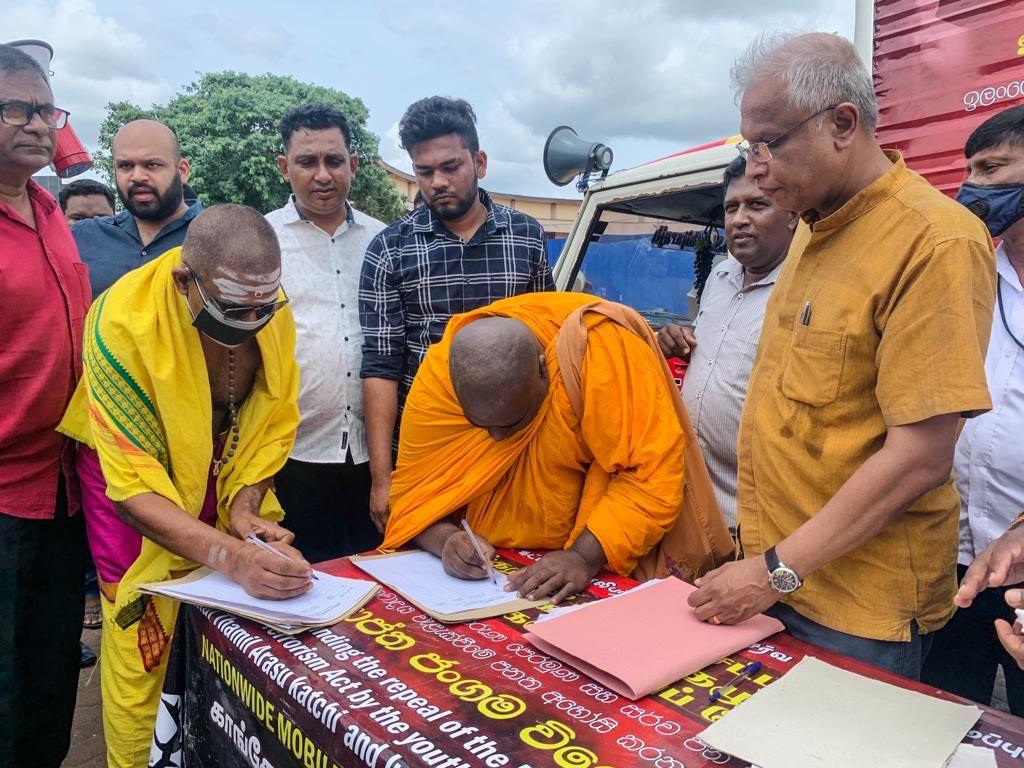
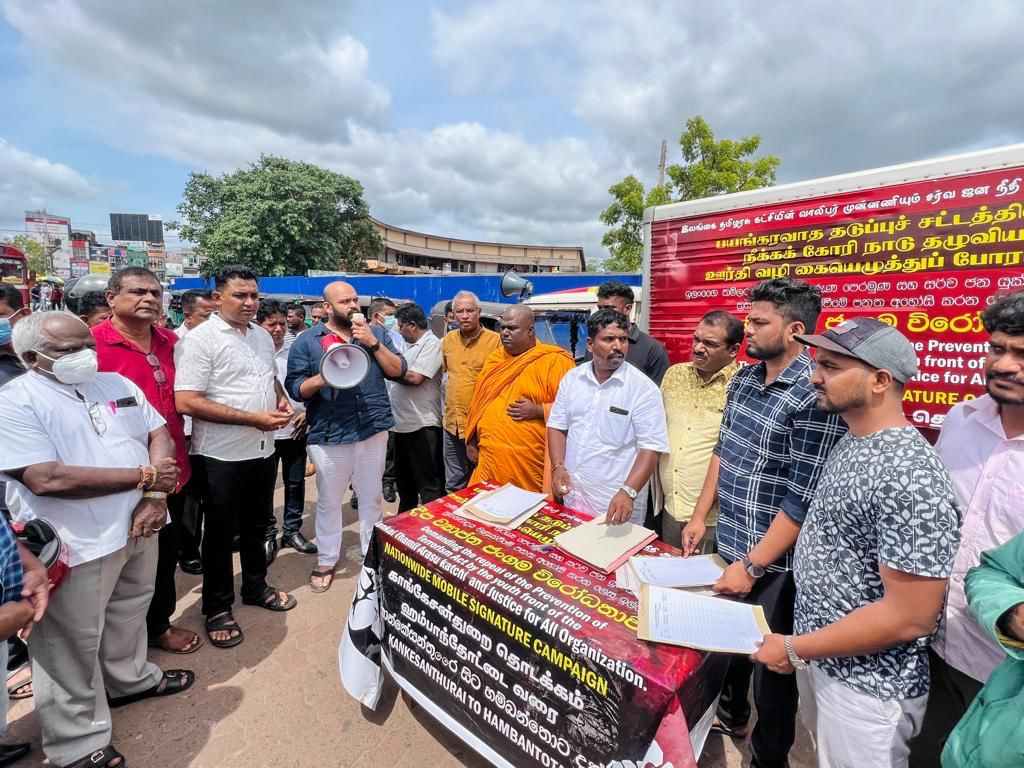
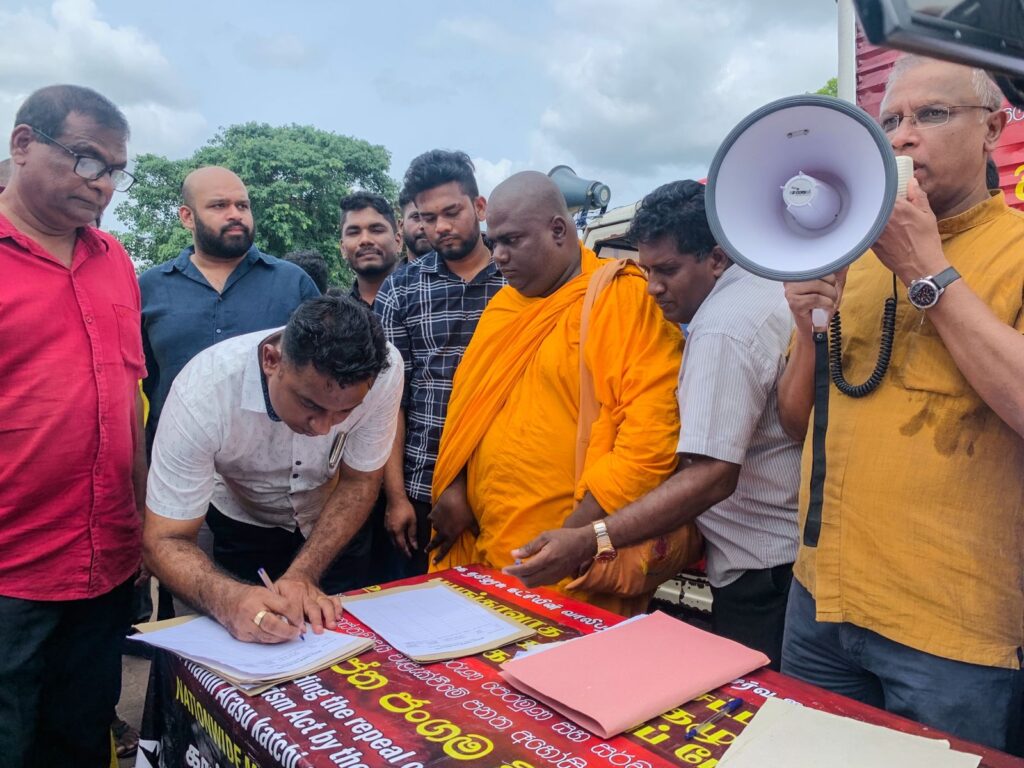
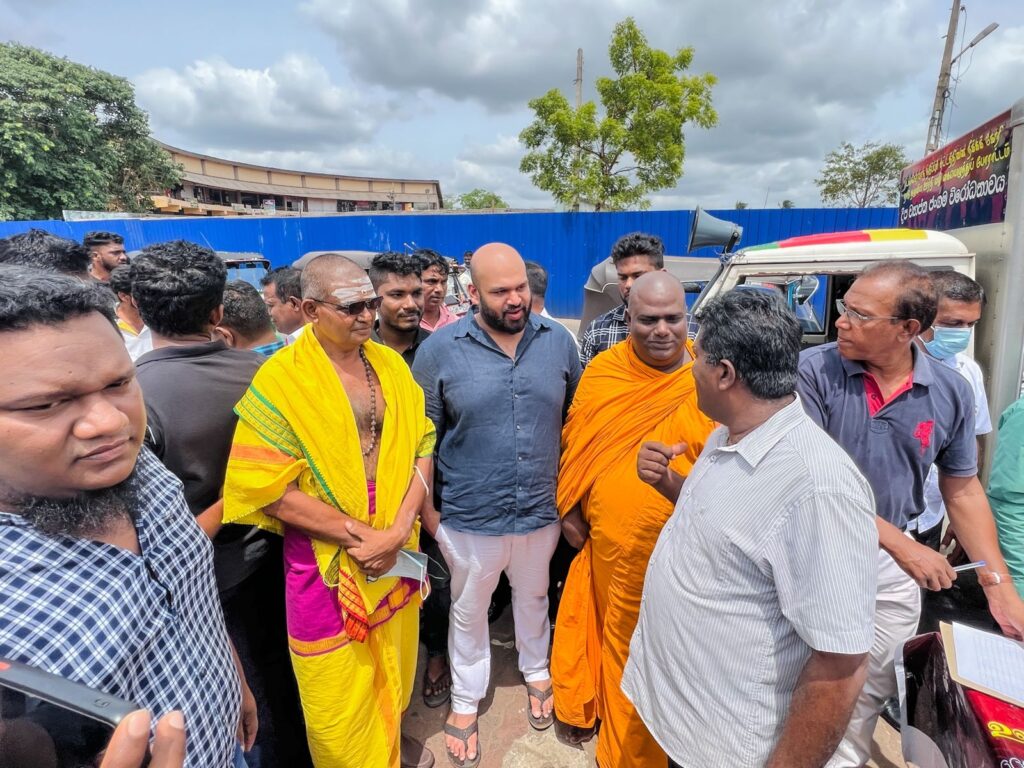
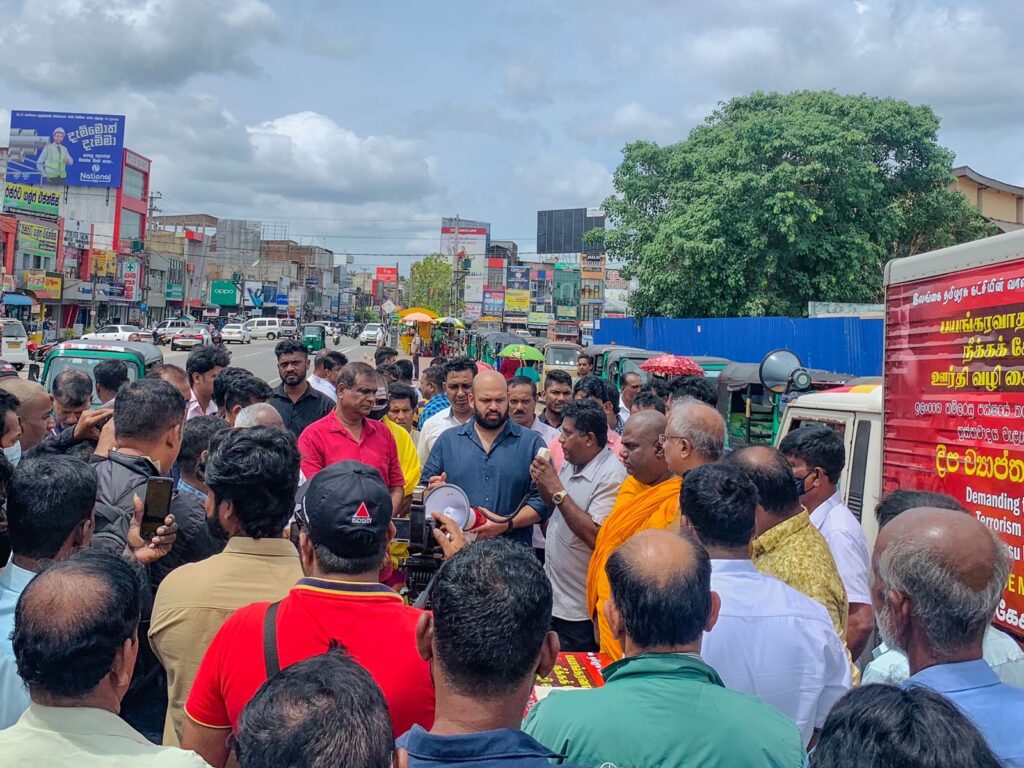
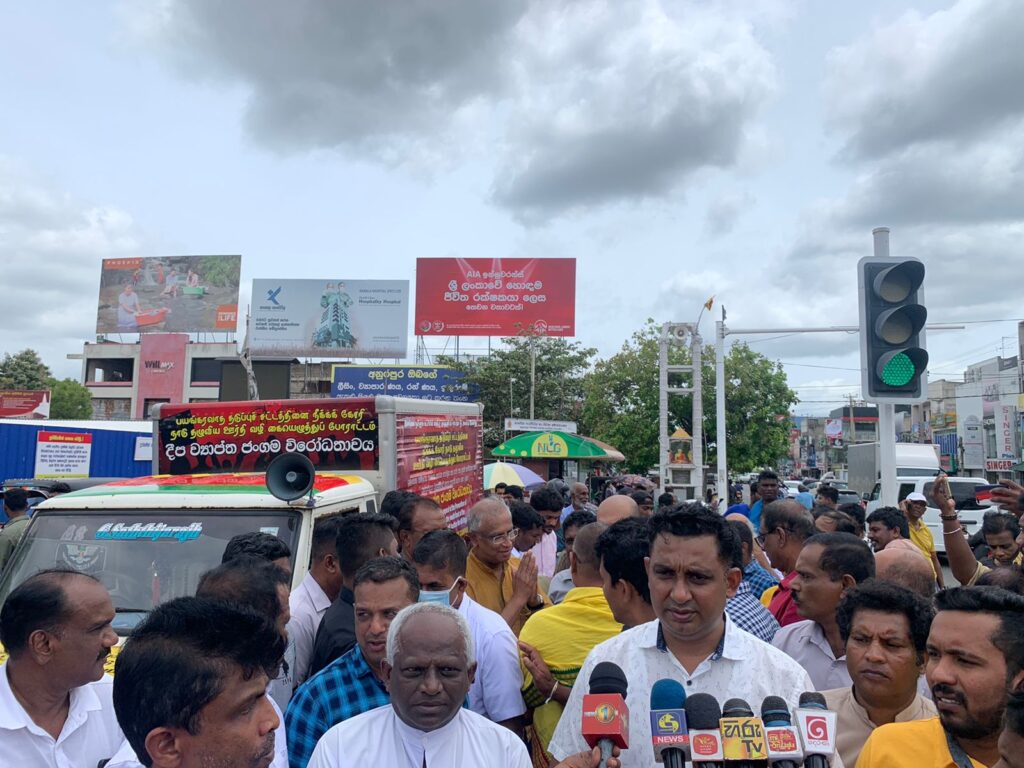
Mobile signature campaign against PTA! (PHOTOS)
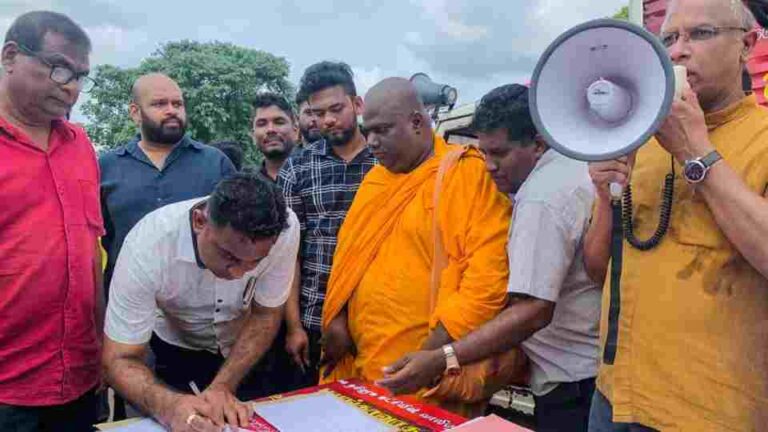
A mobile signature campaign against the controversial Prevention of Terrorism Act (PTA) reached Anuradhapura yesterday (19) morning and reached Puttalam in the afternoon.
The campaign is endorsed by the Clergy, MPs including Shanakiya Rasamanickam and M.A. Sumanthiran, political activists and other civil movements.
The campaign was launched in Kankesanthurai, Jaffna and is scheduled to travel across the country before it ends in Hambantota on October 05.
Hindi Diwas celebrations in Sri Lanka
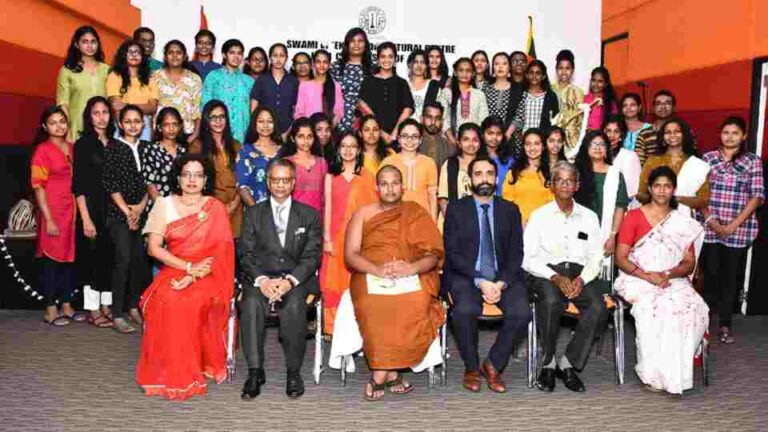
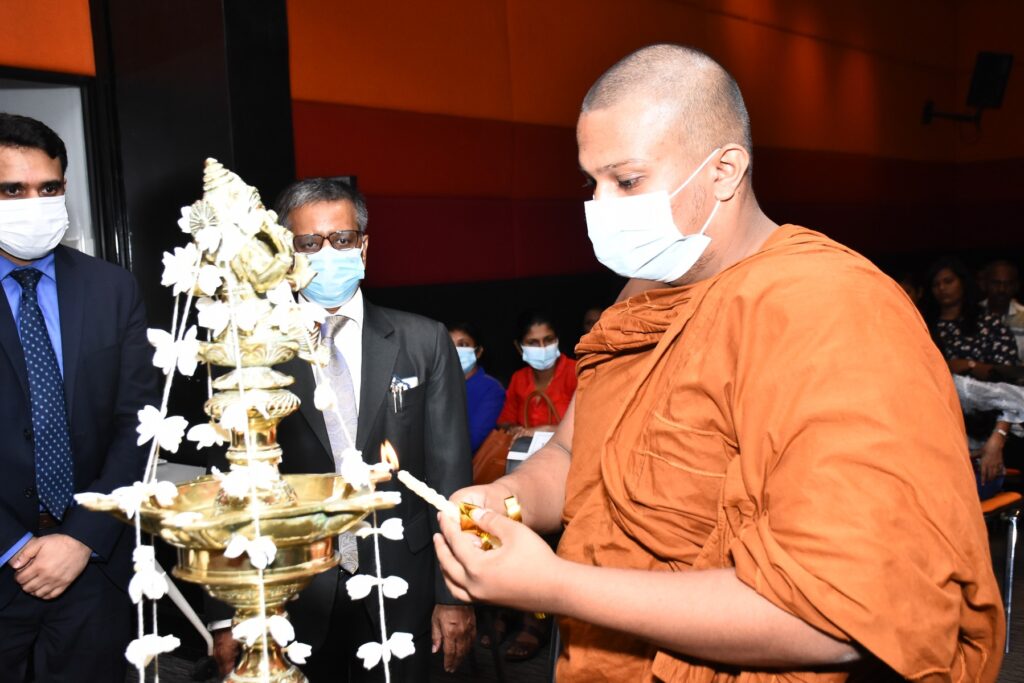
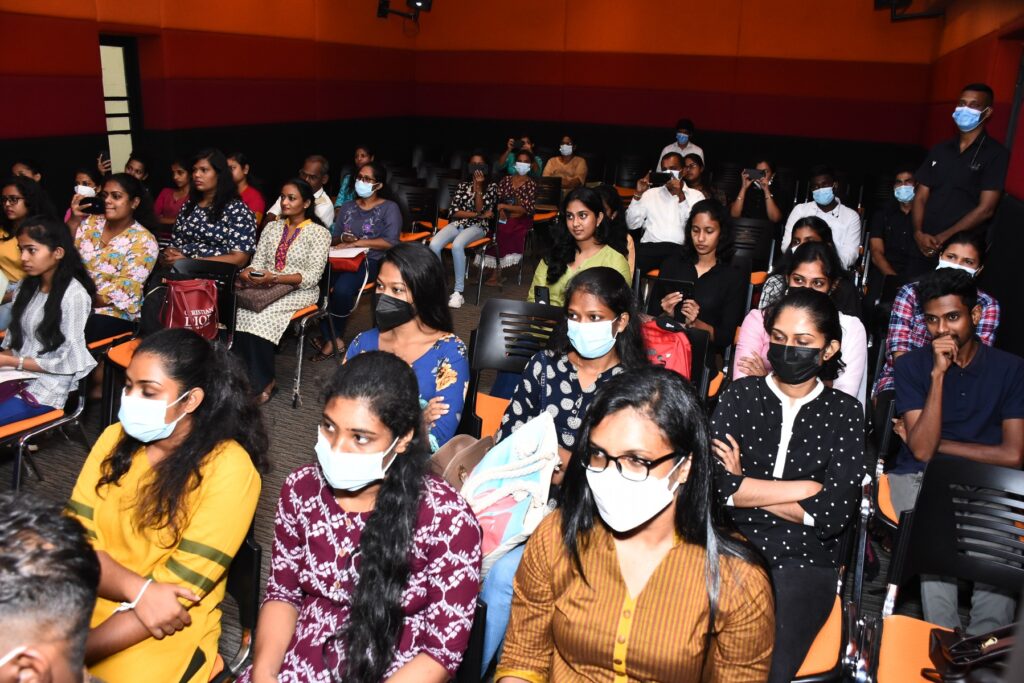
Hindi Diwas was celebrated on 14 September 2022 with great zeal and fervour at the Swami Vivekananda Cultural Centre (SVCC), cultural arm of High Commission of India, Colombo. High Commissioner Gopal Baglay was the Chief Guest at the event, which saw participation of around 75 Hindi enthusiasts, scholars, teachers and students from all over Sri Lanka. Guests at the event were welcomed with a traditional Kandyan dance. Several musical performances on Bollywood and Sinhalese songs, highlighting the close cultural ties between India and Sri Lanka, were also showcased.
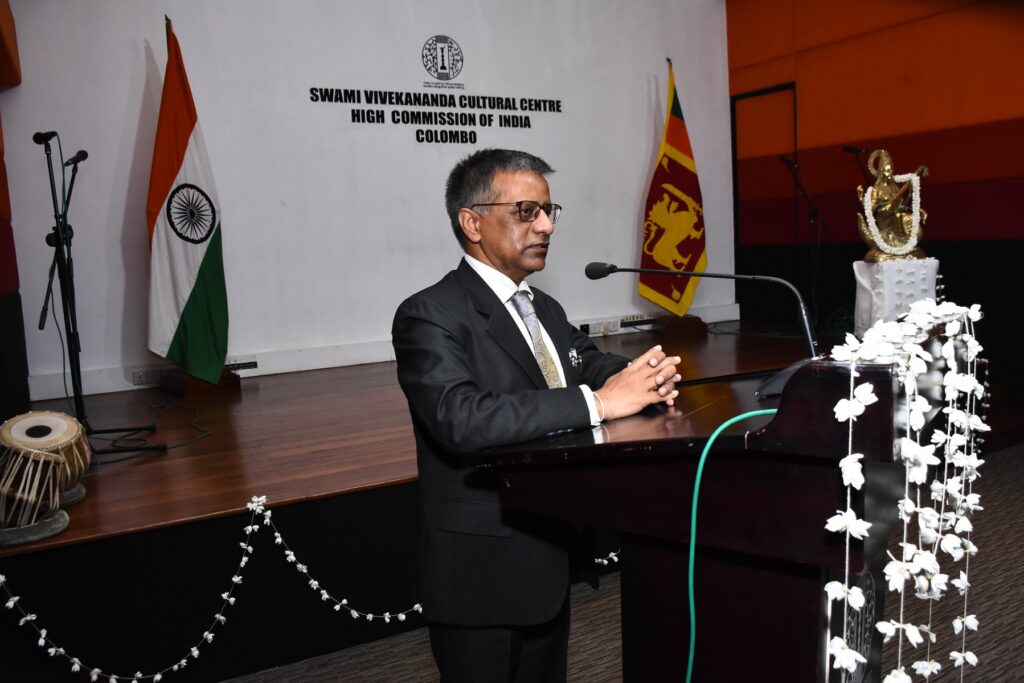
2. Speaking on the occasion, the High Commissioner highlighted the role of Hindi language and literature in strengthening millennia-old cultural, linguistic, literary, and religious ties between India and Sri Lanka. He also elaborated at length on the importance of lighting the traditional lamp and Saraswati vandana, both of which are testimonies of civilization linkages between “cultural twins” – India and Sri Lanka.
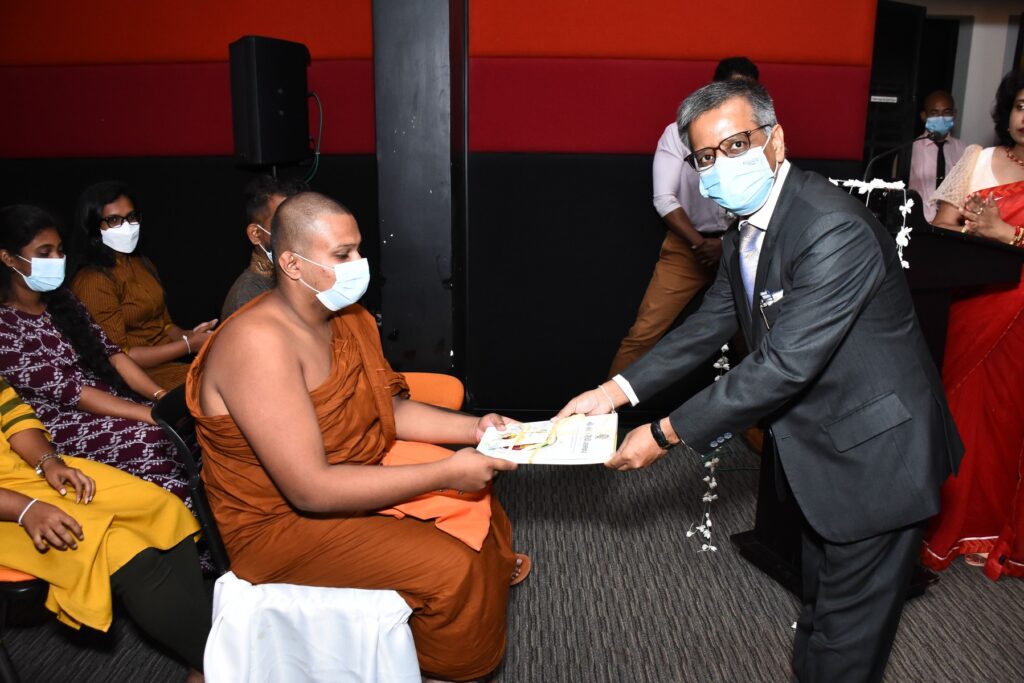
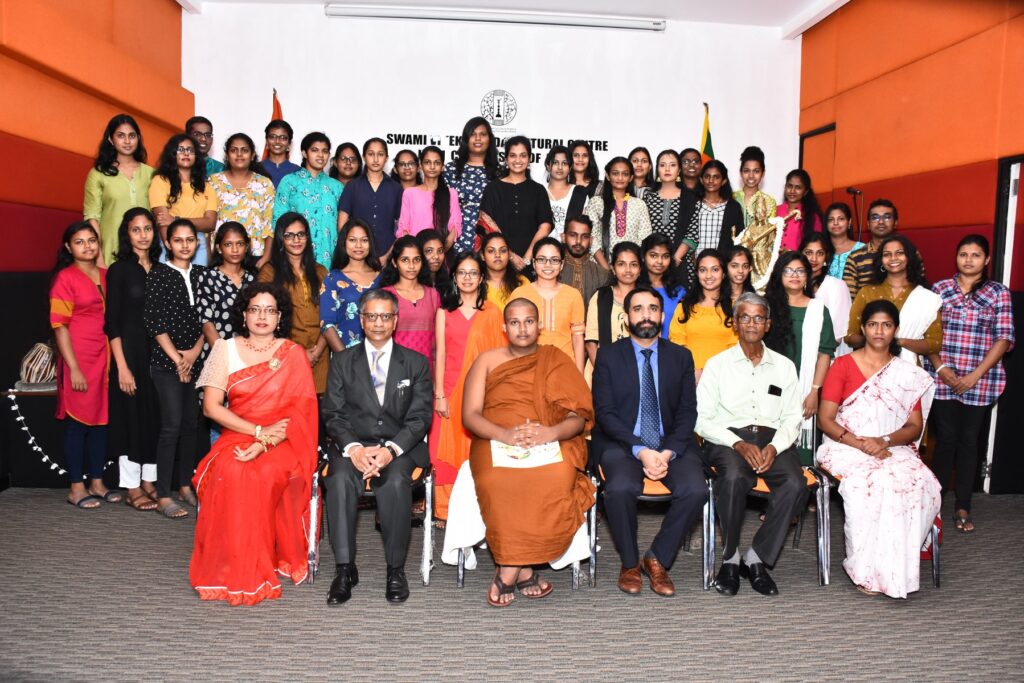
3. On this occasion, a group of 18 Sri Lankan students who have been offered Government of India scholarships to study Hindi in India were also felicitated. As a part of the scholarship, the visit of the students, academic fees and local hospitality at Kendriya Hindi Sansthan (KHS) or Central Institute of Hindi, Agra for one year will be fully sponsored. High Commissioner interacted with the selected students, who departed to India on 15 September 2022 and conveyed his best wishes for their stay in India.
4. Hindi students of the Centre who have successfully completed their KHS courses were also honoured during the Hindi Diwas celebrations.
5. In commemoration of the Hindi Diwas, SVCC launched several island-wide competitions, such as Hindi essay writing competition, Hindi storytelling competition, Hindi poem recitation competition, and Hindi Solo singing competition. These competitions focus on promoting Hindi by providing a platform to Hindi enthusiasts in Sri Lanka to express their literary and linguistic talents. The competitions are being organized throughout the month of September 2022.
***
Colombo
19 September 2022
US Ambassador fascinated by ‘dangerous peacocks’ in Sri Lanka
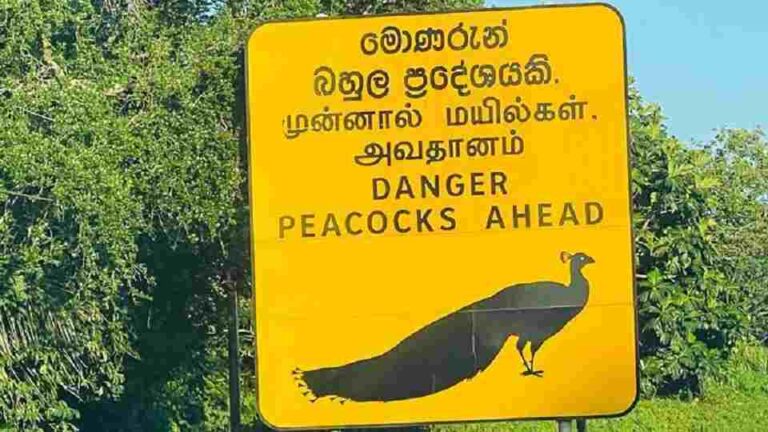
US Ambassador to Sri Lanka Julie Chung left a social media remark expressing her surprise on the existence of peacocks in Sri Lanka, during a her visit to the Southern Province in the country today (19).
Ms. Chung visited several areas in the province, and her tour included the visiting of a group of young people in Matara and the University of Ruhuna.
During her visit, she saw a name board with the words, “Danger, Peacocks Ahead,” which made Chung wanting to see ‘dangerous’ peacocks living in the country.
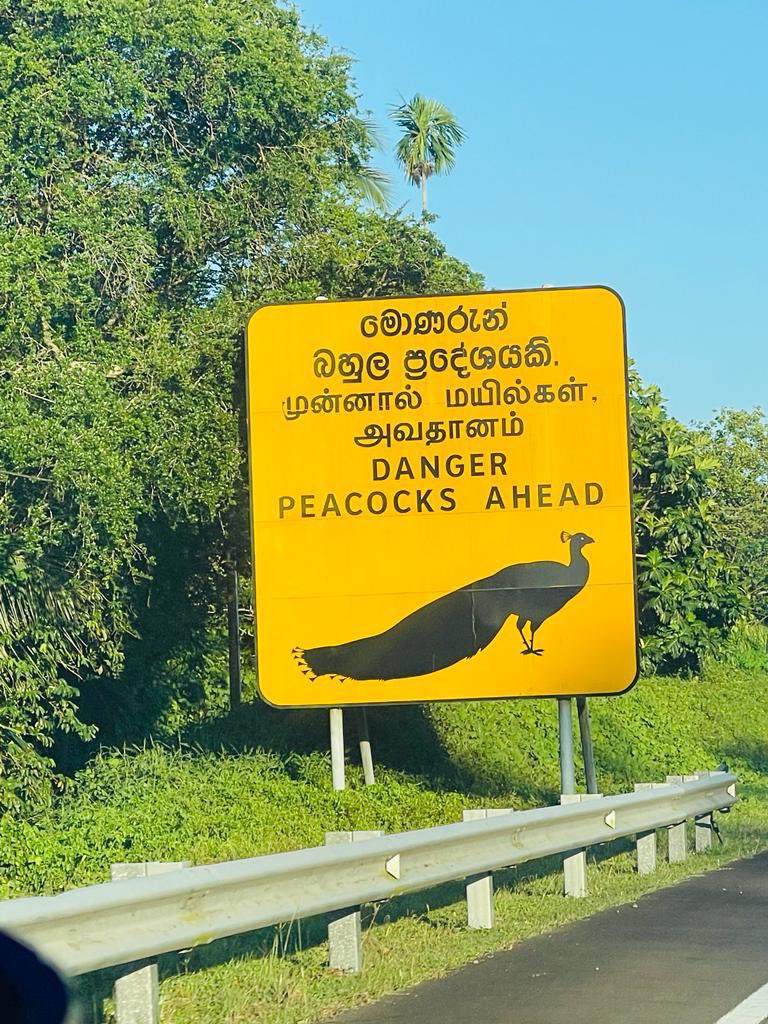
“I’d never imagined a dangerous peacock, but now I can’t stop looking for them!” Chung wrote on her Twitter handle.
Her comments were replied with many twitter handlers across the country saying that she misunderstood the meaning of the name board, because it is a sign to protect the wildlife in the area from the vehicles travelling on the road, while some found it amusing referring the ‘dangerous peacocks’ she is mentioning to Sri Lankan politicians.
MIAP
Three investors bid on Galle Port
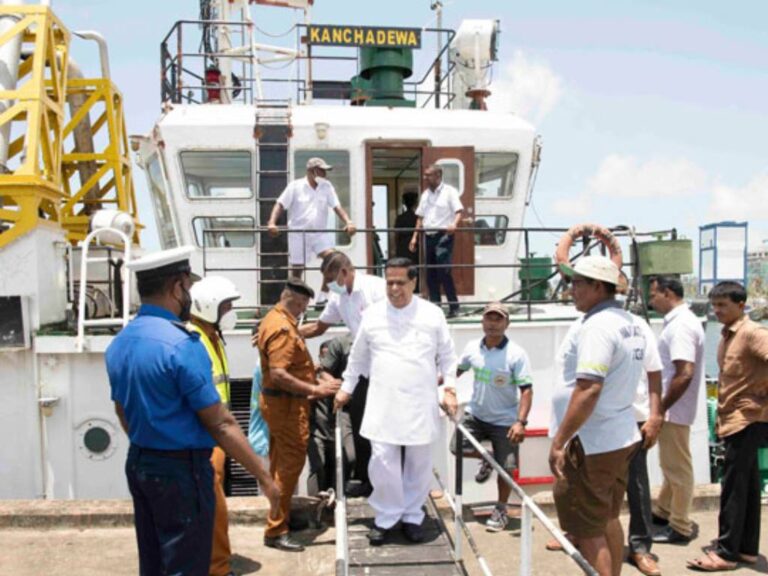
Three companies have expressed their interest on investing for the Port of Galle and a most suitable investor, therefore, will be selected to be given the opportunity to develop the southern port in the country, said Ports, Naval and Aviation Affairs Minister Nimal Siripala De Silva.
The decision comes in in the government’s objective of developing the Galle Port as a tourist port under which a breakwater will be created and new city plans, entertainment zones, sailing and passenger ship facilities and sports zones are to be established for tourist attraction.
Making the project a reality, more local and foreign investors will have the opportunity to invest and the basic plans for this initiative, therefore, have already been prepared, Silva said.
Joining an observation tour at the Galle Port, Minister Silva reminded that former Minister Richard Pathirana dreamed of developing the southern port and that his tireless efforts to make that dream a reality could not be accomplished. Accordingly, the Minister promised that he will be committed to making it a reality.
The project will not limit itself to the Galle District, nor the Southern Province, for it is a necessity to establish development nationwide, he added.
MIAP
WB reveals Sri Lanka ranks 4th in food inflation!
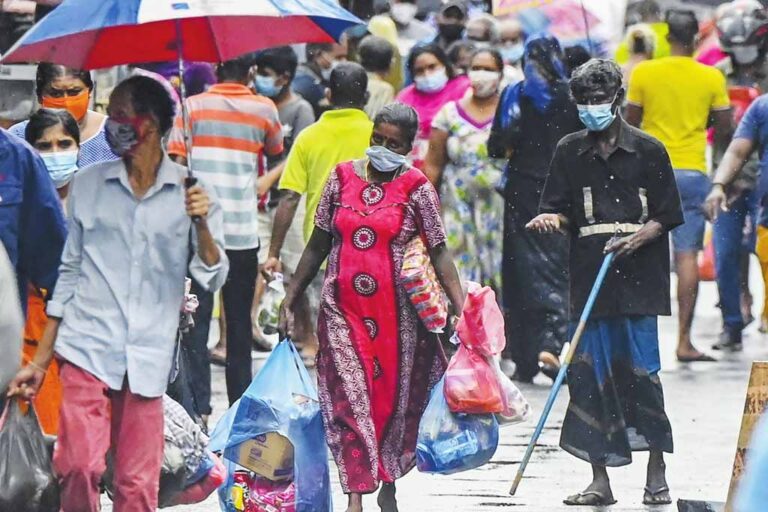
Sri Lanka has ranked forth place in the world in terms of food inflation at a rate of 91 per cent, a report on food security during in 53 countries the period from September 2021 to August 2022 issued by the World Bank revealed.
Zimbabwe is the country to suffer from the highest food inflation, at a staggering rate of 353 per cent. Only Lebanon and Venezuela ranks above Sri Lanka.
Among the top 10 countries are also Turkey, Iran, Argentina, Moldova, Ethiopia and Rwanda.
MIAP