Home Blog Page 398

Ranil Wickremesinghe’s Arrest: Unconstitutional?

0

By Adolf

The arrest of former President Ranil Wickremesinghe over alleged misuse of state funds is raising serious constitutional and political concerns. Under Sri Lanka’s 1978 Constitution, the President enjoys broad immunity for acts performed while in office. Article 35 explicitly shields the President from arrest, detention, or prosecution for official actions. Accountability for alleged violations is confined to the impeachment process under Article 41. This framework is not an anomaly—it is a carefully designed safeguard to ensure the stability of the executive and the continuity of governance, preventing politically motivated attacks on the nation’s highest office.
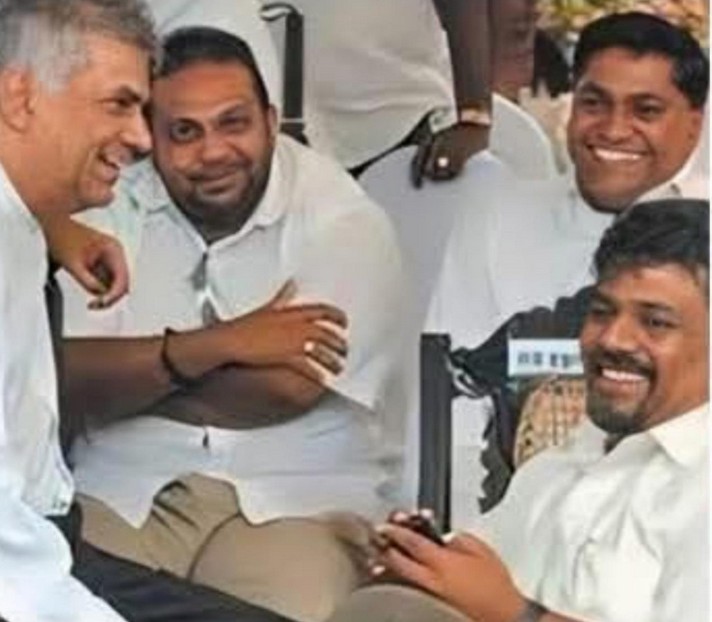
Ranil with AKD in good times 

Official Functions

The funds at the center of this case, reportedly spent on security during official visits and state functions, fall squarely within the realm of presidential duties. These are official acts, not personal transactions. Arresting a sitting or recently retired President for such actions appears inconsistent with constitutional protections. Immunity in this context is not a privilege—it is a structural necessity, protecting the office from legal interference that could paralyze executive decision-making.

Principles

Sri Lanka’s Supreme Court has repeatedly underscored the principle that acts carried out in the official capacity of the President are immune from ordinary criminal proceedings. This principle is fundamental to the separation of powers and the rule of law. Circumventing it risks creating a precedent where the President—and potentially future officeholders—can be subjected to legal actions based on political motives rather than genuine criminal conduct. Such misuse of prosecutorial powers threatens both governance and public trust.

Interpretation is a must

The Supreme Court must intervene to determine whether Ranil Wickremesinghe’s arrest violates constitutional safeguards. Judicial review in this instance is not about shielding an individual; it is about protecting the Constitution itself. The Court must affirm that official acts, including security arrangements, diplomatic engagements, and expenditure of state funds, are inseparable from the duties of the Presidency. Any other interpretation risks undermining the office and destabilizing the state.Importantly, immunity does not equal impunity. The Constitution provides mechanisms for holding Presidents accountable, either through impeachment while in office or post-tenure proceedings for private acts unrelated to official duties. Ignoring this distinction weakens the foundations of constitutional governance.

Supreme Court

Ranil Wickremesinghe’s arrest, therefore, is not merely a legal matter—it is a test of Sri Lanka’s commitment to the rule of law, separation of powers, and constitutional integrity. The Supreme Court’s intervention is crucial to reaffirm that the President, while performing official functions, cannot be prosecuted through ordinary criminal processes. Protecting these principles safeguards both the dignity of the office and the stability of the nation, ensuring that politics does not override the Constitution. As Lord Denning famously said, ‘Justice must not only be done but must manifestly and undoubtedly be seen to be done.’ In the case of Ranil Wickremesinghe’s arrest, the Supreme Court must ensure that constitutional protections are upheld, demonstrating that the rule of law in Sri Lanka is both respected and visible to all.”
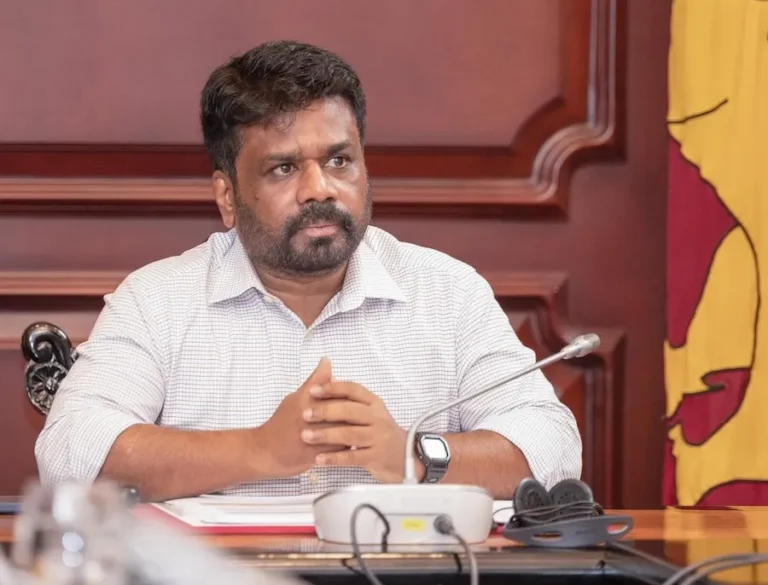

President Embarks on Major Development Drive in Jaffna with Focus on Sport, Fisheries, and Public Services

0

September 01, Colombo (LNW): President Anura Kumara Dissanayake is undertaking a high-profile visit to Jaffna today, marking the launch of several key development initiatives aimed at revitalising infrastructure and services in the Northern Province.

Amongst the highlights of the visit is the ceremonial commencement of construction for a new international cricket stadium—an ambitious project set to bring world-class sporting facilities to the region.

The upcoming venue, once completed, is expected to host international fixtures and provide cutting-edge training and recreational opportunities for young athletes in the North.

It also aims to serve as a focal point for community engagement through sport, strengthening social cohesion and offering economic potential through sports tourism. The groundbreaking ceremony will be followed by a public gathering at the site, where the President is expected to address local residents and stakeholders.

Earlier in the day, the President is scheduled to oversee the launch of the third phase of the Myliddy Fisheries Harbour development project.

The expansion is designed to enhance the livelihoods of fishing communities in the Northern, Eastern, and Southern maritime zones by equipping the harbour with essential infrastructure. Facilities being introduced include access to clean water and electricity, fuel stations, modern cold storage units, net mending areas, fish auction halls, and radio communication services—transforming the harbour into a fully functional maritime hub.

As part of efforts to improve access to essential government services, the President will also officially open a new regional office for the Department of Immigration and Emigration in Jaffna. Situated within the District Secretariat complex, the new facility is equipped with up-to-date systems aimed at streamlining the passport application process for residents in the North, who previously faced long travel times to access such services.

In a nod to the region’s cultural heritage and digital future, President Dissanayake will conclude his visit with the launch of a new e-Library initiative at the historic Jaffna Public Library. This programme will provide online access to a wide range of the library’s archival and contemporary collections, allowing users from across the globe to engage with its resources.

High-Security Court Session Hears Evidence in Case Against Alleged Crime Syndicate Leader

0

September 01, Colombo (LNW): Tight security surrounded the Colombo High Court today (01), as proceedings resumed in a criminal case involving Nadun Chinthaka Wickramaratne—better known by the alias “Harak Kata”—a figure long associated with organised criminal networks in Sri Lanka.

The case centres on an alleged robbery in Meethotamulla, in which the accused is said to have unlawfully entered a private residence and made off with a three-wheeler vehicle and a sum of Rs. 26,000 in cash. The incident forms part of a wider investigation into a series of crimes reportedly linked to Wickramaratne’s suspected underworld operations.

Presiding over the session, High Court Judge Lanka Jayaratne oversaw the hearing of evidence presented by the prosecution. Led by Deputy Solicitor General Sudarshana De Silva, two witnesses were called to the stand, both offering testimony relating to the events of the alleged robbery.

Proceedings took place under strict courtroom controls, with all entrants subject to thorough screening measures. The accused was escorted into the chamber under heavy guard, underscoring both the seriousness of the charges and the high-profile nature of the case.

Following the day’s witness examination, the judge ordered the trial to be adjourned, with the next hearing scheduled for October 29.

Artificial Reef at Hambantota Port Emerges as Southern Sri Lanka’s Most Vibrant Marine Ecosystem

0

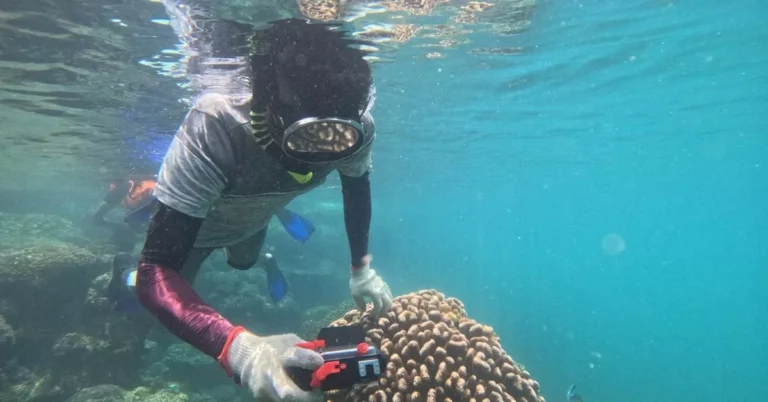
September 01, Colombo (LNW): A newly released study by the Department of Fisheries and Marine Sciences at Ocean University of Sri Lanka has uncovered an unexpected ecological success story beneath the waters surrounding Hambantota International Port (HIP).

What began as a man-made breakwater has now transformed into a thriving underwater habitat, boasting the richest diversity of reef-associated fish recorded in the southern region of the island.

Outshining long-recognised natural sites such as Weligama, Polhena, and Thalaramba, the reef at HIP has become a biological hotspot. Using standardised swim-timed transects—surveying underwater zones 5 by 20 metres wide at shallow depths between 0.5 to 5 metres—researchers observed, identified, and classified fish by species, family, and feeding behaviour. The findings were striking.

HIP scored 2.3 on the Shannon-Weiner Diversity Index (SWD), significantly surpassing Weligama (1.8), Polhena (1.6), and Thalaramba (1.1). Whilst those natural reefs still host notable marine life, they have been increasingly impacted by human activities such as overfishing, ornamental fish collection, and pollution runoff.

HIP, by contrast, benefits from a rare mix of ecological stability and minimal interference—factors which appear to have allowed marine life to flourish.

According to Dr M.F.M. Fairoz, who is leading the research, HIP is showing an ecological balance rarely observed in coastal development zones. “Globally, we’re witnessing algal overgrowth smothering coral reefs and collapsing marine food webs,” he noted. “At Hambantota, we’re seeing a reversal—an artificial reef structure hosting a balanced, self-sustaining marine ecosystem.”

At the heart of this balance is a healthy herbivore population—especially surgeonfish and damselfish—which graze on algae and prevent it from overwhelming coral colonies. This natural algae control allows coral growth and regeneration, creating structurally complex habitats that attract an even wider range of species.

The researchers recorded over eight species exclusive to HIP, including the vivid Blue Green Chromis (Chromis viridis) and Redfin Butterflyfish (Chaetodon lunulatus), alongside economically valuable species such as trevallies, emperors, and lobsters.

The port’s reef also appears to support local livelihoods. Fishers operating around HIP have reported increased catches, suggesting the reef may serve not only as a biodiversity haven but also as a spawning and nursery ground for commercially important fish.

A key indicator of ecological stability at HIP is its trophic diversity—the distribution of fish by feeding type. The study found that 34 per cent of observed fish were herbivores, 58 per cent carnivores, and 40 per cent omnivores, reflecting a robust and resilient food web. Coral cover at the site was measured between 30 per cent and 35 per cent—a notably high figure for the region.

What makes the site even more remarkable is that none of this was planned in the conventional sense of conservation. The breakwater was originally constructed to shield the port from strong ocean currents and waves. Yet, over time, its unique structure, combined with open ocean circulation and low pollution, created the perfect conditions for reef development.

Researchers believe HIP now presents a rare opportunity to reimagine the relationship between infrastructure and ecology. “This is more than a one-off success—it’s proof that artificial structures, when carefully sited and allowed to integrate with natural processes, can evolve into valuable ecosystems,” said the research team.

The findings could have far-reaching implications, potentially influencing how ports and coastal infrastructure are designed not only in Sri Lanka but around the world. With global coastlines under increasing pressure, HIP serves as a blueprint for harmonising economic development with environmental stewardship.

Plans are already being discussed to establish long-term monitoring, education programmes, and eco-tourism initiatives centred around the reef. There is also growing interest in exploring HIP as a site for sustainable fisheries and marine science outreach.

As researchers continue to study its seasonal patterns and species behaviour, the reef at Hambantota International Port has emerged as something far greater than a protective barrier—it has become a living example of how human engineering and ecological resilience can, under the right circumstances, coexist and thrive.

Rare ‘Blood Moon’ to Grace Night Skies in Spectacular Global Eclipse This September

0

September 01, Colombo (LNW): A dramatic celestial display is set to captivate billions across the globe as a total lunar eclipse unfolds on the nights of September 07 and 08, 2025.

Skywatchers in many parts of the world will be treated to the striking sight of the Moon turning a deep, coppery red—a phenomenon popularly known as a “Blood Moon.”

This total lunar eclipse, which will last for an impressive 82 minutes, marks the longest such event since 2022. It occurs when the Earth passes directly between the Sun and the Moon, casting a shadow that completely engulfs the lunar surface.

As the Moon moves through Earth’s shadow, sunlight passing through the planet’s atmosphere bends and scatters, bathing the Moon in a reddish hue.

According to astronomical projections, approximately 85 per cent of the global population—nearly 7 billion people—will have the opportunity to witness at least part of the eclipse, weather permitting.

The period of totality, when the Moon is entirely submerged in Earth’s shadow, will be clearly visible from Asia, central and eastern Africa, and the majority of Australia.

Observers in other regions, including the remainder of Africa, large swathes of Europe, eastern Brazil, and portions of western Australia, will see partial phases of the eclipse as the Moon gradually moves in and out of shadow.


Court Revisits Long-Standing Case of Inmates Accused of Prison Break During 2004 Tsunami

0

September 01, Colombo (LNW): A protracted legal case involving a group of inmates accused of attempting a mass escape during the devastating tsunami that struck Sri Lanka in December 2004 was once again brought before the Galle High Court.

Presiding over the latest hearing, High Court Judge Purnima Paranagama reviewed proceedings against 56 individuals who were incarcerated at the time of the natural disaster.

The prisoners stand accused of forming an unlawful assembly, violently attacking prison personnel, attempting to flee custody, and causing extensive damage to correctional facility property—reportedly amounting to over Rs. 153 million.

The incident occurred on 26 December 2004, a day marked by chaos and tragedy nationwide, as one of the deadliest tsunamis in recorded history swept through coastal regions. Amid the widespread devastation, the accused allegedly seized the moment to stage a coordinated breakout from the affected prison complex.

Police submissions to the court indicated that nine of the accused have since passed away, while six others remain unaccounted for and are believed to have absconded. Of the remaining 41 defendants, 25 are currently out on bail and appeared before the court as required.

During the hearing, the High Court Judge directed the State Counsel to consult the Attorney General’s Department to determine whether the charges could be reframed under the Public Property Act, which carries specific legal provisions regarding the wilful destruction of state-owned assets.

The prosecution’s case was supported by the testimony of Sergeant Ajith Pushpakumara, who was amongst the officers on duty at the time of the incident. His account forms part of the broader effort to establish the timeline of events and the extent of damages allegedly caused by the accused.


CID Postpones Summons for Former Top Official in Ongoing Probe

0

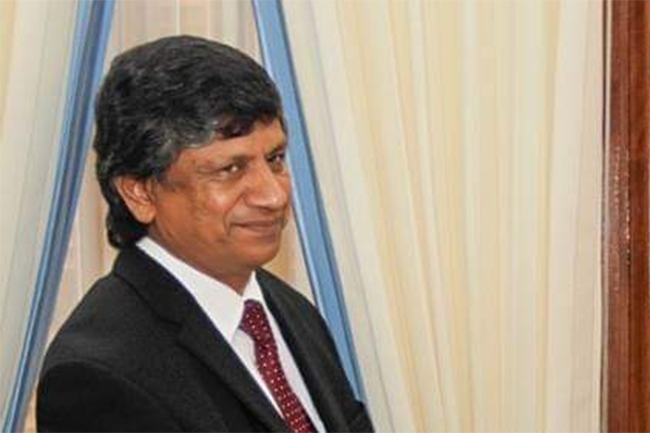
September 01, Colombo (LNW): Former Presidential Secretary Saman Ekanayake has been informed that his scheduled appearance before the Criminal Investigation Department (CID), originally set for this morning, has been deferred.

The notice of postponement was conveyed to him earlier in the day, according to sources linked to the office of the former President.

Ekanayake had been expected to present himself at CID headquarters at 9:00 a.m. to provide further clarification related to an ongoing inquiry into the former President Ranil Wickremesinghe’s recent trip to the United Kingdom.

However, investigators have since advised that his presence is no longer required at this time.

This is not Ekanayake’s first involvement with the investigation. He has previously met with CID officers and given a statement regarding the matter, which continues to attract attention due to questions surrounding the nature, purpose, and logistical arrangements of the former head of state’s overseas visit.

Psychiatrist Raises Alarm Over Social Media’s Role in Fueling Youth Violence

0

September 01, Colombo (LNW): A leading consultant psychiatrist has voiced serious concerns over a disturbing trend among young people in Sri Lanka, warning that social media is increasingly shaping aggressive behaviour and pushing vulnerable individuals towards violent subcultures.

Dr Rumi Ruben, a specialist psychiatrist based at Karapitiya National Hospital, has highlighted a growing pattern where violence is becoming a default method of conflict resolution amongst youth.

He attributes much of this shift to the unchecked influence of social media platforms, which, he argues, have become breeding grounds for hostility, misinformation, and radicalisation.

“Once used primarily as a tool for communication and ideological expression, social media has evolved into a space where hate is normalised, and violent behaviour is glorified,” Dr Ruben explained. “Young people, often still in their formative years, are particularly susceptible to these influences and may begin to mirror the aggression they see online in real life.”

He emphasised that this exposure can lead to dangerous outcomes, such as involvement in criminal networks, drug-related activities, or even the formation of armed groups. Many of these individuals, Dr Ruben noted, suffer from deep-rooted anger and emotional instability—issues which are often overlooked until it is too late.

He went on to underscore the importance of early intervention. Identifying at-risk youth before they are fully absorbed into violent lifestyles is critical, he said, and must be followed by targeted rehabilitation programmes that address both psychological and social needs.

Dr Ruben also called for a more robust legal response to organised crime and gang activity, stating that bringing key figures within these underworld circles to justice would help deter others from following the same path.

However, he was quick to stress that punitive measures alone are not enough—long-term solutions require a coordinated effort between mental health professionals, educators, community leaders, and law enforcement agencies.

His comments come at a time when Sri Lanka, like many countries, is grappling with the societal impact of rapidly evolving digital spaces. Experts are urging greater public awareness of the psychological effects of online content, particularly on adolescents and young adults, as well as stronger regulation to limit the spread of harmful material.

Public Sector Embarks on National Decluttering Drive to Improve Workplace Efficiency

0

September 01, Colombo (LNW): A large-scale clean-up campaign has been launched across all government institutions in Sri Lanka, beginning today (01).

The initiative, which runs until September 04, aims to rid public offices of years’ worth of unused, broken, or redundant items that have accumulated over time.

Dubbed “Seiri Week,” the effort forms part of a broader movement to promote order, cleanliness, and better functionality within state institutions. Officials hope the clean-up will foster healthier, safer, and more efficient working environments for public sector employees, ultimately enhancing the quality of service delivery to the public.

The Ministry of Public Administration, Provincial Councils and Local Government is spearheading the operation, having issued a detailed circular instructing all state bodies to participate fully. The directive has been distributed to the top echelons of the public sector, including Ministry Secretaries, Chief Secretaries of Provinces, Department Heads, District Secretaries, and leadership within public corporations and statutory boards.

Institutions are required to identify items that are either obsolete or no longer in use—such as outdated equipment, broken furniture, unused files, or abandoned materials—and ensure their proper disposal or recycling in accordance with newly issued operational guidelines.

This four-day activity has been aligned with the “Clean Sri Lanka” national programme, a state-led push towards better environmental management, institutional discipline, and workplace hygiene.

It is also seen as a practical response to long-standing criticism of clutter and inefficiency in government offices, where storerooms, corridors, and even active workspaces have often become storage areas for long-forgotten materials.


Seat Belt Rule Enforced on Expressway Buses Amid National Safety Drive

0

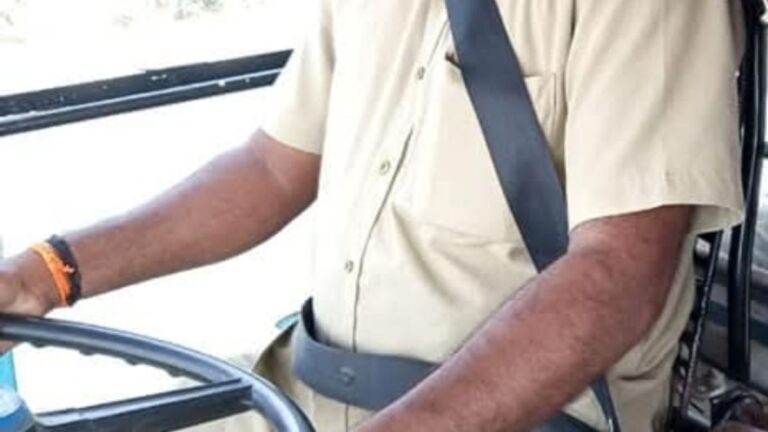
September 01, Colombo (LNW): A new regulation aimed at improving passenger safety has officially come into effect from today (01), requiring all individuals travelling on expressway passenger buses in Sri Lanka to wear seat belts throughout their journey.

The measure forms part of a broader initiative to enhance road safety and reduce fatalities on high-speed routes.

Manjula Kularatne, who heads the National Council for Road Safety, confirmed that those who fail to comply with the regulation will face legal consequences. However, he acknowledged that not all long-distance buses are currently equipped with seat belts. To address this, a grace period of three months has been granted, allowing operators time to retrofit older vehicles with the necessary safety equipment.

The legal framework underpinning this move was formally introduced through a gazette notification issued on August 31, signalling a significant shift in transport policy and enforcement.

The regulation has also been linked to a wider government-led effort known as the “Clean Sri Lanka” programme. Speaking just a day prior to the regulation’s enactment, Minister of Transport, Highways, Ports and Civil Aviation Bimal Rathnayake described the initiative as a critical element of this national campaign, which seeks not only to promote safer travel but also to instil greater discipline and responsibility among both drivers and passengers.

Addressing the economic implications, Minister Rathnayake drew attention to the recent surge in the cost of seat belts. Once priced at approximately Rs. 2,000, the cost of a single unit now ranges from Rs. 5,000 to Rs. 7,000.

He urged the Consumer Affairs Authority to closely monitor the situation to prevent potential profiteering and ensure affordability, particularly for smaller transport operators.