September 01, Colombo (LNW): Sri Lanka Customs has once again detained over 1,000 BYD electric vehicles imported into the country, citing fresh allegations of motor capacity misrepresentation for the purpose of tax evasion.
This follows a similar issue earlier this year involving the same importer, John Keells CG Auto Pvt. Ltd., and the BYD ATTO 3 model.
According to customs sources, the newly detained vehicles include a mix of BYD models: approximately 450 ATTO 3 vehicles, 250 Dolphin vehicles, 200 ATTO 1 vehicles, and 100 ATTO 2 vehicles. Authorities allege that these vehicles were declared with reduced motor capacities, resulting in significantly lower tax payments.
This latest action stems from suspicions that, as with the previous case, the motor capacities of the vehicles were understated. For instance,
– the BYD ATTO 3, originally equipped with a 150kW motor, was declared as 100kW; – the Dolphin Dynamic, with a 70kW motor, was declared as 49kW; – the Dolphin Premium, also a 150kW vehicle, was presented as 99kW; – the BYD M6, with a 120kW motor, was listed as 100kW; and – the BYD Seal Dynamic, similarly, was declared as 100kW despite a 150kW motor capacity.
This mirrors the earlier controversy surrounding nearly 1,000 BYD ATTO 3 vehicles imported by John Keells CG Auto Pvt. Ltd. In that instance, the importer argued that although the physical motor capacity was 150kW, the vehicles had been configured via “firmware” to output only 100kW, and therefore qualified for a lower tax bracket. However, Sri Lanka Customs maintained that tax is levied based on the actual motor installed in the vehicle, regardless of any software limitations.
In July 2025, following legal proceedings, a temporary agreement was reached between the importer and Sri Lanka Customs. The court permitted the release of the earlier batch of vehicles upon submission of a bank guarantee equivalent to the estimated tax shortfall—approximately Rs. 3.6 billion—whilst an expert committee, including representatives from the University of Moratuwa, was tasked with assessing the motor capacity of the vehicles.
The current detentions will also be subject to the outcome of the same committee’s findings. Until a decision is reached, the newly impounded vehicles may likewise be released only under a similar bank guarantee arrangement, potentially involving several billion rupees.
Before the controversy erupted, John Keells CG Auto Pvt. Ltd. had already imported and released over 2,500 BYD vehicles into the Sri Lankan market. Customs regulations currently stipulate that vehicle taxes be calculated based on motor capacity, and should the committee rule against the importer’s firmware-based justification, the bank guarantees may be forfeited and converted into tax payments to the state.
Industry experts warn that if this firmware-based argument is accepted, it may set a precedent allowing other importers to declare reduced engine capacities on similar software grounds. This could potentially lead to substantial tax revenue losses, estimated to be in the hundreds of billions of rupees, if broadly adopted across the electric vehicle import sector.
August 31, Colombo (LNW): Sri Lanka’s financial technology (fintech) sector is showing impressive growth in numbers, yet questions remain over whether the government can deliver on its ambitious targets for a US$15 billion digital economy by 2030.
Central Bank figures highlight the growing appetite for digital payments. In the first quarter of 2025 alone, LankaPay processed more than 404 million transactions—up nearly 48 percent year-on-year with the value of transactions almost doubling to Rs. 586 billion. Private banks are also playing a role, with HNB recently waiving fees on LANKAQR transactions, while the Central Bank has stepped up digital payment promotion campaigns to encourage cashless adoption.
Officials have laid out bold objectives. The government’s Digital Economy Strategy 2030 envisions a digital sector contributing 12 percent of GDP, with targets including 95 percent financial inclusion, US$100 million in fintech investment, and a rise in fintech graduate employment from 10 to 25 percent. Deputy Minister of Digital Economy Eranga Weeraratne has described the agenda as “ambitious but necessary,” underscoring the importance of digital infrastructure for future reforms.
Yet, the gap between strategy and execution remains wide. Fintech entrepreneurs argue that bureaucratic inertia and shifting policies are hindering momentum. “The ecosystem is ready, but officials have typically tied hands,” said one industry insider, pointing to delays in approvals and regulatory red tape that discourage investors.
Despite the surge in online transactions, cash remains dominant in everyday small payments. Debit cards are still used primarily for withdrawals rather than digital purchases, while rural connectivity issues and the high cost of devices continue to limit wider adoption.
Some initiatives hold promise such as cross-border QR interoperability with Alipay+, which could boost tourism-related payments but analysts stress that broader structural reforms are essential. Greater SME onboarding, skilled workforce development, and stable policy execution are viewed as critical if Sri Lanka is to attract investment and build trust in the fintech ecosystem.
International observers have also raised concerns. The World Bank has noted that Sri Lanka’s digital economy plans require stronger inter-agency coordination, yet domestic institutions often lag in delivering timely results.
For now, the numbers tell a story of momentum. But experts warn that unless bureaucratic bottlenecks are addressed, Sri Lanka risks incremental progress rather than transformative change. The vision of a US$15 billion digital economy by 2030 is within reach, but only if the pace of policy delivery matches the ambition written on paper.
August 31, Colombo (LNW): Sri Lanka’s ambition to diversify and liberalise its petroleum retail sector has suffered a serious blow with the abrupt withdrawal of Australian energy giant United Petroleum—barely a year after its much-publicised entry. The exit not only undermines the Government’s reform agenda but also casts a long shadow over the country’s credibility in attracting and retaining international petroleum giants.
Ceylon Petroleum Corporation (CPC) Managing Director, Mayura Neththikumarage, confirmed that United Petroleum formally notified its decision to withdraw three months ago, citing unfavourable operational conditions and the limited scale of Sri Lanka’s market. The company ceased fuel supplies in December 2024, leaving behind 64 fuel stations, which have since reverted to CPC management.
What makes this development particularly significant is that Sri Lanka was United Petroleum’s first overseas venture beyond Australia. The firm had entered in August 2024 under a 20-year Board of Investment (BOI) licence, pledging $27.5 million to import, store, and distribute petroleum products. With much fanfare, it promised to modernise Sri Lanka’s fuel landscape by introducing convenience store models and diversifying lubricants. Today, that vision lies in tatters.
At the time of approval, the Government hailed United Petroleum’s investment as a landmark in its strategy to open up the fuel sector to foreign players. Alongside United, companies from China, the US, and India were granted 20-year licences, with hopes that their presence would break CPC’s monopoly, guarantee supply stability, and attract much-needed foreign direct investment (FDI).
But United Petroleum’s exit exposes deeper structural weaknesses. The company’s reference to “dissatisfaction with operational conditions” suggests more than market-size limitations. Industry insiders point to regulatory bottlenecks, opaque pricing mechanisms, and bureaucratic hurdles that deter global energy firms. Moreover, the political climate—where policy decisions are often reversed with each administration adds to investor uncertainty.
The implications of United Petroleum’s departure extend far beyond the loss of a single investor. It raises troubling questions about whether Sri Lanka can truly deliver a predictable, business-friendly environment for multinational petroleum companies. If operational challenges remain unaddressed, the remaining players Chinese, American, and Indian firms—may also reconsider their long-term commitments. The risk of a domino effect could unravel the entire liberalisation experiment.
For consumers, the withdrawal is equally concerning. One of the core promises of market liberalisation was competition-driven efficiency, better service, and more stable fuel supplies. With one less competitor, the market once again tilts heavily in favour of state-run CPC and Indian Oil Corporation (IOC), potentially diminishing the incentives for efficiency and innovation.
United Petroleum’s quiet but decisive exit also dents Sri Lanka’s global reputation as an investment destination. Securing the confidence of large multinational petroleum firms is not just about fuel supplies it is a signal to the world about the stability of the country’s regulatory and investment climate. If an energy major can walk away so soon after signing a 20-year deal, it sends an alarming message to prospective investors across all sectors.
As the Government scrambles to reassure stakeholders, the episode serves as a warning: without consistent policy, regulatory transparency, and genuine support for investors, Sri Lanka risks squandering opportunities to transform its fuel sector—and with it, its broader economic reform agenda.
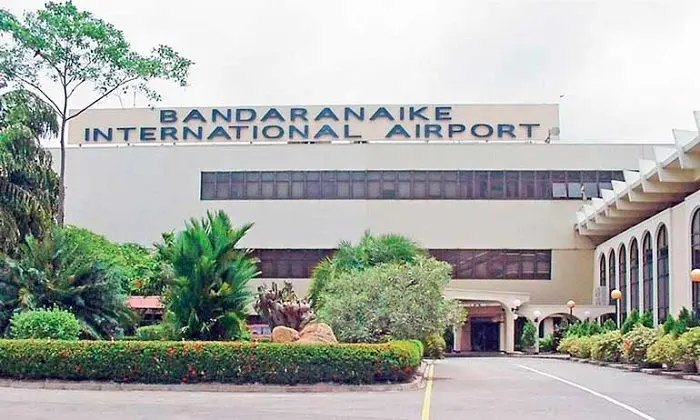
August 31, Colombo (LNW): Sri Lanka’s Bandaranaike International Airport (BIA) expansion project has resumed after years of delay, backed by renewed financing from the Japan International Cooperation Agency (JICA). The project is seen as vital for achieving the government’s target of attracting 5–7 million high-spending tourists annually by 2030.
Haskoning DHV Nederland B.V, a consulting engineering firm, has been appointed to draft the master plan for the expansion project of the Bandaranaike International Airport (BIA).
This master plan will concentrate on planning the future of the airport, taking into account capacity, efficiency, and passenger experience to ensure that it is able to accommodate more passenger traffic and meet Sri Lanka’s tourism objectives.
However, concerns are mounting over the National People’s Power (NPP) government’s ability to deliver, as its rigid anti-corruption drive has created a climate of hesitation among officials and slowed decision-making on large infrastructure projects.
Expansion and Strategic Importance
The BIA master plan includes the long-delayed Terminal 2, modernization of arrival and departure facilities, e-gates, biometric screening, upgraded baggage handling, and enhanced visitor amenities such as ATM facilities and tourist information counters.
With passenger numbers already exceeding the airport’s original design capacity, the upgrades are critical to easing congestion and maintaining Sri Lanka’s competitiveness against regional hubs in India and the Maldives.
Tourism remains a key foreign exchange earner, and stakeholders warn that without a modernized airport, Sri Lanka risks discouraging airlines and travelers. Analysts argue that completing BIA’s expansion is central to positioning the country as a South Asian aviation hub.
Latest Developments at BIA
As of August 30, 2025, operations continue without major disruption. Authorities have introduced a new traffic plan for vehicles and airlines are stretching peak flight schedules to reduce bottlenecks. A new counter issuing temporary driving licenses for tourists opened on August 29, improving visitor convenience.
Political Climate and Governance Challenges
Despite these operational measures, doubts surround whether the NPP government can effectively steer the massive expansion project. Since coming to power, the administration has focused heavily on anti-corruption campaigns, arresting and remanding opposition politicians and investigating alleged financial misappropriations. While applauded by the public, this stance has had unintended consequences.
Senior officials, wary of being accused of corruption or misuse of funds, are reportedly reluctant to take decisions or provide guidance on project execution. This bureaucratic paralysis risks slowing down procurement, approvals, and coordination with international partners—processes that are essential to completing mega infrastructure projects like the BIA expansion.
Risks of Delay
Observers note that Sri Lanka has already lost valuable time, with Terminal 2 construction suspended since 2022. Any further delays could undermine tourism growth, reduce foreign exchange inflows, and damage investor confidence. With debt restructuring still fragile, the country cannot afford setbacks in projects tied directly to economic recovery.
The NPP’s relative inexperience in governance further fuels concern. Unlike previous administrations, it lacks a tested track record in managing complex international projects, raising fears that political distractions and inaction could overshadow technical progress made with JICA and other partners.
Outlook
For now, BIA is managing congestion through temporary solutions, while construction of Terminal 2 resumes. But analysts warn that unless the government strikes a balance between combating corruption and enabling efficient governance, Sri Lanka risks another cycle of delay.
The next 12–18 months will be crucial. If the NPP can demonstrate both clean governance and administrative efficiency, BIA could emerge as a world-class aviation hub by the end of the decade. If not, Sri Lanka may miss its tourism and economic recovery targets, with the airport remaining a symbol of stalled potential.
Demands are intensifying for the Sri Lankan government to reveal the burial site of Tamil political prisoners who were brutally tortured and murdered by Sinhalese inmates at Welikada Prison over two days, four decades ago. Campaigners are also urging that an international investigation, overseen by independent forensic experts, be initiated to uncover the truth and ensure justice.
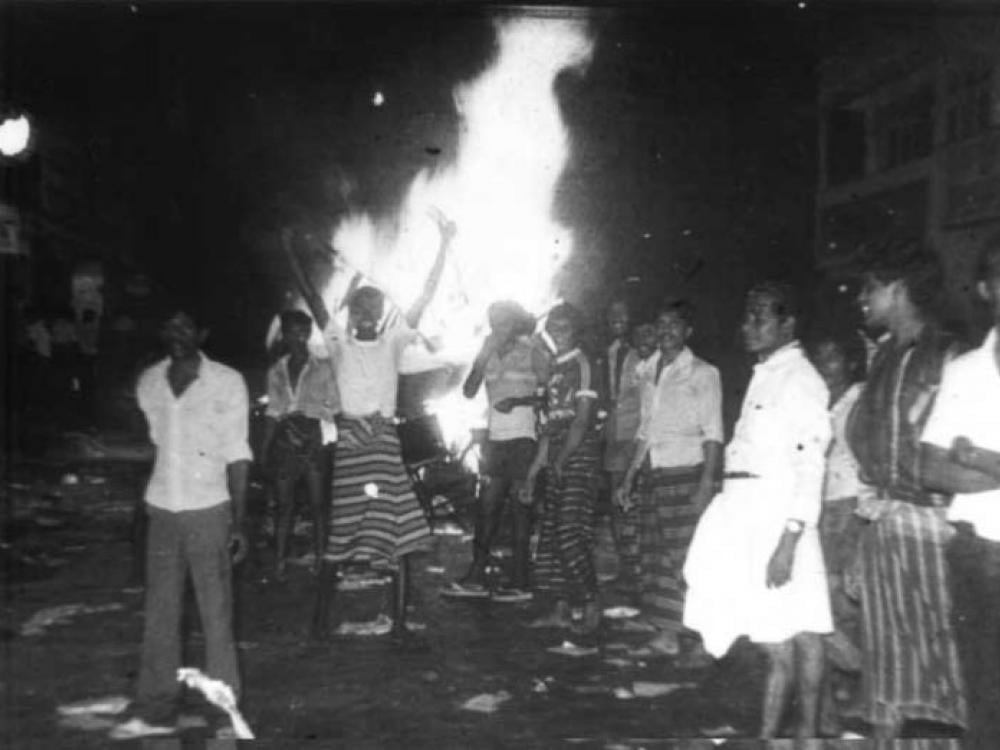
Tamil political activists and the families of the murdered prisoners are calling for a comprehensive inquiry into the killing of 53 Tamil detainees, which occurred amid a wave of anti-Tamil violence during the infamous ‘Black July’ riots of 1983. These killings were allegedly carried out with the tacit approval—or at least the complicity—of prison authorities.
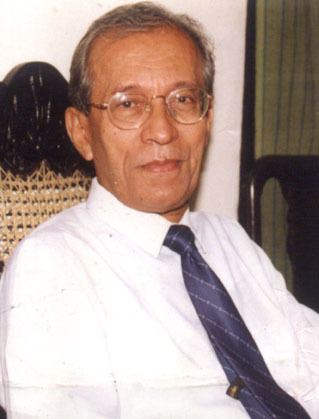
Yogachandran Madiwannan
“Where Are Their Graves?” – The Call for International Accountability
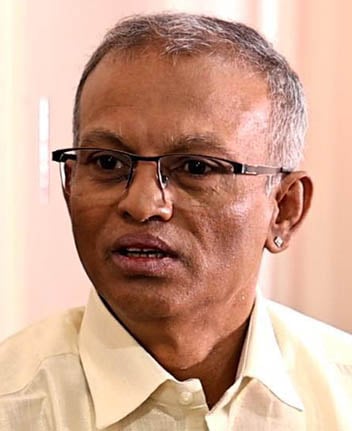
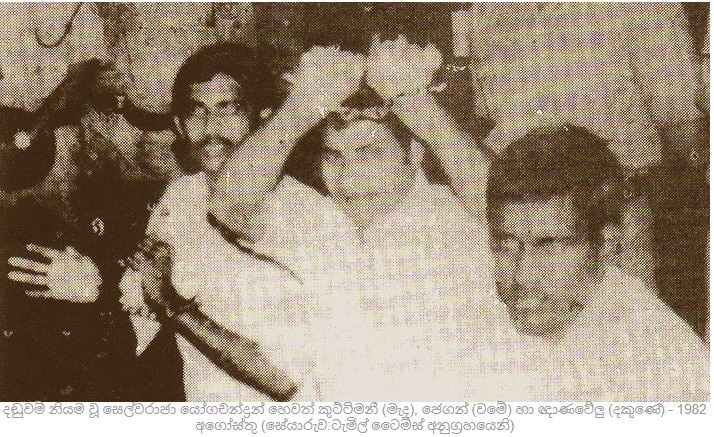
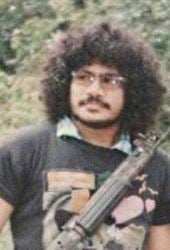
“Where did the government of the time bury my father and the others they killed? None of us know what became of their bodies. All we are asking is for an international investigation to be conducted into this massacre and for the perpetrators to be held accountable,” said Yogachandran Madiwannan, son of Selvarajah Yogachandran—better known as Kuttimani—who was among the victims of the Welikada Prison massacre.
Speaking in an exclusive interview, Madiwannan recalled how he learned of his father’s death through a radio broadcast while living in an orphanage in India, having fled Sri Lanka. The government, he said, never officially informed the family.
“After my father and the others were murdered by Sinhalese inmates, the government concealed the crime. How did they die? Was there even a proper funeral? Where are their graves? We were told nothing. Even today, we are left with unanswered questions,” he said in a trembling voice. He was just 12 years old at the time.
M.K. Sivajilingam
Burned at Borella Cemetery
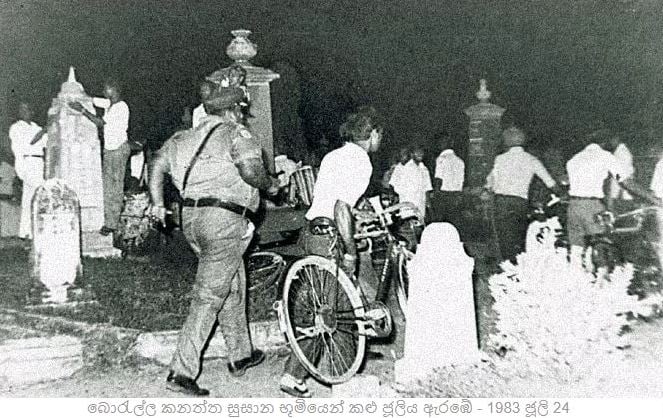
According to independent investigations and eyewitness testimonies, the bodies of the slain prisoners were loaded onto a prison vehicle, transported to the public cemetery in Borella, dumped into a pit at a concealed location, piled with firewood, and burned.
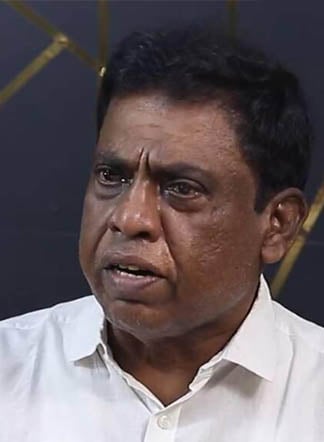
Prominent civil rights advocate and former Member of Parliament M.K. Sivajilingam, who has persistently campaigned for Tamil rights, also insists that the current administration has both the authority and the obligation to launch an independent inquiry into the massacre—an atrocity that has been suppressed by successive governments for over 40 years.
“Every government since then has covered this up. The present government claims to be investigating concealed crimes—then let it investigate this mass killing as well. These prisoners were under judicial custody, which means they were under the protection of the state. It is irrelevant which government was in power then or now; the state must be held accountable,” Sivajilingam stated.
Both Madiwannan and Sivajilingam agree that a truly impartial investigation can only be ensured with the involvement of international experts, and that the Sri Lankan government alone cannot be trusted to carry it out transparently.
“The international community must intervene to investigate this crime thoroughly. Only then might we learn what truly happened to the bodies,” said Madiwannan.
Despite the unearthing of mass graves across the island, including in the North and East, investigations into such sites have remained informal or have been deliberately stifled. The Welikada massacre has now passed through 12 successive governments led by 9 different presidents. Recently, the seventh mass grave in Sampur was uncovered, underscoring the pervasiveness of such atrocities.
The First Wave of Killings
On 25 July 1983, 35 Tamil political prisoners housed in the Chapel Ward on the ground floor of Welikada Prison were forcibly removed from their cells and savagely beaten to death using sticks, clubs, iron rods, and other weapons. Two days later, on 27 July, an additional 18 Tamil inmates were killed in similar fashion while prison officials and armed soldiers stood by.
Subsequent investigations revealed that many of the 53 victims had been subjected to extreme torture—limbs broken, eyes gouged out, and their bodies dragged across the open yard in front of the prison.
“My father’s eyes were gouged out while he was still alive. We found out later. He had said he wanted to see Eelam before he died. That’s why they did it,” Madiwannan recounted, his eyes brimming with tears.
The Chapel Ward was divided into four sections—A, B, C, and D—with four corresponding cells on the ground floor: A3, B3, C3, and D3. Cell B3 held six members of the Tamil Eelam Liberation Organisation (TELO), including Selvarajah Yogachandran (Kuttimani), Nadarajah Thangavelu (Thangathurai), and Ganeshanathan Jeganathan (Jegan), who had been sentenced to death following the 1981 Nirveli Bank robbery. All six were in the process of appealing their sentences.
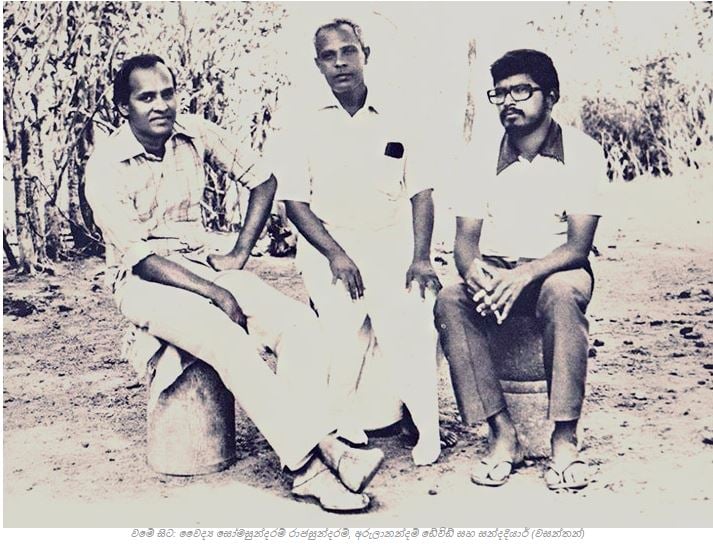
Cell D3 housed 29 Tamils arrested under the Prevention of Terrorism Act (PTA), while C3 contained another 28. In the juvenile ward, nine more Tamil prisoners were detained, including Dr Dharmalingam, Kovai Mahesan, Dr Somasundaram Rajasundaram, A. David, Nithyanandan, and Catholic priests Fathers Singarayar, Sinnarasa, Jeyathillakaraj, and Dr Jeyakularajah.
The then-Deputy Commissioner of Prisons, Christopher Theodore Jans, confirmed that most inmates in D3 were either suspects or recommended for early release.
Cell A3, however, was different—it housed what were deemed the most dangerous and escape-prone prisoners, all of whom were Sinhalese. Among them was Sepala Ekanayake, serving a life sentence for the 1982 hijacking of an Alitalia aircraft. Later reports suggest he played a key role in inciting and leading the attack.
Sepala Ekanayake
Independent reports indicate that prison guards were usually stationed in both the upper and lower levels of the Chapel Ward, with at least 15 officers on duty, especially near the ground-floor corridor. Yet, on the day of the attack—25 July—the number of guards was significantly reduced.
Academics from the University Teachers for Human Rights (UTHR-Jaffna) noted that the anti-Tamil sentiment already brewing outside the prison, especially near Borella cemetery, had found its way inside Welikada. On that day, numerous prisoners from the lower section were inexplicably removed—likely emboldening the Sinhalese inmates. Meanwhile, Tamil prisoners, who received daily newspapers, were aware of the escalating violence in Colombo.
According to reports, between 10 a.m. and 11 a.m., unrest began to emerge within the prison. By around 2 p.m., a large group of Sinhalese inmates approached cell B3, attempting to break open the locks and force entry into cells housing Tamil detainees.
Manikkadasan, a Tamil prisoner in cell C3, witnessed from a nearby window how his fellow inmates, already beaten or dead, were dragged by their limbs across the prison yard by Sinhalese attackers, as guards looked on passively.
Manikkadasan
A Coordinated Genocide?
The evidence suggests that security arrangements within the prison were deliberately altered. More disturbingly, questions remain about the conduct of the armed military unit stationed at the prison’s main gate.
According to the prison superintendent Leo de Silva’s testimony during a magistrate’s inquiry, he called out for assistance from the soldiers. However, he claimed they were unable to control the sheer number of attacking prisoners.
At the time, over 800 inmates were housed in the two-storey Chapel Ward. De Silva noted that although the military was present and corpses lay scattered in the corridors, no additional troops were deployed to control the situation. It is suspected that the soldiers may have intentionally stood down, allowing the Sinhalese prisoners to carry out their attacks.
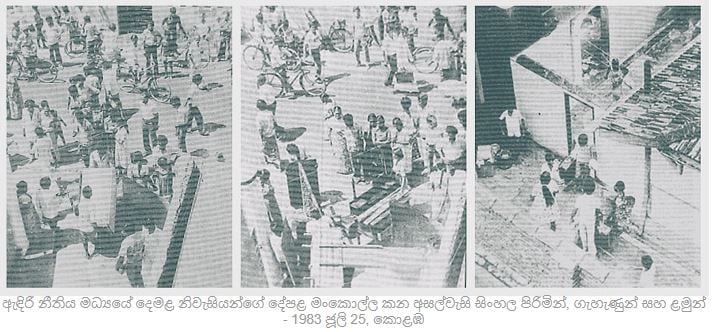
This theory gains weight when considering that the anti-Tamil pogrom began with riots near the Borella cemetery, where state-sponsored funerals for 13 soldiers killed in the North were taking place.
Authorities claimed that the military presence at the prison was to prevent Tamil prisoners from escaping. Yet those very prisoners—many of whom were awaiting appeal—were left unprotected. No official explanation has ever been given as to why the military was not called in to prevent the massacre.
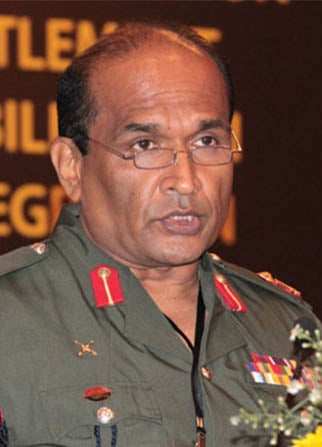
The prison was under the watch of a battalion from the 4th Artillery Regiment, commanded by Lieutenant Mahinda Hathurusingha. According to his statement to the magistrate, he had been stationed with 15 soldiers at a nearby military rest house just prior to the attacks. Five soldiers were already positioned at the main gate, with 25 more located approximately 200 metres away.
Lieutenant Hathurusingha claimed that a guard from the main gate alerted him to the violence, prompting him to respond with seven soldiers. He stated that upon their arrival, the attackers immediately retreated.
Mahinda Hathurusinghe
Lieutenant Hathurusingha’s Role Under Scrutiny
Independent investigators have cast serious doubt on the credibility of the statement given by Lieutenant Mahinda Hathurusingha regarding the 1983 Welikada Prison massacre. According to the University Teachers for Human Rights (UTHR – Jaffna), his account does not align with that of Prison Superintendent Leo de Silva. UTHR-Jaffna asserts that based on de Silva’s testimony, there is strong reason to believe the military failed to intervene to stop the Sinhala inmates from attacking their Tamil counterparts.
The soldiers stationed at the prison were armed with Self-Loading Rifles (SLRs), yet, as UTHR points out, they did not fire a single shot to protect the Tamil prisoners. This claim is supported by Suriyah Wickramasinghe, then Secretary of the Civil Rights Movement (CRM), who uncovered through her investigations that the military remained passive throughout the violence, despite being fully armed.
Theodore Jans
Army Obstruction and Police Denial
Christopher Theodore Jans, then Acting Deputy Commissioner of Prisons, testified at the inquest that he had gone to Borella Police seeking assistance and had informed Deputy Inspector General R. Sundaralingam of the situation. Although a police team eventually arrived at Welikada, Jans stated that the army personnel barred them from entering the prison. He further noted that neither the army nor prison staff provided him with any support to control the crisis.
Suriyah Wickramasinghe emphasised that this constituted a gross violation of the Prisons Ordinance, which states that if prison authorities lose control of a situation, it is their legal duty to summon the police. She also highlighted that the military has no legal right to obstruct such intervention.
Violation of International Humanitarian Law
Despite Jans’ efforts to save the injured prisoners, the army repeatedly blocked him, arguing that the detainees were already dead. Lieutenant Hathurusingha refused to allow any external assistance. Even when Jans telephoned an army major to request that the wounded be taken to hospital, the request was denied. The major insisted that such a transfer required approval from the Secretary of Defence.
Independent experts have described this as a grave violation of international humanitarian law. It is alleged that Lieutenant Hathurusingha deliberately prevented life-saving medical intervention. Investigators further note that, within a military hierarchy, the rank of Deputy Commissioner of Prisons is equivalent to a Major General or a Senior Brigadier—far senior to a lieutenant. It was therefore both irregular and unlawful for a junior officer such as Hathurusingha to obstruct a senior civilian official acting in his duty.
Suriyah Wickramasinghe contends that the actions of the military, particularly under Lieutenant Hathurusingha’s leadership, constitute a direct violation of the UN International Convention on the Rights of Prisoners. She underscored that all detainees, regardless of their alleged crimes or ethnicity, are entitled to medical care and humane treatment. Wickramasinghe also argued that military personnel are not legally bound to await superior orders in matters of humanitarian intervention.
Hence, the senior military and police officers who acted under—or allowed—the leadership of Lieutenant Hathurusingha are accused of not only negligence but complicity in the massacre.
Jans’ Final Attempts at Intervention
In his testimony, Jans recounted that he had escalated the matter to higher military authorities, including Army Commander Tissa Weerasuriya, who had just arrived from Jaffna that same day. However, Commander Weerasuriya too reportedly showed little concern. Jans also contacted Deputy Inspector General Ernest Perera and Inspector General of Police Rudra Rajasingham.
In a final effort, Jans travelled to the National Hospital in Colombo, where he met with the Director, Dr Lucian Jayasuriya, and made arrangements to admit the injured. However, those efforts were ultimately thwarted by the military’s refusal to release the prisoners from custody.
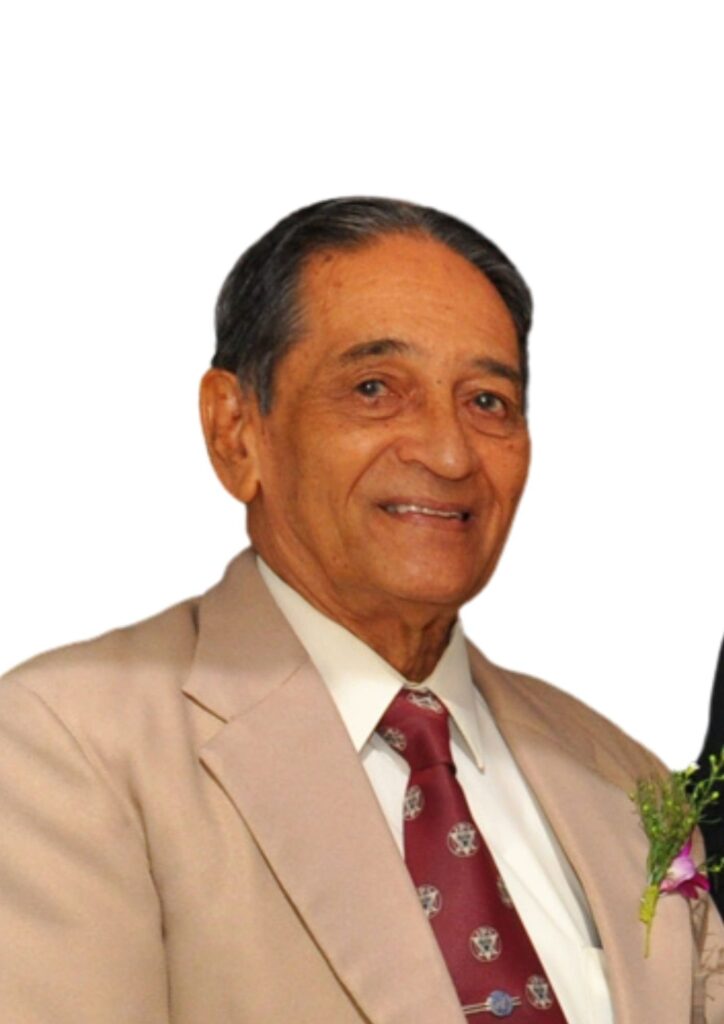
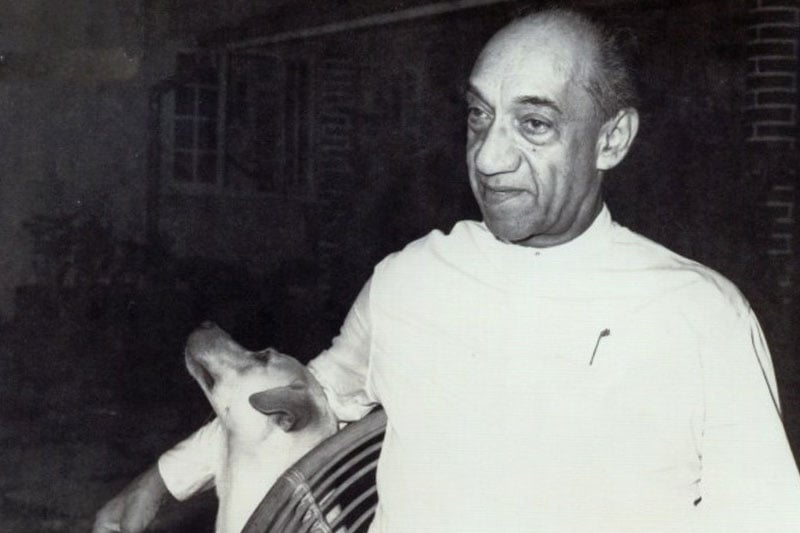
Former Presidential Secretary Bradman Weerakoon later testified that during the critical hours of the massacre, President J.R. Jayewardene, Defence Secretary Colonel C.A. Dharmapala, and other senior government officials were present at Army Headquarters.
Bradman Weerakoon
The First Post-Mortem Examination
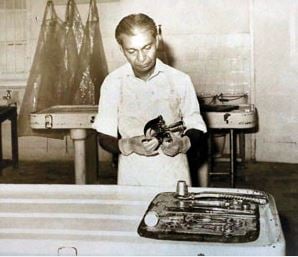
Within hours of the massacre, the bodies of the 35 murdered prisoners were transferred to the office of the Chief Judicial Medical Officer (JMO) in Colombo for post-mortem examinations. However, Dr M.S. Lakshman Salgado, the JMO at the time, refused to begin the autopsies without a magistrate’s order—a legal requirement in such cases.
Despite this, the police made strenuous efforts to bypass this obligation. In fact, they had failed entirely to request the necessary order from the Chief Magistrate of Colombo, Keerthi Sri Lal Wijewardene. Recognising the gravity of the situation, Dr Salgado personally visited the Magistrate at his residence in Havelock Town to obtain the order—something well beyond his official duties but deemed necessary under the extraordinary circumstances.
Dr. Salgadu
Surprisingly, the Magistrate appeared unaware of the massacre. Either he had not been properly informed by the police, or he had chosen to remain uninformed. Despite Dr Salgado’s attempts to explain the urgency, the Magistrate seemed more interested in discussing unrelated topics, such as Colombo’s growing drug problem. He even invited the doctor to join him for tea and sandwiches.
When Dr Salgado finally pressed for the order, the Magistrate responded:
“I will come with you to your office. But to issue a post-mortem order, the police must report the facts to me and submit an official request.”
This interaction confirmed that the police had failed in their legal responsibility.
Eventually, the Magistrate issued the required order following a formal request by Hyde de Silva, the Officer-in-Charge of the Borella Police Crime Branch.
Photographs, Intimidation, and Ethnic Targeting
During the post-mortem, Dr Balachandra, an assistant to the forensic pathologist, took photographs of the corpses. This is a routine and crucial step in murder investigations, as such photographic evidence is essential during legal proceedings. The medical officers who conduct post-mortems are often called as expert witnesses, and visual documentation plays a vital evidentiary role.
However, several members of the forensic office staff, who questioned why Dr Balachandra—a Tamil—was taking the photographs, complained to Deputy Solicitor General Tilak Marapana. They alleged that he was secretly gathering evidence against Sinhalese individuals.
It was only due to the intervention of Dr Salgado—who confirmed to Marapana that he had personally instructed Dr Balachandra to take the photographs—that the Tamil doctor avoided persecution. Without that defence, his fate could easily have mirrored that of the Tamil prisoners who were slain.
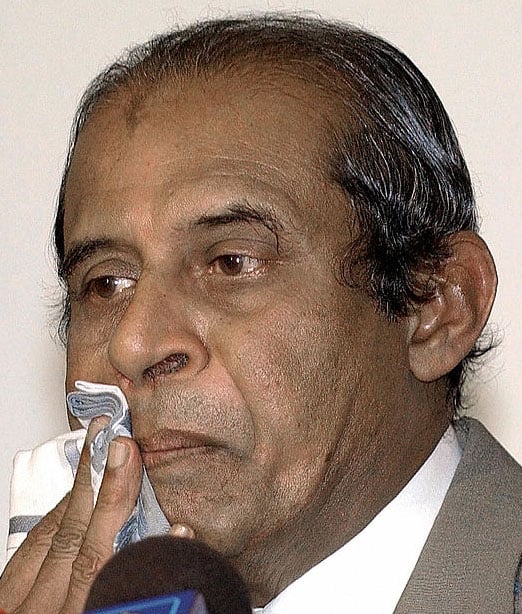
Thilak Marapana
Dr Salgado was reportedly wary not only of the future of the inquest but also of his own safety. Some reports suggest he sent the post-mortem findings to Professor Bernard Henry Knight, a leading forensic pathologist, with instructions to publish the results if he were to die under suspicious circumstances.
A Biased and Legally Flawed Inquest
The initial magisterial inquest took place on the evening of 26 July at the Welikada Prison. Present were Magistrate Keerthi Wijewardene, Secretary to the Ministry of Justice Mervin Wijesinghe, Deputy Solicitor General Tilak Marapana, and Senior State Counsel C.R. de Silva, who led the proceedings on behalf of the Attorney General’s Department.
The inquest, however, has been widely criticised for being heavily biased in favour of the state. It failed to uphold the basic legal principle of victim representation. Not one of the 53 murdered prisoners was legally represented, and no relatives were interviewed or allowed to participate in the inquiry.
Most shockingly, no injured Tamil prisoner or eyewitness from among the survivors was summoned to give testimony. According to independent investigators, this omission was not only unlawful but appeared to be a deliberate effort to suppress key evidence and protect those responsible for the massacre.
Silencing the Survivors
The surviving Tamil prisoners were neither allowed to voice the horrors they had endured nor were they granted the opportunity to bear witness. One such survivor, Kandaiah Rajendran (Robert), who had firsthand knowledge of the atrocities, was murdered in the second attack, seemingly to prevent his testimony from ever surfacing. His evidence was not even considered during the initial magisterial inquiry, and his death appears to have been a deliberate act to ensure silence.
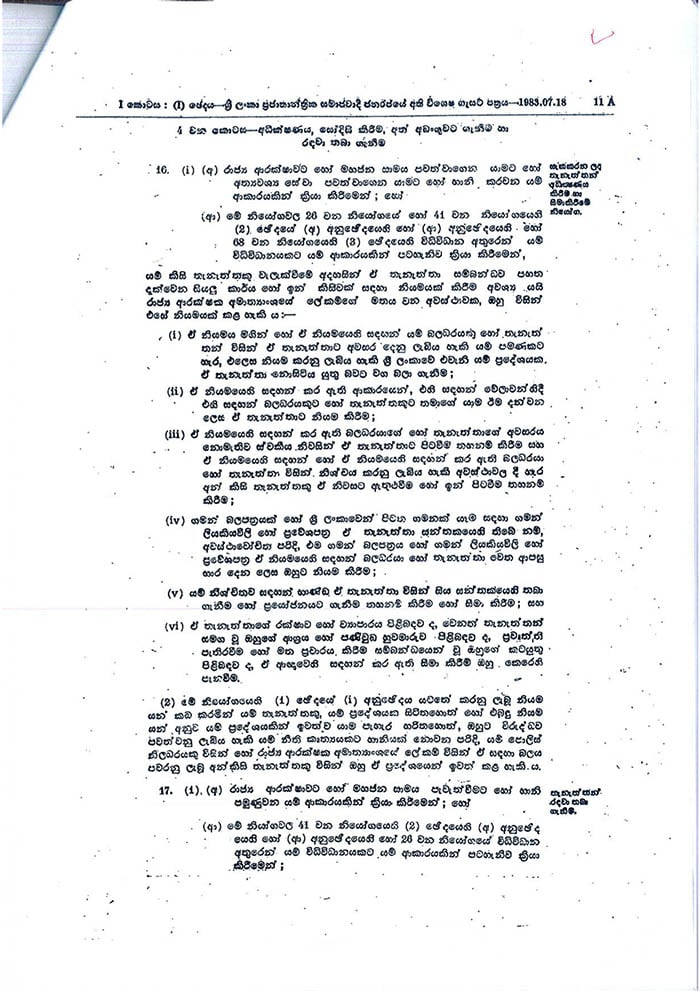
Following the massacre, on 27 July, Magistrate Keerthi Wijewardene instructed the police to produce any suspects immediately. However, before this order could be meaningfully executed, Superintendent of Police Hyde de Silva obtained authorisation to dispose of the bodies under Section 15A of the Emergency Laws and Regulations Act. This request was not opposed by Deputy Solicitor General Tilak Marapana. Bound by the Gazette notification, the Magistrate had no legal power to refuse the request, effectively shutting the door to further judicial inquiry—just as the Jayewardene government had intended.
State-Sanctioned Disappearance of Bodies
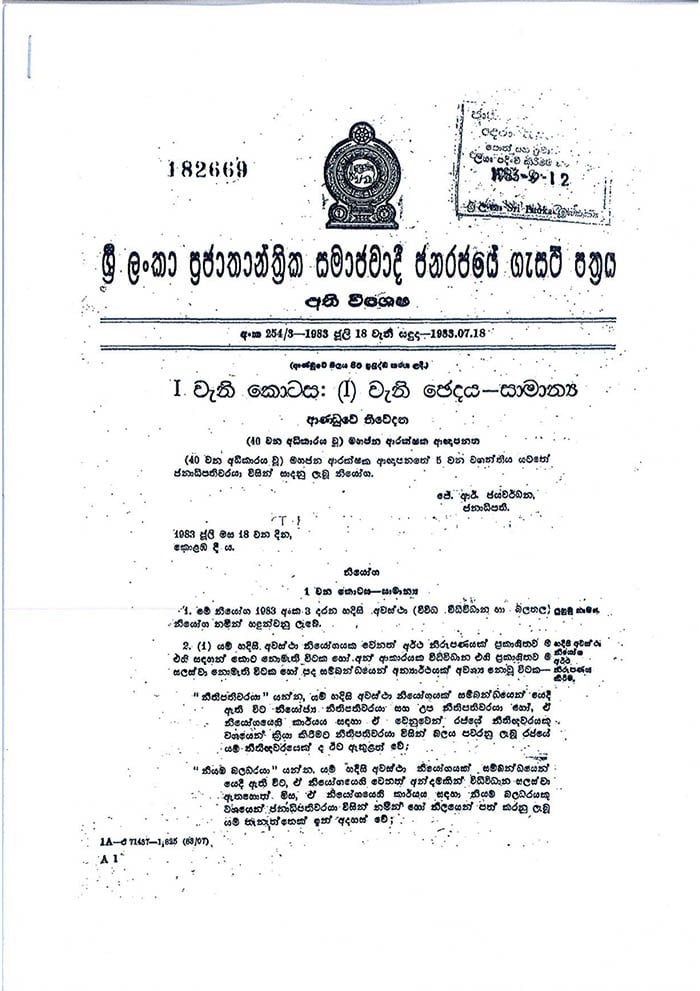
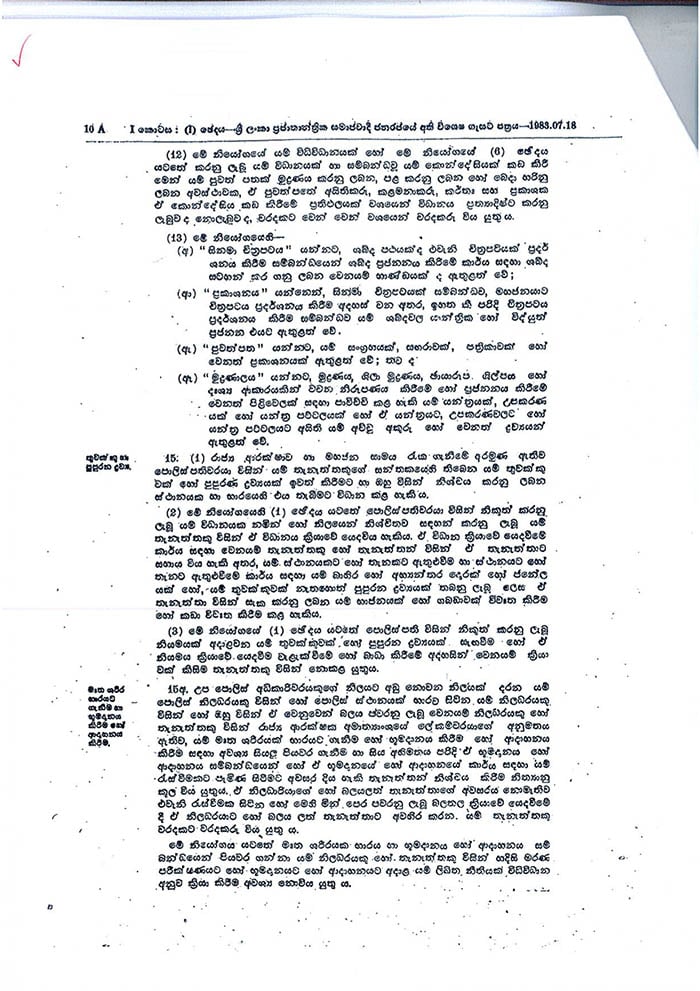
The legal justification for this cover-up lay in Gazette Notification No. 254/03, issued on 18 July 1983, which allowed for the disposal of dead bodies—without post-mortem examination, without returning them to next of kin, and without any judicial or medical investigation. The regulation granted sweeping powers to the executive, overriding the Constitution and criminal law.
Enacted under the Public Security Act, the Gazette allowed an officer not below the rank of Assistant Superintendent of Police to dispose of bodies with the Defence Secretary’s approval. Crucially, it stated that this procedure was not subject to any other law. As a result, the Welikada massacre could be erased not just from public view but from the legal framework altogether.
When the state is empowered to decide what constitutes a crime, without judicial oversight, it dismantles the entire foundation of justice. In this instance, the brutal torture and murder of defenceless prisoners under state custody, with no legal accountability, is the very definition of systemic impunity.
As Madiwannan, the son of murdered Tamil political prisoner Kuttimani, asks poignantly:
“Everyone who was killed was in prison. The government must be held responsible. How can the court say that genocide is not a crime? Then is there no one accountable?”
Following the first massacre, the situation both inside and outside the prison was deteriorating rapidly due to widespread anti-Tamil pogroms across the country. Instead of acting decisively to prevent further attacks, the Jayewardene government remained inert. Surviving inmates reported that several prison officers actively incited Sinhalese prisoners, fuelling a volatile and racist atmosphere within Welikada Prison.
Those remaining Tamil prisoners had every reason to fear a second wave of violence. The international community had already condemned the initial killings, and pressure mounted for the protection of the survivors. Deputy Commissioner Jans was summoned to a Security Council meeting at Army Headquarters on 27 July, where he warned Justice Ministry Secretary Mervyn Wijesinghe of an imminent second attack.
Despite having ample time and credible intelligence, the authorities failed to implement any meaningful safety measures. Instead, they allowed history to repeat itself. Although there was initial talk of transferring the survivors to Jaffna Prison, it was later decided to move them to Batticaloa. Tragically, before this transfer could occur, 18 more Tamil prisoners were murdered—this time with direct complicity from the prison authorities.
Second Inquest: A Repeat of Injustice
Before the victims’ blood had even dried, Justice Secretary Mervyn Wijesinghe called for a second magisterial inquiry. Once again, Tilak Marapana and C. R. de Silva led the proceedings on behalf of the Attorney General’s Department, and once again, no legal representation was given to the victims.
Evidence presented at the second inquest further confirmed that authorities had prior knowledge of the potential for violence. Chief Jailor W\.M. Karunaratne admitted he had received intelligence about the risk of another attack and had informed Jans. Yet, the prisoners under the Prevention of Terrorism Act (PTA) were consistently labelled as “terrorists”, suggesting that the state saw them as less deserving of protection than their Sinhalese attackers. This language served not only to justify the killings but to dehumanise the victims.
Mass Burial: From Prison to Pit
The bodies of the murdered prisoners were wrapped in white cloth and loaded onto army trucks. Deputy Commissioner Jans witnessed this. The prison doctor, Perinpanayagam, confirmed their deaths before the bodies were transported to the Borella public cemetery.
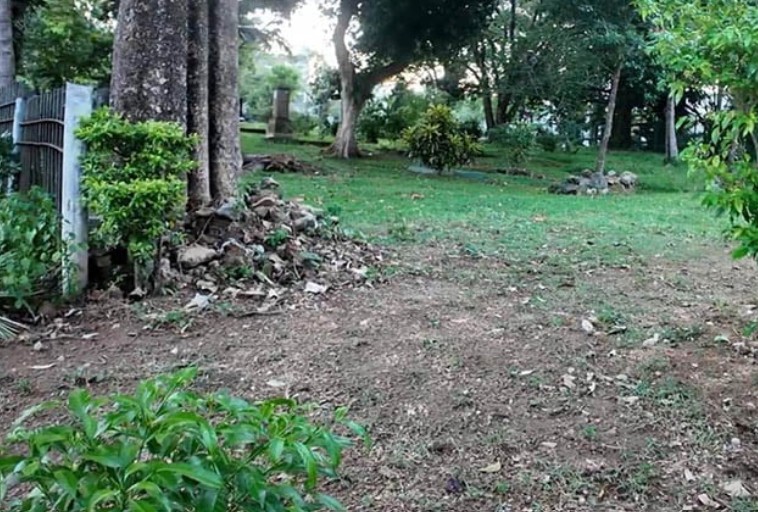
There, in a remote corner of the graveyard, a pit was dug. Under heavy police and army presence, the bodies were cremated—presumably to destroy any forensic evidence. However, as history shows, evidence of atrocity is not so easily erased. It lives on in documents, memories, eyewitness accounts, and in the conscience of a nation.
Eyewitnesses, such as Anees Thuwan, a municipal worker at the cemetery, later described how two army trucks arrived with 35 blood-soaked bodies, followed by 18 more the next day. He recounted how a soldier operating an earth-moving vehicle dug a large pit in the middle of the night, allegedly under orders from senior officials. The cemetery’s caretaker had reported the incident, but the then Mayor of Colombo, Ratnasiri Rajapaksa, instructed that the army be allowed to proceed.
It remains unclear whether this testimony, or that of the cemetery officials, was ever examined in court.
A Demand for International Justice
Despite the regime’s best efforts to bury the truth, relatives of the victims and survivors continue to demand justice. Former MP M.K. Sivajilingam has called for a transparent and independent investigation, preferably with the involvement of international experts, stating:
“We know where they were buried. The government and the Colombo Municipal Council are now one. They can open an investigation. What we need is truth and justice.”
These demands stem from a deep mistrust in the Sinhala-dominated state machinery, which failed to deliver justice not just for Welikada, but for decades of atrocities targeting Tamil detainees.
As Madiwannan, Kuttimani’s son, stated in anguish:
“We cannot expect justice from the Sinhala rulers. But at least tell us where our loved ones were killed and buried or burned. Let us light a candle and leave flowers.”
State Criminality and the Erosion of Justice
While the Jayewardene government suppressed the massacre, civil society activists, including Suriya Wickramasinghe, managed to file 35 court cases with the support of surviving witnesses. This proves that even decades later, justice is possible—if the will exists.
The Welikada massacre was no accident. It was a premeditated act of mass violence, involving not just individual prisoners but state officials, prison authorities, police, military officers, and the executive leadership. Among them was Deputy Solicitor General Tilak Marapana, who went on to become Attorney General and later served as Minister of Defence and Minister of Law and Order—roles through which he continued to wield considerable influence over the very system he helped to shield from scrutiny.
This revolving door between state crimes and political promotions illustrates the entrenched culture of impunity. At the time, key figures in law enforcement and prosecution, such as IGP Rudra Rajasingham, DIG Sundaralingam, and Attorney General Siva Pasupathi, were themselves Tamil. Yet, their positions proved ineffective against the Sinhala state’s political and military machine. Their presence did not translate into justice.
Shiva Pasupathi
Beyond Welikada: A Pattern of Impunity
The Welikada massacre is not an isolated incident. It is part of a broader pattern of state-enabled prison killings targeting Tamils:
* 1997 – Attack on Tamil prisoners in Kalutara Prison. * 2000 – Bidhunuwewa Youth Rehabilitation Centre: 26 Tamil youths murdered by Sinhalese villagers while in custody. * 2012 – Political prisoners Ganeshan Nimalaruban and Mariyadas Del Rukshan were tortured and killed in Vavuniya Prison.
None of these atrocities have seen justice. In the Bidhunuwewa case, all accused officials were acquitted. In 2012, a fundamental rights petition filed by Nimalaruban’s mother was dismissed by then Chief Justice Mohan Peiris, who stated that the case was politically motivated and that relatives of “terrorists” were abusing the legal system to seek asylum abroad. Gotabhaya Rajapaksa later appointed him as Sri Lanka’s Permanent Representative to the UN—a move seen by many as a reward for his loyalty to the Rajapaksa regime, and his position had sustained for another eight months, under the current National Peoples Power reigme.
“Justice Demands More Than Ashes”
Madiwannan, with a voice trembling from loss, concluded:
“We are ready to give our blood, our bones, our very flesh to uncover the truth about our fathers, brothers, and friends. But we know the Sinhala government will never give us justice. Just tell us where they were burned. Let us mourn them with dignity.”
*Adapted from original article by Independent Journalist K. Wijesinghe.
August 31, Colombo (LNW): Three officials from the Excise Department stationed in Chankanai have been arrested following allegations that they attempted to extort a bribe of Rs. 2 million while falsely presenting themselves as agents of the Narcotics Control Bureau.
The arrests were made by the Northern Province Crimes Division after a covert operation was launched based on a tip-off received by its commanding officer. The sting took place on the evening of August 29, and culminated in the apprehension of the three suspects.
According to investigators, the incident began when the excise officers intercepted a man in possession of heroin along the Mathagal coastline. Instead of following standard procedure, the officers allegedly misrepresented themselves as narcotics bureau officials and transported the suspect to the Excise Department premises in Chankanai.
Once at the office, the officers are reported to have used the detainee’s mobile phone to contact his sister. During the call, they allegedly issued a demand for Rs. 2 million in exchange for his release—suggesting that charges could be made to disappear if the money was paid promptly.
Suspicious of the nature of the request, the sister reached out to the head of the Northern Province Crimes Division. Authorities swiftly initiated a sting operation to verify the claims, which ultimately led to the dramatic arrest of the officers involved.
The suspects, identified by police as a 48-year-old Chief Excise Officer and two Excise Inspectors aged 36 and 32, are now in custody and are expected to face formal legal proceedings in the coming days.
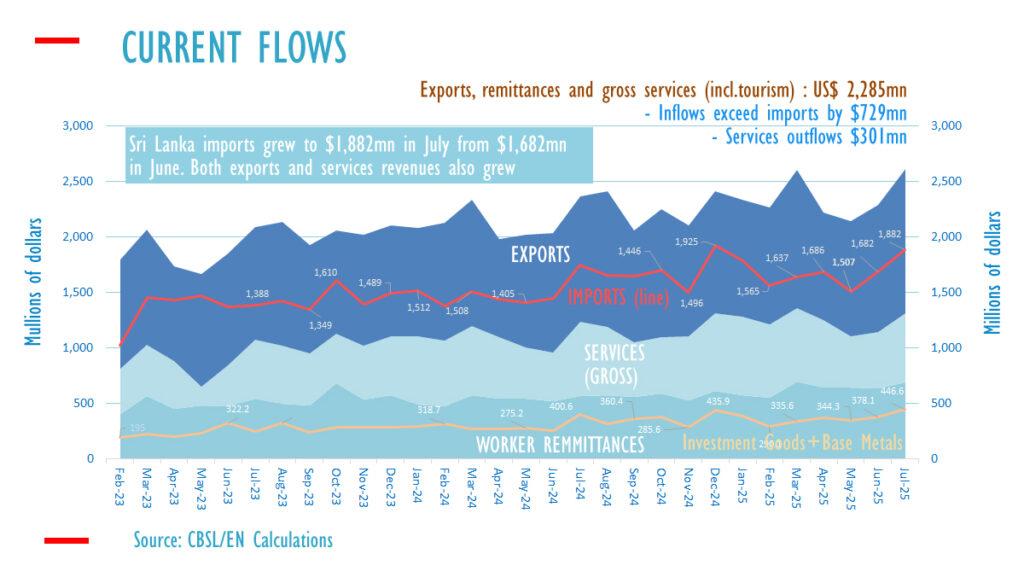
August 31, Colombo (LNW): Sri Lanka recorded a surplus in its foreign exchange position in July 2025, with inflows from exports, services, and remittances exceeding import payments by a notable margin of 729 million US dollars, according to newly released official figures.
This comes despite a sharp increase in import activity fuelled by a resurgence in credit growth and rising consumer demand.
Merchandise exports reached an all-time high of 1.3 billion dollars in July, climbing from 1.14 billion in June, driven in part by exporters rushing to ship goods ahead of anticipated US trade tariffs. Remittances—still a major pillar of Sri Lanka’s foreign exchange earnings—also saw a strong uptick, rising to 690.5 million dollars from 635 million in the previous month.
The services sector recorded similar gains, with gross earnings, including tourism receipts, growing to 618 million dollars in July from 508 million in June. Tourism alone contributed 318.5 million dollars, reflecting a continued recovery in post-pandemic travel.
The surge in inflows, whilst welcome, has also spurred a rise in consumer and investment-related imports. Outbound travel expenses alone jumped to 81 million dollars in July, compared to 55 million dollars in the same month last year.
Meanwhile, demand for capital goods saw investment-related imports such as machinery and base metals reach 446.6 million dollars—levels not seen since early 2022, before the nation’s currency crisis unfolded.
July’s import spike is closely linked to a surge in private sector credit, which rose by 221 billion rupees in June. Economists note that whilst high domestic savings have traditionally buffered the economy, these savings often re-enter the system as investment spending—ultimately translating into increased demand for imported goods, particularly in sectors like construction, manufacturing, and transport.
The government, however, continues to face significant external debt obligations. In July, it paid 106.9 million dollars in interest alone, in addition to foreign investment dividends totalling 59.3 million dollars.
Observers have cautioned that the country’s current account position, though momentarily positive, remains under pressure due to upcoming debt repayments, including bilateral borrowings from India acquired during the height of the economic crisis.
Amidst these developments, there is growing unease amongst analysts about the central bank’s recent policy direction. The adoption of a unified policy rate and recent interest rate reductions have raised fears of overheating the credit market, potentially laying the groundwork for another financial imbalance.
Some economists argue that the central bank is again relying too heavily on signalling measures and liquidity injections without corresponding structural reforms—risking a return to unsustainable borrowing levels.
Further scrutiny has been directed at recent currency swap operations perceived as inflationary, with critics calling for legislative oversight. Drawing parallels with past economic failures in Sri Lanka, East Asia, and even the United States, several financial commentators have warned that deferring necessary monetary tightening could erode the hard-earned stability achieved in the wake of the country’s recent economic collapse.
August 31, Colombo (LNW): The government has reiterated its dedication to confronting the issue of enforced disappearances, pledging to pursue a path grounded in truth-seeking, justice, and sustained reparative support for affected families.
Speaking at a public awareness forum in Colombo, Minister of Transport, Highways, Ports and Civil Aviation Bimal Rathnayake underscored the necessity of establishing an independent Truth Commission. He emphasised that such a body would not only document past violations but also provide long-overdue recognition and closure to thousands of families still searching for answers.
According to the Minister, healing must be rooted in a transparent process that honours victims and holds those responsible to account.
He further noted that justice must extend beyond legal remedies to include tangible support for survivors, many of whom face economic hardship and social marginalisation. He confirmed that the Ministry of Justice, in collaboration with other state bodies, has already begun laying the groundwork to ensure such assistance is made available in a structured and dignified manner.
Minister of Justice and National Integration Harshana Nanayakkara echoed these sentiments, stating that enforced disappearances represent deliberate and grave violations of human rights, which the state can no longer afford to sideline. He acknowledged the moral and political obligation to address these wrongs openly and systematically.
As part of this initiative, the Justice Ministry is currently developing a new framework to deliver long-term reparations, aiming to replace symbolic or short-term payments with a more meaningful, sustained approach to compensation. Officials suggest the mechanism will include educational opportunities for children of the disappeared, access to mental health support, and community-based reconciliation programmes.
August 31, Colombo (LNW): In a move aimed at better compensating key emergency medical personnel, the Ministry of Health has introduced a significant increase in overtime payments for officers specialising in cardiopulmonary resuscitation (CPR).
The changes, formally authorised through a circular signed by Health Secretary Dr Anil Jasinghe, reflect the government’s recognition of the critical role these professionals play in life-saving interventions.
Under the revised pay structure, first-grade CPR officers will now receive Rs. 456 per hour for overtime duties—a notable rise of Rs. 151. Meanwhile, second-grade officers will see their hourly rate increased to Rs. 320, marking a Rs. 65 boost from previous figures.
The adjustments have been backdated to take effect from the 1st of April, and all outstanding arrears are expected to be paid out in the upcoming September salary cycle. The Ministry has noted that this revision comes after an internal review of compensation structures, with particular focus on high-pressure, high-responsibility roles within the public healthcare system.
By improving overtime allowances, the Ministry hopes not only to reward dedication but also to strengthen retention of experienced personnel in the sector.
August 31, Colombo (LNW): A full-scale inquiry is currently underway into the activities of an alleged underworld figure known as ‘Kehelbaddara Padme’ and several of his close associates, according to Minister of Public Security and Parliamentary Affairs Ananda Wijepala.
Speaking to the reporters at Bandaranaike International Airport (BIA), Minister Wijepala declared that the time has come to decisively dismantle the criminal networks that have embedded themselves across the country.
He acknowledged that these syndicates had not only expanded their reach over many years, but had often operated with impunity due to the tacit approval—and at times, open support—of certain political actors.
Without naming names, the Minister criticised the culture of political patronage that allowed such groups to flourish in both rural and urban areas. He stated that it was this environment that gave rise to a deeply entrenched system of organised crime, one that preyed on vulnerable communities and obstructed legitimate governance.
“We cannot allow this cancer to spread any further,” he said. “This is a pivotal moment to restore the rule of law and reassure the public that no one, regardless of influence or affiliation, is above the law.”
Minister Wijepala went on to note that security agencies have been instructed to act without hesitation or political interference.