August 17, Colombo (LNW): A comprehensive initiative aimed at transforming the nation’s public transport system is on the horizon, with the Ministry of Transport preparing to roll out a unified strategy to modernise and streamline services across the board.
The move, spearheaded by Minister Bimal Rathnayake, seeks to create a more reliable, secure, and technologically advanced transport network for the public. Speaking during a high-level review meeting attended by senior officials from various state-run transport services, the Minister underscored the need for a coordinated institutional approach.
He emphasised that the time had come to shift from fragmented management to a cohesive system capable of delivering consistent service across all modes of public transport.
Central to the proposed reforms is the integration of cutting-edge technology, including artificial intelligence and GPS tracking, which will play a vital role in service monitoring and route optimisation. The digitalisation of ticketing systems and payment methods also featured prominently in the discussions, with an eye on introducing contactless transactions and mobile-based platforms to ease commuter experience.
A key component of the plan involves the establishment of regional bus companies to enhance accountability and improve operational efficiency. Alongside this, the Ministry aims to improve the procurement process for new vehicles, ensuring that buses introduced to the fleet meet modern standards of safety, comfort, and environmental sustainability.
Another priority area under consideration is the creation of a rapid response mechanism to address public grievances. Officials indicated that a centralised complaints platform, accessible through digital channels, could be developed to improve communication between passengers and service providers.
The overarching vision aligns closely with the government’s broader digital transformation agenda, which seeks to modernise state services and improve citizen access through technology-driven solutions. A defined timeline for these reforms is expected to be announced soon, with implementation to proceed in phases.
Transport authorities are now tasked with drafting the framework for this new mechanism, and further consultations are expected to refine the operational details in the coming weeks.
Plans underway for overhaul of public transport system with focus on safety and technology
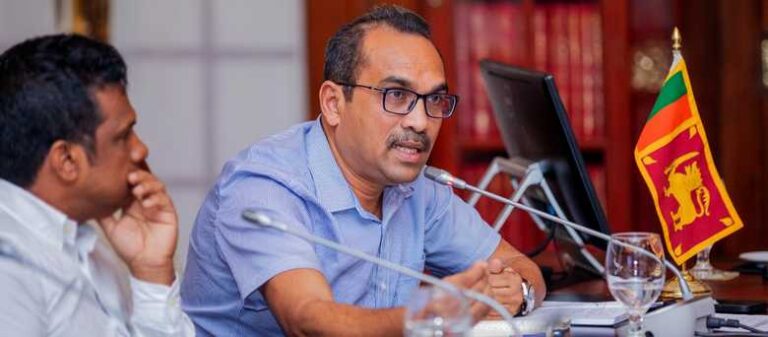
Nationwide postal disruption looms as workers begin strike action

August 17, Colombo (LNW): Postal services across the country are expected to face significant disruption as employees prepare to commence an island-wide strike starting at midnight (18).
The industrial action, spearheaded by the Joint Postal Trade Union Front (JPTU), marks a sharp escalation in an ongoing dispute between workers and postal authorities.
As part of the lead-up to the nationwide walkout, staff at the Central Mail Exchange initiated their protest earlier this afternoon, ceasing operations from 4 p.m. onwards.
At the centre of the dispute are a series of long-standing grievances—19 in total—raised by union representatives. Chief amongst them are concerns over inadequate overtime compensation and the controversial implementation of fingerprint scanning systems used for recording staff attendance.
Workers argue that the new measures are intrusive and have been introduced without proper consultation.
In a show of coordinated resistance, postal employees have also withdrawn from all overtime duties since yesterday morning, further slowing down mail processing and delivery across the country.
Energy Minister first in NPP govt to face legal action over alleged financial misconduct linked to past role
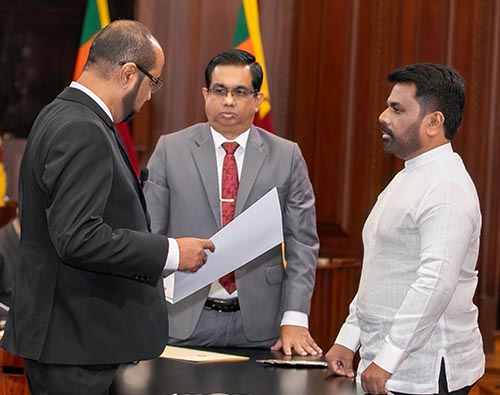
August 17, Colombo (LNW): Legal proceedings are reportedly set to be initiated against Energy Minister Kumara Jayakody in connection with alleged financial irregularities dating back to his time at the Fertiliser Corporation in 2015, a report by Sunday Times disclosed.
The Commission tasked with probing bribery and corruption is preparing to bring the matter before the High Court, sources familiar with the development have disclosed.
At the heart of the case is a sum amounting to Rs. 8 million, which is believed to have been misappropriated during Mr Jayakody’s tenure. He had then chaired the tender committee responsible for awarding a procurement contract that subsequently became the focus of official scrutiny.
Two other individuals are also expected to be named in the case, suggesting a broader web of accountability within the institution at the time.
Whilst the identities of the additional suspects have yet to be formally confirmed, investigators are said to be in possession of documentation and testimonies that point to coordinated wrongdoing.
US Envoy urges Sri Lanka to remove trade hurdles and embrace economic reform

August 17, Colombo (LNW): Sri Lanka has a valuable opportunity to strengthen its position in global trade by streamlining regulatory processes and removing unnecessary trade barriers, according to US Ambassador to Sri Lanka Julie Chung.
During a recent meeting with senior representatives of the Ceylon Chamber of Commerce, the Ambassador encouraged Sri Lanka to take decisive steps toward fostering a more business-friendly environment. She emphasised the importance of reducing non-tariff barriers, promoting greater openness, and enhancing overall competitiveness to attract higher levels of trade and investment.
Ambassador Chung described the present moment as a critical window for Sri Lanka to reposition itself in the evolving global economy. She pointed out that with many international firms reassessing their supply chains and regional strategies, Sri Lanka could emerge as a compelling destination for investment—provided that the right policy measures are put in place.
Her comments were made during discussions with Chamber Chairman Krishan Balendra, Vice Chairman Bingumal Thewarathanthri, Deputy Vice Chairman Vinod Hirdaramani, Secretary General and CEO Buwanekabahu Perera, and other private sector leaders. The talks focused on enhancing trade relations between the United States and Sri Lanka, expanding bilateral investment opportunities, and exploring areas for long-term economic collaboration.
Congratulating Mr. Balendra on his recent appointment as Chairman, Ambassador Chung reiterated the US Embassy’s commitment to working closely with the Ceylon Chamber of Commerce, which she acknowledged as the country’s most prominent private sector body. She also expressed appreciation for the Sri Lankan Government’s constructive approach to ongoing trade discussions, describing recent negotiations as fair, reciprocal, and grounded in mutual respect.
The meeting also touched on Sri Lanka’s strategic location within the Indian Ocean and its untapped potential as a regional trade hub. With global businesses increasingly turning their attention to South Asia, Ambassador Chung noted that Sri Lanka is well-positioned to benefit from shifting investment trends—particularly if the government continues to pursue meaningful economic reforms and regulatory modernisation.
Wave of disciplinary action sees ten judges interdicted amidst broader judicial scrutiny

August 17, Colombo (LNW): The Judicial Service Commission (JSC) has suspended yet another District Court judge over allegations of misconduct, raising the number of judicial officers interdicted within the current month to ten — an unusually high figure that signals a significant disciplinary sweep within the judiciary.
In a separate development, a Civil Appellate High Court judge stationed in Gampaha has been instructed to proceed with retirement, following an internal investigation into what has been described as sustained underperformance.
Sources familiar with the matter indicated that formal retirement documentation has already been issued by the JSC, effectively concluding the judge’s judicial tenure.
The JSC has also intensified its focus on judicial conduct in Minuwangoda, where both the sitting District Judge and the Additional District Judge have been called before the Judges’ Institute.
The summons relates to ongoing inquiries into alleged breaches of professional standards, though officials have yet to disclose the precise nature of the accusations.
These developments come amid growing calls for increased accountability and transparency within the judicial system.
Government to repay only refundable portion of Adani’s Mannar Wind Project deposits
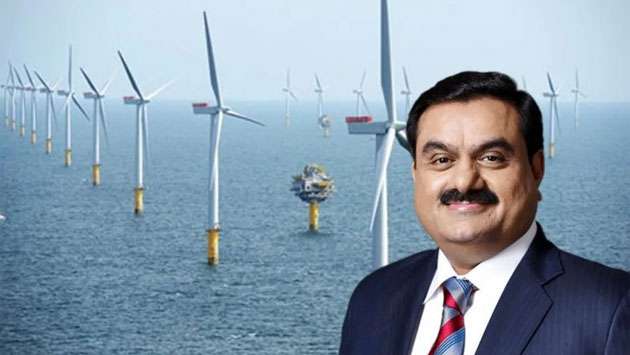
August 17, Colombo (LNW): The Sri Lankan government has confirmed it will only return the refundable portion of the financial deposits submitted by the Adani Group for the proposed Mannar Wind Power project, according to Energy Minister Kumara Jayakody.
Speaking at a briefing held at the Government Information Department two days ago (15), Minister Jayakody clarified the state’s position following speculation around potential compensation claims by the Indian conglomerate.
He noted that whilst deposits had indeed been placed by Adani with the Sustainable Energy Authority in relation to the renewable energy initiative, only those deemed refundable under existing guidelines would be repaid.
In response to a query regarding whether the Adani Group had requested reimbursement for broader preliminary expenses or initial investments, the Minister firmly stated that the government’s obligation extended solely to refundable sums.
He further explained that major infrastructure projects typically involve both refundable and non-refundable financial commitments — a standard practice within the energy sector and public-private project frameworks.
The Sustainable Energy Authority, which has overseen administrative aspects of the project to date, has been instructed to carry out a detailed review to assess and confirm the specific amounts that qualify for reimbursement. The aim is to ensure transparency and adherence to legal and procedural norms in managing project finances.
The Mannar Wind Power project had previously drawn public and political attention, both due to its scale and the strategic involvement of a foreign entity.
Sri Lanka Customs hits record revenue milestone amid launch of new trade facilitation system

August 17, Colombo (LNW): Sri Lanka Customs has reported its most substantial monthly revenue collection on record, bringing in an impressive Rs. 235 billion last month — a landmark achievement for the institution and a notable reflection of the country’s evolving trade and fiscal landscape.
This historic revenue milestone was revealed by the Director General of Customs, Sunil Nonis, during the official unveiling of the Customs Document Notification System (CDNS) on the 15th of this month.
The new system has been developed to streamline communications with importers and exporters, offering automated alerts and improved tracking for documentation, with the aim of reducing bottlenecks and enhancing operational transparency.
Addressing the gathering, Nonis underscored the significance of the revenue achievement, noting the remarkable progress made in just over a year. “We once marked Rs. 100 billion in monthly collections as a major breakthrough. To now surpass Rs. 235 billion in a single month is an extraordinary leap forward,” he remarked.
Officials attribute this surge in revenue to a combination of factors, including strengthened enforcement measures, the adoption of technology to minimise leakages, and a rise in international trade activity following macroeconomic stabilisation.
The Customs Department has been focusing on modernising its processes and increasing efficiency, while also tightening its grip on illicit trade and under-invoicing — efforts that appear to be yielding tangible financial results.
Robust expansion in Sri Lanka’s services sector amid broad-based growth in July
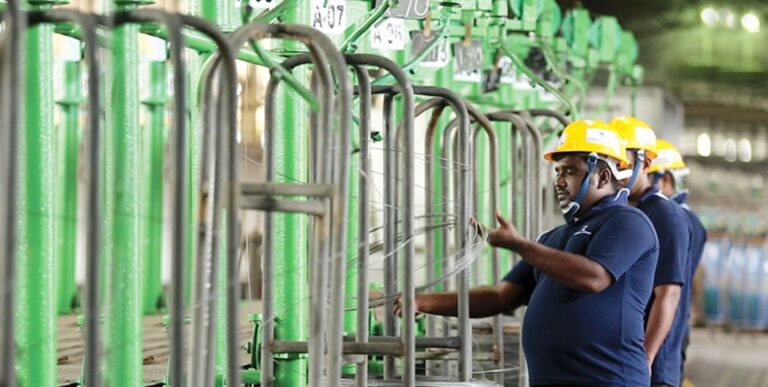
August 17, Colombo (LNW): Sri Lanka’s services sector recorded a marked upswing in July, as key industries such as retail, finance, and freight transport drove a significant increase in overall business activity, according to the most recent data from the Central Bank of Sri Lanka (CBSL).
The Services Purchasing Managers’ Index (PMI), a key indicator of sector performance, climbed to 70.1 in July, rising sharply from 61.9 in the previous month. This notable improvement suggests growing momentum in the country’s economic recovery, particularly within consumer-facing and logistics-related services.
Strong performances were observed in wholesale and retail trade, where business activity surged, reflecting heightened consumer demand and improved market conditions. The financial services sector also demonstrated continued resilience, underpinned by a rise in lending and broader improvements in banking activity. Freight transport services saw further gains, likely supported by increased movement of goods and improved supply chain operations.
In addition to these core sectors, several other service areas reported upward trends. Personal care services, postal and courier activities, digital broadcasting, telecommunications, and hospitality — including food and beverage services — all contributed to the overall sectoral uplift. Health care services also saw steady improvement, indicating a wider rebound in public and private demand.
The expansion of new business was particularly encouraging, with the corresponding index rising to 64.9 in July from 62.9 in June. This growth was largely attributed to heightened activity in trade and financial services, pointing to sustained investor and consumer confidence.
Labour market conditions within the sector improved as well, with the employment index increasing to 59.8 from 51.6, suggesting that businesses are actively recruiting to cope with growing demand. At the same time, firms reported a rise in unfinished workloads, indicating pressure on capacity despite the hiring boost.
Looking ahead, the outlook for the next quarter appears optimistic. According to the CBSL, expectations for future business activity have strengthened, buoyed by improving macroeconomic stability and a more favourable business environment across the country.
Several districts to further witness showers (Aug 17)

August 17, Colombo (LNW): Showers will occur at times in the Western and Sabaragamuwa provinces and in Kandy, Nuwara-Eliya, Galle and Matara districts, the Department of Meteorology said in its daily weather forecast today (17).
A few showers may occur in North-western province. Mainly fair weather will prevail over the other areas of the island.
Strong winds of about (40-50) kmph can be expected at times over Western slopes of the central hills and in Northern, North-central, North-western and Southern provinces and in Trincomalee district.
Marine Weather:
Condition of Rain:
Showers will occur at a few places in the sea areas off the coast extending from Colombo to Matara via Galle.
Winds:
Winds will be south-westerly to westerly and wind speed will be (30-40) kmph.
Wind speed can increase up to (50-60) kmph at times in the sea areas off the coast extending from Chilaw to Mannar via Puttalam and from Matara to Pottuvil via Hambantota.
Wind speed can increase up to 50 kmph at times in the sea areas off the coast extending from Chilaw to Matara via Colombo and Galle and from Mannar to Trincomalee via Kankasanthurai and Mullaittivu.
State of Sea:
The sea areas off the coast extending from Chilaw to Mannar via Puttalam and from Matara to Pottuvil via Hambantota will be rough at times.
The sea areas off the coast extending from Chilaw to Matara via Colombo and Galle and from Mannar to Trincomalee via Kankasanthurai and Mullaittivu will be fairly rough at times.
SL Customs Launches Anti-Corruption Drive with Tech and Oversight Reforms
Sri Lanka Customs is currently implementing anti-corruption measures including the setting up of an Internal Affairs Unit to probe public complaints and new technology to improve transparency and efficiency.
These reforms are being carried out in accordance with the National Anti-Corruption Action Plan (NACAP) 2025-2029 to foster a corruption-free environment, improve public trust, and facilitate trade and travel, finance ministry sources revealed.
With a views of curbing revenue leakages the government will enact necessary legislation by end-October 2025 to mandate the Customs Department with clear and unfettered responsibility for the clearance, movement, and control of goods to and from the special economic zones (SEZ) a high official of the ministry said.
The Customs compliance will be enhanced by (i) implementing more robust risk assessment so that percentage of shipments assigned to the green channel approaches 80 percent, and (ii) closing the long rooms and eliminating face-to-face document review of customs declarations prior to their formal submission.
According to memorandum of economic and financial Policies submitted to the International Monetary Fund (IMF) the finance ministry will begin quarterly publication (on the Ministry website) by each revenue department on the implementation progress of the anticorruption measures including the digitisation and automation beginning from second quarter of 2025.
The establishment of the Internal Affairs Unit was recommended in an IMF diagnostic report, highlighting the need for dedicated units to investigate staff misconduct in customs administrations.
Customs trade unions are now collaborating with the department’s management to combat corruption, indicating a positive shift in the overall approach to integrity.
Structural reforms of Customs Department included the implementation of stricter legislation and bringing in new technology..
It also targets human resource management, for example, streamlining recruitment processes and constructing infrastructure.
Public dissatisfaction with the current operations of Customs, including inefficiency, fraud, and corruption, has been one of the reasons for these reforms, a top finance ministry official said.
It is aim to increase transparency and accountability within the department, reducing opportunities for corruption and improving public perception.
Digitisation of Customs procedures is a priority method to reduce manual processes that are prone to corruption.Overall, Sri Lanka Customs is actively fighting corruption on the basis of a multi-pronged approach encompassing institutional reforms, technology, and collaboration with stakeholders, including trade unions and the general public.