Home Blog Page 421

Nationwide mosquito eradication campaign launched amid spike in dengue cases

0

June 30, Colombo (LNW): Sri Lanka has launched a nationwide mosquito eradication drive today (30), marking the start of a week-long campaign aimed at curbing the spread of mosquito-borne illnesses such as dengue and chikungunya.

The initiative, which will run until July 05, comes in response to a notable surge in infections following recent bouts of heavy rainfall across the island.

With stagnant water providing ideal breeding conditions for mosquitoes, health officials are stepping up efforts to tackle the root causes of disease outbreaks. The campaign is being spearheaded by the National Dengue Control Unit and involves coordinated action in 16 districts, where more than 1,000 specialised teams have been mobilised to carry out inspections, cleaning operations, and educational outreach.

According to the latest figures from the National Dengue Control Unit, over 28,000 dengue cases have been recorded since the beginning of the year, with the Western Province bearing the brunt of the epidemic.

Alarmingly, 16 deaths linked to the disease have been confirmed during this period, prompting renewed urgency among health authorities.

The campaign will prioritise areas that have been flagged as high-risk, including densely populated neighbourhoods and neglected urban zones with poor waste management.

Medical Officer of Health (MOH) divisions identified as hotspots are being given particular attention, with community involvement being strongly encouraged.

Dr Prashila Samarawira, a community health expert at the National Dengue Control Unit, noted that public participation is critical to the success of the campaign.

She stressed the importance of household vigilance, urging residents to eliminate breeding grounds by clearing gutters, covering water storage containers, and discarding items that can collect rainwater.

Public health officials hope that this intensified national effort will help curb the current outbreak and set a foundation for sustained mosquito control throughout the year.

The government has also called on schools, workplaces, and local councils to support the campaign through coordinated clean-up activities and awareness programmes.

Loan repayment grace period for larger SMEs expires as parate relief adjustments take effect

0

June 30, Colombo (LNW): The grace period granted to small and medium-sized enterprises (SMEs) with substantial outstanding loans officially concludes today, bringing an end to the temporary suspension of certain debt recovery actions under the Parate Law.

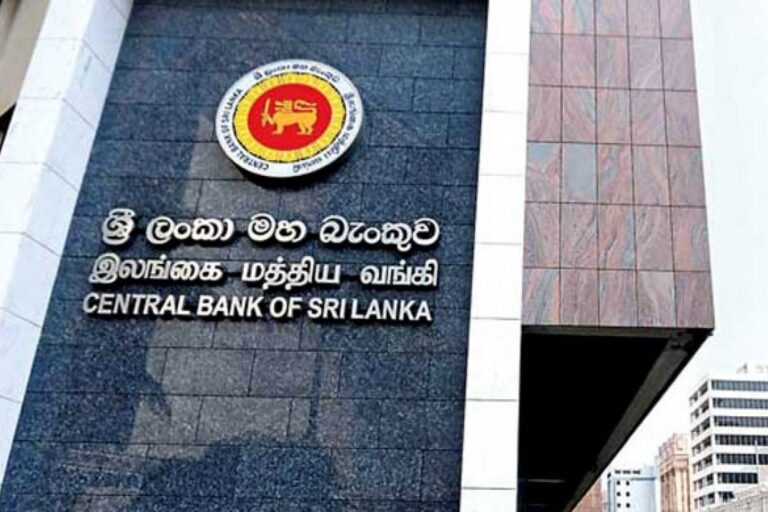
According to the Central Bank of Sri Lanka (CBSL), this measure applied specifically to businesses with loan obligations exceeding Rs. 50 million, provided they had entered into active discussions with their respective lending institutions prior to March 31 this year.

The temporary relief allowed these enterprises time to restructure or negotiate repayment terms without immediate risk of asset seizure under the Parate legal framework.

The Parate Law enables banks to recover debts by auctioning mortgaged property without court proceedings—a mechanism often viewed as burdensome for struggling businesses during periods of financial hardship. The now-lapsed moratorium offered a brief buffer, particularly for larger SMEs hit by recent economic fluctuations.

However, not all relief measures are being lifted simultaneously. Enterprises with outstanding loans between Rs. 25 million and Rs. 50 million will continue to be protected under the same legal moratorium until September 30, giving them additional time to stabilise operations and finalise repayment arrangements.

Parliament gathers for special sitting to outline mid-year fiscal strategy

0

June 30, Colombo (LNW): The Sri Lankan Parliament is meeting in a special session today (30), commencing at 9:30 a.m., to receive the Government’s Mid-Year Fiscal Strategy Statement.

The session is being held under the direction of Speaker Dr Jagath Wickramaratne, following a formal request from the Prime Minister in line with Standing Order 16.

This annual presentation is a statutory requirement under Section 11 of the State Financial Management Act No. 44 of 2024, which obliges the Government to deliver a comprehensive overview of its fiscal approach by June 30 each year.

The statement is expected to shed light on revenue policies, expenditure trends, debt strategies, and broader macroeconomic objectives for the second half of the year.

Today’s proceedings are considered crucial, as they offer Parliament an opportunity to scrutinise the financial direction of the Government at a time of ongoing economic adjustment and recovery.

The presentation will be followed by a debate on the adjournment motion, allowing Members of Parliament to raise concerns, propose alternatives, and engage in dialogue until 4:30 p.m.

Parliament will next meet on July 8, 9, and 11, when attention is expected to return to pending legislation and policy matters carried over from the previous sessions.

Special inquiry launched following series of fatal fishing vessel accidents at sea

0

June 30, Colombo (LNW): A wave of tragic incidents involving fishing boats has prompted the Ministry of Fisheries, Aquatic and Ocean Resources to launch a formal investigation into the causes of several recent capsizings in Sri Lankan waters.

Deputy Minister Rathna Gamage announced that a dedicated committee has been established to examine the circumstances surrounding the accidents and to recommend preventive measures aimed at safeguarding the country’s fishing community.

The decision follows a string of maritime accidents reported over the past three days, which have claimed the lives of at least five fishermen, with two others still unaccounted for. The incidents have raised alarm across coastal regions, with many calling for urgent improvements in maritime safety protocols.

In the most recent incident, a fishing vessel carrying six crew members capsized early this morning off Paravi Wella Beach in Tangalle. Four of the fishermen were rescued through the efforts of nearby boats, while search teams recovered the body of one missing crew member later in the afternoon. One fisherman remains missing, with rescue operations continuing under challenging sea conditions.

Yesterday, police confirmed that the bodies of two brothers—Nadun Kumara and Duminda Nadun Kumara—were found washed ashore at Bentota Beach. The pair, residents of Aluthgama, had been declared missing after their boat overturned in rough waters near Moragalla, Beruwala on June 28.

Additionally, a separate accident that occurred off the coast of Galle on June 27 resulted in the deaths of two more fishermen, whose bodies were recovered the following day. The vessel, which had departed from Dondra Fisheries Harbour with five men aboard, encountered severe weather conditions before capsizing. The remaining two crew members were successfully rescued.

Deputy Minister Gamage emphasised the urgent need to address these recurring incidents through a comprehensive review of safety practices, vessel readiness, and early warning systems. The newly appointed committee is expected to consult with the Navy, the Meteorological Department, and fishing community leaders to compile a detailed report.

Sri Lanka achieves landmark in renewable energy with 70% generation in June

0

June 30, Colombo (LNW): Sri Lanka has marked a major milestone in its transition towards sustainable energy, with 70% of the nation’s electricity during June 2025 generated from renewable sources, according to a statement released by the Ceylon Electricity Board (CEB).

This achievement, reached during a month of particularly high energy demand, signals a renewed commitment to clean power and represents the highest proportion of renewable electricity generation seen in the country since the early 1990s. At that time, the energy sector was almost entirely reliant on hydropower before diversifying into a combined hydro and thermal system to meet growing consumption.

The CEB described the development as a “full-circle moment” in Sri Lanka’s energy journey. After decades of increasing dependence on fossil fuels, recent investments in wind, solar, and modernised hydro infrastructure have helped shift the energy balance back in favour of renewables.

Energy analysts view this shift as more than symbolic. It comes amid mounting global pressure for decarbonisation and national concerns over fuel import costs, energy security, and environmental resilience. The CEB’s success is seen as a result of long-term strategic planning, upgrades to grid infrastructure, and more favourable conditions for renewable energy projects across the country.

The June figures include a blend of solar, wind, and hydro power, with hydro remaining the largest single contributor, supported by a growing portfolio of solar and wind farms operating at greater efficiency.

The Board stated that continued focus on diversifying and decentralising renewable energy will be crucial in meeting future demand while reducing dependency on fossil fuels.

Multiple provinces to witness showers (Jun 30)

0

June 30, Colombo (LNW): Several spells of showers will occur in the Western, Sabaragamuwa and North-western provinces and in Nuwara-Eliya, Kandy, Galle and Matara districts, the Department of Meteorology said in its daily weather forecast today (30).

Showers or thundershowers may occur at a few places in the Uva province and in Ampara and Batticaloa districts during the afternoon or night.

Fairly strong winds of about (30-40) kmph can be expected at times over Western slopes of the central hills and in Northern, North-central and North-western provinces and in Trincomalee and Hambantota districts.

The general public is kindly requested to take adequate precautions to minimise damages caused by temporary localised strong winds and lightning during thundershowers.

Marine Weather:

Condition of Rain:
Showers will occur at several places in the sea areas off the coast extending from Puttalam to Matara via Colombo and Galle.

Winds:
Winds will be westerly to south-westerly and wind speed will be (30-40) kmph.

Wind speed can increase up to (50-55) kmph at times in the sea areas off the coast extending from Chilaw to Kankasanthurai via Mannar and from Matara to Pottuvil via Hambantota.

Wind speed can increase up to 45 kmph at times in the sea areas extending from Chilaw to Matara via Colombo and Galle and from Kankasanthurai to Trincomalee via Mullaittivu.

State of Sea:
The sea areas off the coast extending from Chilaw to Kankasanthurai via Mannar and from Matara to Pottuvil via Hambantota will be rough at times.

The sea areas off the coast extending from Chilaw to Matara via Colombo and Galle and from Kankasanthurai to Trincomalee via Mullaittivu will be fairly rough at times.

The wave height may increase about (2.0 – 2.5) m in the sea areas off the coast extending from Chilaw to Pottuvil via Colombo, Galle and Hambantota. (this is not for land area).

Naval and fishing communities are requested to be vigilant in this regard.

Electricity Bill Sparks Concern as Government Clarifies Ownership and Market Reforms

0

By: Staff Writer

June 29, Colombo (LNW): Consumers and investors across Sri Lanka have expressed growing concern over the potential implications of the recently passed Electricity (Amendment) Bill in Parliament.

Critics fear that the restructuring of the electricity sector could lead to privatization, higher tariffs, and reduced regulatory control. Amid this uncertainty, the Ministry of Power and Energy issued an official clarification on June 25, 2025, outlining the key provisions of the Amendment and addressing public apprehensions regarding the bill’s implementation and ownership changes.

According to the Ministry, the Government of Sri Lanka (GoSL) will retain 100% permanent ownership of both the newly established Generation and Distribution Companies as part of the initial transfer plan.

However, these entities will be further “unbundled” under Clauses 13 and 20 of the Bill. Notably, while GoSL’s permanent ownership is assured for the hydropower company, there is no legislative guarantee for full state ownership of the other unbundled entities — a point that has raised concern among stakeholders.

To address fears of re-bundling and lack of transparency, the Ministry emphasized that the new National Transmission and System Planning Company (NTNSP) will remain focused solely on transmission activities.

 NTNSP will, however, hold Ceylon Electricity Board’s (CEB) 35% stake in LTL Holdings Ltd. (LTLH) and 100% stake in Sri Lanka Energies Company Ltd. (SLEC) as valued assets, per the planned transfer. These holdings will not affect the NTNSP’s core role, though it may establish subsidiaries for other business interests.

Importantly, LTLH and SLEC—being separate entities—will not disrupt competitive electricity procurement, as all power plant operations will still require Power Purchase Agreements (PPAs) with the National System Operator (NSO), ensuring fair and transparent procurement under Section 11 of the existing Act.

The Ministry also clarified confusion surrounding Clause 20(4), which allows the Distribution Company to assume only the CEB’s 55% stake in Lanka Electricity Company Ltd. (LECO). This is not a full absorption of LECO, but merely a transfer of ownership. Both entities will continue to operate independently and maintain separate corporate identities.

Regarding market dynamics, the Amendment under Clause 18(2) facilitates the development of “Retail Markets,” aiming to provide consumers with more efficient and cost-effective electricity supply options. LECO is expected to benefit from this reform through expanded business opportunities and a broader consumer base.

To ensure tariff fairness, the final proposal—formulated by the Cabinet in consultation with the Ministry of Finance—confirms that tariff setting will remain under the purview of the national energy regulator, in alignment with national tariff policy.

In summary, while the Electricity Amendment Bill marks a significant structural reform in Sri Lanka’s power sector, the government insists it does not pave the way for privatization but rather enhances efficiency, transparency, and consumer choice. However, continued scrutiny from the public and industry observers is expected as implementation progresses.

Star Garments Expands to Africa amid Sri Lanka Apparel Sector Struggles

0

By: Staff Writer

June 29, Colombo (LNW): Sri Lanka’s apparel industry, once a leading export sector and major foreign exchange earner, is currently grappling with a series of challenges, including reduced global demand, rising production costs, and stiff regional competition.

Exports have declined significantly in recent months, forcing many factories to scale down operations or temporarily shut down. Amidst this turbulence, some major players are looking overseas to diversify and sustain growth, while still retaining core operations in Sri Lanka.

In a bold move reflecting this strategy, Star Garments Group, a leading name in Sri Lanka’s apparel sector and part of U.S.-based Charles Komar and Sons, has officially launched its first overseas textile manufacturing facility in Togo, West Africa.

 The new plant, located at the Adétikopé Industrial Platform (PIA), was inaugurated in a ceremony led by Togo’s Council President Faure Gnassingbé, marking a historic milestone for both the company and the region’s emerging textile industry.

The 3.7-hectare state-of-the-art facility represents Star Garments’ first major manufacturing expansion beyond Sri Lanka, positioning Togo as a strategic hub for apparel production serving international markets.

While the new facility focuses on manufacturing, Sri Lanka will remain the company’s primary service and coordination center within its globally integrated operations.

The project is set to create 2,000 direct jobs in Togo, over 60% of which are designated for women, and is expected to generate more than 4,500 direct and indirect employment opportunities by 2030.

In addition to employment, the facility will implement extensive training programs to equip local workers with globally recognized manufacturing skills, aligning with Togo’s national industrial and development goals.

This is more than just a factory,” said Charlie Komar, CEO of Charles Komar & Sons. “It represents our long-term commitment to the people of Togo—creating jobs, providing training, and elevating global production standards with dignity and excellence. Togo was chosen for its strong focus on economic stability, infrastructure, and investment appeal.”

Togo’s Minister of Investment Promotion Manuella Santos highlighted the significance of the project, saying, “Star Garments’ decision to set up in Togo is a powerful vote of confidence in our industrial vision and development path.”

Once fully operational, the plant will produce 50,000 garments daily—focusing on nightwear, loungewear, and layered apparel—targeting global export markets.

Consistent with Star’s sustainability ethos, the Togo facility will adhere to stringent environmental practices and aim for LEED certification. It will also mirror the carbon-neutral operations that earned the company the Gold Award in the Extra-Large Textile and Garment Sector at the 2024 NCE Export Awards in Sri Lanka.

Sri Lanka’s Tea Exports Surge in May despite Mixed Market Trends

0

By: Staff Writer

June 29, Colombo (LNW): Sri Lanka’s tea export industry recorded a notable upswing in May 2025, with volumes rising 12.4% year-on-year to 21.87 million kilograms, according to the latest data. This surge pushed cumulative exports for the first five months (January–May) to 103.28 million kilograms, reflecting a 5.2% increase over the same period in 2024.

Export earnings also posted strong growth, with May earnings reaching US$ 131.81 million—a 14.58% rise compared to the same month last year. The average Free-on-Board (FOB) value per kilogram in May increased to Rs. 1,804.31, up Rs. 32.07 from Rs. 1,772.24 in May 2024. However, the FOB value for the cumulative five-month period slightly dropped to Rs. 1,756.46, marking a Rs. 15.87 decrease from Rs. 1,772.33 in the same period last year.

Positive export growth was seen across almost all tea categories for both the month of May and the January–May period, except for Bulk Tea and Tea Bags.

The final tea auction for the first half of the year, concluded this week (Sale No. 24), offered 6.5 million kilograms. Despite earlier concerns about market volatility due to the Iran-Israel conflict, market sentiment showed surprising resilience and price stability amid ceasefire speculation.

Ex-Estate offerings slightly decreased to 0.86 million kilograms. However, demand improved marginally, with select better-quality Westerns (BOP/BOPFs) fetching increases of up to Rs. 50 per kilogram. Coloury teas also saw gains between Rs. 20–40 per kilogram, although other varieties remained irregular in pricing.

Nuwara Eliya teas continued to struggle due to plainer quality, while Uda Pussellawa teas—especially those at the lower end—appreciated by Rs. 10–20 per kilogram. Uva teas with clean leaf BOP/BOPFs were firm and tended towards higher prices.

High and Mid Grown CTC PF1s showed barely steady performance among better teas, while the rest of the grades were erratic. BP1s remained in short supply. Low Grown CTC PF1s saw declines of Rs. 20 or more, particularly among lower quality teas.

The Low Growns, totaling around 2.5 million kilograms, experienced fair demand across Leafy, Semi-Leafy, and Tippy categories. Premium teas in this segment attracted significantly better prices.

In the Leafy and Semi-Leafy segments, Select Best and Best BOP1s held firm, though bolder varieties declined. OP1s were steady to dearer at the top end, while the rest showed a slight drop. OPAs generally remained stable. Among PEKs, top-end lots held firm, but mixed and open varieties saw easing prices. High-priced PEK1s dropped, but Best and Below Best grades appreciated slightly.

In the Tippy catalogue, some Select Best FBOPs held due to special demand, though most Best and Below Best varieties declined. Cleaner low-end teas held their ground, while others weakened. FF1s were mostly firm.

The Premium catalogue showed strong demand, especially for Very Tippy and Best categories, which were sold at notably higher prices, though lower-end teas remained mixed. Overall, Sri Lanka’s tea industry has shown resilience in exports and pricing despite fluctuating global conditions and mixed auction performance.

Sinopec Hambantota Oil Refinery Delayed Over Local Market Share Dispute

0

By: Staff Writer

June 29, Colombo (LNW): Sri Lanka’s largest ever foreign direct investment — a $3.7 billion oil refinery project in Hambantota by Chinese energy giant Sinopec — is facing delays due to unresolved issues between the government and the investor.

The project, which was formalized during President Anura Kumara Dissanayake’s state visit to Beijing earlier this year, remains stalled over key disagreements, notably on the share of refined fuel Sinopec will be allowed to sell in the domestic market.

The Chinese company has demanded unrestricted access to the local market for its products, while the Sri Lankan government has capped it at 20%.

According to a senior official at the Ministry of Power and Energy, who spoke on condition of anonymity, no final agreement has been reached regarding the local market share. However, he noted that discussions are ongoing, with hopes of resolving the matter soon to allow the project to commence.

Beyond the local sales issue, tax concessions and land allocation are also under negotiation. Sinopec has reportedly requested more land for potential expansion, and both parties are yet to finalize terms on the fiscal benefits the company will receive.

Additionally, concerns about the availability of adequate water resources in the Hambantota region have surfaced, raising questions about the long-term viability of refinery operations in the area.

Despite the hurdles, the government remains committed to moving the project forward. Officials maintain that while major issues like market access and tax terms are still under discussion, other matters such as land and regulatory frameworks are considered minor and can be addressed quickly.

Sinopec’s proposed oil refinery will have a daily processing capacity of 200,000 barrels, with a significant portion earmarked for export — a move that is expected to enhance Sri Lanka’s foreign exchange earnings. The project is also anticipated to provide an economic boost to the Hambantota region by creating jobs and improving local livelihoods.

However, the lack of progress over the past six months has raised concerns about the future of this high-profile investment and the broader implications for other Chinese-backed projects in Sri Lanka.

Professor Liu Zongyi, Senior Fellow and Director of the Centre for South Asian Studies at the Shanghai Institutes for International Studies, recently noted that Sinopec is facing serious challenges in executing the project.

The President’s Media Division has emphasized that the project’s benefits will eventually extend to the entire country, improving economic conditions and supporting development goals. For now, however, the ambitious refinery venture remains in limbo, pending resolution of the remaining disputes.