February 09, Colombo (LNW): An unexpected power cut, affecting the entire island, was reported earlier today (09), leaving households and businesses across Sri Lanka without electricity.
The Ministry of Power and Energy has confirmed that the widespread outage was caused by an emergency at the Panadura grid substation.
The Ceylon Electricity Board (CEB) has been working diligently to address the issue, with its System Control Centre actively engaged in efforts to restore power to all affected areas.
Officials from the CEB have assured the public that they are making every effort to resolve the situation as quickly as possible and bring normalcy back to the electricity supply.
Although the cause of the emergency has yet to be fully disclosed, the outage has raised concerns over the resilience of the island’s power infrastructure, with many residents left in the dark for several hours.
The CEB has requested the public’s patience while it works to resolve the issue, and further updates are expected as the situation develops.
February 09, Colombo (LNW): US President Donald Trump’s administration made a series of bold decisions, many of which sent shockwaves far beyond US borders. Whilst his policies primarily targeted domestic concerns, their ripple effects reach countries like Sri Lanka, a nation still struggling to recover from decades of civil war, political instability, and economic hardship.
Trump’s decisions, amplified by the influence of tech magnates like Elon Musk, push a narrative that amplified division, regressed rights, and threatened progress in countries that were on the cusp of social and economic development.
Here’s a look at how some of these policies impact Sri Lanka.
US Withdrawal from the WHO and UNHRC: A Blow to Public Health and Human Rights in Sri Lanka
Trump’s decision to withdraw from the World Health Organisation (WHO) and the United Nations Human Rights Council (UNHRC) weakened the global framework for health and rights advocacy. For Sri Lanka, this poses a direct threat to health initiatives, particularly around HIV/AIDS and the dialogue around the ethnic crisis.
In Sri Lanka, the government holds the monopoly on importing antiretroviral therapy (ART) medication for people living with HIV (PLHIV). Trump’s withdrawal from global discussions has created a vacuum that weakens international pressure and funding for global health initiatives. Sri Lanka’s continued success in curbing HIV’s spread, largely supported by international bodies, is now at risk, leaving local authorities with fewer resources to continue critical HIV prevention and awareness campaigns.
The erosion of human rights protections under Trump’s administration, particularly the withdrawal from international agreements, sent a clear message: multilateralism was no longer a priority. For Sri Lanka, which had long struggled with human rights issues stemming from its civil war, this poses significant risks.
The international community’s decreased ability to hold Sri Lanka accountable for human rights violations make it harder for local advocacy groups to push for progress. Sri Lanka finds itself increasingly isolated, with fewer global allies supporting its efforts to improve governance.
Trump’s Cuts to USAID and the LGBTQIA+ Community
In an unprecedented move, Trump’s administration moved to shut down USAID’s funding for several global health and social programmes, including Disaster Relief and Humanitarian Aid, Transitional Justice, Youth Empowerment and Social Cohesion, Environmental Sustainability and Climate Change, Economic Growth and Job Creation, Governance and Rule of Law, Education, Maternal and Child Health, Agriculture, and LGBTQIA+ awareness.
For Sri Lanka, a country where the aspects of the aforementioned areas still require development and are in the process of gaining ground, this marks a potential reversal of crucial progress.
Cultural Impact: Rise of Extremism and Hatred
In the aftermath of Trump’s controversial comments on gender, evangelical extremist groups in Sri Lanka, like the “Mavwarunge Peramuna” (Mothers’ Movement), took to the streets in support of Trump’s stance. They openly advocated for the eradication of what they termed the “LGBTQ virus” from the country. This rhetoric, steeped in hatred and misinformation, contributed to the growing anti-LGBTQ sentiment in Sri Lanka.
Such groups spread harmful and baseless conspiracy theories, including the idea that Sri Lanka was involved in a propaganda of promoting “paedophiles and people of deviant sexual desires”, and a “mafia of medication” forcibly inducing hormones in children for what they claimed as “sex change operations”.
These misleading narratives have created a climate of fear and confusion, undermining the progress made in educating the population about gender diversity and LGBTQIA+ rights.
Local media, previously educated to approach LGBTQIA+ issues with sensitivity, could face greater challenges in continuing such coverage. The previously hard-won understanding of LGBTQIA+ issues is now under threat, as the media is becoming increasingly polarised, following the lead of international figures like Trump.
Trump’s Position on Gaza and its Impact on Local Racism
Trump’s rhetoric surrounding the Gaza conflict, particularly his unwavering support for Israel, has further exacerbated existing tensions within Sri Lankan society. Sri Lankans, already divided over the issue, now find themselves forced to take sides, deepening ethnic and religious divides.
The debate surrounding Gaza fuelled anti-Muslim sentiment, particularly against the island’s Muslim community. Trump’s influence indirectly bolstered a sense of tribalism and division, especially in the face of a global narrative that, in some quarters, portrayed Muslim communities as the “other.” This adds fuel to the fire of rising racism in Sri Lanka.
Social Polarisation and the Rise of Political Extremism
Trump’s divisive political approach, emboldened by Musk’s outspoken support for populist rhetoric, also encourages a culture of “us versus them”. This mirrors the situation in Sri Lanka, where political divisions are becoming increasingly pronounced. The country sees the emergence of more extreme political factions, weakening civil discourse.
Sri Lanka’s growing youth movement, which previously advocated for unity and progress, finds itself divided, with ideological splits becoming more entrenched. The political climate has begun to mirror Trump’s own divisive approach, threatening the nation’s potential for consensus-building.
Economic Impact: International Investment and Trade
Trump’s “America First” policies have led to trade wars, including tariffs and import taxes, which hurt global markets. Sri Lanka, dependent on international trade for much of its economic growth, has found itself caught in the crossfire. Trump’s protectionist stance has reduced global demand for Sri Lankan exports, leading to a slow-down in economic growth.
Moreover, with international investment increasingly wary of the unpredictability of US policies, Sri Lanka lost out on opportunities for foreign direct investment.
Environmental Impact: The Consequences of Trump’s Climate Denial
Trump’s decision to withdraw from the Paris Agreement and roll back environmental protections had a profound impact on the global environment. Sri Lanka, a country vulnerable to climate change due to rising sea levels and extreme weather events, faces heightened risks. With the US stepping away from climate leadership, Sri Lanka is left to fend for itself in addressing environmental concerns.
Local environmental movements, which were previously bolstered by international support, now find it harder to secure the necessary resources and attention to combat climate change.
Trump’s foreign policy often prioritises isolationism, and his government has taken a hard stance on many international diplomatic relationships. Sri Lanka, which had navigated a delicate balancing act in its foreign policy, has found its ties with the US strained.
Trump’s disregard for diplomacy made it harder for Sri Lanka to engage in constructive dialogue with the US, leading to reduced collaboration on key issues like trade, security, and development.
The Tech-Driven Maniac and Culture War: Musk’s Influence on Sri Lanka’s Media
Elon Musk’s influence on global social media platforms, particularly Twitter, played a role in accelerating the culture wars. Musk’s promotion of free speech, often in the form of controversial and polarising statements, encourages Sri Lankan users to adopt a more radicalised approach to online discourse. Social media platforms, once a space for healthy debate, has now became battlegrounds for culture wars, mirroring the divisive rhetoric espoused by Trump. This trend further deepens societal divides in Sri Lanka, especially amongst younger generations who had embraced digital communication.
Contributing to the existing culture war rhetoric is Elon Musk’s infamous “Nazi Salute” gesture, one that is catering to the generaisation of authoritarian and oligarchic governance. There is a growing trend on Sri Lankan Social Media, particularly TikTok, where disputes occur over the gesture, with an overwhelming majority favouring it in what can only be described as an unconscious self-subjugation to the aforementioned ideologies.
Trump’s toxic policies, amplified by figures like Elon Musk, did not merely affect the United States; they echoed across the globe. In Sri Lanka, these decisions threaten to undo years of progress in public health, human rights, and social cohesion.
In a closing remark, it should noted that Sri Lanka has found itself at a crossroads, struggling to preserve its hard-won achievements in the face of a global tide of division and hate. Sri Lankan President Anura Kumara Dissanayake, a political figure emerged from the leftist realm discrediting the very ideology Trump has been and is now promoting, should take careful consideration in navigating the diplomatic ties with the US, without letting himself and his administration become a pawn of the far-right contrivance.
February 09, Colombo (LNW): A new national initiative aimed at enhancing the beauty of Sri Lanka’s coastline is set to begin today at the Crow Island Beach Park in Mattakkuliya.
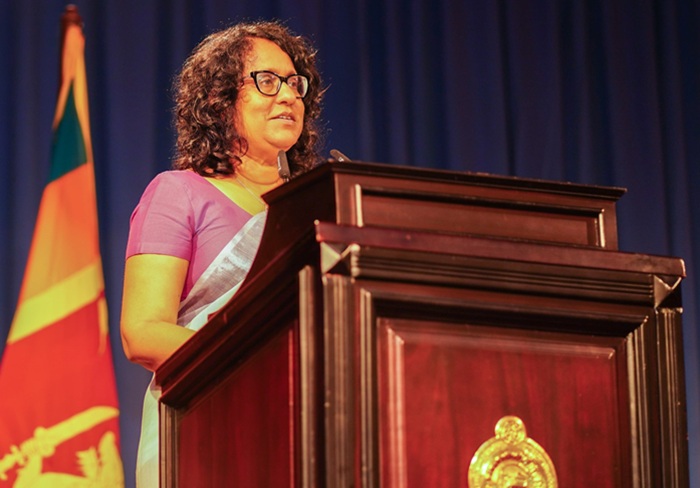
This ambitious project, titled “A Beautiful Coast – An Attractive Tourist Destination,” will be spearheaded by Prime Minister Dr. Harini Amarasuriya and is designed to transform the country’s coastal regions into picturesque and inviting spaces for both locals and tourists.
The programme will cover all 14 coastal districts across Sri Lanka, with the goal of making the country’s beaches more accessible, clean, and appealing.
By focusing on sustainability and aesthetic improvements, the initiative aims to attract more visitors to the island’s coastal areas whilst preserving the natural beauty and ecological balance of these regions.
As part of the programme, beaches across the island will undergo beautification projects, including improved infrastructure, better waste management systems, and the creation of more public recreational spaces.
The project is also expected to create awareness about the preservation of Sri Lanka’s unique coastal ecosystems, ensuring they remain vibrant and thriving for generations to come.
February 09, Colombo (LNW): India’s largest budget airline, IndiGo, has announced plans to introduce direct flights between Bengaluru and Jaffna, marking a significant expansion of its operations in Sri Lanka.
This new route represents a shift in the airline’s strategy, moving beyond its traditional focus on Colombo and aiming to strengthen its presence at Sri Lanka’s secondary airport.
The non-stop flights will provide a convenient and time-efficient travel option for passengers, significantly improving connectivity between South India and Sri Lanka’s Northern Province.
The airline recently engaged in discussions with Northern Province Governor Nandalalingam Vethanayagam, highlighting the growing demand for direct flights from Bengaluru to Jaffna.
At present, there are no direct flights to Jaffna from Bengaluru, with the only available service coming from Chennai. This has meant that a considerable number of people – including over 25,000 annual pilgrims, as well as business and leisure travellers – are forced to transit via Chennai or Colombo, leading to longer travel times and additional costs.
IndiGo’s direct service will alleviate these challenges by offering a non-stop option, providing a smoother and faster journey for passengers.
This new route is expected to cater not only to the Tamil diaspora in South India but also to Sri Lankan nationals, strengthening the links between these two regions.
The launch of non-stop flights from Bengaluru to Jaffna is expected to significantly boost regional connectivity, offering a seamless travel experience for both local and international travellers.
IndiGo has already established itself as the largest foreign carrier operating in Sri Lanka, with a robust network that includes 54 weekly flights between India and Sri Lanka.
The airline currently connects key Indian cities such as Bengaluru, Chennai, Hyderabad, and Mumbai to Colombo. Notably, Chennai is the only city that is directly connected to two destinations in Sri Lanka, with IndiGo also operating flights to Jaffna.
The airline’s successful entry into the Chennai-Jaffna sector in September 2024, where it became only the second Indian carrier to operate on this route, appears to have set the stage for further expansion.
Encouraged by this success, IndiGo is now looking to offer direct flights from Bengaluru, leveraging the city as its largest hub in South India.
The new service will not only cater to direct passengers but will also offer one-stop connections to Jaffna from other major cities such as Hyderabad, Pune, and Delhi, further improving accessibility.
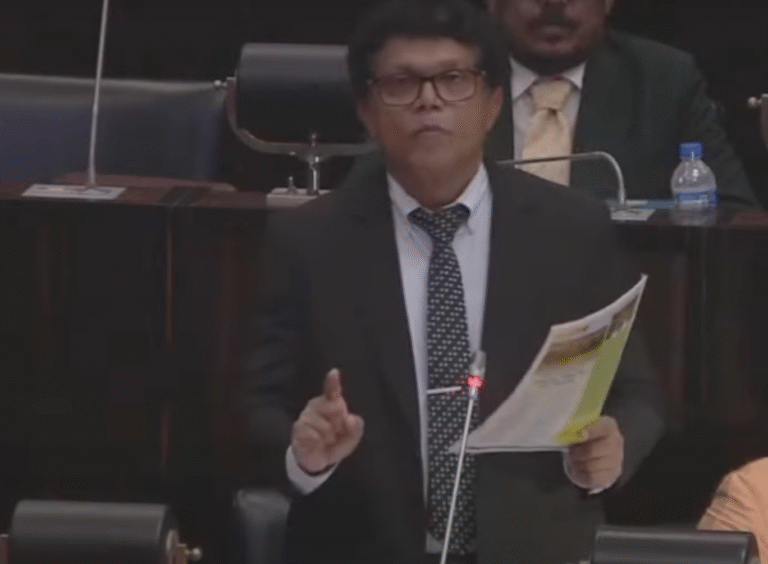
February 09, Colombo (LNW): Sri Lanka Muslim Congress (SLMC) Batticaloa District MP Mohamed Sali Naleem has reportedly been attacked by an individual earlier yesterday (08).
The incident left the parliamentarian with injuries, prompting his immediate admission to the Eravur Hospital for medical attention.
Naleem, who previously served as the Chairman of the Eravur Urban Council, has alleged that his assailant is a supporter of the Sri Lanka Mahajana Pakshaya (SLMP).
He further claimed that this same individual had earlier assaulted his father and brother near a mosque earlier in the morning, just hours before the attack on him.
February 09, Colombo (LNW): The National Transport Commission (NTC) has announced plans to introduce an electronic payment system, in a bid to modernise the country’s public transport system and provide enhanced convenience for commuters.
This new initiative is set to reduce the reliance on cash transactions, streamlining the payment process for passengers whilst improving overall efficiency within the public transport sector.
The system will allow passengers to pay for their journeys using bank cards, making it easier and more secure for people to travel without needing to carry cash.
The NTC has confirmed that electronic payment devices will be installed on all buses across the country in the near future, paving the way for a seamless and modern travel experience.
The introduction of this payment method is expected to offer a number of benefits, including faster boarding times, reduced administrative costs for transport operators, and the provision of more reliable and accurate data regarding passenger numbers and routes.
Furthermore, the move aligns with global trends towards digitalisation, bringing Sri Lanka’s public transport system in line with international standards.
Commuters will soon be able to enjoy a smoother, more efficient travel experience, with the added convenience of being able to pay for their fares without the need for cash, using the latest in electronic payment technology.
February 09, Colombo (LNW): Sri Lanka’s foreign workers’ remittances reached a total of US$ 573 million in January 2025, marking a substantial 17.5 per cent increase compared to the same period last year, according to the Central Bank of Sri Lanka (CBSL).
In January 2024, the country received US$ 487.6 million, reflecting the significant growth in remittance inflows over the past year.
This positive trend follows a robust performance in December 2024, when Sri Lanka recorded an even higher sum of US$ 613.8 million in remittances.
The continued increase in these remittances is seen as a vital support to the Sri Lankan economy, providing much-needed foreign currency reserves and supporting local households reliant on funds sent by family members working abroad.
Experts suggest that while the figures for January 2025 reflect a promising start to the year, maintaining this momentum will be essential for bolstering the nation’s foreign exchange reserves and ensuring sustainable economic recovery.
February 09, Colombo (LNW): In an effort to improve accessibility and streamline passport services, the Department of Immigration and Emigration has announced plans to open a new office in Jaffna, aimed at serving the residents of the Northern Province more efficiently.
In addition to this, the Department has decided to increase the daily number of passports issued, responding to the growing demand for travel documents.
Minister of Public Security and Parliamentary Affairs Ananda Wijepala revealed that this move forms part of the government’s broader strategy to make vital services more accessible to the public.
Speaking at a recent meeting with officials from the Immigration Department, Minister Wijepala highlighted the government’s ongoing commitment to enhancing the efficiency and reach of passport issuance across the country.
The new Jaffna office will operate around the clock, offering 24-hour services to cater to the needs of the local population.
To ensure smooth operations, the Ministry has also approved the recruitment of additional staff, with the proposal already submitted to the Government Services Commission.
A decision on the recruitment is expected within the next few days.
This initiative is being launched alongside other measures aimed at expediting passport processing nationwide. In January 2025, the Ministry of Public Security confirmed that the number of passports issued daily would increase to 2,500, significantly reducing wait times for applicants.
The opening of the Jaffna office is expected to be a major benefit to the residents of the Northern Province, many of whom previously had to travel to Colombo or other far-flung offices to access passport services.
February 09, Colombo (LNW): In a bid to improve the experience of passengers, particularly the increasing number of tourists arriving in Sri Lanka, the Bandaranaike International Airport (BIA) is set to undergo a significant redesign of its arrival lobby.
This initiative, spearheaded by Airport and Aviation Services (Sri Lanka) (Private) Limited (AASL), is a response to the steady rise in tourist arrivals and aims to address the challenges that come with handling growing passenger numbers.
Harsha Abeywickrema, Chairman of AASL and a retired Air Chief Marshal, outlined that the planned upgrades are designed to alleviate congestion in the arrival area and create a more spacious and welcoming environment for visitors.
One of the key changes will be the relocation of the Sri Lanka Tourism Travel Information Counter to a more central and easily accessible location.
This will ensure that tourists are greeted and assisted promptly upon arrival.
Additionally, the number of ATMs in the arrival lobby will be increased to reduce long queues and waiting times for travellers.
These upgrades are expected to improve the overall efficiency of the airport, providing a smoother transition for passengers as they enter the country.
This redesign is part of a broader strategy by AASL to improve passenger facilities whilst managing the increasing volume of travellers at BIA.
These efforts will continue until the completion of Terminal 2, which is expected to be finished in March 2028.
The rise in tourist arrivals to Sri Lanka has been noteworthy, with a particularly sharp increase in the final quarter of 2024 and momentum continuing into 2025. In January 2025, daily arrivals averaged 8,150, reflecting a 23 per cent rise compared to the same month in 2024.
However, the arrival lobby’s current infrastructure has struggled to keep up with the influx of visitors, and the need for expansion has become increasingly evident.
Following a visit to BIA by Minister of Transport, Highways, Ports, and Civil Aviation, Bimal Rathnayake, plans to redesign and expand the arrival lobby were set into motion.
These enhancements are designed to ensure that BIA remains capable of accommodating rising passenger numbers and providing a seamless and positive arrival experience for all travellers.
February 09, Colombo (LNW): The Coconut Cultivation Board has revealed an ambitious plan to reorganise the Kapruka Fund Management Board Societies, a key initiative aimed at expanding coconut cultivation across Sri Lanka.
This restructuring effort is expected to streamline operations and improve support for local coconut farmers, enhancing the country’s production capacity.
Dr. Sunimal Jayakody, Chairman of the Board, announced that the first phase of this strategic initiative will be rolled out in the Gampaha District on February 17.
He highlighted that this move would work in tandem with the existing Kapruka Loan Scheme, ensuring that farmers have access to the necessary financial resources to grow their operations.
This initiative forms part of the Coconut Cultivation Board’s broader, long-term strategy to boost national coconut production.
The Board has set a bold target of planting 2.5 million coconut trees in 2025 as part of its efforts to revitalise the industry and ensure a sustainable future for coconut cultivation.
Dr. Jayakody elaborated on the plan to focus on the Northern Coconut Triangle, a key area for coconut farming in the country, disclosing that approximately one million coconut trees will be cultivated in this region alone, contributing significantly to the overall growth targets.