Showers will occur at times in the Western, Sabaragamuwa and Central provinces and in Galle and Matara districts.
Several spells of showers may occur in the North-western province. Strong winds of about (55-60) kmph can be expected at times over Western slopes of the central hills and in Northern, North-central and Central provinces and Trincomalee and Hambanthota districts. Fairly strong winds about (40-50) kmph can be expected at times elsewhere.
The general public is kindly requested to take adequate precautions to minimize damages caused by strong winds.
July 22, Colombo (LNW):In a major stride toward digital governance, Sri Lanka’s Information and Communication Technology Agency (ICTA) is preparing to launch a unified “Super App” aimed at transforming citizen interaction with government services. The initiative is part of a broader national strategy to streamline public sector operations through cutting-edge digital infrastructure and reduce dependency on paper-based systems.
The ‘Super App’ will serve as a centralised mobile platform integrating various government services into a single interface. ICTA’s Acting CEO Sanjaya Karunasena described it as the next phase in Sri Lanka’s Digital Public Infrastructure (DPI) journey, building on the recently introduced GovPay system, which laid the groundwork for online payment facilitation across state institutions.
“The app is already under development, and the first rollout is expected within the next six months,” Karunasena announced at a media briefing. He explained that the platform would allow citizens to digitally access key services, including national ID, examination certificates, and licenses, all stored and managed through a secure mobile system.
One of the standout features of the Super App will be its integrated payment options, enabling users to complete transactions using credit and debit cards, fintech services, and in-app payment systems. Karunasena emphasized that the procurement process for payment solution providers is underway to ensure secure, seamless transactions with minimal user friction.
A core pillar supporting the app’s capabilities is the National Digital ID project, which will embed biometric data into citizens’ digital identification. This will allow remote verification and eliminate the need for physical visits to government offices for services like passport applications or driving license renewals. “This digital NIC will save citizens time, effort, and money,” Karunasena noted.
The app will also introduce verifiable digital credentials—such as birth certificates and academic records—that can be stored and presented via mobile devices, enabling a paperless and efficient interface with public institutions.
“This is a significant shift from the fragmented and paper-heavy processes we’ve been used to. The Super App aims to make public services citizen-centric, accessible, and secure,” Karunasena said.
In tandem with the Super App, ICTA is also revamping the longstanding 1919 Government Information Centre. According to ICTA Board Member Harsha Purasinghe, the upgraded version will incorporate artificial intelligence to improve responsiveness and automate user interactions.
“We’ve already finalised the technical architecture and user interface for the AI-driven 1919 platform. It’s slated to launch within six to eight months,” Purasinghe stated.
Both the Super App and the AI-powered 1919 centre are seen as crucial components in the country’s ongoing digital transformation, designed to cut bureaucracy, enhance transparency, and increase efficiency in public service delivery.
July 22, Colombo (LNW):In line with International Monetary Fund (IMF) directives, the Sri Lankan Government has intensified its efforts to enhance state revenue collection by restructuring and digitalizing key revenue authorities. These include the Inland Revenue Department (IRD), Sri Lanka Customs, the Excise Department, and the Department of Motor Traffic. The reform agenda aims to boost transparency, plug leakages, and improve efficiency to meet ambitious fiscal targets outlined in the 2025 budget.
This initiative is central to Sri Lanka’s economic recovery and debt restructuring program under the IMF’s Extended Fund Facility (EFF). While these reforms are expected to broaden the tax base, reduce evasion, and improve compliance, critics caution that over-reliance on indirect taxes and rapid enforcement could burden consumers and small businesses. Nonetheless, analysts view digitalization and institutional restructuring as critical tools for long-term fiscal stability and governance reform.
Recent data from the Central Bank of Sri Lanka (CBSL) indicates that these efforts are already bearing fruit. In May 2025 alone, government revenue collection peaked at Rs. 486 billion—the highest monthly total recorded this year. This figure contributed to a cumulative revenue haul of Rs. 1.94 trillion for the first five months, marking a 20% year-on-year increase from Rs. 1.62 trillion during the same period in 2024. Of this, Rs. 1.8 trillion was collected through taxes.
May’s collection outperformed previous months, surpassing Rs. 414 billion in February, Rs. 387 billion in April, and Rs. 306 billion in March. Analysts attribute the uptick to improved enforcement and an expanded tax base, including the inclusion of motor vehicles under new tax regimes beginning March.
This follows a steady revenue trajectory from 2023 to 2024, with total government income rising from Rs. 3 trillion to Rs. 4 trillion. The continued momentum suggests a strong start for 2025, bolstering hopes of meeting IMF-backed fiscal targets.
Despite the revenue surge, CBSL data shows that total government expenditure and net lending also increased to Rs. 2.18 trillion during the January–May period, up 9.7% from Rs. 1.99 trillion in the same timeframe last year. However, the budget deficit narrowed significantly to Rs. 236.6 billion, compared to Rs. 366.8 billion in 2024—an encouraging sign of improving fiscal discipline.
Additionally, net domestic financing dropped to Rs. 298.6 billion from Rs. 394.4 billion in 2024. Meanwhile, foreign financing recorded a net repayment of Rs. 62 billion, double the Rs. 27.6 billion paid back in the same period last year.
As Sri Lanka moves forward with structural reforms, the success of its revenue transformation will be vital not only for securing future IMF tranches but also for restoring economic sovereignty and long-term financial stability.
July 22, Colombo (LNW): In a strategic move to rebalance its trade relations with the United States, the Sri Lankan government is exploring the procurement of U.S.-based West Texas Intermediate (WTI) crude oil while actively lobbying for reductions in the steep reciprocal tariffs imposed by Washington. The initiative is part of a broader effort to mitigate the negative impact of U.S. tariffs on Sri Lankan exports and to revive Sri Lanka’s stalled para-tariff reform program.
The government’s renewed push follows a sweeping tariff regime introduced by U.S. President Donald Trump earlier this year, targeting trade deficit countries. Initially, Sri Lankan exports were hit with a 44% tariff, which has since been reduced to 30%, effective August 1. However, Colombo is still striving to secure further relief through high-level engagements with the Office of the United States Trade Representative (USTR).
As part of the counterbalance, Sri Lanka is offering to expand its crude oil procurement base to include American energy exporters. Managing Director of the Ceylon Petroleum Corporation, Dr. Mayura Neththikumarage, confirmed that discussions are underway to consider WTI crude oil in future tenders. Presently, Sri Lanka’s crude oil supplies originate mainly from the Gulf region. The inclusion of U.S.-registered companies in the tender process is aimed at not only diversifying suppliers but also strengthening trade relations with Washington.
“Decisions will ultimately be based on price competitiveness, but incorporating WTI into our oil basket can open new avenues for bilateral trade,” Dr. Neththikumarage noted. He added that any reduction in U.S. tariffs would further benefit Sri Lanka’s economic outlook, particularly for both imports and exports.
On the trade front, the Export Development Board (EDB) is spearheading talks to ease the remaining 30% tariff. EDB Chairman Mangala Wijesinghe revealed that discussions are scheduled before the August 1 deadline in a bid to widen tariff relief. The Ministry of Finance also hosted a virtual meeting on July 18 with USTR officials, led by Secretary Dr. Harshana Suriyapperuma, focusing on boosting trade and investment between the two nations.
Deputy Minister of Economic Development, Prof. Anil Jayantha Fernando, stated that the U.S. has offered Sri Lanka duty-free access for 70–80% of its exports under the revised terms. This includes a list of 1,161 products, such as apparel and 42 agricultural items.
These developments come in the wake of a dramatic global tariff overhaul announced by President Trump. The new tariff regime introduced a baseline 10% levy on all imports, with higher rates for countries running trade surpluses with the U.S. Sri Lanka was among the hardest hit, with an initial 44% tariff—on par with Vietnam and just below Cambodia’s 49%.
In a White House statement, President Trump positioned the tariff campaign as a “declaration of economic independence,” designed to protect domestic manufacturers and rebalance unfair trade practices. However, the sudden imposition of steep duties on long-standing partners like Sri Lanka sparked concern across global trade circles.As discussions continue, Sri Lanka is attempting to turn a potential trade crisis into an opportunity by linking tariff relief to broader trade and energy cooperation with the United States.
Climate Transition Plan benefits from IFC’s technical assistance
Conclusion of Phase I marks significant achievement in CDB’s journey towards setting the foundations for net zero
Initiative translates CDB’s net zero journey to a science-based approach
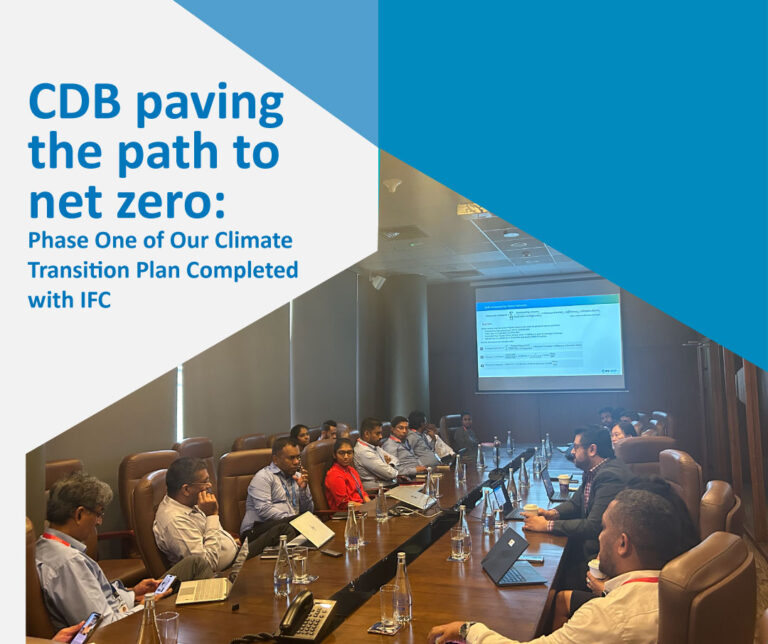
Rashika Hennayake 22 July Colombo LNW: Achieving a major milestone in its goal towards achieving net zero, Citizens Development Business Finance PLC (CDB) of Sri Lanka concluded Phase I of its Climate Transition Plan. With technical assistance received from the International Finance Corporation (IFC) and support from the European Union under their ‘Accelerating Climate Smart and Inclusive Infrastructure in South Asia (ACSIIS)’ program, this foundational phase of the Climate Transition Plan is a robust framework that quantifies and manages operational and portfolio emissions.
Deputy CEO of CDB Damith Tennakoon recalls that in April 2024, CDB inked a technical assistance agreement with the International Finance Corporation (IFC) to enhance the Company’s plans for sustainable growth that benefits everyone. “The collaboration planned in three phases, supports us in conducting an emissions baseline analysis towards a net zero strategy, expand our product portfolio to finance sustainable solutions to extreme weather events, and develop a carbon credit aggregation business model aligned with climate commitments.”
He explains that CDB now has a clear actionable framework to manage key levers, including the green asset ratio needed to reduce the GHG intensity, even as CDB’s portfolio grows. “We sincerely appreciate the IFC team for helping us in this journey and taking us forward with greater clarity and confidence in our net zero journey. With the successful conclusion of Phase I, the groundwork has been laid for the next stage of our transformative journey, reinforcing our commitment to sustainability, innovation and national climate objectives.”
This initiative is a key component of CDB’s Sustainability Agenda under the Net Zero pillar, reinforcing its commitment to reducing its carbon footprint and achieving net zero emissions. In alignment with Sri Lanka’s national climate goals, CDB is working towards eliminating emissions across business operations. The comprehensive Climate Transition Plan provides a strategic roadmap grounded in country-driven priorities in Sri Lanka as well as global standards, ensuring that sustainability efforts are both measurable and impactful.
Phase I was supported through a series of in-depth virtual and in-person workshops conducted by IFC, significantly strengthening CDB’s internal technical capabilities. This phase, which encompasses a carbon baseline analysis and the development of a net zero strategy, saw the methodology and the data captured reviewed to estimate the direct and indirect emissions by assets.
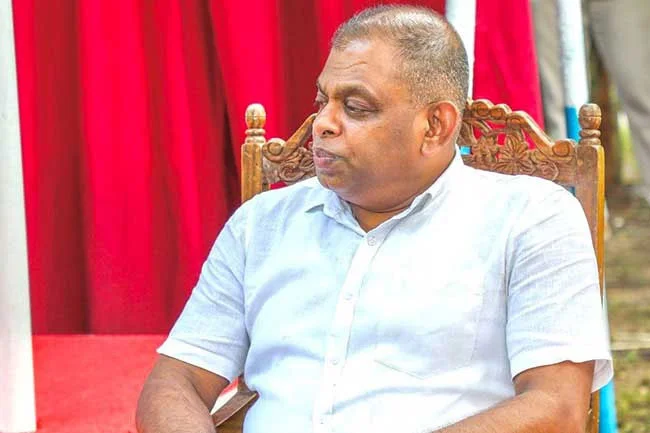
July 22, Colombo (LNW): In Sri Lanka’s history of troubled policing, no moment has matched this one.
For the first time ever, a sitting Inspector General of Police (IGP) has been found guilty of gross misconduct and abuse of power by a high-level Committee of Inquiry — a move that has shaken the pillars of the country’s law enforcement and governance structures.
The man at the center of this firestorm? Deshabandu Tennakoon, once considered a politically favored blue-eyed officer, now exposed as the most controversial IGP in the island’s post-independence history. While Tennakoon’s rise through the ranks was politically assisted, his downfall is self-authored.
The Parliament is now preparing to vote on the committee’s recommendation to remove him from office,a historic and humiliating downfall.The report unveils a litany of abuse, negligence, and political manipulation, painting a dark portrait of a police chief whose loyalty was not to justice, but to power.
But what exactly did he do? The list of allegations reads like a crime dossier, implicating the nation’s top cop in everything from torture and election-time collusion to covering up murder and enabling mob violence.
Standing with Killers: The Bharatha Lakshman Murder
In October 2011, amidst Provincial Council elections, a deadly shootout occurred at Walpola Junction. MP Bharatha Lakshman Premachandra was gunned down in a brutal face-off with rival MP Duminda Silva’s faction.
And who was quietly riding in Silva’s convoy? Superintendent of Police Deshabandu Tennakoon.
Rather than diffusing tensions or stopping the violence, Tennakoon did nothing. When investigations began, his name was scrubbed from accountability, reportedly at the orders of powerful political handlers. Even today, the silence around his role in that murder lingers like a loaded gun.
Protecting the Powerful: The Poddala Jayantha Case
Journalist Poddala Jayantha was abducted and tortured for criticizing the government. He claimed the assault was ordered by then Defence Secretary Gotabaya Rajapaksa.
Tennakoon, tasked with recording Jayantha’s statement, refused to write down the allegations against the Defence Secretary. The result? The truth was buried, and the victim fled the country.
Years later, when CID Director Shani Abeysekera began reopening these dark chapters, Tennakoon allegedly retaliated by fabricating charges that landed Abeysekera in jail for 10 months,charges that were later thrown out by the courts.
Easter Sunday Warnings Ignored
Two days before the devastating Easter Sunday bombings in 2019, intelligence units had flagged Katuwapitiya Church in Negombo as a target. Officers were instructed to tighten security.
Deshabandu Tennakoon, then responsible for the area, ignored the orders and quietly checked into a beach resort in Pasikudah,switching off his phone just as a national tragedy loomed. Over 250 people died in one of the worst terror attacks in the nation’s history.
Aragalaya Chaos: Ignoring Presidential Orders
During the height of the Aragalaya protests in May 2022, President Gotabaya Rajapaksa gave a clear directive: Do not let pro-government mobs reach Galle Face Green.
Tennakoon, then SDIG of Western Province, did the opposite. He stood down while government thugs stormed protest camps, triggering countrywide riots, three deaths, and hundreds of injuries.
A deliberate failure to act? Or a calculated political move? Either way, he let the fire spread.
Torture, Confirmed by the Supreme Court
Perhaps the most legally concrete of all allegations: in 2011, a man arrested at Mirihana Police Station was tortured with chili powder, beaten in front of his children, and humiliated.
The case went to the Supreme Court, which found Tennakoon guilty of violating the man’s fundamental rights. He was ordered to pay Rs. 2 million in compensation from his personal funds.
Never before has an IGP carried a torture conviction on his record.
Rs. 17.85 Million and a Mysterious Instruction
When protestors stormed the President’s House in July 2022, they found bundles of cash worth Rs. 17.85 million left behind.
An STF officer and civilians followed protocol and handed the money over to the Pettah Police OIC. But then came the twist, Tennakoon allegedly ordered the money to be handed to Minister Tiran Alles. The OIC refused.
Why? Who was the money for? To this day, no answers.
Threatening a Police Investigator
When Senior Superintendent of Police D.S. Wickremesinghe was appointed to investigate police misconduct, he was allegedly threatened by Tennakoon himself over the phone.
SSP Wickremesinghe took the unprecedented step of reporting the threat to court ,a chilling sign of how deeply Tennakoon may have tried to interfere in internal investigations.
The Weligama Shootout: Police vs. Police
In what looked like a scene from a gangster film gone wrong, a Colombo Crimes Division team opened fire at a hotel in Weligama linked to political disputes. Local police, unaware they were shooting at fellow officers, fired back. One police sergeant died.
The CCD had reportedly gone on this rogue mission on Deshabandu’s orders, tied to a land dispute involving Minister Alles. When an officer called him for help, Tennakoon allegedly warned: “Keep your mouth shut, or get transferred.”
Bulldozing the Law: The Soul Beach Demolition
In Dehiwala, a beachfront hotel called Soul Beach was destroyed by police, claiming it was built with drug money. But the owners had valid lease documents from the Railways Department.
No court order. No legal notice. No due process.Just bulldozers sent, allegedly, on Tennakoon’s word alone.
An IGP Like No Other For All the Wrong Reasons
Sri Lanka has had 34 Inspectors General of Police. Not one has ever faced a record of misconduct, negligence, and criminality as extensive and public as that of Deshabandu Tennakoon.
From torture chambers to political puppeteering, from cash cover-ups to deadly silence, his reign as IGP has laid bare the systemic rot at the top of the police force.
If Parliament ratifies the committee’s recommendation, Tennakoon will not only lose his uniform,he will go down in history as the first IGP removed by Parliament for criminal abuse of power.
The badge of law is meant to symbolize justice. But in this case, it became a shield for impunity until it shattered under the weight of truth.
Strategic showcase in Kuala Lumpur highlights Sri Lanka’s potential as a regional investment hub
By:Staff Writer
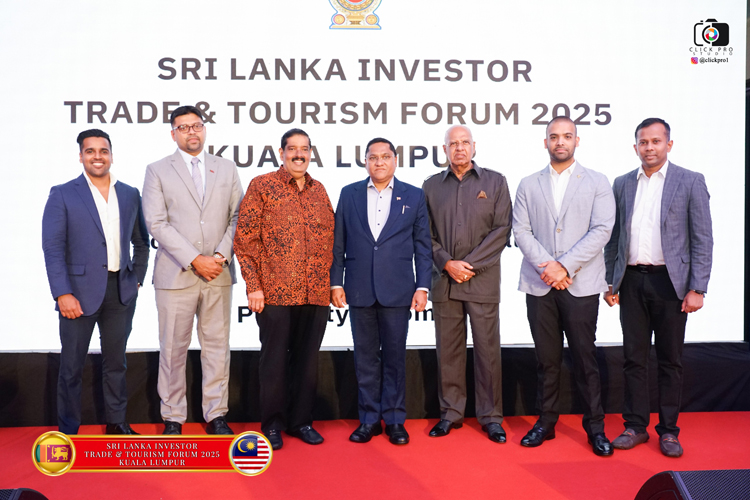
July 22, Colombo (LNW): In a renewed push to attract foreign direct investment (FDI), Port City Colombo joined hands with the Sri Lankan High Commission in Kuala Lumpur to promote Sri Lanka as a promising business destination for Southeast Asian investors. As a Strategic Partner of the Sri Lanka Investor Trade & Tourism Forum 2025 held on July 11 at the Royal Selangor Club in Malaysia, Port City Colombo took centre stage, unveiling its investment potential and role in Sri Lanka’s economic resurgence.
Organised collaboratively by the High Commission and CHEC Port City Colombo Ltd., the forum was a platform to present the island nation’s revitalised investment climate and future growth prospects, with particular focus on the emerging financial and business district being developed off the coast of Colombo.
Sri Lanka’s Minister of Foreign Affairs, Foreign Employment, and Tourism, Vijitha Herath, was the Chief Guest, underscoring the government’s commitment to fostering international investment ties. Also present were Malaysian Deputy Minister of Investment, Trade, and Industry (MITI) Liew Chin Tong, Acting High Commissioner M.I. Mohamed Rizvi, and other key Malaysian dignitaries and business leaders, including members of the Selangor Royal Family.
The event attracted a diverse group of stakeholders, including Malaysian entrepreneurs, real estate developers, and representatives from top industry associations such as the National Chamber of Commerce and Industry Malaysia (NCCIM), Federation of Malaysian Manufacturers (FMM), and Malaysia External Trade Development Corporation (MATRADE). Chambers representing Malay, Chinese, and Indian communities, along with bilateral councils like the Malaysia-Sri Lanka Business Council (MSBLC), were also in attendance.
The highlight of the forum was an exclusive investment presentation by the Port City Colombo team, who showcased the project’s vision, the benefits of its Special Economic Zone status, and its role in boosting Sri Lanka’s modern service export sector. Emphasis was placed on the project’s strategic location in South Asia and the legal and fiscal incentives tailored for international investors.
A live Q&A session allowed participants to engage directly with Port City officials, discussing investment procedures, regulatory frameworks, and avenues for bilateral economic cooperation between Sri Lanka and Malaysia.
Acting High Commissioner Rizvi remarked that the forum aimed to reassure Malaysian investors of Sri Lanka’s evolving economic stability, growing market confidence, and the pro-investor stance of its current administration.
This initiative marks another strategic step by Port City Colombo and the Sri Lankan government to position the island as a gateway for regional commerce and a magnet for global capital.
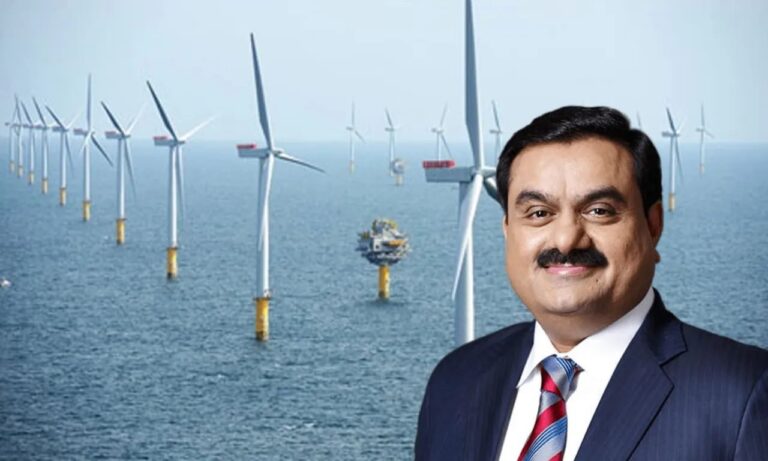
July 22, Colombo (LNW): Sri Lanka’s renewable energy ambitions have suffered a major blow with the exit of India’s Adani Green Energy from two key wind power projects, raising concerns over policy consistency and investor confidence under the new administration.
The government now faces a financial and reputational cost, as it prepares to pay Rs. 300–500 million in reimbursements to the Indian conglomerate for preliminary expenses incurred on renewable energy ventures in Mannar and Pooneryn. The move follows Adani’s official withdrawal in May this year, prompted by unresolved disputes with the newly elected National People’s Power (NPP) government over the pricing structure for the proposed projects.
The exit signals a potentially deeper issue for Sri Lanka’s renewable energy sector, already under pressure to ramp up capacity amidst rising demand and global calls for green transitions. Adani’s projects, with a projected investment of $442 million and an expected generation capacity of 350 MW, were scheduled to contribute to the national grid by 2025. Their cancellation leaves a significant gap in the country’s clean energy roadmap.
Sources familiar with the development said Adani Green Energy had initially signed the deal with the previous government, which had granted Cabinet approval. However, under the new administration, the agreement encountered resistance — particularly over the pricing terms — leading to delays and eventual collapse.
Following the termination notice in May, the Sustainable Energy Authority (SEA), under instructions from the Energy Ministry, sought legal advice on whether Sri Lanka was liable to repay the company’s initial costs. Legal guidance received this week has supported reimbursing part of the expenses — primarily those tied to project feasibility studies and investigations jointly undertaken with SEA.
However, officials have made it clear that any payments Adani made toward securing energy permits will not be reimbursed. The final figure will be determined after consultations with the Attorney General and approval by the SEA board in the coming months.
“The process of closing the deal will be completed after the settlement of these dues,” a top source confirmed. “Fresh tenders will then be called for the same projects, and Adani will be allowed to compete again if they wish.”
While this offers a potential path back for the Indian investor, the incident underscores the critical need for transparent, consistent energy policies — especially as Sri Lanka attempts to position itself as a regional player in renewable energy.
Analysts warn that such reversals could deter future foreign investment, at a time when Sri Lanka’s economic recovery heavily depends on international partnerships and infrastructure growth
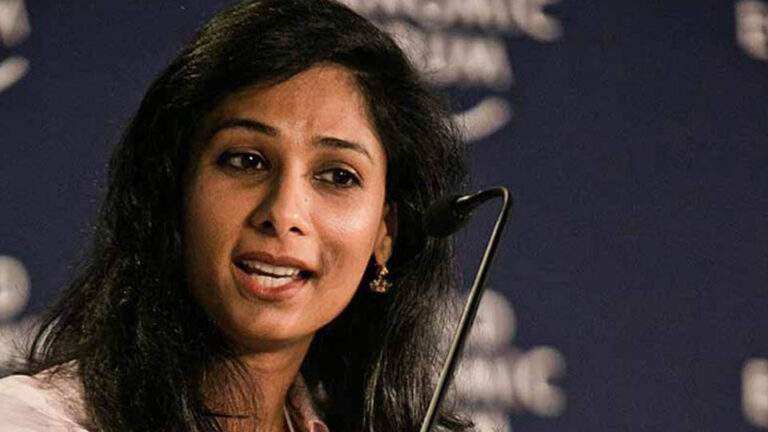
July 22, World (LNW): Gita Gopinath, the Deputy Managing Director of the International Monetary Fund (IMF) and one of the most influential voices in global economics, is set to step down at the end of August to resume her academic post at Harvard University.
The announcement, which came as a surprise to many within the Fund, marks the end of a high-profile chapter in her distinguished career at the international lender.
Originally seconded from Harvard to take on a leadership role at the IMF, Gopinath had first joined the institution in 2019 as its inaugural female Chief Economist. In 2022, she was promoted to the role of First Deputy Managing Director, becoming the second-highest-ranking official in the organisation.
Her decision to return to academia is understood to be a personal one, and whilst the IMF has acknowledged her departure, a successor is yet to be named. The appointment will likely involve consultation with the U.S. Treasury, which traditionally wields influence over key IMF leadership positions.
The transition comes at a moment when the United States, under President Donald Trump, has been pursuing a dramatic recalibration of its global trade posture, including aggressive tariff regimes aimed at addressing trade imbalances.
During her tenure at the Fund, Gopinath played a central role in shaping its response to the COVID-19 crisis and was a leading voice on issues ranging from inflation and monetary tightening to the debt burdens of emerging economies. Her influence extended beyond Washington, with a recent visit to Sri Lanka underscoring her engagement with nations grappling with post-crisis recovery.
In Colombo, she cautioned against complacency in the face of ongoing global headwinds, such as rising trade barriers, fluctuating energy markets, and geopolitical instability in the Middle East. Gopinath stressed that for countries like Sri Lanka, maintaining disciplined fiscal policies would be essential to avoid backsliding into financial turmoil.
Reflecting on her career in earlier interviews, Gopinath often credited her early exposure to India’s economic reforms in the early 1990s as the catalyst for her interest in macroeconomics. Educated initially in Mysuru and later at Lady Shri Ram College in Delhi, she traced her academic journey through the challenges of India’s first major currency crisis, which inspired her pursuit of international finance.
Before her move to the IMF, Gopinath held the prestigious John Zwaanstra Professorship in International Studies and Economics at Harvard, where she will now return. Her academic work has been widely published in leading economic journals and continues to influence both scholarly debate and policymaking worldwide.
IMF Managing Director Kristalina Georgieva has expressed deep appreciation for Gopinath’s contributions, stating that a decision on her replacement will be announced in due course. As the Fund prepares for this leadership change, Gopinath leaves behind a legacy defined by intellectual rigour, global collaboration, and a deep commitment to evidence-based policy.
July 22, Colombo (LNW): Sri Lanka has launched a significant recruitment initiative aimed at bolstering its national police force, with 2,500 new officers set to be enlisted in the coming months, announced Public Security Minister Ananda Wijepala.
He described the move as a key step in enhancing public safety and law enforcement capacity across the country.
The new intake will comprise both Police Constables and Sub-Inspectors, reflecting the government’s focus on reinforcing the force at multiple operational levels.
According to the Minister, this latest effort is part of a broader strategy to modernise and expand the Sri Lanka Police, which has faced increasing demands due to the evolving nature of public security challenges.
Minister Wijepala also confirmed that this is only the first phase of a wider recruitment programme, with plans already underway to bring in a further 2,500 officers in the near future. The continued expansion is intended to address longstanding personnel shortages, especially in under-served regions, and to prepare the force for a more community-oriented and responsive policing model.