July 03, Colombo (LNW): As Sri Lanka navigates a fragile recovery from its recent economic crisis, government officials continue to present varied data on Foreign Direct Investment (FDI), raising concerns over the authenticity and consistency of reported figures.
With global investors exercising increased caution due to volatile international markets, energy insecurity, and inflationary pressures, the reliability of these optimistic projections has become a key talking point among economists and opposition critics.
Despite this, the Board of Investment (BOI) has released figures suggesting renewed investor confidence and a marked increase in capital inflows.
The BOI recently announced a significant rise in FDI inflows and investment proposals during the first half of 2025 compared to the same period last year. Citing the government’s commitment to macroeconomic stability and consistent policy reforms, the BOI claimed it had received 79 investment proposals by June 2025.
These included 40 Greenfield projects and 39 expansion proposals, collectively valued at US$ 4.67 billion. Of this, US$ 3.89 billion is expected from foreign sources, with the remaining US$ 770 million to come from local investors—an 18% increase over the previous year’s figures.
The proposals span multiple sectors including manufacturing (especially tyre and track production for export), mineral processing, apparel, energy, tourism, agriculture, real estate, and ICT.
Investors from countries such as Canada, China, India, Singapore, Switzerland, South Korea, Australia, and the Netherlands were among those who submitted proposals, indicating continued interest in Sri Lanka’s potential as a regional investment hub.
There has also been a significant uptick in expansion efforts by existing ventures, particularly in telecommunications, ICT, rubber-based manufacturing, port development, and apartment construction. These expansion proposals amount to an estimated US$ 322 million.
From January to June 2025, the BOI approved 48 projects—28 new and 20 expansions—valued at US$ 499 million, marking a 28% year-on-year increase. These projects are projected to generate around 10,000 employment opportunities once fully operational.
Meanwhile, actual realized FDI during the first quarter of 2025 reached US$ 203 million—a dramatic 90% increase from US$ 107 million in Q1 2024. Notably, 41% of this was directed toward port development, 34% to manufacturing, 20% to tourism and leisure, with the remainder spread across ICT, agriculture, property, and telecom sectors. Realized local investment also rose to US$ 87 million, up 32% from the previous year.
BOI-registered enterprises continue to play a vital role in Sri Lanka’s export economy. Between January and April 2025, these firms recorded merchandise exports worth US$ 2.66 billion—7% higher than in the same period of 2024. This accounts for 59% of total national merchandise exports and 73% of industrial exports.
Adding to the positive outlook, the BOI reported increased foreign engagement, having hosted delegations from over a dozen countries—including Japan, Germany, India, China, and the UAE—during the first half of 2025.
While the BOI’s figures offer a hopeful narrative of economic resurgence, experts emphasize the importance of independently verified data and long-term policy consistency to sustain investor trust amid a still-challenging global investment climate.
July 03, Colombo (LNW): In a strategic move to strengthen its export ecosystem, Sri Lanka has partnered with Australia to harness international best practices in trade promotion, aiming to empower local exporters and improve global market access.
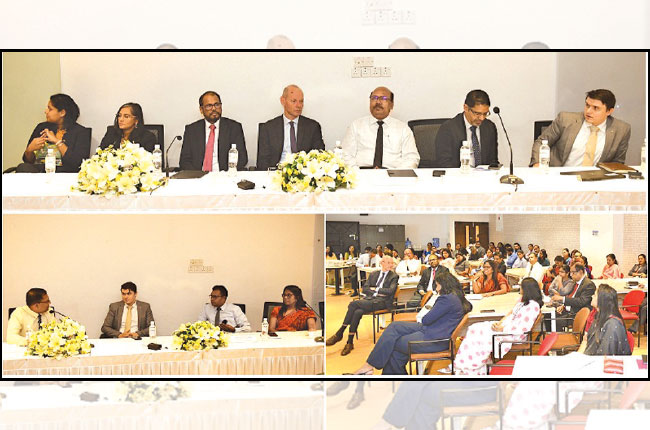
The Sri Lanka Export Development Board (EDB), together with the Australian High Commission, the Australian Trade and Investment Commission (Austrade), and the Department of Foreign Affairs and Trade (DFAT), hosted a high-level seminar titled “Leveraging Australian Best Practices in Export Promotion” on 30 June in Colombo.
Held under the framework of the Australia-Sri Lanka Trade and Investment Framework Arrangement (TIFA), the event brought together policymakers, trade experts, and business leaders from both nations. Discussions centred on how Sri Lanka can adopt Australia’s advanced export development strategies to fuel its own trade-led growth, particularly by supporting small and medium enterprises (SMEs).
Opening the seminar, EDB Chairman/CEO Mangala Wijesinghe stressed the importance of integrating global best practices into Sri Lanka’s export policy. He highlighted the urgent need for trade facilitation reforms and capacity building to increase the competitiveness of Sri Lankan products in international markets. “This seminar comes at a critical time as we seek to accelerate export growth and strengthen the role of SMEs in driving economic recovery,” he said.
K.A. Vimalenthirarajah, Secretary to the Ministry of Trade, Commerce, Food Security and Cooperative Development, reiterated the government’s commitment to an export-oriented development model. He acknowledged the significance of TIFA in deepening Sri Lanka’s international trade partnerships and fostering innovation in export policy.
Australian High Commissioner Paul Stephens reaffirmed Australia’s support for Sri Lanka’s economic aspirations. “Australia is pleased to work alongside Sri Lanka to promote sustainable and inclusive export growth,” he said, noting the long-standing trade relationship between the two nations and the shared interest in economic resilience.
The seminar featured two technical sessions. Sharini McEwen, First Secretary of the Australian High Commission in Colombo, led the first session on market access and trade facilitation. She explained how Australian exporters use Free Trade Agreements (FTAs) to penetrate new markets and overcome non-tariff barriers—strategies that could be replicated by Sri Lankan exporters.
In the second session, Nathan Davis, Austrade Trade Commissioner from New Delhi, outlined Australia’s holistic export promotion model. His presentation covered Austrade’s role in guiding businesses through export processes, providing grants, and connecting them with international buyers.
A standout feature of the event was a panel discussion on Supporting SME Export Growth, where experts from EDB, Department of Commerce, and Austrade explored practical steps to scale Sri Lankan SMEs globally, adapting successful Australian approaches to local contexts.
The interactive Q&A that followed reflected strong engagement from participants, who raised questions on market intelligence, export financing, and digital trade tools.
The seminar marked a significant step in Australia-Sri Lanka economic cooperation, underscoring the value of knowledge-sharing to improve export performance and competitiveness in a challenging global environment.
July 03, Colombo (LNW): Sri Lanka’s energy-intensive industrial sector is receiving a major boost in its journey toward sustainability through a European Union (EU)-funded initiative aimed at combating climate change and promoting economic resilience.
The project, titled Accelerating Industries’ Climate Response in Sri Lanka (AICRSL), comes at a critical time when the country faces both economic uncertainty and escalating climate risks.
With heavy industries accounting for a substantial share of energy consumption and emissions, the program aims to equip these sectors with the tools, knowledge, and resources to transition to low-carbon practices.
The AICRSL initiative is financed by a €7.56 million (approximately LKR 2.8 billion) grant from the EU and is being implemented by the United Nations Industrial Development Organization (UNIDO).
The five-year program seeks to reduce greenhouse gas (GHG) emissions from Sri Lanka’s industrial sector by 7% by 2030, while improving energy efficiency and competitiveness.
At the heart of the project is support for Sri Lanka’s manufacturing and production industries, many of which rely heavily on fossil fuels and outdated technologies.
The program introduces robust systems for measurement, reporting, and verification (MRV) of emissions, while also assisting in the development of policies that promote clean energy and low-carbon industrial processes.
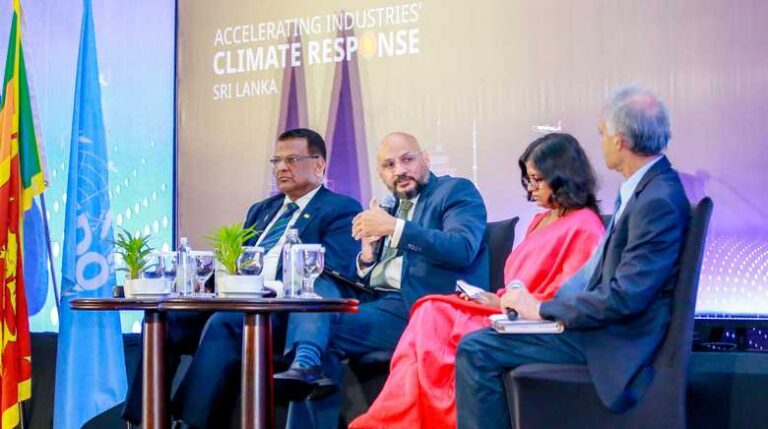
Speaking at a national forum held in Colombo, Secretary to the Ministry of Industries and Entrepreneurship Development Thilaka Jayasundara emphasized the project’s impact: “To claim a significant share in the global market, our industries must outperform the competition through sustainable transformation.
The EU-funded AICRSL project has made a remarkable contribution by helping energy-intensive industries become more energy efficient and reducing their carbon footprint. This initiative is creating a momentum for broader industrial decarbonization.”
Johann Hesse, Head of Cooperation at the EU Delegation to Sri Lanka, praised the country’s commitment to energy efficiency. “Today’s events have shown Sri Lanka’s resolve to transform its industrial sector in line with climate goals.
This aligns with international environmental commitments and the EU’s Global Gateway strategy. We are pleased to support this important transition,” he stated.
The forum brought together government officials, industry leaders, and international stakeholders to discuss collaborative approaches for emissions reduction, resilience building, and sustainable industrial growth.
One key focus was on empowering industry managers and service providers with training in renewable energy and energy efficiency, while also unlocking financing opportunities to scale up investment in green technologies.
By supporting knowledge sharing, technical upgrades, and strategic policy-making, the EU-backed project aims to position Sri Lanka’s industries on a path toward long-term climate resilience and global market relevance.
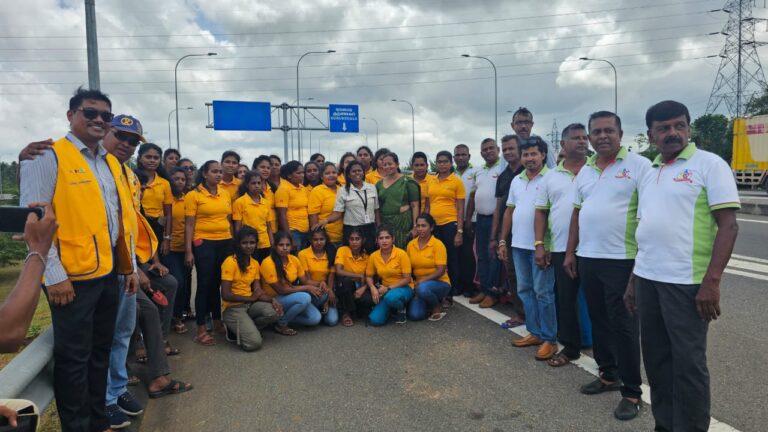
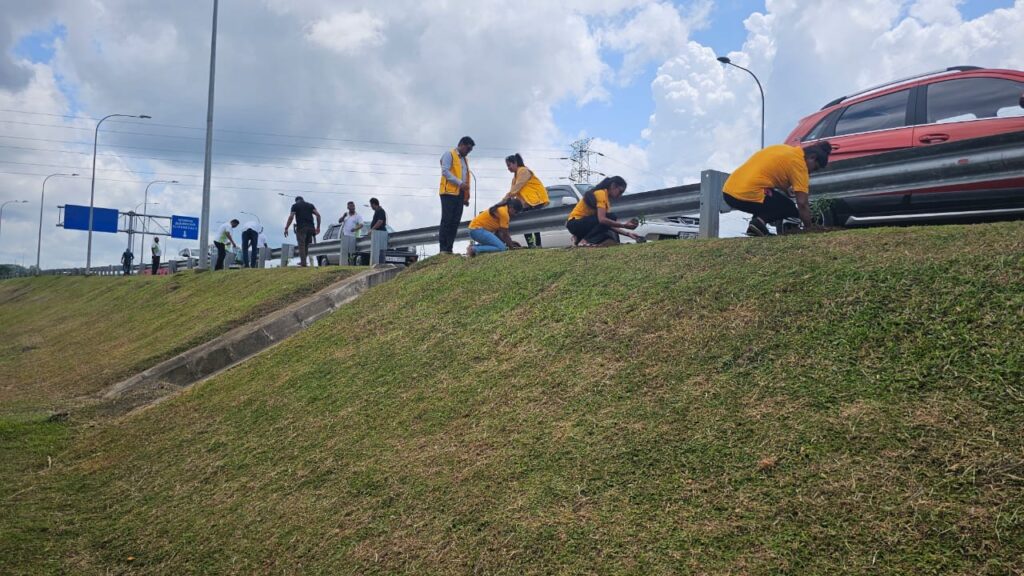
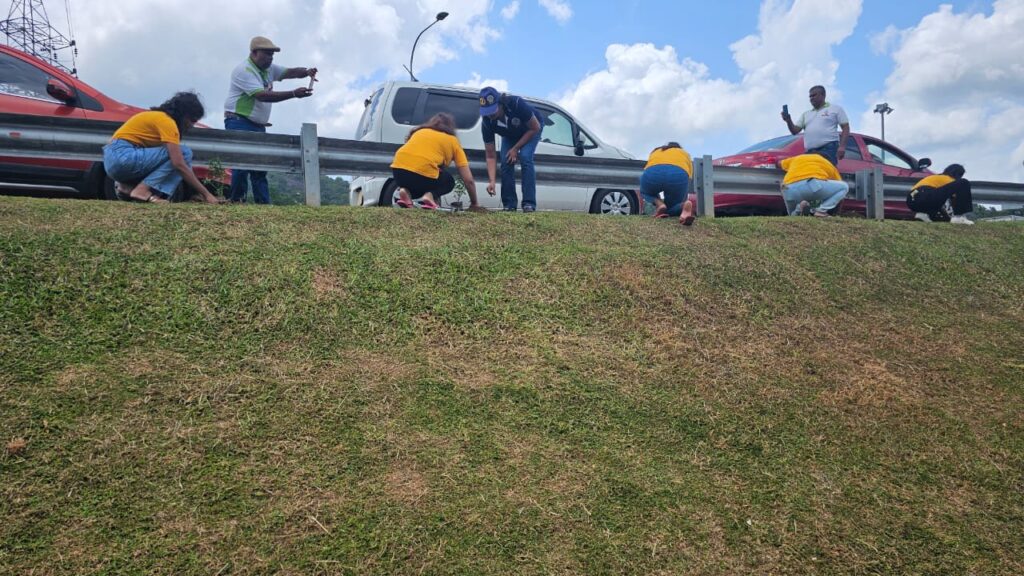
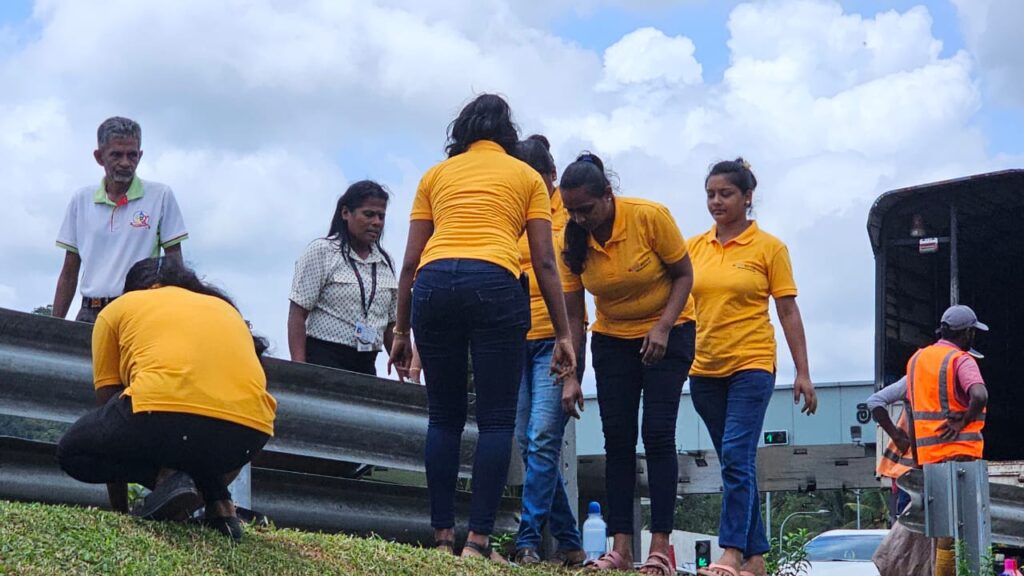
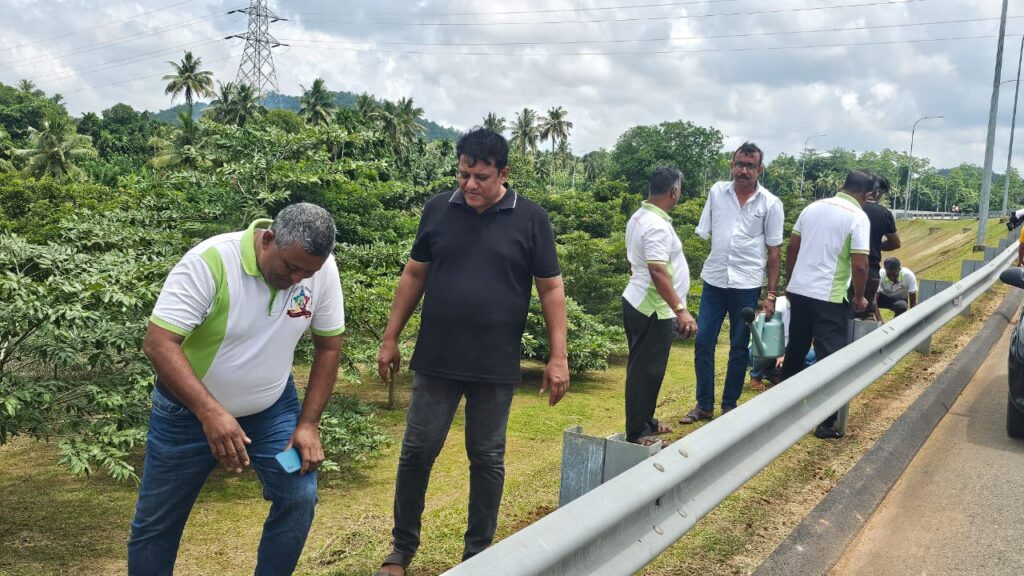
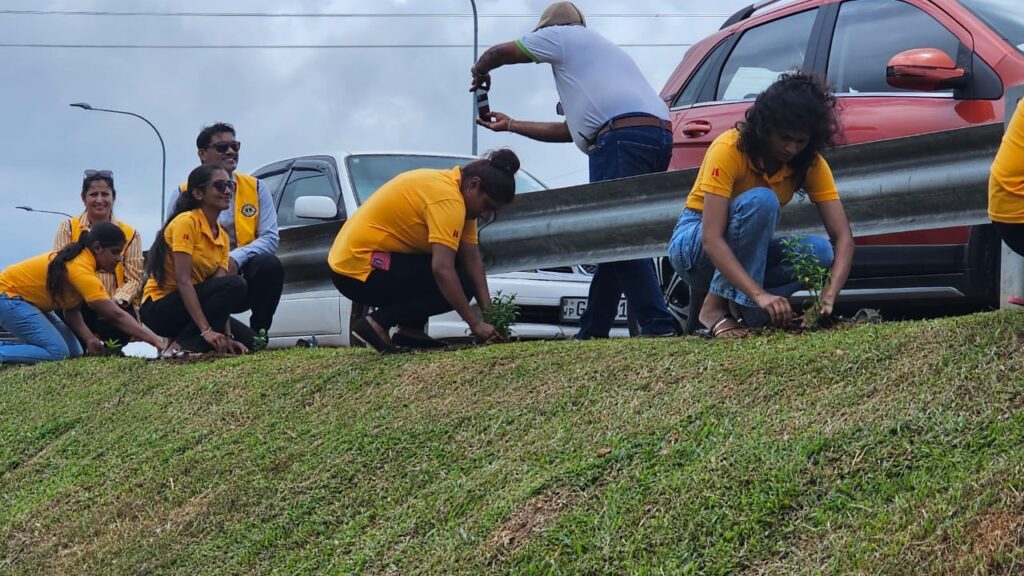
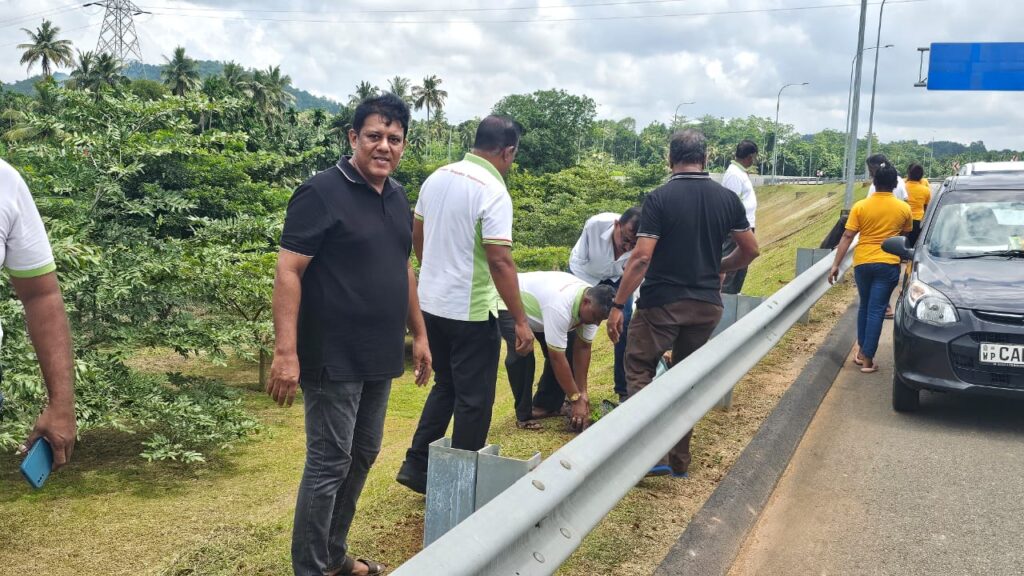
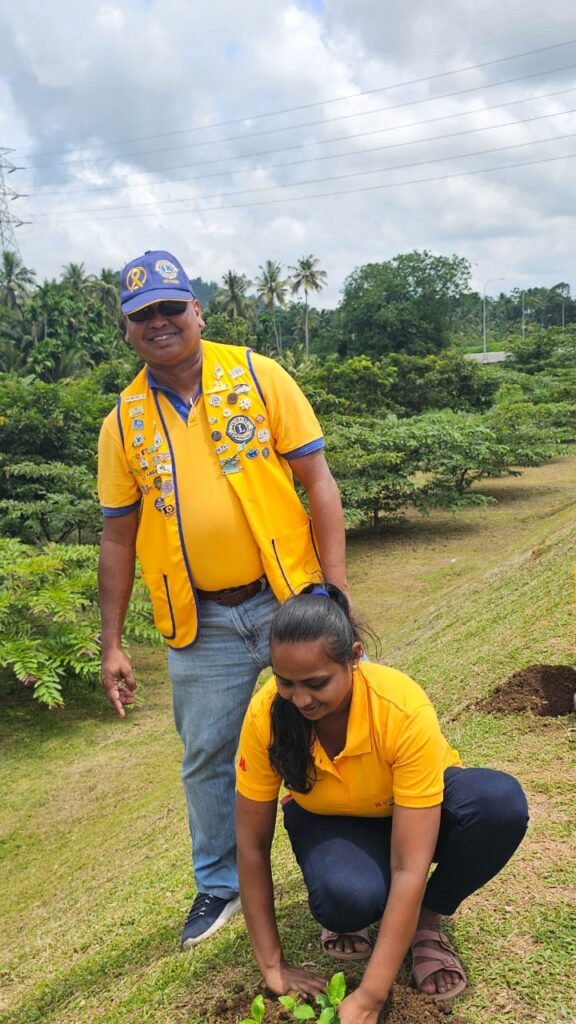
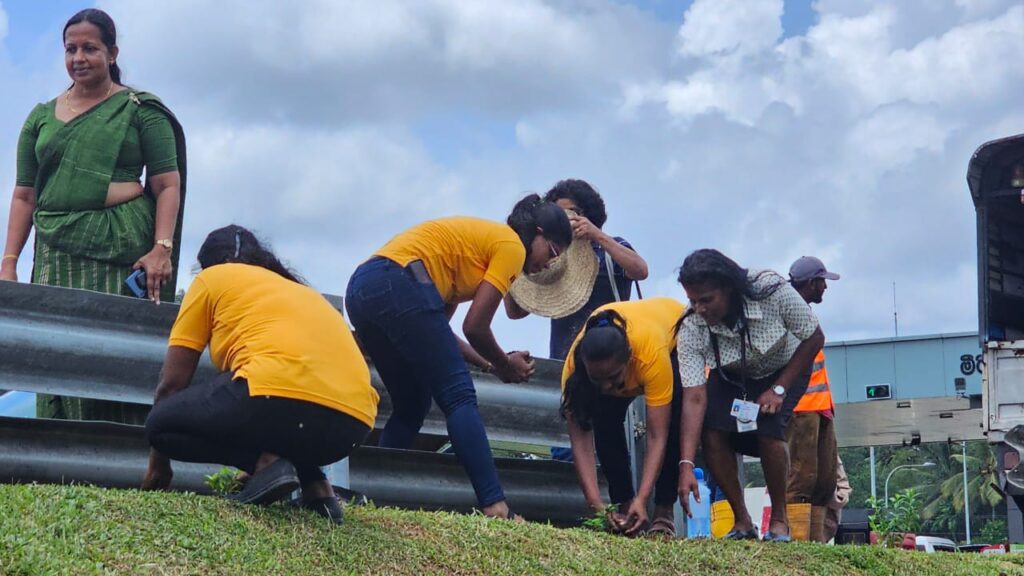
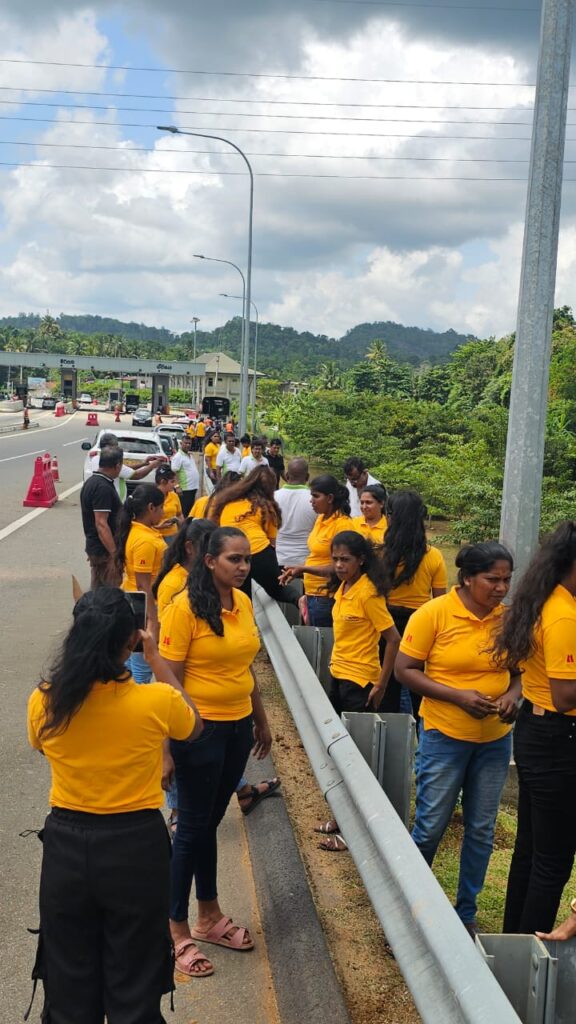
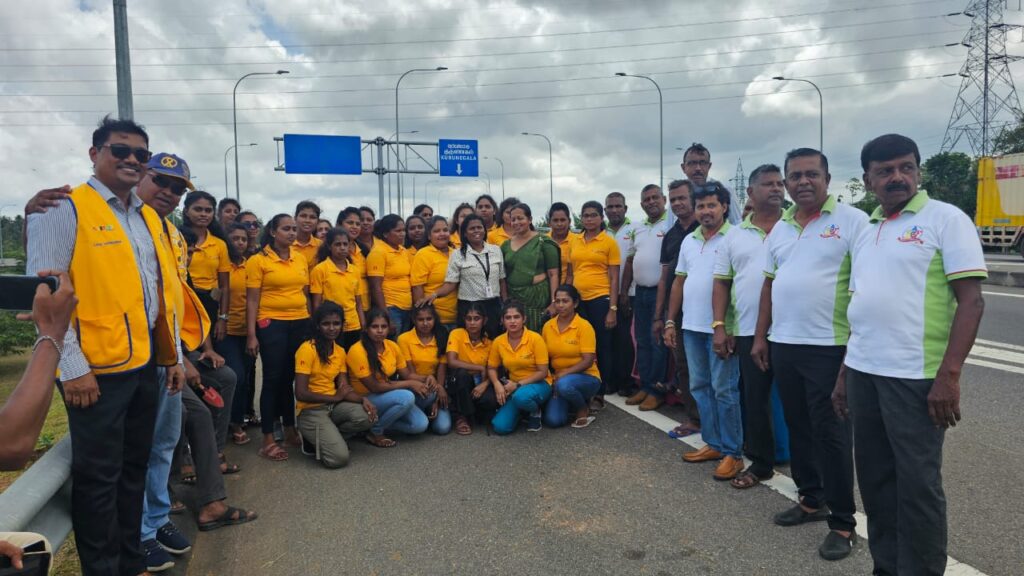
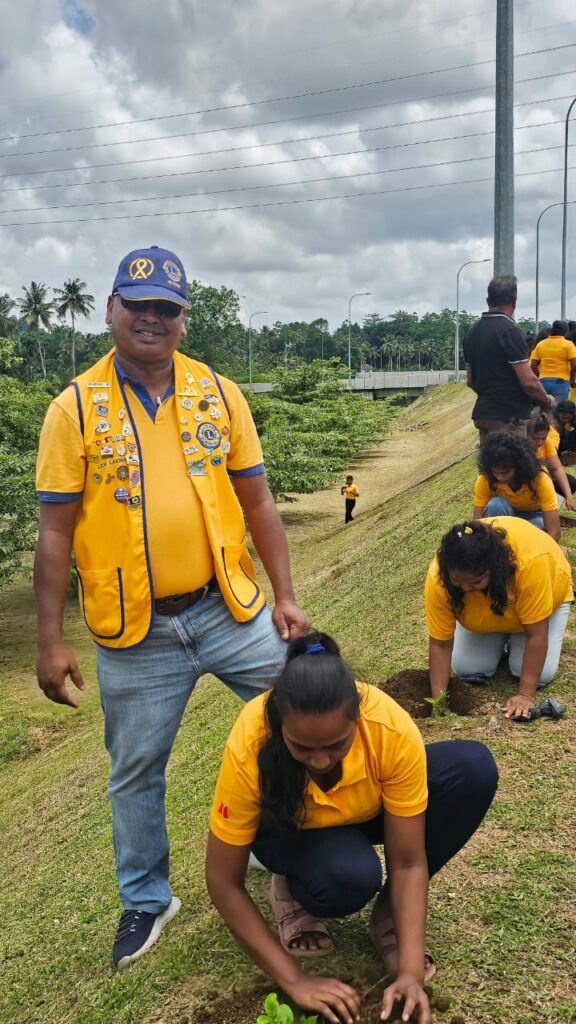
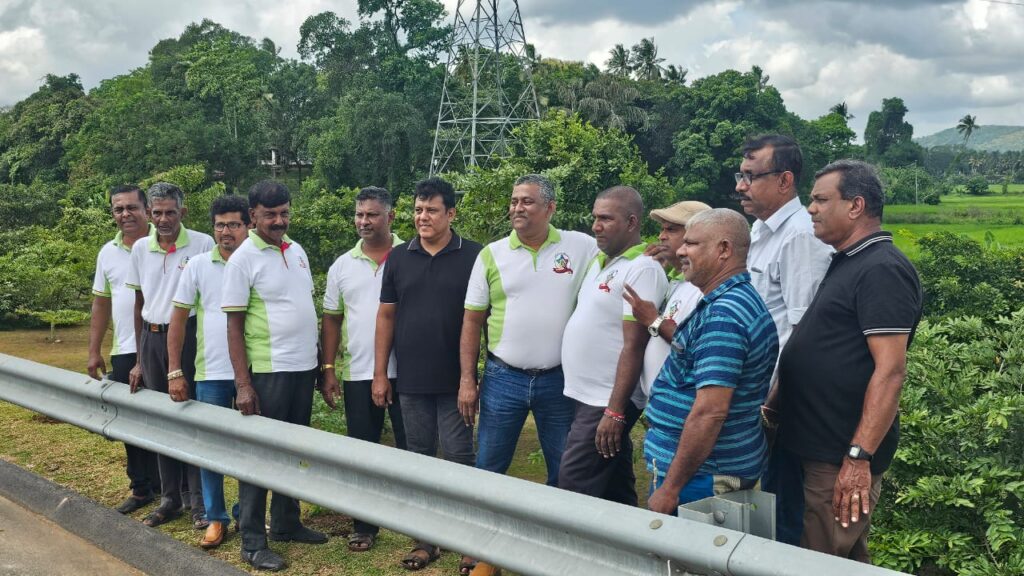
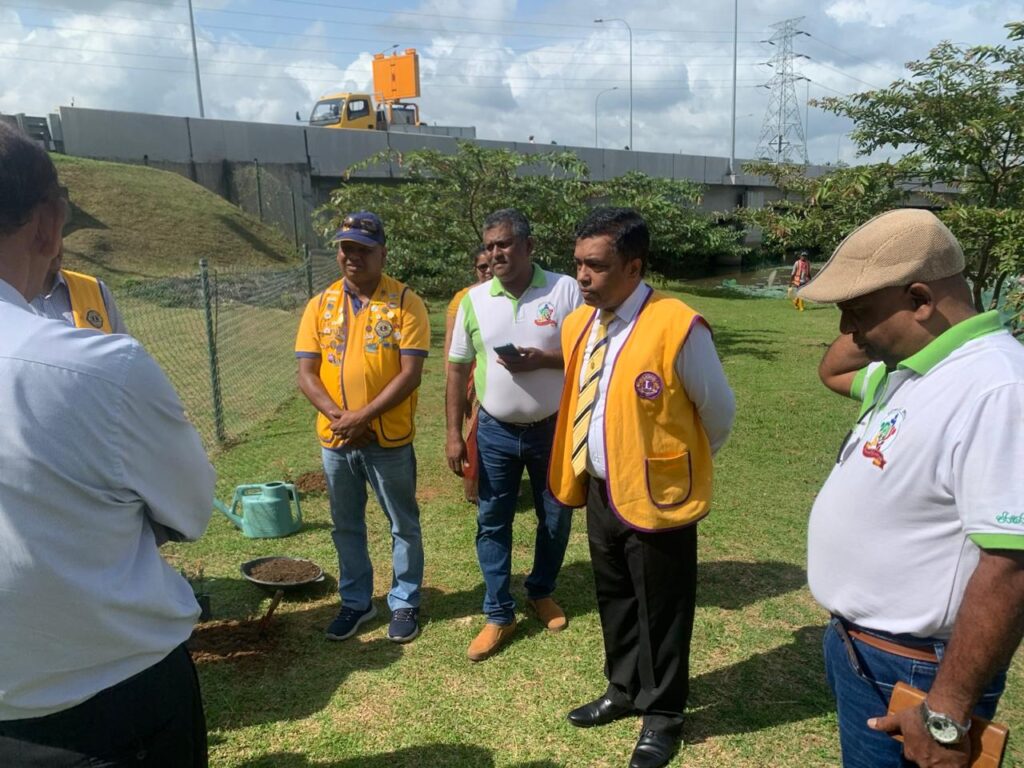
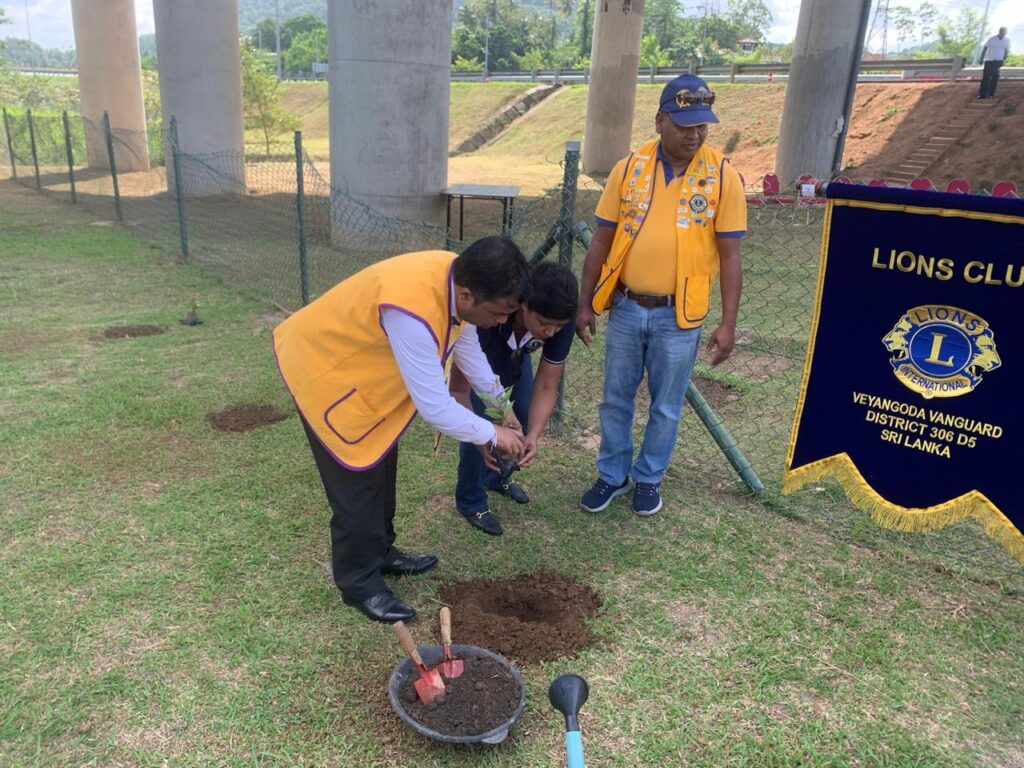
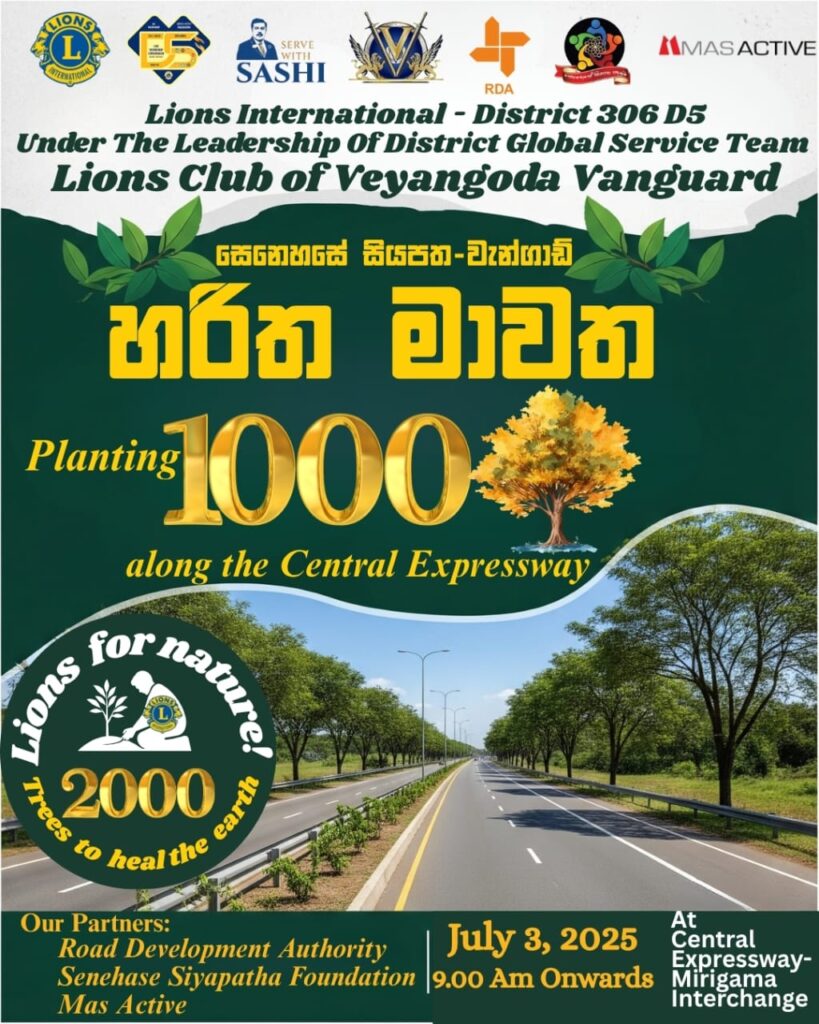
July 03, Colombo (LNW):Headline: Under the visionary leadership of the Global Service Team of Lions District 306 D5, the Lions Club of Veyangoda Vanguard successfully carried out a massive tree planting initiative, planting 1000 trees along the Central Expressway at the Mirigama Entrance on 3rd July 2025 (today).
This impactful project was conducted in a proud partnership with Senehase Siyapatha Foundation, Road Development Authority and MAS Active Shadowline, uniting multiple sectors for a greener tomorrow.
This green undertaking stands as a shining example of what can be achieved through united community action and a shared vision for a healthier planet.
Tree planting has long been recognised as one of the most effective and impactful ways to combat climate change, reduce carbon footprints, and enhance biodiversity. Trees not only act as natural air purifiers—absorbing harmful carbon dioxide and releasing life-sustaining oxygen—but also provide essential habitats for countless species. Furthermore, they play a critical role in maintaining soil health, preventing erosion, and regulating the local climate.
Planting trees along major highways is especially beneficial, as it helps reduce roadside dust and noise pollution, cools the surrounding environment, and contributes to the aesthetic and ecological value of the area. In the long term, such efforts are expected to improve air quality and provide a more pleasant travel experience for commuters.
The Lions Club of Veyangoda Vanguard and its partners have demonstrated that environmental care is not just a responsibility but a duty that communities must embrace collectively. Their action sends a clear message: the time to invest in the future of our planet is now. Through projects like this, a greener, more sustainable Sri Lanka is within reach.
The event was graced by the presence of our District Governor Lion Sashikumar Subramanium SCA PMJF PMAF as the Chief Guest, along with:
1st Vice District Governor – Lion Gayan Lakmal
Cabinet Secretary – Lion Roysten Fernando
District GST Coordinator – Lion Lakmal Wajirasiri MJF
District Chairperson – Environment – Lion Lalith Neththasingha
District Regional Chairperson- Environment – Lion Duminda Amarasingha
Director of Central Expressway – Mrs. Chintha And other distinguished guests.
This project is a part of the Island wide 2000 Trees Planting Campaign led by Lions Multiple District 306, reaffirming our commitment to environmental sustainability and protecting our planet for future generations.
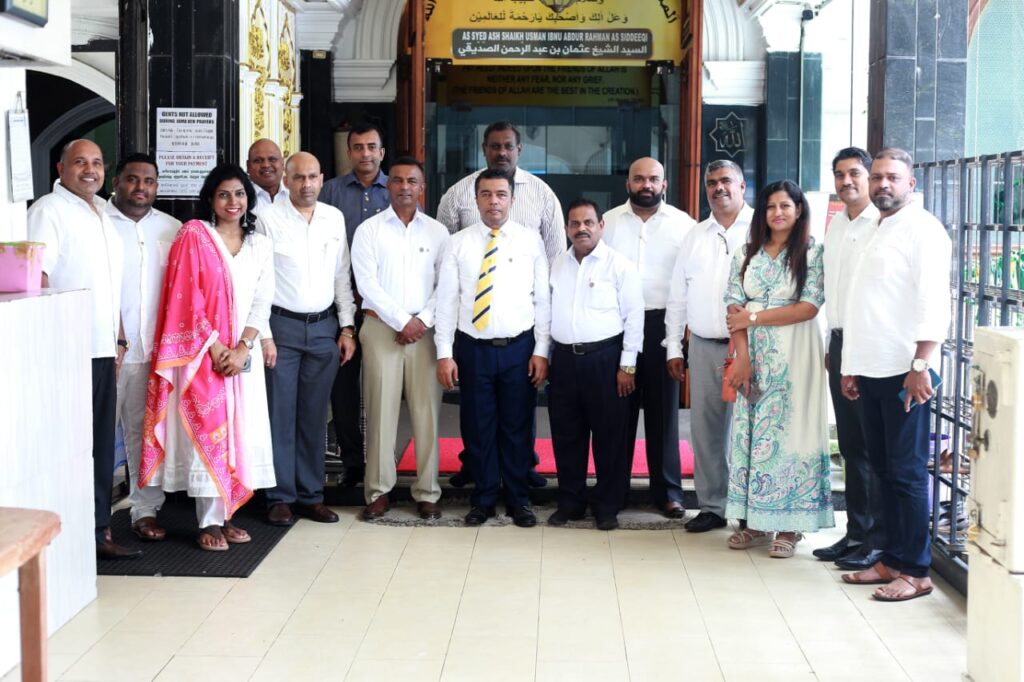
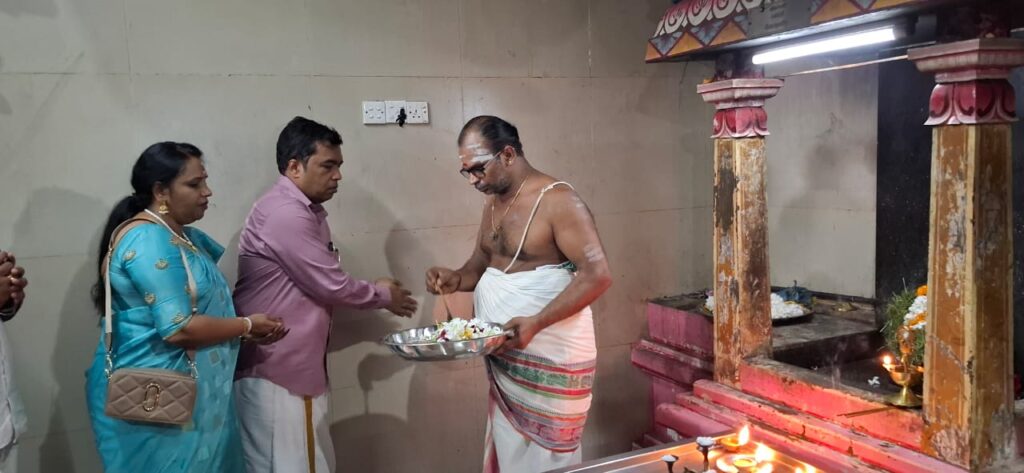
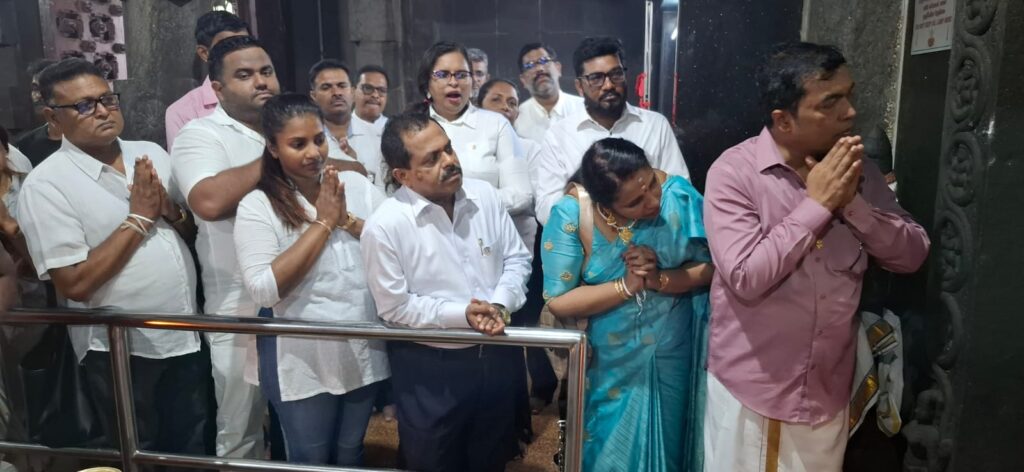
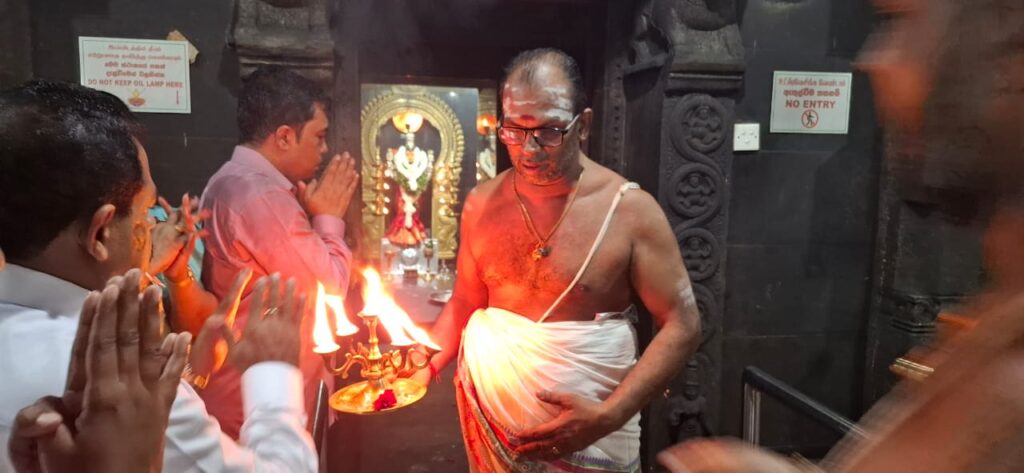
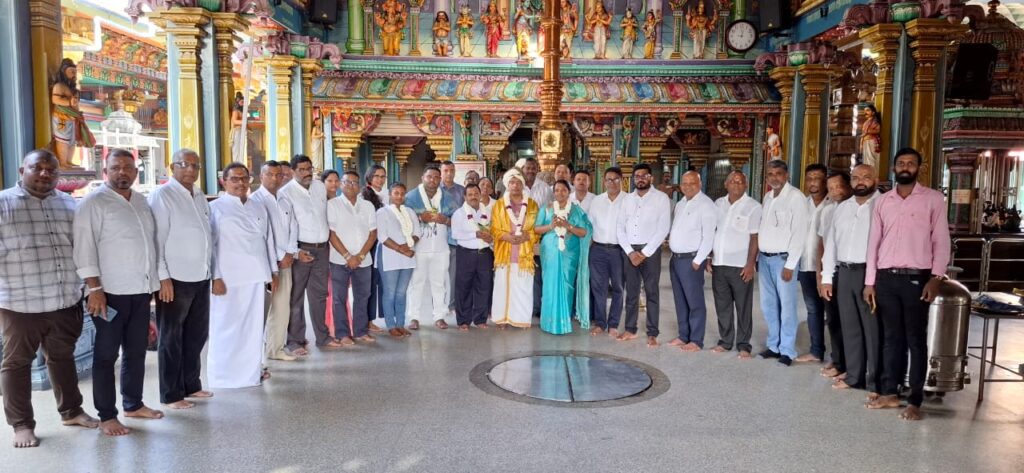
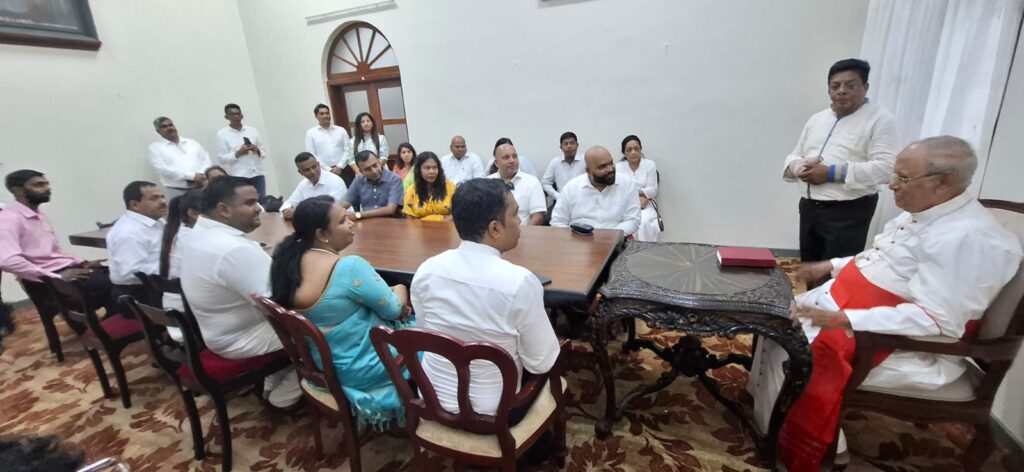
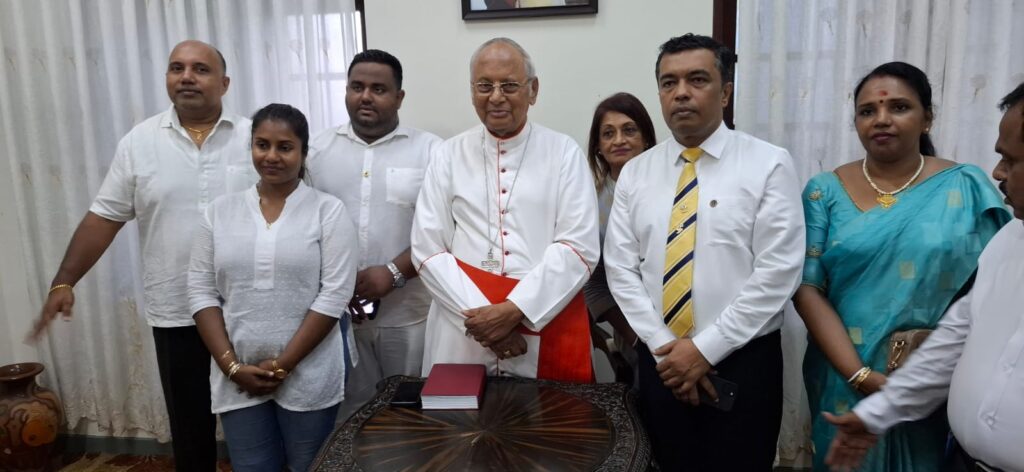
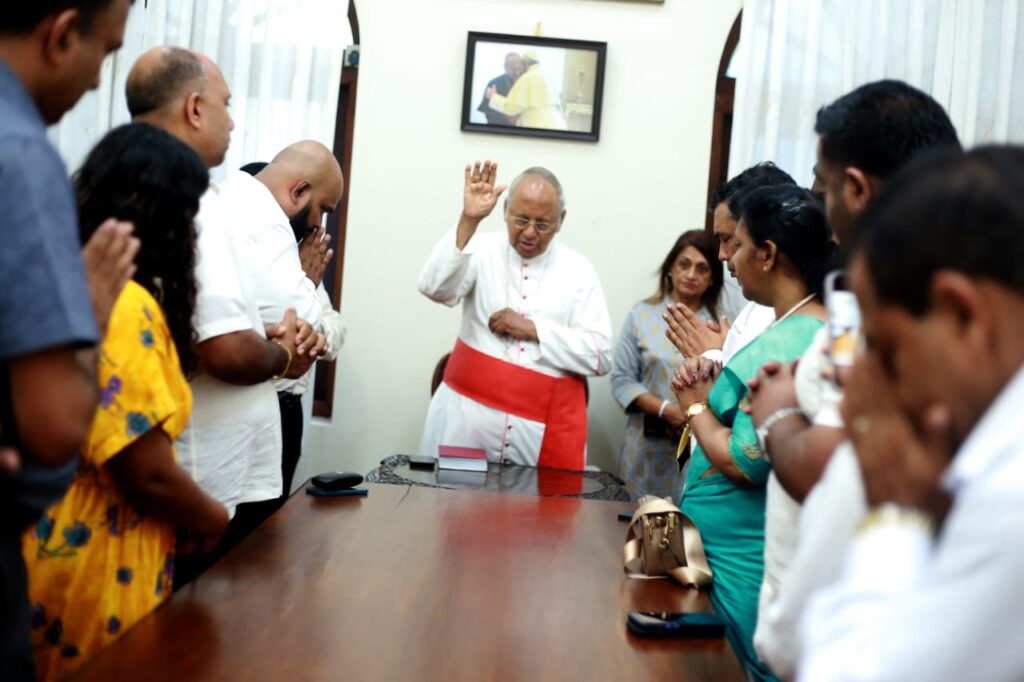
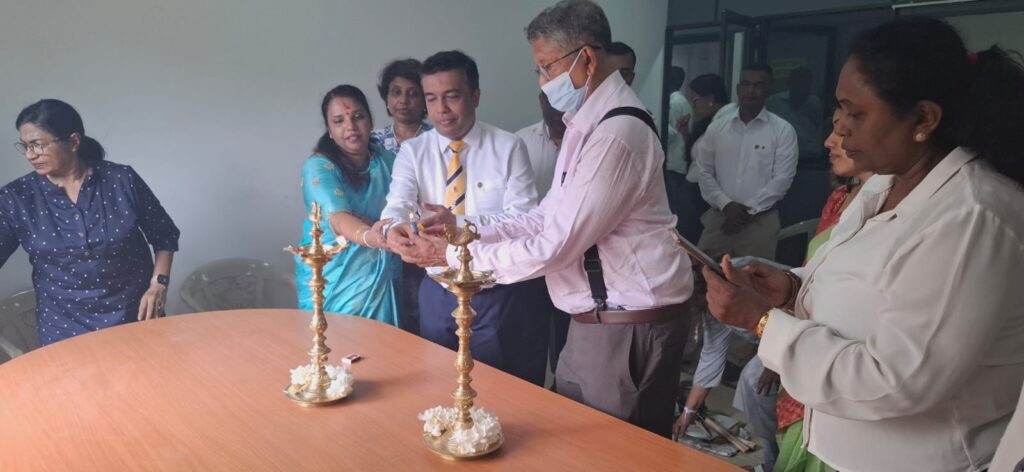
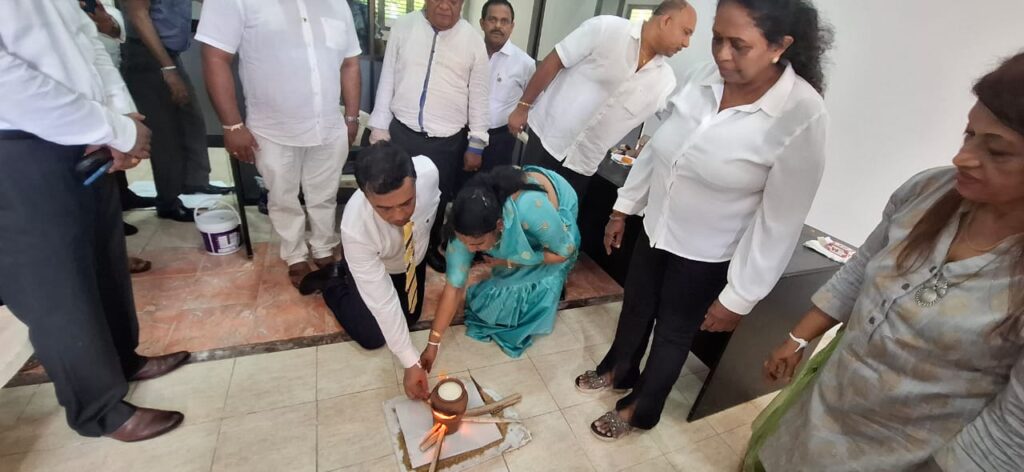
July 03, Colombo (LNW): As a tradition, the newly elected District Governor for D5 Lion Sashikumar Subramaniyam SCA PMJF PMAF & 1st Lady Abiramy Sashikumar PMJF PMAF participated in Religious observances on 1st of July to receive divine blessings for a successful lionistic year 2025/2026.
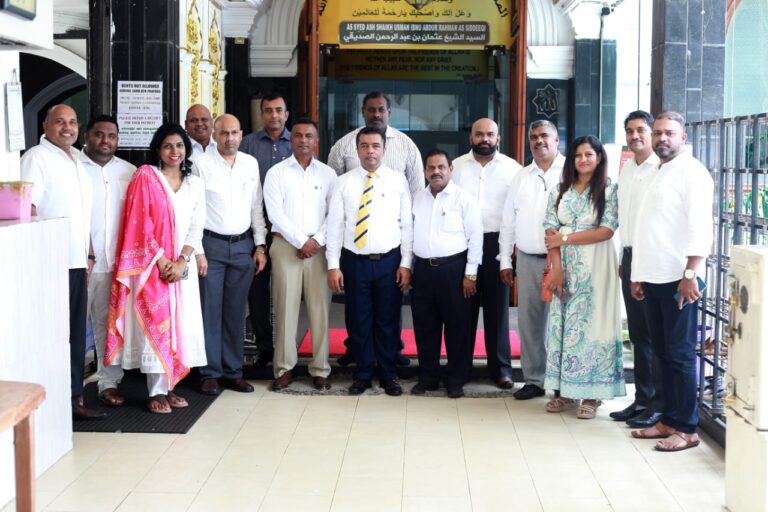
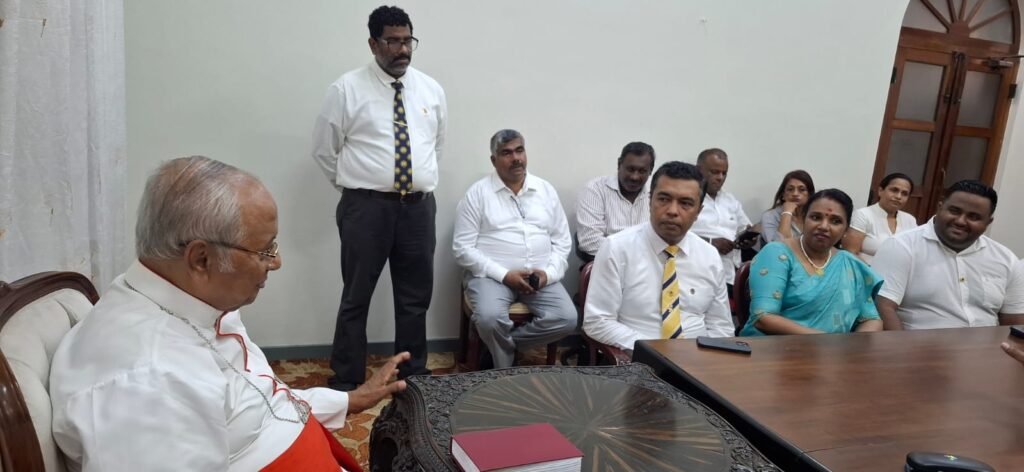
A special pirith pooja was conducted at Rajamaha Viharaya Kelaniya at 6.30 am. Disrict Governor-elect Sashikumar Subramaniyam, 1st lady Abiramy along with Principal cabinet officers and cabinet members of District 5 sought divine blessings not only at Raja Maha Viharaya but also in Sri Kaileswaram Kovil Captains Garden, Archdiocese of Colombo, and Masjidul Qadir Jumma Masjid Slave Island.
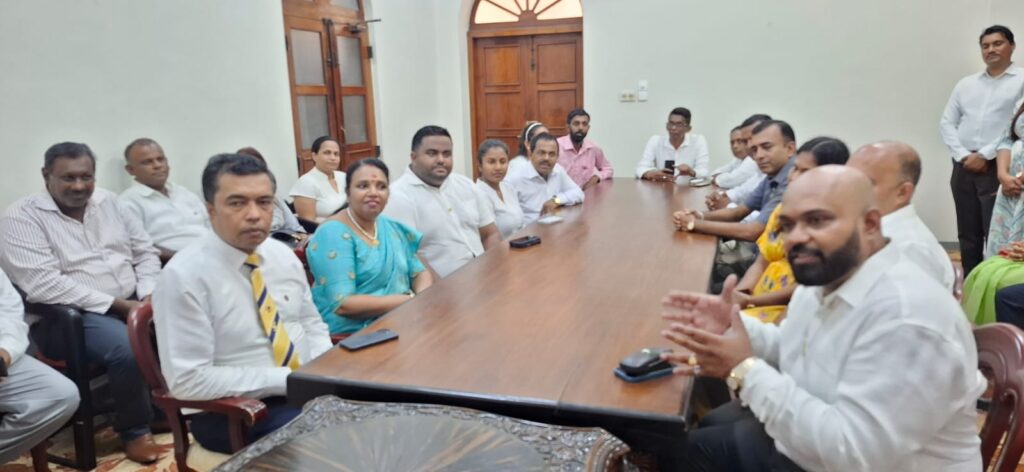
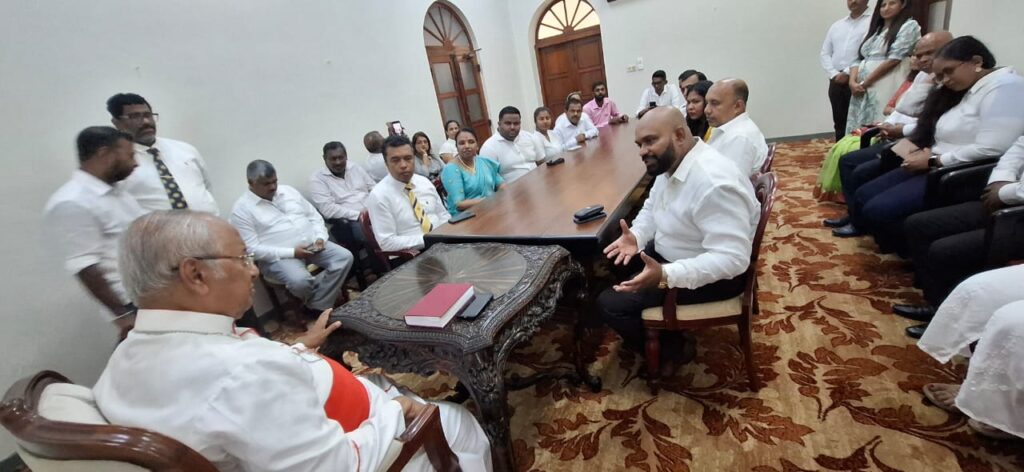
The Archbishop of Colombo His Eminence Cardinal Malcom Ranjit bestowed blessings upon the District Governor and his team for a fruitful year ahead. The proud Lions experienced a a sense of gratitude and optimism upon receiving a divine blessing from the superior.
The event was organized to invoke blessings for the Governor and his Lady, with the theme of “SERVE WITH SASHI”.
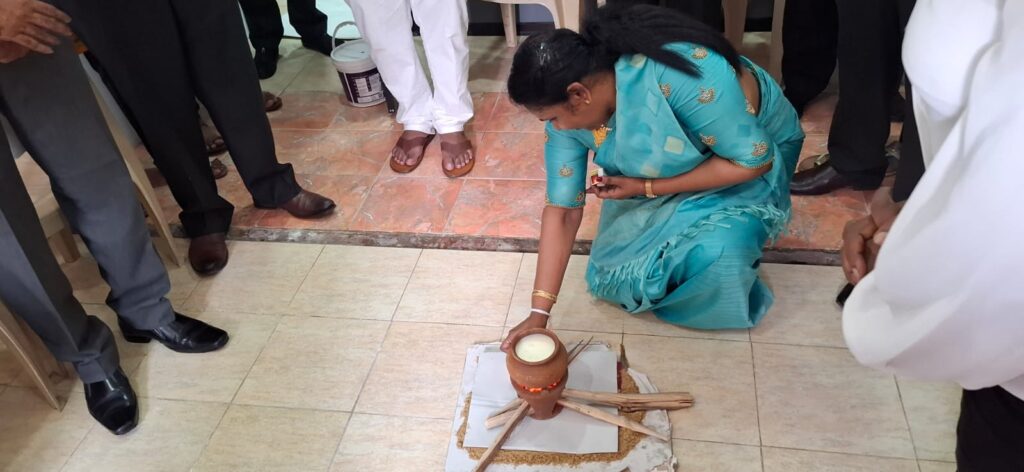
After receiving blessings at places of worship, the Governor and his team proceeded to the 306 D5 District Office and officially inaugurated his duties by performing auspicious rituals.
May the overflowing milk bring a everlasting success to the team.
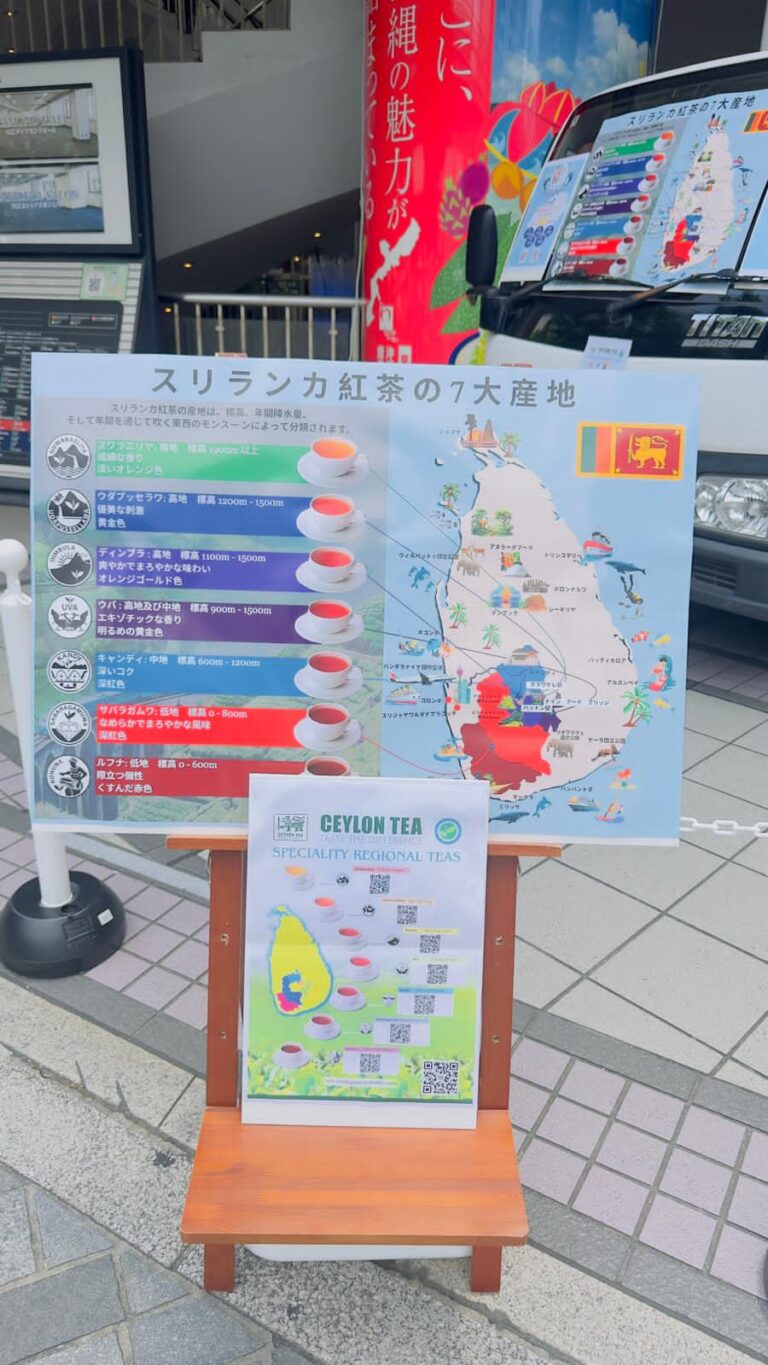
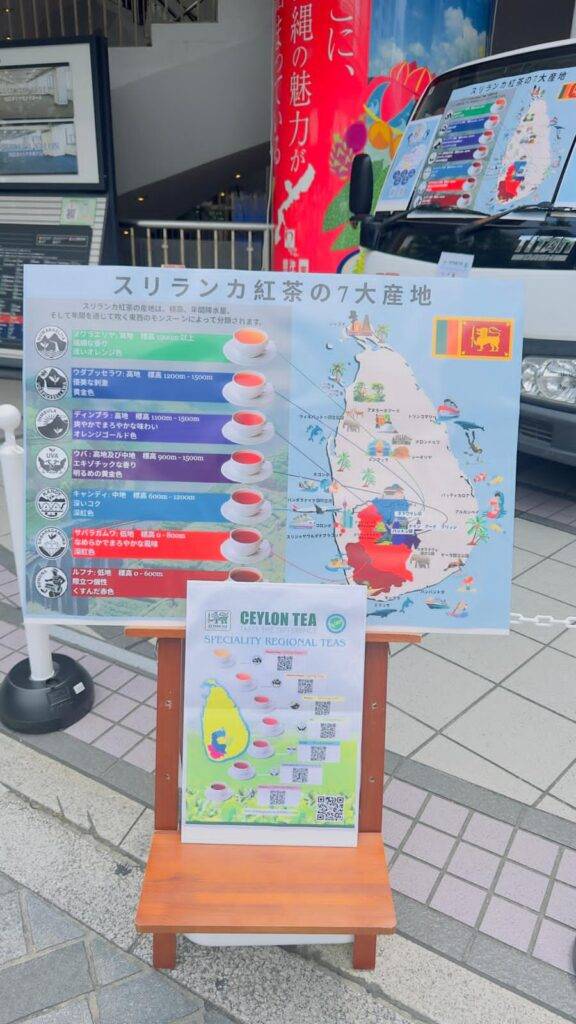
July 03, Tokyo (LNW): In a spirited celebration of cross-cultural friendship and shared appreciation for tea, the Sri Lankan Embassy in Japan has launched a special event in Tokyo to promote Ceylon tea in its iced form—an initiative timed to coincide with Japan’s sweltering summer.
The two-day event, taking place in Chiyoda, aims to introduce the distinct character of Sri Lanka’s world-renowned tea to Japanese audiences, with a refreshing twist tailored to local seasonal tastes.
Organised with support from the Sri Lanka Tea Board and in partnership with the Japan Tea Association, the promotion seeks to bridge cultural ties through one of Sri Lanka’s most cherished exports.
Sri Lanka’s Ambassador to Japan, Professor Pivithuru Janak Kumarasinghe, described the event as a meaningful gesture of goodwill and connection between the two nations.
“We hope that this offering of Ceylon iced tea will not only bring a moment of refreshment to our Japanese friends during the heat of summer but also serve as a warm reminder of the longstanding friendship between our countries,” he said.
Visitors to the event, including tea enthusiasts and members of the local community, were given the opportunity to sample a variety of iced tea infusions made using premium Ceylon leaves. The vibrant aromas and bold flavours received praise from attendees, many of whom noted the compatibility of Sri Lankan tea with Japan’s evolving beverage culture.
Beyond its role as a sensory delight, the initiative also serves a diplomatic purpose—using the universal appeal of tea as a platform for cultural connection.
As Japan’s interest in global tea traditions continues to grow, events such as this help to embed Ceylon tea into the country’s wider tea-loving community, while reinforcing people-to-people ties between the two island nations.
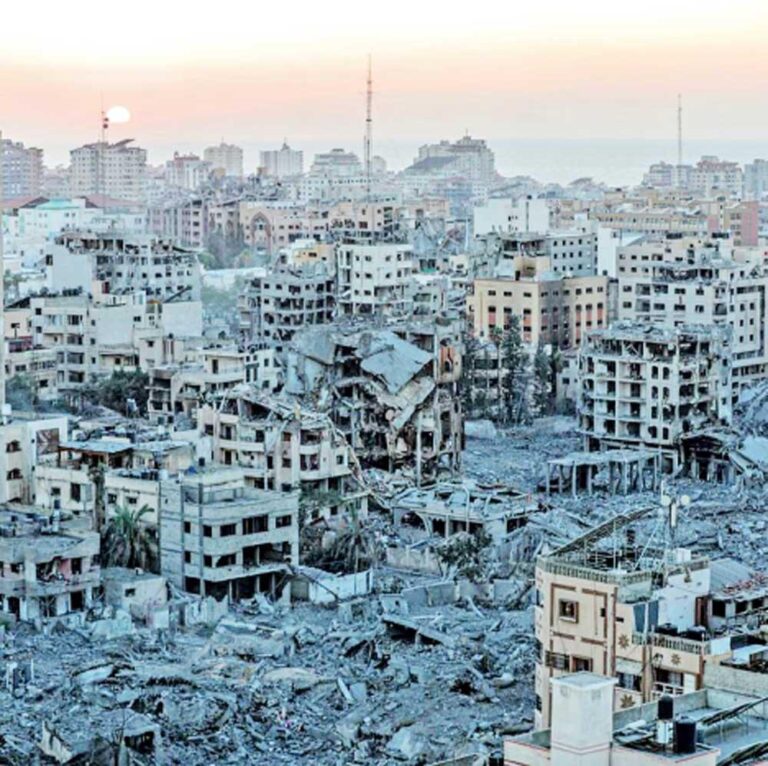
The scale of Israel’s aggression in Gaza has been catastrophic. The bombing campaign has flattened entire neighbourhoods, destroyed critical infrastructure, and resulted in a staggering death toll, with tens of thousands of Palestinians, a large percentage of whom are women and children, killed. Hospitals are overwhelmed and lacking essential supplies, food and water are scarce, and millions have been displaced, confined to ever-shrinking safe zones, enduring unimaginable suffering
The Middle East, a cradle of civilisations and a land of profound spiritual significance, has for decades been synonymous with conflict, particularly the unresolved Israeli-Palestinian struggle. The recent escalation, marked by the horrific October 7th attack by Hamas and Israel’s subsequent devastating aggression in Gaza, has plunged the region into an unprecedented crisis.
This cycle of violence underscores, with tragic clarity, that the only viable and sustainable path to long-lasting peace is the establishment of a two-state solution. This article will delve into the historical roots of the conflict, analyse the recent events and their dire consequences, examine the stance of international actors, and ultimately argue for the urgent and rightful justification of an independent Palestinian state.
A Brief History of Entangled Destinies
The historical narrative of Palestine and Israel is a complex tapestry woven with threads of deep religious, cultural, and national identities, often intertwined and at times, tragically opposed. The roots of the modern conflict trace back to the late 19th and early 20th centuries with the rise of Zionism, a movement advocating for a Jewish homeland in historic Palestine, a region then under Ottoman rule. Jewish immigration to Palestine increased, particularly after the Balfour Declaration of 1917, which expressed British support for “a national home for the Jewish people” in Palestine, and following the Holocaust, which intensified the urgent need for a safe haven for Jewish people.
At the same time, a nascent Palestinian Arab nationalism was also emerging, asserting their claim to the land. The end of the British Mandate in 1947 saw the United Nations propose a partition plan, dividing Palestine into separate Arab and Jewish states, with Jerusalem as an international city. This plan was accepted by the Jewish leadership but rejected by Arab leaders. The subsequent withdrawal of British forces in 1948 led to the 1948 Arab-Israeli War, resulting in the establishment of the State of Israel on a larger territory than initially proposed by the UN, and the displacement of hundreds of thousands of Palestinians, known as the Nakba (“catastrophe”).
The 1967 Six-Day War further reshaped the map, with Israel occupying the West Bank, East Jerusalem, Gaza Strip, Golan Heights, and Sinai Peninsula. These occupied territories, particularly the West Bank and Gaza, became central to the Palestinian quest for self-determination. Over the decades, Israeli settlements have expanded significantly in the West Bank, further fragmenting Palestinian land and complicating the prospect of a contiguous, viable Palestinian state. Numerous peace initiatives have been attempted, including the Oslo Accords in the 1990s, offering glimpses of hope for a two-state solution, but ultimately failing to achieve a lasting agreement due to various political, security, and ideological obstacles.
The October 7th Attack and its Aftermath: A Cycle of Devastation
The morning of October 7, 2023, witnessed an unprecedented and horrific attack by Hamas, the militant group controlling Gaza Strip, on Israeli communities. This meticulously planned assault involved a barrage of rockets and the infiltration of militants who killed approximately 1,200 Israelis, including women and children, committed acts of sexual violence, burned families alive, and took over 250 civilians’ hostage. The brutality of the attack shocked the world and inflicted deep trauma on Israeli society.
Israel’s response, dubbed “Operation Swords of Iron,” was swift and severe. Vowing to dismantle Hamas and ensure its security, Israel launched a large-scale military offensive on the Gaza Strip, implementing a complete blockade. The scale of Israel’s aggression in Gaza has been catastrophic. The bombing campaign has flattened entire neighborhoods, destroyed critical infrastructure, and resulted in a staggering death toll, with tens of thousands of Palestinians, a large percentage of whom are women and children, killed. Hospitals are overwhelmed and lacking essential supplies, food and water are scarce, and millions have been displaced, confined to ever-shrinking safe zones, enduring unimaginable suffering. The UN and numerous humanitarian organisations have consistently highlighted the dire humanitarian situation, warning of famine and widespread disease. The present situation in Gaza is nothing short of a humanitarian catastrophe, with the strip rendered largely uninhabitable.
Iran Israel Conflict Impacts Palestine
The Iran-Israel conflict significantly impacts Palestine, exacerbating an already dire humanitarian situation. As both Iran and Israel vie for regional influence, Palestine often becomes a proxy battleground.
Iran’s support for groups like Hamas and Palestinian Islamic Jihad (PIJ) in Gaza, while framed as support for resistance, can also draw Israeli retaliation, leading to further destruction and casualties in Palestinian territories. Palestinians, particularly in Gaza, bear the brunt of Israeli military operations, with infrastructure decimated, and access to essential resources severely restricted by blockades.
The heightened tensions divert international attention from the core Israeli-Palestinian conflict, focusing instead on the broader regional power struggle. This can sideline efforts for a political resolution to the Palestinian cause. Furthermore, the escalation fuels instability in the West Bank, leading to increased military raids, settler violence, and displacement. Ultimately, Palestinians suffer from intensified conflict, reduced humanitarian access, and a prolonged struggle for self-determination
The USA Stand: A Pivotal Yet Ambiguous Role
The United States has historically played a central and complex role in the Israeli-Palestinian conflict, consistently advocating for a two-state solution as the ultimate path to peace. However, its actions have often been perceived as disproportionately favouring Israel, particularly through substantial military aid and diplomatic support. Following the October 7th attacks, the U.S. unequivocally condemned Hamas and reaffirmed its unwavering support for Israel’s right to self-defence. While initially supportive of Israel’s military objectives, the Biden administration has increasingly expressed concerns about the humanitarian crisis in Gaza and the high civilian casualties, urging Israel to do more to protect civilians and facilitate aid.
Despite these concerns, the U.S. has often shielded Israel from stronger international condemnation at the UN Security Council and has been hesitant to impose conditions on its aid. This approach, while rooted in a desire to maintain a strong alliance with Israel, has been criticised for undermining its stated commitment to a two-state solution and for not exerting sufficient pressure to de-escalate the conflict and address the root causes of Palestinian grievances. While the U.S. continues to verbally support the two-state solution, concrete steps towards its realisation have been lacking, and its influence on the ground remains a subject of intense debate.
UN and World Opinion: A Growing Consensus for Two States
The United Nations, along with the overwhelming majority of the international community, views the two-state solution as the only viable framework for resolving the Israeli-Palestinian conflict. UN Security Council Resolutions 242 and 338, adopted after the 1967 and 1973 wars respectively, call for the withdrawal of Israeli forces from occupied territories and the acknowledgement of the sovereignty, territorial integrity, and political independence of every state in the area, including the right to live in peace within secure and recognised boundaries. These resolutions form the bedrock of international consensus on the contours of a future peace agreement.
Globally, there is a strong and growing consensus that an independent, sovereign Palestinian state living side-by-side with Israel in peace and security is essential. Many countries, including a significant number of UN member nations (over 145 out of 193), have already recognised Palestine as an independent state. International bodies, human rights organisations, and a broad spectrum of civil society groups have consistently called for an end to the occupation, the cessation of settlement expansion, and the realisation of Palestinian self-determination. The current humanitarian catastrophe in Gaza has only intensified these calls, highlighting the urgent need for a political solution that addresses the fundamental rights and aspirations of both peoples.
Netanyahu’s Political Calculus and Regional Instability
Israeli Prime Minister Benjamin Netanyahu’s political survival has become inextricably linked to his hardline stance on the conflict. Facing multiple corruption charges and a fragmented political landscape, prolonging the conflict and maintaining a strong security posture has often served his political interests. His long-held rejectionist stance towards Palestinian statehood and his government’s continued expansion of settlements in the West Bank have been significant impediments to any peace process. Critics argue that his war-mongering rhetoric and actions are designed to rally his right-wing base and distract from domestic issues, further entrenching the conflict and making a two-state solution seem increasingly remote.
The recent escalation has not only devastated Gaza but also triggered broader regional instability. The long-standing proxy conflict between Israel and Iran, which has played out in various arenas, has now escalated to direct, albeit limited, military confrontations. Iran’s direct missile and drone attack on Israel in April 2024, in retaliation for an alleged Israeli strike on its consulate in Damascus, marked a dangerous precedent. This direct engagement, previously avoided, demonstrates the heightened tensions and the potential for a wider regional conflagration, with devastating consequences for national security, economies, and political stability across the Middle East.
National Security, Economic, and Political Instability
The unresolved Israeli-Palestinian conflict is a perpetual source of national security, economic, and political instability for the entire Middle East region and, by extension, the world.
National Security: The constant cycle of violence fuels extremism and radicalisation on both sides, making the region a breeding ground for militant groups. It diverts resources from pressing domestic issues, perpetuates military buildups, and increases the risk of regional wars, as seen in the recent Iran-Israel exchange. The lack of a stable peace also makes the region vulnerable to external interventions and proxy conflicts, further destabilising the geopolitical landscape.
Economic Instability: The conflict has had a devastating economic impact, particularly on the Palestinian territories. Gaza’s economy has been decimated, with unemployment rates soaring and access to basic necessities severely restricted. Even Israel, despite its robust economy, faces significant economic costs from the conflict, including reduced investment, disrupted labor markets, and increased defence spending. Regionally, the instability deters foreign investment, disrupts trade routes (such as in the Red Sea), and leads to volatile energy prices, impacting global markets. The long-term economic prosperity of the entire Middle East is severely hampered by the absence of a stable and predictable environment for growth and development.
Political Instability: The unresolved conflict exacerbates political grievances, fuels anti-Western sentiment, and complicates efforts to foster democratic governance and regional cooperation. It creates divisions among Arab states, some of whom have sought normalisation with Israel, while others remain steadfast in their support for the Palestinian cause. The perceived injustices against Palestinians empower extremist narratives and undermine moderate voices, making political reconciliation and stable governance increasingly difficult. This political volatility has global ramifications, influencing international relations, diplomatic efforts, and the overall balance of power.
Justification for a Palestinian Independent State
The justification for a Palestinian independent state is rooted in fundamental principles of international law, human rights, and self-determination:
Right to Self-Determination: The Palestinian people, like any other people, have a fundamental right to self-determination, to freely determine their political status and pursue their economic, social, and cultural development. This right is enshrined in numerous international conventions and UN resolutions.
1947 partition plan
International Law and UN Resolutions: The 1947 UN Partition Plan, though contested, envisioned an Arab state alongside a Jewish one. Subsequent UN resolutions, particularly UN Security Council Resolutions 242 and 338, reinforce the principle of land for peace and the illegality of acquiring territory by force. The Israeli occupation of Palestinian territories since 1967 is widely considered a violation of international law.
Human Rights: The occupation has led to a system of institutionalised discrimination against Palestinians, impacting their freedom of movement, access to resources, and overall human rights. An independent state would allow Palestinians to exercise full control over their lives and ensure their fundamental rights are protected.
Security for Both Peoples: A truly independent and viable Palestinian state, alongside a secure Israel, offers the best long-term security for both peoples. Without a political horizon and the recognition of their national aspirations, Palestinians will continue to resist the occupation, leading to perpetual cycles of violence. A two-state solution, with mutually recognised borders and security guarantees, is the only way to break this cycle.
Global Stability: The unresolved conflict remains a global flashpoint, drawing in international powers and consuming diplomatic resources. A just resolution, based on the two-state principle, would significantly contribute to regional and global stability, allowing for greater focus on shared challenges such as climate change, economic development, and global health.
Trump Predicts Gaza Ceasefire “Within Next Week”
President Donald Trump announced his belief that a ceasefire in Gaza between Israel and Hamas could be achieved “within the next week.” Speaking to reporters, Trump stated he had been in contact with individuals involved in negotiations, expressing optimism for a breakthrough. This comes as international pressure mounts to halt the conflict, which has caused a severe humanitarian crisis in Gaza. While details remain scarce, and neither Israel nor Hamas have publicly confirmed any imminent agreement, Trump’s announcement signals renewed efforts to de-escalate tensions in the region. The potential ceasefire follows a recent, separate US-brokered truce between Israel and Iran. Trump has become the final decision maker in most of the conflicts that took place in the Middle East including bringing in a ceasefire to the twelve-day war between Israel and Iran.
In conclusion, the current tragedy unfolding in Gaza is a stark reminder that the status quo is unsustainable. The October 7th attack and Israel’s devastating response have brought the region to the brink. While the complexities are immense and the grievances deep-seated, the path forward, illuminated by decades of international consensus, remains the two-state solution. It is a solution not merely of political convenience, but one rooted in historical precedent, international law, and the fundamental right to self-determination for both Israelis and Palestinians. The international community, particularly influential actors like the United States, must move beyond rhetorical support and exert decisive pressure to bring about a just and lasting peace, for the sake of the Middle East and global stability. Only then can the region hope to transcend its cycles of violence and embark on a future of security, dignity, and shared prosperity.
The writer, Major General Dr. Boniface Perera is a distinguished individual with a multifaceted career. He is a battle-hardened Infantry officer who served the Sri Lanka Army for over 36 years, dedicating 20 of those years to active combat. Dr. Perera is a former Security Forces Commander of the Wanni Region and Eastern Province, and he also served as the Competent Authority responsible for resettling 300,000 displaced people in the North.
In addition to his military service, Dr. Perera is a respected international researcher and writer, having authoured more than 200 research articles and 16 scientific books. He holds a PhD in economics and is an entrepreneur and international analyst specialising in national security, economics, and politics.
July 03, Colombo (LNW): Former minister Mervyn Silva, along with two other individuals, has been released on bail by the Gampaha High Court, following their arrest in connection with a suspected land fraud case. The decision was delivered by High Court Judge W.K.D. Wijekoon.
The trio had been taken into custody by officers from the Criminal Investigation Department (CID) after being implicated in a scheme involving the alleged sale of state-owned land to a private entity.
Investigators believe that forged documentation was used to carry out the transaction, raising serious concerns over the misuse of public assets and the possible involvement of political influence in facilitating the deal.
July 03, Colombo (LNW): A senior paediatric specialist has issued a stark warning over the growing number of childhood accidents, urging families and caregivers to take a more proactive role in ensuring children’s safety.
Prof. Ruwanthi Perera, a consultant paediatrician at the Colombo South Teaching Hospital in Kalubowila, voiced her concerns during a press briefing held by the Health Promotion Bureau to mark National Accident Prevention Week.
Drawing attention to national health statistics, Prof. Perera revealed a worrying upward trend in injuries amongst children, noting that Sri Lanka ranks high amongst South Asian countries in terms of accident-related incidents involving minors.
She stressed that most of these injuries are avoidable and often stem from a lack of adult supervision or insufficient awareness of potential hazards in everyday environments.
According to Professor Perera, medical services treat children up to the age of 16, and two specific age brackets are especially susceptible to accidents. The first includes younger children who are naturally curious and prone to unintentional harm through exploration, such as inserting objects into sockets or handling sharp items.
The second group, typically adolescents between 12 and 14, tend to engage in more deliberate risk-taking behaviour, driven by a desire for independence and experimentation.
She identified falls, cuts, and burns as the most frequently reported types of injuries amongst children, many of which occur in familiar settings like homes, schools, or playgrounds. “These are not rare occurrences—they are daily realities in emergency departments,” she stated.
Professor Perera also pointed out that prevention starts with education. “Parents, teachers, and caregivers must take the lead in creating safer environments and teaching children to recognise and avoid dangerous situations,” she said. She called for increased public awareness campaigns and stronger emphasis on safety education in schools to help reduce these incidents.
July 03, Colombo (LNW): Over the past five years, 49 individuals have died whilst in custody, sparking serious concern over law enforcement practices and institutional accountability.
The figures were disclosed by Human Rights Commissioner Nimal Punchihewa during a media briefing held in Colombo yesterday (02).
According to Commissioner Punchihewa, 30 of these deaths reportedly occurred during confrontations involving police officers. In total, 79 custodial deaths have been recorded between 2020 and 2025, raising urgent questions about the use of force and the safeguarding of detainees’ rights.
A number of these incidents bear signs of severe mistreatment, with some cases pointing to torture whilst in detention, he revealed. “Misconduct by a few individuals has cast a long shadow over entire institutions,” Punchihewa remarked, noting that trust in public bodies is being eroded by the actions of a minority.
He also criticised the way certain arrests are officially documented, highlighting a disturbing trend where individuals are taken into custody on vague or unsubstantiated grounds. “Labelling arrests as being based on ‘suspicion’ without concrete evidence undermines the principle of justice,” he warned.
Punchihewa further stressed that every individual holds the fundamental right to remain politically neutral and to report wrongdoing without fear of retribution. He expressed concern that fear of harm or backlash discourages citizens from reporting crimes or providing information to authorities, thereby weakening the foundations of public cooperation with law enforcement.
Calling for comprehensive reforms and greater transparency, the Commissioner urged authorities to ensure that every arrest is legally justified and that mechanisms are put in place to prevent further abuse.
The situation, he emphasised, reflects the need to restore public confidence and uphold the dignity of all citizens, regardless of whether they are in custody or not.















 The Middle East, a cradle of civilisations and a land of profound spiritual significance, has for decades been synonymous with conflict, particularly the unresolved Israeli-Palestinian struggle. The recent escalation, marked by the horrific October 7th attack by Hamas and Israel’s subsequent devastating aggression in Gaza, has plunged the region into an unprecedented crisis.
  A Brief History of Entangled Destinies