Home Blog Page 482

Joint Apparel Association stresses the need of Eravur Textile Manufacturing Zone

0

By: Staff Writer

January 22, Colombo (LNW): Joint Apparel Association Forum (JAAF), has emphasized the need of Eravur Textile Manufacturing Zone  aims to reduce Sri Lanka’s reliance on imported raw materials, cutting foreign exchange outflows and improving supply chain transparency and traceability.

As Sri Lanka’s tourism industry celebrates a robust resurgence in early January, renewed discussions have emerged about prioritizing tourism investment. However, concerns have been raised about diverting resources from critical initiatives like the Eravur Textile Manufacturing Zone, a long-awaited project essential to the apparel sector’s sustainability and growth.

Spanning 300 acres in Eravur, Batticaloa the zone is designed to support various textile manufacturing verticals, including dyeing, washing, knitting, and weaving.

It features modern amenities like a centralized wastewater treatment plant with pre-cleared environmental approvals, ensuring environmental compliance.

This dedicated facility, conceptualized by the Joint Apparel Association Forum (JAAF), aims to reduce Sri Lanka’s reliance on imported raw materials, cutting foreign exchange outflows and improving supply chain transparency and traceability.

Sri Lanka’s apparel industry, which accounted for 5.8% of GDP in 2023 and generated $4.8 billion in revenue, is the nation’s largest industrial export sector.

With 52.6% of all industrial exports originating from the apparel sector, the industry remains a cornerstone of economic stability and employment, particularly for the blue-collar workforce.

The Eravur zone promises to enhance value addition, as demonstrated by initiatives like the Fabric Park in Thulhiriya, which has already increased domestic fabric availability and improved value addition to around 55%.

Global markets, particularly in the EU, UK, and USA, are increasingly demanding supply chain transparency and sustainable practices. By operationalizing the Eravur zone, Sri Lanka can align with these evolving regulations, positioning its apparel sector as a leader in sustainable and high-value manufacturing.

The zone’s strategic implementation could enable the country to meet ambitious export targets, provide higher-skilled job opportunities, and foster innovation within the industry.

Significant progress has already been made, with investments commencing in Eravur. Notably, Jay Jay Textiles Lanka Ltd. has committed to fabric manufacturing and processing for export.

However, for the initiative to reach its full potential, the government must maintain its momentum, engaging stakeholders to attract further investment and optimize the remaining space within the zone.

The JAAF has emphasized that the industry cannot sustain growth by relying on past strategies. Instead, Sri Lanka must position itself as a leading destination for sustainable ready-made garments and cutting-edge textile solutions. By doing so, the nation can diversify into higher-value products and categories, reinforcing its global competitiveness.

With regulatory changes in key markets expected to intensify by 2030, the operational success of the Eravur Textile Zone is crucial for Sri Lanka to meet these challenges and capitalize on emerging opportunities.

JAAF argues that this project is vital to the future of Sri Lanka’s apparel sector, which has been instrumental in navigating the economic crises of recent years, from the COVID-19 pandemic to the financial struggles of 2022.

The Eravur zone represents more than a manufacturing hub—it is a gateway to securing the apparel industry’s role as a driver of Sri Lanka’s economic growth in the decades ahead. By doubling down on this initiative, the government can ensure that Sri Lanka Apparel continues to thrive as a global leader in innovation, sustainability, and value addition.

Customs TU refuses responsibility for recently released uninspected cargoes

0

January 22, Colombo (LNW): The Customs Trade Union Alliance (CTUA) has formally stated that it will not accept responsibility for the contents of 323 containers that were flagged by the computer system for mandatory inspection but were subsequently cleared and released by the government.

The union raised concerns about the potential for serious issues regarding the safety and legality of the goods in these containers, which were not subjected to the required scrutiny.

CTUA President Amila Sanjeeva addressed the media today (22), making it clear that the union would not be held accountable if any of the 323 containers are found to contain substandard goods.

These could include medicines that have been rejected by the National Medicines Regulatory Authority (NMRA), cosmetic products deemed unsafe for use, illegal cigarettes, prohibited drugs, or even weapons.

The 323 containers, originally flagged with a red label by the customs computer system, were marked for closer inspection due to potential risks.

However, despite this, they were cleared for release without undergoing the thorough checks that the system had indicated were necessary.

Approximately 80 per cent of the goods in these containers were supposed to undergo mandatory customs examination, raising significant alarm over the lack of due diligence in the release process, Sanjeeva pointed out.

The CTUA has called into question the authority of those who authorised the release of these containers.

The union is demanding clarification from the government regarding which legal provisions allowed such a large number of red-labelled containers to bypass inspection.

The decision to clear these containers without proper checks has raised concerns about potential risks to public safety and the integrity of customs operations.

Veteran Singer Anil Bharathi passes away

0

By: Isuru Parakrama

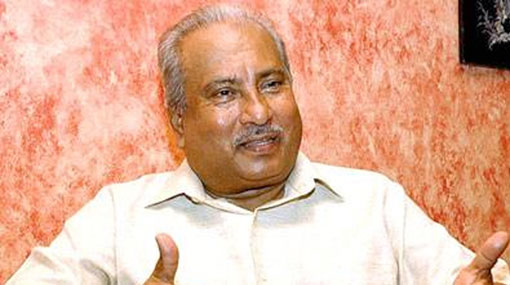
January 22, Colombo (LNW): Renowned Sri Lankan singer Anil Bharathi, known for his powerful voice and timeless contributions to the island’s music scene, has passed away at the age of 75.

He died today (22) while receiving treatment at Panadura Hospital, according to family sources.

Bharathi’s legacy in Sri Lankan music spans several decades, and he is fondly remembered for his unforgettable songs such as “Seethala Sanda Eliye“, “Hiru Ipadena Wita“, “Bethlehem Pure“, “Irudina Pamanak Nowa“, “Sandai Tharui“, “Punsadna Paya“, “Ma Adara Nangiye“, “Bambareku Aduna“, “Ada Wei Iru Dina” and many others.

His melodious voice and emotive performances endeared him to generations of listeners, cementing his place as a beloved figure in the local music industry.

In addition to his successful music career, Bharathi was a prominent figure in the broadcasting world. He dedicated 50 years of his life to the Sri Lanka Broadcasting Corporation (SLBC), where he made significant contributions as a news anchor and programme presenter.

His expertise and commitment to his work also led him to serve as the Director of SLBC, where he played a pivotal role in shaping the direction of the station.

Bharathi will be remembered not only for his melodious voice but also for his dedication to his craft and his service to the nation through his work at SLBC.

President outlines cautious approach to vehicle imports amid economic concerns

0

January 22, Colombo (LNW): President Anura Kumara Dissanayake has announced that vehicle permit holders will be given a chance to import vehicles when the country resumes vehicle imports, following a five-year hiatus.

Speaking on the Satana programme on Sirasa TV, the President outlined the rationale behind this decision and the careful steps being taken to manage its potential economic impact.

In 2018, Sri Lanka’s vehicle imports amounted to nearly US$ 2 billion, with a slight decline to approximately US$ 1.4 billion in 2019. On average, the nation imports between 1 and 2 billion US dollars worth of vehicles each year.

While the decision to lift the suspension on vehicle imports was not driven by robust foreign reserves, the President stressed that it was a strategic move to stimulate the country’s economy.

However, he cautioned that the reintroduction of imports must be carefully managed to minimise its effect on the country’s dollar reserves and prevent further economic instability.

President Dissanayake explained that, at present, the vehicle market includes cars imported at the 2019 dollar exchange rate, which was around Rs. 190 to the US dollar. With the rupee now nearing Rs. 300 to the dollar, the cost of vehicles is expected to rise by around 40 per cent, reflecting the currency devaluation.

He also highlighted the presence of a substantial number of second-hand vehicles in the market, many of which were purchased through leasing arrangements.

If the price difference between new and second-hand vehicles becomes too narrow, it could create a new crisis, particularly in the second-hand vehicle market, with potential negative repercussions for leasing companies and financial institutions.

The President emphasised the importance of striking a balance in vehicle prices to avoid instability. If new vehicles become too expensive, it could lead to disruptions in the second-hand vehicle market, where many consumers have already made significant investments.

He stated that the government would need to carefully monitor the situation and adjust policies to prevent market imbalances.

Discussions have also been held with the Central Bank to ensure that the allocation of foreign currency for vehicle imports is managed prudently.

The President confirmed that vehicle imports will be phased throughout the year to avoid putting excessive strain on the country’s foreign exchange reserves, particularly in February when imports are set to begin.

A sudden influx of vehicle imports, potentially worth up to US$ 1.2 billion in just one month, could lead to further economic strain, he warned.

On the issue of vehicle permits, President Dissanayake made it clear that it was unlikely permit holders would be given preferential treatment this time. In 2018, permit holders used US$ 1.9 billion to import vehicles, a figure that the government is keen to reduce.

The aim is to limit vehicle imports to around US$ 1.2 billion annually, while taking into account the market’s capacity and the potential rise in prices.

The President acknowledged the risks involved in this decision, noting that further actions would depend on how the market evolves.

Tender deadline for new passenger terminal at BIA extended

0

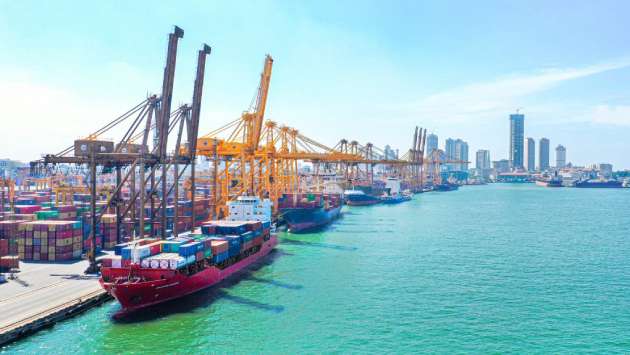
January 22, Colombo (LNW): The deadline for the submission of tenders for the construction of a new passenger terminal at Bandaranaike International Airport, Katunayake, has been extended until March, according to the Deputy Minister of Ports and Aviation, Ruwan Kodituwakku.

This significant project is being supported by the Japan International Cooperation Agency (JICA), which is assisting in both financing and technical expertise.

Speaking about the development, Deputy Minister Kodituwakku confirmed that, following the extension, construction work is now expected to begin in June.

The new terminal will play a crucial role in enhancing the airport’s capacity and modernising its infrastructure to meet the growing demand for air travel.

Once completed, the new terminal will greatly increase the airport’s ability to handle passengers, with a target of reaching 15 million annual passengers by 2028.

Financial Crimes Investigation Division to be reinstated: Minister

0

January 22, Colombo (LNW): Minister of Public Security Ananda Wijepala, revealed in Parliament yesterday (21) that the Financial Crimes Investigation Division (FCID) will recommence its operations next week, as part of the government’s renewed effort to combat financial crimes and corruption.

During the adjournment debate on the Clean Sri Lanka programme, Minister Wijepala addressed Parliament, outlining the government’s firm commitment to tackling financial misconduct and ensuring that justice is upheld across the country.

He reassured lawmakers that the authorities would leave no stone unturned in investigating financial crimes, even those that had been buried and overlooked in the past.

Minister Wijepala highlighted that the Criminal Investigation Department (CID) currently holds over 29,000 case files related to various crimes, many of which involve financial mismanagement.

He explained that with the reactivation of the FCID, these cases would be meticulously reviewed, and the division would be specifically tasked with handling financial crime cases.

This move, he emphasised, is intended to ensure that those responsible for financial wrongdoings are held accountable.

The reinstitution of the FCID is expected to bolster ongoing efforts to restore public trust in government institutions and promote transparency in both the public and private sectors.

Committee to review and amend certified rice prices

0

January 22, Colombo (LNW): The Paddy Marketing Board has announced the formation of a dedicated committee tasked with reviewing and potentially amending the certified price of rice in Sri Lanka.

According to the Board, the committee will consist of representatives from a variety of key institutions, including the Hector Kobbekaduwa Agrarian Research and Training Institute and the Institute of Post Harvest Technology.

The committee’s primary objective is to evaluate the current pricing system applied to paddy cultivation and determine whether adjustments are necessary to reflect market conditions.

After conducting this thorough review, the committee will play a key role in setting the certified prices for rice that will guide purchases of stocks for the upcoming season.

Manjula Pinnalanda, Chairman of the Paddy Marketing Board, emphasised that the goal is to ensure that the certified price of rice aligns with the realities of both the farming community and consumers.

In the previous Yala season, certified prices for various types of rice were set at Rs. 105 per kilogram for Nadu rice, Rs. 115 per kilogram for Samba rice, and Rs. 130 per kilogram for Keeri Samba rice.

In addition to the pricing review, the Board also confirmed that storage facilities for the upcoming Maha season harvest have already been prepared.

With harvest time approaching, the purchase of paddy stocks for the Maha season is set to begin next month, ensuring that the country’s rice supply chain remains stable and secure.

The adjustments made through this committee will be crucial for managing the seasonal fluctuations in supply and demand for rice, a staple food in Sri Lanka.

Parliament to continue debates on “Clean Sri Lanka” programme and other key legislation

0

January 22, Colombo (LNW): Sri Lanka’s Parliament is set to resume its discussions today, with the second day of the adjournment debate on the government’s Clean Sri Lanka initiative taking centre stage.

Under the guidance of Speaker Dr. Jagath Wickramaratne, the House will continue its deliberations, aiming to address critical matters concerning the country’s environmental and developmental goals.

The Parliament is scheduled to sit through until Friday, with each day dedicated to a range of important legislative discussions.

Tomorrow, attention will shift to the examination of several key pieces of legislation, including regulations under the Import and Export Control Act, proposed amendments to the Customs Ordinance, and updates to the Ports and Airports Development Levy Act.

These discussions are expected to be pivotal in shaping the country’s trade and infrastructure policies.

Friday’s session will be focused on a more sombre occasion, as the Parliament dedicates the entire day to tabling condolence motions for former Members of Parliament who have passed away.

Health Ministry takes steps to reduce medicine prices by increasing supplier competition

0

January 22, Colombo (LNW): Dr. Hansaka Wijemuni, Deputy Minister of Health and Media, has announced that the prices of medicines in Sri Lanka have been significantly reduced due to the introduction of greater competition among pharmaceutical suppliers.

Speaking recently, Dr. Wijemuni explained that in the past, certain medications were only available from a single supplier, which led to monopolistic practices and inflated prices.

This reliance on a limited number of suppliers meant that the government had little leverage to negotiate lower prices, resulting in the purchase of medicines at much higher costs.

In response to this issue, the Ministry has expedited the process of registering new suppliers for medicines that were previously only sourced from one provider.

Dr. Wijemuni revealed that around 2,800 pharmaceutical companies had applied for registration, and their documentation is being reviewed swiftly. He assured that all qualified suppliers will be fully registered before March this year.

The Deputy Minister highlighted that by diversifying the pool of suppliers, the government can foster a competitive environment that will help drive down the cost of medicines, ultimately benefiting consumers.

This move is part of a broader effort to enhance the accessibility and affordability of essential medicines across the island.

Dr. Wijemuni also pointed out that the government’s commitment to ensuring quality standards will not be compromised during this process.

Each supplier will undergo a rigorous qualification check before being approved, guaranteeing that only those who meet the necessary criteria will be allowed to enter the market.

By broadening the supplier base, the Ministry hopes to create a more competitive pharmaceutical market, resulting in better prices and more choices for the public.

President warns of military intervention in non-compliant rice mills

0

January 22, Colombo (LNW): Sri Lankan President Anura Kumara Dissanayake has announced that military personnel will be deployed to monitor and ensure compliance in rice mills that fail to adhere to government regulations.

This statement was made during a special television programme broadcast on the evening of January 21.

The President expressed serious concerns over the operations of certain large-scale rice mills, emphasising that if these mills do not follow the government’s directives, the military will be tasked with overseeing the transportation of rice from the mills to the designated storage facilities.

President Dissanayake highlighted the importance of rice as a crucial national resource, reiterating that the government has been keen to regulate the sector in a fair and transparent manner.

Rice is a national asset, and it is vital that it is handled in a way that serves the best interests of the people,” he remarked. “We have taken every measure to ensure that the policies being implemented are just and reasonable, without any form of unfair regulation.

The President’s remarks come amid growing concerns over rice shortages and price fluctuations in the country, and the government has been taking steps to streamline the supply chain to ensure that rice reaches local markets in a timely and equitable manner.

The deployment of military personnel to oversee rice mill operations reflects the government’s commitment to maintaining order and safeguarding the nation’s food security.

With rice being a staple food and a critical commodity in Sri Lanka, the government is determined to prevent any disruptions in the supply and to maintain control over the distribution process.