Home Blog Page 71

Middle East War Shock Puts Sri Lanka’s Fragile Recovery on the Brink

0

By:Staff Writer

March 03, Colombo (LNW): As dawn broke over Colombo on February 28, 2026, news of a coordinated U.S.–Israeli strike on Iran jolted a nation still scarred by its 2022 economic collapse. The joint operation dubbed “Operation Epic Fury” by Washington and “Roaring Lion” by Tel Aviv reportedly targeted nuclear and missile infrastructure in Tehran, Isfahan, and Qom. U.S. President Donald Trump described the assault as pre-emptive. Unconfirmed reports suggested Iran’s Supreme Leader Ali Khamenei was killed.

Iran’s retaliation was swift. Ballistic missiles and drones struck Israeli territory and U.S. facilities across Kuwait, Qatar, Bahrain, Saudi Arabia and the UAE. Airspace closures rippled through Gulf hubs, while the Strait of Hormuz artery for nearly one-fifth of global oil effectively stalled.

For Sri Lanka, the consequences were immediate.

Oil Spike, Inflation Risk

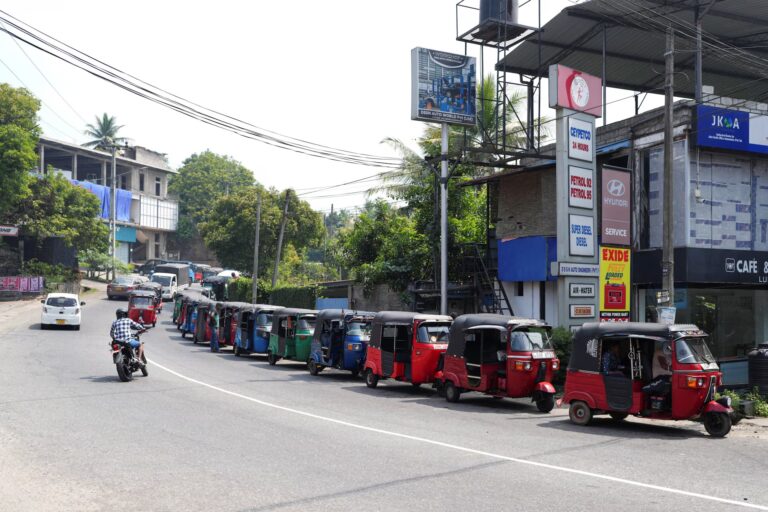
Within hours, Brent crude surged past US$90 a barrel. Although a scheduled price formula triggered a modest hike diesel up Rs. 4 and super diesel Rs. 6 panic queues formed across Colombo. The state-run Ceylon Petroleum Corporation claims 37 days of fuel reserves, but the Sapugaskanda refinery depends heavily on Middle Eastern crude. A prolonged Hormuz disruption could halt operations within weeks.

Fuel is the bloodstream of the economy. Higher diesel prices raise transport costs from Dambulla’s wholesale markets to urban retailers, threatening a fresh spike in non-food inflation, which had already crept to 2.3% in February despite headline inflation easing to 1.6%. Electricity tariff relief may now be shelved.

Exports, Shipping, and Tea at Risk

The Middle East buys a substantial share of Sri Lanka’s low-grown tea. Iran, Iraq, and the UAE are major markets. Currency instability and banking disruptions have reportedly frozen new orders, jeopardizing thousands of smallholder farmers. There is no quick substitute market for these specific grades.

Shipping disruptions compound the threat. If vessels avoid the Suez Canal corridor and reroute around the Cape of Good Hope, transit times for apparel and rubber exports to Europe and the U.S. could lengthen by up to two weeks. Higher insurance premiums and freight costs erode competitiveness just as export earnings were stabilizing.

Migrant Workers and Remittance Lifeline

More than 1.5 million Sri Lankans work in Gulf Cooperation Council countries, sending home over US$8 billion in 2025 alone. Remittances underpin rural consumption and help stabilize the rupee. Direct strikes near Gulf airports have already disrupted flights. A wider war or mass evacuations would sever this lifeline, triggering currency depreciation and straining foreign reserves critical to IMF-linked debt restructuring.

Tourism and Investment Confidence

Over 60% of Western tourists transit through Gulf hubs. Prolonged airspace closures by carriers such as Emirates and Qatar Airways threaten cancellations during peak season. Regional instability, even distant, deters high-spending visitors.

For President Anura Kumara Dissanayake and the Marxist JVP-led NPP government, the crisis is a brutal test. Having inherited a fragile post-default recovery, the inexperienced administration now faces a “system shock” beyond its control. Managing imported inflation, safeguarding reserves, and preventing social unrest will determine whether Sri Lanka’s hard-won stability endures or unravels once more.

Sharp Slide in S&P SL20 Triggers Temporary Trading Suspension at CSE

0

March 03, Colombo (LNW): Trading activity at the Colombo Stock Exchange (CSE) was briefly suspended this morning after a steep fall in the benchmark S&P SL20 prompted the activation of market safeguard mechanisms.

Market officials confirmed that the index dropped by more than five per cent compared with its previous close, automatically triggering a circuit breaker designed to curb excessive volatility and prevent panic-driven sell-offs. The precautionary pause, which lasts for 30 minutes, was imposed shortly after trading commenced, amid heightened investor anxiety.

The exchange announced that normal trading would recommence at 10.01 a.m., following the cooling-off period.

Opposition Leaders to Convene at Parliament Over Escalating Middle East Crisis

0

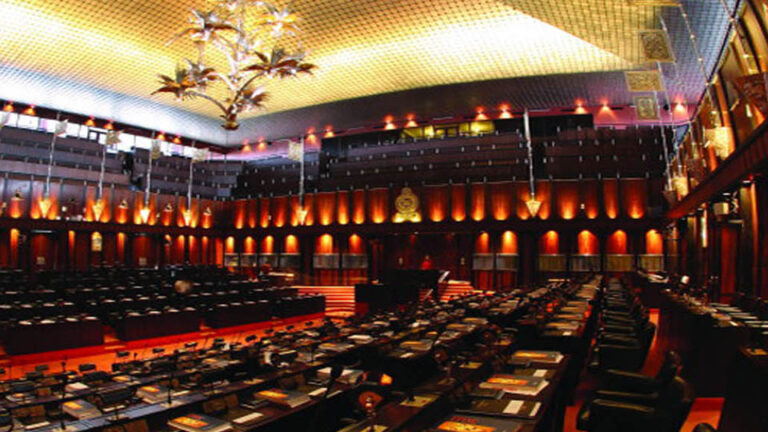
March 03, Colombo (LNW): Senior figures from Sri Lanka’s opposition parties are due to gather at the Parliamentary Complex today for high-level talks centred on the deteriorating security situation in the Middle East and its possible implications for the region.

The meeting, convened by Opposition Leader Sajith Premadasa, is expected to bring together a broad spectrum of opposition representatives to deliberate on diplomatic, economic and humanitarian concerns arising from the unfolding conflict.

Mano Ganesan, leader of the Tamil Progressive Alliance, confirmed that discussions would take place this morning within the Parliament premises.

Political sources indicate that, beyond expressions of concern over regional instability, the opposition is also likely to explore Sri Lanka’s preparedness to respond to any spillover effects — including potential disruptions to trade routes, fuel supplies and the safety of Sri Lankan expatriate workers in affected countries.

The talks coincide with the commencement of parliamentary sittings for the first week of March, which are set to begin at 9.30 a.m. Lawmakers are expected to address a range of domestic and international matters during the week’s proceedings.

In addition, the Secretary-General’s Office has announced that an adjournment debate to mark International Women’s Day will be held on March 05, 2026. The debate is anticipated to focus on policy measures aimed at advancing gender equality, strengthening protections for women and enhancing female participation in economic and political spheres.

Sri Lanka Strengthens Support for Stranded Tourists Amid Middle East Disruptions

0

March 03, Colombo (LNW): The Sri Lanka Tourism Development Authority (SLTDA) has reaffirmed its unwavering dedication to safeguarding the welfare of overseas visitors currently holidaying on the island, as regional tensions and airspace restrictions in parts of the Middle East continue to disrupt international travel.

Although Sri Lanka itself remains calm and secure, authorities have introduced a series of precautionary measures to assist travellers affected by flight cancellations and delays, particularly those from Iran, Iraq and neighbouring Middle Eastern nations.

In a move designed to ease uncertainty, the Government has granted a complimentary 14-day visa extension to all tourists presently in the country. Officials say the decision is intended to relieve pressure on visitors who may find themselves temporarily unable to depart due to suspended or rerouted flights.

At the same time, the SLTDA has issued an urgent advisory to all registered tourism service providers — including hotels, guesthouses, tour operators and licensed guides — instructing them to extend practical support to guests facing travel disruption. Service providers have been asked to monitor airline announcements closely, offer flexible accommodation arrangements such as late check-outs and extended stays, and amend travel plans to accommodate revised departure schedules. Internal transport assistance is also being coordinated where necessary.

To ensure immediate assistance is readily available, round-the-clock emergency hotlines remain active. The 1912 Tourist Emergency Hotline, based at the Tourist Information Centre at Bandaranaike International Airport, is providing multilingual support and coordinating logistical help for affected visitors. Airport and Aviation Services can be contacted on 1994 for real-time updates on flight operations, while passengers booked with SriLankan Airlines are able to seek rebooking or status information via dedicated domestic and international helplines.

In addition, the SLTDA has strengthened its monitoring framework by working closely with registered travel agents to track visitors scheduled to depart in the coming days. Collaboration with the Tourist Police has also been intensified, ensuring a visible security presence across major tourism hubs and popular attractions.

Tourism officials have emphasised that these coordinated efforts reflect Sri Lanka’s broader commitment to maintaining its reputation as a safe and welcoming destination, even amid wider regional instability.

Dry weather to continue in most parts of SL (Mar 03)

0

March 03, Colombo (LNW): Mainly dry weather will prevail in the most parts of the island, the Department of Meteorology said.

Misty conditions can be expected at some places in Western, Sabaragamuwa, Central, Southern and North-central provinces and in Vavuniya district during the early hours of the morning.


Marine Weather:

Condition of Rain:
Mainly fair weather will prevail over the sea areas around the island.

Winds:
Winds will be variable in direction and wind speed will be (20-30) kmph.

State of Sea:
Sea areas around the island will be slight.

Parliamentary Oversight Urged As Rebuilding Sri Lanka” Fund Expands

0

By:Staff Writer

March 03, Colombo (LNW):Sri Lanka’s ambitious “Rebuilding Sri Lanka” Fund, created in the wake of Cyclone Ditwah, is now at the centre of a growing governance debate with lawmakers and civil society warning that concentrated private sector influence could expose the country to serious financial risk.

The fund, operating under the Presidential Secretariat, is managed by a seven-member committee combining senior state officials with leading corporate executives. While Parliament has approved the mechanism, critics argue that approval alone does not guarantee meaningful oversight.

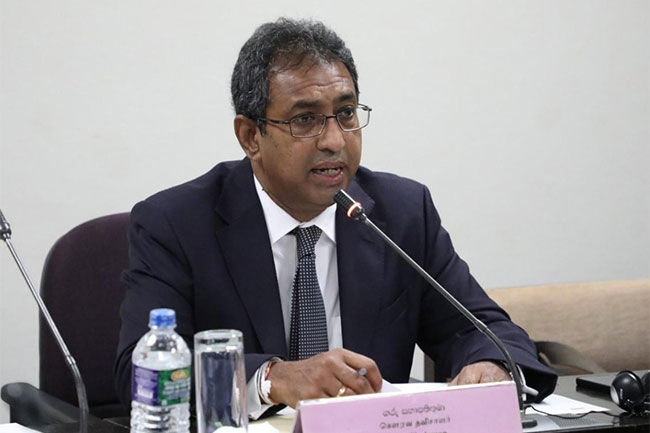
Public Committee on Finance Chairman MP Harsha de Silva has raised concerns regarding the legal architecture of the fund. He has stressed the need for clarity on whether the structure complies fully with Sri Lanka’s public finance laws and whether Parliament retains effective supervisory authority over disbursements, procurement decisions, and auditing processes. According to parliamentary sources, he has cautioned that any ambiguity could weaken accountability at a time when billions are being mobilised.

Finance Ministry figures show the fund has secured over Rs. 8.5 billion locally and more than US$ 9.49 million in foreign contributions. Major pledges include Rs. 420 million from Dialog Axiata and Rs. 500 million from Bank of Ceylon. International support includes contributions from the United States, Australia, China, and the United Kingdom. A digital transparency platform was developed free of charge by Massachusetts Institute of Technology with technical backing from Microsoft.

The Management Committee itself includes powerful business leaders from Hayleys Group, John Keells Holdings, Aitken Spence, Brandix Group and LOLC, alongside senior government representatives.

However, the Law & Society Trust has warned that placing corporate leaders in positions overseeing reconstruction contracts creates structural conflict-of-interest risks. In a recent expert assessment, the organisation reportedly called for mandatory public disclosure of procurement decisions, independent audits beyond internal mechanisms, and strict recusal requirements for committee members linked to bidding entities.

The committee has already disbursed approximately Rs. 24.4 billion in relief and launched Treasury-backed 3 percent interest loans for micro, small, and medium enterprises. It is also preparing for large-scale housing construction projected at 50,000 homes by 2026. President Anura Kumara Dissanayake has urged faster implementation of compensation programmes, particularly in hard-hit districts.

Hitherto observers warn that speed must not override safeguards. Sri Lanka’s past experience with the Helping Hambantota Fund under former President Mahinda Rajapaksa continues to serve as a cautionary tale about off-budget financial mechanisms and weak institutional checks.

With billions committed and reconstruction accelerating, analysts argue that the government now faces a defining test: whether it can combine private sector efficiency with uncompromising public accountability. Without iron-clad parliamentary scrutiny and transparent procurement rules, the very structure designed to rebuild the nation could expose it to financial mismanagement and reputational damage once again.

Vehicle Credit Boom: Hidden Risks for Banks

0

By:Staff Writer

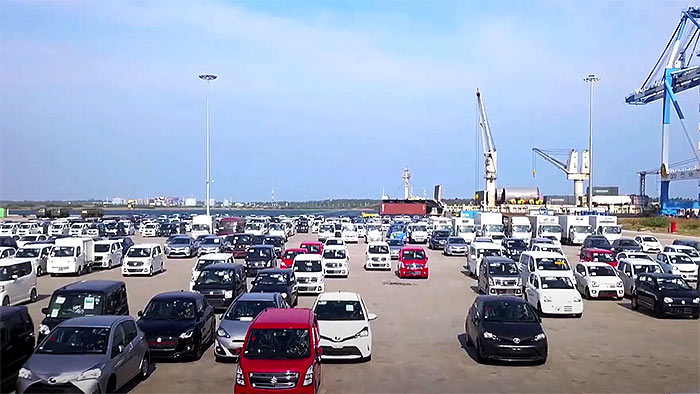
March 03, Colombo (LNW): Sri Lanka’s steady flow of vehicle imports in 2026 is reigniting debate over the exposure of banks and finance companies to auto lending risks. While the Government projects stability in import volumes, the financial sector faces a more complex reality.

Deputy Minister of Trade R.M. Jayawardana expects Letters of Credit for vehicle imports this year to approach 2025 figures. Despite hopes of demand moderation, the absence of new tax measures or quantitative import limits suggests that supply-side controls are minimal. This environment creates fertile ground for continued expansion in vehicle financing.

For banks and finance companies, vehicle loans and leasing facilities represent a lucrative segment. Historically, auto lending has offered attractive margins, relatively short tenors, and tangible collateral. However, it also concentrates risk, particularly in an economy still stabilising after recent crises.

Central Bank Governor Nandalal Weerasinghe has argued that loan-to-value (LTV) limits and related macroprudential measures will prevent excessive credit growth. By capping the proportion of vehicle value that can be financed, regulators aim to ensure borrowers have meaningful equity stakes. This reduces default probability and mitigates asset price volatility.

However risks persist. If vehicle imports approach 2025’s elevated levels, credit demand could surge. Even with LTV restrictions, cumulative exposure across the banking and finance company sector may rise significantly. A slowdown in economic growth, currency depreciation, or higher interest rates could strain borrowers’ repayment capacity.

Finance companies, in particular, are more vulnerable. Their portfolios often carry higher-risk borrowers and longer leasing tenors. A sudden shift in market conditions such as exchange rate volatility affecting vehicle resale values could erode collateral coverage. If repossessed vehicles flood the market, resale prices may drop, amplifying losses.

Furthermore, Sri Lanka’s history demonstrates that asset-backed lending is not immune to systemic stress. During economic downturns, non-performing loans (NPLs) in vehicle financing segments have spiked. A concentrated exposure to a single asset class increases correlation risk within loan books.

The Government’s confidence that the economy can absorb high import volumes contrasts with the Central Bank’s preventive stance. While policymakers anticipate demand normalisation after last year’s pent-up surge, uncertainty remains. Trade Secretary K.A. Vimalenthirarajah himself acknowledged the unpredictability of consumer behaviour.

The key question is whether LTV limits alone are sufficient. Financial institutions must also strengthen credit appraisal standards, diversify portfolios, and maintain adequate capital buffers. Stress testing against exchange rate shocks and demand downturns becomes critical.

In the short term, vehicle financing may boost profitability and economic activity. In the medium term, however, unchecked expansion could heighten sectoral vulnerabilities. The Central Bank’s regulatory guardrails provide a safety net  but only if rigorously enforced and complemented by prudent risk management within institutions.

As Sri Lanka navigates recovery, the intersection of import policy and credit expansion will test the resilience of its banking and finance company sector. The road ahead may appear smooth, but beneath the surface, the risks warrant close scrutiny.

SL Airlines Bringing India Closer: Tourism Boost or Overdependence Risk?

0

By:Staff Writer

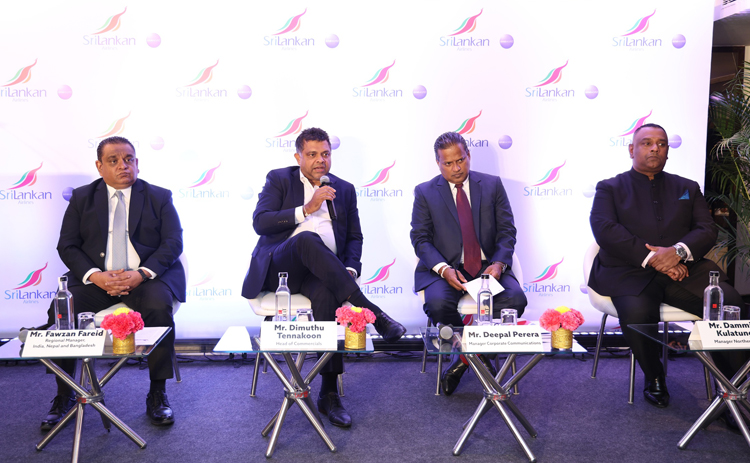
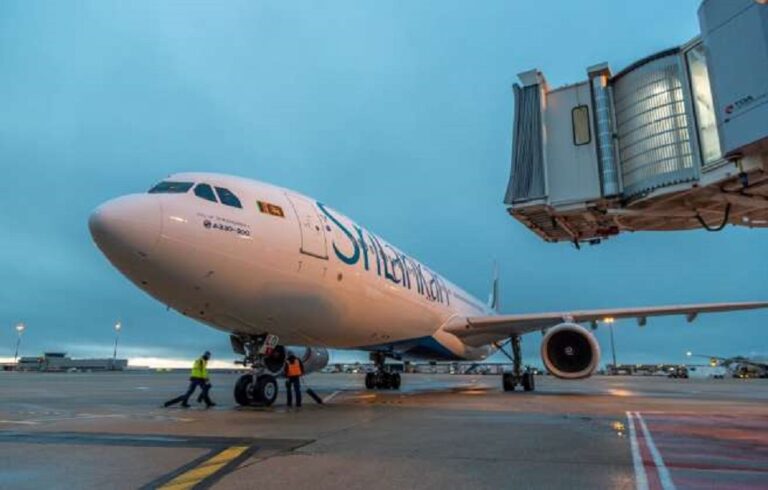
March 03, Colombo (LNW): SriLankan Airlines has unveiled an ambitious push to deepen air connectivity with India, positioning the neighbouring giant at the centre of its 2026 growth strategy. Announced in New Delhi alongside SATTE, the airline’s plan aims to reinforce commercial, cultural and tourism ties while expanding its footprint across one of the world’s fastest-growing aviation markets.

India already represents SriLankan’s largest single market, contributing nearly 30% of total passenger traffic and 23% of visitor arrivals to Sri Lanka. With almost 90 weekly flights between the two countries and more planned — the airline is intensifying services to key Indian cities including Chennai, Mumbai, Delhi, Hyderabad, Bengaluru, Kochi, Trivandrum, Madurai and Tiruchirappalli. Ahmedabad is set to become the tenth Indian destination, allowing SriLankan to serve six of India’s eight largest metropolitan hubs.

From a commercial standpoint, the move appears logical. Year-round demand, strong diaspora connections and cultural affinity provide stable traffic flows. Around 30% of Indian travellers use Colombo as a transit hub to connect onward to the Middle East, Maldives, Far East, Europe and Australia via SriLankan’s network and codeshare partnerships. Expanding Indian routes could therefore strengthen Colombo’s status as a regional gateway.

The airline projects that Indian passenger numbers across its network may rise by up to 12% this year. Increased frequency improves aircraft utilisation and potentially enhances route economics. Furthermore, tapping underserved secondary cities diversifies revenue streams beyond traditional metro markets.

However, the strategy carries risks. Overexposure to a single market could amplify vulnerability to regulatory shifts, currency fluctuations or geopolitical tensions. India’s aviation sector is intensely competitive, dominated by powerful domestic carriers with expanding international ambitions. Competing for price-sensitive passengers may compress yields.

There is also the question of capacity absorption. If demand projections fall short particularly after the post-pandemic travel rebound stabilizes  load factors could weaken. A 12% projected increase assumes sustained economic momentum in India and stable bilateral relations.

Moreover, reliance on transit traffic hinges on Colombo’s competitiveness against larger Gulf hubs. Indian travellers connecting to Europe or Australia often have multiple routing options, frequently at lower fares. To maintain relevance, SriLankan must offer pricing, punctuality and service standards that rival regional giants.

However the airline’s broader objective extends beyond ticket sales. By aligning closely with Sri Lanka’s tourism authorities, it aims to position the island as a culturally resonant destination. Campaigns such as the Ramayana-themed tourism drive seek to emotionally connect with Indian travellers, converting air connectivity into tourism inflows.

Ultimately, SriLankan’s India-focused expansion is both an opportunity and a calculated risk. If managed prudently, it could cement India as the airline’s growth engine. If misjudged, concentration risk and competitive pressure may strain financial performance. The success of this strategy will depend not merely on adding routes, but on sustaining profitability in a fiercely contested aviation corridor.

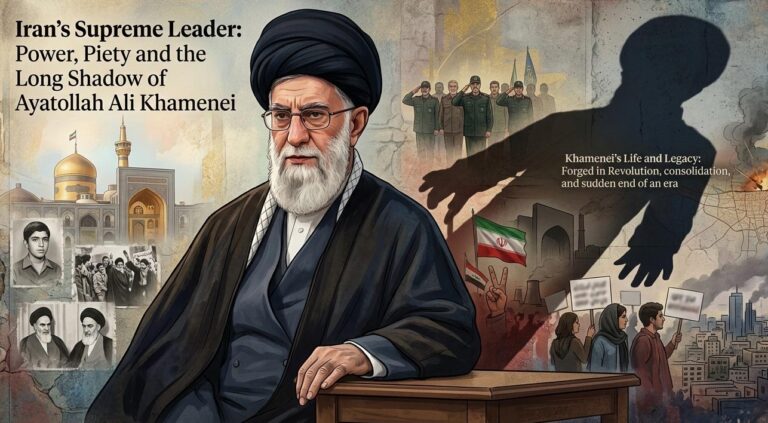
Iran’s Supreme Leader: Power, Piety and the Long Shadow of Ayatollah Ali Khamenei

0

LISTEN TO STORY

WATCH STORY

By: Isuru Parakrama

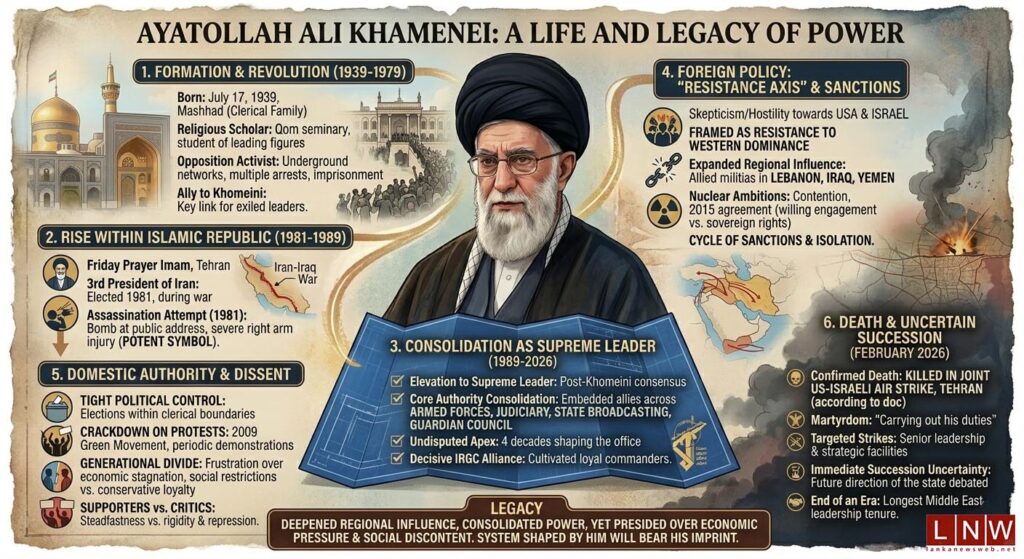
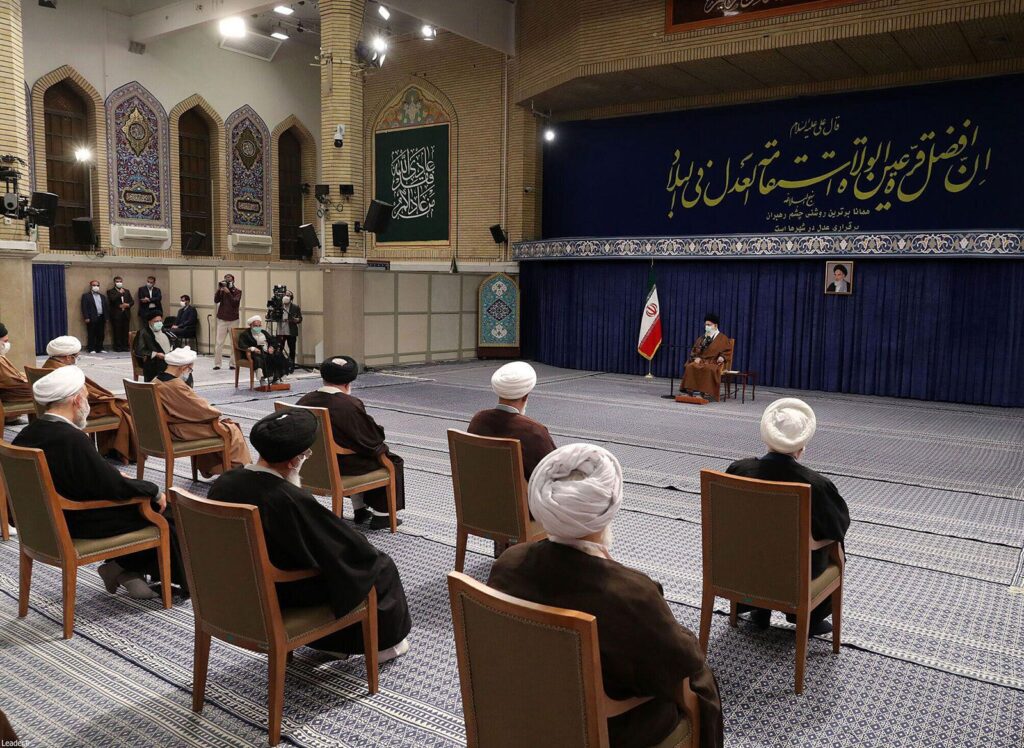
March 02, World (LNW): Below is a deepdive into the life of Ayatollah Ali Khamenei, Iran’s leader supreme who was confirmed to have been killed during the recent joint assault by US-Israeli security forces against Iran, marking the end of an era of one of the most powerful political leaders in modern history.

Khamenei was born on July 17, 1939 in Mashhad, north-eastern Iran, near the revered Imam Reza Shrine. The second son in a clerical family of Azeri-Iranian descent, he grew up immersed in religious scholarship. His father, Ayatollah Javad Khamenei, had studied in Najaf before settling in Mashhad, providing his son with a firm grounding in Shi’a theology.

From an early age, Khamenei was educated in traditional Islamic schools, learning the Qur’an and classical religious sciences. By his early teens he had adopted clerical dress and begun advanced theological studies, marking him out as a serious religious student with ambitions beyond the ordinary.

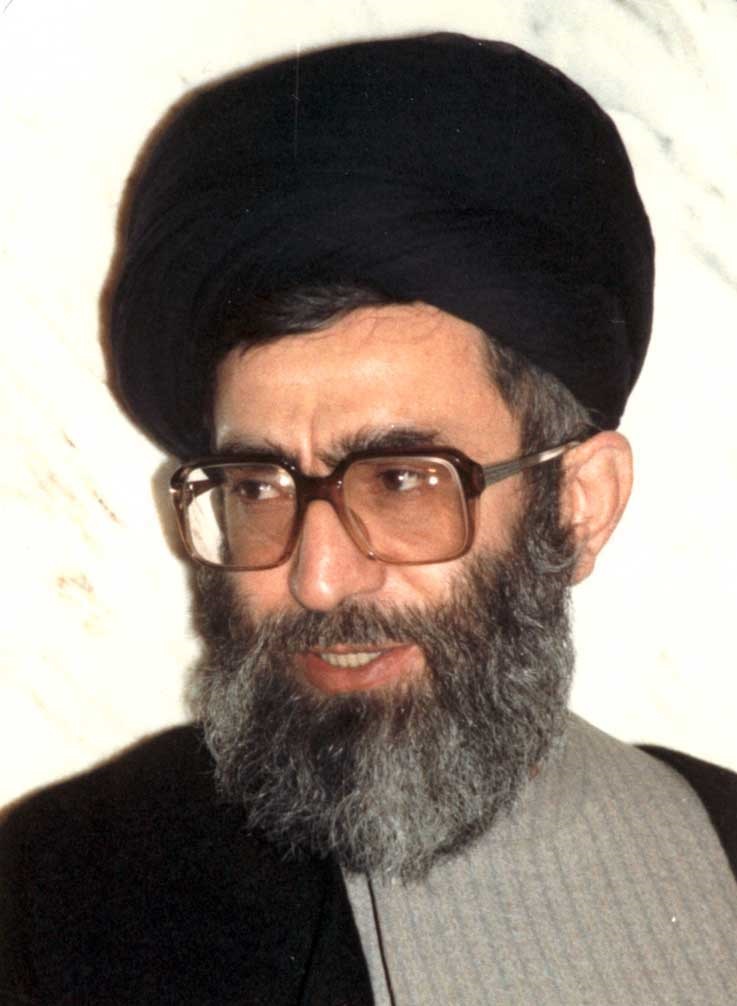
Ali Khamenei in 1987 | Photo: WikiPedia

Formation of a Revolutionary Cleric

Khamenei pursued seminary studies in Mashhad and later in Qom, where he attended lectures by leading Shi’a scholars, including figures associated with Ruhollah Khomeini. His rapid progress through the clerical curriculum earned him the rank of Ayatollah and established his credentials within Iran’s religious hierarchy.

While in Qom, he absorbed not only theology but also political dissent. The Shah’s modernising and Western-leaning policies had stirred resentment among sections of the clergy. Khamenei became part of this oppositional current, aligning himself with Khomeini’s critique of monarchical rule and foreign influence.


Opposition to the Shah

During the final decades of Mohammad Reza Shah Pahlavi’s reign, Khamenei emerged as a committed activist. He participated in underground Islamist networks, distributed political-religious writings and organised opposition activities. These actions led to multiple arrests and periods of imprisonment.

His reputation as a steadfast revolutionary was strengthened by these experiences. By the late 1970s he had become a trusted ally of Khomeini, helping to connect exiled leadership with activists inside Iran. When the Shah fled in January 1979, Khamenei stood among those poised to shape the new Islamic Republic.


Rise Within the Islamic Republic

After the revolution, Khamenei quickly assumed influential posts. He served as Tehran’s Friday Prayer Imam and held positions linked to religious guidance and media oversight, roles that allowed him to shape ideological messaging in the nascent state.

In 1981 he was elected Iran’s third president, governing during the brutal Iran–Iraq War. That same year, he survived an assassination attempt when a bomb concealed in a public-address system exploded, severely injuring his right arm and leaving it partially paralysed. The injury became a potent symbol of personal sacrifice and revolutionary legitimacy.

Becoming Supreme Leader

Following Khomeini’s death in 1989, Khamenei was elevated to the position of Supreme Leader. Though some clerics questioned whether he possessed the seniority traditionally associated with the role, political consensus carried him forward. Over time, he consolidated authority across the armed forces, judiciary, state broadcasting and the Guardian Council, which supervises elections and candidate eligibility.

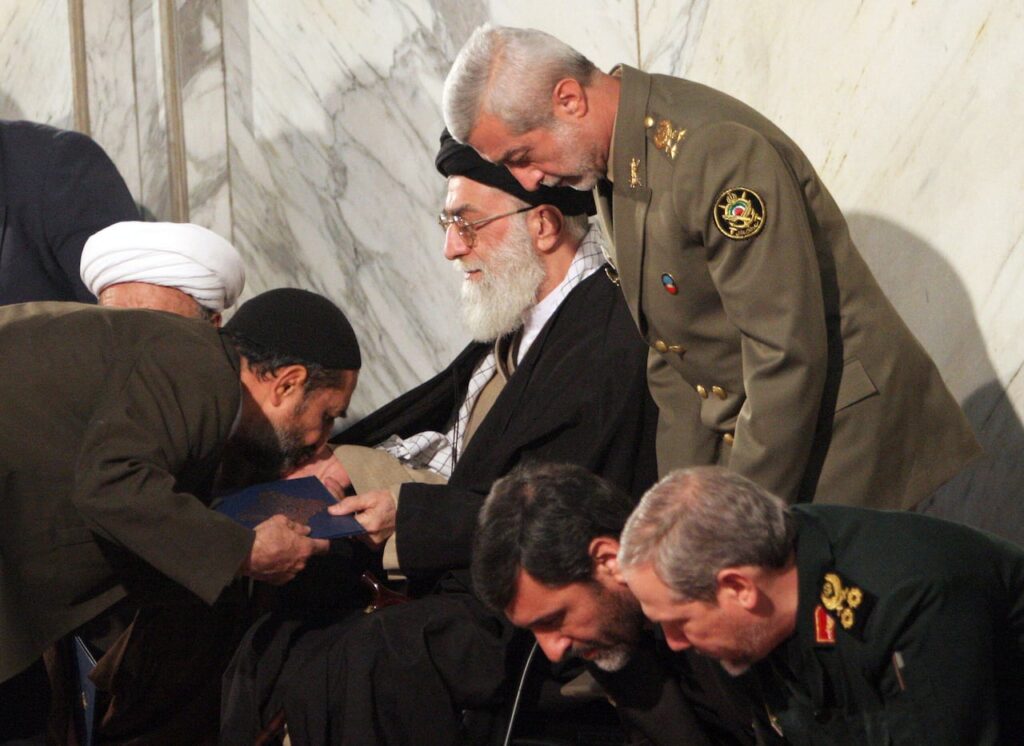
His relationship with the Islamic Revolutionary Guard Corps proved particularly decisive. By cultivating loyal commanders and embedding allies in key institutions, he ensured that the levers of power remained firmly in his grasp. Across nearly four decades, he transformed the office into the undisputed apex of Iran’s political system.

Iran vows devastating retaliation after Khamenei, top commanders killed – CHOSUNBIZ

Foreign Policy and the ‘Resistance Axis’

Khamenei’s foreign policy was defined by scepticism—often hostility—towards the United States and Israel. He framed Iran’s regional posture as resistance to Western dominance and worked to expand Tehran’s influence through allied movements and militias in Lebanon, Iraq and Yemen.

He also presided over contentious debates surrounding Iran’s nuclear ambitions. While willing at times to permit diplomatic engagement, including the 2015 nuclear agreement, he consistently sought to protect what he viewed as Iran’s sovereign rights and strategic deterrence.

This assertive stance extended Iran’s reach but entrenched cycles of sanctions, isolation and confrontation that shaped the country’s economy and global standing.


Domestic Authority and Dissent

At home, Khamenei oversaw a system marked by tight political control. Elections continued, but within boundaries set by clerical oversight. Periodic protests—most notably the 2009 Green Movement and later demonstrations over economic hardship and social restrictions—were met with firm crackdowns.

Critics accused his administration of restricting freedoms of speech and assembly, while supporters argued that strong measures were necessary to defend the revolution against internal and external threats. These tensions underscored a generational divide: younger Iranians often expressed frustration with economic stagnation and social constraints, even as conservative constituencies remained loyal.

Assembly of Experts (Iran) | Role, Powers, Function, & Election | Britannica

Death and Uncertain Succession

In late February 2026, Khamenei was killed in a joint U.S.–Israeli air strike on Tehran, according to the document. Iranian state media described his death as martyrdom while he was “carrying out his duties”. The strike reportedly targeted senior leadership and strategic facilities, creating immediate uncertainty over succession and the stability of the Islamic Republic.

His passing ended one of the longest tenures of leadership in the modern Middle East and triggered a high-stakes debate within Iran’s ruling establishment over the future direction of the state.


Legacy of a Dominant Figure

Ayatollah Ali Khamenei’s rule spanned war, reconstruction, sanctions and recurring unrest. He deepened Iran’s regional influence and entrenched the authority of the Supreme Leader’s office, yet presided over mounting economic pressures and social discontent.

To supporters, he embodied steadfastness and ideological continuity. To critics, he represented rigidity and repression. His life story—rooted in clerical scholarship, forged in revolution and sustained through calculated consolidation of power—left an indelible mark on Iran’s political architecture.

Whether his successors choose continuity or reform, the system he shaped will bear his imprint for years to come.

Middle East Tensions Force Widespread Flight Suspensions from Colombo Airport

0

March 02, Colombo (LNW): Air travel between Sri Lanka and several Middle Eastern destinations has been severely disrupted, with all departures scheduled from Bandaranaike International Airport to the region on March 01 March called off.

Airport officials confirmed that the cancellations are a direct consequence of the escalating hostilities that erupted on February 28, prompting airlines to suspend or reroute services amid safety concerns and airspace restrictions. As a result, passengers booked on outbound flights have been advised to contact their carriers for rebooking arrangements or refunds.

Authorities revealed that the impact has been substantial, with approximately 115 flights operating between Sri Lanka and various Middle Eastern cities cancelled since the unrest began. Both inbound and outbound services have been affected, leaving hundreds of travellers stranded or facing significant delays.