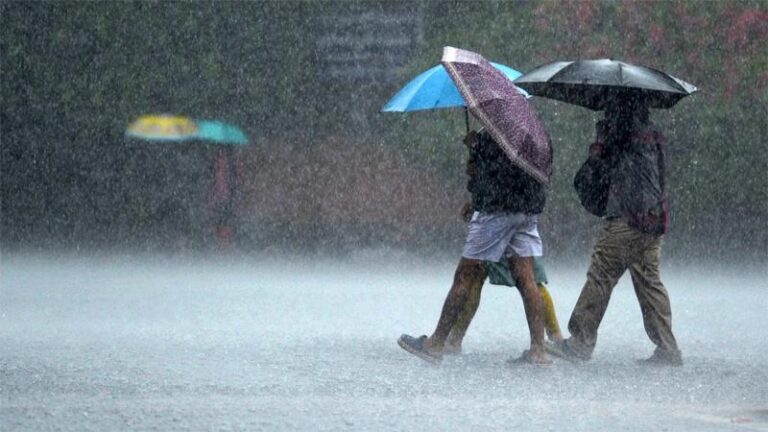
October 19, Colombo (LNW): Showers or thundershowers may occur at a few places in Northern province. Several spells of light showers may occur in Western, Sabaragamuwa and North-western provinces and in Galle, Matara, Kandy and Nuwara-Eliya districts.
Showers or thundershowers may occur at a few places in Uva and Eastern provinces during the evening or night.
The general public is kindly requested to take adequate precautions to minimize damages caused by temporary localized strong winds and lightning during thundershowers.
October 18, Colombo (LNW): The Ministry of Foreign Affairs has called on Sri Lankans residing in the Middle East to closely follow the instructions issued by Sri Lankan missions in the region, given the worsening conflict, especially in Lebanon.
In a statement released yesterday, the Ministry assured that measures are in place to ensure the safety and security of the significant number of Sri Lankans in the region. These efforts are being coordinated through the respective Sri Lankan missions in affected countries, with safety guidelines provided regularly.
The Ministry advised all Sri Lankans living in the region to remain vigilant and act according to the guidance provided by the missions.
Additionally, relatives of those working in the Middle East can contact the Foreign Ministry’s Consular Affairs Division in case of emergencies. Contact numbers provided for inquiries are 011 – 2338812 and 011 – 7711194.
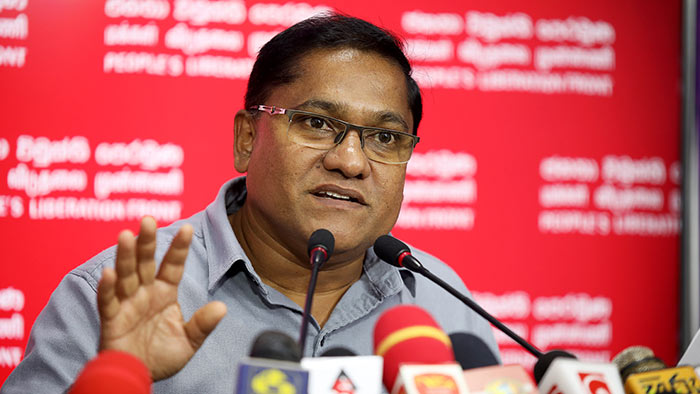
October 18, Colombo (LNW): Media Minister Vijitha Herath stated yesterday (17) that the government is prepared to release the reports of the Presidential Commission of Inquiry (PCoI) into the Easter Sunday attacks at the appropriate time. He emphasized that the reports would not be disclosed based on the demands of individuals but would be done responsibly.
Addressing the media, Minister Herath criticized former MP Udaya Gammanpila, comparing his behavior to a child seeking attention by throwing toys, and urged the public not to be alarmed by such actions. He assured that the reports would be submitted when necessary, in line with the government’s duty to handle the matter properly.
October 18, Colombo (LNW): Senior Professor Wasantha Athukorala from the University of Peradeniya’s Department of Economics and Statistics has disclosed that the current Sri Lankan government is forced to borrow extensively to repay loans incurred by previous administrations. Addressing concerns about large-scale borrowing, Professor Athukorala emphasized that much of the current borrowing is to settle Rs. 4,859 billion in maturing Treasury Bills and Bonds due over the next year.
He revealed that the previous government had borrowed approximately Rs. 800 billion per month from the domestic market without a clear repayment plan. As a result, the current administration must continue borrowing to service these debts, particularly the Treasury Bills and Bonds maturing in the coming months.
Professor Athukorala highlighted that between 2015 and 2019, nearly US$ 12 billion out of the US$ 17 billion borrowed through International Sovereign Bonds came from that period, accounting for 70% of foreign debt. With Sri Lanka’s credit rating downgraded, the country can no longer borrow from international markets, further complicating the repayment process.
Despite restructuring efforts, the country remains burdened by substantial loans from both foreign and domestic markets. Domestically, the government raises funds weekly through Treasury Bills and Bonds to cover financial obligations. Looking ahead, Sri Lanka will need to repay Rs. 3,774 billion in Treasury Bills from November this year to November next year, and Rs. 13,237 billion in Treasury Bonds by 2045, with Rs. 1,125 billion maturing next year.
Professor Athukorala stressed the importance of establishing a sustainable debt management plan. He suggested that the government gradually reduce monthly borrowings to Rs. 200 to 250 billion over the next five years to avoid future crises. He also noted that while previous governments misused borrowed funds, there are signs of reduced wasteful spending under the current administration, which is a positive development.
October 18, Colombo (LNW): A long-delayed housing project, initially launched to assist 500 families displaced by the 2004 tsunami, will soon be handed over to its beneficiaries. The project, funded by the Saudi Arabian government in 2009, faced significant delays despite the houses being ready since 2011, following a court ruling that paused the distribution process.
The project, located in the Ampara district, includes 500 residential units along with essential infrastructure such as a school, supermarket complex, hospital, mosque, and other amenities.
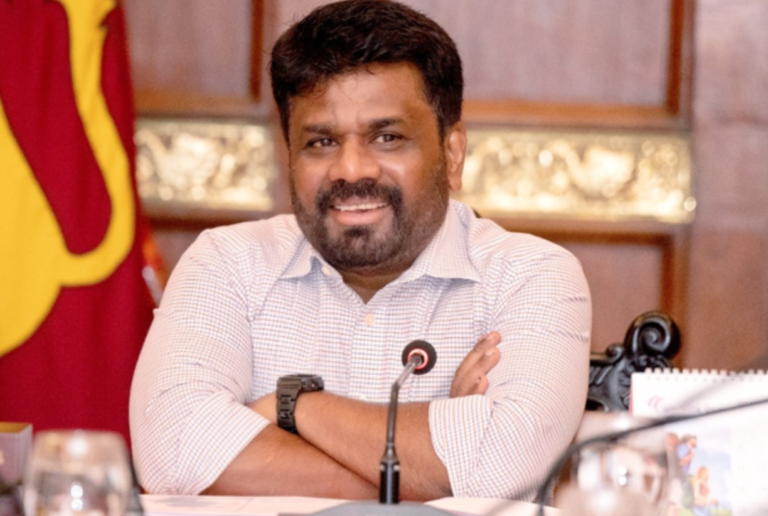
During a recent discussion between President Anura Kumara Dissanayake and Saudi Envoy Khalid Hamoud Alkahtani in Colombo, it was agreed to expedite the handover process to the families who have waited for years.
The houses were originally presented to then-President Mahinda Rajapaksa in 2011 by the Saudi Envoy. However, the distribution was halted due to legal challenges. The Saudi Arabian Embassy has since been in continuous discussions with various Sri Lankan governments to resolve the issue.
A decision has now been made to proceed with the handover, marking a significant step towards fulfilling the long-standing promise of providing these homes to the tsunami-affected families. Saudi Arabia has expressed eagerness to see the beneficiaries receive their new homes at the earliest opportunity.
October 18, Colombo (LNW): According to a recent report, the government has utilized just 53% of its allocated welfare budget for the year within the first eight months up to August. The Ministry of Finance’s latest data highlights that much of the welfare funding has been directed towards the ‘Aswesuma’ welfare program.
The report further indicates that Sri Lanka is set to receive approximately 1.69 billion US dollars in loans from multilateral agencies over the next three to five years.
By the end of August 2024, foreign development partners and lending institutions had signed 10 agreements with the government, totaling 398.7 million US dollars in foreign financing, out of which 350 million dollars are in loans. An additional 48.7 million dollars came through seven grant agreements with Japan and Australia.
Foreign financing disbursements up to August 2024 have amounted to 1.01 billion dollars, including 994.4 million dollars as loans and 11.3 million as grants.
The Asian Development Bank (ADB) has provided Sri Lanka with 358.3 million dollars, slightly exceeding the International Monetary Fund’s (IMF) contribution of 334 million dollars in budget support loans, while the World Bank has delivered 239.8 million dollars.
Both ADB and the World Bank have aligned their financial support with Sri Lanka’s IMF program established last year. Around 33% of the total disbursements have been allocated to the budget support sector, with 13% going to power and energy, 10% to SME development, and 7% to the finance sector.
The report also noted that an additional 1.69 billion dollars in loans from multilateral agencies remains undisbursed, expected to become available in the next three to five years. Furthermore, only 53% of the welfare budget has been spent during the first eight months of 2024, which amounts to 562.4 billion rupees out of the allocated 1,055.7 billion rupees.
Following IMF recommendations, the previous government increased the welfare budget by 15.3% this year compared to the 915.4 billion rupees spent in 2023. Of the 562.4 billion rupees spent so far in 2024, 112.7 billion was directed towards the “Aswesuma” poverty alleviation program, 9.5 billion for school nutrition, 4.4 billion for school textbooks and uniforms, and 24.2 billion for fertilizer subsidies.
October 18, Colombo (LNW): Export Development Board (EDB) is to assist exporters in broadening its export base by targeting high-tech sectors, as part of a broader strategy to boost export revenue, the newly appointed EDB Chairman and CEO Mangala Wijesinghe said. .
Wijesinghe, in his first speech since assuming duties, highlighted the need for Sri Lanka to follow the path of countries such as Singapore and South Korea, in developing advanced industries.
“We should diversify and focus more on high-tech industries like electronics and pharmaceuticals,” he said, stressing the importance of moving beyond traditional exports.
Wijesinghe also noted the significant growth in service exports, which generated US $ 3.1 billion in 2023—a 69 percent increase over the previous year. The surge was driven by sectors including information technology, logistics and construction.
“Service exports are critical and the government’s target is to reach US $ 5 billion in ICT exports by 2030. We aim to align with that goal,” Wijesinghe said.
Addressing the structural issues within the export sector, he called for a review of the National Export Strategy, which was implemented in 2018, to streamline the approval processes that he described as “complex” and time-consuming.
Wijesinghe welcomed the new government’s plans to digitalise and interconnect public services and noted that with digitalisation, the processes can be fast-tracked and simplified.
Sri Lanka, which has long relied on exports like tea and garments, faces pressure to expand into higher-value goods and services.
Wijesinghe outlined a target of reaching US $ 30 billion in export revenue by 2030 and called for increasing both the number of exporters and products in the export basket.
He also pointed to the importance of improving the country’s ranking in the World Bank’s Ease of Doing Business Index, where Sri Lanka currently stands at the 99th position.
“We must identify and remove all barriers hindering export growth,” Wijesinghe said, adding that teamwork and alignment with the government’s economic strategy would be crucial to achieving these goals.
Before joining the EDB, Wijesinghe held the position of Chief Operating Officer at Browns & Company, bringing more than 25 years of experience across sectors, including pharmaceuticals, consumer electronics and industrial solutions.
October 18, Colombo (LNW): Sri Lanka is taking significant steps to promote sustainable consumption through the introduction of refillable systems.
One notable initiative is being spearheaded by Unilever Sri Lanka in collaboration with Vega Innovations and the United States Agency for International Development (USAID).
Together, they are working to scale up the use of refillable stations across the country, aiming to provide consumers with affordable and eco-friendly alternatives while reducing plastic waste.
These refill stations are part of Vega Innovations’ UFill initiative, which enables consumers to refill Unilever products such as laundry liquids and shampoos, significantly reducing the need for single-use plastic packaging.
By 2027, this initiative aims to prevent more than 128 metric tons of plastic waste from ending up in Sri Lanka’s landfills.
Moreover, consumers can benefit from a 20-30% cost reduction by choosing to refill rather than purchasing new packaging. USAID’s Ocean Plastics Reduction Activity is lending its support through strategic and technical assistance to ensure the success of these efforts.
The partnership was formalized with a Memorandum of Understanding (MoU) signed at Vega Innovations’ headquarters, marking a key milestone in Sri Lanka’s journey towards reducing plastic waste.
This initiative builds upon the existing network of refill stations established by Unilever and Vega Innovations in places like the Colombo Fort Railway Station, Seva Vanitha Budget Centre, and various apartment complexes. There are plans to expand these stations further across the country.
This localized initiative aligns with Unilever’s broader objectives through the CIRCLE Alliance (Catalysing Inclusive, Resilient, and Circular Local Economies), a global collaboration launched by Unilever, USAID, and EY earlier this year.
The CIRCLE Alliance focuses on developing circular economies in countries like India, Indonesia, Vietnam, and the Philippines, aiming to address plastic waste challenges globally.
Ali Tariq, Unilever Sri Lanka’s Chairman and CEO, emphasized the company’s commitment to reducing plastic pollution through innovative and sustainable solutions.
He highlighted that their partnership with USAID and Vega Innovations allows Unilever to offer its popular brands like Dove, Lifebuoy, Sunsilk, Sunlight, and Vim to Sri Lankan consumers in a more convenient and sustainable manner.
Dr. Harsha Subasinghe, CEO of Vega Innovations, expressed pride in leading the charge to reduce plastic waste with the UFill initiative. He noted that, with the support of USAID, they can expand their network and offer consumers an environmentally friendly way to lower their plastic footprint.
Ann Bacon, USAID Sri Lanka’s Acting Deputy Mission Director, reiterated the U.S. government’s commitment to reducing plastic waste by supporting practical and scalable solutions.
She noted that the partnership with Unilever and Vega Innovations is a testament to making sustainable consumption a reality in Sri Lanka.
October 18, Colombo (LNW): Sri Lanka’s peanut consumption is projected to increase by a modest 0.6% annually over the next five years, growing from 33 thousand metric tons in 2021 to 33 thousand metric tons in 2026.
This follows a decline in demand of 1% since 2017. In 2021, Sri Lanka ranked 59th in global peanut consumption, with Gabon surpassing it at 32 thousand metric tons. India, Nigeria, and the United States ranked second, third, and fourth, respectively.
Peanut production in Sri Lanka is expected to reach 32,840 metric tons by 2026, up from 28,780 metric tons in 2021, with an average annual growth rate of 2.2%.
Since 1966, production has steadily increased by 3.5% per year. In 2021, Sri Lanka was ranked 47th in peanut production, with Thailand taking the lead at 28,780 metric tons, followed by India, Nigeria, and the United States.
In a move to strengthen the country’s agro-economy, C. W. Mackie PLC signed a strategic partnership agreement with the Ministry of Agriculture and Plantation Industries, the Agricultural Sector Modernisation Project, and 2K Agro Products Limited.
This project is supported by the European Union (EU) and aims to enhance peanut production in Sri Lanka, contributing significantly to the national agro-economy.
This collaboration marks a significant achievement in a journey that began in 2018, with C. W. Mackie PLC playing a crucial role in boosting domestic peanut production.
The initiative aims to support import substitution while increasing export earnings and developing agricultural value chains that enhance the sustainability of farmer producer organizations, improve farmers’ livelihoods, and support the education of their children.
As part of this initiative, C. W. Mackie PLC has launched one of the most advanced snack processing facilities in Sri Lanka, creating new employment opportunities within the local community.
This modern facility represents the company’s dedication to innovation and excellence in food production, with a focus on taking Sri Lankan agricultural produce to both domestic and international markets.
The strategic partnership between C. W. Mackie PLC, the Ministry of Agriculture and Plantation Industries, the Agricultural Sector Modernisation Project, and 2K Agro Limited aims to revolutionize jumbo peanut agriculture in Sri Lanka.
This initiative lays the groundwork for sustainable practices and enhanced productivity, paving the way for a brighter future for farmers and the nation’s agro-economy.
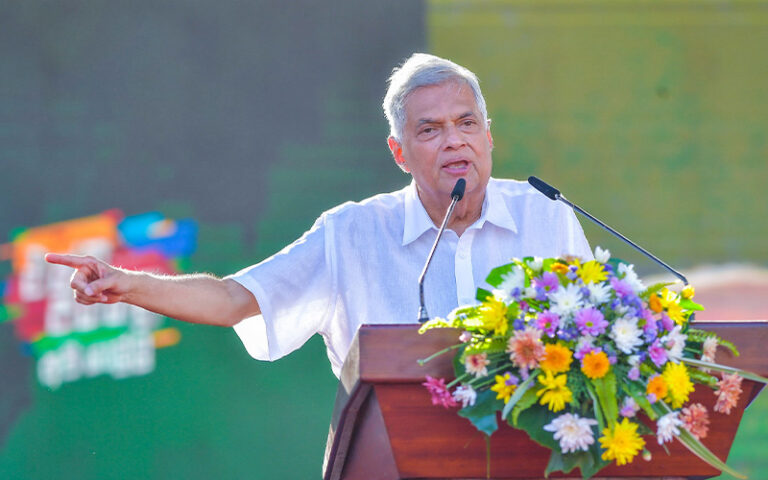
October 18, Colombo (LNW): Former President and United National Party (UNP) leader Ranil Wickremesinghe underscored the importance of having an experienced team in Parliament to steer Sri Lanka through its ongoing economic challenges. Speaking about his past efforts with the last Parliament to prevent the country from plunging into bankruptcy, Wickremesinghe highlighted the need to focus on the implementation of the sustainability agreement, which could see key amendments proposed by the current President.
Wickremesinghe emphasized that Parliament holds the authority to execute these amendments and that it is the responsibility of the next Parliament to ensure the successful implementation of these crucial measures. He outlined several key economic targets for the country, including:
Debt Repayment: Sri Lanka must begin repaying its debts starting in 2028.
Government Revenue: By 2027, government revenue should reach 15% of the Gross Domestic Product (GDP), up from the current 12%, requiring an annual growth of 1%.
GDP Recovery: The country’s GDP should recover to 2019 levels by the end of this year.
Foreign Reserves: Foreign reserves should be increased to a range of $12-14 billion.
Wickremesinghe also emphasized the need for rapid development and the implementation of anti-corruption measures, reiterating that Parliament is responsible for achieving these goals. With no single party likely to secure a majority in the upcoming elections, he stressed the importance of learning from the previous Parliament, where no one took ownership of critical responsibilities.
He recalled how he had to unite members from various parties, including the Sri Lanka Podujana Peramuna (SLPP), the Sri Lanka Freedom Party (SLFP), and the UNP, to form a government and work toward stabilizing the country’s economy. Wickremesinghe urged that such a situation should not be allowed to recur in the new Parliament, calling for stronger leadership and collaboration to avoid future crises.