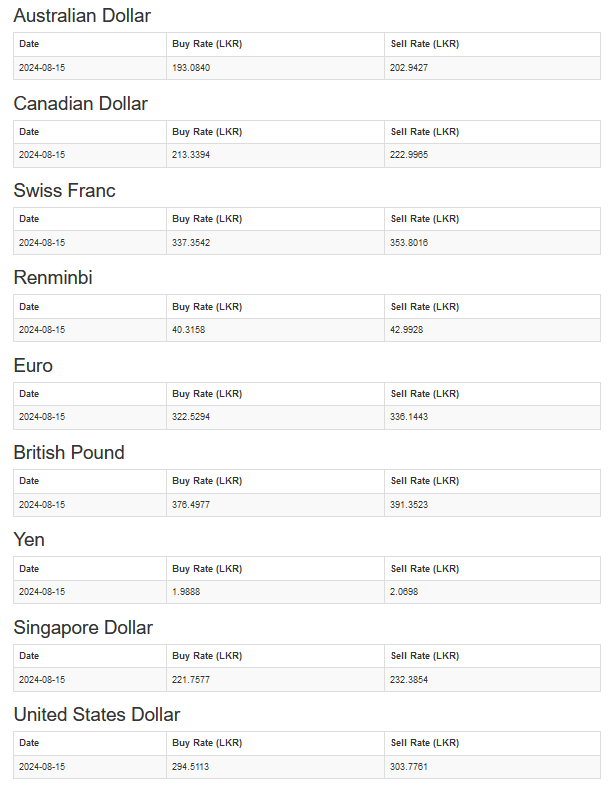
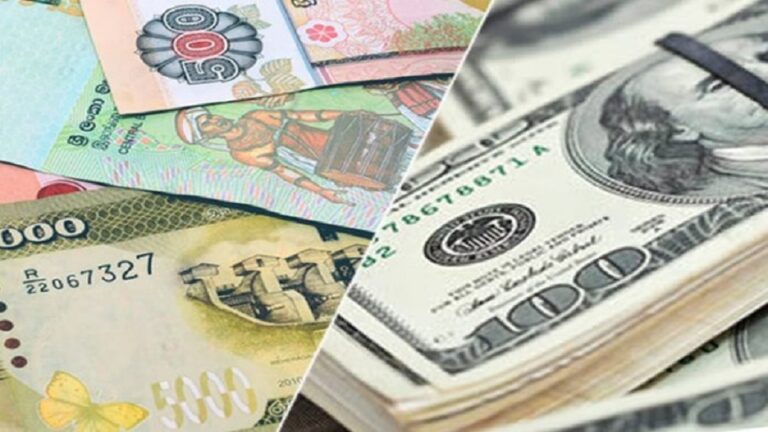
August 15, Colombo (LNW): The Sri Lankan Rupee indicates slight appreciation against the US Dollar today (15) in comparison to yesterday, as per the official exchange rates released by the Central Bank of Sri Lanka (CBSL).
Accordingly, the buying price of the US Dollar has dropped to Rs. 294.51 from Rs. 294.54 and the selling price to Rs. 303.77 from Rs. 303.82.
August 15, Colombo (LNW): The Election Commission of Sri Lanka said it accepted all nominations from 39 candidates running for the upcoming Presidential Election.
Chairman R.M.A.L. Rathnayake announced that all candidates, including those from major political parties, smaller parties, and independent contenders, met the nomination requirements during the designated period from 9:00 a.m. to 11:00 a.m. this (15) morning.
Three objections raised during the allotted time for objections, which ended at 11:30 a.m., were reviewed and subsequently dismissed.
These objections pertained to candidates Janaka Priyantha Kumara Ratnayake, Ven. Battaramulle Seelarathana Thero, and Oshala Lakmal Anil Herath.
With the objections resolved, the allocation of election symbols to independent candidates will proceed shortly. The list of accepted candidates is as follows:
President Ranil Wickremesinghe announces plans to offer income tax relief, focusing on middle-class support, including academics, during Sri Lanka’s economic reforms: outlines proposals for university autonomy, vocational training, and technology-focused institutions: These reforms align with IMF targets, aiming for fiscal stability while boosting education standards and economic growth.
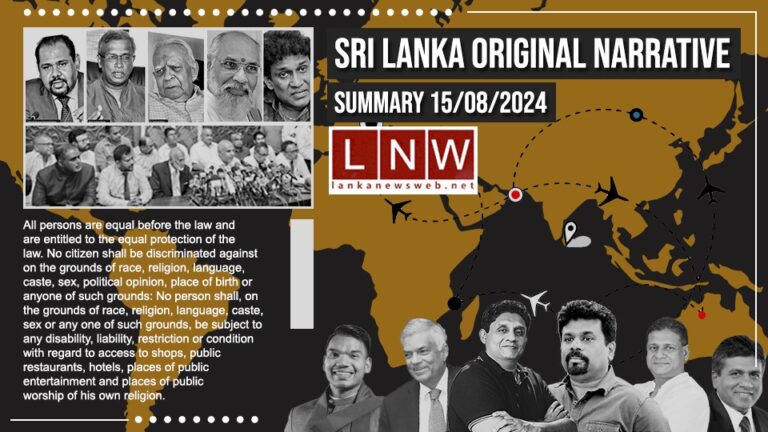
The Election Commission of Sri Lanka accepts the nominations of all 39 candidates for the 2024 Presidential Election, including 22 from political parties, 1 from another party, and 16 independents: Three objections were rejected, and the allocation of symbols to independent candidates will follow: The full list of accepted nominees includes notable figures such as Ranil Wickremesinghe, Sajith Premadasa, and Anura Kumara Dissanayake.
Only key contenders in Sri Lanka’s Presidential Election, including Ranil Wickremesinghe, Sajith Premadasa, Anura Kumara Dissanayake, and Namal Rajapaksa, will receive enhanced security based on threat assessments: The Ministerial Security Division and Special Task Force will provide protection: Security levels and protocols will vary depending on individual candidates and campaign locations, with military forces on standby for additional support.
Finance State Minister Shehan Semasinghe announces a 24% salary increase for government employees, raising the Cost of Living index to Rs. 25,000, due to surpassing the IMF’s projected 2% economic growth with an actual growth of over 5% in Q124’: This adjustment, included in the 2024 budget, aims to boost public sector salaries and align with broader fiscal goals under President Wickremesinghe’s administration: The government targets raising state revenue to 15% and maintaining a tight primary account balance over the next five years.
A Gazette notification has restructured Sri Lankan ministerial portfolios, bringing the Ministries of Tourism and Lands, Sports and Youth Affairs, and Labour and Foreign Employment under President Ranil Wickremesinghe’s direct supervision: This change follows a Supreme Court ruling that upheld the removal of MPs Manusha Nanayakkara and Harin Fernando from Parliament due to their suspension from the Samagi Jana Balawegaya (SJB) and their defiance of party directives.
The Wages Board Chairman, H.K.K.A. Jayasundara, announces a wage hike for plantation workers via Gazette notification: Tea and rubber workers will now receive Rs. 1,350 daily, plus a Rs. 350 productivity incentive, totalling Rs. 1,700: The adjustment aims to standardise wages and boost living standards: Objections are due by 28th August: This initiative seeks to enhance sector stability and productivity.
Sri Lanka has welcomes 1,271,432 foreign tourists as of mid-August, with a notable influx of 73,373 arrivals in the first 11 days of August: Indian travellers lead the numbers, followed by visitors from Russia, the UK, Germany, China, and France: The surge highlights renewed confidence in Sri Lanka’s tourism sector, driven by enhanced connectivity, promotional efforts, and a stable environment.
The Kandy Esala Perahera begins its Randoli Perahera phase tonight, marking a major part of Sri Lanka’s grand cultural festival: Running from August 15 to 19, this follows the Kumbal Perahera that began on August 10: The festival, featuring 40 elephants, concludes with the water-cutting ceremony on August 31 and the presentation of the traditional Sannasa to the President: Security is heightened with 6,000 police officers deployed in Kandy.
The Sri Lankan government applauds Canada’s decision to keep the Liberation Tigers of Tamil Eelam (LTTE) and the World Tamil Movement (WTM) on its list of terrorist organisations: This decision, following a thorough review, reaffirms the LTTE’s ongoing global network for fundraising and procurement, with the WTM facilitating these activities: The LTTE remains classified as a terrorist entity under Canadian law, a designation also upheld by India, the EU, and the UK.
In the latest ICC rankings, India’s Rohit Sharma moves up to second in the ODI batting list, surpassing Shubman Gill, thanks to a series-high 157 runs against Sri Lanka: Sri Lanka’s Pathum Nissanka also advances to eighth place with 101 runs: Kusal Mendis and Avishka Fernando make notable gains in the rankings as well: For bowlers, Sri Lanka’s Dunith Wellalage and USA’s Nosthush Kenjige show significant improvement: In Test rankings, South Africa’s Temba Bavuma and Tony de Zorzi rise in the batting rankings, while Keshav Maharaj and Jomel Warrican see upward movement among bowlers.
August 15, Colombo (LNW): President Ranil Wickremesinghe has officially declared his candidacy for the 2024 Presidential Election, choosing to run under the Gas Cylinder symbol.
The United National Party (UNP) leader opted to contest as an independent candidate, marking a strategic move amidst a crowded field of 39 contenders.
With the election set for 21st September, his decision underscores a bid to appeal beyond traditional party lines.
Wickremesinghe’s campaign is expected to focus on stability and continuity during a crucial period for the nation’s economic recovery.
August 15, Colombo (LNW): The Sri Lankan Rupee remains steady against the US Dollar today (15) in comparison to yesterday, as per leading commercial banks in the country.
At Peoples Bank, the buying price of the US Dollar has dropped to Rs. 293.26 from Rs. 293.85, and the selling price to Rs. 303.78 from Rs. 304.39.
At Commercial Bank, the buying and selling prices of the US Dollar remain unchanged at Rs. 293.46 and Rs. 303.25, respectively.
At Sampath Bank, the buying and selling prices of the US Dollar remain unchanged at Rs. 294.50 and Rs. 303.50, respectively.
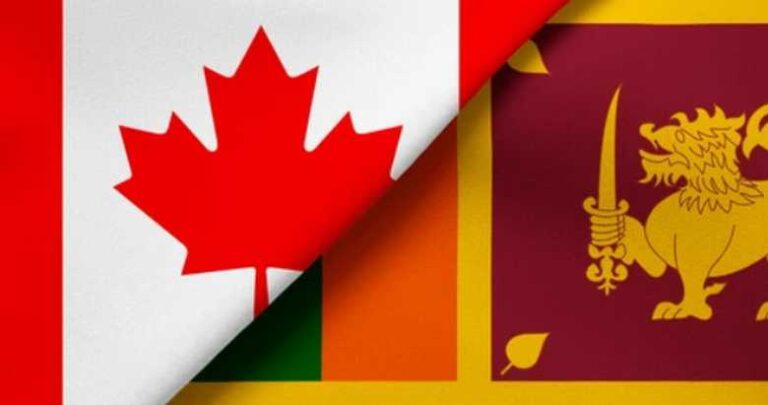
August 15, Colombo (LNW): The Government of Sri Lanka has expressed approval of Canada’s recent decision to maintain the Liberation Tigers of Tamil Eelam (LTTE) and the World Tamil Movement (WTM) on its list of terrorist organisations.
In a statement from the Foreign Ministry, Sri Lanka welcomed this development as a critical move in curbing the lingering international networks linked to the LTTE’s operations.
Canada’s decision follows a comprehensive review, which reaffirmed that the LTTE still possesses a global network for fundraising and procurement, supported by the WTM.
The review concluded that the WTM remains active in facilitating the LTTE’s objectives through financial channels.
The decision, endorsed after a rigorous evaluation process, underscores the persistent threat posed by these entities.
The LTTE has been classified as a terrorist organisation under Canada’s Criminal Code since April 2006, with periodic reviews mandated every five years.
The latest assessment, concluded in June 2024, reinforces Canada’s stance. The continued designation marks the third consecutive international ban on the LTTE, following similar actions taken by India, the European Union, and a ruling in the United Kingdom that upheld the LTTE’s proscription.
This development highlights ongoing international efforts to combat the resurgence of militant activities linked to the LTTE, reinforcing global solidarity against terrorism.
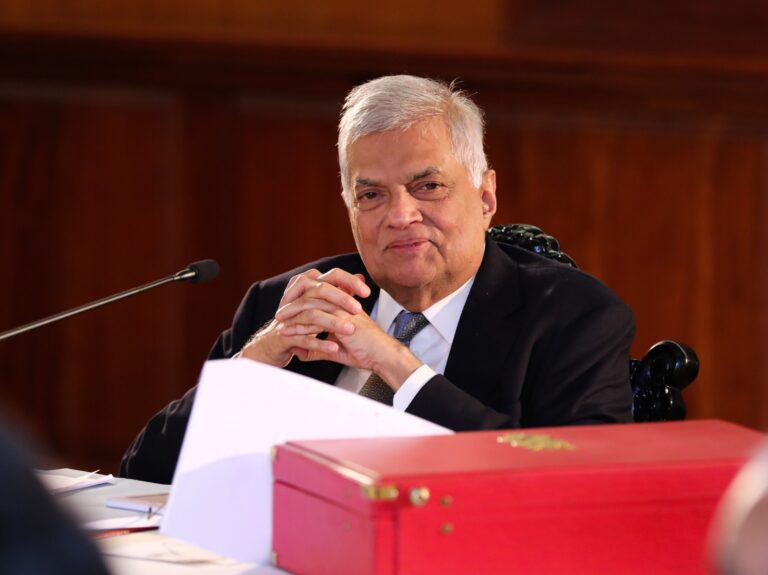
August 15, Colombo (LNW): President Ranil Wickremesinghe has revealed plans to provide personal income tax relief, addressing a gathering of university lecturers on Tuesday (13).
He stated that proposals from the Treasury and the International Monetary Fund (IMF) are being considered to support the middle class, particularly academia, amidst Sri Lanka’s ongoing economic reforms.
Speaking at a conference themed “Transforming Sri Lanka’s Higher Education towards a Developed Nation,” held at Water’s Edge Hotel, the President outlined his vision for educational and economic progress.
He highlighted the crucial role of higher education in the country’s recovery, proposing greater autonomy for state universities to enhance educational standards and attract foreign students.
Wickremesinghe elaborated on Sri Lanka’s macroeconomic targets agreed with the IMF, the World Bank, and other international creditors. These include achieving a 2.3 per cent budget surplus by 2025 and reducing public debt to 95 per cent of GDP by 2032.
He stressed that while these targets are non-negotiable, the government is exploring options to adjust the tax structure to provide relief without compromising fiscal goals.
The President also shared plans for educational reforms, focusing on vocational training, the expansion of technology-focused universities, and introducing job-oriented associate degrees.
Wickremesinghe underscored the need for restructuring state universities to operate with more financial independence and better align education with market demands.
This includes potential partnerships with international institutions and transforming non-state degree-awarding bodies into fully-fledged universities.
Education Minister Susil Premajayantha reflected on the challenging circumstances when the President took office in 2022, with the country facing severe economic instability.
Despite initial setbacks, significant progress has been made, including stabilising the education sector. Premajayantha praised the collective efforts of academics and government officials in overcoming the crisis, emphasising the need for continued collaboration to advance Sri Lanka’s education system.
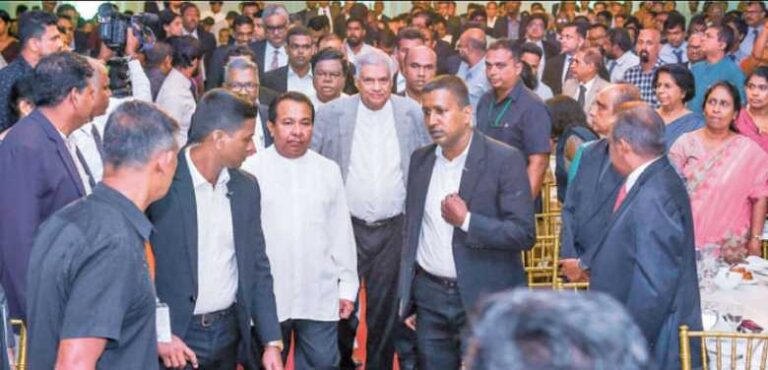
The event brought together over 750 academics, policymakers, and professionals to discuss the future of Sri Lankan education, signalling the government’s commitment to long-term development through strategic reforms in both education and the economy.
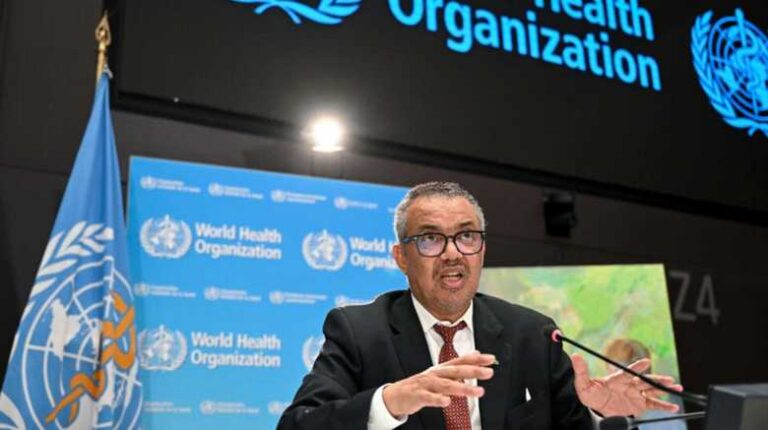
August 15, World (LNW): The World Health Organisation (WHO) has declared the recent mpox outbreak in central and east Africa as a public health emergency of international concern.
Previously known as monkeypox, the disease has caused over 450 deaths in the Democratic Republic of Congo (DRC) alone and is now rapidly spreading across multiple African nations, raising alarm due to a newly evolved variant.
This outbreak is driven by Clade 1, a more lethal strain of the virus, with the emergence of a variant known as Clade 1b.
Scientists warn that this variant is “the most dangerous yet,” with a high fatality rate and swift transmission.
WHO Director-General Tedros Adhanom Ghebreyesus called for urgent international coordination, expressing concern about the virus’s potential to spread further within Africa and beyond.
Since early 2024, over 13,700 mpox cases have been reported in the DRC, along with confirmed cases in countries including Kenya, Burundi, and Rwanda.
The outbreak’s severity has prompted the Africa Centres for Disease Control and Prevention (Africa CDC) to also declare a public health emergency, urging immediate containment efforts.
Mpox spreads through close contact, such as intimate encounters or skin-to-skin contact, and can result in flu-like symptoms, skin lesions, and death in severe cases.
The WHO’s previous mpox emergency in 2022 involved the milder Clade 2 strain, which caused significant outbreaks worldwide, particularly among men who have sex with men.
That situation was eventually controlled through targeted vaccination campaigns.
Experts like Dr. Josie Golding from the Wellcome Trust and Professor Trudie Lang of the University of Oxford have emphasised the importance of the emergency declaration in driving research and international action, while also acknowledging the many uncertainties surrounding this rapidly evolving crisis.
Immediate global attention is needed to contain this escalating outbreak, with hopes that the emergency status will mobilise resources, funding, and international cooperation to address the threat posed by this virus.
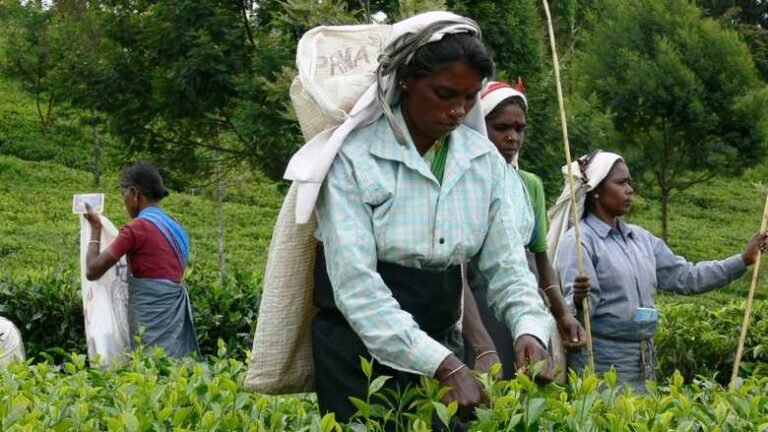
August 15, Colombo (LNW): The Chairman of the Wages Board, H.K.K.A. Jayasundara, has announced a significant wage increase for plantation workers through a newly issued Gazette notification.
As per the directive, tea plantation workers are set to receive a daily wage of Rs. 1,350, which will be paid after deductions for the Employees’ Provident Fund (EPF) and Employees’ Trust Fund (ETF).
Additionally, an incentive of Rs. 350 is to be provided based on productivity, raising the total daily wage to Rs. 1,700.
Rubber plantation workers are also included in the new wage structure, with their daily earnings similarly adjusted to Rs. 1,700.
The move aims to standardise compensation across the industry, addressing long-standing calls for better wages in the sector.
The Wages Board has called for any objections to these proposals, which must be submitted with valid reasons before 12 noon on 28th August.
The wage adjustment comes as part of a broader initiative to enhance living standards for plantation workers, with the hope that increased remuneration will lead to improved productivity and stability within the sector.
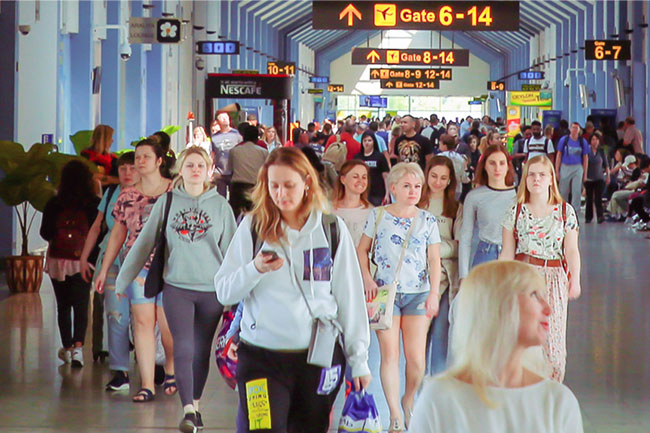
August 15, Colombo (LNW): Sri Lanka has welcomed over 1.25 million foreign tourists this year, with figures reaching 1,271,432 as of mid-August, according to the Sri Lanka Tourism Development Authority.
Indian travellers lead with 237,649 visits, followed by significant numbers from Russia, the UK, Germany, China, and France.
The steady influx continued in August, recording 73,373 arrivals in just the first 11 days.
The surge reflects growing confidence in Sri Lanka as a preferred travel destination, supported by improved connectivity, promotional efforts, and a stable environment, helping revitalise the nation’s tourism sector.